
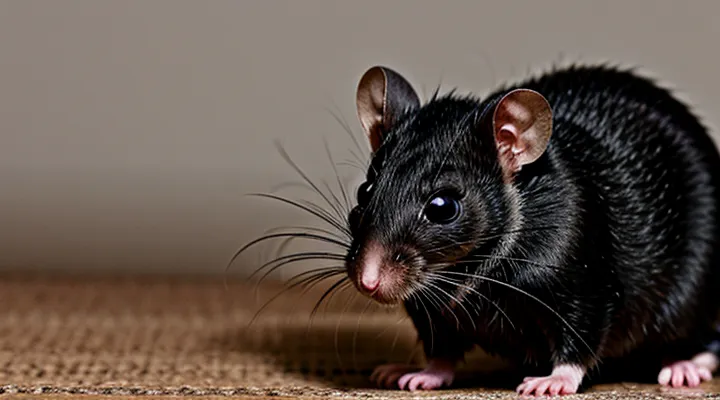
What are Mites?
Common Mite Species Affecting Rats
Mite infestations are a frequent health concern for domesticated rats, requiring accurate identification of the species involved to implement effective control measures.
- Ornithonyssus bacoti (tropical rat mite) – fast‑moving, blood‑feeding ectoparasite; bites cause erythema, pruritus, and can transmit rickettsial diseases to humans.
- Myobia musculi (mouse mite) – burrows in fur; induces hair loss, skin irritation, and secondary bacterial infection.
- Demodex spp. (follicular mite) – resides in hair follicles; overgrowth leads to alopecia, crusted lesions, and may indicate immune compromise.
- Sarcoptes scabiei (scabies mite) – penetrates epidermis; produces intense itching, hyperkeratosis, and can spread to other mammals.
- Laelaps echidnina (predatory mite) – occasionally parasitic; feeds on other arthropods but may bite rats, causing localized inflammation.
Each species exhibits distinct life cycles, host‑seeking behavior, and symptom profiles. Recognizing these differences enables targeted environmental sanitation, chemical treatment, and quarantine protocols, thereby reducing the risk of recurrence and protecting both animal and human health.
Life Cycle and Transmission
Mite infestations in ornamental rats follow a defined developmental sequence. Adult female mites deposit eggs on the host’s fur or in the surrounding environment. Eggs hatch into six-legged larvae within 2–3 days. Larvae molt into eight-legged nymphs after a brief feeding period, and nymphs undergo two successive molts before becoming reproductive adults. The entire cycle completes in 7–14 days under optimal temperature and humidity.
Transmission occurs primarily through direct contact between rats, especially during grooming, mating, or communal nesting. Secondary routes include:
- Contaminated bedding, cages, and accessories that retain viable eggs or larvae.
- Personnel handling multiple animals without proper disinfection of hands or gloves.
- Transfer of infested rodents from pet stores or breeding facilities.
Environmental persistence enables mites to survive off‑host for several days, allowing spread via fomites. High humidity and warm temperatures accelerate development and increase infestation risk. Effective control strategies must interrupt both the life cycle and transmission pathways.
Recognizing Mite Infestations
Behavioral Signs of Mites
Mite infestations often manifest through changes in a rat’s routine and physical comfort. Recognizing these alterations enables timely intervention, reducing the risk of severe skin damage and secondary infections.
Observable behavioral indicators include:
- Persistent scratching or grooming of fur, especially around the ears, neck, and tail base.
- Frequent rubbing against cage bars, objects, or bedding.
- Reduced activity levels, with the rat spending more time resting in secluded corners.
- Irritability when handled, manifested by sudden attempts to escape or bite.
- Reluctance to eat or drink, suggesting discomfort or pain.
Monitoring these signs daily provides a practical early-warning system, facilitating prompt treatment and effective mite control for fancy rats.
Physical Symptoms on Rats
Mite infestations in fancy rats produce distinct physical signs that indicate a need for immediate intervention.
- Excessive scratching or grooming, especially around the ears, neck, and tail base.
- Red, inflamed skin patches with visible crusts or scabs.
- Hair loss forming circular or irregular bald spots.
- Thickened, grayish skin resembling a “scaly” texture.
- Presence of tiny, moving specks visible on fur or skin under magnification.
Initial irritation may appear as mild erythema, progressing to ulceration if untreated. Chronic exposure can cause secondary bacterial infections, leading to pus formation and tissue necrosis. Weight loss and reduced activity often accompany severe cases, reflecting systemic stress.
Veterinary examination should include skin scraping and microscopic analysis to confirm mite species. Accurate identification guides targeted acaricide selection, preventing further deterioration and supporting rapid recovery.
Visual Inspection and Diagnosis
Visual inspection serves as the first line of defense against mite infestations in pet rats. Direct observation of the animal’s coat and skin reveals the earliest signs of parasitic activity, allowing timely intervention before the population expands.
Key elements of an effective visual assessment include:
- Examination of the dorsal and ventral fur for fine, moving specks or irregular clumping.
- Scrutiny of the whisker region, tail base, and ventral abdomen where mites commonly congregate.
- Close inspection of the ears and inner limbs for erythema, scaling, or excessive scratching.
- Observation of the rat’s behavior, noting sudden grooming spikes or restlessness that may indicate irritation.
When visual cues are ambiguous, confirmatory diagnosis relies on laboratory techniques. Collecting skin scrapings or fur clippings for microscopic evaluation identifies mite species and infestation intensity. Wet mount preparations reveal live mites, while stained slides provide morphological details essential for targeted treatment selection.
Integrating visual checks with periodic laboratory confirmation creates a reliable monitoring system. Routine inspections, performed weekly for new arrivals and monthly for established colonies, reduce the need for broad‑spectrum acaricides and support targeted, minimal‑impact control strategies.
Prevention Strategies for Mites
Maintaining Optimal Cage Hygiene
Maintaining optimal cage hygiene is a cornerstone of mite prevention for pet rats. Clean substrates remove organic debris that supports mite development, while regular removal of waste limits bacterial growth that can attract parasites. Proper ventilation reduces humidity, creating an environment unsuitable for mite survival.
Key practices include:
- Daily spot‑cleaning of droppings and food remnants.
- Weekly full substrate replacement with absorbent, low‑dust material.
- Monthly disinfection of all cage components using a diluted veterinary‑grade sanitizer; rinse thoroughly before reuse.
- Inspection of bedding for clumping or mold; discard any compromised sections immediately.
- Routine grooming of rats to eliminate stray hair and debris that may harbor mites.
Consistent application of these measures lowers infestation risk, supports rat health, and simplifies early detection of any mite activity.
Regular Cleaning Protocols
Regular cleaning reduces the likelihood of mite infestations in ornamental rodents. Consistent removal of waste, debris, and moisture eliminates the environment mites need to thrive.
- Clean cage bottom daily with a mild, non‑abrasive disinfectant. Rinse thoroughly and allow to air‑dry before adding fresh substrate.
- Replace bedding every 3–5 days, using low‑dust, absorbent material. Discard all soiled bedding and any visible droppings.
- Wash food dishes, water bottles, and enrichment items with hot, soapy water at least twice weekly. Rinse completely to avoid residue.
- Inspect and scrub ventilation slots and mesh panels weekly. Remove accumulated dust with a soft brush or vacuum attachment.
- Perform a full cage deep‑cleaning once a month: dismantle all components, scrub surfaces with a diluted bleach solution (1 % concentration), rinse, and dry before reassembly.
Maintain a schedule, record cleaning dates, and monitor rats for skin irritation. Promptly address any signs of mite activity by increasing cleaning frequency and consulting a veterinarian.
Safe Bedding Choices
Choosing appropriate bedding is a critical factor in reducing the risk of mite infestations on pet rats. Materials that retain moisture or decompose quickly create an environment where mites thrive. Therefore, select substrates that stay dry, are low‑dust, and resist fungal growth.
Recommended bedding options include:
- Paper‑based products (e.g., shredded paper, paper pellets) – absorbent, low‑dust, easy to replace.
- Aspen shavings – soft, low‑oil, minimal aromatic compounds that attract mites.
- Hemp fiber – breathable, moisture‑wicking, biodegradable.
- Coconut coir – lightweight, absorbs humidity, non‑allergenic.
Avoid cedar, pine, or aromatic wood shavings because volatile oils can irritate respiratory passages and may compromise the skin barrier, facilitating mite colonization. Likewise, discard cotton or fleece blankets that retain moisture and shed fibers, which serve as hiding places for parasites.
Maintain bedding hygiene by changing it at least twice weekly, cleaning the enclosure with a mild disinfectant, and ensuring the substrate thickness does not exceed two inches. Consistent replacement removes stray eggs and reduces the likelihood of a mite population establishing itself.
Freezing or Baking New Bedding
New bedding can harbor dormant mite eggs and larvae that threaten the health of pet rats. Treating bedding before use eliminates this hidden source of infestation.
Freezing is a reliable method when a freezer capable of maintaining –20 °C (–4 °F) is available. Place the entire batch of clean, dry bedding in a sealed, moisture‑resistant bag. Set the freezer temperature at or below –20 °C and keep the bag for a minimum of 72 hours. After the cycle, allow the bedding to return to room temperature while still sealed to prevent condensation.
Baking achieves the same result with an oven. Spread the bedding in a single layer on a baking sheet. Preheat the oven to 150 °C (300 °F). Heat the bedding for 30 minutes, then turn off the oven and let the material cool inside the closed oven to avoid moisture reabsorption.
Key considerations
- Freezing preserves the structural integrity of delicate fibers; baking may cause slight shrinkage or odor.
- Freezing requires a large freezer space; baking needs an oven that can accommodate the bedding volume.
- Both processes demand airtight storage after treatment to maintain sterility.
When both options are feasible, freezing is preferred for large quantities, while baking serves well for small batches or when rapid turnover is needed. Implementing either technique before introducing new bedding markedly reduces the risk of mite transmission to fancy rats.
Environmental Control
Effective environmental management reduces the risk of mite infestations in pet rats. Clean, well‑ventilated housing eliminates the conditions that allow ectoparasites to thrive.
Maintain the following parameters:
- Daily removal of uneaten food and waste; replace with fresh material each cleaning.
- Weekly full cage cleaning with a mild, non‑toxic detergent; rinse thoroughly to avoid residue.
- Bedding material that is absorbent, low‑dust, and changed at least once a week; avoid straw or hay that retains moisture.
- Relative humidity kept between 40 % and 60 %; use a hygrometer and a dehumidifier or humidifier as needed.
- Ambient temperature maintained between 18 °C and 24 °C; extreme heat or cold stresses the immune system and can exacerbate parasite survival.
- Cage construction of smooth, non‑porous surfaces; metal or high‑grade plastic minimizes hidden niches.
Implement a monitoring routine:
- Inspect the cage and the animals each morning for signs of irritation, excessive scratching, or visible mites.
- Record observations in a log; note any deviations in humidity or temperature.
- Perform a thorough inspection of enclosure corners, water bottles, and feeding stations weekly.
Additional measures:
- Quarantine new arrivals for a minimum of two weeks in a separate, sanitized enclosure; treat with a veterinarian‑approved acaricide if mites are detected.
- Limit access to outdoor environments where wild rodents or insects could introduce parasites.
- Store bedding, food, and cleaning supplies in sealed containers to prevent contamination.
Consistent application of these practices creates an environment hostile to mites, supporting the health and well‑being of fancy rats.
Humidity and Temperature Management
Effective mite control for show rats depends heavily on maintaining optimal environmental conditions. Relative humidity should stay between 40 % and 55 % to discourage mite proliferation; levels above 60 % create a favorable microclimate for egg development, while humidity below 30 % can stress the animals and compromise skin integrity. Temperature control is equally critical; ambient temperatures of 68 °F–75 °F (20 °C–24 °C) limit mite activity without exposing rats to thermal stress.
Key practices for regulating humidity and temperature:
- Use a calibrated hygrometer and thermometer in each enclosure; record readings twice daily.
- Install a dehumidifier or humidifier to correct deviations; set devices to maintain target range automatically.
- Ensure proper ventilation; position cages away from direct drafts and heat sources.
- Replace bedding with low‑moisture materials such as paper or aspen shavings; discard soiled bedding promptly.
- Monitor room humidity during seasonal changes; adjust HVAC settings or employ portable climate controllers as needed.
Consistent monitoring and rapid correction of environmental fluctuations reduce mite reproduction cycles, supporting overall health and presentation quality of fancy rats.
Pest Control in the Home Environment
Mites frequently colonize the bedding, cages, and surrounding areas of pet rats, leading to dermatitis, anemia, and secondary infections. Early detection relies on observing excessive scratching, hair loss, or visible specks on the animal’s skin and fur.
Typical culprits include Suidicola species and Myobia mites. Their life cycle progresses from egg to larva, nymph, and adult within 7‑10 days, allowing rapid population growth in warm, humid environments.
Effective prevention in the home environment incorporates the following actions:
- Clean cages daily; replace all bedding with low‑dust, absorbent material.
- Disinfect cage components weekly using a diluted bleach solution (1 part bleach to 10 parts water) followed by thorough rinsing.
- Maintain ambient humidity below 50 % by employing dehumidifiers or proper ventilation.
- Store feed in sealed containers to eliminate stray particles that attract mites.
- Limit exposure to wild rodents and insects by sealing cracks, installing screens, and keeping the house free of clutter.
If an infestation is confirmed, immediate treatment includes:
- Removing all bedding and washing it at ≥ 60 °C.
- Applying a veterinarian‑approved topical acaricide to the rats according to label instructions.
- Treating the cage interior with an environmental spray containing permethrin or a comparable acaricidal agent, ensuring a 24‑hour evacuation period for the animals.
- Repeating the environmental treatment after 7 days to eradicate newly emerged mites.
Long‑term control depends on routine monitoring, regular cage sanitation, and environmental humidity management. Consistent application of these measures sustains a mite‑free habitat and protects the health of fancy rats.
Nutritional Support and Immune System Health
A balanced diet supplies the nutrients that strengthen a rat’s immune defenses, reducing susceptibility to ectoparasites. High‑quality commercial rodent pellets provide a reliable baseline of protein, fat, and fiber; supplementing with fresh vegetables adds essential vitamins and antioxidants.
Key dietary elements that support mite resistance include:
- Protein ≥ 18 % of calories – promotes tissue repair and antibody production. Sources: lean meat, boiled egg, low‑fat cottage cheese.
- Vitamin A – maintains mucosal integrity; found in carrots, sweet potatoes, and liver.
- Vitamin E – protects cell membranes from oxidative damage; supplied by seeds, nuts, and spinach.
- Zinc – critical for lymphocyte function; available in pumpkin seeds and fortified grains.
- Omega‑3 fatty acids – modulate inflammation; include small amounts of fish oil or flaxseed.
- Probiotic cultures – enhance gut microbiota, indirectly boosting systemic immunity; add a pinch of plain yogurt or a commercial rodent probiotic.
Consistent feeding schedules prevent stress‑induced immunosuppression. Offer meals at the same times each day, limit sudden changes in food type, and ensure fresh water is always accessible. Clean feeding dishes daily to avoid bacterial growth that can compromise health.
Monitoring body condition and adjusting portions maintain optimal weight. Overweight rats experience reduced immune efficiency, while underweight individuals lack sufficient reserves for effective pathogen defense. Regular weight checks and body‑condition scoring guide dietary tweaks, ensuring the animal remains resilient against mite colonization.
Balanced Diet for Rats
A well‑balanced diet reduces the risk of mite infestations in pet rats by supporting strong skin and coat health, which are critical barriers against parasites. Nutrient‑dense feed supplies the proteins, fats, vitamins, and minerals needed for tissue regeneration and immune function, making external parasites less likely to establish.
Key dietary components:
- High‑quality rodent pellets containing at least 18 % protein and 5 % fat.
- Fresh vegetables such as carrots, broccoli, and leafy greens for vitamins A, C, and K.
- Small amounts of fruit (e.g., apple, banana) for natural sugars and additional antioxidants.
- Limited seeds and nuts for essential fatty acids, offered sparingly to prevent excess calories.
- Clean, fresh water available at all times.
Supplementary items, like calcium blocks and occasional boiled egg, can fill specific nutrient gaps. Consistency in feeding schedule and avoidance of stale or moldy food further protect skin integrity, contributing to effective mite prevention.
Stress Reduction Techniques
Effective stress management is a critical component of mite control for show rats. Chronic stress weakens immune function, increases skin shedding, and creates conditions favorable to mite colonization. Reducing stress therefore directly supports preventive measures.
Practical techniques include:
- Consistent daily handling to habituate rats to human contact, minimizing fear responses.
- Environmental enrichment such as tunnels, chew toys, and climbing structures to encourage natural behaviors.
- Stable temperature and humidity levels (18‑22 °C, 45‑55 % RH) to prevent physiological stress.
- Regular cleaning schedules that avoid abrupt changes in bedding or cage layout, maintaining a predictable environment.
- Balanced nutrition with high‑quality protein and essential fatty acids to sustain overall health and resilience.
Implementing a routine that integrates these practices yields measurable improvements in coat condition and reduces the likelihood of mite outbreaks. Monitoring behavior for signs of anxiety—excessive grooming, aggression, or lethargy—allows early intervention before stress compromises the animal’s defenses.
Quarantine and Introduction of New Rats
Quarantine is the first barrier against mite transmission when adding new rodents to an established colony. Each incoming rat should be placed in a separate cage, away from resident animals, for a minimum of 30 days. During this period, conduct daily visual inspections for skin irritation, fur loss, or crusted lesions. Record all observations in a log that includes the animal’s source, arrival date, and health status.
Implement a structured health‑screening protocol before release from isolation:
- Physical examination by a qualified veterinarian or experienced caretaker.
- Microscopic skin scrapings to detect early mite presence.
- Treatment with a proven acaricide if any signs appear, following label instructions and withdrawal times.
After clearance, introduce the rat gradually. Begin with visual contact through a solid barrier for several days, then allow limited supervised interaction in a neutral enclosure. Extend observation for another two weeks, monitoring for delayed symptom onset. Maintain strict sanitation: disinfect cages, bedding, and equipment before and after each introduction, using agents effective against ectoparasites.
Documentation must accompany every transfer. Include source identification, quarantine duration, test results, and treatment records. This trail facilitates traceability and rapid response should an infestation emerge later in the colony.
Isolation Period for Newcomers
Isolation of newly introduced rats is a critical step in preventing mite transmission among established colonies. The quarantine environment separates incoming animals from resident populations, allowing early detection of infestations before they spread.
A standard isolation period lasts fourteen days. This duration covers the complete life cycle of common rat mites, ensuring that any eggs, larvae, or adult stages become visible and can be treated promptly.
During quarantine, follow these actions:
- Keep newcomers in a dedicated cage with clean bedding, separate ventilation, and no shared equipment.
- Perform daily visual inspections of fur, especially around the ears, neck, and tail base, for signs of mites or skin irritation.
- Conduct a thorough cleaning of the cage and accessories every 48 hours using a diluted disinfectant safe for rodents.
- Apply a veterinarian‑approved acaricide on the first and seventh day of isolation, adhering strictly to dosage instructions.
- Record all observations and treatments in a log to track health status throughout the period.
Completion of the fourteen‑day isolation, coupled with negative inspections, permits safe integration of the newcomers into the main colony.
Pre-Quarantine Mite Checks
Before introducing a fancy rat to a quarantine environment, conduct a thorough external examination to detect ectoparasites. Inspect the fur and skin for moving mites, cysts, or excessive scratching. Focus on areas prone to infestation: ears, tail base, underbelly, and whisker pads. Use a magnifying lens and a bright light source to improve visibility.
Collect a small sample of any suspected debris with a fine brush or tweezers. Place the material on a glass slide, add a drop of mineral oil, and cover with a cover slip. Examine under a low‑power microscope (10–40×) for characteristic mite morphology. Record findings in a log that includes date, animal ID, and observer name.
If mites are identified, isolate the rat immediately and begin treatment before quarantine starts. Recommended interventions include topical acaricides approved for rodents, systemic medications prescribed by a veterinarian, and thorough cleaning of the animal’s bedding and enclosure. Dispose of contaminated materials in sealed bags and disinfect the housing with a rodent‑safe solution containing at least 0.5% sodium hypochlorite.
Maintain a checklist for each incoming rat:
- Visual inspection of coat and skin
- Microscopic slide preparation and examination
- Documentation of results
- Immediate isolation if parasites are present
- Initiation of appropriate treatment protocol
Adhering to this pre‑quarantine screening reduces the risk of mite transmission within a breeding or exhibition facility and supports overall health management of ornamental rodents.
Safe Grooming Practices
Mite infestations thrive on unclean fur and skin, making regular grooming a critical component of health management for ornamental rats. Effective grooming removes debris, disrupts mite life cycles, and allows early detection of skin abnormalities.
Before grooming, secure a clean, well‑ventilated area and assemble tools that can be sterilized: fine‑toothed comb, soft brush, non‑abrasive clippers, and a mild, rat‑safe disinfectant. Inspect each tool for damage; replace any compromised items to prevent injury or cross‑contamination.
- Gently brush the coat from head to tail, using short strokes to avoid pulling hair.
- Examine ears, whisker pads, and ventral region for redness, scabbing, or live mites; record observations.
- Trim excess fur around the tail base and hindquarters where debris accumulates, employing clippers set to a low speed.
- Apply a diluted, veterinary‑approved acaricide spray only if mites are detected, following the product’s dosage guidelines precisely.
- Clean all tools with the disinfectant after each session and store them in a sealed container.
After grooming, monitor the rat for at least 48 hours. Document any changes in behavior, skin condition, or appetite. Repeat the grooming routine weekly, increasing frequency during seasonal peaks of mite activity. Consistent, hygienic grooming reduces parasite load and supports overall well‑being of fancy rats.
Regular Health Checks
Regular health checks constitute a systematic examination of each fancy rat to identify early signs of mite activity. The process includes visual inspection of skin and fur, evaluation of grooming behavior, and assessment of the animal’s environment for potential sources of infestation.
Key components of an effective check:
- Observe coat for excessive shedding, redness, or crusty patches.
- Examine ears, tail, and genital area for irritation or debris.
- Note changes in appetite, activity level, or social interaction.
- Inspect bedding, cages, and accessories for mites or debris.
- Collect skin scrapings or fur samples when abnormalities appear.
Checks should be performed at least once weekly for newly acquired rats and biweekly for established colonies. Increase frequency to three times per week during outbreaks or after introducing new animals.
Early detection enables targeted treatment, limits transmission to cage mates, and maintains overall health standards. Consistent monitoring reduces the need for broad‑spectrum acaricides and supports optimal welfare for the entire population.
Spotting Early Signs
Early detection prevents severe mite outbreaks in pet rats and reduces the need for aggressive treatments.
Typical indicators appear before extensive skin damage develops:
- Redness or inflammation on the face, ears, or tail base
- Small, white or gray specks resembling dust on the fur, especially near the neck and abdomen
- Noticeable hair thinning or bald patches
- Excessive scratching, grooming, or biting of the skin
- Crusty or scaly debris that can be brushed off with a soft comb
Regular inspection should focus on the most vulnerable regions. Gently part the coat along the dorsal line, behind the ears, and around the tail. Use a fine-toothed comb to reveal hidden particles. Observe the rat’s behavior for sudden increases in grooming activity or irritability.
When any of the signs are present, isolate the affected animal, clean the cage with a mite‑effective disinfectant, and consult a veterinarian for appropriate topical or systemic therapy. Prompt intervention limits parasite spread and protects the health of the entire colony.
Safe Products for Mite Prevention
Natural Repellents and Their Efficacy
Natural repellents provide a viable alternative to chemical acaricides when protecting ornamental rats from ectoparasitic mites. Their mode of action relies on volatile compounds that deter mite attachment, disrupt feeding, or impair reproduction. Efficacy varies with active ingredient, concentration, and application frequency.
- Cedar oil (Cedrus spp.) – 2 % solution applied to bedding reduces mite counts by 70 % after three weekly treatments; residual activity persists for 5–7 days.
- Lavender essential oil (Lavandula angustifolia) – 1 % spray on cage surfaces achieves a 55 % reduction in infestation levels within ten days; effectiveness declines after 48 hours, requiring re‑application.
- Thyme oil (Thymus vulgaris) – 0.5 % dilution incorporated into nesting material limits mite reproduction, producing a 60 % drop in egg viability over a two‑week period.
- Diatomaceous earth (food‑grade) – Light dusting of 0.2 g cm⁻² on cage floor causes physical abrasion of mite exoskeletons, resulting in a 40 % mortality rate within 72 hours; efficacy depends on humidity control.
- Neem extract (Azadirachtin‑rich) – 5 % aqueous solution administered via misting reduces adult mite activity by 65 % after five days; observed synergistic effect when combined with mild heat (23 °C).
Studies indicate that combining two or more natural agents—such as cedar oil with diatomaceous earth—produces additive effects, achieving up to an 85 % reduction in mite populations. Consistency in application and environmental management (regular cleaning, low humidity) are critical for sustaining results.
Over-the-Counter Preventatives (Vet-Approved)
Over‑the‑counter, veterinarian‑approved products provide reliable protection against mite infestations in pet rats. These formulations are designed for safe topical or oral use, delivering rapid parasite elimination while minimizing stress to the animal.
Commonly available options include:
- Selamectin (e.g., Revolve) – topical solution applied to the skin at the base of the skull; dosage: 0.2 mg/kg body weight, repeated every 30 days for ongoing protection.
- Ivermectin (e.g., Heartgard Soft Chews) – oral tablets formulated for small mammals; dosage: 0.2 mg/kg, administered once; repeat treatment after 10 days to break the mite life cycle.
- Pyrethrin‑based sprays – aerosol applied to the cage and bedding; concentration: 0.1 % active ingredient; reapply weekly if environmental contamination persists.
- Lime sulfur dip – liquid preparation diluted to 2 % solution; immersion for 30 seconds; suitable for severe infestations, repeat every 7 days for three cycles.
When selecting a product, verify that the label explicitly states approval for use in rats or small rodents. Follow the manufacturer’s dosage chart precisely; over‑dosage can cause neurotoxicity, while under‑dosage fails to eradicate the parasite. Apply topical agents to clean, dry skin, avoiding the eyes and mucous membranes. Oral formulations should be given with a small amount of food to ensure ingestion.
Storage guidelines are straightforward: keep products in a cool, dry place, away from direct sunlight and out of reach of children and other pets. Expired items lose efficacy and may pose health risks; discard them according to local hazardous‑waste regulations.
After treatment, inspect the rat daily for signs of residual itching, alopecia, or crusted skin. Continue environmental sanitation—wash bedding, clean cage surfaces, and vacuum surrounding areas—to prevent re‑infestation. If symptoms persist beyond two weeks, consult a veterinarian for a prescription‑strength regimen.
Consulting a Veterinarian for Prophylactic Measures
Consulting a veterinarian is the most reliable step for establishing a preventive program against mite infestations in pet rats. A qualified professional can assess the animal’s health status, identify risk factors, and recommend evidence‑based interventions.
Key points to address during the veterinary visit:
- Detailed health history, including recent exposure to other rodents or environments where mites are common.
- Physical examination focusing on skin, fur, and ear canals for early signs of infestation.
- Laboratory diagnostics, such as skin scrapings or microscopic analysis, to confirm the presence or absence of ectoparasites.
- Selection of prophylactic treatments, including topical acaricides, systemic medications, or environmental sprays approved for rodents.
- Guidance on habitat sanitation: frequency of cage cleaning, bedding material choice, and use of mite‑resistant substrates.
- Schedule for follow‑up examinations to monitor treatment efficacy and adjust protocols as needed.
Veterinary advice also covers vaccination status, nutrition, and stress reduction, all of which influence the animal’s resistance to parasites. Implementing the veterinarian’s recommendations ensures a comprehensive, science‑backed approach to mite prevention and promotes long‑term health for fancy rats.