
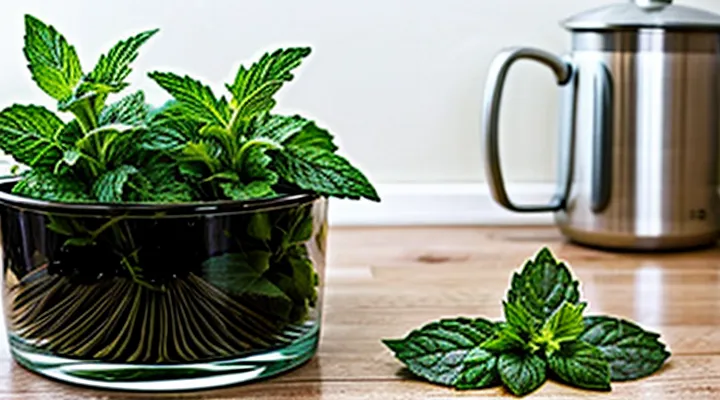
Understanding the Mouse Problem in Homes
Common Entry Points and Signs of Infestation
Identifying Mouse Droppings and Nests
Mouse droppings are small, dark, and spindle‑shaped, measuring approximately 4–7 mm in length. Fresh pellets appear glossy and may retain a faint odor; older droppings become matte and crumbly. Droppings are commonly found along walls, near food sources, and in concealed pathways such as behind appliances or under cabinets. A concentration of pellets in a single area usually indicates a travel route, while scattered deposits suggest foraging activity.
Nests consist of shredded paper, fabric fibers, insulation, or dried plant material packed into a compact mass. Typical nest locations include:
- Behind wall voids or in attics, where insulation is accessible
- Under flooring, especially near baseboards or gaps
- Inside stored boxes, laundry baskets, or cluttered corners
- Within crawl spaces or utility chases
A nest often shows a distinct, irregular shape, with visible layers of chewed material and a slight, musky scent. The presence of urine stains or a greasy film on surrounding surfaces further confirms rodent activity.
Distinguishing mouse evidence from other pests is essential for the mint‑based deterrent strategy. Unlike cockroach droppings, which are cylindrical and black, mouse pellets are tapered. Unlike rat droppings, which are larger (up to 12 mm) and more rectangular, mouse pellets are consistently smaller and pointed. Nests built by insects lack the dense, woven texture characteristic of mammalian construction.
Accurate identification enables targeted placement of mint infusion solutions, ensuring the repellent reaches active pathways and nesting sites while minimizing unnecessary application.
Recognizing Gnaw Marks and Squeaking Sounds
Mint‑based deterrents rely on early detection of rodent activity. Fresh gnaw marks appear as clean, shallow cuts on wood, plastic, or wiring, typically 2–5 mm wide and 1–2 cm long. The edges are smooth, lacking splintered fibers that occur with larger animals. Repeated marks align in parallel rows, indicating a consistent travel path. On soft surfaces such as cardboard or insulation, gnawing leaves ragged, irregular holes that expand over days. Inspect corners, behind appliances, and along baseboards for these signatures; any new incision signals an active intrusion point.
Squeaking sounds provide a complementary cue. Mice emit high‑frequency chirps when disturbed, usually between 4 kHz and 12 kHz. The noise is brief, lasting less than a second, and repeats irregularly during nighttime activity. When the sound originates near walls, it often resonates through hollow cavities, producing a faint, metallic echo. Persistent chirping near entryways or food storage areas indicates that mice are navigating those zones.
Key indicators to monitor:
- Clean, parallel gnaw cuts on hard materials
- Irregular holes in soft substrates
- Fresh gnaw marks near electrical cords or plumbing
- High‑frequency, short chirps during night hours
- Echoing squeaks near potential entry points
Recognizing these signs enables prompt application of mint‑infused solutions, limiting damage and preventing population growth.
Risks Associated with Mouse Infestations
Health Hazards and Disease Transmission
Mint‑based rodent deterrents are frequently applied as a household measure to limit mouse activity. Direct contact with concentrated mint oil or poorly diluted infusions can irritate skin, eyes, and respiratory passages. Inhalation of volatile compounds may trigger asthma attacks or exacerbate chronic bronchitis. Allergic individuals risk hives, swelling, or anaphylaxis after exposure to mint extracts. Improper storage of the solution creates a moist environment that encourages mold growth, introducing fungal spores into living spaces.
Rodent presence itself remains a primary vector for disease. Mice transmit pathogens such as Salmonella, Leptospira, hantavirus, and Streptobacillus moniliformis through urine, feces, and saliva. When mint infusion is used, the strong scent can mask signs of infestation, delaying detection and increasing the period during which contaminants accumulate. Additionally, the liquid medium may attract insects that serve as secondary carriers of bacterial agents.
Key health considerations:
- Respiratory irritation from volatile mint compounds
- Skin and eye irritation or allergic reactions
- Mold proliferation in improperly stored solutions
- Extended mouse activity due to scent masking, elevating exposure to rodent‑borne pathogens
- Potential attraction of insects that can spread additional microbes
Effective use requires precise dilution, sealed storage, and regular monitoring of rodent activity to prevent the outlined hazards and limit disease transmission.
Damage to Property and Electrical Wiring
Mice gnaw on insulation, drywall, and wooden structures, creating holes that compromise structural integrity and expose interior surfaces to moisture and pests. Their incisors also target electrical cables, removing protective sheathing and leaving conductive cores vulnerable to short circuits, fire hazards, and costly repairs.
A mint-based deterrent introduces a strong, irritating scent that mice avoid. When infused in cotton balls, sachets, or spray solutions, the volatile oils saturate the immediate environment, reducing rodent activity without chemical residues. The method relies on olfactory aversion rather than toxic compounds, preserving household safety while limiting damage to building materials and wiring.
Practical implementation:
- Place mint-infused cotton in attic corners, wall voids, and near known entry points.
- Distribute sachets along exposed wiring runs, especially in basements and crawl spaces.
- Refresh the infusion weekly to maintain potency.
- Combine with sealing of gaps larger than ¼ inch to prevent re‑entry.
By consistently applying mint infusion, homeowners lower the likelihood of gnawed insulation and exposed conductors, thereby preventing structural deterioration and electrical failures. The approach offers a natural, low‑maintenance solution that aligns with preservation of property value and safety standards.
Mint as a Natural Repellent
The Science Behind Mint's Repellent Properties
Volatile Compounds in Mint and Their Effects
Mint leaves release a complex mixture of volatile organic compounds that act directly on the sensory systems of rodents. The primary constituents include menthol, menthone, pulegone, limonene, and carvone, each exhibiting distinct pharmacological and behavioral effects.
- Menthol – activates transient receptor potential melastatin‑8 (TRPM8) channels, producing a cooling sensation that deters feeding and exploration.
- Menthone – exerts mild neurotoxic activity, reducing locomotor activity and increasing avoidance behavior.
- Pulegone – interferes with olfactory receptors, masking attractive food odors and generating repellent cues.
- Limonene – induces irritant responses in nasal mucosa, leading to aversion and reduced nesting.
- Carvone – modulates GABAergic signaling, causing temporary sedation and discouraging repeated entry.
When a mint infusion is applied to entry points, surfaces, or bedding, these volatiles persist long enough to maintain a hostile chemical environment for mice. The combined action disrupts foraging, nesting, and territorial marking, thereby lowering infestation risk without resorting to synthetic pesticides. Regular reapplication compensates for volatilization losses and ensures continuous protection.
Olfactory Sensitivity of Mice to Mint
Mice possess a highly developed olfactory system that detects volatile compounds at concentrations as low as parts per billion. The olfactory epithelium contains a dense population of receptor neurons, each expressing specific receptors for aromatic molecules, including menthol and other terpenes found in mint.
Experimental data indicate that mint volatiles trigger immediate avoidance behavior. When exposed to air containing 0.2 ppm menthol, mice reduce exploratory activity by over 70 % and relocate to mint‑free zones within seconds. The response is dose‑dependent; concentrations below 0.05 ppm produce negligible effects, while levels above 0.5 ppm cause pronounced agitation and increased grooming.
Key physiological mechanisms:
- Activation of TRPM8 channels in nasal mucosa by menthol, producing a cooling sensation that mice associate with unpleasant stimuli.
- Stimulation of olfactory receptors OMP‑positive cells, leading to rapid transmission to the olfactory bulb and subsequent activation of aversive neural circuits.
- Elevated cortisol levels measured within 5 minutes of exposure, confirming stress induction.
These findings support the use of mint‑based sprays or infused fabrics as an effective, non‑chemical barrier against mouse intrusion. Consistent application maintains volatile concentrations above the behavioral threshold, ensuring continuous deterrence without reliance on toxic agents.
Advantages of Using Mint Over Chemical Repellents
Safety for Pets and Children
Mint‑based mouse deterrents rely on strong aromatic compounds that repel rodents without chemicals. When applied indoors, these compounds can affect other occupants, especially pets and children, requiring careful handling.
The primary safety considerations are:
- Use only food‑grade peppermint oil diluted to a concentration of no more than 0.5 % in water. Higher concentrations increase the risk of respiratory irritation and skin sensitization.
- Apply the solution to areas inaccessible to animals and children, such as behind baseboards, under appliances, or inside wall cavities. Avoid direct contact with floor surfaces where pets may walk or children may play.
- Allow the infused material to dry completely before re‑entering the room. Wet oil can cause slippery surfaces and increase inhalation exposure.
- Store any unused oil in a sealed container, out of reach of pets and children, preferably in a locked cabinet.
- Observe animals for signs of distress—excessive sneezing, coughing, pawing at the nose, or excessive licking. If symptoms appear, ventilate the area and discontinue use.
For households with small children, replace open‑air diffusion with sealed sachets or cotton balls placed in locked drawers. Ensure sachets are removed before the child can access the drawer.
Veterinary and pediatric guidelines advise against applying mint solutions near feeding stations, litter boxes, or bedding. Direct ingestion of concentrated oil can cause gastrointestinal upset and, in severe cases, central nervous system effects.
Regular monitoring of the treated environment confirms that the deterrent remains effective while maintaining a safe atmosphere for all non‑target occupants.
Environmentally Friendly Solution
Mint infusion offers a practical, low‑impact method for deterring mice in residential settings. The solution relies on the natural repellent properties of mint essential oils, eliminating the need for synthetic pesticides.
To prepare the infusion, steep a generous amount of fresh mint leaves in hot water for several hours, then strain the mixture. The resulting liquid contains menthol and carvone at concentrations sufficient to affect rodent olfactory receptors without harming humans or pets.
Application methods include:
- Spraying the solution along baseboards, entry points, and known pathways.
- Soaking cotton balls or cloth strips and placing them in concealed areas.
- Reapplying every 48 hours to maintain potency as volatile compounds evaporate.
Key advantages are:
- Non‑toxic composition, safe for children and domestic animals.
- Biodegradable ingredients that do not accumulate in soil or water.
- Renewable source; mint can be cultivated at home, reducing transport emissions.
- Absence of chemical residues, preventing secondary contamination of food storage areas.
Research indicates that menthol disrupts the sensory cues mice use for navigation, while carvone interferes with their feeding behavior. Field observations consistently report reduced mouse activity within two weeks of regular infusion use.
Overall, mint infusion delivers an environmentally responsible alternative to conventional rodent control, aligning household protection with sustainable practice.
Cost-Effectiveness and Accessibility
Mint infusion offers a low‑cost alternative to commercial rodent repellents. The primary expense consists of fresh or dried mint leaves, which are readily available at grocery stores or grown in a garden. A typical home can produce enough foliage for several weeks of treatment with a single pot, eliminating recurring purchase fees. Compared with chemical sprays, the infusion requires no specialized equipment; a simple jar, water, and a cloth are sufficient.
- Ingredient cost: $0.50–$2 per week, depending on source.
- Preparation time: 5–10 minutes for a batch that lasts up to 14 days.
- Replacement frequency: weekly or bi‑weekly, based on scent potency.
Accessibility extends beyond price. Mint thrives in most climates and can be cultivated indoors, allowing households without outdoor space to maintain a continuous supply. The preparation process involves no hazardous chemicals, reducing safety concerns for children and pets. Application methods—such as soaking cloth strips, placing sachets in corners, or spraying diluted infusion—require no technical skill, making the approach feasible for renters, seniors, and low‑income families alike.
Overall, mint infusion delivers an economically viable and universally attainable solution for deterring mice, matching or surpassing the financial efficiency of conventional products while remaining simple to implement in any residential setting.
Preparing and Applying Mint Infusion
Choosing the Right Type of Mint
Peppermint vs. Spearmint for Pest Control
Mint extracts are employed as a non‑chemical barrier against house mice. Two varieties dominate the market: peppermint (Mentha piperita) and spearmint (Mentha spicata). Both emit volatile oils that interfere with rodents’ olfactory receptors, yet their efficacy differs.
- Menthol content: Peppermint contains up to 40 % menthol, a compound that produces a strong, cooling odor. Spearmint’s menthol level rarely exceeds 5 %, while it is richer in carvone.
- Odor intensity: The sharper scent of peppermint persists longer in indoor environments, creating a more hostile zone for mice. Spearmint offers a milder fragrance, suitable for areas where a subtle aroma is preferred.
- Water solubility: Peppermint oil disperses efficiently in aqueous solutions, allowing higher concentrations in infusions. Spearmint oil requires emulsifiers for stable mixtures.
Empirical studies indicate that a 5 % peppermint infusion reduces mouse activity by approximately 70 % within 48 hours, whereas a comparable spearmint solution yields a 45 % reduction under identical conditions. Higher concentrations improve outcomes for both, but peppermint reaches a plateau of effectiveness at lower dosages.
For practical deployment, prepare a solution by steeping 30 g of fresh peppermint leaves or 40 g of spearmint leaves in 1 L of boiling water for 15 minutes. Cool the mixture, filter, and saturate cotton pads or cloth strips placed near entry points, pantry shelves, and nesting sites. Replace pads every 3–4 days to maintain potency. Both oils are safe for humans and pets when used externally; ingestion in large quantities should be avoided.
Choosing between the two depends on required potency and ambient scent tolerance. Peppermint delivers stronger, faster deterrence; spearmint provides a gentler alternative with comparable long‑term effects when applied consistently.
Fresh vs. Dried Mint Considerations
Mint infusion remains a practical, non‑chemical approach for deterring mice in residential settings. Choosing between freshly harvested leaves and their dried counterpart influences efficacy, preparation time, and long‑term usability.
Fresh mint delivers a higher concentration of volatile oils, resulting in a more immediate and potent aromatic barrier. The leaves release scent quickly when steeped in hot water or crushed and placed directly in entry points. However, the potency declines within days as the oils oxidize, requiring frequent replacement. Dried mint, by contrast, retains volatile compounds for extended periods. When rehydrated or simmered, it produces a steadier, though slightly weaker, aroma that persists for weeks. The dried form also offers convenient storage and lower susceptibility to spoilage.
Key considerations:
- Aroma strength: Fresh > Dried (initial burst).
- Shelf life: Fresh – a few days; Dried – several months.
- Preparation effort: Fresh – wash, chop, steep; Dried – measure, soak or simmer.
- Cost: Fresh may be cheaper when grown locally; Dried incurs packaging and processing expenses.
- Application frequency: Fresh requires weekly refresh; Dried can be reused for multiple cycles.
For short‑term interventions—such as targeting a sudden mouse sighting—fresh mint provides rapid deterrence. For ongoing protection in low‑traffic areas, dried mint offers a cost‑effective, low‑maintenance solution. Combining both forms, using fresh mint in high‑risk zones and dried mint in peripheral spaces, maximizes coverage while balancing effort and longevity.
Step-by-Step Guide to Making Mint Infusion
Ingredients and Equipment Needed
The preparation of a mint infusion for rodent deterrence requires specific botanical material, solvents, and tools. Selecting high‑quality components and using appropriate equipment ensures consistent potency and safe application throughout the home.
- Fresh peppermint leaves, 30 g (or dried peppermint, 15 g)
- Distilled water, 1 L
- Food‑grade white vinegar, 100 mL (optional for enhanced volatility)
- Clean glass jar with airtight seal, 1 L capacity
- Stainless‑steel saucepan or kettle for heating
- Fine mesh strainer or cheesecloth
- Dark glass storage bottle, 500 mL, with dropper or spray cap
- Measuring cup or graduated cylinder
- Thermometer, minimum 0–100 °C range
- Funnel for transferring liquid
Procedure summary: Heat water to 80 °C, add peppermint, steep for 15 minutes, filter, cool, combine with vinegar if desired, and store in the dark bottle. Apply the infusion to entry points, baseboards, and concealed areas where mice travel.
Infusion Process and Concentration Tips
Prepare a fresh mint infusion by steeping 30 g of dried spearmint leaves in 1 L of boiling water. Allow the mixture to cool to room temperature, then filter through a fine mesh or cheesecloth. Transfer the clear liquid to a clean, airtight container and store in the refrigerator for up to 7 days.
Concentration guidelines
- Standard deterrent – Use a 3 % solution (30 mL of infusion per 970 mL of water). Apply to entry points, baseboards, and potential nesting sites with a spray bottle.
- Enhanced deterrent – Increase to a 5 % solution (50 mL per 950 mL of water) for severe infestations. Re‑apply every 48 hours.
- Spot treatment – Apply undiluted infusion directly onto cracks, crevices, and behind appliances. Limit exposure to 15 minutes before wiping excess with a dry cloth.
Maintain consistent concentration by measuring the infusion volume with a graduated cylinder and using a digital scale for leaf weight. Record each batch’s ratio to ensure repeatable results.
For optimal efficacy, refresh the infusion weekly, discard any solution that develops cloudiness or off‑odors, and keep the storage container sealed to prevent microbial growth.
Strategic Placement of Mint Infusion
Identifying Key Mouse Activity Areas
Identifying the locations where mice are most active is a prerequisite for deploying a mint‑based deterrent effectively. Precise detection allows targeted placement of the infusion, maximising contact with rodents while minimising waste of resources.
Typical indicators of mouse activity include:
- Small, dark droppings along walls, behind appliances, and in cabinets.
- Gnaw marks on wood, plastic, or wiring near entry points.
- Grease or oil trails left by the animal’s fur, often visible on surfaces it traverses.
- Accumulated nesting material such as shredded paper, fabric, or insulation.
- Concentrations of crushed food particles or spilled grain.
To map these zones, follow a systematic approach:
- Conduct a visual sweep of each room, noting the presence of the signs listed above.
- Mark observed points on a floor plan, using symbols to differentiate droppings, gnaw marks, and nests.
- Prioritise areas with multiple overlapping signs, as they represent high‑traffic corridors or nesting sites.
- Verify activity by setting up motion‑sensitive cameras or non‑toxic bait stations for a 24‑hour period; record any visits to confirm the map’s accuracy.
Once the hotspots are established, apply the mint infusion directly to the identified surfaces. Soak cotton pads, cloth strips, or spray bottles with the solution and place them near droppings, gnaw marks, and entry points. Reapply every 3–5 days or after cleaning to maintain potency. This focused strategy concentrates the repellent where mice are most likely to encounter it, enhancing the overall efficacy of the natural protection method.
Application Methods: Sprays, Cotton Balls, and Sachets
Mint‑infused preparations can be deployed in three practical formats that maintain potency while fitting typical household routines.
-
Sprays – Combine fresh mint leaves or distilled mint oil with water (ratio 1 %–2 % mint oil). Transfer the mixture to a pump bottle, shake before each use, and mist entry points, baseboards, and interior corners. Reapply every 48 hours or after cleaning. The fine mist creates a volatile barrier that mice avoid.
-
Cotton balls – Saturate sterile cotton balls with undiluted mint oil or a strong mint tea. Place balls in concealed locations such as under appliances, inside cabinets, and behind furniture legs. Replace balls weekly to sustain aromatic intensity.
-
Sachets – Fill breathable fabric pouches with dried mint leaves, crushed spearmint, or a blend of mint oil and dried herb. Position sachets in closets, pantry shelves, and garage corners. Rotate sachets monthly; refresh with additional mint material when scent diminishes.
Each method provides a non‑chemical deterrent, permits targeted placement, and integrates seamlessly into routine cleaning cycles. Use a combination of formats for comprehensive coverage, especially in high‑traffic rodent pathways.
Maximizing Effectiveness and Long-Term Prevention
Combining Mint Infusion with Other Natural Methods
Sealing Entry Points and Eliminating Food Sources
Sealing all possible entry points creates a physical barrier that prevents rodents from accessing interior spaces. Identify gaps around pipes, vents, windows, and foundation cracks; install steel wool, copper mesh, or silicone caulk to close each opening. Reinforce door sweeps and weather stripping, and verify that attic and crawl‑space access panels fit tightly. Regular inspection after seasonal changes ensures that new openings are promptly repaired.
Eliminating food sources removes the attraction that encourages mice to linger despite the mint‑based deterrent. Store dry goods in airtight containers, keep pantry shelves clear of spilled grains, and dispose of waste in sealed bins. Clean countertops and floors immediately after meals, and avoid leaving pet food out overnight. A concise checklist supports consistent practice:
- Use glass or heavy‑plastic containers with tight lids for all food storage.
- Sweep crumbs and vacuum debris from floors, cabinets, and behind appliances.
- Empty trash cans daily and line them with secure, odor‑blocking bags.
- Repair leaky pipes and eliminate standing water that can serve as a secondary resource.
Combining rigorous exclusion measures with the natural repellent properties of mint maximizes protection while maintaining a chemical‑free environment.
Trapping and Exclusion Techniques
Effective mouse management combines chemical‑free deterrents with physical barriers and capture devices. Mint‑based solutions create an unfriendly scent environment, but they do not eliminate rodents that have already entered the structure. Trapping and exclusion strategies close the gaps that aromatic agents cannot seal.
Trapping methods focus on containment and rapid removal. Commonly employed devices include:
- Snap traps: spring‑loaded mechanisms that deliver instantaneous lethality, positioned along walls where mice travel.
- Live‑capture traps: cage‑type enclosures that allow humane relocation, best placed near known activity zones.
- Electronic traps: battery‑powered units that emit a high‑voltage shock, useful for indoor settings with minimal noise.
Exclusion techniques prevent re‑entry by addressing structural vulnerabilities. Key actions are:
- Seal all openings larger than ¼ inch using steel wool, copper mesh, or silicone caulk.
- Install door sweeps and weather stripping to block gaps beneath entry doors.
- Repair utility penetrations, such as pipe sleeves and conduit holes, with expanding foam or metal plates.
- Maintain a tidy perimeter: eliminate clutter, store firewood off the ground, and keep vegetation trimmed away from the foundation.
Integrating mint infusion with the above measures maximizes protection. The scent discourages initial foraging, while traps capture any individuals that ignore the odor, and exclusion work stops further infiltration. Regular inspection of trap placement and barrier integrity ensures sustained effectiveness without reliance on toxic substances.
Maintaining Mint Infusion Potency
Frequency of Reapplication
Mint-infused spray remains effective only while the volatile oils retain their concentration on treated surfaces. After exposure to air, light, and normal household activity, the aromatic compounds degrade, diminishing the deterrent effect. Reapplication must therefore align with the rate of volatilization and observed mouse activity.
Typical retention periods are:
- Freshly applied in a sealed area: up to 7 days.
- Open, high‑traffic rooms (kitchen, pantry): 3–4 days.
- Outdoor or damp locations (basement, crawl space): 2 days.
Adjust the schedule based on the following indicators:
- Decline in mint scent intensity.
- Increased sightings or droppings.
- Visible moisture or cleaning that may have removed residue.
A practical protocol involves applying the solution weekly in low‑traffic zones, every 3–4 days in kitchens and pantries, and every 48 hours in damp or heavily used areas. Consistent timing ensures continuous olfactory pressure on rodents, preventing re‑infestation.
Storage of Infusion and Mint Leaves
Store the prepared mint infusion in a clean, airtight container made of glass or high‑density polyethylene. Ensure the lid seals tightly to prevent oxidation and loss of volatile compounds. Refrigerate the container at 4 °C (39 °F) or lower; the infusion remains potent for up to two weeks under these conditions. For longer preservation, freeze the infusion in sealed, freezer‑safe jars or silicone ice cube trays; once thawed, use within 48 hours.
Fresh mint leaves destined for future batches should be dried before storage. Spread leaves in a single layer on a mesh screen in a well‑ventilated, dark area. Allow them to dry completely, typically 24–48 hours, until they crumble easily. Transfer dried leaves to opaque, moisture‑proof containers with desiccant packets to maintain low humidity. Store the containers in a cool, dark pantry; dried material retains its aromatic strength for six months to a year.
Key storage practices:
- Use only food‑grade containers; avoid metal lids that may react with mint oils.
- Label each container with preparation date and intended use (infusion or dried leaves).
- Keep containers away from direct sunlight, heat sources, and strong odors.
- Inspect stored material weekly for signs of mold, moisture, or loss of scent; discard compromised batches.
Adhering to these guidelines preserves the efficacy of the mint deterrent, ensuring consistent performance when applied as a natural mouse‑repellent solution in the home.
Monitoring for Continued Mouse Activity
Regular Inspections and Signs of Success
Regular inspections are essential to confirm that a mint‑based deterrent remains effective against rodent intrusion. Conduct checks weekly during the first month after application, then shift to bi‑weekly intervals once stability is evident. During each visit, examine the following elements:
- Placement of mint sachets or cotton balls in known travel routes, such as behind appliances, under sinks, and along baseboards. The material should remain aromatic; a faded scent indicates depletion.
- Condition of entry points. Gaps wider than ¼ inch that have been sealed with mint‑infused caulk must stay intact; any cracks signal the need for re‑application.
- Presence of droppings, gnaw marks, or nesting material. A noticeable reduction, or complete absence, confirms deterrent activity.
Success manifests through measurable outcomes. Key indicators include:
- No new droppings detected over a consecutive two‑week period.
- Absence of fresh gnaw marks on wiring, furniture, or structural components.
- Persistent mint aroma in targeted zones, suggesting the active compound has not degraded.
- Lack of audible scratching or scurrying sounds during nocturnal hours.
If any indicator reappears, replenish the mint source promptly and reassess seal integrity. Consistent documentation of inspection dates, observations, and replenishment actions provides a clear record of efficacy and supports long‑term maintenance of a rodent‑free environment.
Adjusting Strategy as Needed
Effective mouse control using a mint-based infusion requires flexibility. Initial preparation involves steeping fresh mint leaves in warm water, allowing the solution to cool, and applying it to entry points, seams, and typical foraging routes. Observe rodent activity for 48–72 hours; reduction signals adequate coverage, while persistent sightings indicate the need for modification.
Adjustments should follow a systematic review:
- Increase concentration: add extra mint foliage or reduce dilution ratio to intensify odor.
- Expand application zones: target additional cracks, baseboards, and concealed storage areas often overlooked.
- Rotate complementary repellents: alternate mint infusion with citrus or clove extracts to prevent habituation.
- Refresh frequency: reapply every 5–7 days during peak seasonal activity, extending intervals when activity declines.
Documentation of each change supports data‑driven decisions. Record dates, concentration levels, and observed mouse responses. If activity persists after three adjustment cycles, consider integrating physical barriers such as steel mesh or sealing gaps, supplementing the botanical approach rather than abandoning it.
Continuous monitoring ensures the strategy remains proportionate to infestation levels, optimizing efficacy while maintaining a chemical‑free environment.