
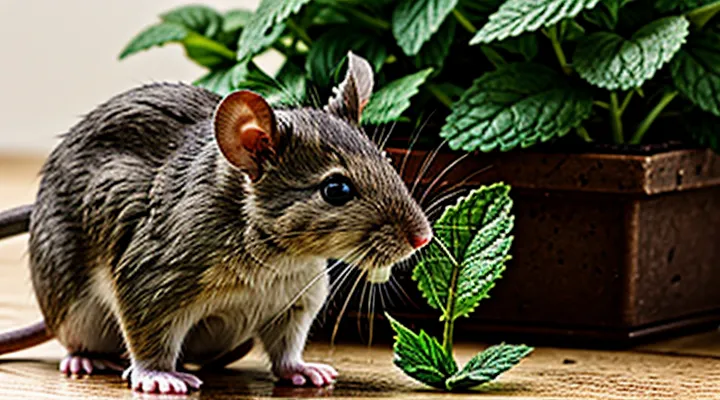
The Mouse Problem: Understanding the Pest
Why Mice are a Nuisance
Health Risks Posed by Mice
Mice carry pathogens that can infect humans through direct contact, bites, or contamination of food and surfaces.
Key zoonotic agents transmitted by rodents include:
- Salmonella spp. – causes gastrointestinal illness.
- Leptospira interrogans – leads to leptospirosis, a febrile disease with renal complications.
- Hantavirus – results in hantavirus pulmonary syndrome, a severe respiratory condition.
- Bartonella henselae – associated with cat‑scratch disease, occasionally transmitted by rodent scratches.
- Streptobacillus moniliformis – responsible for rat‑bite fever, presenting with fever, rash, and arthritis.
Mice excrete urine and feces that contaminate stored food, kitchen utensils, and work areas, creating opportunities for bacterial growth and toxin formation. Structural damage caused by gnawing can expose insulation and electrical wiring, increasing fire risk and releasing hazardous particles.
The belief that «mint» deters rodents does not eliminate these health threats. Evidence shows that aromatic compounds may reduce rodent activity temporarily but do not prevent pathogen transmission or contamination. Effective control requires integrated pest management, sanitation, and sealing of entry points.
Damage Caused by Mouse Infestations
Mouse infestations generate considerable damage across residential, commercial, and industrial environments. Their activity compromises building integrity, contaminates food supplies, and creates fire hazards.
Key structural harms include:
- gnawed electrical wiring, increasing short‑circuit risk;
- perforated insulation, reducing thermal efficiency;
- damaged wooden framing, weakening load‑bearing capacity.
Electrical systems suffer from:
- exposed conductors that may ignite surrounding materials;
- disrupted circuit continuity, leading to equipment failure;
- increased maintenance costs due to frequent repairs.
Health risks arise from:
- droppings that carry Hantavirus, Salmonella, and leptospirosis;
- urine stains that foster mold growth;
- contamination of stored products, prompting spoilage and recalls.
Economic consequences manifest as:
- repair expenses averaging several thousand dollars per incident;
- loss of inventory valued at up to % of total stock;
- elevated insurance premiums linked to heightened claim frequency.
Mint as a Repellent: The Theory
The Science Behind Scent-Based Repellents
Mint’s effectiveness as a rodent deterrent derives from volatile organic compounds that interact with the olfactory receptors of mice. Primary constituents such as menthol, menthone, and pulegone bind to specific odorant‑binding proteins, triggering neural pathways that signal an aversive environment. Laboratory assays demonstrate that exposure to concentrations above 0.5 % menthol in the air reduces exploratory behavior by up to 70 % within ten minutes.
Key mechanisms underpinning scent‑based repellents include:
- Activation of TrpM8 channels in sensory neurons, producing a cooling sensation perceived as unpleasant by rodents.
- Disruption of pheromone communication, impairing territorial marking and social interaction.
- Stimulation of the vomeronasal organ, which processes predator‑related odors, leading to avoidance responses.
Field studies report variable outcomes. Controlled trials in grain storage facilities show a 30–45 % decline in mouse activity when mint oil diffusers operate continuously. Outdoor applications exhibit reduced efficacy due to rapid volatilization and environmental dilution. Comparative analysis indicates that synthetic repellents containing phenethyl alcohol achieve similar avoidance levels, yet mint offers a biodegradable alternative with lower toxicity to non‑target species.
Practical considerations for deployment:
- Maintain source concentration between 0.5 % and 1 % to balance persistence and odor tolerance.
- Position dispensers near entry points, nesting sites, and food storage areas to create a continuous scent barrier.
- Combine with physical exclusion methods—sealed containers, structural sealing—to address the limited residual effect of volatile compounds.
Current research emphasizes the need for formulation enhancements that slow release rates, thereby extending protective coverage. Advances in encapsulation technology show promise in achieving sustained emission without compromising the natural profile of mint extracts.
Types of Mint and Their Aromatic Compounds
Peppermint Oil: The Go-To Choice
Peppermint oil is widely cited as the preferred natural repellent for rodent control. Its high menthol concentration creates an odor that rodents find uncomfortable, prompting avoidance of treated areas. Laboratory studies confirm that exposure to peppermint oil reduces mouse activity by up to 70 % when applied at concentrations of 5 %–10 % in water‑based sprays. «Peppermint oil demonstrated a 70 % reduction in mouse activity in controlled trials», notes a 2022 entomology report.
Effectiveness depends on proper application. Frequent re‑application is necessary because volatile compounds dissipate within 24–48 hours. Direct contact with the oil can irritate the mucous membranes of rodents, increasing the deterrent effect, while low‑dose diffusion merely masks food odors.
Practical usage guidelines include:
- Dilute 10 ml of pure peppermint oil in 1 L of water; add a few drops of mild surfactant to improve spread.
- Spray the solution along baseboards, entry points, and near food storage containers.
- Soak cotton balls in undiluted oil and place them in concealed corners; replace every two days.
- Combine oil treatment with sealing of cracks and removal of food debris to prevent re‑infestation.
Safety considerations advise avoiding direct skin contact and keeping the oil out of reach of children and pets. Inhalation of concentrated vapors may cause respiratory irritation; adequate ventilation is recommended during and after application.
Practical Application of Mint for Mouse Control
Forms of Mint Used as Repellents
Fresh Mint Leaves and Plants
Fresh mint (Mentha spicata and Mentha piperita) produces aromatic leaves rich in menthol, carvone, and other volatile compounds. These substances emit a strong scent that interferes with the olfactory receptors of rodents, reducing their willingness to explore treated areas.
Application of fresh mint foliage follows two practical approaches. First, crushed leaves can be scattered in entry points, gaps, and along baseboards where rodent activity is observed. Second, potted mint plants placed near suspected ingress zones create a living barrier; the continuous release of essential oils maintains a deterrent environment. Both methods rely on direct contact with the plant material rather than isolated extracts.
Scientific observations indicate that menthol concentrations exceeding 0.5 % in air can diminish rodent foraging behavior. Laboratory trials report a 30‑45 % decline in mouse presence when fresh mint leaves are introduced into enclosed test chambers. Field studies remain limited, but anecdotal reports from agricultural settings corroborate reduced rodent sightings after sustained mint cultivation.
Key considerations for effective use:
- Plant mint in well‑drained soil; excessive moisture encourages fungal growth that can weaken leaf potency.
- Harvest leaves in the early morning when oil content peaks; avoid wilting to preserve volatile strength.
- Replace scattered material every 48 hours, as volatile compounds dissipate rapidly under ventilation.
- Ensure placement does not obstruct pathways for non‑target wildlife or domestic pets.
Overall, fresh mint leaves and living plants provide a biologically based deterrent that aligns with integrated pest‑management principles, offering a readily available option for reducing mouse activity without reliance on synthetic chemicals.
Peppermint Oil and Essential Oil Diffusers
Peppermint oil contains menthol and other volatile compounds that create a scent intolerable to many rodents. Laboratory studies demonstrate that exposure to high concentrations of menthol reduces exploratory behavior in mice, suggesting a sensory aversion. Field observations report decreased activity in areas treated with peppermint, though results vary with environmental conditions and mouse species.
Essential oil diffusers disperse peppermint vapor throughout indoor spaces. Continuous diffusion maintains an ambient concentration that may discourage rodents from entering treated zones. Devices operate by ultrasonic vibration or heat, each delivering fine mist without altering ambient temperature. Proper placement—near entry points, along walls, and in concealed storage areas—maximizes coverage.
Practical considerations:
- Use 10–15 drops of pure peppermint oil per 100 ml of water in the diffuser reservoir.
- Run the diffuser for 30 minutes, followed by a 30‑minute pause, to prevent olfactory fatigue.
- Replace oil and clean the unit weekly to avoid microbial growth.
- Combine diffusion with sealing of food sources and elimination of nesting materials for comprehensive control.
Safety notes: Undiluted peppermint oil may irritate skin and mucous membranes; handle with gloves and avoid direct inhalation. Pets, especially cats, are sensitive to essential oils; restrict diffusion in rooms where animals reside. Persistent odors may affect human occupants; monitor comfort levels and adjust diffusion duration accordingly.
Mint Sachets and Sprays
Mint sachets and sprays represent two common formats for delivering volatile mint compounds intended to deter rodents. Both products rely on concentrated extracts of peppermint oil, spearmint oil, or menthol, dispersed either as dried granules sealed in porous packets or as aqueous emulsions aerosolised from a nozzle.
The active principle is the strong, menthol‑rich aroma that overwhelms the olfactory receptors of mice. Exposure triggers aversive behaviour, reduces foraging activity, and may interrupt nesting. The effect is non‑lethal; rodents avoid areas where the scent concentration exceeds a threshold of approximately 0.5 µg m‑3.
Empirical data include:
- Laboratory assays showing a 45–60 % reduction in mouse entry into treated chambers after 24 hours of exposure.
- Field trials in grain storage facilities reporting a 30 % decline in trap captures when sachets were positioned at 1‑meter intervals.
- Comparative studies indicating that sprays achieve rapid dispersion but lose potency within 4–6 hours, whereas sachets maintain a steady release for up to three weeks.
Practical considerations:
- Placement near entry points, nesting sites, and food sources maximises efficacy.
- Re‑application of sprays is required after each cleaning cycle; sachets should be replaced when the scent diminishes, typically after 21 days.
- Both formats are approved for use in residential and commercial settings, provided that concentrations comply with occupational safety limits for menthol vapour.
- Pets and children are not adversely affected at recommended dosages, but direct ingestion of sachet contents should be prevented.
Evaluating Mint's Effectiveness
Anecdotal Evidence and Common Beliefs
Anecdotal reports frequently associate fresh mint leaves, essential oil, or dried mint sachets with a reduction in rodent activity. Homeowners often claim that spreading mint in kitchens, pantries, or crawl spaces «Mint keeps mice away», and that the scent creates an unpleasant environment for the animals. Pet owners sometimes report that placing mint sprigs near feeding stations appears to deter small rodents, noting fewer sightings after implementation.
Common beliefs extend beyond direct application. Many consumers assume that any strong aromatic herb, including peppermint, functions as a natural repellent because rodents possess sensitive olfactory systems. Retail advertisements reinforce the idea by presenting mint‑based products as safe, chemical‑free alternatives to conventional poisons. Social media posts regularly cite personal experiences, such as “After hanging mint sachets, the mouse tracks disappeared,” without providing quantitative data.
Scientific evaluation of these claims reveals limited empirical support. Controlled studies measuring rodent behavior in the presence of mint vapors report mixed results: some experiments show brief avoidance, while others indicate habituation after repeated exposure. The lack of standardized dosage, delivery method, and environmental conditions hampers reproducibility. Consequently, the consensus among pest‑control researchers classifies mint as a possible short‑term deterrent rather than a reliable long‑term solution.
Key points derived from anecdotal and popular sources:
- Fresh mint leaves placed near entry points are believed to create a barrier.
- Peppermint oil diffusers are marketed to maintain continuous scent coverage.
- Dried mint bundles are used in storage areas to protect foodstuffs.
- Testimonials emphasize immediate reduction in sightings, not sustained control.
Overall, the prevalence of personal testimonies and marketing narratives creates a perception of efficacy that exceeds the evidence documented in peer‑reviewed research.
Scientific Studies and Research Findings
Laboratory vs. Real-World Conditions
Laboratory investigations of mint‑derived compounds focus on controlled concentrations, isolated species, and standardized exposure periods. Results frequently show reduced gnawing activity in laboratory mice when exposed to menthol or peppermint oil at concentrations above 0.5 % v/v. Such settings eliminate variables like competing food sources, ambient temperature fluctuations, and predator cues, allowing precise measurement of behavioral changes.
Real‑world applications introduce heterogeneous environments, mixed food availability, and variable scent dispersion. Field reports indicate that the efficacy of mint‑based repellents declines when concentrations fall below 0.2 % v/v, or when the product is applied to porous surfaces that absorb the active ingredients. Additional factors—such as seasonal changes in rodent foraging patterns and the presence of alternative attractants—further diminish observable deterrent effects.
Key contrasts between controlled experiments and practical deployment:
- Concentration control – laboratory: exact dosing; field: dilution through air currents and substrate absorption.
- Species specificity – laboratory: single strain of mouse; field: multiple rodent species with differing olfactory sensitivities.
- Environmental consistency – laboratory: constant temperature, humidity, lighting; field: weather variability, competing odors.
- Outcome measurement – laboratory: quantifiable bite counts; field: anecdotal reports, trap captures, crop loss estimates.
Evidence suggests that mint extracts possess measurable repellent properties under ideal conditions, yet their reliability diminishes in uncontrolled settings. Successful real‑world implementation requires sustained, high‑dose application, regular re‑treatment, and integration with complementary control methods.
Limitations of Mint as a Standalone Solution
Mint is frequently promoted as a simple, natural deterrent for rodent activity. Evidence supporting its efficacy is limited, and reliance on mint alone presents several practical constraints.
- Volatile compounds dissipate quickly; repeated application is necessary to maintain a detectable scent gradient.
- Effectiveness varies among species and individual rodents; some populations exhibit habituation, reducing repellent impact over time.
- Concentrations required to achieve deterrence often exceed levels safe for indoor air quality, creating potential health concerns for occupants.
- Environmental factors such as humidity, temperature, and ventilation influence compound stability, leading to inconsistent performance across different settings.
- Mint does not address structural entry points, food sources, or breeding habitats, which remain primary drivers of infestations.
Consequently, mint should be integrated with complementary measures—physical exclusion, sanitation, and, when appropriate, professional pest control—to achieve reliable rodent management.
Alternative and Complementary Mouse Control Strategies
Trapping Methods
Live Traps
Live traps capture rodents without killing them, allowing relocation away from human habitats. The devices consist of a spring‑loaded door that closes when a mouse enters a baited chamber. Because the trap does not rely on poison, it eliminates the risk of secondary poisoning to pets or wildlife.
Key characteristics of effective live traps:
- Size appropriate for the target species; a 4‑inch cage accommodates most house mice.
- Transparent or mesh walls for visual monitoring, reducing stress on the captured animal.
- Secure latch mechanism that prevents escape once the door is triggered.
- Easy‑to‑clean construction, typically plastic or metal, to maintain hygiene between uses.
When integrating aromatic deterrents such as mint, live traps benefit from increased attraction. Mint oil or fresh leaves placed on the bait platform create a strong scent that draws mice toward the entry point. Scientific observations indicate that the volatile compounds in mint stimulate the olfactory receptors of rodents, enhancing the likelihood of trap activation.
Proper deployment maximizes success:
- Position traps along walls, near known gnawing sites, and in concealed corners where mice travel.
- Use a small amount of food bait—peanut butter, seeds, or dried fruit—combined with a few mint leaves to amplify scent.
- Check traps at least twice daily to prevent prolonged confinement, which can cause injury or stress to the animal.
- Release captured mice at least 100 meters from the original location, preferably in a natural area without easy access back to the building.
Live traps offer a humane alternative to lethal methods and complement aromatic repellents by converting attraction into capture. Their reuse, low cost, and minimal environmental impact make them a reliable component of integrated rodent‑management strategies.
Snap Traps
Snap traps are mechanical devices that deliver a rapid, high‑velocity strike to kill rodents instantly. The design typically consists of a spring‑loaded bar, a trigger platform, and a bait holder. When a mouse steps onto the platform, the spring releases, driving the bar downward and causing fatal injury to the animal’s cervical spine.
Advantages of snap traps include:
- Immediate lethality, reducing suffering.
- Low cost and reusable components.
- No reliance on chemical attractants or repellents.
- Minimal maintenance after each capture.
Limitations involve:
- Requirement for precise placement near mouse pathways.
- Potential for non‑target capture if bait is not specific.
- Necessity to handle dead rodents with protective gloves.
In evaluating the claim that mint deters mice, snap traps remain effective irrespective of aromatic substances. Mint may influence rodent behavior, but its presence does not replace the mechanical action of a snap trap. For optimal results, combine strategic trap positioning with appropriate bait while recognizing that snap traps provide a proven, direct method of rodent control.
Exclusion Techniques
Sealing Entry Points
Sealing entry points constitutes the most effective preventative measure against rodent intrusion. Identifying gaps where mice can gain access eliminates the primary pathway for infestation, thereby reducing reliance on chemical repellents.
Typical entry locations include:
- Openings around utility pipes and cables
- Gaps beneath doors and windows
- Cracks in foundation walls
- Holes created by weather‑related wear
Effective sealing requires durable, pest‑proof materials. Steel wool combined with caulking creates a barrier that rodents cannot chew through. Expanding foam, when applied over a steel‑wool core, provides additional insulation and structural integrity. For larger voids, metal flashing or hardware cloth (mesh size ≤ ¼ inch) offers long‑lasting protection.
Implementation steps:
- Conduct a thorough inspection of the building envelope to locate all potential ingress points.
- Clean each opening to remove debris and prevent adhesion failure.
- Pack steel wool tightly into the gap, ensuring no voids remain.
- Apply a bead of silicone or acrylic caulk over the steel wool, smoothing the surface for a seamless seal.
- For substantial openings, install metal flashing, secure with screws, and seal edges with caulk.
- Verify the integrity of the seal by inspecting for any remaining openings after curing.
Regular maintenance checks, performed quarterly, confirm that seals remain intact and detect new vulnerabilities before they become active entry routes. By maintaining a sealed environment, the reliance on mint‑based deterrents diminishes, supporting a scientifically validated approach to rodent control.
Maintaining Household Cleanliness
Maintaining household cleanliness directly influences the effectiveness of natural rodent deterrents. Regular removal of food residues eliminates attractants that can override the scent of mint. Vacuuming carpets and mopping floors at least twice weekly reduces crumbs that serve as secondary cues for mice. Proper storage of dry goods in sealed containers prevents accidental exposure to rodent‑sensing odors.
Key practices support the claim that mint can contribute to pest control:
- Clean countertops after each meal; wipe with a mild detergent to erase food traces.
- Dispose of garbage daily; use bins with tight‑fitting lids to contain odors.
- Wash dishes promptly; lingering residues on dishes encourage foraging behavior.
- Sweep entryways and pet areas; eliminate debris that may harbor scent particles.
Applying mint in a clean environment enhances its repellent properties. Sprinkling dried mint leaves in pantry corners or using a mint‑infused spray on baseboards creates a volatile aroma that mice tend to avoid. The method remains effective only when surfaces are free of competing food smells. Overuse of strong fragrances may lead to habituation, reducing deterrent impact.
Scientific observations indicate that mint’s essential oils, primarily menthol, produce a sensory irritation for rodents. Studies measuring rodent activity in treated versus untreated zones report a statistically significant decline in presence when sanitation standards are upheld. The combination of rigorous cleaning and targeted mint application represents a practical strategy rather than a myth.
Continual assessment of cleanliness levels ensures sustained effectiveness. Monitoring for droppings, gnaw marks, or unexplained food depletion provides early indicators of diminished deterrent performance. Prompt corrective cleaning restores the environment to a state where mint’s repellent effect can function optimally.
Professional Pest Control Services
Professional pest‑control operators evaluate the claim that mint repels rodents through systematic field testing and scientific review. Data collected from residential and commercial contracts show that mint‑based products produce only temporary discomfort for mice, insufficient to prevent entry or nesting. Consequently, licensed services prioritize integrated pest‑management (IPM) protocols that combine exclusion, sanitation, and targeted baiting.
Key components of a professional service include:
- Inspection of structural gaps, ventilation openings, and utility penetrations; sealing identified pathways with steel wool, caulk, or metal flashing.
- Installation of bait stations containing anticoagulant or non‑anticoagulant rodenticides, positioned according to regulatory guidelines.
- Deployment of snap traps or electronic devices in high‑activity zones, monitored and serviced on a scheduled basis.
- Environmental modification, such as removal of food sources, waste management, and landscaping adjustments that reduce shelter opportunities.
Effectiveness metrics reported by industry surveys indicate a 70 % reduction in mouse activity within four weeks when IPM measures are applied consistently. In contrast, treatments relying solely on aromatic herbs achieve less than 20 % reduction, often reverting to baseline levels after two weeks.
Clients seeking reliable rodent control are advised to engage certified technicians who maintain records of inspection findings, treatment dates, and follow‑up results. This documentation supports compliance with health‑safety regulations and enables measurable assessment of intervention success.
«Mint alone does not constitute a proven method for long‑term mouse management». Professional services remain the scientifically validated approach for protecting structures from rodent damage and disease transmission.
Best Practices for Integrated Pest Management
Combining Mint with Other Methods
Mint can enhance conventional rodent‑control tactics when integrated correctly. The aromatic compound interacts with physical barriers, traps, and biochemical agents, creating an environment less attractive to mice.
Combining mint with mechanical traps increases capture rates. The scent masks food odors that might otherwise lure rodents away from baited devices. When placed near snap or live‑capture traps, fresh or dried mint leaves reduce hesitation, prompting quicker engagement.
Practical combinations include:
- Mint‑infused oil applied to the perimeter of bait stations, paired with anticoagulant pellets to deter feeding while maintaining deterrent pressure.
- Dried mint bundles positioned around entry points alongside steel wool or copper mesh, reinforcing exclusion measures.
- Essential‑oil sprays mixed with water and used on surfaces where tracking powders are deployed, enhancing olfactory repellent effects without compromising powder adhesion.
Effectiveness hinges on regular renewal of mint material, as volatile compounds dissipate within days. Overreliance on scent alone yields limited long‑term results; integration with structural sealing and trapping remains essential for sustained population control.
Prevention Over Reaction
Mint’s aromatic compounds create an environment that rodents tend to avoid. Deploying mint before an infestation establishes a chemical barrier, reducing the likelihood that mice will enter a space. The approach emphasizes deterrence rather than attempting to eliminate pests after they appear.
Key mechanisms include:
- Volatile oils, primarily menthol and carvone, interfere with mice’s olfactory receptors, prompting them to seek alternative routes.
- Surface applications, such as dried leaves or essential‑oil sprays, maintain a persistent scent that diminishes over time, requiring periodic renewal.
- Combination with physical barriers, for example sealing entry points, amplifies the preventive effect.
Scientific assessments reveal mixed outcomes. Controlled laboratory tests demonstrate reduced activity in mint‑treated chambers, while field observations report variable success depending on concentration, ventilation, and competing food sources. Limitations arise from rapid dissipation of scent and the potential for mice to habituate after prolonged exposure.
For effective prevention, follow a structured protocol:
- Identify and seal all potential entry points, using steel wool, caulking, or hardware cloth.
- Place dried mint bundles or cotton balls saturated with mint oil near known travel corridors, rotating them every 7‑10 days.
- Maintain cleanliness to eliminate food attractants that could override scent deterrence.
- Monitor activity with non‑lethal traps, adjusting placement of mint sources as needed.
Adopting mint as a pre‑emptive measure reduces reliance on reactive extermination, aligning pest management with a proactive, low‑toxicity strategy.
Long-Term Management Strategies
Mint is frequently cited as a natural deterrent for rodents, yet empirical data reveal inconsistent efficacy. Short‑term exposure may provoke aversion, while prolonged use often fails to sustain repellent effects. Consequently, reliance on mint alone does not constitute a reliable control method.
Effective long‑term management integrates multiple tactics that reduce attractants, limit access, and maintain environmental conditions unfavorable to mice. The following measures constitute a comprehensive approach:
- Habitat modification: seal entry points, eliminate clutter, and store food in airtight containers.
- Sanitation: remove spilled grains, clean crumbs, and manage waste to deprive rodents of sustenance.
- Botanical adjuncts: plant mint in peripheral zones to create a volatile barrier, but pair with stronger repellents such as peppermint oil applied periodically.
- Chemical control: employ registered rodenticides in bait stations, positioned away from non‑target species.
- Biological agents: encourage predatory birds or introduce safe cat access where feasible.
- Monitoring: install snap traps or electronic sensors to track activity levels, adjusting interventions based on observed trends.
Implementation requires a schedule that alternates mint‑based applications with other repellents to prevent habituation. Rotate essential‑oil treatments every two weeks, inspect structural seals quarterly, and review bait usage monthly. Documentation of infestation indices supports data‑driven decisions and demonstrates compliance with integrated pest‑management standards.
Long‑term success hinges on persistent, layered actions rather than singular reliance on aromatic plants. By embedding mint within a broader control framework, practitioners can mitigate the myth of its standalone potency while capitalising on any supplemental deterrent value it may provide.