
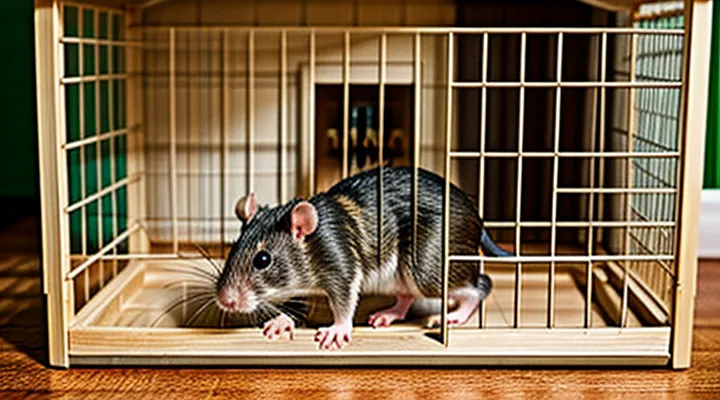
Understanding Rat Needs and Well-being
Why Cage Size Matters for Rats
Physical Health Benefits
Providing a rat with a cage that meets the recommended minimum dimensions directly supports several aspects of physical well‑being. Adequate space enables natural locomotion, which strengthens musculoskeletal structures and promotes joint health. Unrestricted movement also encourages regular aerobic activity, helping to maintain a healthy heart rate and preventing obesity.
- Enhanced bone density through weight‑bearing exercise.
- Improved cardiovascular function from sustained activity.
- Reduced incidence of fatty liver and metabolic disorders.
- Strengthened immune response due to lower chronic stress levels.
- More efficient self‑grooming, leading to healthier skin and coat.
A cage that satisfies size guidelines eliminates confinement‑related injuries such as foot ulcers and spinal compression. The resulting environment encourages rats to explore, climb, and run, which collectively sustains optimal physical condition.
Mental Stimulation and Enrichment
Providing adequate mental stimulation is as critical as meeting spatial requirements for laboratory and pet rats. A cage that meets size guidelines must also contain elements that encourage natural foraging, problem‑solving, and social interaction. Without enrichment, rats exhibit stereotypic behaviors, reduced exploratory activity, and impaired learning.
Effective enrichment can be organized into three categories:
- Physical objects: tunnels, chew blocks, climbing structures, and nesting material that require manipulation.
- Sensory stimuli: scented herbs, varied textures, and auditory cues introduced on a rotating schedule.
- Cognitive challenges: puzzle feeders, treat‑dispensing toys, and maze sections that demand problem‑solving.
Enrichment items should be rotated weekly to prevent habituation. Placement must allow all rats to access each component without crowding, preserving the spatial standards set for cage dimensions. Monitoring interaction frequency offers a measurable indicator of welfare and can guide adjustments to both cage size and enrichment complexity.
Social Dynamics within a Colony
Rats thrive in social groups, and the structure of those groups directly influences the spatial requirements of an enclosure. When determining the smallest acceptable cage dimensions, consider the following behavioral factors:
- Hierarchical interactions: Dominant individuals often occupy preferred zones near food and nesting materials, forcing subordinates into peripheral areas. Sufficient floor space prevents crowding and reduces stress‑induced aggression.
- Play and exploration: Juvenile and adult rats engage in rapid locomotion and object manipulation. A minimum floor area of 0.5 sq ft per rat accommodates short bursts of activity without compromising safety.
- Nesting clusters: Groups commonly share nesting sites, but each rat needs access to a personal retreat. Providing multiple hideouts spaced at least 6 in apart ensures privacy while maintaining group cohesion.
- Grooming circles: Mutual grooming occurs in close proximity; a clear zone of at least 4 in around each individual facilitates this behavior without forcing contact that could lead to injury.
Social cohesion also affects health outcomes. Overcrowding accelerates the spread of pathogens, while adequate space supports natural hierarchy formation, reducing chronic stress markers. Consequently, any recommendation for the smallest permissible enclosure must integrate these social dynamics to preserve both welfare and experimental integrity.
Recommended Minimum Cage Dimensions
General Guidelines for a Single Rat
Importance of Vertical Space
Vertical space significantly influences the adequacy of a rat enclosure. While floor area determines basic movement, height offers additional opportunities for natural behaviors that affect health and welfare.
Rats are arboreal by nature; they climb, rear, and perch. Sufficient elevation promotes muscular development, joint flexibility, and vestibular function. Without vertical elements, hindlimb muscles weaken and balance skills deteriorate.
Enrichment derives from vertical structures such as platforms, ladders, and tubes. These features encourage exploration, reduce stereotypic pacing, and support nesting activity. Access to varied levels distributes activity throughout the cage, lowering stress indicators.
From a spatial efficiency perspective, height expands usable volume without enlarging the cage footprint. A cage with a 12‑inch (30 cm) interior height adds roughly 1.5 L of usable space per square foot of floor area, allowing compliance with volume guidelines while preserving floor space for bedding and food.
Key benefits of incorporating vertical space
- Enhances muscular and skeletal health
- Facilitates natural climbing and perching behaviors
- Provides additional enrichment without increasing floor footprint
- Improves air circulation by creating multiple tiers
- Allows more efficient use of the cage’s total volume
Integrating platforms, ramps, and multi‑level tunnels into rat housing aligns enclosure recommendations with the species’ innate need for vertical exploration, thereby advancing overall well‑being.
Floor Area Considerations
Floor space directly influences a rat’s ability to move, explore, and engage in natural behaviors. Minimum horizontal dimensions must provide enough room for a full gait cycle, allowing the animal to turn, rear, and stretch without obstruction. The surface should be smooth, non‑slippery, and easy to clean to prevent injury and maintain hygiene.
- Single adult rat: at least 0.5 sq ft (≈0.05 m²) of floor area.
- Pair of adult rats: minimum 1.0 sq ft (≈0.09 m²), adding 0.25 sq ft (≈0.02 m²) per additional rat.
- Juvenile or dwarf varieties: reduce the base requirement by 20 % relative to adult standards.
- Enrichment items (toys, tunnels, climbing structures) must not occupy more than 30 % of the usable floor area to preserve locomotion space.
Adequate floor area reduces stress, promotes muscular development, and facilitates waste separation. When selecting a cage, verify that the interior dimensions meet or exceed these specifications, and ensure that any accessories are positioned to preserve the required open floor space.
Guidelines for Multiple Rats
Calculating Space per Rat
Calculating the amount of space required for each rat involves three primary measurements: floor area, cage height, and enrichment zone.
The floor area determines the basic living space. Scientific guidelines recommend a minimum of 0.5 square feet (≈0.046 m²) per adult rat. For groups, add 0.25 square feet (≈0.023 m²) for each additional animal to prevent crowding.
Cage height must allow vertical movement. A minimum clearance of 12 inches (30 cm) from the floor to the top of the enclosure is necessary for climbing and ventilation.
Enrichment zone includes tunnels, wheels, and nesting material. Allocate at least 0.1 square feet (≈0.009 m²) per rat for these items, ensuring they do not encroach on the primary floor space.
Step‑by‑step calculation
- Determine the number of rats (N).
- Compute base floor area: 0.5 ft² × 1 + 0.25 ft² × (N − 1).
- Add enrichment area: 0.1 ft² × N.
- Sum the two values to obtain total required floor space.
- Verify cage height meets or exceeds 12 inches.
Example: a group of four rats requires
- Base floor: 0.5 + 0.25 × 3 = 1.25 ft²
- Enrichment: 0.1 × 4 = 0.4 ft²
- Total: 1.65 ft² (≈0.153 m²) with a minimum height of 12 inches.
Applying this method ensures each rat receives sufficient room for movement, rest, and environmental interaction, supporting health and behavior standards.
Impact of Group Size on Cage Requirements
Rats housed in groups require more floor area than solitary individuals because each animal needs space to move, explore, and establish territories without excessive overlap. When two rats share a cage, the recommended minimum floor space increases by approximately 30 % compared to a single‑rat enclosure, ensuring that both can engage in natural behaviors such as foraging and nesting without constant interference.
Key factors influencing the size adjustment include:
- Number of occupants: Each additional rat adds roughly 300 cm² (≈ 47 in²) of floor space to the baseline requirement.
- Age and size: Juvenile rats occupy less space than adults; however, growth potential should be accounted for in the initial cage dimensions.
- Activity level: Highly active strains or those provided with enrichment (e.g., tunnels, wheels) benefit from extra room to prevent stress and aggression.
Failure to accommodate the spatial needs of a group can lead to heightened aggression, reduced grooming, and impaired health outcomes. Providing a cage that scales proportionally with the number of rats mitigates these risks and aligns with best practice guidelines for rodent husbandry.
Specific Cage Types and Their Suitability
Wire Cages versus Aquariums
When choosing a habitat for a rat, the primary concern is whether the enclosure meets the spatial and environmental standards required for healthy development. Wire cages and glass aquariums represent the two most common options, each offering distinct characteristics that affect compliance with minimum size guidelines.
Wire cages provide transparent sides for observation and permit ample airflow, which helps regulate temperature and humidity. Their modular design allows the floor area to be expanded by adding panels, making it easier to achieve the recommended floor space of at least 0.5 m² for a single adult rat. The open mesh also facilitates the placement of tunnels, hammocks, and chewable objects without obstructing access. However, the metal bars can create pressure points on a rat’s paws if the wire spacing is too narrow, and the cage’s overall height is often limited by the frame’s stability.
Aquariums are sealed containers made of clear glass or acrylic, offering a completely enclosed environment. They prevent escape and protect against external contaminants. An aquarium of 40 L (approximately 0.04 m³) supplies the minimum floor area required for one rat, provided a solid substrate is used to increase usable space. The rigid walls support vertical enrichment, such as climbing platforms and ladders, without the risk of deformation. On the downside, aquariums restrict ventilation; continuous airflow must be supplied through drilled holes or a dedicated ventilation system to avoid respiratory issues. Cleaning is more labor‑intensive because the sealed design limits direct access to the interior.
Key considerations for each type
- Space efficiency
- Wire cages: expandable horizontally; height limited by frame.
- Aquariums: fixed dimensions; vertical space can be maximized with platforms.
- Ventilation
- Wire cages: natural airflow through mesh.
- Aquariums: requires supplemental ventilation holes or fans.
- Enrichment integration
- Wire cages: easy attachment of hanging toys and tunnels.
- Aquariums: supports sturdy climbing structures but limits hanging items.
- Maintenance
- Wire cages: removable trays simplify cleaning.
- Aquariums: sealed base demands thorough disassembly for deep cleaning.
- Durability
In practice, the choice hinges on the ability to meet the minimum floor area while providing adequate ventilation and enrichment. Wire cages generally excel in airflow and modular expansion, whereas aquariums offer superior containment and vertical enrichment potential, provided ventilation is properly addressed.
Multi-Level Cages and Platforms
Multi‑level enclosures increase usable area without enlarging floor footprint, allowing compliance with space guidelines while providing enrichment. Vertical platforms, ramps, and shelves should be integrated into the cage structure so that the total usable surface meets the recommended minimum of 0.5 sq ft (≈0.05 m²) per rat, with additional vertical space counted at a ratio of 1:3 to floor area.
Design elements that affect suitability include:
- Platform dimensions of at least 6 in × 6 in (15 cm × 15 cm) to accommodate a rat comfortably.
- Ramps or ladders with a gentle incline (no steeper than 30°) to prevent strain.
- Secure, chew‑resistant connections to avoid collapse under the animal’s weight.
- Easy‑access openings for cleaning and feeding, positioned away from climbing routes.
- Non‑slip surfaces on all levels to reduce the risk of falls.
Vertical space contributes to overall welfare by encouraging natural climbing behavior, which reduces stress and promotes physical health. However, the added height must not compromise ventilation; airflow should be maintained across all tiers, and bedding depth should remain consistent on each level to prevent humidity buildup.
When assembling a multi‑level cage, verify that the combined floor and vertical surface area satisfies the minimum enclosure requirement for the intended number of rats. Adjust the number of platforms or their size if the calculated total falls short of the guideline. Regular inspection of joints and platforms ensures durability and continued compliance with the space standards.
Factors Influencing Optimal Cage Size
Rat Breed and Size Variations
Standard Rats
Standard rats, typically Rattus norvegicus, reach a body length of 20–25 cm (excluding the tail) and weigh 300–500 g. Their natural behavior includes climbing, burrowing, and extensive exploration, which demands ample floor space and vertical clearance. Providing insufficient room restricts movement, elevates stress, and can compromise health.
For a single adult rat, the minimum floor area should not fall below 0.5 m² (approximately 5 ft²). When housing a pair, the floor space must increase to at least 0.75 m² (8 ft²). Larger groups require proportional expansion, adding roughly 0.25 m² (2.5 ft²) per additional rat. These dimensions ensure each animal can perform natural locomotion without crowding.
Vertical space is equally critical. A cage height of 30 cm (12 in) allows adequate climbing and the placement of enrichment items such as platforms, tunnels, and hammocks. Height below this threshold limits vertical activity and reduces opportunities for environmental complexity.
A concise checklist for cage specifications:
- Floor area: ≥ 0.5 m² per single rat; add 0.25 m² per extra rat.
- Height: ≥ 30 cm to accommodate climbing structures.
- Bar spacing: ≤ 1 cm to prevent escape and injury.
- Material: Non‑porous, easy‑to‑clean surfaces; solid flooring to avoid foot injuries.
- Enrichment: At least two distinct items (e.g., chew blocks, shelters) per rat, positioned at different levels.
Adhering to these parameters supports physiological well‑being, encourages natural behaviors, and reduces the risk of aggression and disease in standard laboratory or pet rats.
Dwarf Rats
Dwarf rats, despite their smaller stature, retain the same activity level and spatial needs as standard‑size rats. A cage that meets minimum size guidelines must provide sufficient floor space for movement, climbing, and nesting.
- Minimum floor area: 1.5 sq ft (approximately 0.14 m²) per adult dwarf rat.
- Recommended total floor area for two rats: at least 3 sq ft (0.28 m²).
- Height: 12 in (30 cm) minimum; higher cages facilitate vertical enrichment.
- Bar spacing: ¼ in (6 mm) to prevent escape while allowing ventilation.
A single dwarf rat can be housed in a cage meeting the lower bound of floor space, but cohabitation is advisable for social health. Provide multiple levels, tunnels, and chewable objects to encourage natural behaviors. Regular cleaning and fresh bedding are essential to maintain hygiene in the confined environment.
Hairless Rats
Hairless rats require more spacious enclosures than furred varieties because the lack of fur reduces thermal insulation and increases susceptibility to drafts, making adequate ventilation and temperature stability critical. An enclosure that meets these physiological demands also supports normal locomotion, social interaction, and enrichment use.
- Floor area: at least 2 sq ft (0.19 m²) per adult hairless rat; larger space is advisable for groups.
- Height: minimum 12 in (30 cm) to accommodate climbing structures and allow vertical movement.
- Volume: at least 15 gal (57 L) of air space per rat, ensuring sufficient airflow and heat retention.
The floor should be solid or covered with a thin, absorbent substrate to prevent heat loss through the bottom. Wire flooring is unsuitable because it creates cold spots that can lead to hypothermia. Provide a nest box or hideout with a soft, insulating material such as fleece to help the rat maintain body temperature.
Enrichment items—tunnels, climbing ladders, chew toys—must be securely attached to prevent collapse, as hairless rats are more prone to injury from sharp edges. Regular cleaning schedules are essential; a clean environment reduces the risk of respiratory issues that hairless rats experience more frequently.
When housing multiple hairless rats, increase the floor area by 1 sq ft (0.09 m²) per additional individual and ensure that each animal has access to its own hideout to reduce stress. Monitoring ambient temperature (maintaining 70–75 °F / 21–24 °C) and humidity (40–60 %) further supports health and comfort.
Activity Level and Personality of Individual Rats
Rats exhibit wide variation in locomotor activity and temperament, and these traits directly influence the spatial requirements for a humane enclosure. High‑energy individuals perform frequent bursts of running, climbing, and digging; moderate‑activity rats alternate periods of movement with rest; low‑activity rats remain largely sedentary. Each category demands a distinct floor area to prevent stress and promote natural behavior.
Personality further refines space needs. Curious, exploratory rats benefit from additional vertical structures and multiple enrichment zones. Shy or timid rats require secure hideaways and reduced visual exposure, which can be accommodated within a larger footprint without overcrowding. Aggressive or dominant individuals need enough room to establish personal territories, decreasing the likelihood of confrontations. Social rats that form stable groups require extra space per animal to maintain individual buffers, whereas solitary rats can thrive in a slightly smaller but still adequately enriched enclosure.
Practical recommendations, expressed as minimum floor area per rat, incorporate both activity level and personality:
- High‑activity, exploratory or dominant rats: at least 1,200 cm² (≈185 in²) per animal. Include multiple climbing platforms and tunnels.
- Moderate‑activity, balanced temperament: minimum 900 cm² (≈140 in²) per animal. Provide a mix of open floor and sheltered zones.
- Low‑activity, timid or solitary rats: at least 750 cm² (≈115 in²) per animal. Ensure secure nesting areas and limited visual stimuli.
When housing more than one rat, add 200 cm² (≈30 in²) per additional animal to preserve individual space. All cages should allow a minimum height of 30 cm (≈12 in) to accommodate vertical activity. Adjustments above these baselines improve welfare for rats with extreme behavioral profiles.
Amount of Time Outside the Cage
Rats require regular out‑of‑cage periods to maintain physical health, mental stimulation, and proper musculoskeletal development. The duration of these sessions should correspond to the size of the enclosure, the animal’s age, and its activity level.
Research shows that a minimum of two hours of supervised floor time per day is essential for adult rats, while juveniles benefit from three to four hours. Shorter intervals increase the risk of obesity, stress‑related behaviors, and skeletal weakness. Extended sessions beyond six hours do not provide additional health advantages and may expose the animal to hazards if the environment is not fully rat‑proof.
Key considerations for scheduling out‑of‑cage time:
- Frequency: Two separate sessions per day reduce fatigue and encourage consistent activity.
- Environment: Secure, escape‑proof area with enrichment items such as tunnels, climbing structures, and chewable objects.
- Supervision: Continuous observation prevents ingestion of unsafe materials and allows immediate response to injuries.
- Temperature: Maintain ambient temperature between 18 °C and 24 °C to avoid hypothermia or overheating during activity.
When the enclosure meets recommended minimum dimensions, the stated time allocations effectively balance exercise with safety. If the cage is larger than the minimum standard, owners may modestly increase total floor time, but should monitor weight, behavior, and health indicators to avoid overexertion.
Essential Cage Accessories and Enrichment
Hiding Spots and Shelters
Rats require concealed areas within any enclosure that meets the recommended minimum dimensions for healthy development. A suitable shelter mimics the burrow environment, allowing the animal to retreat from activity and reduce stress.
- Solid hide box made of untreated wood or acrylic, dimensions at least 6 × 6 × 6 cm, placed on the cage floor.
- Tunnel system of PVC or flexible tubing, diameter 2.5–3 cm, length 15–30 cm, anchored to the cage walls.
- Elevated platform with a built‑in cave, height 5–7 cm, providing vertical refuge and a perch.
The shelter must be positioned away from direct airflow and lighting to maintain a stable microclimate. Materials should be chew‑safe, free of toxic coatings, and easy to clean. Incorporating multiple hiding options encourages natural foraging behavior and supports the welfare standards associated with appropriate cage sizing for rats.
Chewing Toys and Materials
Chewing activity is essential for a rat’s dental health; continuously growing incisors require regular abrasion to prevent malocclusion. Providing appropriate chewable objects reduces the risk of overgrown teeth, which can impair feeding and lead to severe health complications.
Suitable chew toys should meet three criteria: durability, safety, and size compatibility with the cage. Materials that meet these standards include:
- Untreated hardwood blocks (e.g., maple, birch) – dense enough to withstand gnawing without splintering.
- Natural mineral chews (e.g., calcium carbonate or calcium phosphate rods) – supply essential nutrients while offering resistance.
- Untreated wicker or reed bundles – flexible yet sturdy, allowing rats to shred without producing hazardous shards.
- Food‑grade silicone or rubber toys – non‑porous, easy to clean, and resistant to bacterial colonization.
Placement of chew items must consider the cage’s spatial limits. Toys should be positioned to occupy no more than 15 % of the floor area, preserving ample room for movement, nesting, and enrichment zones. Overcrowding diminishes the benefits of a larger enclosure by restricting exploratory behavior and increasing stress levels.
Regular inspection of chew objects is mandatory. Replace any item showing signs of breakage, excessive wear, or contamination. Maintaining a rotation schedule—introducing a new chew material every 7–10 days—prevents habituation and encourages sustained gnawing activity, supporting both dental health and overall well‑being.
Exercise Wheels and Tunnels
Exercise wheels provide essential locomotor stimulation for rats, yet they also occupy floor space that must be accounted for when determining the smallest acceptable enclosure. A wheel with a diameter of 8‑10 inches and a width of at least 2 inches fits comfortably in a cage measuring 20 inches by 12 inches, leaving sufficient room for nesting material, food dishes, and the rat’s natural roaming behavior. Wheels smaller than 7 inches often cause spinal curvature, while larger models may dominate the cage interior, reducing usable floor area.
Tunnels serve as hiding places and encourage natural burrowing instincts. A single tunnel of 6 inches in diameter and 12 inches in length consumes roughly 0.3 sq ft of floor space. When multiple tunnels are used, the cumulative area must be subtracted from the total cage footprint to avoid compromising the minimum floor space per rat, which research cites as 0.5 sq ft for a solitary adult.
Key considerations for integrating wheels and tunnels into the smallest viable cage:
- Measure the wheel’s outer dimensions and subtract its footprint from the cage’s total floor area.
- Allocate at least 0.2 sq ft per tunnel segment to preserve open space.
- Position wheels and tunnels against cage walls to maximize central floor area.
- Ensure wheels are solid‑sided or have fine mesh to prevent tail entanglement.
- Verify that tunnel entrances are wide enough (≥1 in) to avoid restricting movement.
By applying these guidelines, caretakers can incorporate enrichment devices while still meeting the minimum enclosure dimensions required for rat health and welfare.
Food and Water Dispensers
When selecting a cage that meets the minimum spatial requirements for a rat, the design of food and water dispensers directly influences usable floor area. Compact, wall‑mounted devices free up floor space, allowing the animal to move freely within the limited enclosure. Separate compartments for food and water prevent spillage, which otherwise reduces the effective living area and creates cleaning challenges.
Key characteristics of suitable dispensers include:
- Wall‑mounted water bottle with a stainless‑steel sipper tube; the bottle should attach securely to the cage side, keeping the bottle’s bulk outside the floor plan.
- Elevated feeder that slides onto a cage bar or attaches to a corner, delivering a measured portion of dry food while leaving the central zone unobstructed.
- Leak‑proof design to avoid moisture accumulation that can compromise bedding and reduce usable space.
- Durable, chew‑resistant materials such as polycarbonate or metal, ensuring longevity in a small enclosure where gnawing pressure is higher.
Installation height matters. Position the water bottle at the rat’s natural drinking level—approximately 2–3 cm above the bedding—to encourage proper intake without forcing the animal to stretch or climb. The feeder should sit just above the bedding surface, preventing food from scattering across the floor and limiting the need for frequent cleaning, which conserves space for enrichment items.
Maintenance considerations reinforce space efficiency. Choose dispensers that can be detached without dismantling the cage, allowing swift refilling and sanitation. Quick‑release clamps or snap‑fit mechanisms reduce handling time and minimize disturbance to the rat, preserving the limited environment’s stability.
In summary, wall‑mounted, leak‑proof, chew‑resistant food and water dispensers maximize the functional area of a cage that meets the minimum size standards for rats, support hygienic conditions, and facilitate routine care without encroaching on the animal’s movement zone.
Common Mistakes to Avoid
Overcrowding a Cage
Overcrowding a cage compromises the health and behavior of rats, directly contradicting established guidelines for appropriate enclosure dimensions. When the floor space per animal falls below the recommended minimum, rats experience heightened stress, reduced activity, and increased aggression, which can lead to injuries and disease outbreaks.
Key physiological and behavioral effects of excessive density include:
- Elevated cortisol levels indicating chronic stress.
- Suppressed immune function, making rats more susceptible to respiratory infections.
- Decreased grooming and exploratory behavior, resulting in poor coat condition and reduced mental stimulation.
- Increased frequency of fights and bite wounds, especially among unfamiliar individuals.
To maintain welfare, ensure that each rat has at least the floor area stipulated by current best‑practice standards, and provide additional vertical space for climbing. Regularly assess the number of occupants against the cage’s dimensions; any deviation should prompt immediate reduction of the population or expansion of the enclosure.
Choosing Cages with Inadequate Ventilation
Inadequate ventilation compromises a rat’s respiratory health, increases humidity, and accelerates the buildup of ammonia from urine. Elevated ammonia levels irritate nasal passages, cause eye discharge, and can lead to chronic respiratory infections. High humidity encourages mold growth, which further degrades air quality and creates an environment conducive to pathogens.
When selecting a cage, consider the following criteria:
- Mesh or slatted sides that allow continuous airflow while preventing escape.
- Adjustable vents or openings that can be positioned to promote cross‑ventilation.
- Materials that do not retain moisture; avoid solid plastic walls without perforations.
- Evidence of airflow testing or certification from the manufacturer.
Signs that a cage lacks sufficient ventilation include persistent strong odor, condensation on the interior surfaces, and visible droplet formation on the floor. Rats housed in such conditions often display increased sneezing, nasal discharge, or lethargy.
To maintain optimal air exchange, place cages away from enclosed corners, ensure at least a 10‑centimeter clearance on all sides, and avoid covering the enclosure with blankets or other impermeable covers. Regular cleaning, combined with proper cage design, mitigates the risks associated with poor ventilation and supports overall rat welfare.
Neglecting Regular Cage Cleaning
Regular cleaning of a rat’s enclosure is essential for maintaining a healthy environment, regardless of cage dimensions. Accumulated waste, urine, and food debris create a breeding ground for bacteria, fungi, and parasites. These microorganisms release ammonia and other irritants that degrade air quality, leading to respiratory problems such as pneumonia and nasal discharge. Persistent exposure also weakens the immune system, increasing susceptibility to infections and prolonging recovery times.
Neglecting sanitation also affects the rat’s behavior. Unclean surfaces discourage natural foraging and exploration, causing stress and stereotypic movements. Stress hormones suppress growth and can trigger aggression toward cage mates. Inadequate hygiene may also obscure signs of illness, delaying veterinary intervention and worsening outcomes.
Key risks of irregular cage maintenance:
- Elevated ammonia levels → respiratory irritation
- Proliferation of pathogens → gastrointestinal and skin infections
- Compromised immune response → higher disease incidence
- Behavioral stress → reduced activity and increased aggression
- Masked health indicators → delayed diagnosis
To mitigate these risks, establish a cleaning schedule that aligns with the cage’s size and occupancy. Small cages with multiple rats require daily spot cleaning and a full substrate change weekly. Larger enclosures may allow a longer interval between complete changes, but daily removal of waste remains mandatory. Use absorbent, non‑toxic bedding and replace it regularly to control odor and moisture.
Consistent hygiene supports the rat’s physiological needs and complements recommendations for adequate cage space, ensuring the animal thrives in a clean, spacious habitat.
Where to Find Suitable Cages
Pet Stores and Online Retailers
Pet stores and online retailers are primary channels for acquiring cages that meet the recommended dimensions for rats. Understanding the specific offerings of each channel helps buyers secure enclosures that provide adequate space, ventilation, and durability.
In physical retail locations, buyers can evaluate cages directly. Key factors to assess include:
- Overall interior dimensions, ensuring a minimum floor area of 2 sq ft per rat and a height of at least 12 inches.
- Material quality, such as stainless‑steel wire or heavy‑gauge plastic, which resists chewing and rust.
- Accessibility features, like sliding doors or removable tops, that facilitate cleaning and enrichment placement.
- Availability of accessories (ramp, hideout, water bottle) that complement the enclosure’s size.
Online platforms expand the selection beyond local inventory. Effective online purchasing requires:
- Verification of listed interior measurements against the recommended minimums.
- Review of product images that show wire spacing, door mechanisms, and structural reinforcement.
- Examination of customer feedback for durability, assembly complexity, and size accuracy.
- Confirmation of shipping policies that protect the cage from damage and include clear return options.
Combining in‑store inspection with thorough online research maximizes the likelihood of obtaining a cage that complies with current welfare guidelines for rats. Selecting a supplier that provides detailed specifications and reliable support ensures the enclosure will sustain a healthy, active environment.
DIY Cage Solutions
A rat requires at least 60 cm × 45 cm × 30 cm of floor, vertical, and height space to move comfortably. When building a cage from scratch, the design must meet or exceed these dimensions while providing secure ventilation, easy cleaning, and enrichment opportunities.
Materials commonly used for a DIY enclosure include:
- Rigid PVC or acrylic panels – cut to size, joined with solvent cement or brackets; clear panels allow visual monitoring.
- Stainless‑steel mesh – 1‑inch squares prevent escape and enable airflow; frame with metal angle stock.
- Plywood or melamine base – ¾‑inch thickness supports weight, sealed with non‑toxic sealant to resist moisture.
- Hardware cloth – fine‑mesh for the top, fastened with screws and washers to prevent sagging.
Construction steps:
- Measure and mark the interior dimensions, adding a 5‑cm margin to ensure the final interior exceeds the minimum.
- Cut panels to the marked lengths; sand edges to avoid sharpness.
- Assemble the frame using corner brackets or wood screws, confirming right angles with a carpenter’s square.
- Install mesh or hardware cloth on side and top openings, securing with washers to distribute pressure.
- Attach a removable floor tray for bedding; line with paper or reusable substrate.
- Add a latch system that locks from the outside, using a stainless‑steel latch and a spring to maintain tension.
Enrichment elements can be integrated during construction: attach a wooden climbing pole, a hanging tunnel made from PVC pipe, and a solid platform for feeding. All components should be free of toxic paints or adhesives; use food‑grade silicone for sealing joints.
Regular maintenance involves removing the floor tray, cleaning with mild detergent, and inspecting mesh for wear. A well‑built DIY cage that respects the recommended spatial parameters provides a safe, stimulating environment while keeping costs manageable.
Considerations for Used Cages
When reusing a cage for a rat, the first priority is hygiene. Thorough cleaning eliminates pathogens that can thrive in residual waste, urine, or saliva. Use a rodent‑safe disinfectant, rinse completely, and allow the cage to dry before adding fresh bedding.
Structural integrity directly affects the animal’s ability to move freely within the space required by size guidelines. Inspect the frame for cracks, rust, or loose bars. Replace any damaged components, and verify that the door latch functions securely to prevent escape.
Ventilation must remain adequate after refurbishment. Ensure that any ventilation holes are unobstructed and that mesh panels are intact; damaged mesh can create drafts or allow escape.
Key considerations for used cages:
- Sanitation: deep clean, disinfect, and dry.
- Durability: check for structural damage, replace as needed.
- Ventilation: confirm unobstructed airflow and intact mesh.
- Fit with size standards: measure interior dimensions; the floor area should meet or exceed the minimum recommended space for a single rat, typically at least 0.5 sq ft (≈0.05 m²) with additional height for climbing.
- Materials: avoid cages with lead‑based paint or toxic coatings; opt for stainless steel or powder‑coated metal.
Document each inspection step and retain records of cleaning dates. Consistent application of these checks ensures that a repurposed cage provides a safe, spacious environment aligned with current rat‑housing recommendations.
The Importance of Ongoing Observation
Recognizing Signs of Stress or Discomfort
Rats confined in undersized enclosures often exhibit clear physiological and behavioral indicators of stress. Recognizing these signs enables timely adjustments to the living environment and improves animal welfare.
Observable signs include:
- Reduced activity: prolonged periods of immobility, reluctance to explore, or lack of typical play behavior.
- Excessive grooming: fur loss, bald patches, or constant licking of the same area.
- Aggressive or withdrawn demeanor: frequent biting, vocalizations, or complete avoidance of human contact.
- Altered feeding patterns: significant decrease or increase in food and water consumption.
- Respiratory changes: rapid or shallow breathing, wheezing, or audible panting.
- Abnormal stool: diarrhea, constipation, or presence of blood.
- Physical health decline: weight loss, poor coat condition, or visible injuries.
Regular monitoring should involve daily visual checks, periodic weight measurements, and recording of feeding and drinking volumes. Any deviation from baseline behaviors warrants reassessment of cage dimensions, enrichment provision, and overall habitat conditions. Adjustments may include expanding floor space, adding vertical climbing structures, and ensuring adequate ventilation to mitigate stressors associated with cramped living quarters.
Adjusting Cage Set-up as Needed
A baseline enclosure measurement establishes the minimum floor area required for a healthy rat, but the practical arrangement must remain flexible. Adjustments become necessary when the animal’s size, activity level, or health status changes.
- Expand horizontal space if the rat gains weight or displays frequent running along the cage walls.
- Add vertical platforms, tunnels, or climbing structures to increase usable surface without enlarging the footprint.
- Choose bedding that balances absorbency with depth; replace overly compacted material to preserve comfort and hygiene.
- Install a secure, detachable hideaway that can be repositioned to avoid territorial stress.
- Ensure ventilation openings are unobstructed; modify placement if airflow drops due to additional accessories.
Observe the rat daily for signs of overcrowding, reduced exploration, or abnormal grooming. Measure the interior dimensions at least once a month; if the usable area falls below the recommended minimum after adding enrichment, remove or rearrange items until the standard is met. Record each modification, noting the animal’s response, to guide future adjustments.
Conduct a quarterly review of the entire set‑up, confirming that all components meet the baseline spatial criteria while supporting the rat’s physical and mental well‑being.
Prioritizing Rat Welfare
Prioritizing rat welfare demands cage dimensions that allow natural behaviors, prevent injury, and support physiological health. A cage that is too small restricts movement, impedes exploration, and increases stress, which compromises immunity and lifespan.
- Floor area: at least 0.5 m² per adult rat; larger space reduces competition and encourages exercise.
- Height: minimum 30 cm, providing vertical enrichment such as climbing structures and platforms.
- Bar spacing: no more than 0.5 cm to prevent entrapment or escape.
- Materials: non‑porous, chew‑resistant surfaces that can be sterilized without degrading.
- Ventilation: continuous airflow that maintains air quality while avoiding drafts.
Enrichment items—tunnels, nesting material, chew toys—must be incorporated without overcrowding the enclosure. Regular cleaning schedules preserve hygiene and limit odor, both of which affect welfare. When cage size meets these criteria, rats exhibit normal foraging, social interaction, and grooming patterns, indicating a high standard of care.