
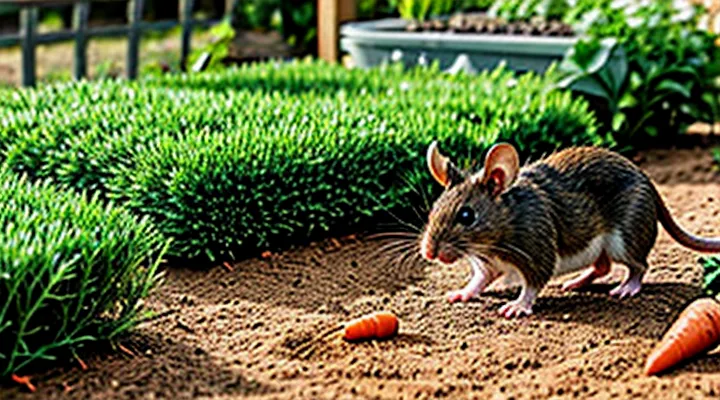
Understanding the Threat
Identifying the Culprits
Types of Rodents Affecting Gardens
Rodents regularly infiltrate garden beds, gnawing roots, stripping foliage, and compromising carrot yields.
- House mouse (Mus musculus) – nocturnal, builds shallow burrows near mulch; feeds on tender carrot tops and exposed roots.
- Field mouse (Apodemus sylvaticus) – prefers open soil, creates extensive tunnel networks; consumes both foliage and underground portions of carrots.
- Vole (Microtus spp.) – constructs surface runways, grazes on young shoots, often leaves characteristic crescent-shaped bite marks on carrot leaves.
- Pocket gopher (Geomys spp.) – excavates deep, mounded tunnels; displaces entire carrot plants, exposing them to secondary pests and disease.
- Norway rat (Rattus norvegicus) – larger than mice, capable of breaking through garden fencing; chews carrots at ground level and transports them to hidden caches.
- Roof rat (Rattus rattus) – agile climber, accesses raised beds and trellised carrots; feeds on foliage and occasionally burrows into soil for roots.
Signs of Rodent Activity
Rodents leave unmistakable evidence when they invade carrot beds. Recognizing these indicators early prevents extensive damage and reduces the need for drastic control measures.
Typical signs include:
- Fresh gnaw marks on carrot tops, leaves, and stems.
- Small, dark droppings scattered near the base of plants or along the soil surface.
- Chewed or missing seedlings, often surrounded by disturbed soil.
- Burrows or tunnels at the edge of the garden bed, identifiable by loose, matted earth.
- Tracks in wet soil or mulch, showing three-toed footprints of mouse size.
- Presence of shredded plant material or seed husks gathered in a corner of the bed.
Additional clues arise from behavioral patterns. Carrots may exhibit wilting or uneven growth where rodents have accessed roots. Plant stems near suspected entry points often show a ragged cut rather than a clean break, indicating gnawing rather than mechanical damage.
Monitoring these symptoms on a regular schedule enables swift intervention, preserving the health of the vegetable crop and minimizing loss.
Why Carrots Are Vulnerable
Rodent Preferences
Rodents are attracted to carrot beds because the crop offers high carbohydrate content, moisture, and easy access to tender tissue. The root’s sugar concentration peaks during the late growth stage, providing an energy source that aligns with the mouse’s dietary needs. Ambient humidity in garden beds further enhances palatability, as moist soil facilitates chewing and reduces the effort required to penetrate the root coat.
Key factors influencing rodent selection include:
- Taste profile – sweet, starchy tissues outweigh fibrous or bitter vegetables.
- Texture – soft, young carrots are easier to gnaw than mature, hardened roots.
- Availability – continuous planting cycles create a reliable food supply.
- Shelter – dense foliage or mulch offers protection from predators and weather.
- Proximity to water – irrigation lines or damp ground reduce dehydration risk.
Mice preferentially forage near the soil surface, where they can quickly locate and extract carrot crowns. Their nocturnal activity pattern coincides with cooler temperatures, lowering metabolic stress while they feed. When alternative food sources are scarce, carrots become a primary target due to their consistent nutrient density.
Effective management must address each preference. Reducing sugar exposure by harvesting early, limiting soil moisture after irrigation, and removing dense ground cover diminish the appeal of carrot beds. Physical barriers, such as fine mesh or hardware cloth, interrupt the rodent’s ability to reach the root zone, directly counteracting their foraging behavior.
Carrot Storage and Appeal
Carrots emit a sweet odor and retain moisture, traits that make them highly attractive to mice seeking food sources. The combination of sugars and high water content creates a strong olfactory cue that draws rodents from surrounding garden beds.
Effective storage reduces this cue and limits access. Key practices include:
- Keep carrots at 0 °C–4 °C in a refrigerator or root cellar; low temperatures slow metabolic activity and suppress scent emission.
- Maintain humidity around 85 % to prevent desiccation without creating a damp environment that encourages mold.
- Place carrots in perforated plastic bags or breathable cloth to allow air exchange while limiting direct exposure.
- Seal containers with tight‑fitting lids after a brief pre‑soak in cold water to remove surface sugars.
- Store carrots away from compost, feed bins, or other rodent attractants.
Removing harvested carrots from the garden eliminates a primary food source, decreasing the likelihood that mice will return to the beds. Proper storage also prevents residual scent trails that could guide rodents back to the planting area.
Implementing these storage measures directly supports rodent‑deterrent strategies in garden beds, ensuring carrot crops remain protected from mouse damage.
Prevention Strategies
Garden Management and Hygiene
Keeping the Area Clean
A tidy garden bed reduces shelter and food sources that attract mice, thereby lowering the risk of carrot damage. Debris, fallen leaves, and over‑ripe produce create hiding places; removing them eliminates the conditions mice seek.
Practical steps to maintain a clean area:
- Clear all plant residues and weeds after each harvest.
- Trim grass and mulch to a depth of no more than 2 inches, preventing dense cover.
- Dispose of compost in sealed containers; avoid piling fresh kitchen scraps near the carrots.
- Sweep the perimeter of the bed weekly to eliminate soil clumps and seed spill.
- Store tools, hoses, and garden furniture away from the planting zone to remove potential nesting sites.
Consistent execution of these measures creates an environment where rodents find little incentive to explore carrot rows, supporting effective pest management.
Removing Attractants
Carrots become vulnerable when garden beds contain food sources that draw mice. Eliminate these lures to reduce rodent activity.
First, clear fallen fruit, seeds, and vegetable scraps daily. Even small pieces provide scent trails that mice follow into the soil. Compost piles should be sealed with sturdy lids and kept at least three feet from the carrot rows.
Second, manage weeds and ground cover. Broadleaf weeds produce seeds and foliage that mice use for shelter. Regular mowing or hand‑weeding removes hiding places and reduces the overall food supply.
Third, store feed and pet food in metal or heavy‑duty plastic containers with tight seals. Avoid placing grain, corn, or birdseed on the garden floor; keep them on raised shelves or inside a shed.
Fourth, limit mulch depth to no more than two inches when using organic materials such as straw or wood chips. Thick mulch retains moisture and creates a comfortable nest environment for rodents.
Practical checklist:
- Sweep garden beds each evening.
- Install a lockable compost bin, distance ≥ 1 m from carrots.
- Pull weeds before seed set, dispose of them away from the garden.
- Use airtight containers for all stored grains and seeds.
- Keep mulch thin and evenly spread.
By removing these attractants, the garden becomes less inviting, and mice are less likely to infiltrate carrot beds.
Physical Barriers
Fencing and Netting
Physical barriers provide the most reliable protection for carrot crops when rodents are present in garden beds. A well‑designed enclosure prevents mice from reaching roots and foliage, eliminating the need for chemical deterrents that can affect soil health.
- Fence materials: galvanized steel, welded wire, or high‑density polyethylene mesh.
- Mesh size: ¼‑inch (6 mm) or smaller to block mouse entry.
- Installation depth: bury the bottom 6–12 inches (15–30 cm) and bend the lower edge outward to create an underground skirt.
- Support: use sturdy posts spaced no more than 3 feet (1 m) apart; reinforce corners with metal brackets.
Netting serves as an additional layer that shields emerging carrot tops from foraging rodents. Choose a flexible net made of UV‑stabilized polyethylene with a ½‑inch (12 mm) opening, stretch it tightly over the bed, and secure it to the fence or ground anchors. Overlap edges by at least 6 inches (15 cm) and fasten with zip ties or garden staples to eliminate gaps.
Regular inspection is critical. Remove any vegetation that contacts the barrier, repair torn sections promptly, and adjust tension after heavy rain or wind. Combining a buried fence with an overhead net creates a continuous protective envelope, reducing mouse damage to carrots throughout the growing season.
Raised Beds and Containers
Raised beds create a physical barrier that isolates carrot roots from the soil surface where mice forage. By elevating the planting medium, you eliminate direct contact with ground‑level debris that attracts rodents. Construct the bed with smooth, non‑porous materials such as cedar or recycled plastic, then line the interior with a fine mesh (½‑inch hardware cloth) before adding the growing mix.
Containers offer a sealed environment that limits mouse access. Choose pots or troughs with a minimum depth of 12 inches to accommodate carrot development, and ensure the rim sits at least six inches above ground level. Cover the bottom with a layer of coarse sand or gravel, then place a sheet of mesh before filling with soil to prevent burrowing.
Effective measures for both raised beds and containers:
- Install a continuous perimeter of hardware cloth, overlapping seams by at least two inches.
- Secure the mesh with rust‑proof staples or zip ties; check weekly for gaps.
- Use mulch made from pine needles or shredded bark rather than straw, which mice use for nesting.
- Place a shallow tray of water around the structure to deter mice from approaching; rodents avoid wet surfaces.
- Rotate the location of beds each season to disrupt established foraging routes.
By integrating these construction details and maintenance practices, carrot crops remain less vulnerable to rodent damage while retaining the benefits of elevated growing spaces.
Repellents and Deterrents
Natural Repellents
Rodent activity in carrot beds can be mitigated with plant‑based deterrents that do not rely on chemicals. These methods exploit the sensory preferences of mice, making the growing area unattractive while preserving soil health.
- Strong aromatic herbs: Plant mint, rosemary, or thyme along the perimeter. Their volatile oils interfere with mouse olfaction, reducing foraging near carrots.
- Pepper powders: Sprinkle cayenne or black pepper around seedlings. Capsaicin irritates the nasal passages of small mammals, prompting avoidance.
- Predator scent products: Use crushed dried fox urine or commercially prepared predator‑derived extracts. The presence of carnivore cues triggers instinctive flight responses.
- Allium mulch: Lay shredded onion skins or garlic cloves as a mulch layer. Sulfur compounds released during decomposition act as natural repellents.
- Tannin‑rich foliage: Incorporate leaves from oak, sumac, or witch hazel into the soil surface. High tannin concentrations are unpalatable to rodents.
Application timing influences effectiveness. Deploy repellents before seedlings emerge and reapply after heavy rain or irrigation, when volatile compounds may dissipate. Combine multiple agents to create a layered barrier, decreasing the likelihood that mice will acclimate to a single deterrent.
Monitoring remains essential. Observe mouse tracks and damage patterns weekly; adjust placement or concentration of repellents accordingly. Integrated use of these natural solutions protects carrot crops while maintaining an environmentally friendly garden ecosystem.
Commercial Repellents
Commercial repellents provide a direct, chemical means of deterring rodents that target carrot plants in garden beds. Formulations are engineered to create an environment unattractive to mice while remaining safe for edible crops.
-
Active ingredients
• Capsaicin‑based sprays – irritate sensory receptors, causing avoidance behavior.
• Predator‑urine extracts – simulate presence of natural enemies, triggering fear responses.
• Synthetic pheromones – disrupt foraging patterns, reducing feeding activity.
• Ultrasonic devices – emit frequencies beyond human hearing, proven to impede rodent movement in confined spaces. -
Application guidelines
• Apply directly to the soil surface around carrot rows, following label‑specified concentration (typically 1‑2 mL per square meter).
• Reapply after heavy rain or irrigation, as moisture degrades active compounds within 7‑10 days.
• Use calibrated sprayers to ensure uniform coverage and avoid runoff onto non‑target plants. -
Safety considerations
• Verify that products are approved for use on food crops by relevant agricultural authorities.
• Observe pre‑harvest intervals indicated on the label; most repellents require a 24‑hour gap before harvesting.
• Store in sealed containers away from children and pets to prevent accidental exposure. -
Efficacy and limitations
• Field trials report 60‑80 % reduction in mouse activity when repellents are combined with physical barriers such as fine mesh row covers.
• Single‑ingredient products may lose effectiveness as rodents habituate; rotating active ingredients every 3‑4 weeks mitigates tolerance.
• Repellents do not eliminate populations; they serve as a component of integrated pest management, complementing habitat modification and trapping.
Integrating commercial repellents with cultural practices—regular soil turning, removal of debris, and proper sanitation—maximizes protection of carrot harvests against rodent intrusion.
Ultrasonic Devices
Ultrasonic repellers emit high‑frequency sound waves that are uncomfortable for small mammals but inaudible to humans. The devices are powered by batteries or solar panels and can be positioned directly above or beside carrot rows.
When deployed in garden beds, ultrasonic units should be:
- Placed no more than 30 cm from the soil surface to ensure the sound reaches the root zone.
- Arranged in a grid pattern, with overlapping coverage zones to eliminate blind spots.
- Oriented toward the most active mouse pathways, such as fence lines or adjacent vegetation.
Effectiveness depends on several factors. Continuous operation maintains a constant acoustic pressure that discourages rodents from approaching. Interruptions caused by rain, extreme temperatures, or debris can reduce output, so regular cleaning of the transducer surface is required. Soil composition also influences sound propagation; loamy soils transmit waves more efficiently than compacted clay.
Limitations include habituation; rodents may become desensitized after several weeks of exposure, diminishing the deterrent effect. To counteract this, rotate devices between different frequency ranges or supplement with physical barriers such as fine mesh.
Maintenance tasks are straightforward:
- Inspect the housing for cracks or water ingress weekly.
- Replace batteries or clean solar panels according to the manufacturer’s schedule.
- Verify that the indicator light confirms active emission before each planting season.
Integrating ultrasonic repellers with complementary measures—such as mulch removal, habitat reduction, and predator encouragement—provides a layered defense that improves the protection of carrots from mouse damage.
Trapping and Control
Live Traps
Live traps provide a humane method for preventing rodents from damaging carrot crops in garden beds. They capture mice without killing them, allowing gardeners to remove the pests while avoiding chemical interventions.
Common designs include:
- Single‑catch cage traps made of wire mesh with a trigger plate.
- Multi‑catch box traps that hold several individuals before needing to be emptied.
- Portable live‑catch cages that can be moved easily across the bed.
Effective bait consists of high‑fat or sweet items that attract mice. Peanut butter, sunflower seeds, or small pieces of carrot work well. Apply a pea‑sized amount to the trigger area; avoid excess that may allow escape.
Placement determines success. Position traps:
- Along the edges of the bed where mice enter.
- Near the base of carrot rows, especially where foliage touches the soil.
- At ground level, with the trigger plate flush with the soil surface.
Check traps at least twice daily. Remove captured mice promptly, release them at least two miles from the garden, and follow local wildlife regulations. Release should occur in a habitat where the animal can survive without becoming a nuisance.
After each capture, clean the trap with mild soap and water to remove scent traces that could deter future catches. Reset the trap with fresh bait before the next monitoring cycle.
Live traps work best when combined with complementary measures: eliminate shelter by clearing debris, install physical barriers such as hardware cloth around the bed, and use non‑toxic repellents to discourage entry. This integrated approach reduces mouse pressure on carrots while maintaining a garden-friendly environment.
Lethal Traps
Lethal traps provide a direct method for reducing mouse populations that damage carrot crops. Snap traps, constructed from steel with a spring‑loaded bar, deliver an instantaneous kill when a mouse triggers the trigger plate. Placement at the base of carrot rows, near known burrow entrances, maximizes contact. Bait the trap with high‑fat items such as peanut butter or sunflower seeds; replace bait daily to maintain scent strength.
Electronic traps employ a high‑voltage shock to terminate rodents within seconds. These devices require a power source, either battery or mains, and feature a sealed chamber that prevents scavenger access. Position the unit at ground level, aligned with mouse pathways, and set the sensitivity to the smallest size to avoid accidental activation by non‑target species.
Live‑catch traps are excluded from lethal strategies, but they can serve as a preliminary step to assess infestation intensity before deploying fatal devices. Once a lethal trap is triggered, dispose of the carcass promptly in a sealed bag and bury it at a depth of at least 30 cm, complying with local wildlife regulations.
Key considerations for effective use:
- Safety: Keep traps out of reach of children and pets; use tamper‑proof covers where available.
- Regulation: Verify that the chosen trap type is permitted in the jurisdiction; some areas restrict certain spring mechanisms.
- Maintenance: Inspect traps weekly, reset any that have not captured, and clean to prevent odor buildup that may deter mice.
- Integration: Combine lethal traps with habitat modification, such as removing debris and sealing soil cracks, to reduce reinfestation risk.
When employed correctly, lethal traps can dramatically lower mouse pressure on carrot beds, preserving yield and preventing further crop loss.
Bait Stations
Bait stations provide a focused, safe method for reducing mouse activity in vegetable plots where carrots are grown. The devices conceal toxic or non‑toxic attractants within a sealed housing, allowing rodents to feed while preventing access by birds, pets, and children. Placement, maintenance, and selection of the appropriate bait are critical for effectiveness.
- Position stations along known runways, near the base of carrot rows, and at the edge of the garden bed.
- Space units 10–15 feet apart to create overlapping zones of control.
- Install stations at ground level or slightly elevated to match the mouse’s natural foraging height.
- Rotate bait types every two weeks to avoid bait shyness.
Regular inspection ensures that bait remains fresh and that stations are intact. Replace depleted units promptly; a missing station can become a gap in the protection network. Record observations of mouse activity to adjust station density and placement over the growing season.
When integrated with complementary measures—such as removing debris, trimming low vegetation, and maintaining clean beds—bait stations form a reliable component of a comprehensive rodent‑management program, safeguarding carrot crops from damage.
Biological Control
Encouraging Natural Predators
Encouraging natural predators creates a biological barrier that reduces mouse pressure on carrot crops. Predatory birds, small mammals, reptiles, and beneficial insects locate prey through visual cues, scent, and movement; their presence lowers rodent populations without chemical intervention.
To attract and sustain these hunters, implement the following measures:
- Install nesting boxes for owls and swifts at the garden’s edge; use openings of 4–5 inches to accommodate small raptors.
- Place perching poles or dead‑tree stumps to provide hunting platforms for hawks and kestrels.
- Maintain a shallow water source; amphibians and snakes frequent moist habitats and contribute to rodent control.
- Preserve ground cover such as low shrubs and leaf litter, offering shelter for weasels, ferrets, and beneficial beetles.
- Limit pesticide use; toxic residues deter both pests and their natural enemies.
- Encourage domestic cats by providing safe outdoor access, ensuring they do not become a threat to non‑target wildlife.
Monitoring predator activity helps adjust habitat features. Regularly check nesting boxes for occupancy, observe perching sites for bird presence, and note signs of snake or weasel activity. Adjust vegetation density and water placement based on these observations to maintain an effective predatory community that safeguards carrot yields from rodent damage.
Companion Planting
Companion planting offers a practical approach to deter rodents that target carrot crops. Certain plants emit scents, produce dense foliage, or attract beneficial insects, creating an environment less appealing to mice.
- Alliums (onions, garlic, chives): Strong odors mask carrot scent, reducing rodent foraging.
- Marigolds: Volatile compounds repel many garden pests, including small mammals.
- Herbs (mint, rosemary, sage): Aromatic foliage discourages chewing and digging.
- Legumes (beans, peas): Provide ground cover that blocks mouse access while fixing nitrogen for carrot growth.
- Tansy or wormwood: Bitter leaves and strong smell act as natural repellents.
Implement the strategy by interspersing these companions throughout the carrot rows, maintaining a spacing of 6–12 inches between carrots and the selected plants. Rotate companion species each season to prevent habituation by rodents. Combine this method with physical barriers, such as fine mesh row covers, for maximum protection.
Advanced Protection Techniques
Soil Amendments
Barriers within the Soil
Soil‑borne barriers prevent mice from reaching carrot roots by creating a physical obstacle that rodents cannot tunnel through. Install a ¼‑inch galvanized hardware cloth or stainless‑steel mesh around each plant, extending at least 6 inches below the surface and 2 inches above ground. Secure the edges with garden staples or wire ties to eliminate gaps.
Additional methods reinforce the primary barrier:
- Bury a 12‑inch‑wide strip of fine mesh along the row line, covering the entire planting zone.
- Wrap individual carrot seedlings in breathable fabric sleeves that are sealed at the bottom with mesh.
- Apply a thick layer (4–6 inches) of coarse sand or crushed stone over the soil surface; mice cannot compact the material enough to burrow.
- Use raised beds with a double‑wall construction: an inner liner of mesh and an outer wall of wood or stone, creating a sealed container for the soil.
Maintain barrier integrity by inspecting for displaced mesh after heavy rain or wind, repairing tears promptly, and keeping the surrounding garden free of debris that could serve as alternative entry points. Consistent upkeep ensures the subterranean defenses remain effective throughout the growing season.
Unpleasant Textures
Rodent damage to carrot crops often originates from the mice’s ability to navigate soft, moist soil and smooth mulch. Introducing surfaces that feel abrasive or unstable to small mammals disrupts their foraging paths and reduces burrowing activity.
- Coarse sand mixed into the topsoil creates a gritty layer that hinders digging and forces mice to expend extra energy to move through it.
- Sharp gravel or crushed stone placed around the perimeter of the bed produces an uneven terrain that rodents avoid because it interferes with their grip and balance.
- Rigid mesh or chicken wire with small mesh size forms a tactile barrier; the stiff, metallic texture is uncomfortable for rodents to push against, preventing entry into the planting area.
- Coir or coconut fiber mats have a fibrous, stiff feel that discourages mice from climbing onto the beds; the texture also dries quickly, limiting shelter.
Applying these textures in combination yields a multi‑layer defense: a gritty base, a rough perimeter, and a firm barrier at the planting zone. The approach does not rely on chemicals, maintains soil health, and directly targets the sensory aversion rodents have toward abrasive or unstable surfaces.
Cultural Practices
Crop Rotation
Crop rotation disrupts the foraging patterns of garden rodents by regularly changing the location of carrot cultivars. When carrots are planted in the same plot year after year, mice learn the precise spot where food is available, increasing the likelihood of repeated damage. Alternating carrots with non‑host crops forces rodents to search elsewhere, reducing their confidence in a single area.
Implementing rotation requires:
- Selecting a non‑root vegetable (e.g., beans, lettuce) for the plot that previously held carrots.
- Planting a fast‑growing cover crop (such as mustard or rye) during the off‑season to deter burrowing.
- Returning carrots to the original bed after a minimum of two growing cycles on different crops.
The benefits extend beyond rodent deterrence. Diverse root systems improve soil structure, and the presence of above‑ground foliage interferes with mouse nesting material. Additionally, rotating with crops that attract natural predators, such as herbs that host beneficial insects, enhances biological control.
Monitoring the garden after each rotation cycle confirms effectiveness. Reduced gnaw marks, lower seed loss, and fewer droppings indicate that the mice population has lost its established feeding ground. Adjust the rotation schedule if signs of renewed activity appear, ensuring that carrots never occupy the same soil for more than one consecutive season.
Timely Harvesting
Harvest carrots before they reach full maturity to reduce the window during which mice can locate and gnaw them. Young roots are less attractive to rodents, and early removal prevents the buildup of scent trails that guide pests to the bed.
Implement a schedule that aligns planting dates with expected harvest times:
- Record sowing date for each row.
- Calculate the typical growth period for the carrot variety (usually 70‑80 days).
- Mark the anticipated harvest window in a garden diary or digital calendar.
- Inspect beds weekly starting two weeks before the expected date; pull any carrots that show signs of maturity.
Prompt removal of mature carrots eliminates food sources, discourages mouse activity, and lowers the risk of infestation spreading to adjacent crops. Continuous adherence to the timetable maintains a clean bed environment and supports overall garden health.
Integrated Pest Management (IPM)
Combining Methods for Best Results
Effective carrot protection requires integrating several control techniques rather than relying on a single solution. Physical barriers such as fine‑mesh row covers or copper tape around planting beds prevent rodents from reaching the foliage and roots. When barriers are combined with habitat modification—removing debris, trimming low vegetation, and storing compost in sealed containers—mouse populations lose shelter and food sources, reducing pressure on the crop.
Chemical and biological deterrents enhance barrier performance. Applying granular repellents that contain natural compounds (e.g., dried garlic or predator urine) around the perimeter creates an unfriendly zone. Rotating repellent types every few weeks prevents habituation. Simultaneously, strategic trapping lowers the local mouse count, allowing other measures to function more effectively.
Key elements for a synergistic approach
- Install a durable, breathable cover over the carrot rows.
- Encircle the bed with copper or metal flashing to disrupt gnawing.
- Clear surrounding weeds, woodpiles, and excess mulch.
- Distribute natural repellents at 3‑ to 4‑meter intervals along the perimeter.
- Set snap or live traps in active foraging zones; check daily.
- Rotate repellent formulas and relocate traps to avoid bait fatigue.
By coordinating physical exclusion, environmental sanitation, deterrent application, and population reduction, gardeners achieve consistent carrot yields despite persistent rodent activity.
Monitoring and Adjustment
Effective protection of carrot crops from garden‑dwelling rodents requires continuous observation and timely modification of control measures. Regular assessment identifies entry points, population trends, and damage patterns, allowing growers to allocate resources efficiently.
Key monitoring practices include:
- Visual inspection of seedbeds each morning and evening for gnaw marks, droppings, or disturbed soil.
- Placement of motion‑activated cameras at bed perimeters to record activity peaks.
- Installation of snap traps or live‑catch stations with color‑coded tags to track capture rates.
- Use of non‑toxic tracking powders along rows to reveal movement paths.
Data collected from these methods should be reviewed weekly. If capture rates rise or damage expands beyond a 10 % threshold, immediate adjustments are necessary:
- Reinforce mulch layers with fine mesh to block burrowing.
- Relocate bait stations farther from the carrot rows to draw mice away.
- Increase trap density in zones showing the highest activity.
- Apply natural repellents, such as peppermint oil or dried blood meal, to newly exposed soil sections.
- Rotate planting dates to avoid peak rodent breeding periods.
Continual recalibration of barriers, bait placement, and deterrents maintains pressure on rodent populations while minimizing crop loss. Documenting each change and its outcome creates a reference framework for future seasons, ensuring sustainable carrot production in mouse‑prone gardens.