
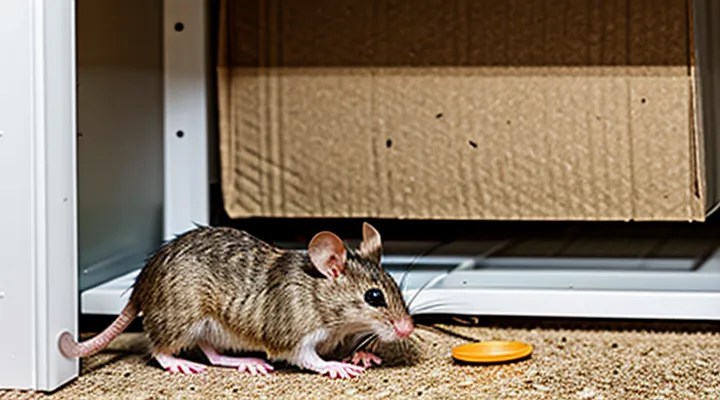
The Pervasive Problem of Rodents in Insulation
Why Mice Are Attracted to Insulation
Thermal Properties and Shelter
Insulation materials possess low thermal conductivity, creating a stable, warm micro‑environment that attracts small mammals seeking refuge from external temperature fluctuations. The trapped air pockets within fiberglass, cellulose, or foam reduce heat loss, allowing ambient heat to accumulate and maintain temperatures above the surrounding air by several degrees. This thermal gradient provides an ideal shelter for rodents, which require minimal energy to sustain body heat when residing in such cavities.
Mice exploit these conditions by constructing nests directly within the insulation mass. Their nest architecture incorporates shredded fibers and debris, further enhancing thermal retention and protecting against drafts. The combination of material softness and heat preservation reduces the need for additional bedding, accelerating colonization rates in newly installed or undisturbed cavities.
Key implications for detection and control:
- Elevated temperatures within walls may indicate active habitation; infrared scanning reveals hotspots corresponding to nesting sites.
- Distinctive gnaw marks on insulation edges suggest burrowing activity and potential entry points.
- Accumulation of urine or fecal pellets within the material alters its insulating properties, decreasing overall R‑value and increasing energy consumption.
Elimination strategies focus on disrupting the thermal advantage. Removing or replacing compromised insulation eliminates the warm substrate, forcing rodents to seek alternative shelter. Sealing gaps that permit ingress prevents re‑entry, while targeted bait placement within identified hot spots reduces population density without further degrading thermal performance.
Material Composition and Nesting
Insulation materials differ in density, fiber structure, and moisture retention, each influencing rodent nesting behavior. Dense fibrous batts provide interstitial spaces that mice exploit for shelter, while rigid foam blocks present limited cavity volume but may develop cracks that become entry points. Moisture‑laden cellulose offers a soft matrix conducive to nest building, whereas mineral wool retains less humidity, reducing attractiveness for nesting.
Key characteristics affecting rodent habitation include:
- Fiber diameter and alignment: finer, loosely packed fibers create larger voids for nesting.
- Surface texture: rough surfaces facilitate gnawing and concealment of debris.
- Thermal conductivity: higher heat retention encourages occupancy during colder periods.
- Moisture content: elevated humidity supports material degradation and nest stability.
Detection methods must account for material-specific signatures. In fibrous batts, increased particulate debris and localized odor intensify near entry zones. Rigid foam inspections reveal surface cracking and discoloration where gnaw marks accumulate. Moist cellulose layers often exhibit visible burrow tunnels and displaced fibers.
Elimination strategies align with material properties. For fibrous insulation, sealing all penetrations and applying rodent‑resistant mesh within voids prevents re‑infestation. Rigid foam installations benefit from sealants that fill cracks and reinforce structural integrity. Cellulose systems require moisture control and periodic replacement of compromised sections to disrupt nest continuity.
Understanding the interplay between composition and nesting enables targeted interventions, reducing the likelihood of rodent colonization within building envelopes.
Signs of a Rodent Infestation
Auditory Cues: «Scratching and Squeaking»
Auditory cues provide a reliable early indicator of rodent activity within building insulation. The sounds most commonly associated with mice are rapid, high‑frequency squeaks and intermittent scratching against fibrous material. These noises differ from ambient household sounds in both pitch and pattern, allowing trained personnel to distinguish them with minimal equipment.
Detection relies on three principal techniques:
- Passive acoustic monitors positioned at strategic points along wall cavities record continuous sound levels; software analysis isolates frequencies typical of mouse vocalizations and gnawing.
- Hand‑held ultrasonic detectors amplify faint squeaks, enabling real‑time identification during visual inspections.
- Remote listening devices mounted on ventilation shafts capture scratching sounds that travel through insulation, offering insight into the location and intensity of infestation.
Once auditory evidence confirms presence, targeted elimination measures can be implemented. Locating the exact cavity based on the directionality of the recorded sounds guides the placement of snap traps or live‑catch devices directly within the affected area. Sealing entry points identified during acoustic surveys prevents re‑entry, while applying rodent‑resistant insulation materials reduces future auditory signatures. Continuous monitoring after intervention verifies the absence of further «Scratching and Squeaking», confirming successful mitigation.
Visual Evidence: «Droppings and Gnaw Marks»
Rodent presence in building insulation produces distinct visual cues that enable rapid confirmation of an infestation. The two primary indicators are fecal deposits and gnaw marks.
Fecal deposits appear as small, dark pellets, typically 3–6 mm in length, scattered on insulation fibers, adjacent structural members, or exposed surfaces. Fresh droppings retain a moist sheen, while older specimens become dry and crumbly. Their distribution pattern often follows rodent pathways, concentrating near entry points and nesting sites.
Gnaw marks manifest as clean, parallel cuts on insulation material, wires, or supporting joists. Rodents create these openings to enlarge passages, access food sources, or test material durability. The edges of gnawed sections are smooth, lacking splintered debris, and may be accompanied by shredded fibers.
Key visual evidence:
- Pellet clusters on insulation surfaces
- Isolated pellets near concealed voids
- Parallel, smooth incisions on insulation or structural components
- Stripped or chewed wiring insulation
Detection protocols recommend systematic visual inspection of accessible insulation cavities, attic spaces, and crawl areas. Use a flashlight to enhance contrast and a magnifying lens for pellet identification. Document findings with photographs to support remediation planning.
Elimination measures involve sealing identified entry points, removing contaminated insulation, and applying rodent‑proof barriers. After removal, replace insulation with materials resistant to gnawing, such as metal‑clad panels or rigid foam with protective sheathing. Continuous monitoring of the listed visual signs ensures early detection of re‑infestation.
Olfactory Indicators: «Distinctive Odors»
Olfactory cues provide a direct, non‑invasive means of confirming rodent activity within building insulation. The presence of specific volatile compounds correlates with mouse metabolism, nesting material, and waste, allowing technicians to locate infestations without dismantling large sections of structure.
Key odor signatures associated with mouse presence include:
- Ammonia‑like smell from urine and feces;
- Musky, earthy odor produced by glandular secretions;
- Sweet, slightly sour scent arising from decomposing food remnants;
- Sharp, acrid note released by burned insulation fibers when rodents gnaw electrical wiring.
Detection protocols rely on sampling air or surface residues near suspected zones. Portable gas‑chromatography devices capture volatile organic compounds, while trained inspectors may identify «Distinctive Odors» by scent alone. Positive identification of any listed odor pattern warrants immediate verification through visual inspection or trap placement.
Integrating olfactory data into pest‑management plans accelerates elimination efforts. Early odor detection narrows the search area, reduces unnecessary demolition, and guides targeted bait or exclusion measures. Continuous monitoring of odor levels after treatment confirms successful eradication and alerts to potential re‑infestation.
Physical Damage: «Compromised Insulation»
Rodents infiltrating wall cavities create holes and tunnels that destroy the integrity of insulating material. Gnawing removes fibers, nesting compresses batts, and urine stains introduce moisture, all of which degrade thermal performance and create pathways for air infiltration.
Compromised insulation reduces the effective R‑value, increases heating and cooling loads, and permits condensation that can foster mold growth. Structural members adjacent to damaged insulation may experience accelerated decay due to persistent moisture and temperature fluctuations.
Typical indicators of insulation damage include:
- Droppings or urine stains on visible surfaces
- Gnaw marks on insulation or surrounding framing
- Distinctive rodent odor emanating from walls
- Noticeable temperature differences between interior spaces and exterior walls
Remediation measures comprise:
- Identification and sealing of all potential entry points using metal flashing, steel wool, or caulk
- Deployment of snap traps, live traps, or bait stations within affected cavities
- Removal of contaminated insulation and disposal according to local regulations
- Installation of rodent‑resistant insulation, such as mineral wool or foam with embedded deterrents
- Post‑treatment inspection to confirm absence of activity and restoration of thermal performance
Effective control of rodent‑induced damage restores insulation efficiency, safeguards structural components, and prevents recurring infestations.
Effective Detection Strategies
Inspection Techniques
Attic and Crawl Space Examination
Attic and crawl‑space inspection is the first decisive action when addressing rodent activity within building insulation. Access points must be cleared of debris to allow unobstructed visual assessment. Lighting, preferably a high‑intensity LED, reveals nests, droppings, gnawed material, and pathways along joists and beams. Infrared cameras detect heat signatures of active mice without disturbing the environment.
Key indicators to record during examination include:
- Concentrated droppings near insulation edges
- Chewed insulation fibers or exposed wiring
- Small entry holes in sheathing, ventilation ducts, or rim joists
- Evidence of gnaw marks on structural members
Documentation of each finding should be systematic, noting location, severity, and surrounding conditions. Photographic evidence supports subsequent remediation planning and verifies compliance with pest‑control protocols.
After identification, immediate sealing of all entry points prevents re‑infestation. Materials such as steel wool, copper mesh, and expanding foam provide durable barriers. Simultaneously, removal of contaminated insulation eliminates food sources and reduces health hazards. Replacement insulation must be installed after thorough decontamination of the area.
Final verification involves a follow‑up inspection within 48 hours to confirm the absence of new activity. Persistent monitoring, scheduled quarterly, maintains long‑term protection against future rodent incursions.
Wall Cavity Investigation
Effective wall cavity investigation begins with a thorough visual assessment of interior and exterior surfaces. Inspect for gnaw marks, droppings, nesting material, and entry points such as gaps around utility penetrations. Document findings with photographs and precise location notes.
Key diagnostic techniques include:
- Infrared thermography to locate temperature anomalies indicative of air movement caused by burrowing activity.
- Acoustic emission monitoring to detect rodent sounds within concealed spaces.
- Moisture meters to identify elevated humidity that often accompanies nesting sites.
- Small‑diameter borescopes inserted through discreet openings for direct visual confirmation.
When anomalies are detected, follow a structured sampling protocol. Insert baited traps or motion‑activated cameras into the cavity through pre‑drilled access holes. Maintain traps for a minimum of 48 hours, then retrieve and analyze capture data to determine species, population density, and activity patterns.
Interpretation of data guides remediation planning. Prioritize sealing identified entry points using steel wool, caulk, or expanding foam designed for pest exclusion. Apply insulation replacement only after confirming the cavity is free of active rodents and debris. Conduct a final verification sweep with infrared imaging to ensure no residual activity remains.
Regular post‑treatment monitoring, employing the same detection methods at quarterly intervals, confirms long‑term effectiveness and prevents re‑infestation.
Utilizing Monitoring Tools
Non-Toxic Baits and Trays
Effective rodent control within building insulation requires baiting methods that avoid hazardous chemicals while maintaining high mortality rates. Non‑toxic formulations combine food‑based attractants with mechanical or biological agents, ensuring safety for occupants and pets.
Typical non‑toxic bait compositions include:
- Protein‑rich grain blends infused with natural deterrents such as peppermint oil.
- Powdered diatomaceous earth mixed with dried fruit pulp, causing desiccation upon ingestion.
- Enzyme‑based attractants paired with sterile, gut‑targeting bacteria that inhibit digestion.
Trays designed for insulated cavities feature low‑profile, seal‑compatible frames that prevent displacement and limit exposure to non‑target species. Materials such as UV‑stabilized polypropylene resist degradation in temperature‑fluctuating environments. Integrated locking mechanisms secure the bait, while removable inserts facilitate inspection and replacement.
Best practices for deployment:
- Locate entry points and establish a grid of trays at 1‑ to 2‑meter intervals along joist spaces.
- Position trays flush with insulation surface to avoid creating air gaps.
- Rotate bait types weekly to prevent habituation.
- Document trap checks with timestamps; replace trays after three consecutive empty captures.
- Dispose of captured rodents in sealed biohazard containers, adhering to local regulations.
Adhering to these guidelines maximizes eradication efficiency while preserving indoor air quality and structural integrity.
Camera Surveillance
Effective camera surveillance addresses rodent activity within building insulation by providing continuous visual evidence, facilitating timely intervention, and supporting verification of control measures. Proper system design begins with selecting devices capable of operating in low‑light environments; infrared or night‑vision models capture clear images despite the darkness typical of cavity spaces. Weather‑sealed housings protect equipment from moisture and temperature fluctuations, ensuring reliable performance over extended periods.
Strategic placement maximizes coverage of vulnerable zones. Cameras should be installed at entry points such as gaps around utility penetrations, vent openings, and roof eaves, as well as along the length of insulation layers where movement is most likely. Angles oriented toward potential pathways capture rodent traffic without blind spots. Mounting brackets with adjustable tilt enable fine‑tuning after initial installation.
Key functional features include:
- Motion‑triggered recording reduces storage requirements while preserving relevant events.
- Integrated infrared LEDs illuminate the scene without alerting nocturnal rodents.
- Remote access via secure network connections allows real‑time monitoring from off‑site locations.
- Automated alerts, delivered through email or SMS, notify personnel immediately upon detection of movement.
Data analysis supports elimination efforts. Reviewing footage identifies species, activity patterns, and peak times, informing targeted sealing of entry points and placement of bait stations. Documented evidence also serves as verification for compliance audits and insurance claims, confirming that remediation actions have been executed and observed.
Maintenance protocols involve routine cleaning of lenses to prevent debris accumulation, periodic firmware updates to address security vulnerabilities, and regular testing of motion detection sensitivity. A schedule of quarterly inspections ensures that any degradation in image quality or system functionality is promptly corrected, preserving the integrity of the surveillance operation.
Eradication Methods
Trapping Solutions
Snap Traps
Snap traps provide an immediate, mechanical solution for eliminating mice that have entered building insulation. Their spring‑loaded mechanism delivers a lethal force that kills the rodent instantly, preventing further damage to insulation and wiring.
The device consists of a wooden or plastic base, a steel bar, and a trigger plate. When a mouse contacts the trigger, the bar snaps forward, crushing the animal against the base. The design requires no electricity, chemicals, or ongoing maintenance beyond periodic inspection.
Effective placement follows several principles:
- Position traps along known travel routes, such as gaps around ducts, vent openings, and seams in the insulation.
- Install traps with the trigger side facing the expected direction of movement.
- Space traps 1–2 feet apart in high‑activity zones to increase capture probability.
- Secure traps to a stable surface to prevent displacement by vibration or shifting insulation.
Safety measures include wearing gloves during handling, disposing of captured rodents in sealed containers, and keeping traps out of reach of children and pets. Regularly check traps for captures and replace any that have become jammed or depleted of bait.
Live Traps
Live traps provide a humane method for removing rodents that have infiltrated building insulation. The devices consist of a cage or compartment that closes automatically when an animal triggers a sensor, allowing capture without lethal injury.
Typical designs include snap‑free spring mechanisms, weighted doors, and electronic sensors. Spring‑loaded models rely on a simple lever that releases when a mouse steps on a trigger plate. Weighted‑door traps use a platform that tips under the animal’s weight, pulling the door shut. Electronic versions detect movement via infrared beams and activate a motor‑driven door.
Effective deployment follows several principles:
- Position traps along walls, near entry points, and adjacent to insulation layers where gnawing activity is observed.
- Use bait that appeals to mice, such as peanut butter, oats, or dried fruit, applied sparingly to the trigger area.
- Space traps 10–15 cm apart to cover likely pathways while avoiding competition between devices.
- Check traps at least twice daily to prevent stress, injury, or escape.
- Release captured rodents at a distance of 150 m or more from the property, in accordance with local wildlife regulations.
Advantages of live traps include reduced risk of secondary poisoning, compliance with humane pest‑control standards, and the ability to monitor infestation levels through captured counts. Limitations involve the need for frequent inspection, potential for trap avoidance after initial exposure, and the requirement for proper handling to avoid disease transmission.
Maintenance recommendations:
- Clean cages with a mild disinfectant after each capture.
- Inspect springs, hinges, and sensors for wear; replace components as needed.
- Store unused traps in a dry environment to prevent rust and corrosion.
When integrated into a comprehensive rodent‑management program, live traps contribute to the reduction of damage to insulation, lower the risk of fire hazards caused by gnawed wiring, and support long‑term prevention strategies.
Multi-Catch Traps
Rodent activity within building insulation creates heat loss, structural damage, and health hazards. Effective control requires devices that capture multiple individuals without frequent resetting.
Multi‑catch traps combine a single entry point with a spacious interior chamber. Once a mouse enters, a trigger releases a lid that seals the chamber, preventing escape. The design accommodates several captures before disposal, reducing labor and interruption to the insulation surface.
Key characteristics of multi‑catch traps:
- Durable construction resistant to corrosion and moisture.
- Sensitive trigger mechanism that activates with minimal pressure.
- Transparent or vented walls for visual inspection without opening.
- Reusable cage compatible with standard disposal bags.
Strategic placement enhances success rates. Install traps near identified gnawing sites, ventilation openings, or along known travel routes. Space devices 5–10 ft apart to intersect multiple pathways. Secure traps flush with the insulation surface to avoid detection by rodents.
Maintenance protocol includes weekly inspection, removal of captured specimens, and resetting of the trigger. After a full capture cycle, clean the interior with a mild disinfectant to prevent disease transmission. Replace worn components promptly to preserve trigger sensitivity.
Integration with detection methods improves overall efficacy. Combine multi‑catch traps with thermal imaging or acoustic monitoring to locate hot spots, then deploy traps directly at those points. This coordinated approach maximizes capture density while minimizing property disturbance.
Rodenticide Application (with Caution)
Safe Placement Considerations
Safe placement of monitoring devices, traps, and exclusion barriers is essential to protect occupants, preserve building integrity, and achieve effective rodent control. Position devices away from high‑traffic areas to prevent accidental contact. Install detectors in concealed cavities where insulation is present, ensuring that wiring is routed through protected conduits to avoid damage and electrical hazards. Secure traps at points of known activity, such as entry holes, but keep them out of reach of children and pets by mounting on walls or in dedicated bait stations.
Key considerations include:
- Structural impact: avoid compromising load‑bearing components; mount equipment on studs or joists rather than directly on insulation material.
- Moisture management: ensure devices do not create condensation pockets that could foster mold growth; use breathable enclosures when necessary.
- Code compliance: verify that installations meet local building and fire‑safety regulations, particularly regarding clearance from heat sources and ventilation ducts.
- Accessibility: select locations that allow regular inspection, maintenance, and safe removal of captured rodents without dismantling insulation layers.
- Contamination prevention: place bait and trapping mechanisms in sealed containers to reduce the risk of food residue spreading throughout the building envelope.
By adhering to these placement guidelines, professionals can minimize health risks, maintain insulation performance, and increase the likelihood of successful rodent eradication.
Types of Rodenticides
Rodenticides constitute the primary chemical approach for controlling mouse activity within building insulation. Their effectiveness depends on the active ingredient, mode of action, and formulation designed for concealed environments.
- «Anticoagulants» – interfere with blood clotting; subdivided into first‑generation (warfarin, chlorophacinone) with shorter lethal periods and second‑generation (bromadiolone, difenacoum) that require a single feeding.
- «Acute toxins» – cause rapid physiological failure; examples include bromethalin, which disrupts neuronal energy metabolism, and zinc phosphide, which releases phosphine gas upon ingestion.
- «Vitamin‑D based agents» – such as cholecalciferol, induce hypercalcemia leading to organ failure after prolonged exposure.
- «Sodium fluoroacetate» – a metabolic poison that blocks the citric acid cycle, employed in limited scenarios due to high toxicity.
Selection of a specific rodenticide should align with the target species, expected exposure pathways, and compliance with local pesticide regulations. Products formulated as bait blocks or gel matrices are preferred for insulation cavities, as they limit dust and reduce secondary poisoning risks.
Implementation requires sealed bait stations, regular monitoring of bait consumption, and documentation of placement locations. Personal protective equipment must be worn during handling, and access to treated areas should be restricted until residues diminish to safe levels.
Exclusion and Sealing Entry Points
Identifying Entry Gaps
Identifying the points through which mice infiltrate insulation is essential for effective pest management. Visual inspection of the building envelope reveals most ingress routes; attention to structural details reduces the likelihood of future infestations.
Inspection should begin at the foundation, progress to the roof, and then examine interior penetrations. Use a flashlight to highlight gaps behind utility entries, and employ a mirror to view concealed spaces. Moisture stains or gnaw marks indicate active entry locations.
Typical entry gaps include:
- Openings around pipe sleeves and conduit bundles
- Gaps beneath sill plates and floor joists
- Cracks in exterior sheathing and siding
- Unsealed roof vent pipes and chimney flues
- Gaps around HVAC ducts and exhaust fans
- Unfilled holes left from previous repairs or renovations
Sealing measures involve installing steel wool or copper mesh within narrow cracks, followed by caulking or expanding foam for larger voids. Metal flashing should cover gaps around utilities, and weatherstripping must be applied to doors and windows. Regular maintenance checks ensure that sealed areas remain intact, preventing re‑entry.
Material Selection for Sealing
Effective sealing prevents rodents from infiltrating building cavities. Material choice must balance durability, compatibility with insulation, fire safety, and environmental resistance.
Key criteria for selecting sealants include:
- Resistance to chewing; steel wool, copper mesh, and rigid metal flashing withstand gnawing.
- Flexibility across temperature ranges; silicone caustic‑resistant caulk remains pliable in extreme cold and heat.
- Expansion capability; low‑pressure expanding polyurethane foam fills irregular gaps while maintaining a barrier.
- Fire rating compliance; fire‑stop mortars and intumescent sealants meet code requirements for insulation assemblies.
- Non‑toxicity; approved sealants avoid hazardous emissions that could compromise indoor air quality.
- Adhesion to substrate; EPDM rubber gaskets bond securely to wood, drywall, and metal surfaces.
Implementation steps:
- Identify all penetrations larger than ¼ inch, including utility openings, vent ducts, and wiring sleeves.
- Clean and dry the area to ensure optimal adhesion.
- Apply primary barrier material (e.g., steel wool) to fill the gap, securing it with a mechanical fastener if necessary.
- Overlay with a flexible sealant such as silicone caulk to create an airtight seal.
- For larger voids, inject expanding foam, then trim excess and cover with metal flashing or fire‑stop mortar to reinforce durability.
Regular inspection of sealed points, especially after seasonal temperature shifts, confirms long‑term effectiveness. Selecting materials that meet the outlined criteria yields a robust defense against rodent intrusion while preserving insulation performance.
Post-Eradication Actions
Sanitation and Cleanup
Removing Contaminated Insulation
Removing insulation that has been compromised by rodent activity requires a systematic approach to protect health, preserve structural integrity, and prevent recurrence. Contaminated material often contains urine, feces, and nesting debris, which can release pathogens and attract additional pests. Failure to extract the affected insulation can lead to mold growth, reduced thermal performance, and compromised building components.
Prior to extraction, a thorough inspection identifies the extent of damage. Visual examination, infrared scanning, and moisture meters pinpoint hotspots. Protective equipment—including gloves, N‑95 respirators, and disposable coveralls—guards against exposure to allergens and disease agents. All electrical circuits in the work zone should be de‑energized to reduce fire risk.
The removal process follows these steps:
- Cut and seal off the affected cavity to contain debris.
- Loosen and extract the contaminated insulation in sections, avoiding tearing that could disperse particles.
- Place removed material in heavy‑duty, sealable bags for transport.
- Clean the cavity with a disinfectant solution approved for indoor use.
- Allow the area to dry completely before installing new insulation.
Disposal must comply with local regulations for hazardous waste. Certified contractors transport sealed bags to licensed facilities, ensuring that pathogens are not released into the environment. Replacement insulation should be of a type resistant to rodent gnawing, such as metal‑clad or rigid foam, and installed with proper vapor barriers.
After replacement, seal all potential entry points—including gaps around pipes, vents, and structural joints—using steel wool, caulk, or metal flashing. Conduct a final inspection to verify that no residual contamination remains and that the insulation performs to design specifications. Ongoing monitoring detects early signs of reinfestation, allowing prompt corrective action.
Disinfection Procedures
Disinfection procedures address the health risks posed by rodent activity within building insulation. Effective protocols begin with a thorough inspection to identify contaminated zones, focusing on areas where droppings, urine stains, or nesting material are present. Once locations are mapped, select a disinfectant that meets regulatory standards for pathogen control and is compatible with insulation materials; EPA‑registered products with proven efficacy against bacteria, viruses, and parasites are preferred.
Application follows a step‑by‑step sequence:
- Remove loose debris and absorbent material using disposable tools.
- Pre‑wet the area with a neutralizing solution to reduce organic load.
- Apply the disinfectant uniformly, ensuring contact time aligns with manufacturer specifications.
- Allow the surface to remain wet for the required duration, avoiding premature drying.
- Conduct a secondary rinse with clean water where material permits, then permit complete drying.
Personal protective equipment must be worn throughout the process, including gloves, goggles, and respiratory protection rated for aerosolized particles. Ventilation should be increased to disperse fumes, and any spills must be isolated and cleaned immediately.
Post‑treatment verification includes swab testing of representative samples and visual confirmation of the absence of residue. Documentation records the disinfectant used, concentration, exposure time, and results of verification testing, establishing a traceable audit trail for compliance and future reference.
Repairing Damaged Areas
Insulation Replacement
Insulation that has been compromised by rodent activity loses its thermal efficiency and can become a fire hazard. Replacing it restores the barrier’s performance and eliminates nesting material that encourages further infestation.
Assessment begins with a thorough inspection of visible cavities, attics, and wall voids. Identify sections where chewing marks, droppings, or gnaw‑induced holes are present. Mark each compromised area for removal.
Removal proceeds by cutting away damaged panels or batts, taking care to avoid spreading contaminants. Dispose of all material in sealed containers to prevent accidental re‑introduction of pests.
Selection of new insulation should prioritize resistance to rodent damage. Options include:
- Mineral wool, dense and less attractive to gnawing
- Rigid foam boards with reinforced foil facing
- Spray‑applied cellulose treated with rodent‑deterrent additives
Installation follows manufacturer specifications: fit material tightly, seal seams with appropriate tape, and ensure vapor barriers remain intact. After placement, apply a rodent‑proofing layer such as metal mesh or high‑density foam sheathing to vulnerable surfaces.
Final verification includes a secondary inspection to confirm that no gaps remain and that the installed barrier aligns with fire‑safety codes. Document the work, noting material types, thickness, and any additional protective measures applied.
Regular monitoring, preferably semi‑annual, helps detect early signs of re‑infestation and maintains the integrity of the insulation system.
Structural Repairs
Rodent activity within building insulation frequently compromises structural integrity, creating entry points for further infestation and reducing overall durability. Repairing damaged components restores barriers, limits moisture intrusion, and supports long‑term pest management strategies.
Typical damage includes gnawed framing members, perforated sheathing, and weakened drywall joints. These defects allow mice to navigate walls, access cavities, and create nesting sites. Unaddressed, such breaches accelerate deterioration of load‑bearing elements and increase repair costs.
• Replace compromised studs and joists with pressure‑treated lumber or steel equivalents.
• Seal all holes larger than ¼ inch using steel wool, copper mesh, or expanding foam rated for pest control.
• Reinforce sheathing with durable panels and apply a continuous exterior sealant.
• Install rigid insulation over repaired surfaces to eliminate voids that attract rodents.
• Conduct a thorough inspection of adjacent areas to verify that no secondary damage exists.
After structural restoration, apply a maintenance schedule that includes periodic visual checks, moisture monitoring, and prompt remediation of any new openings. Consistent documentation of repairs supports compliance with building codes and facilitates early detection of recurring issues.
Preventative Measures
Regular Inspections
Regular inspections constitute the primary defense against rodent activity within building insulation. Detecting mice early prevents structural damage, loss of thermal efficiency, and health hazards.
Inspection frequency should align with seasonal risk patterns. At minimum, conduct a thorough visual assessment twice a year—once in early spring and once in late autumn. Increase to quarterly checks in regions with mild winters or known high‑density rodent populations.
Key inspection steps include:
- Examine all accessible insulation cavities for droppings, gnaw marks, and nesting material.
- Inspect entry points such as gaps around utility penetrations, vent openings, and foundation cracks.
- Use a flashlight and mirror to view concealed spaces without dismantling large sections of insulation.
- Record findings in a standardized log, noting location, type of evidence, and severity level.
When signs of activity are identified, immediate remedial actions must follow. Seal identified entry points with steel wool or metal flashing, apply rodent‑resistant sealants, and replace compromised insulation sections. Integrating inspection data with a pest‑management plan enables targeted bait placement and professional treatment scheduling.
Documentation supports compliance with building codes and insurance requirements. Retain inspection reports for a minimum of three years, ensuring they are accessible for audits and future maintenance planning.
Yard Maintenance
Effective yard maintenance reduces the likelihood that rodents will infiltrate building cavities. Regular removal of dense vegetation, leaf litter, and woodpiles eliminates shelter and travel pathways that mice use to reach the foundation. Keeping the perimeter clear creates a visible barrier that discourages entry.
- Trim shrubs and grass to a height of no more than six inches within a three‑foot zone of the house.
- Dispose of fallen branches, debris, and compost material in sealed containers.
- Store firewood at least two feet above ground on a raised platform.
- Inspect and repair cracks in siding, foundation, and vent screens.
- Position outdoor trash cans with tight‑fitting lids and locate them away from the building envelope.
These practices simplify the detection of rodent activity by exposing movement routes and concentrating signs such as gnaw marks or droppings. When potential entry points are sealed and attractants removed, elimination efforts focus on interior inspections and targeted trapping, resulting in faster resolution and reduced risk of insulation damage.
Food Storage Practices
Proper food storage significantly reduces the likelihood of rodents infiltrating building insulation. Controlling attractants removes a primary incentive for mice to seek shelter within wall cavities and attic spaces.
Effective practices include:
- Use airtight, metal or heavy‑plastic containers for all dry goods.
- Store pet food in sealed bags or containers, and keep it off the floor.
- Clean spills and crumbs immediately; vacuum regularly in pantry and kitchen areas.
- Dispose of waste in bins equipped with tight‑fitting lids; empty them frequently.
- Rotate stock to prevent long‑term exposure of food to ambient conditions.
These measures limit food odors and accessible nutrients, making insulated areas less appealing to rodents. With fewer attractants, detection methods such as bait stations or inspection cameras yield clearer indications of activity, while elimination efforts encounter reduced population pressure.
Implementing disciplined storage protocols preserves the thermal performance of insulation, prevents damage from gnawing, and supports integrated pest‑management programs aimed at rodent control.