
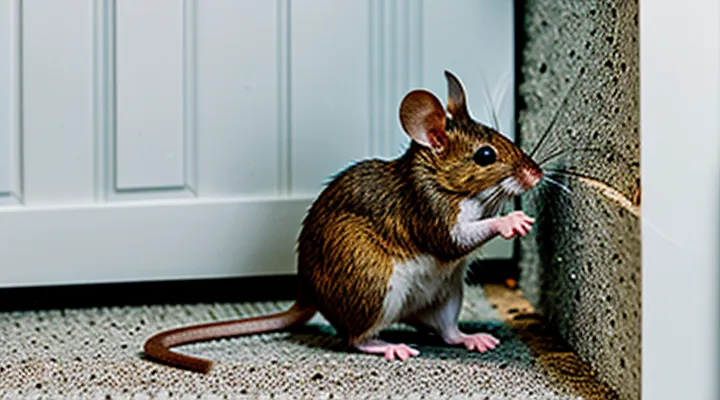
Understanding the Threat of Mice in Walls
Why Mice Choose Wall Voids
Mice select wall cavities because these spaces meet their basic survival requirements while remaining hidden from humans and predators. The structure of interior walls offers a combination of shelter, stable temperature, and direct routes to food sources, making them ideal habitats for small rodents.
- Protection from predators: Narrow gaps and sealed cavities limit access for cats, birds, and other natural enemies.
- Thermal stability: Walls buffer external temperature fluctuations, maintaining a warm environment during winter and a cool one in summer.
- Proximity to food: Wall voids often intersect with utility passages that contain wiring, insulation, and occasional food debris, allowing easy foraging without exposure.
- Travel efficiency: Interconnected cavities link multiple rooms, enabling rapid movement throughout the building while avoiding open floor areas.
- Reduced competition: Occupying concealed spaces reduces encounters with other pests that prefer more visible habitats.
These factors collectively explain why rodents gravitate toward interior wall gaps, reinforcing the need for targeted inspection and sealing measures to prevent infestation.
Potential Dangers of Infestation
Structural Damage
Mice nesting behind drywall, insulation, or framing members create pressure points that weaken structural components. Their constant gnawing compromises load‑bearing elements, reduces the integrity of joists, and creates pathways for moisture infiltration.
Common forms of damage include:
- Chewed wooden beams and joists, leading to reduced load capacity.
- Punctured insulation, allowing condensation and rot in surrounding studs.
- Torn or perforated drywall, exposing framing to pests and temperature fluctuations.
- Damaged electrical wiring, increasing fire risk and requiring costly repairs.
Visible indicators of structural compromise are:
- Sagging ceiling or floor sections directly above infested cavities.
- Unusual creaking noises when weight shifts onto weakened joists.
- Cracks in plaster or drywall aligned with mouse activity pathways.
- Discolored or damp spots on interior surfaces, reflecting insulation breach.
Effective mitigation follows a three‑step protocol: eradicate the rodents, repair compromised structures, and block future entry. Immediate extermination—using traps or licensed bait stations—removes the source of damage. Reinforce or replace gnawed framing members, reinstall intact insulation, and restore drywall to maintain load distribution. Finally, seal gaps around utility penetrations, foundation cracks, and exterior vents with steel‑wool and caulk to prevent re‑infestation and protect the building’s structural envelope.
Health Risks
Rodent activity inside wall cavities creates direct pathways for pathogens to enter living spaces. Mice shed hair, urine, and feces that can become airborne, exposing occupants to inhalation hazards. Common diseases linked to these contaminants include hantavirus pulmonary syndrome, leptospirosis, salmonellosis, and bacterial infections such as Streptococcus and Staphylococcus species. Contact with contaminated surfaces may cause skin irritations, cellulitis, or secondary infections, while allergic individuals can develop heightened respiratory symptoms, including asthma exacerbations and chronic rhinitis.
Additional health concerns arise from secondary effects of rodent presence:
- Growth of mold and mildew fueled by moisture in droppings, contributing to mycotoxin exposure.
- Attraction of secondary pests (e.g., fleas, ticks) that vector additional diseases.
- Structural compromise leading to compromised fire safety and increased risk of injury during repairs.
Prompt identification and mitigation of wall‑dwelling mice reduce these risks. Sealing entry points, employing traps or bait stations, and conducting professional inspections are essential components of an effective health‑focused control program. Regular cleaning of affected areas with disinfectants that neutralize viral and bacterial agents further limits pathogen persistence.
Odor Problems
Mice residing behind drywall or in insulation generate distinct odors that signal an infestation. The smell originates from urine, feces, and the decomposition of food remnants. These odors are often described as a strong, musky, ammonia‑like scent that intensifies in warm, poorly ventilated areas.
Typical odor indicators include:
- Persistent musky smell near baseboards, cabinets, or ceiling joists.
- Sudden increase in odor after rain or temperature changes, which forces rodents to move deeper into the structure.
- Noticeable odor when opening walls for repairs or when insulation is disturbed.
Odor control requires both elimination of the source and prevention of recurrence:
- Locate and seal entry points to stop further intrusion.
- Remove contaminated insulation, drywall, or nesting material; dispose of it in sealed containers.
- Clean affected surfaces with enzymatic cleaners that break down urine and fecal residues, reducing lingering smells.
- Install moisture‑absorbing dehumidifiers to lower humidity, discouraging odor buildup.
- Apply rodent‑proof barriers (steel wool, mesh, caulk) around vents, pipes, and gaps to prevent re‑entry.
If odor persists after cleaning, professional remediation may be necessary to assess hidden contamination and apply specialized odor‑neutralizing treatments. Prompt detection and thorough removal of the source are essential to restore indoor air quality and prevent health risks associated with rodent waste.
Identifying the Presence of Mice
Audible Clues
Scratching and Scurrying Sounds
Scratching and scurrying noises emerging from walls typically signal rodent activity. The sounds are sharp, intermittent, and often intensify during nighttime when mice seek food and shelter. Their origin is most frequently located near insulation, behind drywall, or within ceiling cavities where rodents build nests.
To confirm infestation, employ the following measures:
- Conduct a focused listening session with a handheld recorder during quiet hours.
- Inspect for droppings, gnaw marks, and shredded material in accessible wall voids.
- Look for entry points such as gaps around pipes, vents, or foundation cracks.
Control actions should target both detection and elimination:
- Seal all identified openings with steel wool, caulk, or metal flashing to prevent re‑entry.
- Deploy snap traps or electronic traps along established runways, positioning them perpendicular to walls.
- Place tamper‑resistant bait stations near suspected activity zones, following label directions for dosage.
- Consider ultrasonic emitters as supplemental deterrents, recognizing limited efficacy in dense structures.
- Engage a licensed pest‑management professional for comprehensive exclusion and follow‑up monitoring.
Implementing these steps reduces the likelihood of continued scratching and scurrying, protecting the structural integrity of the home.
Gnawing Noises
Gnawing noises emanating from walls typically indicate active rodents chewing on insulation, wiring, or structural components. The sound is often intermittent, louder during nighttime when mice are most active, and may increase after meals or when new material is introduced into the cavity.
Key characteristics of gnawing sounds:
- Repetitive, sharp clicks or crunches
- Occurrence in concealed spaces such as wall voids, ceilings, or floors
- Intensification after household activities that generate vibrations (e.g., vacuuming, appliance use)
Identifying the source requires systematic inspection:
- Silence ambient noise to isolate the sound.
- Use a handheld acoustic detector or a smartphone recording app to pinpoint the area with the strongest signal.
- Examine entry points near the identified zone—gaps around pipes, vents, or foundation cracks.
- Inspect for fresh gnaw marks, droppings, or shredded material.
Control measures focus on eliminating access and removing the rodents:
- Seal all openings larger than ¼ inch with steel wool, cement, or metal flashing.
- Install snap traps or electronic bait stations directly in the affected wall cavity, positioning them against the identified noise source.
- Replace damaged insulation and repair compromised wiring to prevent fire hazards.
- Conduct follow‑up monitoring for at least two weeks, listening for residual gnawing; persist with trapping if noises reappear.
Visual Indicators
Droppings and Urine Stains
Droppings and urine stains are primary indicators of rodent activity within wall cavities. Fresh droppings appear as dark, pellet‑shaped feces about ¼ inch long, typically found in clusters along travel routes, near nesting sites, or at entry points. Older deposits darken, become crumbly, and may be accompanied by a faint, musky odor. Urine stains manifest as yellowish or brown discolorations on insulation, drywall, or surrounding surfaces; they often emit a strong, ammonia‑like smell, especially in confined spaces.
Identifying these signs accurately supports timely intervention. Follow these steps:
- Inspect exposed wall sections, baseboards, and attic joists for droppings; use a flashlight to reveal hidden deposits.
- Smell for urine odor; a saturated scent indicates recent activity.
- Collect samples with disposable gloves and a sealed container for laboratory analysis if disease risk assessment is required.
- Record location, quantity, and condition of each finding to map infestation pathways.
Health risks associated with rodent waste include transmission of hantavirus, leptospirosis, and salmonella. Particles become airborne when disturbed, posing inhalation hazards. Immediate containment and removal are essential to prevent contamination of indoor air and surfaces.
Control measures focus on elimination and sanitation:
- Seal entry points larger than a quarter‑inch to block further ingress.
- Apply targeted bait stations or traps near identified droppings and urine stains; monitor daily.
- Remove contaminated insulation or drywall, disposing of it in sealed bags.
- Clean affected areas with a diluted bleach solution (1 part bleach to 10 parts water) or an EPA‑approved disinfectant; wear protective equipment.
- Install moisture‑absorbing barriers to discourage nesting in humid wall cavities.
Regular inspections, especially after seasonal changes, maintain a low risk of re‑infestation. Prompt detection of droppings and urine stains enables focused remediation, reducing health threats and property damage.
Gnaw Marks
Gnaw marks are a primary indicator of rodent activity within wall cavities. Mice create these marks by continuously filing their incisors, leaving distinctive damage that differs from other pests.
Typical characteristics include:
- Parallel, shallow grooves on wooden studs, insulation, or plastic sheathing.
- Rounded edges where the bite depth is uniform, usually 1‑2 mm.
- Repeated patterns that follow the direction of the mouse’s movement, often along structural members.
Common locations:
- Near entry points such as holes around pipes, vents, or gaps in the foundation.
- Along the underside of floor joists where mice travel between rooms.
- Adjacent to stored food sources, especially in kitchens or pantries with wall access.
Interpretation of gnaw marks:
- Presence of fresh, clean cuts suggests recent activity; darker, weathered marks indicate older infestations.
- Multiple intersecting series of marks signal a well‑established network of pathways.
- Damage to wiring insulation may pose fire hazards.
Control strategies related to gnaw marks:
- Seal identified entry holes with steel wool and caulk to prevent further ingress.
- Replace or repair damaged structural components to eliminate nesting sites.
- Install snap traps or live‑catch traps along the identified pathways, positioning them perpendicular to the gnaw lines.
- Apply rodent‑resistant materials, such as metal mesh, to vulnerable areas during renovation.
- Conduct regular inspections, focusing on the same locations where gnaw marks were observed, to verify the effectiveness of interventions.
Accurate identification of gnaw marks enables targeted remediation, reducing the likelihood of extensive damage and health risks associated with mouse infestations in concealed wall spaces.
Grease Marks and Rubbing Trails
Grease marks appear as dark, oily streaks along seams, corners, and behind fixtures where mice have brushed their bodies. The residue consists of natural skin oils and saliva transferred from fur to surfaces during frequent movement. Rubbing trails, often visible as linear smears or faint lines, indicate repeated passage along a confined route.
These signs concentrate in wall cavities, baseboard joints, and the backs of appliances that abut structural framing. Detection requires close inspection of hidden panels, insulation, and any exposed wiring channels. The presence of multiple parallel marks suggests a well‑established travel corridor.
Identifying grease marks and rubbing trails enables targeted intervention. Effective measures include:
- Sealing gaps larger than ¼ inch with steel wool, caulk, or cement.
- Removing debris and cleaning affected surfaces with a detergent solution to eliminate scent cues.
- Installing snap traps or electronic devices along identified routes.
- Deploying bait stations at entry points, ensuring placement away from children and pets.
- Monitoring for new marks weekly to assess the success of control actions.
Prompt response to these visual cues reduces the likelihood of population expansion and limits structural damage caused by gnawing and nesting activities.
Nests and Nesting Materials
Mice construct nests within wall cavities to shelter themselves and their offspring. A nest typically consists of shredded insulation, paper, fabric fibers, dried plant matter, and small pieces of cardboard. The selection of materials reflects availability and the need for warmth and concealment.
Common nesting components include:
- Fiberglass or foam insulation fragments
- Cotton or wool scraps
- Tissue paper, newspaper, and cardboard
- Dried grass, seed husks, or leaf litter
- Pet bedding or shredded towels
Nests are usually located near food sources, water lines, or entry points such as gaps around pipes and vents. They appear as compact, irregular piles that may be partially buried in debris. The presence of fresh nesting material, especially soft fibers, indicates recent activity.
Control measures focus on eliminating nesting sites and removing existing nests. Steps include:
- Seal cracks, gaps, and openings larger than ¼ inch to block access.
- Replace damaged insulation with pest‑resistant alternatives.
- Remove accumulated debris, stored paper, and fabric scraps from wall cavities.
- Install snap traps or electronic devices near identified nesting areas.
- Apply rodent‑specific repellents or dusts directly onto nesting material after removal.
Regular inspection of wall spaces, especially behind appliances and beneath flooring, helps detect new nests early. Prompt removal of nests and ongoing exclusion efforts reduce the likelihood of re‑infestation.
Olfactory Evidence
Musky Odor
A musky odor frequently indicates rodent activity within wall cavities. The scent originates from mouse urine, droppings, and glandular secretions that accumulate in confined spaces. When the smell is persistent, especially in the evenings when ventilation is limited, it signals a breeding population that may be expanding.
Key observations related to the odor include:
- A faint, earthy smell that intensifies after rainfall or high humidity.
- Presence of stains or discoloration on walls, often accompanying the scent.
- Increased insect activity, such as beetles attracted to mouse waste.
Effective control measures focus on eliminating the source and preventing re‑infestation:
- Identify entry points by inspecting exterior walls, foundation cracks, and utility penetrations; seal openings with steel wool and caulking.
- Deploy snap traps or electronic traps inside the affected wall cavity, positioning them near visible droppings or chew marks.
- Apply a targeted rodent repellent gel to interior surfaces where the odor is strongest; reapply according to manufacturer guidelines.
- Conduct a thorough cleaning of contaminated insulation and debris, disposing of material in sealed bags to avoid secondary contamination.
- Install a continuous monitoring system, such as motion‑activated cameras, to verify the absence of further activity.
Prompt detection of the musky smell and immediate implementation of these steps reduce health risks, limit structural damage, and restore a sanitary indoor environment.
Effective Strategies for Control and Eradication
Initial Steps for Assessment
Locating Entry Points
Mice gain access to wall cavities through small openings that are often unnoticed during routine maintenance. Identifying these breaches is the first step in preventing infestation and limiting damage.
Inspection should begin on the building’s exterior. Examine the foundation, siding, and roof for gaps larger than a quarter inch. Pay special attention to areas where different materials meet, such as where brick abuts wood, and where utilities enter the structure. Inside the home, check interior walls, baseboards, and cabinets for signs of gnawing, droppings, or displaced insulation. Seal any discovered openings before proceeding with control measures.
Typical entry points include:
- Cracks in foundation or slab walls
- Gaps around pipe, cable, and vent penetrations
- Openings around windows, doors, and garage doors
- Unsealed openings at the roof eaves and soffits
- Holes around chimney flues and exhaust fans
- Unfinished or damaged siding and trim
Use steel wool, caulk, or hardware cloth to close gaps, and verify that weatherstripping on doors and windows is intact. After sealing, monitor for fresh activity to confirm that all access routes have been eliminated.
Identifying Mouse Activity Hotspots
Identifying mouse activity hotspots requires systematic observation of structural and behavioral indicators. Rodents exploit concealed pathways, so the most reliable clues appear where food, shelter, and travel routes intersect.
Typical hotspot locations include:
- Gaps around utility penetrations (electrical, plumbing, HVAC) where insulation is thin.
- Openings at the foundation, especially near crawl spaces or basement walls.
- Areas behind appliances that generate heat, such as refrigerators, stoves, and water heaters.
- Sections of wall cavity adjacent to stored pantry items or pantry shelves.
- Junctions of floor joists and wall studs where debris accumulates.
Evidence that confirms activity in these zones consists of:
- Fresh droppings, dark and tapered, found near seams or in corners.
- Gnaw marks on wood, plastic, or wiring, often concentrated at entry points.
- Grease trails left by whisker contact, visible as dark smears along walls.
- Nests composed of shredded paper, fabric, or insulation material.
- Audible sounds—scratching or scurrying—particularly during nighttime.
Effective hotspot mapping combines visual inspection with strategic placement of monitoring devices. Motion-activated cameras positioned at suspected entry points capture movement patterns, while non-toxic tracking powder applied to suspected routes reveals footprints on nearby surfaces. Recording the frequency and location of each indicator enables prioritization of sealing efforts and targeted bait deployment.
By concentrating detection resources on the listed zones and corroborating findings with physical evidence, homeowners can isolate the most active areas, reduce infestation spread, and implement focused control measures.
Non-Lethal Control Methods
Trapping Techniques
Mice that have taken refuge behind interior walls require targeted trapping to prevent damage and disease spread. Effective capture methods combine appropriate device selection, strategic placement, and proper baiting.
-
Snap traps provide instant kill and are ideal for high‑traffic zones such as gaps around pipes, vent openings, and entry points near baseboards. Use a 1‑inch trigger plate to accommodate the small size of house rodents. Position the trap perpendicular to the wall, with the trigger end facing the suspected travel path.
-
Glue boards serve as a passive detection tool and can confirm activity in concealed areas. Place boards on flat surfaces near droppings, gnaw marks, or shredded insulation. Replace boards daily to avoid prolonged suffering and to maintain hygiene.
-
Live‑catch traps allow relocation when humane handling is required. Select traps with a minimum interior dimension of 4 × 2 × 2 inches to prevent injury. Bait with high‑fat items such as peanut butter or sunflower seeds, and check traps at least every four hours to reduce stress.
-
Electronic traps deliver a rapid, humane shock. Install units directly against the wall cavity where mice travel. Ensure power sources are stable and that the device’s safety interlock prevents accidental activation by humans or pets.
Placement guidelines:
- Identify active pathways by tracing fresh gnaw marks, droppings, or disturbed insulation.
- Set traps along these routes, preferably 1–2 feet from the wall surface to intercept mice moving within the cavity.
- Secure traps to prevent displacement by vibrations from household appliances.
- Rotate bait types weekly to maintain attraction and avoid habituation.
Safety considerations:
- Wear gloves when handling traps to prevent disease transmission.
- Keep traps out of reach of children and domestic animals.
- Dispose of captured rodents in sealed containers before discarding in accordance with local regulations.
Regular monitoring, combined with diligent trap maintenance, reduces the likelihood of reinfestation and limits structural damage caused by persistent rodent activity within wall spaces.
Live Traps
Live traps provide a humane method for removing rodents that have entered wall cavities. The device consists of a enclosure with a trigger mechanism that closes a door when the mouse steps on a pressure plate or pulls a baited latch. Once captured, the animal remains alive and can be released far from the property, preventing recurrence.
Effective use of live traps requires careful selection and placement. Choose traps sized for small rodents, equipped with a smooth interior to reduce injury, and constructed from durable material that resists gnawing. Position traps directly against exposed wall openings, near known activity signs such as droppings, gnaw marks, or fresh runways. Place bait—peanut butter, sunflower seeds, or dried fruit—on the trigger platform, and set the trap just before nightfall when mice are most active.
Routine monitoring maximizes success. Check traps at least once every twelve hours to limit stress on captured mice. If a trap is empty, reset the bait and ensure the trigger is functional. When a mouse is captured, wear gloves, transport the trap to a release site at least two miles away, and open the door gently to allow escape.
Key considerations for live‑trap deployment:
- Size and durability of the enclosure
- Sensitive trigger mechanism suited to small rodents
- Appropriate bait that attracts without contaminating the trap
- Placement adjacent to wall entry points and activity indicators
- Frequent inspection and prompt release to maintain humane standards
Adhering to these practices reduces the likelihood of damage to wiring, insulation, and structural components caused by ongoing rodent activity within walls.
Snap Traps (Placement and Baiting)
Snap traps remain a reliable mechanical solution for intercepting rodents that have entered structural cavities. Their rapid-action mechanism reduces the chance of escape and limits secondary contamination within wall voids.
Effective deployment requires precise positioning. Place traps directly against interior wall surfaces where gnaw marks, droppings, or grease lines are evident. Align the trigger end toward the suspected travel route, typically along the baseboard or near pipe penetrations. Secure the trap to the wall with a sturdy nail or screw to prevent displacement by the animal’s force. Install multiple units at 10‑ to 12‑foot intervals along the length of the affected cavity to increase capture probability.
Bait selection influences trap success. Use high‑protein or high‑fat attractants that mice cannot resist, such as:
- Peanut butter
- Sunflower seeds
- Small pieces of cooked meat
- Commercial rodent lures containing hexanoic acid
Apply a pea‑sized amount of bait directly onto the trigger plate, ensuring the mouse must depress the plate to reach the food. Avoid excessive bait, which can allow the rodent to feed without activating the mechanism. Replace bait daily to maintain freshness and scent potency.
After a capture, remove the trap promptly, dispose of the carcass in a sealed container, and reset the device with fresh bait. Regular inspection of trap placement and bait condition sustains control efforts and prevents re‑infestation of the wall system.
Exclusion and Sealing Entry Points
Rodent exclusion begins with a systematic inspection of the building envelope. Identify gaps larger than ¼ inch, including cracks in foundation, utility penetrations, vent openings, and gaps around pipes, cables, and HVAC ducts. Pay particular attention to areas where walls meet the roof, where siding meets the foundation, and where vents terminate inside the wall cavity.
After locating potential access points, apply the following sealing protocol:
- Clean debris and dust from the opening to ensure adhesion.
- Use steel wool or copper mesh to fill irregular gaps; these materials resist gnawing.
- Cover the filler with a durable sealant such as silicone, polyurethane caulk, or expanding foam designed for pest control.
- For larger openings, install metal flashing or hardware cloth (¼‑inch mesh) and fasten it with corrosion‑resistant screws.
- Seal utility penetrations with molded rubber grommets or purpose‑made conduit sleeves.
Maintain exclusion integrity by conducting seasonal walkthroughs. Re‑inspect previously sealed areas after extreme weather events, and replace any compromised material promptly. Documentation of each sealed point, including location, material used, and date of repair, supports ongoing management and facilitates future audits.
Materials for Sealing
Effective sealing of wall penetrations is essential for preventing rodent entry. Choose materials that combine durability, resistance to gnawing, and ease of installation.
- Steel wool: tightly packed into openings, it deters chewing due to its abrasive texture. Secure with caulk to prevent displacement.
- Copper or stainless‑steel mesh: provides a permanent barrier that rodents cannot bite through. Cut to size and fasten with screws or construction adhesive.
- Silicone or polyurethane caulk: fills small cracks and gaps around pipes, vents, and electrical conduits. Select a product rated for flexibility and long‑term adhesion.
- Expanding spray foam: expands to seal irregular voids. Use low‑expansion formulas that do not exert excessive pressure on surrounding structures; reinforce with mesh or steel wool for larger openings.
- Concrete or mortar: ideal for sealing large holes in brick or concrete walls. Apply in layers, allowing each to cure before adding the next.
- Sheet metal flashing: covers gaps around windows, doors, and roof eaves. Overlap seams and seal with appropriate caulk to create a continuous barrier.
- Rigid foam board: installed within wall cavities to block access routes. Seal edges with tape and caulk to eliminate residual openings.
When applying any sealing material, clean the area of debris, ensure a tight fit, and verify that no additional gaps remain. Regular inspection of sealed points helps maintain integrity and prevents future infestations.
Common Entry Points to Address
Rodent intrusion in wall cavities often begins with small openings that provide direct access to the interior structure. Identifying and sealing these gaps prevents mice from entering and establishing nests.
Common entry points include:
- Gaps around the foundation and crawl‑space vents.
- Unsealed openings where utilities penetrate walls, such as water, gas, and electrical lines.
- Cracks in exterior siding, brickwork, or stucco.
- Spaces around plumbing stacks, dryer vents, and HVAC ducts.
- Unscreened or poorly fitted vent openings, including attic and roof vents.
- Gaps beneath doors, especially in basements or garages, where door sweeps are missing or damaged.
- Openings around windows, particularly where weather stripping is deteriorated.
- Chimney flues without proper caps or with damaged flashing.
- Gaps around garage door openers, pet doors, and other small service doors.
Effective control strategies start with a thorough inspection of these areas, followed by the use of durable materials such as steel wool, caulk, expanding foam, or metal flashing to seal openings. Regular maintenance of exterior seals and periodic re‑inspection ensure that newly formed gaps are addressed before they become active pathways for rodents.
Chemical Control Methods
Baits and Rodenticides (Use and Safety Precautions)
Bait selection and rodenticide application are central components of an effective mouse control program inside residential wall cavities. Solid, pre‑measured blocks or pellets containing anticoagulant compounds such as bromadiolone or difenacoum provide reliable ingestion rates when placed in concealed stations. Non‑anticoagulant options, including zinc phosphide and cholecalciferol, offer rapid mortality but require strict adherence to label instructions due to their acute toxicity.
Safety measures must precede any deployment:
- Position bait stations out of reach of children, pets, and non‑target wildlife; secure them behind baseboards or within wall voids using tamper‑resistant containers.
- Wear disposable gloves when handling products; avoid direct skin contact and inhalation of dust.
- Follow the manufacturer’s dosage guidelines; excess amounts do not increase efficacy and raise poisoning risk.
- Label each station with the active ingredient, concentration, and date of placement; maintain a written inventory for reference.
- Dispose of unused bait and empty containers according to local hazardous waste regulations; never discard them in regular trash.
Monitoring after placement is essential. Inspect stations every 3–4 days for consumption evidence, replenish as needed, and remove stations once activity ceases for a minimum of two weeks. Record observations to adjust bait type or location if mice persist.
When integrating baits with other control tactics—such as sealing entry points and employing traps—ensure that each method complements the others without creating redundant exposure. A coordinated approach reduces the likelihood of resistance development and maximizes long‑term suppression of mouse populations within the structure.
Prevention and Long-Term Management
Maintaining a Clean Environment
A clean indoor environment reduces the likelihood of rodent activity within wall cavities and surrounding spaces. Food residues, clutter, and dampness create attractive conditions for mice; eliminating these factors removes essential resources and hiding places.
Regular sanitation practices include:
- Storing dry goods in sealed containers made of metal or thick plastic.
- Removing crumbs and spills immediately, then wiping surfaces with a disinfectant solution.
- Sweeping or vacuuming floors daily, paying special attention to corners and behind appliances.
- Disposing of garbage in tightly fitted bins and emptying them at least once daily.
- Repairing leaks promptly and using a dehumidifier in humid areas to prevent moisture buildup.
- Organizing storage areas to keep items off the floor and away from walls.
Inspection routines support early detection:
- Examine kitchen cabinets, pantry shelves, and pantry doors for droppings, gnaw marks, or shredded packaging.
- Check baseboards, vent covers, and wall panels for small holes or fresh gnawing evidence.
- Monitor for faint, oily odors that may indicate mouse presence.
Implementing these measures creates an inhospitable environment for rodents and facilitates the effectiveness of any additional control methods applied to wall spaces.
Food Storage Best Practices
Proper food storage directly reduces the likelihood of rodents nesting within wall cavities. Sealed containers prevent scent trails that guide mice to hidden spaces, limiting their access to nutritional sources.
- Store dry goods in airtight, plastic or metal containers with child‑proof lids.
- Keep pantry shelves clear of debris; rotate stock so older items are used first.
- Place bulk purchases in secondary storage away from living areas, using sturdy bins that close tightly.
- Clean spills immediately; wipe down surfaces after each use.
- Dispose of expired or damaged food in sealed trash bags and remove them from the home promptly.
Each measure eliminates attractants that would otherwise draw mice toward structural gaps. Airtight containers block odor diffusion, while regular cleaning removes crumbs that serve as feeding cues. Organized inventory prevents overstocking, reducing the volume of accessible food.
Implementing these practices creates an environment where rodents find little incentive to infiltrate interior walls, supporting broader control efforts without reliance on chemical or mechanical interventions.
Regular Inspections and Maintenance
Regular inspections are essential for early detection of rodent activity inside wall cavities. A systematic schedule—monthly during warm months and quarterly in colder periods—provides consistent monitoring without excessive disruption. Inspectors should focus on visible and hidden indicators: fresh droppings, gnaw marks on insulation or wiring, oily smears along walls, and audible scratching or scurrying sounds. Use a flashlight and a flexible inspection mirror to view concealed areas, and employ a moisture meter to identify damp spots that attract mice.
Maintenance actions directly reduce the likelihood of infestation. Seal all potential entry points with steel wool and silicone caulk; prioritize gaps around utility penetrations, foundation cracks, and vent openings. Install door sweeps on exterior doors and repair damaged weatherstripping. Keep vegetation trimmed at least 12 inches from the building envelope to prevent rodents from climbing onto the roof or walls. Store food, feed, and compost in sealed containers away from the foundation.
A concise inspection checklist supports consistent practice:
- Visual scan for droppings, gnaw marks, and oily streaks
- Auditory test for scratching or squeaking during quiet periods
- Inspection of insulation and wiring using a mirror or camera probe
- Verification of sealed gaps, door sweeps, and weatherstripping integrity
- Assessment of moisture levels in wall cavities
Prompt remediation of identified issues—repairing damaged seals, removing moisture sources, and clearing debris—prevents small problems from escalating into full‑scale infestations. Combining scheduled inspections with diligent upkeep creates a robust barrier against mice colonizing interior wall spaces.
Professional Pest Control Consultation
Professional pest‑control consultation provides a systematic approach to detecting and eliminating rodent activity inside wall structures. The service begins with a thorough visual and tactile inspection of accessible interior and exterior surfaces, attic spaces, and any openings that could serve as entry points. Inspectors record evidence such as gnaw marks, droppings, urine stains, and audible scratching, then map the locations to determine the extent of infestation.
The next phase involves risk assessment and customized recommendations. Consultants evaluate building construction, sanitation practices, and seasonal factors to prioritize interventions. They advise on:
- Sealing gaps larger than ¼ inch with steel‑wool, caulk, or metal flashing.
- Installing snap or electronic traps in identified travel routes.
- Applying bait stations that meet local regulatory standards, positioned away from children and pets.
- Scheduling targeted rodenticide applications only when non‑chemical measures prove insufficient.
Implementation guidance includes precise placement of devices, dosage calculations, and safety protocols. Technicians also train homeowners on proper maintenance of barriers and monitoring devices to prevent re‑infestation. Follow‑up visits verify efficacy, adjust treatment plans, and document long‑term outcomes.
A professional consultation minimizes property damage, reduces health hazards associated with rodent pathogens, and ensures compliance with local pest‑management regulations. Engaging certified experts accelerates resolution and safeguards structural integrity.
Post-Extermination Clean-Up and Sanitization
Safe Removal of Droppings and Nests
Droppings and nests left by rodents in wall cavities pose health hazards and can attract further infestation. Proper handling reduces the risk of disease transmission and limits the spread of allergens.
Wear appropriate protective equipment: disposable gloves, a N95 or higher respirator, eye protection, and a disposable coverall. Seal the work area with plastic sheeting to contain dust and debris.
- Locate all droppings, urine stains, and nesting material. Use a flashlight to inspect hidden corners and insulation.
- Carefully collect solid waste with a damp paper towel or disposable scoop. Place material in a sealable plastic bag, then double‑bag and label as biohazard.
- Spray the contaminated surface with an EPA‑registered disinfectant (e.g., a 1 % bleach solution). Allow the contact time specified on the label.
- Wipe the area with a clean, damp cloth. Dispose of the cloth in the same double‑bagged container used for the waste.
- Remove insulation that has been saturated with urine or droppings. Replace with new, untreated insulation if necessary.
- Vacuum the surrounding area with a HEPA‑rated filter vacuum to capture fine particles.
- Wash hands thoroughly with soap and water after removing gloves and disposing of all waste.
After cleaning, seal any entry points that allowed rodents access to the walls. Install steel wool or copper mesh in gaps, then cover with caulk or expanding foam. Regularly inspect for fresh droppings to confirm that removal was successful and that the infestation has not resurfaced.
Disinfection Procedures
Mice occupying wall cavities introduce bacteria, viruses, and parasites that can survive long after the rodents are removed. Effective disinfection eliminates these pathogens, reduces health risks, and prepares the structure for repair work.
Disinfection begins with thorough removal of all droppings, urine stains, and nesting material. Use a HEPA‑rated vacuum or damp disposable wipes to prevent aerosolization of contaminants. After cleaning, apply a registered rodent‑specific disinfectant that is EPA‑approved for indoor use. Follow the manufacturer’s contact time precisely; insufficient exposure may leave viable microorganisms.
Key steps for a safe and complete treatment:
- Isolate the affected area by sealing vents and doors to limit airflow.
- Wear appropriate personal protective equipment: N‑95 respirator, gloves, goggles, and disposable coveralls.
- Pre‑wet surfaces with a neutralizing solution to break down organic matter.
- Spray or fog the disinfectant uniformly, ensuring coverage of crevices, insulation, and structural joints.
- Allow the solution to remain on surfaces for the full dwell period, typically 10‑15 minutes.
- Ventilate the space after the dwell time, using exhaust fans to remove residual chemicals.
- Conduct a post‑treatment swab test to verify pathogen reduction, especially in high‑risk environments such as kitchens or medical facilities.
When choosing a disinfectant, prioritize products with broad‑spectrum activity against gram‑negative and gram‑positive bacteria, enveloped and non‑enveloped viruses, and fungal spores. Verify compatibility with building materials; some agents can degrade insulation or corrode metal components.
Documentation of the disinfection process—including product names, concentrations, application methods, and verification results—supports compliance with health regulations and facilitates future inspections. Regular monitoring after treatment helps detect any resurgence of contamination, allowing prompt re‑application before structural repairs commence.
Repairing Damaged Areas
When mice gnaw or nest within wall cavities, structural components often suffer damage that compromises safety and energy efficiency. Immediate repair restores integrity and prevents future infestations.
First, locate all compromised sections. Inspect for chew marks on studs, insulation, wiring, and plumbing. Use a flashlight and a small inspection camera if necessary. Mark each area before beginning repairs.
Second, remove damaged material. Cut away gnawed wood, torn drywall, and soiled insulation. Discard debris in sealed containers to avoid spreading contaminants. Clean the exposed cavity with a vacuum equipped with a HEPA filter, then wipe surfaces with a mild disinfectant.
Third, reinforce structural elements. Replace cut studs with pressure‑treated lumber of equal dimensions. Secure new pieces with corrosion‑resistant screws and apply construction adhesive for added strength. For drywall, cut patches that match the original thickness, attach them to the framing, and finish with joint compound.
Fourth, restore insulation. Install unfaced fiberglass batts or mineral‑wool insulation, ensuring a snug fit without gaps. If the cavity contains wiring or pipes, verify that insulation complies with local fire and code requirements.
Fifth, seal entry points. Apply steel wool or copper mesh to small openings, then cover with a high‑quality caulk or expanding foam. For larger gaps, install metal flashing or cementitious sealant. All sealants should be rated for pest resistance and compatible with the building materials.
Finally, finish the repaired surface. Tape and mud drywall seams, sand smooth, and prime before painting. Use a paint formulated for high‑traffic areas to extend durability.
By following these steps—identification, removal, reinforcement, insulation, sealing, and finishing—homeowners eliminate structural weaknesses caused by rodent activity and create a barrier that discourages re‑entry. Regular inspections after repair help maintain the protection over time.
Preventing Re-infestation
After a successful removal, preventing a new mouse population in wall cavities requires a combination of structural sealing, sanitation, moisture control, and ongoing monitoring.
- Seal all potential entry points with durable materials such as steel‑wool, silicone caulk, or hardware cloth.
- Inspect foundation cracks, vent openings, utility penetrations, and gaps around pipes; reinforce them promptly.
- Eliminate food sources by storing dry goods in airtight containers, cleaning crumbs from floors and countertops, and securing pet food in sealed bins.
- Reduce available water by repairing leaks, installing drip‑free fixtures, and using dehumidifiers in damp areas.
- Remove clutter that offers nesting material; keep storage areas organized and off the floor.
Conduct monthly visual inspections of interior and exterior walls, focusing on signs of gnawing, droppings, or fresh damage. Deploy passive traps or electronic sensors in high‑risk zones to detect early activity, and record findings for trend analysis.
When structural gaps remain or infestations recur despite preventive measures, engage a licensed pest‑management professional to perform targeted sealing and apply exclusion techniques that meet building‑code standards.