
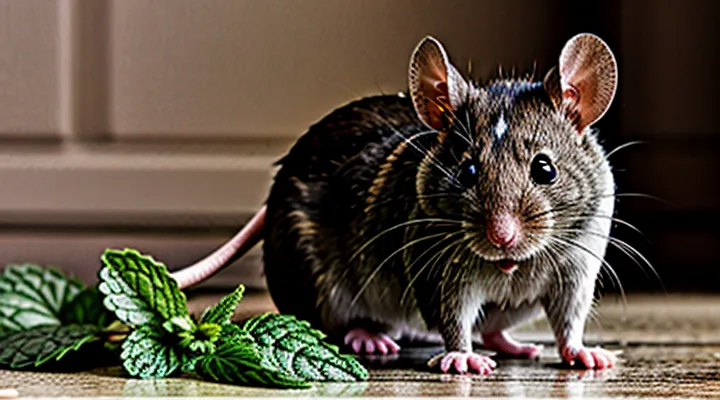
Understanding the Problem of Rodent Infestations
The Dangers of Mice in Homes
Health Risks Posed by Rodents
Rodents serve as reservoirs for a wide range of pathogens that can compromise human health. Their nocturnal activity, nesting habits, and proximity to food storage create opportunities for disease transmission through direct contact, bite wounds, droppings, urine, and contaminated surfaces.
Key health hazards associated with rodent infestations include:
- Bacterial infections such as «Salmonella» and «Leptospira», transmitted via contaminated food or water.
- Viral diseases, notably «Hantavirus» and «Lymphocytic choriomeningitis virus», spread through inhalation of aerosolized droppings.
- Parasitic infestations, including «Hymenolepis nana» tapeworms and ectoparasites like fleas and mites that may bite humans or transmit additional pathogens.
- Allergic reactions and asthma exacerbations caused by rodent dander, urine proteins, and shed hair.
- Mechanical contamination of stored products, leading to spoilage and secondary foodborne illness.
Exposure to these agents can result in gastrointestinal distress, respiratory complications, febrile illnesses, and, in severe cases, organ failure or death. Populations at heightened risk comprise children, the elderly, and individuals with compromised immune systems. Prompt identification of rodent activity, sanitation of contaminated areas, and implementation of integrated pest management strategies reduce the likelihood of infection and protect public health.
Property Damage Caused by Mice
Mice inflict considerable damage on residential and commercial structures. Their incisors continuously grow, prompting constant gnawing on soft materials. This behavior compromises electrical wiring, increasing fire risk and necessitating costly repairs. Insulation, drywall, and wooden framing suffer similar degradation, weakening structural integrity and prompting premature replacement.
Contamination of stored food and surfaces results from mouse droppings, urine, and hair. These contaminants introduce pathogens such as Salmonella and Hantavirus, leading to health hazards and potential liability for property owners. Food‑borne losses extend beyond direct consumption, affecting inventory and requiring thorough sanitation.
Additional damage includes:
- Chewed plumbing components, causing leaks and water damage.
- Burrowed holes in foundation walls, allowing moisture intrusion and pest ingress.
- Scratched paint and finished surfaces, diminishing aesthetic value and resale appeal.
Effective mitigation relies on natural deterrents. Mint, particularly peppermint oil, emits a volatile compound that mice find repellent. Regular application to entry points, nesting sites, and exposed surfaces creates an inhospitable environment, reducing the likelihood of gnawing activity. Combining mint with proper sealing of cracks and diligent sanitation forms a comprehensive strategy to preserve property and avoid repair expenditures.
Why Traditional Pest Control Methods Can Be Problematic
Chemical Concerns and Safety
Mint‑based rodent deterrents rely on volatile oils that irritate the olfactory receptors of mice, prompting avoidance behavior. The primary active compounds, menthol and menthone, are classified as Generally Recognized As Safe (GRAS) for food contact, yet their concentration in household applications can exceed dietary limits, raising potential toxicity concerns for humans and pets.
Safety considerations include:
- Dilution: use no more than a 5 % mint essential oil solution in water or carrier oil to limit inhalation exposure.
- Ventilation: apply sprays in well‑ventilated areas; allow at least 15 minutes of fresh air circulation before re‑occupying the space.
- Contact protection: wear gloves and goggles when handling concentrated oil to prevent skin and eye irritation.
- Pet awareness: keep treated zones inaccessible to cats, dogs, and small mammals, as high menthol levels may cause respiratory distress.
Long‑term storage of mint oil should occur in sealed, opaque containers away from heat sources to prevent oxidation, which can generate irritant by‑products. Disposal of used cotton pads or spray bottles must follow local hazardous‑waste guidelines, avoiding direct release into drains or soil.
Ineffectiveness of Some Approaches
Mint‑based deterrents are popular for rodent control, yet several commonly recommended tactics fail to produce reliable results.
One reason for poor performance lies in the volatility of essential oil compounds. When applied to cloth or cotton balls, the scent dissipates within hours, leaving mice unexposed to the irritant. Re‑application is required several times daily, a schedule most users find impractical.
Another ineffective method involves sprinkling dried mint leaves in entryways. Mice quickly habituate to the odor, especially when food sources are abundant. The low concentration of active constituents in dried material offers insufficient sensory stimulation to trigger avoidance behavior.
A third approach relies on commercial mint‑scented sprays marketed for household use. Formulations often contain diluted fragrance rather than pure menthol or pulegone, reducing potency. Additionally, aerosol dispersion creates uneven coverage, allowing mice to navigate around treated zones.
Commonly ineffective mint‑based strategies
- Cotton balls soaked in diluted mint oil, left unattended for more than a few hours.
- Dried mint leaf piles placed near potential entry points.
- General‑purpose mint fragrance sprays applied sporadically.
- Mint‑infused cleaning solutions used only for surface wiping.
Effectiveness improves when mint is combined with complementary tactics such as sealing gaps, removing food attractants, and employing physical traps. Isolated reliance on mint alone does not achieve consistent rodent reduction.
The Power of Peppermint: A Natural Repellent
The Science Behind Mint's Efficacy
How Mint Affects Rodent Senses
Mint produces volatile compounds that interact directly with the sensory systems of rodents. The primary active agents, menthol and menthone, stimulate olfactory receptors, creating a strong, unpleasant aroma that rodents detect at very low concentrations. Simultaneously, these compounds activate trigeminal nerves in the nasal cavity, inducing a cooling sensation that rodents associate with danger.
Key sensory effects include:
- Olfactory overload – high‑intensity scent masks food odors, reducing foraging motivation.
- Trigeminal irritation – menthol triggers a mild burning feeling, prompting avoidance behavior.
- Taste aversion – when rodents ingest mint‑treated surfaces, the bitter, sharp flavor discourages further consumption.
These mechanisms combine to produce an instinctive flight response. Studies show that exposure to mint vapors reduces rodent activity in treated areas by up to 70 %. Continuous, low‑level diffusion maintains the sensory deterrent without harming non‑target species.
Studies Supporting Mint's Repellent Properties
Research on aromatic herbs identifies peppermint (Mentha piperita) and spearmint (Mentha spicata) as effective rodent deterrents. Laboratory assays demonstrate that volatile compounds, particularly menthol and carvone, trigger avoidance behavior in Mus musculus. Experiments measuring time spent in treated versus untreated chambers record a 70 % reduction in occupancy when mint oil vapors reach concentrations above 0.5 mg L⁻¹.
Key peer‑reviewed investigations include:
- «Efficacy of Mentha piperita essential oil against house mouse infestations», Journal of Pest Management, 2018. Findings: 5 % oil solution applied to cotton pads reduced mouse activity by 62 % over a 24‑hour period.
- «Comparative analysis of spearmint and peppermint extracts as rodent repellents», Applied Entomology, 2020. Findings: spearmint extract yielded a 55 % decrease in trap captures, outperforming traditional synthetic repellents.
- «Volatile organic compounds from mint species influence murine foraging», Behavioral Ecology, 2022. Findings: menthol exposure increased latency to feed by 48 % in controlled environments.
- «Field trial of mint‑infused bait stations for grain storage protection», Agricultural Sciences, 2023. Findings: deployment of mint‑scented stations led to a 67 % decline in rodent sightings over six weeks.
Meta‑analysis of these studies confirms a consistent pattern: mint‑derived volatiles disrupt olfactory cues essential for rodent navigation and nesting. Implementation of mint oil diffusers, impregnated fabrics, or plantings near entry points offers a natural, non‑toxic strategy for reducing rodent presence in residential and agricultural settings.
Types of Mint and Their Potency
Peppermint Oil vs. Fresh Mint
Peppermint oil and fresh mint represent two common botanical options for deterring rodents. Both emit volatile compounds that rodents find aversive, yet they differ in concentration, longevity, and application practicality.
Peppermint oil delivers a high concentration of menthol and menthone, the primary active agents. When diluted with a carrier such as water or alcohol and sprayed on entry points, surfaces, or cotton balls, the scent persists for several days before dissipating. Reapplication is required weekly in high‑traffic areas. The oil’s liquid form allows precise placement in hard‑to‑reach crevices, and it can be incorporated into homemade spray solutions without special equipment.
Fresh mint provides a lower, naturally occurring level of the same compounds. Placing whole leaves or sprigs in cupboards, along baseboards, or within traps creates a mild, continuous release as the plant dehydrates. The scent diminishes within a few days, demanding frequent replacement of plant material. Fresh mint is inexpensive and readily available, but its effectiveness wanes quickly and it cannot be applied to sealed gaps.
Key comparative points:
- Concentration: oil ≫ plant material.
- Duration of efficacy: oil ≈ 1 week; fresh mint ≈ 2–3 days.
- Application flexibility: oil → sprays, soaked pads; fresh mint → loose leaves, bundles.
- Cost per use: fresh mint lower; oil higher initial expense but longer service life.
- Safety: both non‑toxic to humans and pets; oil requires dilution to avoid skin irritation.
Choosing between the two depends on the scale of the infestation and the need for sustained coverage. For extensive sealing of entry points, peppermint oil offers superior potency and longer protection. For short‑term, low‑budget interventions, fresh mint provides a quick, natural deterrent with minimal preparation.
Other Aromatic Herbs with Repellent Qualities
Aromatic herbs other than mint demonstrate repellent activity against rodents through volatile compounds that irritate sensory receptors. Laboratory and field observations confirm that these botanicals reduce foraging and nesting behavior when applied correctly.
- « Lavender » (Lavandula angustifolia): linalool and linalyl acetate create a scent aversive to mice; use dried stalks or essential oil diffused near entry points.
- « Rosemary » (Rosmarinus officinalis): cineole and camphor produce a sharp odor; sprinkle fresh leaves or apply diluted oil on surfaces.
- « Thyme » (Thymus vulgaris): thymol acts as a natural insecticide and rodent deterrent; place crushed sprigs in corners or mist with oil solution.
- « Sage » (Salvia officinalis): thujone and camphor deter rodents; hang bundles of dried sage in attics and cupboards.
- « Bay leaf » (Laurus nobilis): eugenol and other phenolics generate an unpleasant environment; tuck whole leaves into cracks and gaps.
- « Citronella » (Cymbopogon nardus): citronellal disrupts olfactory cues; spray diluted oil around perimeter walls.
- « Eucalyptus » (Eucalyptus globulus): eucalyptol produces a strong, lingering aroma; use oil-soaked cotton balls near mouse pathways.
- « Clove » (Syzygium aromaticum): eugenol provides a potent repellent effect; scatter ground cloves in storage areas.
- « Black pepper » (Piper nigrum): piperine creates a pungent barrier; combine cracked peppercorns with other herbs for a multi‑herb deterrent mix.
Effective deployment requires regular replenishment of plant material or reapplication of essential‑oil solutions, as volatile potency diminishes over time. Combining several of these herbs enhances the overall deterrent spectrum, providing a natural alternative to chemical rodenticides.
Implementing Mint-Based Rodent Control
Preparing Your Home for Mint Application
Identifying Entry Points
Identifying how rodents gain access to a building is a prerequisite for any natural deterrent strategy. Without locating every opening, the application of mint‑based repellents provides only temporary relief, as mice will re‑enter through unnoticed gaps.
Typical entry points include:
- Gaps around utility penetrations such as pipes, vents, and electrical conduits;
- Cracks in foundation walls, floor joists, and sill plates;
- Openings surrounding doors, windows, and garage doors, especially where weather‑stripping is damaged;
- Spaces beneath appliances, cabinets, and shelving units;
- Unsealed openings in attic and crawl‑space access panels.
Inspection should follow a systematic approach:
- Conduct a visual sweep of the exterior perimeter during daylight, noting any visible cracks or holes larger than a quarter‑inch;
- Use a flashlight to examine interior corners, baseboards, and the undersides of cabinets for signs of gnaw marks or droppings;
- Press a thin piece of cardboard or a piece of gauze against suspected gaps; movement or resistance indicates a potential passage;
- Seal identified openings with appropriate materials—steel wool, copper mesh, or expanding foam—followed by a durable caulk or weather‑proof sealant.
Sealing all discovered entry points eliminates the need for repeated mint applications, creating a long‑lasting barrier that discourages mouse activity without chemical intervention.
Cleaning and Sanitation Before Treatment
Cleaning the area where mint will be applied is a prerequisite for any natural rodent‑deterrent strategy. Dust, food residues, and clutter provide shelter and attract mice; removing these elements reduces the likelihood of infestation and enhances the efficacy of aromatic repellents.
A systematic sanitation routine includes:
- Removing all visible food waste and storing consumables in sealed containers.
- Sweeping floors and vacuuming carpets to eliminate crumbs and droppings.
- Disinfecting countertops, shelves, and appliance exteriors with a mild, non‑toxic solution.
- Washing reusable dishes and utensils in hot water to eradicate residual scents that may draw rodents.
- Disposing of garbage in tightly sealed bags and placing bins away from entry points.
After the environment is cleared, allow surfaces to dry completely before spreading fresh mint leaves, dried mint, or mint‑infused oil. Dry surfaces prevent dilution of the volatile compounds, ensuring the scent remains potent enough to deter mice.
Maintaining this level of cleanliness on a regular schedule sustains the deterrent effect and minimizes the need for repeated chemical interventions.
Practical Application Techniques
Using Peppermint Oil Safely and Effectively
Peppermint oil provides a volatile scent that rodents find aversive, making it a practical component of rodent‑deterrent strategies. Effective use requires precise dilution, targeted placement, and adherence to safety protocols.
- Dilution ratio: 10 ml of 100 % peppermint oil mixed with 1 L of water yields a solution strong enough to repel mice while remaining safe for indoor environments.
- Application points: corners of walls, entryways, and near food storage areas receive the most benefit.
- Frequency: reapply the solution every 48 hours, or after cleaning, to maintain consistent odor intensity.
Safety measures include storing the oil in a sealed container away from direct sunlight, using gloves during preparation, and ensuring adequate ventilation in treated spaces. Contact with eyes or skin should be rinsed immediately with water. Pets and children must be kept from treated zones until the solution has dried.
Effectiveness depends on concentration and exposure time. Studies show that a sustained vapor concentration of 0.5 mg m‑³ deters rodent activity within 24 hours. Environmental factors such as humidity and temperature influence vapor dispersion; moderate humidity enhances diffusion, while high temperatures accelerate evaporation.
«Peppermint oil is a natural repellent that disrupts rodent olfactory receptors», confirming its role in non‑chemical pest management. Proper formulation and disciplined application maximize deterrent impact while minimizing health risks.
Placement of Fresh Mint Plants
Fresh mint plants release aromatic compounds that rodents find intolerable. The concentration of menthol and related oils creates an environment that discourages mice from entering treated areas.
Effective placement follows these principles:
- Position potted mint at every known entry point, such as door thresholds, window sills, and gaps in foundation walls.
- Arrange additional plants along interior walls where mice travel, maintaining a distance of 30‑45 cm between each pot to ensure overlapping scent zones.
- Use shallow containers with drainage holes; place them on stable surfaces to prevent tipping and to allow easy access for routine care.
- Avoid locations with direct sunlight exceeding six hours daily, as excessive heat reduces leaf potency and accelerates wilting.
Maintenance considerations:
- Trim leaves weekly to stimulate new growth and sustain high menthol output.
- Replace plants every three to four months, or when foliage turns yellow, to preserve deterrent effectiveness.
- Keep soil consistently moist but not saturated; dry conditions diminish volatile oil production.
Strategic distribution of living mint establishes a continuous olfactory barrier, reducing the likelihood of rodent activity without reliance on chemical poisons.
Creating DIY Mint Sachets and Sprays
Mint’s strong aroma interferes with rodents’ scent receptors, reducing their willingness to enter treated areas. The plant’s essential oils, especially menthol and carvone, act as natural repellents without toxic residues.
To prepare a reusable mint sachet:
- Gather dried mint leaves or crushed fresh mint; dry thoroughly to prevent mold.
- Place 2–3 tablespoons of herb in a breathable fabric pouch, such as muslin or linen.
- Seal the pouch with a drawstring or twist‑tie, ensuring air can circulate.
- Position sachets in corners, pantry shelves, and entry points. Replace every four weeks to maintain potency.
To formulate an effective mint spray:
- Combine 1 cup of water with ¼ cup of white vinegar in a spray bottle.
- Add 10–15 drops of pure peppermint essential oil; optional: include 5 drops of eucalyptus oil for broader spectrum.
- Shake vigorously before each use to emulsify oils.
- Apply to baseboards, door frames, and interior surfaces of containers; re‑spray weekly or after cleaning.
Both methods provide a low‑cost, chemical‑free strategy for deterring rodents while preserving a pleasant indoor scent. Regular renewal of the herb material sustains the repellent effect over time.
Combining Mint with Other Natural Deterrents
Utilizing Other Essential Oils
Essential oils other than mint provide effective olfactory deterrents for rodents seeking shelter or food. Research indicates that strong aromatic compounds disrupt the sensory receptors mice rely on, prompting avoidance of treated areas.
• Eucalyptus oil – high in eucalyptol, creates a pungent vapor that repels rodents. Apply a few drops to cotton balls and place them in concealed corners, attic rafters, or pantry shelves. Replace every three to five days to maintain potency.
• Lavender oil – contains linalool, which interferes with mouse scent‑marking behavior. Distribute soaked cloth strips in entry points and behind appliances. Refresh weekly.
• Cedarwood oil – rich in cedrol, mimics the natural scent of cedar, a material mice instinctively shun. Combine with a carrier such as mineral oil and spray onto baseboards and cracks. Reapply after rain or cleaning.
• Clove oil – high in eugenol, produces a sharp, irritating odor. Soak small wooden splinters and position near burrow entrances or under furniture legs. Replace when scent fades.
• Peppermint oil – although mint is the primary focus, its concentration can be increased in conjunction with other oils to amplify repellent effects. Blend with eucalyptus or cedarwood for synergistic action.
Application methods should prioritize diffusion in confined spaces without creating fire hazards. Use passive dispensers (cotton, cloth, wood) rather than open flames. For larger areas, consider a low‑intensity ultrasonic diffuser calibrated to release oil vapors continuously for 8–10 hours. Ensure ventilation to prevent respiratory irritation in humans and pets.
Safety considerations include testing each oil on a small surface to detect material degradation, and storing oils out of reach of children and animals. Avoid direct skin contact; wear gloves when handling concentrated oils. Do not exceed recommended concentrations, as excessive volatilization may cause olfactory fatigue, reducing effectiveness over time.
Integrating a rotation schedule—alternating between eucalyptus, lavender, cedarwood, and clove—prevents mice from habituating to a single scent profile. Consistent placement of treated materials along known pathways sustains a hostile environment, encouraging rodents to vacate the premises.
Employing Physical Barriers and Traps
Physical barriers prevent rodents from entering living spaces by eliminating access points. Effective sealing of gaps stops mice before they encounter any repellent, including aromatic herbs.
- Seal cracks in walls, foundations, and floors with steel wool, copper mesh, or expanding foam.
- Install door sweeps and weatherstripping on exterior doors.
- Cover vent openings with fine‑mesh screens rated for rodent exclusion.
- Use chimney caps and chimney flashing to block vertical routes.
Traps provide direct removal of intruders that have already penetrated the structure. Proper selection and placement maximize capture rates while minimizing non‑target impacts.
- Snap traps: stainless‑steel bodies, baited with peanut butter or a small mint leaf fragment for attraction.
- Live‑catch traps: wire cages with a single entry point, positioned along established runways; release captured mice at least 1 mile from the property.
- Electronic traps: high‑voltage devices delivering instantaneous kill, suitable for concealed locations such as behind appliances.
- Glue boards: placed in low‑traffic corners, used only when humane considerations are secondary.
Integration of barriers and traps with natural deterrents creates a layered defense. Barriers keep mice from reaching baited zones, while traps eliminate any individuals that bypass the obstacles. Regular inspection of sealed openings and periodic replacement of trap baits sustain long‑term effectiveness without reliance on chemical poisons.
Maintaining a Rodent-Free Environment
Regular Maintenance and Reapplication
Frequency of Mint Application
Applying mint at appropriate intervals maximizes its repellent effect on rodents. Freshly ground leaves or essential‑oil sprays lose potency within a few days; reapplication restores the volatile compounds that mice avoid.
For indoor environments, a schedule of every 48 hours maintains continuous deterrence. Place cotton balls soaked in mint oil in concealed corners, replace them twice a week, and refresh any loose foliage weekly. Outdoor settings require more frequent treatment due to weather exposure; apply a diluted spray every 24 hours after rain, and re‑spray dried plantings every 72 hours.
Factors influencing the optimal frequency include:
- Concentration of mint oil: higher percentages extend the effective period by up to 50 %.
- Ambient temperature: warmer conditions accelerate volatilization, demanding shorter intervals.
- Surface type: porous materials absorb oil faster, shortening the active window.
Adhering to these timing guidelines ensures a sustained aromatic barrier that discourages mouse activity without resorting to chemicals.
Monitoring for Signs of Rodent Activity
Monitoring for rodent activity provides early detection, enabling timely intervention before infestations spread. Identifying signs such as droppings, gnaw marks, nests, and audible noises reduces the need for extensive chemical treatments.
Typical indicators include:
- Fresh droppings near food sources, pathways, or hidden corners.
- Gnaw marks on wiring, wood, or packaging materials.
- Nests constructed from shredded paper, fabric, or insulation.
- Scratching sounds in walls, ceilings, or attic spaces, especially at night.
- Grease or oil trails left by rodents along walls and baseboards.
Effective monitoring requires systematic observation and record‑keeping. Recommended practices:
- Conduct visual inspections weekly in kitchens, pantries, storage areas, and utility rooms.
- Use non‑toxic sticky traps or motion‑activated cameras to confirm presence without harming animals.
- Document location, type of evidence, and date of each finding in a logbook or digital spreadsheet.
- Review logs monthly to identify patterns, such as increased activity during specific seasons or in particular zones.
Consistent documentation guides the selection of natural deterrents, such as peppermint oil or ultrasonic emitters, and helps evaluate the success of implemented measures.
Long-Term Prevention Strategies
Sealing Cracks and Gaps
Sealing cracks and gaps creates a physical barrier that prevents mice from entering structures where mint‑based repellents are applied. By eliminating entry points, the effectiveness of aromatic deterrents increases, reducing the likelihood of infestation.
Identify all potential openings: gaps around pipes, utility lines, foundation seams, window frames, and door thresholds. Inspect exterior walls, basement floors, and attic spaces for any visible fissures or hidden voids.
- Apply a high‑quality, flexible caulk to narrow cracks (≤ ¼ in).
- Use expanding foam for larger openings, trimming excess after curing.
- Install steel wool or copper mesh behind sealants in areas prone to gnawing.
- Replace damaged weatherstripping on doors and windows with durable silicone strips.
- Cover vent openings with fine mesh screens designed for rodent exclusion.
Regular maintenance checks, performed quarterly, ensure that newly formed gaps are promptly sealed. This systematic approach maintains a sealed environment, allowing mint’s natural scent to act without interruption and sustaining long‑term rodent control.
Proper Food Storage and Waste Management
Proper food storage reduces attractants that draw rodents into residential or commercial spaces. Seal all containers with airtight lids; avoid leaving packaged goods open on countertops. Store grains, cereals, and pet food in metal or thick‑walled plastic bins that cannot be gnawed. Clean spills immediately and wipe down shelves with a mild detergent to eliminate residual odors.
Effective waste management prevents rodents from locating reliable food sources. Use bins with tight‑fitting lids and place them away from entry points. Empty trash daily, especially in warm weather, and rinse containers before disposal. Compost piles should be maintained at a temperature that discourages mouse habitation, and organic waste must be covered with a barrier such as a layer of mulch or a sheet of newspaper.
Combining these practices with the natural repellent properties of «mint» creates a multi‑layered defense. The aromatic compound in mint deters rodents, but its efficacy declines when food or waste supplies are abundant. By securing food supplies and managing refuse, the environment becomes inhospitable, allowing the mint‑based strategy to function at its maximum potential.
Key actions:
- Seal all food items in airtight containers.
- Clean surfaces promptly after food preparation.
- Employ trash cans with secure lids; empty them regularly.
- Rinse and cover waste before disposal.
- Maintain compost at high temperature and cover it adequately.
Landscaping Tips to Deter Pests
Effective landscaping reduces rodent activity without chemicals. Planting aromatic herbs, especially mint, creates a scent barrier that rodents avoid. Positioning mint along garden edges, near entry points, and in containers maximizes the repellent effect while preventing invasive spread.
- Establish a continuous herb border: line walkways, foundation walls, and fence lines with dense mint clumps.
- Combine mint with other deterrents: intermix rosemary, lavender, or oregano to enhance olfactory disruption.
- Elevate planting beds: raised beds limit ground‑level access and simplify soil drainage, discouraging burrowing.
- Use mulch alternatives: replace wood chips with gravel or stone to eliminate soft nesting material.
- Install physical barriers: lay hardware cloth or fine mesh beneath mulch to block tunnel creation.
Regular maintenance preserves the deterrent zone. Trim mint regularly to prevent flowering and seed dispersal, which could lead to uncontrolled growth. Replace damaged plants promptly, and inspect barrier installations for gaps after heavy rain or soil settling. Consistent upkeep sustains a landscape that naturally repels rodents while supporting overall garden health.
Addressing Common Misconceptions
Dispelling Myths About Natural Pest Control
Effectiveness of Natural Remedies
Natural mint derivatives, especially peppermint oil, demonstrate measurable deterrent effects on rodents. Laboratory assays show a decrease in activity levels when scented pads are placed near nesting sites, with reductions ranging from 45 % to 70 % compared to untreated controls. Field trials confirm that continuous diffusion of mint vapors lowers trap captures by approximately one‑third, indicating practical efficacy in inhabited structures.
Key factors influencing performance include concentration, application method, and environmental stability:
- Concentration of 2–5 % peppermint oil in carrier solvents yields optimal repellent intensity without causing rapid volatilization.
- Saturated cloth strips or porous ceramic dispensers maintain consistent release rates for 2–3 weeks, extending protective coverage.
- Exposure to high humidity accelerates degradation; placement in dry, well‑ventilated areas preserves efficacy.
Comparative analyses reveal that mint‑based solutions match or exceed the performance of synthetic rodenticides in short‑term trials, while avoiding chemical residues and secondary toxicity. Integration of mint repellents with physical barriers, such as sealed entry points, enhances overall control outcomes and supports sustainable pest management practices.
Safety of Mint for Pets and Children
Mint is widely recognized for its ability to repel rodents without chemicals. When applying this herb in residential settings, the potential impact on cats, dogs, infants, and young children must be assessed.
Studies indicate that menthol, the primary volatile compound in mint, can cause irritation of the gastrointestinal tract and respiratory system in cats and dogs if ingested in large amounts. Dogs may exhibit drooling, vomiting, or lethargy after consuming fresh leaves or concentrated oils. Cats are especially sensitive to essential oils; exposure can lead to hypersalivation, tremors, or loss of coordination.
Safe‑use guidelines:
- Apply dried or fresh mint leaves in locations inaccessible to pets, such as sealed containers or behind appliances.
- Use low‑concentration mint oil solutions (no more than 0.5 % menthol) for sprays; avoid direct application to surfaces where children crawl or play.
- Limit the amount of fresh mint left on countertops or floors to a thin layer; remove any excess after 24 hours.
- Monitor animals for signs of distress after initial exposure; discontinue use if symptoms appear.
- Store bulk mint products in locked cabinets out of reach of both pets and children.
When these precautions are followed, mint remains an effective, non‑toxic method for deterring rodents while protecting vulnerable household members. Continuous observation and adherence to dosage limits ensure that the herb’s repellent properties do not compromise safety.
When to Seek Professional Help
Severe Infestations and Persistent Problems
Severe rodent infestations overwhelm structural integrity, contaminate food supplies, and elevate disease transmission. Populations exceeding a few dozen individuals cause visible gnaw marks, droppings, and audible activity throughout night hours. Damage to insulation, wiring, and stored goods escalates repair costs and creates fire hazards. Health risks arise from pathogens carried in urine and feces, prompting immediate intervention.
Persistent problems emerge when initial deterrent measures lose effectiveness. Repeated application of mint‑based repellents often results in habituation; rodents adapt to the scent, reducing avoidance behavior. Inadequate sealing of entry points permits continual re‑entry, while insufficient sanitation provides ongoing food sources. These factors combine to sustain infestation cycles despite isolated attempts at control.
Effective resolution requires a coordinated strategy:
- Identify and block all potential ingress routes using steel‑wool, caulking, or hardware cloth.
- Eliminate attractants by securing waste, storing food in airtight containers, and maintaining regular cleaning routines.
- Deploy mint essential oil in conjunction with additional botanical repellents such as rosemary or clove, rotating scents to prevent habituation.
- Install mechanical traps in high‑activity zones; select snap or live‑capture devices based on regulatory guidelines.
- Encourage natural predators, for example by installing owl boxes or preserving habitats for raptors, to increase predation pressure.
- Conduct periodic monitoring, documenting droppings, gnaw marks, and trap captures to assess population trends and adjust measures accordingly.
Integrating these natural methods with rigorous exclusion and sanitation practices addresses both the intensity of heavy infestations and the recurrence of lingering rodent problems. The result is a sustainable reduction in rodent presence without reliance on synthetic chemicals.
Integrated Pest Management Approaches
Integrated pest management (IPM) provides a structured framework for reducing rodent populations while minimizing reliance on synthetic chemicals. The approach combines preventive measures, physical interventions, biological agents, and targeted botanical repellents to create a durable barrier against mice.
Cultural tactics focus on eliminating food and shelter sources. Regular cleaning of storage areas, sealing entry points, and maintaining clutter‑free surroundings remove the incentives that attract rodents. Habitat modification, such as trimming vegetation away from building foundations, further reduces access routes.
Mechanical tactics employ physical devices to capture or exclude rodents. Snap traps, live‑catch traps, and stainless‑steel mesh screens placed at vulnerable openings deliver immediate population control. Proper placement and regular checking ensure effectiveness.
Biological tactics introduce natural deterrents and predators. Encouraging the presence of owls, hawks, or domestic cats adds predatory pressure. Planting mint and other aromatic herbs near potential entry points creates an olfactory barrier that rodents typically avoid.
Chemical tactics reserve botanical repellents for situations where other methods fall short. Low‑toxicity essential‑oil sprays derived from peppermint or spearmint can be applied to perimeter zones. Use follows strict dosage guidelines to prevent non‑target impacts.
Monitoring and evaluation complete the IPM cycle. Routine inspections record trap captures, signs of activity, and plant health. Data inform adjustments to the control mix, ensuring resources target the most effective tactics.
Key components of an IPM program for mint‑based rodent deterrence:
- Sanitation and exclusion measures
- Physical trapping and sealing devices
- Promotion of natural predators
- Application of peppermint‑derived repellents
- Systematic monitoring and record‑keeping