
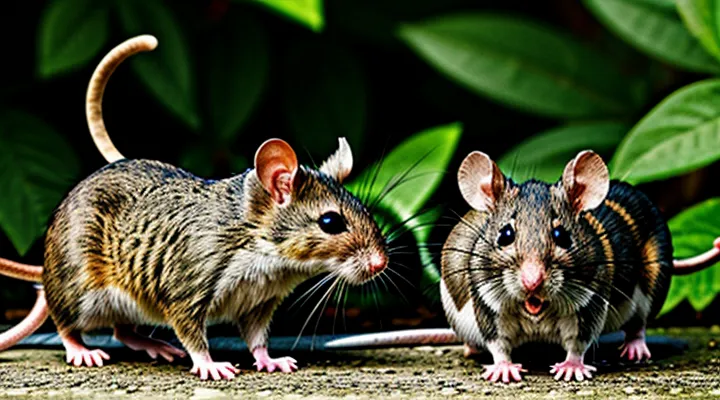
The Evolutionary Roots of Fear
Predation as a Driving Force
Natural Predators of Rodents
Rodents face constant pressure from a range of carnivorous species that shape their behavior and survival strategies. Predation risk drives mice to avoid open spaces, limit movement, and develop heightened vigilance toward potential threats.
- Mammalian predators: foxes, coyotes, feral cats, domestic cats, weasels, mink, and raccoons hunt mice by stealth or pursuit, often exploiting burrow entrances and foraging sites.
- Avian predators: owls, hawks, barn owls, and shrikes capture rodents in flight or from perches, relying on keen eyesight and rapid strikes.
- Reptilian predators: snakes such as rat snakes, gopher snakes, and copperheads locate mice through scent and heat detection, using constriction or venom to subdue prey.
- Amphibian and insect predators: large salamanders and certain beetle species consume juvenile rodents when opportunities arise in moist environments.
These predators influence mouse population dynamics by reducing numbers, prompting nocturnal activity, and encouraging the use of concealed pathways. The persistent presence of these natural enemies reinforces the species’ innate wariness of larger organisms, including humans, and underlies the observed avoidance behavior.
Human Size and Perceived Threat
Mice interpret humans as large predators, a perception rooted in visual and auditory cues that signal danger. Their eyes are adapted to detect movement and contrast; a human silhouette presents a high-contrast, rapidly moving object far exceeding the mouse’s own size, triggering innate escape circuits. Auditory sensitivity further reinforces threat detection, as footsteps generate low-frequency vibrations that align with patterns associated with larger mammals.
- Size disparity creates an immediate risk assessment; any creature larger than a mouse is classified as a potential predator.
- Limb length and gait produce motion signatures distinct from small mammals, reinforcing the perception of a non‑conspecific threat.
- Human odor contains compounds similar to those of natural predators, amplifying avoidance behavior.
Physiological stress responses activate when mice encounter these cues, leading to heightened cortisol levels, increased heart rate, and rapid flight. The combination of visual dominance, auditory patterns, and olfactory signals establishes humans as a consistent source of perceived danger, explaining the avoidance behavior observed across rodent populations.
Instinctual Responses
Fight, Flight, or Freeze
Mice exhibit a rapid assessment of potential threats when a human enters their environment. Sensory input from whiskers, ears and olfactory receptors triggers a neural cascade that determines whether the animal will engage in aggression, attempt escape, or remain motionless. The decision hinges on perceived proximity, size, and the mouse’s previous encounters with larger organisms.
- Combat – Activation of the hypothalamic–pituitary–adrenal axis prepares muscles for biting or striking. This response appears only when the rodent cannot retreat and perceives a direct challenge.
- Evasion – The dominant strategy involves immediate locomotion toward concealed routes such as tunnels, burrows or clutter. Muscular coordination, heightened heart rate and accelerated respiration support rapid displacement.
- Immobility – When escape routes are blocked and confrontation is unfavorable, the mouse freezes, reducing movement to limit detection by visual and auditory cues. Cortical inhibition suppresses motor output while sensory vigilance remains high.
Empirical observations confirm that the freeze response often precedes flight, serving as a brief appraisal phase. Repeated exposure to humans reinforces the preference for flight or freeze, diminishing the likelihood of aggressive engagement. Consequently, the avoidance behavior of mice toward people is primarily a product of these three instinctive actions, shaped by evolutionary pressure to minimize predation risk.
Genetic Predisposition to Avoidance
Mice exhibit an innate tendency to keep distance from humans, a behavior rooted in their genetic makeup. Laboratory breeding experiments demonstrate that offspring of mice selectively bred for high fear responses retain avoidance patterns even when raised in predator‑free environments. This persistence indicates that avoidance is encoded in the genome rather than acquired solely through experience.
Genomic analyses identify several loci associated with heightened wariness toward large mammals. Key contributors include:
- Nr3c1 – encodes the glucocorticoid receptor; variants amplify stress hormone signaling, intensifying threat perception.
- Gabra2 – codes for a GABA‑A receptor subunit; reduced expression lowers inhibitory control in the amygdala, increasing reactivity to novel stimuli.
- Olfactory receptor clusters (e.g., Olfr151, Olfr733) – heightened sensitivity to human‑derived volatile compounds triggers avoidance circuits.
- Htr1a – serotonin receptor gene; polymorphisms modulate anxiety levels and affect exploratory behavior.
Epigenetic modifications reinforce these genetic effects. DNA methylation patterns in the hippocampus shift after brief exposure to human scent, strengthening the expression of fear‑related genes without altering the underlying sequence. Such changes persist across generations, suggesting a heritable component that operates alongside DNA variation.
Neurophysiological studies link the identified genes to specific brain regions. Elevated Nr3c1 activity enhances cortisol release, which in turn excites the central amygdala. Simultaneously, altered Gabra2 expression reduces inhibitory tone, allowing excitatory inputs to dominate. The combined effect produces rapid flight responses when mice detect human presence.
Collectively, the genetic architecture for avoidance comprises hormone receptors, neurotransmitter modulators, and sensory receptors. These elements form a coordinated network that predisposes mice to perceive humans as threats, ensuring survival through immediate withdrawal from potential danger.
Sensory Perception and Human Interaction
Olfactory Cues
Human Scent as a Warning Signal
Mice detect human presence primarily through volatile compounds emitted by the skin, breath, and sweat. These chemicals include cortisol metabolites, lactic acid, and specific fatty acids that signal a potential predator. When a mouse’s olfactory receptors register this blend, neural pathways trigger an avoidance response within seconds.
Experimental data show that mice exposed to clothing worn by humans exhibit longer freezing periods and increased retreat distances compared to exposure to sterile fabric. In controlled trials, removal of human scent by washing with odor‑neutralizing agents reduces avoidance behavior, confirming the scent’s direct influence.
Key odor components acting as warning signals:
- Cortisol derivatives: indicate stress and potential threat.
- Lactic acid: associated with mammalian perspiration, recognized as a predator cue.
- Fatty acid esters: common in human skin secretions, detected by the vomeronasal organ.
- Volatile organic compounds (e.g., isoprene, aldehydes): contribute to the overall human odor profile.
The mouse’s avoidance circuitry integrates these signals with visual and auditory cues, but the olfactory input alone can initiate escape maneuvers. Understanding the chemical basis of this response informs pest‑control strategies that exploit scent masking or substitution to mitigate human‑mouse conflicts.
Identifying Predators by Smell
Mice rely heavily on olfactory cues to distinguish threatening species from harmless ones. Specialized receptors in the nasal epithelium bind volatile compounds released by predators, triggering neural pathways that generate avoidance behavior.
Key odorants associated with common rodent predators include:
- Sulfur‑rich compounds from carnivore feces and urine (e.g., 2‑mercaptoethanol, dimethyl sulfide).
- Fatty acid derivatives found in the skin secretions of birds of prey.
- Pheromonal breakdown products emitted by snakes, such as aliphatic aldehydes.
When a mouse encounters any of these chemicals, the main olfactory bulb sends rapid signals to the amygdala, which orchestrates escape responses. Laboratory studies show that exposure to predator odor reduces exploratory activity by up to 70 % and increases freezing duration, confirming the direct link between scent detection and fear expression.
Mice also differentiate between human and animal scents. Human sweat contains lower concentrations of the aforementioned predator markers, yet it often carries trace metabolites of domestic animals or food residues that mice have learned to associate with danger. Consequently, even in the absence of visual contact, the presence of human odor alone can activate the same avoidance circuitry.
The olfactory system’s sensitivity allows mice to evaluate risk before physical interaction, supporting the broader pattern of rodent wariness toward larger mammals. Understanding these chemical signatures informs pest‑control strategies that employ synthetic predator odors to deter mouse populations without physical traps.
Auditory Signals
Human Voices and Loud Noises
Rodents react to human vocalizations with heightened alertness and rapid escape behavior. The acoustic spectrum of spoken language, especially when amplified by shouting or sudden speech, falls within frequencies that mice can detect with exceptional sensitivity. Even normal conversational tones contain harmonics that trigger the auditory startle response, prompting immediate withdrawal from the source.
The mouse auditory system processes sound through a cochlear structure tuned to frequencies between 1 kHz and 100 kHz, with peak sensitivity around 15 kHz. Human voices, particularly those with elevated pitch or volume, generate broadband noise that overlaps this range. Neural pathways convey the signal to the inferior colliculus and amygdala, where it is interpreted as a potential predator cue, activating the sympathetic nervous system.
Observed behaviors include:
- Immediate freezing or rapid sprinting away from the speaker
- Reduced foraging activity in environments where human speech is frequent
- Increased use of shelter spaces that provide acoustic insulation
Mitigation strategies focus on minimizing auditory disturbances. Soft, low‑volume speech, gradual desensitization sessions, and the use of sound‑absorbing materials can lower the perceived threat level, allowing mice to habituate to human presence without compromising welfare.
The Startle Reflex
The startle reflex is an involuntary, rapid contraction of skeletal muscles triggered by sudden sensory input. In mice, this response originates in the caudal pontine reticular nucleus, which receives auditory, tactile, or visual signals and relays them to spinal motor neurons. The resulting burst of activity prepares the animal for immediate escape or defensive action.
Key characteristics of the mouse startle reflex:
- Latency of 5–10 ms from stimulus onset to muscular response.
- Involvement of the cochlear root neurons for acoustic triggers.
- Activation of the facial nucleus, causing whisker twitch and ear pinna movement.
- Recruitment of hindlimb extensors that generate a brief forward thrust.
The reflex contributes to predator avoidance by:
- Detecting abrupt cues associated with human presence, such as footsteps or vocalizations.
- Initiating a sudden jump or freeze, reducing exposure time.
- Reinforcing learned aversion through associative conditioning; repeated startle events strengthen the link between human-related stimuli and threat perception.
Neurochemical modulation includes:
- Glutamatergic transmission in the reticular formation that amplifies the response.
- GABAergic inhibition that limits excessive motor output, preventing self‑injury.
- Dopaminergic pathways that adjust reflex intensity based on the animal’s stress level.
Experimental observations show that mice with lesions in the pontine reticular formation exhibit delayed or absent startle, leading to increased vulnerability to handling and reduced avoidance of human operators. Consequently, the startle reflex serves as a physiological foundation for the broader pattern of mouse wariness toward people.
Visual Recognition
Large Silhouettes and Movement
Mice possess a visual system tuned to detect objects that exceed their own body size. Large, looming silhouettes generate a rapid assessment of threat, prompting an immediate flight response. The contrast between a mouse’s small stature and the expansive outline of a human figure activates neural pathways associated with predator avoidance.
Movement amplifies the perceived danger. Erratic or swift motions create dynamic shadows that shift across the environment, reinforcing the notion of an approaching predator. Temporal changes in silhouette shape allow mice to gauge speed and trajectory, informing the urgency of escape.
Key behavioral reactions to large silhouettes and movement include:
- Immediate cessation of foraging activity.
- Rapid retreat to concealed burrows or crevices.
- Heightened vigilance, characterized by frequent head lifts and whisker sweeps.
- Increased use of peripheral routes that minimize exposure to open spaces.
These responses arise from evolutionary pressure favoring individuals that recognize and evade oversized, mobile threats. The combination of size perception and motion detection forms a core component of rodent avoidance behavior toward humans.
Avoiding Direct Eye Contact
Mice perceive direct eye contact as an immediate threat. Their visual system is tuned to detect sudden, focused gazes, which in the wild signal a predator’s intent to attack. When a human looks straight at a mouse, the animal’s amygdala activates a rapid defensive response, prompting freeze, flight, or concealment behaviors.
Key reasons for this avoidance include:
- Predatory cue detection: Sharp, unblinking stare matches the visual profile of many natural hunters.
- Stress hormone release: Corticosterone spikes within seconds, impairing exploratory activity.
- Social signaling: In rodent hierarchies, dominant individuals use brief glances, not sustained stares; prolonged eye contact is interpreted as aggression.
Consequently, mice instinctively lower their heads, turn away, or seek shelter when a human maintains eye contact, reducing the likelihood of physical interaction.
Learned Behavior and Experience
Negative Encounters
Traps and Other Deterrents
Rodents exhibit a natural aversion to human presence, which influences the choice and placement of control devices. Effective devices exploit this avoidance by delivering rapid, humane capture or by creating an environment that mice deem unsafe.
Common capture mechanisms include:
- Snap traps: metal bars that close instantly when triggered, providing immediate kill.
- Electronic traps: battery‑powered plates that deliver a lethal shock within milliseconds.
- Live‑catch traps: enclosed cages activated by a pressure plate, allowing relocation without injury.
Non‑lethal deterrents rely on sensory disruption:
- Ultrasonic emitters: devices that project frequencies above human hearing, causing discomfort to rodents.
- Peppermint oil or ammonia pads: strong odors that mice find repellent, useful for sealing entry points.
- Physical barriers: metal mesh or sealed gaps that prevent access to food sources and nesting sites.
Selection criteria prioritize placement near known activity, ease of maintenance, and compliance with local regulations. Regular monitoring ensures devices remain functional and that deterrent concentrations stay effective over time.
Direct Human Intervention
Direct human actions shape the aversion mice display toward people. Physical barriers such as sealed entry points, metal screens, and concrete foundations eliminate easy access, forcing rodents to seek alternative routes that increase exposure to humans. Trapping devices, whether snap, live‑catch, or electronic, create immediate negative associations; repeated capture attempts condition mice to avoid areas where humans are present. Chemical deterrents, including rodenticides and repellents, introduce toxic risk that discourages foraging near occupied spaces. Habitat alteration—removing food sources, decluttering storage, and maintaining clean surfaces—reduces attractants, compelling mice to travel farther from human dwellings.
Key aspects of direct intervention:
- Exclusion measures: sealing cracks, installing door sweeps, and using mesh on vents.
- Capture tactics: deploying traps strategically along known runways, checking and resetting them daily.
- Chemical controls: applying bait stations with regulated dosages, rotating active ingredients to prevent resistance.
- Environmental management: storing grain in sealed containers, promptly disposing of waste, and eliminating standing water.
Each method intensifies the perceived threat, reinforcing the innate wariness mice exhibit toward human presence.
Social Learning Among Rodents
Warning Calls and Alarm Signals
Mice rely on rapid, specific signals to alert conspecifics of danger, a mechanism that underlies their pronounced aversion to humans. When a mouse perceives a human presence, sensory input triggers the release of alarm cues that spread through the colony within seconds.
Acoustic warnings consist of ultrasonic vocalizations (USVs) emitted at 30–100 kHz. These calls are inaudible to humans but detected by nearby mice via their highly sensitive inner ear structures. The calls increase in intensity and repetition rate as the perceived threat escalates, prompting immediate cessation of foraging and initiation of escape routes.
Chemical alerts involve alarm pheromones secreted from the dorsal scent glands and urinary deposits. The compounds, primarily volatile fatty acids and sulfur‑containing molecules, disperse in the immediate environment and are interpreted by others as a cue to heighten vigilance. Contact with contaminated surfaces induces freezing or rapid retreat, reinforcing collective avoidance of the source.
The coordination of acoustic and chemical signals generates a layered defensive network. Individual mice detect the first cue, alter their behavior, and simultaneously broadcast the information, ensuring that the entire group responds uniformly to the human intruder.
- Ultrasonic vocalizations – high‑frequency calls; trigger immediate flight.
- Alarm pheromones – volatile chemicals; cause freezing and heightened alertness.
- Scent marking of threatened areas – leaves a persistent warning that deters re‑entry.
- Behavioral cascades – startle response, reduced activity, increased grooming of fur to remove scent traces.
Through these warning calls and alarm signals, mice maintain a robust, species‑wide strategy that minimizes contact with people and maximizes survival chances.
Passing on Avoidance Strategies
Mice exhibit a strong aversion to humans, a behavior that is transmitted through both innate mechanisms and social learning. When a mouse observes conspecifics reacting to human presence—by fleeing, freezing, or emitting alarm calls—it incorporates those cues into its own risk assessment. This process reduces the likelihood of direct encounters and enhances survival.
Key elements of the transmission include:
- Observational learning: Juvenile mice watch adult cage‑mates or wild peers avoid humans, adopting similar escape routes and hiding spots.
- Chemical signaling: Stress hormones released by threatened individuals leave scent marks that alert nearby mice to danger.
- Genetic predisposition: Certain alleles predispose individuals to heightened sensitivity to human odors and vibrations, reinforcing avoidance tendencies across generations.
- Environmental imprinting: Repeated exposure to human activity patterns—footsteps, voices, and lighting—creates lasting memory maps that guide future avoidance.
Effective propagation of these strategies relies on early life exposure. Litters raised in proximity to human activity develop stronger avoidance responses than those reared in isolated conditions. Conversely, limited human interaction can diminish fear responses, allowing for habituation under controlled circumstances.
For researchers and pest‑management professionals, leveraging natural avoidance pathways—such as introducing scent cues from stressed mice or simulating predator‑like disturbances—can enhance deterrent measures without resorting to lethal methods. Understanding the dual role of innate fear and learned behavior provides a comprehensive framework for predicting and influencing rodent responses to human presence.
Factors Influencing Rodent-Human Encounters
Habitat and Environment
Urban vs. Rural Settings
Mice exhibit markedly different avoidance patterns in urban and rural environments. In cities, high human density, constant noise, and frequent disturbances create a landscape where rodents prioritize concealment within built structures. Sewer systems, wall voids, and abandoned buildings provide shelter that limits direct encounters with people. Food sources such as discarded waste, grain stores, and pet feed are abundant, allowing mice to establish territories close to human activity while maintaining a cautious distance.
In contrast, rural settings present lower human presence but greater exposure to natural predators such as owls, foxes, and snakes. Open fields and farm outbuildings lack the complex concealment offered by urban infrastructure, prompting mice to rely on burrowing and nocturnal foraging to evade both humans and wildlife. Seasonal agricultural cycles influence food availability, leading to periodic migrations toward stored grain or livestock areas, where human activity is intermittent.
Key distinctions between the two habitats include:
- Human proximity: Urban mice coexist with continuous foot traffic; rural mice encounter humans sporadically.
- Shelter complexity: City environments provide hidden cavities; countryside offers simple burrows.
- Predator pressure: Rural rodents face higher natural predation; urban rodents contend mainly with domestic cats and traps.
- Food distribution: Urban waste yields steady, scattered resources; rural farms generate concentrated, seasonal supplies.
These factors shape the degree and manner of rodent avoidance, reinforcing the overall tendency of mice to minimize direct contact with humans regardless of setting.
Availability of Shelter
Mice instinctively seek environments that minimize exposure to predators, including humans. When safe, concealed refuges are present, the incentive to venture into open spaces declines sharply, reducing the likelihood of direct contact with people.
Typical shelters that mice exploit include:
- Burrows beneath floorboards or foundations
- Gaps behind appliances and within wall cavities
- Stacked materials such as firewood, cardboard, or compost
- Natural debris piles in gardens or storage areas
The presence of these shelters creates a buffer zone that satisfies the rodents’ need for protection, allowing them to remain hidden while foraging. Consequently, the probability of encounters with humans drops, reinforcing the pattern of avoidance observed in rodent populations.
Food and Resource Scarcity
Risk vs. Reward Assessment
Mice continuously evaluate the potential danger posed by humans against any possible benefit. Their nervous system processes visual, auditory, and olfactory signals that indicate the presence of a large, moving predator. When these cues exceed a threshold of perceived threat, the animal initiates escape behaviors such as freezing, fleeing, or seeking shelter.
The assessment follows a simple cost‑benefit framework:
- Threat intensity: Rapid movements, loud noises, and human scent generate high risk scores.
- Resource value: Food, nesting material, or safe pathways present limited reward points.
- Energy expenditure: Running or hiding consumes metabolic resources, reducing overall fitness if the perceived danger is low.
- Survival probability: Past encounters and innate fear conditioning raise the baseline risk level, biasing decisions toward avoidance.
If the calculated reward fails to offset the estimated risk, mice abandon foraging or social interaction in favor of concealment. Conversely, when food sources are abundant and human activity is minimal, some individuals may approach cautiously, exploiting brief windows of reduced threat. This dynamic evaluation explains the generally wary behavior of rodents toward people while allowing occasional opportunistic feeding under favorable conditions.
Nocturnal Activity Patterns
Mice exhibit a pronounced circadian rhythm that concentrates most locomotor activity between dusk and dawn. Peak locomotion typically occurs within two hours after sunset, declines around midnight, and rises again shortly before sunrise. This temporal distribution aligns with reduced human presence in residential and laboratory environments.
Nocturnal timing limits direct encounters with people, who are most active during daylight hours. By confining foraging and exploratory movements to darkness, mice decrease the probability of being observed, captured, or disturbed by humans.
During the night, mice perform essential tasks such as food acquisition, nest maintenance, and social grooming. These activities rely on low‑light navigation, heightened olfactory sensitivity, and tactile cues. The darkness also enhances the efficacy of predator‑avoidance mechanisms, which overlap with human avoidance strategies.
- Activity onset: 15–30 minutes after lights off
- Primary foraging window: 18:00–22:00 h
- Secondary activity surge: 02:00–04:00 h
- Preference for concealed pathways and covered substrates
- Avoidance of illuminated zones and open spaces
The synchronization of these nocturnal patterns with human inactivity creates a behavioral barrier that reinforces mice’s reluctance to approach or interact with people. Consequently, the night‑time schedule serves as a primary factor in the species’ overall avoidance of human contact.
Understanding and Mitigating Rodent Presence
Non-Lethal Deterrents
Ultrasonic Devices
Ultrasonic devices emit high‑frequency sound waves that are inaudible to humans but perceived as distress signals by small rodents. The emitted frequencies typically range from 20 kHz to 65 kHz, a band that triggers a physiological stress response in mice, prompting avoidance of the treated area.
Effectiveness depends on several variables:
- Frequency selection: Mice exhibit heightened sensitivity to frequencies between 30 kHz and 50 kHz; devices that sweep across this range reduce habituation.
- Power output: Sufficient acoustic pressure (measured in dB SPL) is required to penetrate bedding, insulation, and furniture; low‑output units fail to reach hidden nesting sites.
- Coverage area: Proper placement ensures overlapping sound fields, eliminating blind spots where rodents can shelter.
- Environmental factors: Open spaces, high ceilings, and reflective surfaces diminish acoustic intensity; dense materials such as concrete or thick walls absorb ultrasonic energy.
Operational guidelines:
- Install units at a height of 12–18 inches above the floor, oriented toward known entry points.
- Space devices no more than 15 ft apart in larger rooms to maintain continuous exposure.
- Run units continuously for at least 48 hours to establish a deterrent effect; intermittent operation encourages habituation.
- Replace batteries or verify power supply monthly; diminished output compromises efficacy.
Limitations include reduced performance in outdoor settings, attenuation by heavy curtains or carpet, and the possibility of rodents adapting after prolonged exposure. Research indicates that combining ultrasonic emitters with physical barriers and sanitation measures yields the most reliable reduction in mouse activity.
In summary, ultrasonic devices provide a non‑chemical, low‑maintenance option for discouraging rodent presence, provided that frequency, power, placement, and environmental considerations are rigorously addressed.
Natural Repellents
Rodents exhibit a strong aversion to human presence, a behavior that can be leveraged with natural deterrents. These substances interfere with the sensory cues mice use to assess risk, prompting avoidance without harming the animals.
- Peppermint oil: strong menthol scent overwhelms mouse olfactory receptors, causing immediate retreat.
- Clove oil: eugenol component irritates nasal passages, reducing foraging activity near treated areas.
- Ammonia solution: volatile ammonia mimics predator urine, triggering instinctive flight responses.
- Citrus peels or extracts: limonene compounds create an unpleasant odor that mice associate with danger.
- Vinegar: acetic acid vapors disrupt scent trails, preventing mice from establishing pathways.
Application involves placing soaked cotton balls, spray bottles, or sachets in entry points, storage rooms, and along walls. Reapplication every 3–5 days maintains potency, as volatile compounds dissipate quickly. Field observations indicate a measurable decline in mouse sightings within 48 hours of consistent use.
Safety considerations include avoiding direct skin contact with concentrated oils, ensuring adequate ventilation to prevent respiratory irritation in humans, and selecting biodegradable carriers to minimize environmental impact. When integrated with exclusion techniques—such as sealing gaps and removing food sources—natural repellents provide an effective, humane strategy for reducing mouse activity.
Human Behavior Modifications
Reducing Attractants
Reducing attractants directly lowers the likelihood that mice will approach human habitats. Effective control focuses on eliminating food, water, and shelter sources that draw rodents into occupied spaces.
- Store all consumables in airtight containers; exclude crumbs and spills from surfaces.
- Dispose of waste in sealed bins; remove garbage nightly and keep collection areas clean.
- Seal gaps around doors, windows, utility entries, and foundation cracks; use steel wool or caulk to block entry routes.
- Repair leaky pipes, eliminate standing water, and keep pet water dishes covered when not in use.
- Declutter storage areas; remove piles of cardboard, fabric, or insulation that provide nesting material.
- Apply non-toxic repellents (e.g., peppermint oil, ultrasonic devices) only after confirming they do not attract other pests.
Consistent implementation of these measures removes the primary incentives that cause rodents to seek contact with humans.
Sealing Entry Points
Sealing entry points blocks the primary pathway mice use to invade homes, reducing the likelihood of encounters with humans. Identify gaps larger than a quarter‑inch, then apply durable materials that prevent rodents from squeezing through.
- Exterior cracks around foundation, siding, and windows; fill with cement, steel wool, or expanding foam.
- Gaps around utility penetrations (pipes, cables, vents); wrap with metal mesh and seal with silicone caulk.
- Openings under doors and garage doors; install sweeps or weatherstripping and reinforce with metal flashing.
- Roof and attic vents; cover with fine mesh screen securely fastened.
Inspect regularly for signs of new damage, such as chewed sealant or displaced weatherstripping, and repair immediately. Use materials resistant to gnawing and weather exposure to ensure long‑term effectiveness.