
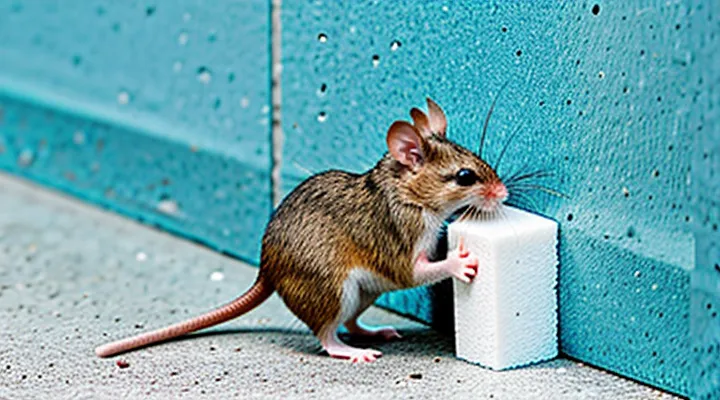
Understanding Mice Chewing Foam
Why Mice Chew Foam
The Rodent Instinct to Gnaw
Rodents possess continuously growing incisors that require regular abrasion to maintain functional length. The physiological drive to gnaw originates from this dental necessity; without sufficient wear, teeth can overgrow, leading to impaired feeding and health complications. This innate behavior manifests in the selection of materials that are both readily accessible and sufficiently pliable to allow effective tooth grinding.
Key factors influencing the choice of foam include:
- Soft texture that offers low resistance, facilitating rapid tooth wear.
- Availability within the environment, such as packaging, insulation, or bedding.
- Lack of strong scent deterrents, allowing the mouse to focus on the mechanical aspect of gnawing.
When foam becomes a preferred medium, the underlying instinct remains unchanged: the animal seeks a substrate that satisfies the need for dental maintenance. Preventive measures therefore target the removal of attractive foam sources and the provision of appropriate gnawing alternatives, such as wooden blocks or mineral chews, which fulfill the same physiological requirement while protecting household materials.
Nutritional Aspects and Misconceptions
Mice often gnaw foam when their diet lacks specific nutrients required for growth and dental maintenance. Insufficient protein, low calcium levels, and inadequate fiber stimulate exploratory chewing behavior as the animal seeks alternative sources of minerals and texture.
- Protein deficiency: drives search for protein‑rich materials, including synthetic foams that contain residual casein or soy residues.
- Calcium shortage: prompts gnawing of porous substrates that may release trace minerals.
- Fiber deficit: leads to increased oral activity to compensate for the lack of abrasive food particles.
A prevalent misconception assumes that foam provides nutritional value for rodents. Scientific analysis shows that most commercial foams contain inert polymers, negligible protein, and no bioavailable minerals. The occasional detection of trace nutrients results from manufacturing additives, not from the foam itself.
Preventive measures focus on correcting dietary imbalances. Formulating feed with balanced protein (15‑20 % for adult mice), adequate calcium (0.9‑1.2 % of diet), and sufficient roughage reduces the motivation to gnaw non‑food items. Regular provision of safe chewing objects, such as untreated wood blocks, satisfies oral needs without exposing animals to synthetic materials.
Habitat Creation and Nesting
Mice construct nests using soft materials such as insulation, shredded paper, and foam fragments. The presence of foam in a building provides an attractive substrate for gnawing, which helps rodents maintain the length of their incisors. When foam is incorporated into a nest, it becomes a focal point for continuous chewing activity, accelerating material degradation and increasing the risk of structural damage.
Effective control of nesting behavior requires eliminating suitable habitats. Strategies include:
- Sealing gaps larger than ¼ inch in walls, floors, and utility openings.
- Removing excess foam insulation from attics and crawl spaces, or replacing it with non‑chewable alternatives.
- Storing food, seeds, and compost in airtight containers to reduce attractants.
- Maintaining a clean environment by regularly disposing of debris, cardboard, and paper waste.
By restricting access to nesting resources and reducing the availability of chewable foam, the frequency of rodent gnawing can be substantially lowered, protecting both the integrity of the structure and the health of occupants.
Types of Foam Attracting Mice
Insulation Foam (Spray Foam, Board Insulation)
Rodents target insulation foam because it provides a soft, readily accessible material for gnawing, and it often contains nutrients from embedded chemicals. The texture of spray foam and board insulation mimics natural chewing substrates, encouraging persistent nibbling. Damage reduces the thermal barrier, leading to increased energy consumption and potential moisture intrusion.
Primary factors that attract mice to insulation include:
- Presence of gaps or cracks in the building envelope that allow entry.
- Accumulation of food residues near insulation sites.
- Warm interior environments that create comfortable nesting conditions.
Effective prevention strategies focus on exclusion, deterrence, and material selection:
- Seal all exterior openings larger than ¼ inch with steel mesh or caulking.
- Install snap‑fit or rigid board insulation with a hard outer layer that resists gnawing.
- Apply rodent‑repellent coatings or ultrasonic devices in vulnerable areas.
- Maintain cleanliness to eliminate food sources near insulation installations.
Regular inspections identify early signs of gnawing, such as exposed foam edges or droppings. Prompt repair of compromised sections restores insulation performance and mitigates further rodent activity.
Packaging Foam (Styrofoam, Polystyrene)
Packaging foam, commonly known as Styrofoam or expanded polystyrene, is a lightweight, porous material used for protecting goods during transport. Its cellular structure traps air, providing excellent insulation and shock absorption. The same openness that offers thermal benefits also creates an inviting environment for rodents. Mice are attracted by the foam’s softness, ease of gnawing, and the scent of residual food particles that often adhere to its surface. Their incisors can easily penetrate the material, leading to damage of both the foam and the packaged contents.
Key factors that increase the risk of rodent activity include:
- Presence of food residues on the foam surface
- Storage in warm, humid environments where mice seek shelter
- Gaps in packaging that allow entry points for rodents
Effective prevention strategies focus on eliminating access and reducing attractiveness:
- Clean all foam surfaces before packing to remove food traces.
- Use sealed, airtight containers or double-layered packaging to block entry.
- Apply rodent‑resistant coatings, such as petroleum‑based sprays, to the foam exterior.
- Store packaged goods in facilities equipped with regular pest‑monitoring programs and physical barriers like metal shelving.
- Replace foam with alternative materials—e.g., biodegradable pulp or molded fiber—that are less appealing to gnawing rodents.
Monitoring and maintenance are essential. Regular inspections of storage areas should identify signs of gnawing, such as bite marks or displaced foam pieces. Prompt removal of compromised packaging prevents further infestation and protects product integrity. By combining thorough cleaning, secure containment, and material alternatives, the likelihood of mice damaging packaging foam can be substantially reduced.
Furniture and Upholstery Foam
Furniture and upholstery foam provides cushioning, shape retention, and aesthetic appeal in chairs, sofas, and mattresses. The material is typically composed of polyurethane, polyester, or memory foam, each offering distinct density and resilience characteristics. Low‑density foam, often used in decorative cushions, presents a softer texture that mice can easily penetrate, whereas high‑density variants resist mechanical damage but may still be vulnerable to persistent gnawing.
Mice target foam for several reasons. The scent of polymers can mimic natural food cues, prompting exploratory chewing. Foam fibers release small particles that serve as nesting material, satisfying rodents’ instinct to construct secure habitats. Warm, insulated foam surfaces also offer a stable microenvironment for breeding, increasing the likelihood of repeated damage.
Effective prevention strategies focus on eliminating attraction and restricting access:
- Seal entry points: install steel wool or metal mesh in gaps around walls, floors, and furniture legs.
- Apply deterrent coatings: use rodent‑repellent sprays containing peppermint oil or capsaicin on foam surfaces, reapplying according to manufacturer guidelines.
- Reduce food residues: maintain strict housekeeping to prevent crumbs and spills that draw mice toward upholstered areas.
- Choose resistant foam: select high‑density polyurethane or closed‑cell foam for high‑traffic furniture, reducing the ease of penetration.
- Implement traps and monitoring: place snap or live traps near potential nesting sites, and inspect foam regularly for bite marks or gnawing.
Maintenance practices further protect foam integrity. Periodic vacuuming removes loose fibers that could be repurposed as nesting material. Covering vulnerable upholstery with removable, washable slipcovers creates a barrier that can be laundered or replaced if damage occurs. In severe infestations, professional pest control may be required to eradicate the rodent population and prevent recurrence.
By understanding the material properties that attract mice and applying targeted preventive measures, the durability and safety of furniture and upholstery foam can be preserved. «Effective control combines exclusion, deterrence, and regular inspection.»
Other Foam Materials
Mice are attracted to a wide range of polymeric foams beyond the most commonly cited polyurethane. Softness, low density, and acoustic insulation create an environment conducive to gnawing, increasing the risk of structural damage in storage facilities, automotive interiors, and building envelopes.
- Polyurethane foam – flexible, widely used for cushioning.
- Expanded polystyrene (EPS) – lightweight, prevalent in packaging.
- Extruded polystyrene (XPS) – rigid, employed in insulation panels.
- Polyethylene foam – resilient, found in protective padding.
- Melamine foam – low‑density, used for sound absorption.
- PVC foam – closed‑cell, applied in marine and construction contexts.
The attraction stems from the material’s ease of penetration, the presence of residual oils, and the acoustic dampening that masks predator sounds. Rodents can remove up to 20 % of foam volume within a few weeks, compromising thermal performance and structural integrity.
Effective mitigation includes sealing entry points with steel mesh, applying bittering agents directly to foam surfaces, and installing physical barriers such as metal plates beneath foam layers. Selecting foams with higher tensile strength or incorporating fire‑retardant additives reduces palatability and prolongs service life. Regular inspection of vulnerable zones allows early detection of gnaw marks and prompt remedial action.
Identifying a Foam Infestation
Signs of Mice Activity
Gnaw Marks on Foam
Rodent activity frequently leaves distinctive gnaw marks on foam products. These impressions appear as shallow, crescent‑shaped indentations with roughened edges, often accompanied by shredded fibers radiating from the bite site. The pattern reflects the incisors’ continuous growth and the animal’s instinct to file teeth against pliable materials.
Identification of gnaw marks assists in diagnosing the extent of damage and planning remedial measures. Typical signs include:
- Irregular, semi‑circular cuts measuring 2–5 mm in diameter
- Frayed or splintered foam surrounding the bite area
- Presence of droppings or urine stains near the affected zone
Effective prevention relies on eliminating access and reducing attraction. Recommended actions are:
- Seal all entry points larger than 6 mm with steel wool, caulk, or metal mesh.
- Install snap traps or electronic deterrents in proximity to foam installations.
- Store foam items in airtight containers or elevate them off the floor.
- Maintain a clean environment by removing food residues that may draw rodents.
Regular inspection of foam components, combined with structural exclusion and targeted control devices, minimizes the formation of new gnaw marks and prolongs the service life of foam materials.
Droppings and Urine Stains
Mice that gnaw foam leave characteristic droppings and urine stains on surrounding surfaces. Droppings appear as small, dark, pellet‑shaped particles, typically 3–6 mm in length, with a tapered point. Urine marks manifest as faint, yellowish discolorations that may spread outward from the activity zone, often leaving a lingering odor.
These residues indicate active infestation and present health hazards. Pathogens such as hantavirus, Salmonella, and Leptospira can be transmitted through contact with contaminated material. Direct handling without protective gloves or inhalation of aerosolized particles during cleaning may lead to infection.
Preventive actions focus on eliminating conditions that attract mice and on maintaining cleanliness:
- Seal all foam openings and gaps larger than 6 mm with steel wool or metal mesh.
- Store foam products in airtight containers made of rigid plastic or metal.
- Remove food sources and water access within a 3‑meter radius of foam storage.
- Install snap traps or electronic deterrents near identified droppings and urine spots.
- Conduct routine inspections, disposing of any droppings with disinfectant‑soaked paper towels and washing surfaces with a bleach solution (1 part bleach to 10 parts water).
Prompt removal of droppings and urine stains, combined with structural barriers, reduces the likelihood of further chewing damage and limits disease risk.
Nests and Tunnels in Foam
Mice frequently convert foam insulation into structural habitats. By gnawing and shaping the material, they create compact nests that retain warmth and provide concealment. Simultaneously, they excavate interconnected tunnels that facilitate movement between entry points, food sources, and exit routes. These constructions compromise the integrity of the foam, reduce its insulating efficiency, and create pathways for additional pests.
The formation of nests and tunnels follows a predictable pattern: initial gnawing creates an opening, subsequent chewing expands the cavity, and shredded fibers are compacted into a nest. Tunnel networks often follow the path of least resistance, exploiting seams, joints, and gaps in the foam. The resulting voids increase heat loss, promote moisture accumulation, and may lead to structural degradation over time.
Prevention strategies focus on eliminating access and disrupting habitat formation:
- Seal all exterior penetrations, including gaps around pipes, vents, and foundation cracks, using steel wool or caulk resistant to gnawing.
- Install rigid metal flashing at the perimeter of foam installations to create a physical barrier.
- Apply rodent‑repellent coatings or bittering agents to the foam surface to deter chewing.
- Conduct regular inspections of insulation layers, removing any detected nests and repairing damaged sections promptly.
- Maintain a clean environment around the building, removing food debris and vegetation that attract rodents.
Audible Noises
Audible noises often signal mouse activity within foam insulation. The sounds arise when rodents gnaw the material to create passageways, construct nests, or search for food. Frequent cracking, squeaking, or faint rustling indicates ongoing chewing and movement.
Causes of the noises include:
- Gnawing to enlarge openings for entry or exit.
- Shaping foam to form a nest cavity.
- Displacement of foam fragments during locomotion.
Preventive actions focus on eliminating access and reducing attraction:
- Seal cracks, gaps, and utility penetrations with steel wool and caulking.
- Install metal mesh or hardware cloth around vulnerable areas.
- Apply non-toxic repellents that emit scents or vibrations mice avoid.
- Choose closed‑cell foam with higher density, less prone to easy chewing.
- Conduct regular visual inspections and use motion‑activated acoustic monitors to detect early activity.
Implementing these measures reduces the likelihood of «audible noises» and protects foam integrity.
Common Entry Points for Mice
Gaps in Foundations
Gaps in building foundations constitute direct pathways for rodents to infiltrate interior spaces. Unsealed cracks, utility penetrations, and deteriorated sill plates allow mice to move from soil to crawl spaces with minimal resistance.
Once inside, rodents encounter foam insulation, packaging, or acoustic panels that provide soft material for gnawing. Continuous chewing creates holes, reduces thermal performance, and compromises fire‑resistance ratings.
Preventive actions focus on eliminating entry points and reinforcing barriers:
- Inspect foundation walls, slab edges, and crawl‑space walls for cracks larger than ¼ inch; repair with hydraulic cement or epoxy sealant.
- Install stainless‑steel mesh or hardware cloth around utility openings, vent pipes, and foundation vents.
- Apply continuous perimeter drainage to keep soil moisture low, reducing settlement that widens gaps.
- Use rodent‑resistant foam products that incorporate metal reinforcement or bittering agents.
- Conduct seasonal surveys, especially after heavy rain or freeze‑thaw cycles, to identify new fissures promptly.
«Seal all openings» and maintain a regular inspection schedule to sustain the integrity of the building envelope and prevent foam damage caused by rodent activity.
Wall Vents and Pipes
Mice frequently access interior spaces through wall vents and pipe openings, where foam insulation is often present. The gaps around vent covers, pipe sleeves, and utility penetrations provide easy entry points, while the foam offers a soft material for gnawing. Continuous chewing weakens structural integrity, creates pathways for further infestation, and can damage electrical wiring concealed within the foam.
Key factors that encourage this behavior include:
- Unsealed or poorly fitted vent grilles that leave gaps larger than ¼ inch.
- Pipe sleeves lacking stainless‑steel mesh or foam collars.
- Accumulated debris or insulation residue that attracts rodents.
- Moisture ingress around vents, creating a favorable micro‑environment.
Effective prevention requires sealing and reinforcing these vulnerable areas. Recommended actions are:
- Install metal vent covers with tight-fitting flanges, securing them with stainless‑steel screws.
- Fit pipe sleeves with rigid metal or heavy‑duty mesh, overlapping at seams and fastening with corrosion‑resistant clamps.
- Apply expanding polyurethane sealant around all vent and pipe penetrations, ensuring a continuous barrier.
- Replace damaged foam insulation with rodent‑resistant alternatives, such as closed‑cell spray foam that incorporates a bittering agent.
- Conduct regular inspections of vent and pipe assemblies, repairing any cracks or gaps promptly.
By eliminating entry points and using durable, rodent‑proof materials, wall vents and pipes cease to serve as pathways for mice to chew foam, thereby preserving building integrity and reducing the risk of secondary damage.
Damaged Screens and Doors
Mice attracted to foam insulation often gnaw on nearby structural components, resulting in compromised screens and doors. Their incisors can easily breach thin metal or plastic frames, creating openings that reduce security and allow further pest intrusion.
Typical drivers of this damage include:
- Persistent chewing instinct aimed at soft, fibrous materials.
- Nesting activities that require the creation of entry points.
- Moisture‑rich environments that soften foam, making it more palatable.
- Lack of physical barriers between foam and adjacent fixtures.
Effective mitigation relies on eliminating access and reducing attraction:
- Install steel‑mesh or silicone sealants around all potential entry zones.
- Replace vulnerable screen and door sections with reinforced materials resistant to gnawing.
- Apply rodent‑deterrent agents, such as ultrasonic emitters or natural repellents, near foam installations.
- Conduct routine inspections to detect early signs of gnaw marks and repair breaches promptly.
By integrating these measures, the integrity of screens and doors remains intact, preventing the cascade of damage that results from unchecked rodent activity.
Unsealed Utility Openings
Unsealed utility openings provide direct pathways for rodents to enter structures where foam insulation is applied. Open gaps around electrical conduits, plumbing stacks, and HVAC ducts often lack adequate sealing, creating entry points that mice exploit without difficulty.
Mice use these openings to reach foam-filled cavities, where they gnaw to obtain nesting material and to create passages. Their incisors continuously grow, prompting persistent chewing that compromises the integrity of foam, reduces thermal performance, and creates channels for further infestation.
Prevention actions:
- Inspect all utility penetrations during construction or renovation; identify gaps larger than ¼ inch.
- Apply steel wool or copper mesh to fill openings before sealing with silicone, expanding foam, or cement.
- Use rodent‑resistant sealants specifically formulated for high‑temperature and moisture‑exposed areas.
- Install metal flashing or conduit sleeves that overlap the exterior sheathing, eliminating direct gaps.
- Conduct regular visual audits of utility openings, repairing any deterioration promptly.
Implementing these measures eliminates the primary access route, thereby reducing the likelihood of mice damaging foam insulation.
Prevention Strategies
Exclusion Techniques
Sealing Entry Points with Rodent-Proof Materials
Mice gain access to foam insulation by exploiting gaps in building envelopes. Sealing these openings eliminates the primary pathway for intrusion and reduces the likelihood of gnawing damage.
Recommended rodent-resistant materials include:
- Stainless‑steel mesh (¼‑inch or finer)
- Copper flashing
- Rigid polyurethane panels with embedded steel fibers
- High‑density cement‑based sealants
- Hardware cloth (¼‑inch gauge)
Application guidelines
Inspect foundations, wall cavities, utility penetrations, and vent openings. Fit the chosen material so that seams overlap by at least two inches. Secure fasteners with corrosion‑resistant screws. Apply sealant around edges to create a continuous «rodent-proof» barrier.
Maintenance
Conduct quarterly visual checks for wear or displacement. Replace compromised sections promptly. Keep vegetation and debris away from the building perimeter to discourage nesting activity. Regular upkeep preserves the integrity of the seal and sustains protection against foam damage.
Using Steel Wool and Caulk
Steel wool and caulk form a practical barrier against rodents that gnaw foam insulation. The dense fibers of steel wool resist chewing, while caulk seals gaps that mice could exploit to reach foam.
- Insert steel wool into holes, cracks, and gaps around plumbing, vents, and wall penetrations. Ensure the mass completely fills the opening; any void invites intrusion.
- Apply silicone‑based caulk over the steel wool and along seams where foam meets structural elements. The adhesive creates a continuous seal that deters entry and prevents moisture accumulation.
- Inspect the barrier regularly. Replace steel wool that shows signs of corrosion or displacement, and re‑caulk any areas where the seal has deteriorated.
Benefits of this method include low cost, ease of installation, and compatibility with existing insulation. Steel wool does not attract rodents, and caulk maintains structural integrity without compromising fire safety ratings. Proper application eliminates the pathways that allow mice to access and damage foam, thereby reducing the likelihood of costly repairs and health hazards associated with rodent activity.
Repairing Damaged Structures
Mice that gnaw foam insulation compromise the integrity of walls, ceilings and ducts. Damage manifests as holes, weakened panels and exposed wiring, creating safety hazards and energy loss. Prompt repair restores structural stability and prevents secondary problems such as moisture intrusion and pest re‑entry.
Effective repair follows a systematic approach:
• Inspect the affected area thoroughly; identify all perforations and assess surrounding material for secondary weakening.
• Remove chewed foam and any contaminated debris; discard material that cannot be salvaged.
• Apply a suitable filler—polyurethane foam, expanding sealant or cement‑based patch—depending on the substrate and load requirements.
• Reinforce the repaired section with a mesh or board if structural load exceeds the filler’s capacity.
• Seal the perimeter with rodent‑proof caulk or metal flashing to eliminate gaps.
• Restore insulation value by installing new, rodent‑resistant foam or mineral wool in the repaired cavity.
Prevention integrates with repair. Install physical barriers such as steel mesh or hardware cloth at entry points, maintain a tidy environment to reduce attractants, and employ monitoring traps to detect early activity. Regular inspections, especially after seasonal changes, allow timely detection of new damage before it escalates.
By adhering to these steps, damaged structures regain strength, energy efficiency improves, and the likelihood of recurring rodent damage diminishes.
Installing Door Sweeps and Vents
Mice that gnaw foam often enter homes through gaps beneath doors and unsealed ventilation openings. Blocking these pathways reduces the likelihood of foam damage and limits the spread of chewing activity.
Properly fitted door sweeps create a continuous barrier at the threshold. Selection criteria include material durability, compression resistance, and compatibility with door thickness. Installation follows a straightforward sequence:
- Measure the door width and trim the sweep to match, leaving a slight overlap of the floor.
- Position the sweep so the rubber or silicone edge contacts the floor without lifting the door.
- Secure the sweep with screws or adhesive, ensuring alignment remains even along the entire length.
- Test by opening and closing the door, confirming that the sweep slides smoothly while maintaining contact.
Ventilation openings must also be sealed while preserving airflow. Choose vents equipped with metal or mesh screens that resist gnawing. Installation steps are:
- Identify all exterior vent locations, including attic, crawl‑space, and utility openings.
- Cut the vent frame to fit the opening, leaving a minimal clearance for expansion.
- Attach the vent using screws or fasteners, confirming that the mesh faces outward to deter rodents.
- Apply a silicone sealant around the perimeter to eliminate residual gaps.
Regular inspection of both door sweeps and vents prevents wear from compromising the barrier. Replace worn components promptly, and verify that seals remain intact after seasonal temperature shifts. Maintaining these measures contributes directly to limiting foam loss caused by rodent activity.
Deterrents and Repellents
Natural Deterrents (Peppermint Oil, Cedar)
Mice frequently gnaw foam used in insulation, wiring protection, and packaging, creating structural damage and safety hazards. Natural repellents provide a non‑chemical alternative that discourages chewing without compromising indoor air quality.
«Peppermint Oil» contains menthol, a volatile compound that irritates rodent sensory receptors. Applied to cotton balls or soaked cloths and placed near foam surfaces, it creates an olfactory barrier that mice avoid. Regular reapplication, every 3–5 days, maintains potency as the scent dissipates.
«Cedar» emits aromatic terpenes that produce a lingering scent unpleasant to rodents. Splintered cedar blocks or shavings positioned against foam edges form a physical and aromatic deterrent. The material’s durability allows long‑term placement without frequent replacement.
Practical guidelines
- Distribute a few drops of «Peppermint Oil» on absorbent material; replace when scent weakens.
- Insert cedar shavings into gaps surrounding foam; refresh annually to preserve aroma.
- Combine both deterrents in high‑risk zones for additive effect.
- Monitor mouse activity; adjust placement if signs of chewing persist.
These measures reduce the likelihood of foam damage while avoiding synthetic pesticides.
Ultrasonic Devices (Effectiveness and Limitations)
Ultrasonic emitters generate high‑frequency sound waves that are inaudible to humans but perceived as discomfort by rodents. The devices are marketed as a non‑chemical solution for protecting foam components from gnawing damage.
Effectiveness depends on several factors. Continuous operation in a confined area creates a hostile acoustic environment that can reduce chewing incidents. Laboratory studies show a measurable decline in rodent activity when the sound field covers the entire target zone. Field reports confirm short‑term reductions in damage to foam insulation and packaging when devices are installed near entry points.
Limitations constrain practical application.
- Sound attenuation through dense or layered foam diminishes the audible range.
- Rodents may habituate to a constant frequency, rendering the deterrent ineffective after repeated exposure.
- Interference from ambient noise sources can mask the ultrasonic signal.
- Devices do not address physical entry points; gaps and cracks allow direct access regardless of acoustic presence.
Optimal use requires integration with structural sealing and periodic frequency modulation to counter habituation. Ultrasonic technology contributes to a multi‑layered strategy but cannot replace comprehensive exclusion measures.
Commercial Rodent Repellents
Commercial rodent repellents represent a primary tool for mitigating damage caused by mice gnawing foam materials. These products are formulated to deter entry, reduce foraging activity, and protect foam components in residential and industrial settings.
- Ultrasonic emitters: devices that generate high‑frequency sound waves beyond human hearing, disrupting rodent communication and causing discomfort.
- Chemical repellents: formulations containing bittering agents (e.g., denatonium benzoate), essential oils (peppermint, eucalyptus), or capsaicin extracts that create an unpleasant taste and odor.
- Granular or spray barriers: products based on piperidine, naphthalene, or ammonia derivatives applied to surfaces surrounding foam installations.
- Glue traps and bait stations: integrated systems that combine attractants with adhesive surfaces or toxicants to reduce population levels.
Active ingredients function by either stimulating aversive sensory receptors or interfering with the nervous system of rodents. Bittering agents act on taste buds, while capsaicin activates TRPV1 receptors, producing a burning sensation. Ultrasonic units exploit the auditory sensitivity of mice, causing chronic stress that discourages habitation. Chemical barriers rely on volatilization to maintain a repellent atmosphere around foam enclosures.
Effective deployment requires thorough inspection of potential entry points, followed by sealing of gaps and installation of repellents at identified risk zones. Ultrasonic devices should be positioned at least 30 cm from metal surfaces to avoid signal reflection. Chemical sprays must be applied evenly, covering all exposed edges of foam panels, and re‑applied according to manufacturer‑specified intervals, typically every 30 days. For granular barriers, a thin layer (approximately 2 mm) should be spread along the perimeter, ensuring continuous coverage.
Efficacy varies with species behavior, environmental conditions, and product quality. Ultrasonic emitters lose potency in cluttered spaces where sound attenuation occurs. Chemical repellents may diminish as volatile compounds evaporate, necessitating regular maintenance. Integrated approaches—combining physical exclusion, ultrasonic deterrence, and chemical barriers—demonstrate the highest reduction in gnawing incidents, while single‑method applications often yield limited success. Continuous monitoring and adjustment remain essential for sustained protection of foam structures.
Habitat Modification
Eliminating Food and Water Sources
Mice are attracted to foam when it provides easy access to food residues or water droplets. Residual crumbs, spilled liquids, and condensation create a scent trail that encourages rodents to gnaw the material, seeking nourishment and hydration.
Key actions to remove these attractants include:
- Store dry goods in sealed, rodent‑proof containers; inspect packaging for integrity before placement near foam.
- Clean surfaces regularly with a detergent that eliminates oily film; rinse thoroughly to prevent lingering moisture.
- Promptly mop spills and dry wet areas; use absorbent pads to reduce standing water.
- Inspect ventilation and drainage systems for leaks; repair any sources of condensation that may collect on foam surfaces.
- Dispose of waste in sealed bins; empty bins frequently to avoid buildup of food scraps and liquid waste.
Implementing these measures eliminates the primary incentives for rodents to target foam, thereby reducing chewing incidents and preserving material integrity.
Decluttering and Organizing Spaces
Clutter provides rodents with concealed pathways and nesting sites, increasing the likelihood that they will encounter and gnaw foam insulation or packaging. When storage areas are overcrowded, gaps between objects become accessible routes for mice seeking shelter, and the presence of discarded cardboard or fabric offers additional chewable material that directs attention toward foam components.
Effective organization reduces these risks by eliminating hiding places and simplifying inspection routines. Key actions include:
- Removing unnecessary boxes, papers, and textiles from storage zones.
- Storing items on elevated shelves, leaving floor space clear for regular monitoring.
- Sealing gaps in walls, floors, and door frames after decluttering to prevent entry.
- Using airtight containers for food and scented products that attract rodents.
- Conducting periodic audits of organized spaces to identify and address emerging clutter.
By maintaining orderly environments, the probability of foam damage caused by rodent activity declines markedly, supporting long‑term structural integrity and hygiene.
Proper Storage of Food and Belongings
Mice are attracted to accessible food residues and unsecured items, increasing the likelihood of foam damage in storage areas.
Secure food containers with tight‑fitting lids, store them on elevated shelves, and keep surrounding surfaces free of crumbs. Plastic bins should be placed inside sealed cabinets; metal drawers provide additional deterrence. Regularly inspect seals for wear and replace compromised closures promptly.
Protect personal belongings by enclosing them in airtight bags or containers, arranging items so that gaps are eliminated, and positioning valuables away from walls where rodents can gnaw. Periodic cleaning of storage spaces removes scent trails that guide mice to potential food sources.
Implementing these measures reduces rodent activity, thereby limiting incidents of foam chewing and preserving the integrity of stored materials.
Dealing with an Existing Infestation
Trapping Methods
Snap Traps
Mice frequently gnaw foam insulation, leading to structural compromise and increased energy loss. Rapid intervention reduces the likelihood of extensive damage and the associated repair costs.
Snap traps provide an immediate, lethal solution. The device consists of a spring‑loaded bar that releases with minimal force, delivering a swift impact to the mouse’s neck or spine. No chemicals are involved, eliminating the risk of contaminating nearby food sources or pet areas. The trap’s compact size allows placement in concealed locations where foam is most vulnerable.
Effective deployment requires strategic positioning. Place traps along walls, near entry points, and directly adjacent to foam panels showing bite marks. Use a small amount of high‑protein bait, such as peanut butter, to attract mice without encouraging scavenging by non‑target species. Ensure the trigger mechanism remains unobstructed and check traps daily to remove captured rodents and reset the device.
Recommended practice:
- Identify all foam sections with visible gnawing.
- Install snap traps at 1‑ to 2‑inch intervals along the affected perimeter.
- Apply a pea‑sized dab of bait to each trigger.
- Inspect traps each morning; dispose of captured mice according to local regulations.
- Re‑bait and reposition traps as needed until activity ceases.
Consistent monitoring and proper trap maintenance prevent re‑infestation, preserving foam integrity and maintaining building efficiency.
Live Traps
Live traps provide a humane solution for eliminating rodents that damage foam insulation. By capturing animals alive, these devices prevent the ingestion of toxic substances and allow for safe relocation, reducing the likelihood of repeated chewing incidents.
Effective deployment of live traps depends on proper selection, strategic placement, and diligent monitoring. Traps must be sized appropriately for the target species, feature a secure locking mechanism, and allow for quick release without injury. Placement should target known activity pathways, such as along walls, near entry points, and adjacent to foam‑covered areas. Regular inspection—at least once daily—ensures captured mice are removed promptly, preventing stress‑induced escape or death.
Key considerations for optimal use:
- Choose traps with a smooth interior to avoid harming captured rodents.
- Position traps perpendicular to the wall, with the entry side facing the anticipated travel direction.
- Bait with high‑protein attractants, such as peanut butter or dried meat, to increase capture rates.
- Relocate captured mice at a distance of at least two miles from the property to discourage return.
- Clean and disinfect traps after each use to eliminate scent trails that could deter future captures.
Consistent monitoring and timely release minimize the window during which mice can resume chewing foam. Integrating live traps with sealing of entry points and removal of food sources creates a comprehensive prevention strategy that addresses both the cause and the ongoing risk of rodent damage.
Electronic Traps
Electronic traps provide a non‑chemical solution for rodents that damage foam insulation. These devices detect the presence of a mouse through infrared sensors or motion‑activated circuits and deliver a swift, high‑voltage shock that incapacitates the animal instantly. The result is immediate removal of the pest without the need for bait, eliminating the risk of foam contamination from poisoned food.
Key advantages of electronic traps include:
- Immediate lethality reduces the time mice have to gnaw on foam surfaces.
- Reusable battery‑powered units allow repeated deployment in the same location.
- Transparent chambers enable visual confirmation of captures, facilitating monitoring of infestation levels.
- Absence of chemical attractants prevents secondary exposure to household occupants and pets.
Selection criteria focus on sensor sensitivity, voltage output, and power source. Sensors calibrated to detect small mammals ensure activation only when a mouse enters the chamber, minimizing false triggers from insects or debris. Voltage levels between 2,000 and 3,000 V are sufficient to guarantee rapid incapacitation while complying with safety regulations. Battery‑operated models offer flexibility in placement, whereas mains‑powered units provide continuous operation for long‑term protection.
Maintenance procedures consist of regular chamber cleaning, battery replacement, and verification of sensor alignment. After each capture, the transparent lid should be opened, the mouse removed, and the interior wiped with a disinfectant solution to prevent odor buildup. Battery checks every 30 days ensure reliable performance, especially in environments with fluctuating temperatures.
Integration of electronic traps into a broader pest‑management plan reduces the likelihood of foam damage. Position traps along known mouse pathways, such as near entry points, ventilation ducts, and gaps in wall insulation. Combine device placement with sealing of structural openings to limit re‑entry. Continuous monitoring of trap activity provides data for adjusting trap density and placement, optimizing control efforts while preserving the integrity of foam materials.
Strategic Placement of Traps
Strategic trap placement reduces the likelihood of rodents targeting foam insulation. Position devices along established travel routes: walls, baseboards, and near entry points such as gaps around pipes or vents. Place traps perpendicular to these pathways, allowing mice to encounter them while moving forward. Keep traps at a height of 2–3 inches from the floor, matching the typical mouse travel line.
Effective distribution follows a grid pattern. Deploy one trap per 10‑square‑foot segment in high‑risk zones, then monitor and adjust based on capture data. Avoid clustering traps in a single area; spread them evenly to cover the entire perimeter of the affected space.
Key considerations for placement:
- Align traps with known gnawing sites on foam panels.
- Secure devices behind objects that conceal them from the mouse’s visual field but do not impede access.
- Rotate trap locations weekly to prevent habituation.
- Use snap or electronic models that deliver immediate, humane termination.
Regular inspection confirms trap performance and informs repositioning, maintaining continuous pressure on the rodent population and protecting foam components.
Professional Pest Control
When to Call an Expert
Mice gnawing on foam can create structural damage, expose insulation, and generate health hazards through droppings and urine. Visible bite marks, persistent odor, or rapid spread of damage indicate a problem beyond simple DIY control.
When any of the following conditions appear, professional assistance becomes necessary:
- Bite marks expand across multiple panels within days.
- Foam deterioration coincides with evidence of nesting or active burrows.
- Attempts at trapping or sealing fail repeatedly.
- Signs of disease‑related contamination, such as heavy droppings or urine stains, are present.
- Property owners lack the tools or expertise to safely remove contaminated material.
Delaying expert intervention allows infestations to deepen, increasing repair costs and potential health risks. Prompt engagement of a qualified pest‑control specialist ensures accurate identification, effective eradication, and proper disposal of damaged foam.
Benefits of Professional Extermination
Mice damage foam insulation by gnawing, creating gaps that reduce thermal efficiency and increase health risks. Professional extermination eliminates the source of damage, restores material integrity, and prevents recurrence.
- Certified technicians identify entry points, apply targeted treatments, and verify eradication.
- Chemical and mechanical methods employed meet regulatory standards, reducing exposure to hazardous residues.
- Integrated pest‑management plans include monitoring, ensuring early detection of new activity.
- Cost analysis shows lower long‑term expenses compared with repeated DIY attempts and repair work.
- Service contracts often guarantee results, providing financial protection against future infestations.
« 85 % of cases resolved within 48 hours by licensed specialists » demonstrates the speed and reliability of expert intervention. Selecting qualified providers safeguards property value, maintains indoor air quality, and aligns with health‑safety regulations.
Long-Term Prevention Plans
Effective long‑term strategies focus on eliminating access, reducing attractants, and maintaining barriers. Regular inspection identifies emerging damage before extensive chewing occurs. Structural reinforcement of foam components, such as applying metal mesh or rigid encasements, prevents penetration while preserving functionality. Habitat modification around the site limits shelter and food sources, thereby decreasing rodent presence.
Key actions include:
- Sealing entry points with steel‑wool‑filled caulk or metal flashing.
- Installing perimeter traps or electronic deterrents calibrated for continuous operation.
- Scheduling quarterly cleaning to remove debris, spilled grain, and nesting material.
- Conducting biannual assessments of insulation integrity and replacing compromised sections promptly.
- Documenting incidents in a centralized log to track patterns and adjust measures accordingly.
Training personnel on identification of gnaw marks and proper reporting procedures enhances response speed. Integration of these measures creates a resilient environment that discourages repeated foam damage. The overarching objective remains a self‑sustaining system where preventive controls operate without frequent manual intervention. «Long‑term prevention» thus becomes an integral component of facility management.
Safety Precautions
Handling Infested Materials
Mice frequently gnaw foam insulation, leaving behind saliva, urine, and shredded particles that compromise material safety and indoor air quality. Prompt, systematic handling of such contaminated foam limits health risks and prevents further spread of infestation.
- Wear disposable gloves, a fluid‑resistant gown, and a N95 or higher respirator before contact with the material.
- Isolate the affected area with sealed barriers to restrict rodent movement and limit dust migration.
- Place foam pieces in clearly labeled, puncture‑resistant bags; seal bags with tamper‑evident tape.
- Transport sealed bags to a designated decontamination zone; avoid cross‑contamination by using dedicated carts or trays.
Decontamination requires thorough cleaning of tools and surfaces. Apply a rodent‑approved disinfectant, allowing the manufacturer‑specified contact time before wiping with disposable wipes. Dispose of used wipes and PPE in biohazard containers.
Final disposal follows local regulations for hazardous waste. Document the quantity, location, and disposal method in a compliance log, retaining records for the mandated retention period. Continuous monitoring of adjacent areas ensures early detection of secondary infestations.
Cleaning Up After an Infestation
Mice that have gnawed foam leave behind fragmented material, urine, and droppings that pose health risks and attract further pests. Immediate removal of all contaminated debris prevents bacterial growth and eliminates odor sources.
Protective equipment is essential. Wear disposable gloves, a face mask rated for particulate matter, and eye protection. Ensure adequate ventilation by opening windows or using an exhaust fan to disperse airborne particles.
The cleaning process follows a defined sequence:
- Gather all visible foam fragments and droppings using a sturdy dustpan or disposable bag.
- Place collected material directly into a sealed, puncture‑resistant container.
- Apply a vacuum equipped with a HEPA filter to capture fine dust and hair.
- Wipe surfaces with a solution of diluted bleach (1 part bleach to 10 parts water) or an EPA‑approved disinfectant.
- Rinse the area with clean water and dry thoroughly to prevent mold development.
Dispose of the sealed container according to local hazardous‑waste guidelines. Do not place contaminated foam in regular recycling or compost streams.
After decontamination, inspect the affected zone for structural damage. Replace damaged foam with new, rodent‑resistant material. Seal entry points by applying steel wool, caulk, or hardware cloth to gaps around pipes, vents, and foundation cracks. Regular monitoring of these barriers reduces the likelihood of recurrence.
Personal Protective Equipment
Personal protective equipment (PPE) mitigates health risks for workers handling foam that rodents may gnaw. Mice can introduce contaminants, cause sharp fragments, and trigger allergic reactions. Appropriate PPE creates a barrier between the operator and these hazards.
• Gloves resistant to puncture and chemical exposure prevent skin contact with foam debris and potential pathogens.
• Respiratory protection, such as N95 or higher‑efficiency masks, filters airborne particles released when foam is damaged.
• Disposable coveralls protect clothing from contamination and reduce the spread of rodent droppings.
• Safety goggles or face shields shield the eyes from splinters and dust generated during inspection or repair.
• Foot protection, including closed‑toe shoes with slip‑resistant soles, reduces the chance of stepping on concealed fragments.
Selection of PPE should consider the specific foam composition, the likelihood of rodent activity, and the duration of exposure. Regular inspection of equipment for wear and proper fit guarantees continued effectiveness. Training on correct donning, doffing, and disposal procedures reinforces the protective function of the gear.