
Abstract
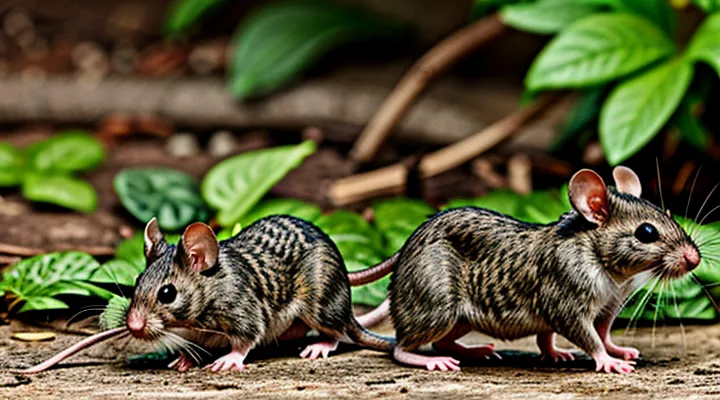
Recent field expeditions across Central and South America have identified several previously undocumented murine and rattine taxa. Molecular analyses confirm distinct lineages that diverge from known clades by 4–7 % mitochondrial DNA sequence. Morphological examinations reveal novel cranial and dental configurations adapted to specialized diets, while integumentary assessments document unique pelage patterns linked to microhabitat preferences.
Key findings include:
- Taxon A – a forest‑dwelling mouse exhibiting elongated rostrum and reduced molar cusp count, facilitating seed extraction from hard‑shell fruits.
- Taxon B – a high‑altitude rat characterized by dense, insulating fur and enlarged auditory bullae, supporting thermoregulation and acoustic communication in low‑oxygen environments.
- Taxon C – a semi‑aquatic murid possessing partially webbed hindfeet and a waterproof pelage, enabling efficient foraging in riparian zones.
These discoveries expand the known biodiversity of New World rodents, provide insight into evolutionary responses to ecological niches, and underscore the importance of integrated genetic‑morphological approaches for future taxonomic resolution.
The New World as a Biodiversity Hotspot for Rodents
Geographic Scope and Ecological Diversity
The distribution of New World murine fauna extends from the boreal forests of southern Canada through the United States, across the Caribbean islands, and down the mountain chains of Central America into the Amazon basin, the Andes, the Gran Chaco, the Pampas, and the Patagonian steppe. This latitudinal gradient encompasses tropical, subtropical, temperate, and sub‑polar zones, providing a continuous framework for species diversification.
Habitats occupied by these rodents are exceptionally varied:
- Lowland tropical rainforests with dense understory and abundant fruit resources.
- Montane cloud forests where cooler temperatures and high humidity dominate.
- Arid scrublands and deserts, exemplified by the Sonoran and Atacama regions, where water conservation adaptations are prevalent.
- Temperate grasslands and savannas, supporting species that exploit seed caches and burrowing behavior.
- Wetland margins and riverine systems, hosting semi‑aquatic forms with webbed feet and water‑repellent fur.
- Urban and agricultural landscapes, where opportunistic species thrive alongside human activity.
Ecological diversity arises from specialization in foraging strategies, reproductive timing, and morphological traits. Arboreal species possess elongated tails and prehensile digits for canopy navigation, while fossorial taxa exhibit reduced eyes, powerful forelimbs, and reinforced skulls for soil excavation. Semi‑aquatic representatives display streamlined bodies and dense pelage for insulation. Dietary breadth ranges from strict granivory and herbivory to omnivory that includes insects, carrion, and anthropogenic waste. These adaptations enable coexistence across overlapping ranges, reinforcing the high species turnover observed throughout the continent.
Evolutionary History of New World Rodents
The New World rodent clade originated in the early Oligocene, when ancestral cricetids dispersed from Eurasia into North America via the Bering land bridge. Fossil assemblages from the White River Formation and the early Miocene of Patagonia document the first appearances of distinct lineages that would later give rise to the diverse families present today.
Molecular phylogenies reveal three primary radiations:
- Cricetidae (including sigmodontine rats and neotropical mice) – rapid diversification linked to the uplift of the Andes and the expansion of tropical forests.
- Muridae (Old World mice and rats that colonized the Americas during the Pliocene) – limited to coastal and arid regions, reflecting recent immigration events.
- Erethizontidae and other specialized families – evolved unique adaptations such as spiny pelage and arboreal locomotion in response to forest canopy niches.
Biogeographic analyses indicate that the Great American Biotic Interchange, occurring around 3 Ma, facilitated secondary dispersal of South American lineages into Central and North America, creating overlapping distributions and hybrid zones documented in both the fossil record and contemporary genetic surveys.
Adaptive traits that emerged during this evolutionary history include:
- Hypertrophied incisors for gnawing hard seeds in arid environments.
- Enhanced olfactory receptor repertoires supporting niche specialization.
- Variable reproductive strategies, ranging from high‑fecundity litter production in temperate zones to prolonged gestation in montane habitats.
Recent discoveries of cryptic species in the Amazon basin, identified through integrative taxonomy combining mitochondrial DNA barcoding and cranial morphology, underscore the ongoing diversification within the group. These findings expand the known phylogenetic depth of New World rodents and provide insight into how climatic fluctuations and geological events continue to shape their evolutionary trajectory.
Recent Discoveries of New Species
Methodologies for Species Identification
Genetic Analysis and Phylogenomics
Genetic sequencing of neotropical murids has revealed extensive cryptic diversity among species previously identified solely by morphology. Whole‑genome shotgun data, combined with reduced‑representation libraries such as RAD‑seq, provide high‑resolution markers for distinguishing lineages that coexist in overlapping habitats. Phylogenomic pipelines that integrate concatenated supermatrices and coalescent‑based species trees resolve deep divergences and recent radiations, clarifying relationships among genera such as Reithrodon, Oryzomys, and Neacomys.
Key outcomes of recent analyses include:
- Identification of at least five previously unrecognized clades within the Oryzomyini tribe, each supported by >95 % bootstrap values.
- Detection of introgressive hybridization events between sympatric Peromyscus species, evidenced by discordant gene trees and introgression statistics (e.g., D‑statistics >0.3).
- Reconstruction of biogeographic histories that link diversification peaks to Pleistocene climatic oscillations, with divergence‑time estimates clustering around 0.8–1.2 Ma.
- Discovery of novel alleles associated with metabolic adaptation to arid environments, highlighted by selective‑sweep signatures in genes governing lipid oxidation.
The integration of mitochondrial genomes with nuclear ultraconserved elements (UCEs) enhances resolution across taxonomic scales, allowing researchers to test hypotheses about adaptive radiation, niche partitioning, and historical dispersal routes. Comparative phylogenomics also informs conservation priorities by pinpointing evolutionarily distinct lineages that merit protection under regional biodiversity frameworks.
Morphological and Karyological Studies
Morphological examinations of newly identified neotropical murine species focus on external measurements, pelage coloration, cranial architecture, and dentition patterns. Standardized metrics such as head–body length, tail proportion, ear size, and hind‑foot dimensions allow direct comparison across taxa. Cranial analyses employ micro‑CT scanning to resolve sutural contacts, rostral length, and zygomatic arch robustness, while dental formulae and enamel microstructure distinguish closely related lineages. These traits, combined with ecological correlates, support taxonomic revisions and clarify adaptive divergence.
Karyological investigations complement morphological data by revealing chromosomal configurations that often differentiate cryptic species. Conventional G‑banding and fluorescence in situ hybridization (FISH) identify variations in diploid number (2n = 34–48), fundamental number (FN), and the presence of sex chromosome heteromorphisms. Notable findings include:
- Robertsonian fusions producing metacentric chromosomes in high‑altitude populations.
- Pericentric inversions linked to reproductive isolation in lowland clades.
- Sex chromosome polymorphisms correlating with distinct pelage patterns.
Integration of morphometric and cytogenetic results provides a robust framework for delineating species boundaries, assessing phylogenetic relationships, and predicting evolutionary trajectories within the diverse New World murine assemblage.
Key Regions of Discovery
Amazon Basin
The Amazon Basin harbors the richest assemblage of New World murine fauna on the planet, with dozens of species described in the last decade. Field surveys across floodplain forests, terra firme, and varzea habitats have yielded several previously unknown mice and rats, each exhibiting adaptations that reflect the basin’s complex hydrological regime.
Key discoveries include:
- A semi‑aquatic rat (Rattus inundatus) possessing webbed hind feet and a waterproof pelage, enabling efficient foraging in seasonally flooded areas.
- A dwarf mouse (Microryzomys amazonensis) with reduced body size and a high‑metabolism rate, suited to the nutrient‑poor understory.
- A nocturnal rat (Oryzomys nocturnus) equipped with enlarged auditory bullae and a specialized palate for processing soft fruits and seeds.
- A canopy‑dwelling mouse (Oligoryzomys arboreus) featuring elongated tail vertebrae and adhesive pads on the hind limbs, facilitating arboreal locomotion.
These taxa illustrate convergent evolution toward traits such as enhanced swimming ability, high metabolic efficiency, and arboreal specialization. Genetic analyses reveal deep phylogenetic splits between floodplain and upland lineages, suggesting long‑term isolation driven by the basin’s dynamic waterways. The documented morphological innovations expand the known ecological breadth of murine rodents and provide baseline data for conservation assessments in a region facing accelerating deforestation and climate change.
Andean Highlands
The Andean Highlands present a complex mosaic of ecosystems ranging from puna grasslands to cloud forests, each characterized by steep elevational gradients, reduced atmospheric pressure, and pronounced diurnal temperature shifts. These conditions generate isolated habitats that foster high rates of endemism among small mammals, particularly murid rodents.
Recent field surveys and molecular analyses have documented several previously undescribed mouse and rat taxa confined to specific altitude bands. Species such as Akodon andinus and Rattus altiplanicus display unique cranial morphologies, dental patterns, and pelage coloration that differentiate them from low‑land relatives. Genetic studies reveal deep phylogenetic splits, indicating long‑term isolation and diversification within the highlands.
Adaptations that enable survival at elevations above 3,500 m include:
- Enlarged lung surface area and increased hemoglobin affinity for oxygen.
- Dense, insulating fur with specialized hair follicles reducing heat loss.
- Compact body size and reduced limb length minimizing energetic demands.
- Flexible foraging behavior allowing exploitation of seasonal seed and insect resources.
These rodents contribute to ecosystem processes by dispersing alpine seeds, aerating soils through burrowing, and serving as prey for avian and mammalian predators. Their population dynamics influence vegetation regeneration and trophic stability across the highland mosaic.
Anthropogenic pressures—mining, livestock grazing, and climate‑driven habitat shifts—threaten the persistence of these specialized species. Conservation strategies prioritize habitat protection, long‑term population monitoring, and integration of indigenous land‑use knowledge. Continued taxonomic research and ecological monitoring are essential to delineate species boundaries and assess resilience under changing environmental conditions.
Mesoamerican Forests
Mesoamerican forests host a remarkable assemblage of rodent species that expand the known diversity of New World murids. The complex vertical structure of these habitats creates distinct micro‑environments, from canopy layers to leaf‑litter floors, each supporting specialized mouse and rat lineages. Recent field surveys in lowland rainforests of Guatemala and highland cloud forests of Mexico have documented several taxa previously unknown to science, underscoring the region’s role as a hotspot for murine evolution.
Key ecological factors driving this diversification include:
- Variable precipitation regimes that generate seasonal resource pulses, prompting adaptations in reproductive timing and foraging behavior.
- High plant species richness, providing a range of seed sizes and fruit types, which correlates with morphological specialization in jaw and dental structures.
- Fragmented canopy corridors that foster genetic isolation, leading to rapid speciation in otherwise contiguous forest blocks.
Morphological analyses of the newly described species reveal traits such as elongated hind limbs for arboreal locomotion, reduced body mass for efficient movement through dense understory, and enhanced vestibular apparatuses for balance on slender branches. Genetic sequencing indicates multiple independent radiations within the family Cricetidae, reflecting convergent evolution across disparate forest types.
Conservation assessments highlight that many of these rodents occupy narrow elevational bands and depend on intact forest cover. Habitat loss through logging and agricultural expansion threatens the persistence of both described and undiscovered taxa, emphasizing the need for targeted protection measures that maintain the structural complexity essential for their survival.
Novel Traits and Adaptations
Physiological Adaptations
High-Altitude Tolerance
High‑altitude environments in the Andes and central Mexican plateau host several recently described murine species that exhibit physiological and morphological adaptations enabling survival where oxygen pressure is reduced. These rodents maintain arterial oxygen saturation above 90 % during rest, a level achieved through enlarged lung surface area, increased capillary density, and elevated hemoglobin affinity for oxygen. Genetic analyses reveal convergent mutations in the EPAS1 and EGLN1 pathways, mirroring patterns observed in high‑elevation mammals worldwide.
Key traits identified in the high‑altitude taxa include:
- Enlarged thoracic cavity and expanded alveolar sacs, providing greater tidal volume.
- Hemoglobin variants with a right‑shifted oxygen dissociation curve, facilitating oxygen uptake under hypoxic conditions.
- Elevated erythropoietin expression, resulting in higher red blood cell counts without excessive viscosity.
- Enhanced mitochondrial efficiency, evidenced by increased cytochrome c oxidase activity and reduced reactive oxygen species production.
Field studies demonstrate that these adaptations correlate with altitudinal distribution limits. Species restricted to elevations above 3,500 m display the full suite of traits, while populations at lower elevations retain only partial modifications. Comparative phylogenetics suggest that high‑altitude tolerance evolved independently in at least three lineages within the New World rodent clade, indicating strong selective pressure in mountainous habitats.
Dietary Specializations
Dietary specialization characterizes many newly identified murine species inhabiting the Americas, shaping their ecological niches and influencing community dynamics.
Morphological traits reflect food preferences. Species consuming hard seeds exhibit reinforced incisors and enlarged masseter muscles, while insect‑eating forms possess sharp premolars and elongated gut sections for protein digestion. Nectar‑feeding rodents display reduced molar crowns and elongated tongues, facilitating access to floral resources.
Key examples of dietary adaptation include:
- Oryzomys megacephalus – primarily granivorous; jaw mechanics optimized for husk removal.
- Neotoma flavipes – bark‑gnawing specialist; incisors curved for efficient wood penetration.
- Rhipidomys alpinus – insectivorous; dentition reduced in size, digestive tract shortened.
- Peromyscus dulcis – frugivorous; palate widened to accommodate large fruit seeds.
- Sigmodon novus – omnivorous with a bias toward aquatic invertebrates; hindgut fermentation chambers enlarged.
These specializations reduce interspecific competition by partitioning resources across microhabitats. Dietary breadth influences vulnerability: specialists depend on stable food sources, making them sensitive to habitat alteration, whereas generalists exhibit greater resilience. Conservation assessments must therefore integrate feeding ecology to predict species responses to environmental change.
Behavioral Adaptations
Social Structures
Newly described neotropical murine species exhibit a range of social configurations that diverge from the solitary habits traditionally associated with many Old World counterparts. Field observations and captive studies reveal that group composition, dominance hierarchies, and cooperative behaviors vary markedly across taxa inhabiting distinct biomes.
Many species form stable colonies with a clear alpha pair that monopolizes breeding opportunities, while subordinate individuals assist in nest construction, pup provisioning, and predator vigilance. In several high‑elevation grassland rodents, offspring remain in the natal nest for up to three months, contributing to foraging and grooming tasks before dispersal.
- Dominance hierarchy: linear ranking based on aggression frequency and scent marking.
- Cooperative breeding: shared parental investment by non‑breeding adults.
- Alloparental care: helpers feed and thermoregulate pups.
- Seasonal fluidity: group size expands during rainy periods when resources peak.
- Dispersal syndromes: juvenile males typically migrate 0.8–1.5 km, females exhibit philopatry.
These social patterns influence population density, genetic flow, and resilience to habitat fragmentation. Comparative analysis indicates that cooperative structures correlate with environments where food is clumped and predation pressure is high, suggesting adaptive convergence among unrelated lineages. Understanding these dynamics refines predictions about ecosystem roles and informs conservation strategies for vulnerable neotropical rodent communities.
Nocturnal Activity Patterns
New World rodents exhibit a remarkable diversity of nocturnal behaviors that directly influence their ecological success. Species across the continent synchronize activity with the dark phase of the 24‑hour cycle, employing physiological and morphological adaptations to exploit nighttime resources while reducing exposure to diurnal predators.
Key aspects of nocturnal activity include:
- Circadian entrainment: Light‑sensitive retinal cells and pineal melatonin secretion regulate the onset of activity, ensuring precise alignment with dusk.
- Foraging strategy: Many species adopt opportunistic feeding during low‑light periods, targeting seeds, insects, and fallen fruit that are less contested after sunset.
- Predator avoidance: Nighttime locomotion reduces encounters with visual hunters such as raptors; some taxa increase reliance on auditory and olfactory cues to detect nocturnal predators.
- Thermoregulation: Cooler nocturnal temperatures lower evaporative water loss, allowing rodents to maintain hydration while foraging.
- Sensory specialization: Recent taxonomic surveys have identified species with enlarged cochlear canals, enhanced whisker innervation, and retinal adaptations (e.g., increased rod density) that improve navigation in dim conditions.
Discovery of several previously undocumented mouse and rat species in tropical montane forests highlights novel nocturnal traits. One newly described cricetid possesses a bifurcated ear pinna that amplifies low‑frequency sounds, facilitating detection of insect prey beneath leaf litter. Another rat species from arid highlands displays a reduced basal metabolic rate, extending activity bouts throughout the night without depleting energy reserves.
Comparative studies reveal that nocturnal patterns are not uniform across the group. Species inhabiting open savannas tend to exhibit brief, crepuscular peaks, whereas forest dwellers maintain continuous activity throughout the night. Variation in activity duration correlates with habitat complexity, resource distribution, and predator assemblages.
Overall, nocturnal activity patterns constitute a central adaptive axis for New World rodents, shaping foraging efficiency, survival strategies, and the emergence of distinctive physiological traits among newly recognized taxa.
Morphological Novelties
Unique Dentition
The dentition of New World muroid rodents exhibits adaptations that distinguish them from their Old World relatives. Incisors retain the characteristic self‑sharpening enamel–dentine interface, yet several species display enamel bands with irregular curvature, enhancing grip on fibrous seeds. The dental formula generally follows 1/1, 0/0, 0/0, 3/3, but deviations occur in high‑altitude taxa where the molar count is reduced to two per side, reflecting a diet limited to soft vegetation.
Molar morphology varies widely. Some ground‑dwelling species possess hypsodont crowns with pronounced lamellae, supporting extensive grinding of abrasive grasses. Others, such as arboreal Peromyscus variants, show brachydont molars with flattened occlusal surfaces, suitable for processing fruits and insects. Enamel microstructure analyses reveal prismless zones in the central incisors of certain Oryzomys species, a trait linked to rapid tooth wear in humid environments.
Key dental traits identified in recent surveys include:
- Grooved or fluted incisor edges in high‑elevation Calomys, improving soil excavation.
- Posterior molar elongation in tropical water vole relatives, facilitating digestion of tough aquatic plants.
- Reduced premolar remnants in island endemics, indicating a shift toward specialist feeding.
- Presence of enamel ridges on the labial side of lower incisors in several desert-dwelling genera, increasing resistance to sand abrasion.
These characteristics underscore the functional diversity of dentition among New World mice and rats, reflecting ecological pressures across a range of habitats from lowland rainforests to arid highlands.
Specialized Locomotion
The New World murine fauna includes several recently described species whose locomotor strategies diverge markedly from those of their Old World relatives. Morphological specializations such as elongated hind‑limbs, reinforced tibial bones, and enlarged plantar pads enable rapid leaping in open savanna habitats. In arboreal forms, a prehensile tail, opposable hallux, and curved claws facilitate secure climbing on slender branches and vines. Aquatic adaptations appear in semi‑aquatic rats that possess partially webbed hind feet, a flattened tail surface, and dense, water‑repellent fur for efficient swimming.
Key locomotor adaptations observed across these taxa include:
- Saltatorial locomotion – powerful hind‑limb thrusts generate jumps up to three body lengths; prevalent in grassland-dwelling mice.
- Scansorial movement – combined climbing and scrambling; supported by flexible ankle joints and enhanced grip surfaces.
- Fossorial burrowing – robust fore‑limb musculature, enlarged incisors for soil displacement; characteristic of desert-dwelling rats.
- Gliding – patagial skin stretches between limbs, allowing controlled aerial descent; documented in a newly identified genus of forest species.
Neurological control mechanisms accompany these physical traits. Enlarged cerebellar regions correlate with precise timing of limb movements, while expanded vestibular nuclei support balance during rapid vertical transitions. Comparative analyses reveal convergent evolution of similar locomotor features among unrelated lineages occupying comparable ecological niches, underscoring the adaptive flexibility of these rodents.
Conservation Implications
Threats to New World Rodent Diversity
Habitat Loss and Fragmentation
Habitat loss and fragmentation exert direct pressure on the diversity of New World rodents, reshaping distribution patterns and genetic structure. Deforestation, agricultural expansion, and urban development convert continuous forest into isolated patches, reducing the area available for foraging, nesting, and predator avoidance. Fragmented landscapes increase edge effects, altering microclimate conditions and exposing small mammals to higher temperatures, lower humidity, and increased predation risk.
Key consequences for these species include:
- Reduced population size: Smaller habitat fragments support fewer individuals, elevating extinction risk.
- Limited gene flow: Physical barriers prevent dispersal, leading to inbreeding and loss of adaptive potential.
- Altered community composition: Species tolerant of open or disturbed habitats may outcompete forest specialists, shifting ecological balances.
- Disruption of life‑history traits: Changes in resource availability affect breeding season length, litter size, and juvenile survival rates.
Adaptations observed in some newly described species reflect responses to fragmented environments. Certain mouse taxa exhibit increased reproductive output in edge habitats, while specific rat lineages develop enhanced climbing abilities to exploit vertical forest strips that persist within agricultural matrices. Nevertheless, many endemic species lack such plasticity, rendering them especially vulnerable.
Conservation measures must prioritize the maintenance of habitat connectivity. Establishing biological corridors, preserving riparian buffers, and implementing land‑use policies that limit further fragmentation are essential to sustain genetic exchange and prevent local extinctions among these rodents.
Climate Change Impacts
Climate change is reshaping the distribution of North and South American murine species. Rising temperatures push many populations toward higher elevations and latitudes, where cooler microclimates persist. This movement alters community composition, introducing formerly absent competitors and predators into novel ecosystems.
Altered precipitation patterns affect food availability and reproductive cycles. In regions experiencing intensified drought, seed production declines, reducing the primary resource for granivorous rodents. Conversely, increased rainfall in some tropical zones expands vegetative growth, favoring species with flexible foraging strategies.
Physiological stress intensifies under extreme weather events. Heatwaves raise body temperature beyond optimal ranges for several rodent species, leading to higher mortality rates and reduced breeding success. Some taxa exhibit adaptive traits, such as increased fur insulation or altered activity periods, yet these responses often lag behind rapid climatic shifts.
Key impacts include:
- Range contraction for temperature‑sensitive species.
- Expansion of generalist species into disturbed habitats.
- Shifts in breeding phenology aligned with altered seasonal cues.
- Increased incidence of disease vectors linked to warmer, wetter conditions.
Conservation Strategies and Priorities
Protected Areas and Reserves
Protected areas and reserves across the Americas constitute a network of legally defined lands that safeguard habitats essential for the survival of native fauna. These units range from large national parks to community‑managed biological corridors, each maintaining ecological integrity through regulated access, habitat restoration, and long‑term monitoring.
For newly described murine taxa, reserves provide the primary context in which populations can be observed, sampled, and compared. The stability of protected ecosystems reduces anthropogenic pressures, allowing researchers to delineate species boundaries based on morphology, genetics, and behavior without confounding disturbance.
Key sites where recent discoveries have occurred include:
- Amazonian lowland rainforests within the Tambopata National Reserve (Peru), where three novel rodent species were identified through systematic pitfall trapping.
- The Sierra de la Laguna Biosphere Reserve (Mexico), yielding a distinct high‑elevation mouse adapted to cooler microclimates.
- The Gran Chaco Conservation Complex (Argentina/Bolivia), revealing a previously undocumented rat lineage with unique dental morphology.
Effective management practices that facilitate taxonomic work comprise:
- Issuance of research permits aligned with conservation objectives.
- Maintenance of standardized sampling grids and long‑term biodiversity inventories.
- Collaboration with local communities to ensure sustainable land‑use practices that preserve microhabitats.
The integration of protected area data into taxonomic studies enhances species assessments, informs IUCN Red List evaluations, and guides priority setting for habitat preservation. By linking conservation infrastructure with scientific discovery, reserves reinforce the resilience of New World rodent assemblages and support adaptive management strategies.
Research and Monitoring Programs
Research initiatives targeting neotropical murine fauna focus on systematic documentation of emerging species and their ecological attributes. Programs combine field surveys, genetic sampling, and long‑term population tracking to generate robust datasets.
Key components include:
- Standardized live‑trapping grids across diverse habitats, calibrated for species‑specific capture probabilities.
- Tissue collection for mitochondrial and nuclear DNA analysis, enabling phylogenetic placement of novel taxa.
- Remote sensing integration to correlate habitat alterations with distribution shifts.
- Community‑based monitoring, training local observers to report sightings and behavioral observations.
Data management relies on centralized repositories adhering to FAIR principles, facilitating cross‑institutional access and meta‑analyses. Collaborative networks link universities, governmental agencies, and conservation NGOs, ensuring methodological consistency and resource sharing.
Challenges addressed by these programs involve cryptic species identification, limited funding for remote fieldwork, and the need for rapid data turnover to inform management decisions. Outcomes comprise updated taxonomic inventories, refined biogeographic models, and evidence‑based recommendations for habitat protection.
Future Research Directions
Unexplored Habitats and Regions
Unexplored habitats across the Americas harbor a substantial portion of the continent’s murine and rat diversity. Remote cloud forests on the Andean slopes provide humid microclimates where arboreal rodents exhibit elongated tails and prehensile digits adapted for canopy navigation. Isolated volcanic islands in the Caribbean host endemics with reduced body size and specialized dentition for seed exploitation unique to basaltic soils.
Key regions awaiting systematic surveys include:
- Subterranean karst systems in the Yucatán Peninsula, where blind, depigmented species likely exploit nutrient influx from surface fissures.
- High‑altitude paramo ecosystems of the northern Andes, supporting small, thermoregulatory adaptations such as dense fur and low basal metabolic rates.
- Seasonal floodplain forests of the Amazon basin, where semi‑aquatic rodents may develop webbed hind feet and enhanced olfactory receptors for underwater foraging.
- Temperate montane scrublands of the Sierra Madre, offering niches for nocturnal, seed‑caching species with reinforced cheek pouches.
Recent advances in environmental DNA sampling and autonomous camera traps enable detection of cryptic populations without direct capture. Integrating these techniques with traditional live‑trapping protocols accelerates the identification of novel taxa and clarifies phylogenetic relationships. Prioritizing these understudied locales will expand the known spectrum of morphological and behavioral traits within New World murids, informing conservation strategies for habitats under increasing anthropogenic pressure.
Advanced Genomic Techniques
Advanced genomic methodologies have transformed the investigation of recently identified murine and rat taxa across the Americas. High-throughput short‑read platforms generate dense coverage of nuclear and mitochondrial genomes, enabling precise phylogenetic placement of novel lineages. Long‑read technologies resolve repetitive regions and structural variants that distinguish closely related species, providing insight into adaptive genome architecture.
- Whole‑genome resequencing of population cohorts reveals allele frequency shifts linked to ecological gradients.
- Single‑cell RNA sequencing maps tissue‑specific expression patterns, uncovering functional differences among cryptic species.
- CRISPR‑Cas9 mediated gene editing validates candidate genes implicated in morphological and physiological traits.
- Metagenomic surveys of gut microbiomes associate microbial composition with host diet specialization.
- Comparative epigenomics detects regulatory modifications that correlate with environmental adaptation.
Integrating these approaches within a unified analytical pipeline produces comprehensive genotype‑phenotype maps. Accurate assembly of de novo genomes supplies reference frameworks for comparative analyses, while population genomic statistics quantify gene flow and divergence. Functional assays, supported by gene‑editing tools, confirm the biological relevance of identified variants, linking genomic signatures to observable characteristics such as dentition patterns, coat coloration, and reproductive strategies.
The resulting data repositories facilitate cross‑taxonomic synthesis, allowing researchers to trace evolutionary trajectories across the continent’s rodent fauna. By coupling deep sequencing depth with precise functional validation, advanced genomics delivers a robust foundation for describing new species, assessing their ecological roles, and informing conservation priorities.
Ecological Roles and Interactions
New World murids occupy diverse niches across tropical forests, grasslands, and high‑altitude environments. Their foraging activities regulate seed dispersal and germination patterns. By transporting seeds in fur or through ingestion, they facilitate plant colonization beyond primary dispersal zones, influencing forest composition and succession dynamics.
Predation pressure exerted by these rodents shapes predator populations. Small carnivores, owls, and snakes rely on murid abundance for reproductive success. Fluctuations in rodent density directly affect predator breeding output, mortality rates, and territorial behavior, creating feedback loops that stabilize or destabilize local food webs.
Soil processes benefit from murid burrowing and nesting. Excavation aerates compacted layers, enhances water infiltration, and mixes organic matter. These actions increase microbial activity, accelerate nutrient cycling, and improve soil structure, particularly in nutrient‑poor habitats.
Interactions with parasites and pathogens generate indirect ecological effects. Murids serve as reservoirs for hantaviruses, ectoparasites, and helminths, which can spill over to other wildlife and humans. Their role in pathogen maintenance influences disease dynamics and shapes community health across ecosystems.
Key ecological contributions of New World mice and rats include:
- Seed transport and selective predation, altering plant community patterns.
- Supporting predator demography through prey availability.
- Modifying soil physical properties and enhancing nutrient turnover.
- Acting as hosts for parasites, affecting disease transmission networks.
Collectively, these functions integrate murids into multiple trophic levels, reinforcing ecosystem resilience and complexity.