
Understanding the Unwanted Guests
Identifying Mice and Cockroaches
Physical Characteristics
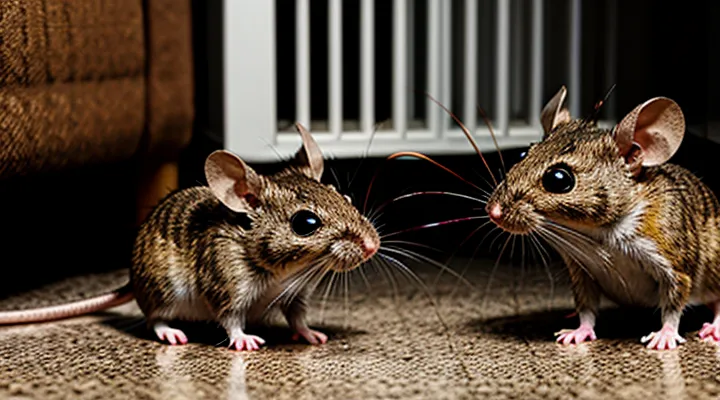
Mice are small rodents typically measuring 6–10 cm from nose to tail tip, with a body mass of 15–30 g. Their bodies are covered in fine hair ranging from gray to brown, while the ventral side is lighter. A naked, scaly tail accounts for roughly half the total length, providing balance and thermoregulation. Prominent whiskers (vibrissae) extend from the muzzle, serving as tactile sensors. Eyes are relatively large, offering limited visual acuity but heightened sensitivity to motion. Dentition includes continuously growing incisors that require constant gnawing to prevent overgrowth.
Cockroaches are insects ranging from 1.5 cm (German cockroach) to 4 cm (American cockroach) in length, with body mass between 0.1–1 g. Their exoskeleton is a hardened, glossy cuticle colored from light brown to deep reddish‑brown, providing protection and preventing desiccation. The body is divided into three regions: head, thorax, and abdomen. Six jointed legs enable rapid, agile movement across surfaces. Two antennae, each up to three times body length, function as primary sensory organs for chemical detection and navigation. Most species possess two pairs of wings; the forewings (tegmina) are thickened for protection, while the hindwings are membranous and assist in short‑range flight. Compound eyes deliver a wide field of view, though resolution is low. Reproductive structures include an ootheca—a protective egg case containing 10–40 eggs—produced by females and deposited in sheltered locations.
Key physical distinctions:
- Size: mice 6–10 cm; cockroaches 1.5–4 cm.
- Covering: fur and naked tail versus chitinous exoskeleton.
- Sensory apparatus: whiskers and acute hearing versus long antennae and compound eyes.
- Mobility: quadrupedal locomotion versus six‑legged crawling and occasional flight.
- Reproduction: live birth (average litter 5–7) versus egg case (ootheca) with multiple eggs.
Behavioral Patterns
Mice and cockroaches occupying the same dwelling exhibit distinct yet intersecting behavioral patterns that shape their survival strategies. Their activities are organized around temporal niches, spatial preferences, and chemical communication, creating a dynamic equilibrium within the household environment.
Nocturnal rodents initiate foraging shortly after dusk, exploiting concealed pathways to locate food residues and nesting material. In contrast, cockroaches display crepuscular peaks, emerging during twilight hours when ambient humidity rises. This staggered timing reduces direct competition for resources while allowing both species to exploit overlapping food sources such as crumbs, spilled liquids, and organic waste.
Food acquisition drives opportunistic overlap. Mice prefer solid particles, gnawing on grains and cereal fragments, whereas cockroaches favor moist detritus, including sugary spills and decaying matter. When food deposits are abundant, both taxa may congregate at the same site, increasing the likelihood of indirect interference, such as displacement of nesting material or contamination of stored provisions.
Territorial behavior reflects divergent shelter selection. Mice construct nests within concealed cavities—wall voids, attic insulation, or concealed furniture—maintaining a stable microclimate. Cockroaches occupy cracks, crevices, and damp niches, often sharing the same structural voids without establishing permanent burrows. Overlap occurs when structural degradation creates larger voids, enabling simultaneous occupation.
Chemical signaling orchestrates interactions. Mice emit pheromonal markers to delineate territory and signal reproductive status. Cockroaches release aggregation pheromones that attract conspecifics to safe harborage. When both signals coexist in a confined space, individuals adjust activity levels to avoid direct confrontation, resulting in temporal segregation and reduced aggression.
Key aspects of cohabitation:
- Staggered activity cycles (nocturnal rodents vs. crepuscular insects)
- Complementary food preferences (solid particles vs. moist detritus)
- Distinct shelter construction (nesting burrows vs. crack occupation)
- Overlapping chemical cues prompting temporal avoidance
These patterns illustrate how two dissimilar species sustain coexistence within a shared domestic setting, balancing competition through temporal partitioning, resource specialization, and adaptive use of microhabitats. The interplay of behavior, ecology, and architecture underpins the stability of this interspecific association.
Why They Infest Homes
Food Sources
Mice and cockroaches often share the same nutritional niches within domestic environments. Both species exploit readily available human food waste, grain products, and sugary residues, creating a competitive yet coexistent feeding dynamic.
Common food sources include:
- Crumbs and spilled cereals
- Uncovered pantry items such as flour, rice, and pasta
- Fruit peels, soft fruits, and vegetable scraps
- Sweet substances like honey, syrups, and jam
- Pet food left uncovered or stored improperly
- Organic debris in drainpipes and garbage disposals
Access points arise from insufficient sealing of storage containers, gaps around appliances, and unemptied trash bins. Reducing exposure requires airtight packaging, regular removal of food residues, and prompt disposal of waste. Implementing these measures limits the overlapping diet that sustains simultaneous infestations.
Shelter and Hiding Spots
Both rodents and cockroaches exploit the interior of dwellings to secure shelter that protects them from predators and environmental fluctuations. Their preferred hiding places often overlap, creating a shared niche that supports simultaneous occupation.
Typical shelter locations include:
- Wall cavities and behind baseboards, where darkness and structural gaps provide stable microclimates.
- Insulation piles within attics or crawl spaces, offering warmth and concealment.
- Undersides of appliances such as refrigerators, stoves, and washing machines, which combine low traffic with proximity to moisture.
- Pantry shelves and food storage areas, where residual crumbs and packaging create both shelter and immediate food sources.
- Bathroom cabinets and under sinks, where humidity levels remain high.
Selection criteria hinge on darkness, temperature consistency, access to water, and minimal disturbance. Dark, insulated spaces maintain temperatures between 20 °C and 30 °C, ideal for rapid reproduction. Moisture levels above 60 % support cockroach development, while rodents benefit from the same humidity range for nesting comfort. Proximity to food sources reduces foraging distance, enhancing survival rates.
When shelters intersect, competition intensifies. Cockroaches may occupy crevices within rodent nests, feeding on waste and organic debris. Conversely, rodents can displace insects by enlarging burrows or by physically removing them during nest maintenance. Such interactions increase the likelihood of pathogen transmission and elevate infestation severity.
Effective control focuses on eliminating shared hiding spots. Strategies involve sealing cracks and gaps with durable caulking, installing metal mesh over ventilation openings, and removing clutter that creates concealed voids. Regular inspection of appliance undersides, routine cleaning of pantry interiors, and maintenance of low humidity in bathrooms diminish the attractiveness of these sites, reducing the probability of cohabitation.
Entry Points
Entry points constitute the primary pathway through which rodents and cockroaches invade residential environments. Structural deficiencies, material gaps and utility penetrations create continuous access routes that support simultaneous habitation.
Typical entry points include:
- Cracks in foundation walls and slab joints
- Gaps surrounding plumbing, gas and electrical conduits
- Openings around HVAC ducts and exhaust vents
- Unsealed spaces beneath doors and windows
- Damaged or missing weather‑stripping
- Roof eaves, soffit vents and attic crawl spaces
- Chimney flues lacking proper caps
- Basement windows without screens or with broken seals
- Wall cracks caused by settling or moisture intrusion
Effective mitigation requires systematic inspection of these vulnerabilities, followed by sealing with appropriate materials such as steel wool, caulk, expanding foam or metal flashing. Regular maintenance of exterior cladding and prompt repair of water damage reduce the likelihood of new openings forming. Continuous monitoring of sealed points ensures long‑term exclusion of both species.
Impacts of Cohabitation
Health Risks to Humans
Allergens and Asthma Triggers
The simultaneous presence of rodents and insects in residential settings introduces a range of airborne and contact allergens that amplify asthma risk. Mouse urine, droppings, and saliva contain proteins such as Mus m 1 that readily become aerosolized, while cockroach feces, shed exoskeleton fragments, and saliva harbor allergens like Bla g 1 and Bla g 2. Both sources persist in hidden locations—wall voids, ceiling spaces, and kitchen cabinets—where they accumulate unnoticed.
Key mechanisms linking these pests to asthma include:
- Particle size small enough to reach lower airways.
- Proteolytic activity that disrupts epithelial barriers.
- Immune sensitization leading to IgE-mediated inflammation.
- Seasonal fluctuations in pest activity that increase exposure peaks.
Mitigation strategies focus on source reduction and environmental control. Sealing cracks, installing door sweeps, and maintaining low humidity limit entry and breeding. Regular vacuuming with HEPA filters removes settled debris, while integrated pest management—combining baiting, traps, and targeted insecticide application—reduces population density. Continuous monitoring of indoor allergen levels provides feedback for adjusting interventions and protecting susceptible individuals.
Disease Transmission
The simultaneous presence of rodents and insects in residential environments creates a conduit for multiple infectious agents. Both groups thrive in hidden, humid areas, increasing the likelihood of contact with human food supplies and living spaces.
Pathogens commonly associated with mice
- Salmonella spp.
- Hantavirus
- Leptospira interrogans
- Lymphocytic choriomeningitis virus (LCMV)
- Campylobacter jejuni
Pathogens commonly associated with cockroaches
- Salmonella spp.
- Escherichia coli (including pathogenic strains)
- Staphylococcus aureus
- Bacillus cereus
- Various helminth eggs (e.g., Ascaris, Trichuris)
Transmission pathways involve fecal and urinary contamination, shedding of skin scales, and mechanical carriage on body surfaces. Food residues, kitchen utensils, and countertops become vectors when rodents or insects deposit pathogens directly or indirectly. Aerosolization of dried droppings can introduce respiratory hazards, while ingestion of contaminated food leads to gastrointestinal illness.
Control strategies focus on eliminating access points, maintaining strict sanitation, and applying targeted pest‑management interventions. Sealing cracks, removing clutter, and storing food in sealed containers reduce habitat suitability. Integrated pest‑management programs combine chemical, biological, and physical measures to suppress populations while limiting exposure to disease agents. Regular monitoring and prompt remediation prevent the establishment of conditions that favor cohabitation and subsequent pathogen spread.
Damage to Property
Structural Damage by Rodents
Rodents undermine building integrity by gnawing on load‑bearing components. Continuous chewing on timber beams, joists, and rafters creates cracks, reduces cross‑sectional strength, and can lead to partial collapse under normal loads.
Common manifestations of structural compromise include:
- Fractured or splintered wooden members
- Damaged insulation material that loses fire‑resistance properties
- Compromised drywall and plaster where holes enlarge over time
- Eroded plaster casts around utility openings, exposing wiring and plumbing
Moisture‑rich environments accelerate deterioration because gnawed cavities retain humidity, fostering rot and mold growth. Rot weakens wood fibers, while mold can corrode metal fasteners and connectors.
Preventive measures focus on exclusion and repair. Seal entry points larger than a quarter‑inch, reinforce vulnerable structures with steel plates or hardened lumber, and replace compromised timber promptly. Regular inspections of attic spaces, crawl spaces, and wall cavities detect early gnaw marks, allowing timely remediation before extensive damage occurs.
Contamination of Food and Surfaces
Rodent and cockroach coexistence in domestic environments creates a direct pathway for food and surface contamination. Both pests feed on stored products, leave droppings, urine, and shed exoskeletons, which introduce pathogens such as Salmonella, E. coli, and allergenic proteins onto kitchen countertops, utensils, and pantry items.
Contamination occurs through several mechanisms:
- Physical contact with food items while foraging.
- Deposition of fecal pellets and urine on surfaces.
- Transfer of microbes via body parts and legs during movement.
- Accidental ingestion of pest fragments that become incorporated into food.
Health implications include foodborne illness, allergic reactions, and respiratory irritation. Persistent contamination can lead to cross‑contamination during food preparation, amplifying the risk of pathogen spread throughout the household.
Effective control measures focus on sanitation, exclusion, and monitoring:
- Seal entry points, including gaps around pipes, vents, and foundation cracks.
- Store dry goods in airtight containers made of glass, metal, or heavy‑wall plastic.
- Remove food debris and spills immediately; clean surfaces with a detergent‑based solution followed by a sanitizing agent.
- Dispose of waste in sealed bins and empty them regularly.
- Conduct routine inspections for droppings, gnaw marks, and insect activity; employ traps or professional pest‑management services when evidence is found.
Implementing these practices reduces the likelihood of food and surface contamination, protecting occupants from the health hazards associated with rodent and cockroach presence in the home.
Psychological Effects
Stress and Anxiety
The simultaneous presence of rodents and insects in residential spaces creates persistent sensory cues that activate the body's threat‑detection system. Visual sightings, nocturnal noises, and contaminant traces trigger the hypothalamic‑pituitary‑adrenal axis, resulting in elevated cortisol and adrenaline levels. Chronic activation of this pathway manifests as heightened vigilance, sleep disruption, and reduced capacity for emotional regulation.
Physiological responses translate into measurable psychological outcomes. Studies report that individuals exposed to rodent and cockroach activity exhibit increased scores on standardized anxiety inventories and greater incidence of stress‑related somatic complaints. The correlation between pest density and symptom severity persists after controlling for socioeconomic variables, indicating a direct causal link.
Practical measures to mitigate stress and anxiety include:
- Sealing entry points and maintaining structural integrity to eliminate visual and auditory triggers.
- Implementing integrated pest management protocols that combine chemical, biological, and mechanical controls.
- Enhancing indoor air quality through filtration and regular cleaning to reduce allergen load.
- Establishing routine sleep hygiene practices, such as consistent bedtime schedules and darkness, to counteract nocturnal disturbances.
«Effective reduction of pest presence corresponds with measurable declines in cortisol concentrations», concludes a recent longitudinal analysis, underscoring the therapeutic value of environmental control in managing psychological distress.
Social Stigma
The presence of rodents and cockroaches together in a dwelling generates a distinct social stigma that influences how occupants are perceived by neighbors, landlords, and service providers. Visible signs of infestation, such as droppings or damage, are interpreted as neglect, prompting judgments about hygiene standards and personal responsibility.
Social stigma produces several measurable effects:
- Reduced willingness of peers to engage in shared activities, leading to isolation.
- Lowered confidence in housing quality, affecting tenant‑landlord negotiations.
- Increased anxiety and stress among residents, documented in psychometric assessments.
- Diminished property values, reflected in market analyses of affected neighborhoods.
Cultural narratives reinforce negative associations. Media portrayals frequently link pest cohabitation with poverty or unsanitary conditions, shaping public attitudes and reinforcing stereotypes. Historical folklore often depicts rodents and cockroaches as symbols of decay, further entrenching the stigma.
Economic repercussions extend beyond individual households. Insurance premiums rise for properties flagged with pest activity, and municipal pest‑control programs allocate additional resources to address community concerns. Real‑estate listings routinely disclose infestation history to mitigate buyer apprehension.
Mitigation strategies focus on altering perception as well as eliminating the problem. Public‑health campaigns emphasize evidence‑based cleaning practices and professional extermination, using language that normalizes proactive maintenance rather than assigning blame. Policy recommendations include mandatory inspection reports for rental agreements and standardized reporting formats to ensure transparency without stigmatizing occupants.
Prevention and Control Strategies
Integrated Pest Management (IPM) Approach
Sanitation Practices
Effective sanitation disrupts the shared habitat of rodents and cockroaches, limiting food sources and shelter. Regular removal of waste, prompt cleaning of spills, and secure storage of food eliminate the conditions that attract both species.
Key practices include:
- Immediate disposal of food remnants in sealed containers.
- Daily sweeping and mopping of kitchen floors to remove crumbs.
- Weekly deep cleaning of pantry shelves, vacuuming cracks and crevices.
- Routine trash removal, with bins equipped with tight‑fitting lids.
- Prompt repair of leaky pipes and condensation sources to reduce moisture.
Consistent scheduling reinforces barriers. A documented cleaning calendar assigns specific tasks to designated days, ensuring no area is neglected. Inspection of entry points, such as gaps under doors and utility openings, should accompany sanitation checks; sealing identified openings prevents re‑infestation.
«Sanitation is the first line of defense» against coexisting pests; adherence to these measures sustains a hostile environment for mice and cockroaches, protecting the home’s health and structural integrity.
Exclusion Techniques
Exclusion refers to the physical prevention of entry points that allow rodents and cockroaches to access interior spaces. Successful exclusion eliminates the need for repeated chemical treatments and reduces the likelihood of shared infestations.
Effective exclusion relies on three core actions:
- Inspection of the building envelope to identify gaps larger than ¼ inch in walls, foundations, and roof penetrations.
- Installation of durable barriers such as steel wool, copper mesh, or high‑grade silicone caulk to seal identified openings.
- Replacement of damaged weatherstripping, door sweeps, and vent covers with materials rated for pest resistance.
Additional measures strengthen the primary barrier system:
- Trimming vegetation and removing debris within 18 inches of the structure to limit harborages adjacent to the foundation.
- Securing utility entry points with metal flashing and sealing conduit openings to prevent rodent gnawing and cockroach migration.
- Installing door thresholds that close tightly against the floor, eliminating gaps that serve as conduits for both pests.
Routine maintenance sustains the integrity of exclusion efforts. Regular visual checks of sealant condition, hardware tightness, and structural repairs detect deterioration before re‑infestation occurs. Documentation of inspection results supports timely corrective action.
Integrating exclusion with sanitation, monitoring, and targeted control creates a comprehensive management plan. By prioritizing the elimination of ingress routes, homeowners reduce population growth opportunities for both mice and cockroaches, fostering a long‑term, pest‑free environment.
Monitoring and Trapping
Effective monitoring precedes any control effort when rodents and insects share a dwelling. Visual inspections focus on concealed pathways, food sources, and droppings. Passive devices such as glue boards and electronic counters record activity without attracting pests. Active tools include bait stations that indicate presence through consumption marks. Data collected over several days establishes infestation magnitude and peak activity periods.
Trapping addresses both species with distinct mechanisms. Snap traps, equipped with steel jaws, deliver rapid mortality for mice when positioned perpendicular to travel routes. Live‑catch cages provide humane capture, allowing relocation away from the residence. For cockroaches, sticky traps coated with attractant pheromones capture individuals traversing wall seams and floor joints. Placement guidelines recommend spacing traps 1–2 m apart along walls, behind appliances, and near waste containers.
Successful deployment depends on sanitation and exclusion. Eliminate food residues, seal entry points, and maintain moisture control to reduce attractants. Replace traps regularly; dispose of captured pests in sealed bags before discarding. Record trap counts to assess trend lines and adjust density accordingly.
Integration with broader pest‑management programs enhances durability. Monitoring informs targeted trapping, while trapping data guides chemical or biological interventions when thresholds are exceeded. Consistent documentation ensures accountability and facilitates long‑term coexistence mitigation.
Professional Pest Control
When to Call an Expert
When rodents and insects are detected together in a residence, the situation often exceeds the limits of DIY control. Early professional intervention prevents escalation and protects structural integrity and occupant health.
Indicators that warrant immediate contact with a pest‑management specialist:
- Visible gnaw marks on wiring, insulation, or furniture.
- Presence of droppings, urine stains, or nests in multiple rooms.
- Large numbers of cockroach sightings, especially at night or in kitchen appliances.
- Persistent odors of urine or feces despite cleaning efforts.
- Failure of over‑the‑counter traps or baits after several applications.
- Evidence of disease‑transmitting pathogens, such as salmonella or hantavirus, confirmed by medical advice.
Engaging an expert provides access to certified inspection methods, targeted treatment plans, and follow‑up monitoring that ordinary products cannot match. Professional services also include recommendations for sealing entry points, improving sanitation, and implementing long‑term prevention strategies.
Types of Treatments
Treatments designed to eliminate both rodents and cockroaches in residential environments must address the distinct biology of each pest while minimizing risk to occupants.
- Chemical control: baits, sprays, and dusts formulated for rodents and for cockroaches; products labeled for indoor use; rotation of active ingredients to prevent resistance.
- Physical control: snap traps, glue boards, and electronic devices for rodents; sticky traps and pheromone stations for cockroaches; sealing cracks, gaps, and utility penetrations to block entry.
- Biological control: bacterial agents such as Bacillus thuringiensis for cockroach larvae; entomopathogenic fungi targeting insects; use of predatory insects in limited, controlled settings.
- Integrated pest management (IPM): combination of monitoring, threshold‑based interventions, sanitation improvements, and targeted use of chemical or biological tools; regular inspection schedules; documentation of pest activity to guide treatment adjustments.
Chemical control delivers rapid reduction of active populations but requires strict adherence to label directions and ventilation guidelines to protect human health. Physical measures provide immediate capture and serve as verification points for infestation levels; they also reduce reliance on chemicals. Biological agents offer selective pressure on specific life stages, limiting impact on non‑target organisms. IPM consolidates these methods, emphasizing prevention through structural maintenance and waste management, thereby sustaining long‑term suppression of both rodents and cockroaches.
Natural and DIY Remedies
Essential Oils and Repellents
Rodents and cockroaches frequently occupy the same residential spaces, creating competition for food, shelter, and nesting sites. Their simultaneous presence increases the risk of contaminating surfaces with urine, feces, and allergens, thereby compromising indoor air quality and public health.
Essential oils provide a non‑chemical approach to discouraging both pests. Research identifies peppermint (Mentha piperita), eucalyptus (Eucalyptus globulus), and citronella (Cymbopogon nigranus) as having repellent properties against mice and cockroaches. The active constituents—menthol, eucalyptol, and citronellal—interfere with olfactory receptors, prompting avoidance behavior. Application methods include:
- Diluting 10 ml of oil in 500 ml of water, then spraying onto baseboards, entry points, and pantry shelves.
- Soaking cotton balls in undiluted oil and placing them in concealed locations such as wall voids and cabinet interiors.
- Using diffuser units to maintain a low‑level vapor concentration throughout living areas, replenishing oil supply every 2–3 days.
Repellents complement essential oils by providing broader coverage and longer residual activity. Synthetic formulations containing pyrethroids or boric acid target cockroach nervous systems, while rodent repellents often employ capsaicin or predator‑derived scents. Effective deployment requires:
- Applying granular boric acid in thin layers beneath appliances and along cracks.
- Installing aerosol or plug‑in devices that release pyrethrin‑based vapor at night, when cockroach activity peaks.
- Positioning capsaicin‑infused granules near mouse entry points, ensuring contact with fur and whiskers to deter entry.
Combining volatile oils with solid repellents creates a layered defense. Essential oil sprays address surface exposure, while granular or aerosol repellents maintain persistent pressure within hidden crevices. Safety protocols demand ventilation during oil application, avoidance of direct skin contact, and adherence to manufacturer dosage limits for synthetic agents. Regular inspection of treated zones, coupled with sealing of structural gaps, maximizes efficacy and minimizes the likelihood of pest resurgence.
Traps and Baits (DIY)
Effective control of both rodents and insects sharing domestic spaces requires practical, low‑cost solutions. Homemade traps and baits provide immediate response while limiting chemical exposure.
Mouse trapping options
- Snap traps fashioned from sturdy cardboard and a spring‑loaded bar.
- Live‑catch cages assembled from a plastic container, a hinged door, and a bait chamber.
- Glue boards cut from adhesive sheets and secured to walls near suspected pathways.
- Homemade bucket trap using a ramp, a bait platform, and a collection container.
Cockroach baiting methods
- Sugar‑boric acid mixture: combine equal parts granulated sugar and boric acid, add a few drops of water to form a paste, and place in crevices.
- Sticky traps made from double‑sided tape affixed to flat surfaces.
- Fruit‑based bait: blend overripe fruit with a minimal amount of baking soda, apply to small dishes.
Integrated placement strategy
- Position mouse traps along walls, behind appliances, and near entry points.
- Locate cockroach baits in dark, damp areas such as under sinks, behind toilets, and inside cabinets.
- Maintain a clean environment: eliminate food residues, seal cracks, and store waste in sealed containers to reduce attractants for both pests.
Safety considerations
- Keep all traps out of reach of children and pets.
- Wear gloves when handling boric‑acid mixtures.
- Dispose of captured rodents promptly in sealed bags.
Consistent monitoring and regular replacement of traps and baits sustain effectiveness and prevent re‑infestation in shared household habitats.
Coexistence and Ecology
The Urban Ecosystem
Adaptability of Pests
Mice and cockroaches often occupy the same residential spaces, each exploiting the environment’s resources through distinct adaptive strategies.
Mice demonstrate rapid reproductive cycles, enabling populations to expand quickly after favorable conditions arise. Their omnivorous diet allows consumption of stored food, organic waste, and structural materials such as cardboard. Small body size and flexible skeletal structure permit movement through gaps as narrow as a few millimeters, granting access to concealed cavities behind walls and under flooring.
Cockroaches exhibit tolerance to extreme temperature fluctuations and low humidity, surviving periods without water by extracting moisture from food. Their digestive enzymes break down cellulose, starch, and protein, allowing utilization of diverse organic matter, including paper, glue, and food residues. Developmental plasticity shortens the time from egg to adult under optimal conditions, accelerating colony growth.
Both species benefit from human activity that creates abundant shelter and food sources. Overlap in habitat selection can lead to competition for limited resources, yet each pest’s adaptability reduces direct conflict, maintaining coexistence within the same dwelling.
Key adaptive mechanisms:
- High reproductive rates (multiple litters per year for mice; rapid egg hatching for cockroaches)
- Broad dietary tolerance (omnivory in mice; cellulose digestion in cockroaches)
- Physical flexibility (ability to navigate minute openings; resilience to environmental stressors)
- Behavioral plasticity (nocturnal foraging, opportunistic shelter use)
Human-Animal Interactions
Human‑animal interaction in domestic environments involving small rodents and synanthropic insects presents distinct challenges for health, behavior, and management. The coexistence of these species creates pathways for pathogen transmission, contaminates food supplies, and triggers psychological stress among occupants. Understanding the mechanisms of interaction enables targeted interventions.
Key aspects of interaction include:
- Direct contact with droppings or secretions, which can introduce bacteria such as Salmonella and Leptospira.
- Indirect contamination through food residues, where insects act as mechanical vectors for pathogens carried by rodents.
- Competition for shelter, leading to increased movement of both groups within structural cavities, heightening the likelihood of human exposure.
- Behavioral responses of residents, ranging from avoidance to attempts at eradication, which influence the efficacy of control measures.
Effective management relies on integrated pest management (IPM) principles. Strategies encompass structural exclusion, sanitation improvements, and monitoring. Exclusion techniques involve sealing entry points and repairing interior damage. Sanitation focuses on eliminating food and water sources that sustain both rodents and insects. Monitoring employs traps and bait stations to assess population dynamics and guide treatment decisions.
Human perception of cohabitation shapes policy and resource allocation. Studies indicate that heightened awareness of health risks correlates with increased compliance with preventive actions. Educational campaigns that present clear evidence, such as «Rodent droppings can contain harmful bacteria», reinforce the rationale for sustained control efforts.
Long-Term Management
Sustainable Solutions
Rodent and cockroach cohabitation in residential environments creates health hazards, food contamination, and structural deterioration. Conventional chemical treatments often generate resistance, non‑target impacts, and waste. Sustainable strategies focus on prevention, ecological balance, and long‑term efficacy.
Integrated pest management (IPM) provides a framework that combines monitoring, habitat modification, biological agents, and minimal‑risk chemicals. «Integrated pest management» emphasizes decision‑making based on pest population thresholds and environmental stewardship.
Key sustainable actions include:
- Sealing entry points: caulk gaps, install door sweeps, repair screens to eliminate access routes for both species.
- Reducing attractants: store food in airtight containers, manage garbage with sealed bins, and maintain dry indoor conditions to deter moisture‑loving insects.
- Enhancing structural hygiene: remove clutter, regularly clean crumbs, and fix water leaks to diminish shelter and breeding sites.
- Deploying biological controls: introduce predatory beetles or nematodes that target cockroach eggs, and use barn owl boxes or feral cat programs to limit rodent populations.
- Applying low‑toxicity substances: employ boric acid dust in concealed crevices, diatomaceous earth on floor edges, and essential‑oil repellents where appropriate, following label instructions.
- Implementing continuous monitoring: place sticky traps and motion‑activated sensors to track activity levels, adjust interventions, and prevent resurgence.
Adopting these measures reduces reliance on synthetic insecticides, lowers environmental load, and fosters resilient indoor ecosystems. Long‑term implementation protects occupants’ health while preserving the integrity of the built environment.
Community Involvement
Community participation strengthens residential pest management by linking households, local agencies, and service providers. Residents who share observations of rodent and cockroach activity create a real‑time map of infestation hotspots, enabling targeted interventions. Neighborhood associations organize regular inspections, distribute identification guides, and coordinate bulk contracts with licensed exterminators, lowering costs and increasing compliance with treatment schedules.
Effective collective action includes:
- Establishing a reporting hotline managed by the municipal health department, allowing swift documentation of sightings and verification of species presence.
- Conducting quarterly workshops in community centers that teach sanitation practices, proper waste storage, and structural repairs that deter entry.
- Forming resident‑led pest‑control committees that schedule coordinated sealing of entry points, removal of food sources, and monitoring of bait placements.
Local schools contribute by integrating pest‑prevention lessons into curricula, fostering early awareness and encouraging students to share information with families. Non‑governmental organizations supply educational materials and facilitate grant applications for low‑income neighborhoods seeking professional eradication services.
Data collected through community reports feed into citywide databases, informing policy decisions on urban planning, waste management, and housing codes. By aggregating individual efforts, neighborhoods achieve higher success rates in reducing coexistence of these pests, improving overall public health and property condition.