
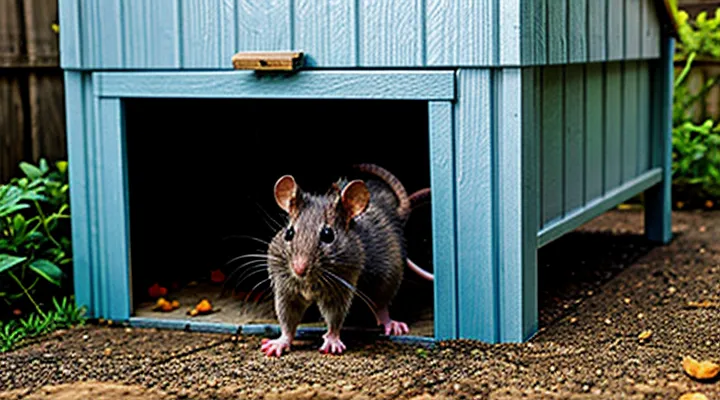
Understanding the Pest Problem
Identifying Rodent Presence
«Signs of Infestation»
Detecting a rodent problem early prevents damage to stored tools and supplies. In a shed, evidence of rats or mice appears in distinct patterns that require no interpretation.
- Droppings: small, dark pellets scattered near food, insulation, or corners; fresh droppings are glossy, older ones are dry and crumbly.
- Gnaw marks: parallel grooves on wood, plastic, or wiring, typically ¼‑inch wide; fresh cuts show bright, clean edges.
- Nest material: shredded paper, fabric, or insulation gathered in hidden spots such as under rafters or inside boxes.
- Odor: a sharp, ammonia‑like scent intensifies as the population grows.
- Tracks: footprints or tail marks in dusty areas, often visible on floorboards or on stored items.
- Damage to stored goods: chewed bags, shredded seeds, or perforated packaging indicate active feeding.
Additional indicators include squeaking sounds at night, especially within wall cavities, and the presence of urine stains, which appear as yellowish spots that darken over time. Observing any combination of these signs confirms an infestation and signals the need for immediate mitigation measures.
«Types of Rodents: Rats vs. Mice»
Rats and mice differ in size, behavior, and the damage they cause, which influences the choice of control measures for a garden shed. An adult Norway rat typically measures 20–25 cm in body length, weighs up to 500 g, and prefers ground-level burrows, sewers, and dense vegetation. House mice are considerably smaller, 7–10 cm long, 15–30 g, and excel at climbing, often exploiting rafters, stored boxes, and wiring. These physical distinctions affect how each species accesses food and shelter within the structure.
Reproduction rates also diverge. A single rat can produce up to 12 litters per year, each containing 6–12 pups, leading to rapid population growth if food sources remain available. Mice generate up to 10 litters annually, with 5–8 offspring per litter, resulting in similarly swift expansion. Both species leave characteristic signs: rats produce large, blunt droppings (1 cm), gnawed wood, and extensive runways; mice leave tiny, pointed droppings (3 mm), fine chew marks, and delicate pathways along edges.
Key differences relevant to mitigation:
- Size of droppings: rat droppings are visible to the naked eye; mouse droppings require closer inspection.
- Preferred pathways: rats use ground-level tunnels; mice favor elevated routes and wall cavities.
- Chewing strength: rats can damage thicker timber and plastic; mice typically affect softer materials and insulation.
- Bait susceptibility: rats tolerate larger bait stations; mice often require smaller, concealed bait placements.
Understanding these distinctions allows targeted actions such as sealing ground openings for rats, installing wire mesh on vents, and applying mouse‑specific traps in ceiling voids. Selecting appropriate devices and placement based on species behavior maximizes the effectiveness of rodent control within a shed environment.
«Assessing the Shed's Vulnerability»
«Entry Points and Weaknesses»
Rats and mice infiltrate sheds through any opening larger than a quarter‑inch. Identifying these breaches is the first step in any control program.
Common entry points include:
- Gaps beneath doors and sliding panels
- Cracks around window frames or siding
- Unsealed vents, eaves, and roof soffits
- Openings around utility conduits, pipe sleeves, and wiring chases
- Damaged or missing foundation blocks and perimeter fence gaps
- Loose or torn roofing material exposing the interior
Structural weaknesses that facilitate infestation are:
- Accumulated debris and stored materials that provide shelter
- Improperly stored feed, grain, or pet food that attracts rodents
- Persistent moisture from leaks, condensation, or poor drainage, creating ideal nesting conditions
- Inadequate lighting that allows rodents to move unseen
- Absence of predator‑proof barriers such as metal flashing or hardware cloth
Addressing each opening with steel wool, caulk, or hardware cloth, and repairing damaged sections of the shed eliminates the pathways rodents use. Removing food sources, reducing clutter, and correcting moisture problems further diminish the environment’s suitability for rats and mice. Implementing these measures creates a robust barrier that significantly lowers the risk of re‑infestation.
«Food and Water Sources»
Rats and mice survive by locating accessible food and water within a shed. Identifying and removing these resources is essential for any rodent‑control program.
- Stored grain, pet food, and feed bags left open provide high‑calorie nutrition.
- Fresh produce, fruit scraps, and spilled grain attract foraging rodents.
- Birdseed, nuts, and dried herbs stored in unsealed containers serve as convenient meals.
- Leaking pipes, condensation on metal surfaces, and standing water in buckets create hydration points.
- Damp wood piles, wet insulation, and soggy floorboards retain moisture that rodents can drink.
Eliminating these attractants requires systematic actions:
- Store all dry commodities in metal or heavy‑wall containers with tight‑fitting lids.
- Position feed bins on raised platforms, away from walls, and inspect seals weekly.
- Clean spills immediately; sweep floors and remove debris after each use.
- Install drip‑free plumbing fixtures; repair leaks at the source, not merely the symptom.
- Empty water containers nightly; use sealed troughs for livestock watering.
- Reduce humidity by ventilating the shed and employing dehumidifiers where needed.
- Rotate stock regularly to prevent spoilage that draws rodents.
By denying rodents consistent nutrition and hydration, the shelter becomes inhospitable, markedly lowering infestation risk.
«Preventive Measures»
«Exclusion Techniques»
«Sealing Gaps and Holes»
Sealing gaps and holes is a fundamental step in preventing rodent intrusion in a shed. Rodents exploit any opening larger than a quarter‑inch; eliminating these pathways removes the primary means of entry.
- Inspect walls, floor joists, and the roof for cracks, gaps around pipes, vents, and wiring conduits.
- Use steel wool or copper mesh to fill small openings before applying sealant; rodents can gnaw through softer materials.
- Apply a high‑quality, rodent‑resistant caulk or expanding polyurethane foam to larger gaps. Ensure the product remains flexible to accommodate building movement.
- Install metal flashing or hardware cloth (minimum ¼‑inch mesh) over ventilation openings, door sweeps, and window frames. Secure fasteners with stainless‑steel screws to resist corrosion.
- Seal the perimeter where the shed contacts the ground with concrete or a waterproof sealant, and install a concrete or metal baseboard to block burrowing.
After sealing, re‑evaluate the structure monthly, especially after severe weather, to detect new cracks. Maintaining an airtight envelope significantly reduces the likelihood of rat and mouse activity, supporting long‑term pest management in the shed.
«Reinforcing Doors and Windows»
Reinforcing doors and windows blocks entry points that rodents exploit in a shed. Solid core doors, metal or reinforced wood, resist gnawing. Install a tight-fitting sweep at the bottom of each door; the sweep should extend at least ¾ inch beyond the threshold to eliminate gaps.
Secure windows with hardware cloth or stainless‑steel mesh of no larger than ¼ inch. Attach the mesh to the frame with corrosion‑resistant screws, ensuring it overlaps the opening by at least 2 inches on all sides. Apply silicone‑based sealant around the perimeter of the mesh and any surrounding trim to fill micro‑cracks.
Key actions for effective reinforcement:
- Replace hollow‑core doors with solid or metal alternatives.
- Fit door sweeps and check for wear quarterly.
- Fit window openings with fine‑mesh hardware cloth, fastening securely.
- Seal all joints, seams, and mesh borders with durable, rodent‑proof caulk.
- Inspect the entire enclosure monthly for new gaps or damage and repair immediately.
These measures create a continuous barrier, preventing rats and mice from accessing the interior of the shed.
«Mesh and Barriers»
Effective rodent control in a shed relies heavily on physical exclusion. Mesh and barriers prevent entry by sealing gaps, covering openings, and creating a continuous surface that rats and mice cannot penetrate.
- Use stainless‑steel hardware cloth with a ¼‑inch (6 mm) mesh for doors, windows, and vents. The metal resists gnawing and corrosion.
- Install rigid polycarbonate panels over ventilation shafts. Panels should overlap at seams and be secured with stainless‑steel screws.
- Fit tight‑fitting door sweeps on all exterior doors. The sweep must rest flush against the floor to block the smallest entry points.
- Seal cracks around foundation walls with expanding polyurethane foam, then cover the foam with a ½‑inch metal flashing to deter chewing.
- Wrap utility conduit and pipe penetrations with galvanized steel mesh, securing the ends with metal clamps.
Installation guidelines:
- Inspect the entire shed envelope for gaps larger than ½ inch. Mark each opening.
- Clean surfaces to remove dust and debris; adhesive performance declines on contaminated substrates.
- Cut mesh to size, allowing a 1‑inch overlap at all joints. Overlap prevents rodents from slipping through seams.
- Fasten mesh with corrosion‑resistant staples or screws spaced no more than 2 inches (5 cm) apart. Tight fastening eliminates loose sections that could be exploited.
- Apply a silicone-based sealant along the outer edges of the mesh to create a waterproof barrier and additional resistance to gnawing.
Regular inspection, at least quarterly, confirms the integrity of the exclusion system. Replace any damaged sections promptly to maintain a continuous defense against infestation.
«Sanitation and Storage»
«Eliminating Food Sources»
Eliminating food sources is a fundamental component of any rodent‑control program for a garden shed. Rats and mice are attracted by easily accessible crumbs, pet feed, and improperly stored grains; removing these incentives reduces the likelihood of infestation.
Begin by conducting a thorough inventory of all items that could serve as nourishment. Separate consumables from non‑food materials, discard expired products, and place any remaining food in containers that provide a tight seal. Metal or heavy‑wall plastic bins with latch closures prevent rodents from gnawing through.
Implement the following storage measures:
- Use airtight containers with gasketed lids for cereals, seeds, and dried beans.
- Keep pet food in sealed dispensers; feed only the amount required for each feeding.
- Store harvested produce in a cool, dry area away from the shed floor; avoid leaving cut vegetables on work surfaces.
- Relocate sugary or oily waste to an external, rodent‑proof dumpster with a secure lid.
Maintain a strict cleaning schedule. Sweep the floor after each use, vacuum corners where debris accumulates, and wipe down surfaces with a mild detergent. Regularly inspect the interior for spilled grains or hidden caches, and address any signs of gnawing immediately.
By systematically denying rodents access to sustenance, the shelter becomes an inhospitable environment, greatly decreasing the probability of a persistent rat or mouse problem.
«Proper Waste Management»
Proper waste management is essential for preventing rats and mice from colonizing a shed. Food residues, organic debris, and discarded packaging provide a reliable food source, encouraging rodents to establish nests and reproduce. By eliminating these attractants, the environment becomes unsuitable for infestation.
Implement the following practices:
- Store all feed, pet food, and compostable material in sealed, rodent‑proof containers made of metal or heavy‑wall plastic.
- Remove waste daily; place refuse in a sturdy bin with a tight‑fitting lid and locate the bin at least three meters from the shed structure.
- Clean spills immediately using a detergent solution; avoid leaving crumbs or liquid residues on floors, shelves, or work surfaces.
- Conduct a weekly inspection of the shed’s interior and perimeter for discarded packaging, fallen leaves, or other organic matter; dispose of any findings in the secured waste container.
- Periodically sanitize waste containers with a bleach solution to deter scent marking and discourage rodent entry.
Consistent execution of these measures reduces food availability, limits shelter options, and directly supports broader rodent control efforts in the shed.
«Organizing and Decluttering»
Organizing a shed removes shelter and food sources that attract rodents, thereby strengthening any pest‑control program. Storing items on shelves rather than on the floor creates clear pathways, preventing rats and mice from nesting among boxes, tools, or garden waste. Elevated storage also facilitates inspection, allowing early detection of gnaw marks or droppings.
Decluttering eliminates clutter that provides hiding places. Removing broken equipment, piled‑up pallets, and unused containers reduces the number of potential burrows. Regularly discarding damaged or infested material stops the spread of parasites and prevents rodents from establishing permanent colonies.
A systematic approach improves the effectiveness of traps and bait stations. By keeping the floor clear, traps can be placed directly on travel routes, increasing catch rates. Bait stations positioned on stable surfaces remain inaccessible to non‑target animals and are less likely to be knocked over.
Practical steps for a rodent‑resistant shed:
- Sort all items, keep only essential tools and supplies.
- Place retained objects on sturdy racks, leaving at least 12 inches of clearance between items.
- Install wall‑mounted hooks for hanging hoses, cords, and lightweight equipment.
- Remove all debris, including leftover plant material, cardboard, and shredded paper.
- Seal cracks, gaps, and holes in walls, doors, and the roof to block entry points.
Consistent maintenance—re‑organizing after each seasonal use and conducting quarterly clean‑outs—prevents re‑accumulation of clutter and sustains a hostile environment for rats and mice. This disciplined routine complements chemical and mechanical control measures, delivering a comprehensive solution for rodent management in a shed.
«Environmental Modifications»
«Clearing Vegetation»
Clearing vegetation around a shed reduces shelter and food sources for rodents, directly limiting their ability to establish colonies. Dense weeds, tall grasses, and overgrown shrubs create pathways and nesting sites that rats and mice exploit. Removing these plants forces the pests to seek alternative habitats, often away from the structure.
Effective vegetation management includes:
- Trimming grass to a maximum height of 2–3 inches and maintaining a clear perimeter of at least 3 feet around the shed.
- Cutting back shrubs and removing any low‑lying branches that touch the building.
- Eliminating piles of leaves, mulch, or compost that are in direct contact with the ground.
- Disposing of woody debris, old logs, and standing water that can attract insects, which in turn feed rodents.
- Applying a thin layer of mulch or gravel only beyond the cleared zone to discourage re‑growth while allowing drainage.
Regular inspection, at least monthly during the growing season, ensures that regrowth is promptly addressed. Combining vegetation clearance with sealing entry points and proper food storage creates a comprehensive strategy that significantly lowers rodent activity in and around the shed.
«Removing Debris»
Removing debris eliminates shelter and food sources that attract rats and mice to a shed. Accumulated wood chips, broken pallets, and leftover packaging create hiding places and nesting material, which significantly increase rodent activity.
Effective debris removal follows a systematic approach:
- Clear all loose material from the floor, corners, and walls. Use a sturdy broom or a leaf blower to dislodge dust, sawdust, and shavings.
- Collect and dispose of waste in sealed containers. Heavy‑duty trash bags or metal bins with tight‑fitting lids prevent rodents from accessing the contents.
- Inspect structural components for damaged boards, splintered panels, or loose nails. Replace or repair compromised sections to eliminate entry points.
- Sweep the exterior perimeter. Remove leaves, grass clippings, and fallen branches that could serve as cover for approaching rodents.
- Perform the cleaning routine at least once a month, or more frequently during peak rodent seasons, to maintain an inhospitable environment.
Consistent debris management reduces the likelihood of infestations and complements other control measures such as trapping and sealing gaps. By keeping the shed free of clutter, owners create a hostile habitat that discourages rodents from establishing a presence.
«Active Control Methods»
«Trapping Strategies»
«Snap Traps»
Snap traps are mechanical devices that kill rodents instantly by applying a rapid, high‑force strike to the neck or spine. The trigger mechanism releases a spring‑loaded bar when the animal bites a baited plate, delivering sufficient pressure to cause immediate fatal injury. Construction typically involves a wooden or plastic base, a steel spring, and a metal bar, allowing reuse after each catch.
Effective deployment in a shed requires strategic placement. Position traps along walls, behind stored items, and near known runways where rodents travel. Avoid locations with high human traffic to reduce accidental activation. Use a bait that appeals to both rats and mice, such as peanut butter, dried fruit, or a small piece of meat, applied sparingly to the trigger plate.
Key considerations for safe and reliable operation include:
- Inspect traps before each use for damage or rust that could impair spring tension.
- Set traps with the trigger plate facing outward, ensuring the bar closes toward the baited side.
- Wear gloves when handling activated traps to prevent disease transmission.
- Dispose of captured rodents in sealed bags and remove them from the premises promptly.
Regular monitoring enhances control. Check traps daily, reset any that have not triggered, and replace worn springs or broken components. Combining snap traps with sanitation measures—sealing food sources, removing clutter, and sealing entry points—optimizes rodent suppression in the storage environment.
«Live Traps»
Live traps provide a humane option for reducing rodent populations in a garden shed. They capture rats and mice without killing them, allowing owners to release the animals far from the property.
Effective use of live traps requires careful selection, placement, and maintenance. Choose traps sized for the target species: larger cages for rats, smaller ones for mice. Ensure the device has a secure door mechanism that closes automatically when the animal enters.
Bait selection influences capture rates. Use high‑protein foods such as peanut butter, dried fruit, or small pieces of meat. Apply a modest amount to the trigger area to encourage entry without causing spillage.
Placement determines success. Position traps along walls, near known runways, and close to food storage. Avoid open floor areas where rodents can bypass the device. Keep traps out of reach of children and pets.
Regular monitoring prevents stress and injury. Check traps at least twice daily; remove captured rodents promptly and release them at least 2 miles from the shed, following local wildlife regulations. Clean traps with mild detergent after each use to eliminate scent trails that may deter further captures.
Maintenance practices extend trap lifespan. Inspect hinges and doors for wear, replace damaged parts, and store traps in a dry location when not in use. Rotate bait types periodically to maintain attraction.
Live traps, when integrated with sanitation, proper food storage, and structural repairs, form a reliable component of rodent management in a shed environment.
«Placement and Baiting»
Effective placement and baiting are central to any rodent‑control program in a garden shed. Correct positioning maximizes exposure to the target species while minimizing risk to non‑target animals and humans. Proper bait selection ensures rapid consumption and lethal dose delivery.
- Position stations along established travel routes: walls, corners, and beneath shelving where rats and mice habitually move.
- Keep stations at least 12 inches from stored feed, cleaning supplies, and pet food to prevent accidental ingestion.
- Install stations at a height of 3–4 feet above the floor; this range matches the typical foraging height of both rats and mice.
- Use tamper‑resistant containers to reduce interference by children or pets.
Select baits that match the species’ preferences and resistance patterns:
- Anticoagulant blocks (e.g., brodifacoum, bromadiolone) for long‑term control; ensure dosage complies with local regulations.
- Non‑anticoagulant options such as zinc phosphide for rapid action; handle with gloves and store in sealed containers.
- Rotate active ingredients every 30–45 days to prevent bait shyness and resistance development.
Maintain the baiting system through regular monitoring:
- Inspect stations weekly for consumption, damage, or non‑target exposure.
- Replace depleted baits promptly; refill only enough to sustain a continuous feeding cycle.
- Record observations: date, location, bait type, and level of activity to adjust placement strategy over time.
- Dispose of spent baits according to hazardous‑waste guidelines; never discard in ordinary trash.
By adhering to precise placement, appropriate bait choice, and disciplined upkeep, a shed can be rendered inhospitable to rats and mice, reducing infestation risk without compromising safety.
«Baits and Rodenticides»
«Types of Rodenticides»
Rodenticides provide a chemical component of the overall strategy for eliminating rats and mice from a shed. They are formulated to attract rodents, deliver a lethal dose, and reduce the likelihood of repopulation.
- Anticoagulants – interfere with blood clotting; first‑generation compounds (warfarin, chlorophacinone) require multiple feedings, while second‑generation agents (bromadiolone, difenacoum) act after a single dose and have higher potency.
- Bromethalin – disrupts cellular energy production, causing rapid neurological failure after ingestion.
- Zinc phosphide – releases phosphine gas in the stomach, leading to acute respiratory toxicity.
- Cholecalciferol (vitamin D3) – induces hypercalcemia, resulting in organ failure after a single feeding.
- Strychnine – acts on the central nervous system, producing swift convulsions; usage is restricted in many jurisdictions due to high toxicity to non‑target species.
Effective deployment requires sealed bait stations to prevent access by children, pets, and wildlife. Users must wear protective gloves, follow label directions, and comply with local pesticide regulations. Monitoring bait consumption and confirming rodent mortality are essential steps to evaluate efficacy.
Integrating rodenticides with sanitation, structural repairs, and trapping enhances long‑term suppression and minimizes the risk of resistance development.
«Safety Precautions»
When implementing rodent control in a shed, protective measures must precede any extermination technique. Personal protective equipment (PPE) shields against disease transmission and chemical exposure. Wear disposable gloves, safety goggles, and a mask rated for particulate matter. If using aerosol sprays or powders, add a respirator with a NIOSH‑approved filter.
Secure ventilation before applying toxic baits or fumigants. Open doors and windows, then shut them after the exposure period to prevent contaminating adjacent areas. Keep children, pets, and non‑target wildlife out of the shed throughout treatment and for the recommended clearance time indicated on product labels.
Store all chemicals in locked, clearly labeled containers away from food, feed, and water sources. Separate rodent carcasses from consumables; dispose of them in sealed bags and follow local hazardous waste regulations.
Before entering the shed, conduct a visual inspection for nests, droppings, and urine stains. Clean affected surfaces with a disinfectant approved for zoonotic pathogens. Use a dedicated cleaning kit that will not be reused for food preparation.
Document each step: date, product name, concentration, PPE used, and any incidents. Retain records for at least six months to facilitate audits and future risk assessments.
«Placement and Monitoring»
Effective rodent control in a shed relies on strategic positioning of devices and systematic observation of activity. Proper placement maximizes contact with rats and mice while minimizing interference with storage and work areas.
- Install snap traps along walls, behind pallets, and near known runways; rodents prefer concealed routes adjacent to surfaces.
- Position bait stations at the base of shelving units, under insulation, and in corners where droppings are visible.
- Mount electronic deterrents on ceiling joists facing entry points; ensure cables are secured to prevent accidental damage.
- Keep traps and bait at least 12 inches from food containers to avoid contamination while remaining accessible to pests.
Monitoring requires regular checks to confirm device performance and detect new infestations.
- Inspect each trap or station daily for captures, bait depletion, or damage; record findings in a simple log.
- Use non‑toxic tracking powder on suspected pathways; examine footprints weekly to identify high‑traffic zones.
- Replace expired bait and reposition ineffective devices based on observed activity patterns.
- Conduct a monthly visual sweep of the entire structure, noting signs such as gnaw marks, nests, or droppings; adjust placement accordingly.
Consistent documentation and timely adjustments maintain pressure on the rodent population, preventing resurgence and protecting stored materials.
«Natural and Repellent Methods»
«Essential Oils»
Essential oils provide a natural deterrent for rodents that inhabit garden sheds. Their strong volatile compounds interfere with the sensory receptors of rats and mice, prompting avoidance of treated areas.
- Peppermint oil: high menthol content creates an odor rats find repulsive; effective for short‑term exclusion.
- Eucalyptus oil: contains eucalyptol, which irritates rodent nasal passages; suitable for larger spaces.
- Clove oil: rich in eugenol, a known insect and rodent repellent; works well when applied near entry points.
- Citronella oil: emits a citrus scent that masks food odors; useful in corners and shelving.
- Lavender oil: pleasant to humans, unpleasant to rodents; best for confined zones.
Application methods:
- Saturate cotton balls with a few drops of oil and place them in corners, under beams, and near known travel routes.
- Mix oil with water (1 ml oil per 250 ml water) and spray on surfaces, storage boxes, and ventilation grills.
- Fill small fabric sachets with oil‑infused material and hang them from hooks or store them in drawers.
- Operate an ultrasonic diffuser that releases a fine mist of oil vapor throughout the shed.
Safety guidelines:
- Keep concentrations below 5 % to avoid skin irritation for humans and toxicity for pets.
- Ensure adequate ventilation; seal the shed after treatment to maintain potency without excessive buildup.
- Replace or re‑saturate treated items every 2–3 weeks, as oil potency diminishes with exposure.
Combine essential‑oil tactics with structural measures—seal cracks, eliminate food scraps, and position snap traps—to achieve comprehensive rodent management in a shed environment.
«Ultrasonic Devices»
Ultrasonic devices emit sound waves above the human hearing threshold, typically 20 kHz to 65 kHz, targeting the auditory range of rats and mice. The high‑frequency pulses cause discomfort, prompting rodents to vacate the area.
Key specifications often include:
- Frequency range: 20 kHz–65 kHz
- Coverage radius: 30–45 ft (adjustable models)
- Power source: AC adapter or rechargeable battery
- Timer function: 2‑hour to 24‑hour cycles
- Housing: weather‑resistant enclosure for damp shed environments
Effectiveness depends on several factors. Studies show immediate avoidance behavior in rodents exposed to continuous ultrasonic output, but repeated exposure can lead to habituation. Solid walls, metal shelving, and insulation dampen the signal, reducing the treated volume. Proper placement maximizes reach and minimizes dead zones.
Installation recommendations:
- Mount units on the ceiling or high on walls, facing open space.
- Space devices evenly; for sheds larger than 100 sq ft, use two or more units.
- Keep devices at least 6 in away from metal surfaces and wiring that may reflect sound.
- Ensure unobstructed line of sight to all corners; avoid placement behind stored items.
Maintenance tasks are straightforward. Replace batteries or verify power connections monthly. Wipe exterior surfaces with a dry cloth to prevent dust accumulation that could interfere with transducers. Inspect for cracks or water ingress after heavy rain.
Safety considerations address non‑target species. Humans cannot perceive the frequencies; most domestic pets (dogs, cats) hear the lower end of the spectrum, so select models with adjustable frequency settings to reduce potential irritation. Do not install devices near livestock pens or bird coops.
When compared with mechanical traps, bait stations, or structural sealing, ultrasonic devices offer silent, chemical‑free deterrence but lack the ability to eliminate established populations. Combining sound emitters with exclusion techniques—closing gaps, trimming vegetation, and using snap traps—produces the most reliable control outcome in a garden shed.
«Predators and Scents»
Predatory animals provide a biological approach to reducing rodent activity in a shed. Owls, hawks, and barn cats hunt rats and mice opportunistically, creating immediate pressure on populations. Ferrets, when trained, can chase rodents out of confined spaces, while snakes such as gopher or king snakes prey on small mammals and can be housed safely in metal enclosures.
- Barn cat (domestic or feral) – nocturnal hunter, minimal maintenance.
- Barn owl – requires nesting box, effective night predator.
- Red‑tailed hawk – large raptor, can be attracted with perches.
- Ferret – active during daylight, suitable for short‑term control.
- Gopher or king snake – non‑venomous, can be released in controlled areas.
Scent deterrents exploit rodents’ acute sense of smell. Natural compounds such as peppermint oil, eucalyptus, and clove oil create an environment rodents avoid. Synthetic rodent‑repellent granules contain predator urine or ferret scent, dispersing a strong odor that discourages entry. Application methods include soaked cloths, spray bottles, or slow‑release sachets placed in corners, entry points, and along shelving.
- Peppermint oil – 10 ml diluted in 1 L water, sprayed weekly.
- Eucalyptus oil – applied to cotton pads, refreshed bi‑weekly.
- Clove oil – mixed with carrier oil, applied to wood surfaces.
- Predator‑urine granules – spread thinly on floor, replace monthly.
- Ferret‑scent sachets – hang from rafters, replace every six weeks.
Combining live predators with scent barriers maximizes effectiveness. Position a barn cat’s feeding station near scent‑treated zones to reinforce territorial signals. Rotate oils to prevent habituation, and monitor rodent sightings to adjust placement. Regular cleaning removes food residues that could mask deterrent odors, ensuring the shed remains hostile to rats and mice.
«Post-Control and Maintenance»
«Cleaning and Disinfection»
«Removing Carcasses and Droppings»
Effective rat and mouse control in a shed begins with the prompt removal of dead animals and their droppings. Left unattended, carcasses attract scavengers, release pathogens, and provide a food source that sustains infestations.
- Wear disposable gloves, a mask, and eye protection before handling any material.
- Place carcasses in sealed plastic bags; double‑bag for added containment.
- Seal bags with strong tape and label them as hazardous waste.
- Contact local animal control or a licensed disposal service for proper removal; follow municipal regulations.
- Collect droppings with a damp paper towel or disposable cloth; avoid dry sweeping, which aerosolizes particles.
- Transfer droppings into a sealed bag, then dispose of it with the carcasses.
- Clean the affected area with a detergent solution; scrub surfaces until no residue remains.
- Apply a rodent‑approved disinfectant (e.g., a quaternary ammonium compound) according to manufacturer instructions; allow the recommended contact time.
- Allow the area to dry completely before restoring stored items.
Completing these steps eliminates nutritional incentives, reduces disease risk, and enhances the efficacy of subsequent exclusion and baiting measures. Regular inspection and immediate disposal of any new carcasses maintain a hostile environment for rodents.
«Sanitizing Contaminated Areas»
Sanitizing areas contaminated by rodents is a critical component of any rodent‑control program in a shed. Proper decontamination eliminates disease‑bearing pathogens, reduces attractants, and prevents reinfestation.
Effective sanitation proceeds as follows:
- Identify contaminated zones – locate droppings, urine stains, gnaw marks, and nesting material. Mark these zones for treatment.
- Ventilate the space – open doors and windows, use fans to circulate fresh air for at least 15 minutes before applying chemicals.
- Wear protective gear – gloves, goggles, N‑95 or higher respirator, and disposable coveralls prevent exposure to hazardous microbes.
- Remove debris – sweep or vacuum loose droppings and nesting material into sealed bags. Dispose of bags in a locked, outdoor trash container.
- Apply an appropriate disinfectant – use a 10 % bleach solution, hydrogen peroxide (3 %), or a commercial rodent‑specific sanitizer. Saturate surfaces, ensuring contact time of 10–15 minutes as specified by the product label.
- Rinse and dry – after the contact period, rinse surfaces with clean water if required, then allow to dry completely. Moisture encourages rodent activity; use dehumidifiers if necessary.
- Seal entry points – once the area is clean, repair holes, gaps, and cracks that rodents could exploit.
Documentation of each step, including dates, products used, and personnel involved, supports accountability and facilitates future inspections. Regular repetition of this protocol, especially after any rodent sighting, maintains a hygienic environment and reinforces the overall pest‑management strategy.
«Ongoing Monitoring»
«Regular Inspections»
Regular inspections are a cornerstone of any effective rodent control program for a garden shed. Consistent visual checks allow early detection of activity before populations become established, reducing the need for extensive eradication measures.
During each inspection, follow a systematic routine:
- Examine the interior for droppings, gnaw marks, and urine stains on surfaces, shelves, and stored items.
- Inspect the exterior for burrow entrances, chew damage to wood, and signs of nesting material near vents, eaves, and door frames.
- Verify that all entry points—gaps around pipes, cracks in the foundation, and gaps under doors—remain sealed. Use steel wool, caulk, or hardware cloth as appropriate.
- Test traps and bait stations for placement, functionality, and signs of tampering. Replace depleted baits and reposition malfunctioning devices.
- Record findings in a log, noting date, location of evidence, and corrective actions taken. This documentation supports trend analysis and informs future preventive measures.
A weekly schedule provides sufficient frequency for most climates; increase to bi‑weekly during peak breeding seasons (spring and autumn). Prompt remediation of identified issues—repairing structural damage, tightening door sweeps, and clearing debris—prevents rodents from gaining a foothold. By maintaining disciplined, thorough inspections, shed owners can sustain a low‑risk environment and limit reliance on reactive control tactics.
«Maintaining Exclusion Measures»
Effective rodent exclusion in a garden shed relies on sealing every potential entry point and maintaining those barriers over time. Identify all openings larger than one‑quarter inch, including gaps around doors, windows, vents, utility lines, and roof eaves. Install durable materials such as steel mesh, metal flashing, or silicone-based sealants to block access. Replace deteriorated wood or cracked siding promptly, as even minor damage can permit ingress.
- Fit door sweeps to the bottom of all entry doors.
- Cover vent openings with hardware cloth of ¼‑inch mesh.
- Seal cracks around pipe penetrations with expanding foam or cement.
- Install metal flashing over roof seams and ridge caps.
- Use weather‑stripping on windows and removable panels.
Schedule regular inspections at least quarterly. During each check, verify the integrity of seals, confirm that mesh remains intact, and repair any wear caused by weather or animal activity. Document findings and actions in a maintenance log to track trends and prioritize repairs. Promptly address new gaps discovered after severe weather or structural adjustments.
Consistent monitoring and swift remediation prevent rodents from establishing footholds, reducing reliance on traps or poisons and extending the lifespan of stored equipment. By adhering to a disciplined exclusion regimen, a shed remains a secure, rodent‑free environment.
«When to Seek Professional Help»
Professional intervention becomes necessary when self‑managed measures fail to reduce rodent activity or when the infestation poses health, safety, or structural risks. Indicators that exceed the limits of DIY approaches include:
- Continuous sightings of rats or mice despite traps, bait stations, or exclusion efforts.
- Evidence of gnaw damage to wiring, insulation, or load‑bearing components.
- Accumulation of droppings, urine stains, or strong odors in confined areas.
- Signs of disease vectors, such as fleas or mites, linked to rodent presence.
- Legal or insurance requirements mandating certified pest control for commercial or rental properties.
Additionally, seek expert assistance if the shed houses vulnerable items—food supplies, livestock feed, or equipment sensitive to contamination. Professionals can perform comprehensive inspections, identify hidden entry points, and apply calibrated baiting or fumigation methods that comply with regulatory standards. Prompt engagement prevents escalation, reduces remediation costs, and safeguards the integrity of the structure and surrounding environment.