
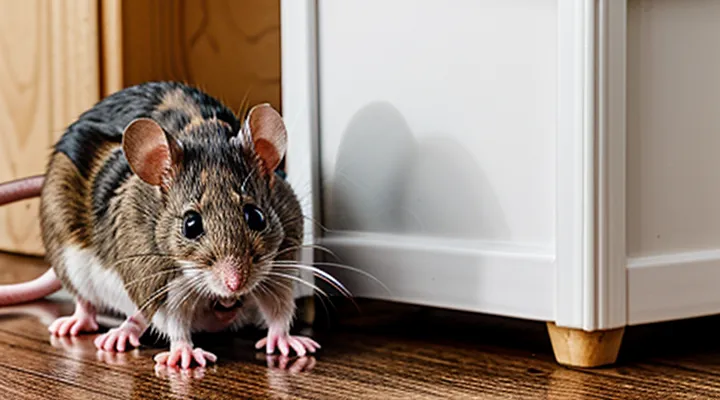
Understanding the Mouse Problem in Cottage Houses
Identifying Signs of Mice
Droppings and Urine Stains
Droppings and urine stains are the most visible signs of a rodent presence in a cottage. They indicate active foraging, breeding, and potential health hazards. Prompt identification and thorough removal are essential to prevent disease transmission and deter further infestation.
Identification
- Small, dark, pellet‑shaped feces, typically 1‑2 mm long, found along walls, under furniture, or near food sources.
- Yellowish to reddish‑brown stains on wood, fabric, or flooring; may have a strong, ammonia‑like odor.
Health risks
- Pathogens such as Hantavirus, Salmonella, and Leptospira can survive in droppings for weeks.
- Inhalation of dried particles or direct contact with contaminated surfaces may cause respiratory or gastrointestinal illness.
Cleaning protocol
- Wear disposable gloves, a N‑95 respirator, and eye protection.
- Ventilate the area by opening windows and using fans to direct airflow outward.
- Moisten droppings and stains with a disinfectant solution (e.g., 10 % bleach, 1 % hydrogen peroxide) for at least 5 minutes to reduce aerosolization.
- Scoop solid droppings into a sealed plastic bag; wipe stains with the same disinfectant, allowing the liquid to remain on the surface for the recommended contact time.
- Rinse the area with clean water, then dry thoroughly.
- Dispose of all contaminated materials in a double‑bagged, sealed container; treat as hazardous waste according to local regulations.
Prevention
- Seal gaps around doors, windows, and utility penetrations to block entry.
- Store food in airtight containers and eliminate standing water.
- Regularly inspect hidden locations—attics, crawl spaces, and under cabinets—for fresh droppings or stains, and clean immediately if found.
Effective management of droppings and urine stains reduces health risks and removes attractants that encourage mice to remain in a cottage environment.
Gnaw Marks
Gnaw marks are the most reliable indicator that mice have accessed a cottage’s interior. They appear on wood, plastic, and insulation, showing the characteristic V‑shaped bite pattern with sharp, clean edges. Identifying the location and extent of these marks reveals the entry points and preferred pathways, allowing targeted sealing and trapping efforts.
- Inspect baseboards, door frames, and window sills for fresh gnawing.
- Examine pantry shelves, wiring conduits, and attic beams for repeated bite marks.
- Trace each mark back to its source; gaps as small as ¼ inch can accommodate a mouse.
- Apply steel wool, copper mesh, or expanding foam to seal confirmed openings.
- Position snap traps or live‑catch traps immediately downstream of the identified routes.
Monitoring gnaw marks after repairs confirms the effectiveness of the intervention. Persistent marks indicate unfinished sealing or new entry points, prompting a repeat of the inspection and closure cycle.
Scratching and Squeaking Noises
Scratching and squeaking noises often signal active rodent presence in a cottage. These sounds originate from mice moving through walls, attic insulation, or floor cavities, and they provide a reliable indicator of infestation hotspots. Recognizing the pattern—intermittent high‑pitched squeaks followed by repetitive scratching—helps pinpoint entry points and nesting sites.
When noises are detected, follow a systematic response:
- Locate the source by listening from multiple positions; the loudest area usually marks the nearest activity zone.
- Inspect adjacent structural gaps, such as cracks around windows, gaps under doors, and openings at utility penetrations.
- Seal identified openings with steel wool, caulk, or hardware cloth to prevent further ingress.
- Install snap traps or electronic devices directly behind the noise source; placement within 12–18 inches of the wall maximizes capture rates.
- Deploy ultrasonic deterrents sparingly; mice may habituate if devices run continuously.
Regular monitoring of auditory cues after intervention confirms effectiveness. A decrease in scratching and squeaking within 48 hours typically indicates successful reduction, while persistent sounds suggest additional concealment areas requiring further inspection.
Nests and Entry Points
Identifying mouse nests and entry points is essential for any effective rodent control plan in a cottage. Nests are typically found in concealed areas where food, warmth, and shelter converge. Common locations include:
- Behind stored firewood or lumber piles
- Inside wall cavities, especially near insulation
- Under kitchen cabinets and pantry shelves
- Within attic insulation or roof beams
- Beneath floorboards and in basement corners
Inspect each suspected site for shredded material, droppings, and gnaw marks. A small amount of nesting material often signals a larger infestation.
Entry points are usually gaps no larger than ¼ inch. Typical openings include:
- Gaps around utility pipes and cables
- Cracks in foundation walls and foundation footings
- Unsealed door sweeps and window frames
- Openings around vent pipes, chimney flues, and exhaust fans
- Spaces beneath siding, roofing, and eaves
Seal all identified openings with steel wool, copper mesh, or appropriate caulking before applying any bait or trap. For larger gaps, install hardware cloth or metal flashing to prevent re‑entry. After sealing, remove any existing nests by vacuuming debris and disposing of it in sealed containers. Follow up with monitoring devices to confirm that no new activity occurs. Continuous inspection of nests and entry points ensures long‑term success in keeping the cottage free of mice.
Reasons for Mouse Infestations
Food Sources
Food availability drives mouse presence in a cottage. When edible material is accessible, rodents establish foraging routes, reproduce, and resist control measures.
Typical attractants include:
- Unsealed pantry items such as grains, cereals, and dried fruit
- Pet food left uncovered overnight
- Crumbs and spills on countertops, floors, and appliances
- Open garbage containers or compost bins
- Birdseed stored in the shed or kitchen cabinets
Eliminate these sources by:
- Storing dry goods in airtight, metal or heavy‑plastic containers with sealed lids.
- Feeding pets from dishes that can be locked or removed after each meal; cleaning dishes immediately.
- Wiping surfaces after cooking, sweeping floors daily, and vacuuming corners where debris accumulates.
- Using garbage cans with tight‑fitting lids; disposing of waste regularly and keeping outdoor bins away from the house.
- Relocating bird feeders to a distance that prevents seeds from falling inside the structure; sealing seed bags in waterproof containers.
Removing food incentives reduces rodent attraction, making traps, baits, and exclusion devices more effective. Consistent sanitation creates an environment where mice cannot sustain a population, thereby supporting any removal strategy implemented in the cottage.
Shelter and Warmth
Providing adequate shelter and warmth for occupants while preventing rodents from exploiting the same conditions is a fundamental aspect of effective rodent control in a cottage. Mice seek gaps, insulation material, and heat sources that create a safe environment for nesting and foraging. Eliminating these opportunities reduces the attractiveness of the property and supports long‑term exclusion.
Key actions to deny shelter and warmth to mice:
- Seal all exterior openings larger than ¼ inch, including cracks around windows, doors, and foundation walls.
- Repair damaged insulation in walls, attics, and crawl spaces; replace with tightly fitted, rodent‑resistant material.
- Install metal or heavy‑duty mesh around vent openings and chimney flues to block entry while allowing airflow.
- Remove clutter and stored fire‑wood piles near the house; keep them elevated and covered with a waterproof barrier.
- Store food in airtight containers; clean crumbs and spills promptly to eliminate secondary food sources.
Maintaining interior heat without creating mouse habitats requires careful management of heating systems and interior layout. Use sealed ductwork and insulated pipe sleeves to prevent rodents from entering through utility pathways. Keep radiators and baseboard heaters clear of debris that could serve as nesting material. Ensure that any warm, damp areas—such as basements or bathrooms—are ventilated and dry, as moisture combined with heat accelerates mouse infestation.
By integrating these shelter‑ and warmth‑focused measures with broader exclusion techniques, a cottage can remain comfortable for residents while presenting no viable refuge for mice. This approach minimizes the need for reactive pest control and sustains a hygienic, rodent‑free environment.
Easy Access
Easy access is a critical factor when implementing rodent‑control measures in a cottage environment. Inspectors and homeowners must be able to reach potential entry points, trap locations, and bait stations without obstruction. Clear pathways reduce the time required to set, monitor, and service control devices, thereby increasing overall effectiveness.
- Keep interior corridors, stairways, and storage areas free of clutter that could hide mouse activity or impede trap placement.
- Install trap and bait stations at a height of 2–3 inches above the floor, where mice travel, and ensure the surrounding area is unobstructed.
- Use removable panels or hinged sections on walls and foundations to allow regular inspection of concealed gaps.
- Maintain exterior access by trimming vegetation, clearing debris, and keeping doors and windows easily operable for sealing work.
Ensuring straightforward entry to all relevant locations allows rapid response to infestations, facilitates routine checks, and supports timely adjustments to control strategies. The result is a more reliable reduction of mouse presence in the cottage.
Prevention Strategies
Sealing Entry Points
Inspecting Exterior Walls and Foundation
Inspecting the exterior walls and foundation is the initial phase of any effective rodent‑exclusion program for a cottage. A thorough examination identifies entry points, structural weaknesses, and signs of mouse activity before any control measures are applied.
Key inspection tasks include:
- Walking the perimeter with a high‑intensity flashlight to locate gaps larger than ½ in. in siding, soffits, and eaves.
- Using a flexible mirror to view concealed areas behind trim, under decks, and inside crawl spaces.
- Checking for gnaw marks, droppings, shredded material, and urine stains on walls, insulation, and foundation surfaces.
- Measuring moisture levels with a meter; damp spots attract rodents and often conceal hidden openings.
- Recording the condition of vents, utility penetrations, and chimney flashing for potential breaches.
Remediation follows the findings. Seal all openings with stainless‑steel mesh, metal flashing, or silicone‑based sealants. Replace cracked or rotted siding and repoint foundation joints using cement mortar. Trim vegetation that contacts the building, creating a minimum 2‑ft clearance to prevent bridges for mice. Install door sweeps and weather stripping on exterior doors to eliminate gaps at floor level.
Regular re‑inspection, at least twice a year, verifies that repairs remain intact and that no new entry points have developed. Maintaining a tight building envelope reduces the likelihood of future infestations and supports long‑term rodent‑free conditions.
Sealing Gaps and Cracks
Sealing gaps and cracks eliminates the primary entry points that rodents use to infiltrate a cottage. Effective exclusion requires a systematic approach: identify all potential openings, select appropriate sealing materials, apply them correctly, and verify the integrity of the work.
Begin by inspecting the building envelope. Focus on foundations, wall joints, window and door frames, roof eaves, utility penetrations, and vent openings. Use a flashlight and a thin piece of paper to detect drafts or visible gaps. Pay special attention to areas where pipes, cables, or wires pass through walls, as these often create irregular spaces.
Choose sealing compounds based on the size and location of each opening. For gaps up to ¼ inch, high‑quality silicone or acrylic caulk provides a flexible, weather‑resistant seal. Larger voids (¼–½ inch) require expanding foam sealant, applied in thin layers to avoid excess expansion that could damage surrounding structures. Cracks wider than ½ inch should be filled with steel wool or copper mesh, then covered with a durable mortar or concrete patch. Metal flashing is recommended for gaps around vents and pipe sleeves to prevent future movement.
Apply the sealants as follows:
- Clean the surface to remove debris, dust, and old caulk.
- Dry the area completely; moisture impairs adhesion.
- Insert backer material (e.g., steel wool) for large cracks before sealing.
- Cut the tip of the caulk tube or foam canister to the appropriate size.
- Apply a continuous bead, press it into the gap with a putty knife, and smooth the surface.
- Allow the product to cure according to the manufacturer’s instructions before exposing it to moisture or temperature changes.
After sealing, conduct a verification walk‑through. Run a hand along each treated joint to detect any remaining drafts. Use a smoke pencil or incense stick near suspected areas; any movement indicates an incomplete seal. Document all treated locations for future maintenance.
Regular upkeep preserves the barrier. Re‑inspect after seasonal weather shifts, as settling or thermal expansion can reopen seams. Promptly repair any new gaps to maintain an airtight envelope, thereby reducing the likelihood of mouse intrusion.
Installing Mesh on Vents and Chimneys
Mice often exploit open vents and chimneys to access a cottage. Installing protective mesh creates a physical barrier that prevents entry while preserving airflow.
Choose stainless‑steel or galvanized wire with openings no larger than ¼ inch. The material must resist corrosion, retain shape under temperature fluctuations, and withstand gnawing pressure.
Installation steps:
- Measure each vent opening and chimney flue diameter.
- Cut mesh to size, leaving a 1‑inch excess on all sides.
- Position mesh over the opening, ensuring full coverage.
- Secure mesh with rust‑proof staples or heavy‑duty screws, spacing fasteners every 3 inches.
- Seal gaps between mesh and frame using silicone caulk or expanding foam.
Inspect mesh quarterly for damage, rust, or displacement. Replace compromised sections promptly to maintain protection.
Combine mesh barriers with interior exclusion tactics, such as sealing cracks and removing food sources, to achieve comprehensive rodent control in a rural dwelling.
Eliminating Food Sources
Storing Food in Airtight Containers
Storing food in airtight containers is a critical component of any rodent‑deterrence plan for a cottage. Sealed containers eliminate accessible food sources, reducing the incentive for mice to enter living spaces.
Choose containers made of heavy‑wall plastic, glass, or stainless steel with locking lids that compress a silicone gasket. Ensure the seal remains intact after each use; a broken seal restores the scent of food and invites infestation.
Placement matters. Keep containers off the floor, preferably on shelves or cabinets, and away from walls where mice can gnaw. Store items in the pantry, not in open drawers or on countertops, to limit exposure.
Maintain the system:
- Inspect seals weekly for cracks or wear.
- Replace containers that show damage immediately.
- Clean container interiors with hot, soapy water after each use to remove residues.
- Label each container with the date of last refill to monitor freshness and prevent long‑term storage that attracts pests.
By eliminating readily available food, airtight storage reduces mouse activity, complements other control measures, and supports a hygienic environment in the cottage.
Regular Cleaning and Crumb Removal
Regular cleaning eliminates food sources that attract rodents. Sweep floors daily to remove fallen grains, seeds, and crumbs. Use a vacuum with a HEPA filter to capture small particles from carpets, rugs, and upholstery. Wipe countertops, tables, and kitchen surfaces with a disinfectant solution after each meal preparation. Clean underneath appliances, inside cabinets, and behind furniture where debris can accumulate unnoticed.
Implement strict crumb control in the dining area. Place a mat at the entrance to trap debris from shoes. Remove plates, bowls, and utensils immediately after use; rinse them before loading into the dishwasher. Store all dry goods—cereals, flour, pet food—in sealed, airtight containers made of metal or thick plastic. Dispose of kitchen waste in bins with tight‑fitting lids and empty them nightly.
Maintain a schedule for waste management and cleaning tasks:
- Morning: Sweep kitchen and dining floors; wipe visible surfaces.
- Midday: Vacuum upholstered chairs and sofas; inspect hidden corners.
- Evening: Clean countertops, wash dishes, and secure food storage.
- Night: Empty trash cans, replace bin liners, and inspect for residual crumbs.
By consistently removing food residues, the cottage eliminates one of the primary incentives for mice, reducing the likelihood of infestation without resorting to traps or chemicals.
Securing Trash Cans
Properly securing trash containers eliminates a primary food source that attracts rodents to a cottage. Rigid lids that snap shut and remain closed despite wind or animal pressure prevent mice from accessing discarded scraps. Position cans away from building openings; distance reduces the likelihood that rodents will use the containers as a bridge to interior gaps.
Key actions:
- Choose cans made of thick plastic or metal with a locking mechanism.
- Verify that lids seal tightly; test by shaking the container and ensuring no movement.
- Install a simple latch or strap that requires two hands to open, discouraging accidental or curious entry.
- Keep cans on a raised platform or a sturdy stand to avoid ground-level moisture and easy gnawing.
- Empty and clean containers regularly; remove residues that could draw mice even when lids are closed.
Additional measures reinforce security. Apply a thin band of stainless‑steel mesh around the rim before attaching the lid; mice cannot chew through the metal. Seal any cracks in the surrounding area with caulk to stop rodents from wedging between the can and the wall. By eliminating accessible food waste, the overall risk of mouse infestation in a cottage setting declines dramatically.
Maintaining a Clean Environment
Decluttering and Organizing
Decluttering removes hiding places that attract rodents and simplifies inspection of a cottage. Removing stacked newspapers, unused fabrics, and excess garden tools eliminates warm, insulated nests and opens pathways for monitoring traps.
Organizing stored items reduces the likelihood of accidental food exposure. Follow these actions:
- Sort all belongings into three groups: keep, donate/sell, discard.
- Place kept items on shelves or in sealed containers; avoid floor piles.
- Store seasonal gear in airtight plastic bins with rigid lids.
- Label each container to prevent re‑accumulation of clutter.
- Position containers away from walls to allow rodent‑proof barriers to be installed.
Seal gaps created by clutter removal. After clearing space, inspect walls, baseboards, and entry points. Apply steel‑wool or copper mesh to openings larger than ¼ inch, then cover with a permanent sealant. Keep firewood and building materials stacked on pallets, leaving a gap of at least 2 inches from the foundation.
Maintain the organized state by scheduling a quarterly review. During each review, verify that no new items have been placed on the floor, that containers remain sealed, and that all entry points stay blocked. Consistent order prevents rodents from re‑establishing shelter and supports any additional control measures.
Trimming Vegetation Around the Cottage
Trimming vegetation around a cottage eliminates shelter and food sources that attract mice, directly reducing their presence on the property. Dense shrubs, overgrown lawns, and climbing vines create continuous cover that allows rodents to travel undetected from the forest edge to the building foundation.
Identify plant species that grow close to the structure, especially those that touch or overhang the walls. Trees with low branches, tall grasses, and hedge rows provide pathways for mice to reach the roof eaves and crawl spaces. Removing or pruning these elements creates a clear perimeter that discourages entry.
- Cut back shrubs to a minimum height of 12 inches, keeping foliage at least 3 feet away from the house wall.
- Mow lawn weekly during the growing season, maintaining a grass length of no more than 2 inches.
- Trim tree branches so they do not touch the roof or siding; prune to keep a gap of at least 6 feet.
- Clear fallen leaves, fruit, and seed heads from the ground and remove debris that can serve as nesting material.
- Dispose of trimmed material away from the cottage, preferably by burning or placing it in sealed containers.
Schedule trimming activities early in spring before vegetation reaches peak density, repeat in mid‑summer, and conduct a final inspection in early autumn. Regular upkeep prevents regrowth that could re‑establish rodent pathways.
Integrate vegetation management with structural repairs, such as sealing gaps and installing door sweeps. Combined with traps or bait stations, a well‑maintained perimeter forms a comprehensive approach to rodent control in a cottage environment.
Removal Methods
Humane Trapping
Live Traps
Live traps provide a humane solution for eliminating mice that have entered a cottage. The devices capture rodents without killing them, allowing owners to relocate the animals away from the property.
Key considerations when selecting a live trap include:
- Size: a 4‑inch by 4‑inch interior accommodates adult house mice.
- Material: sturdy plastic or metal ensures durability and prevents escape.
- Trigger mechanism: a sensitive spring or lever activates with minimal pressure, increasing capture rates.
- Door lock: a secure latch keeps the mouse contained until release.
Effective placement follows a systematic approach:
- Identify high‑traffic zones such as pantry shelves, behind appliances, and along wall edges.
- Position traps perpendicular to the wall, with the entrance facing the baseboard where mice travel.
- Bait each trap with a small amount of peanut butter, rolled oats, or dried fruit to attract the rodent.
- Check traps twice daily; remove captured mice promptly to reduce stress and prevent scent accumulation that may deter further captures.
- Release mice at least 2 miles from the cottage, preferably in a wooded area with natural cover and access to water.
Maintenance tasks include cleaning the trap with mild detergent after each use, inspecting the latch for wear, and replacing damaged components. Consistent monitoring and proper baiting sustain trap effectiveness and support long‑term mouse control in a cottage environment.
Placement and Baiting Strategies
Effective control of rodents in a rural dwelling depends on precise positioning of devices and appropriate selection of attractants.
Place snap traps, live‑catch cages, or bait stations along established runways: behind baseboard trim, beneath kitchen cabinets, near pantry shelves, and adjacent to waste containers. Corners where walls meet the floor often serve as natural pathways; positioning devices there maximizes encounter rates. In multi‑room structures, distribute traps at intervals of 10–15 feet to cover all potential corridors. Secure each unit to the surface to prevent displacement by wind or animal activity.
Select bait that matches the mouse’s dietary preferences and environmental conditions. Preferred options include:
- Peanut butter mixed with oats – high fat content, strong odor.
- Soft cheese or processed meat fragments – appealing in cooler months.
- Commercial rodent gel – long‑lasting scent, minimal mess.
- Grain‑based pellets – effective in storage areas.
Apply a pea‑sized amount directly onto the trigger mechanism; excess bait can cause avoidance. Rotate bait types weekly to prevent habituation. For outdoor sections of the cottage, use weather‑resistant bait stations and position them near exterior entry points, such as foundation cracks, vent openings, and garden sheds.
Maintain a strict sanitation regime: eliminate food residues, seal containers, and repair structural gaps. Regularly inspect devices, replace depleted bait, and reset or relocate traps based on capture patterns. Consistent execution of these placement and baiting tactics reduces mouse activity and supports long‑term exclusion from the property.
Release Considerations
When rodents are captured in a rural dwelling, the decision to release them requires careful assessment of environmental, legal, and health factors. Releasing an animal into an unsuitable habitat can lead to rapid re‑infestation, increased predation risk, or spread of disease, undermining the overall control effort.
- Choose a release site at least several hundred meters from the cottage, preferably in a natural area with abundant shelter and food sources.
- Verify that the location complies with local wildlife regulations; many jurisdictions prohibit the release of captured pests on public or private property without permission.
- Evaluate predator presence; releasing mice near farms or orchards may expose them to hawks, owls, or domestic cats, resulting in swift mortality.
- Assess disease transmission risk; captured rodents may carry pathogens that could affect wildlife or human occupants if released near water sources or food production areas.
- Consider seasonal conditions; extreme temperatures or heavy precipitation can reduce survival odds, making release counterproductive.
- Ensure humane handling during transport; use breathable containers, maintain neutral temperature, and limit holding time to minimize stress.
If any of these criteria cannot be satisfied, alternative disposal methods—such as euthanasia following humane guidelines—should be employed to prevent recurrence and protect public health.
Lethal Trapping
Snap Traps
Snap traps provide rapid, mechanical elimination of mice that have entered a cottage dwelling. The device consists of a spring‑loaded bar that delivers a lethal force when the trigger is activated. Construction materials range from wood to plastic, with steel springs offering consistent tension and durability.
Effective deployment follows a systematic approach:
- Identify high‑traffic zones: along walls, behind appliances, near stored grain, and within attic joists.
- Position traps perpendicular to the wall, with the bait side facing the rodent’s entry point.
- Use a small amount of attractive food—peanut butter, dried fruit, or cheese—applied to the trigger platform.
- Set the latch securely, ensuring the trigger is sensitive enough to respond to a mouse’s light touch but not so sensitive that it releases prematurely.
- Check traps daily; dispose of captured rodents in sealed containers and reset with fresh bait.
Advantages include immediate result, no chemical exposure, and low cost. Limitations involve the need for careful placement to avoid accidental activation by children or pets, and the requirement for regular monitoring to maintain efficacy. Proper sanitation—removing crumbs and sealing entry points—enhances trap performance and reduces reinfestation risk.
Electronic Traps
Electronic traps provide a rapid, humane solution for eliminating mice in a cottage setting. The device delivers a high‑voltage shock that kills the rodent instantly, preventing suffering and reducing the risk of disease transmission. Models typically feature a sealed chamber, preventing escape and containing debris for easy disposal.
Key attributes of effective electronic traps include:
- Voltage rating: Minimum 2,000 V ensures immediate lethality; higher voltage improves reliability on larger individuals.
- Power source: Battery‑operated units offer portability; plug‑in models guarantee continuous operation during power outages.
- Baiting system: Integrated compartments accept peanut butter, grain, or commercial lure; replace bait weekly to maintain attraction.
- Safety features: Double‑trigger mechanisms prevent accidental discharge, and insulated housing protects children and pets.
Installation guidelines focus on placement and maintenance. Position traps along walls, behind appliances, and near known entry points, as mice travel close to surfaces. Space devices 10–15 cm apart to cover larger infestations. After capture, disconnect power, remove the dead mouse, and clean the interior with mild detergent to prevent odor buildup. Replace batteries or verify electrical connection monthly to avoid performance loss.
Advantages of electronic traps relative to traditional snap or glue options include instant kill, reduced mess, and reusability. Limitations involve initial cost, dependence on power, and the need for periodic cleaning. When combined with sealing of structural gaps and proper food storage, electronic traps become a core component of an integrated rodent‑control program for cottage dwellings.
Glue Traps: Ethical Considerations and Alternatives
Glue traps capture rodents by adhering them to a sticky surface, causing prolonged suffering before death. The adhesive induces panic, bruising, and respiratory distress, raising serious animal‑welfare concerns. In addition, glue traps do not discriminate between target mice and non‑target species such as beneficial insects, small reptiles, or pet birds that may inadvertently become ensnared. Disposal of moribund animals requires careful handling to prevent disease transmission and to comply with local regulations governing the use of lethal pest‑control devices.
Alternatives that align with humane standards and effective rodent management include:
- Snap traps with quick‑kill mechanisms – steel spring devices that kill instantly when triggered, reducing pain and allowing immediate removal of the carcass.
- Live‑capture traps – cage‑type traps that immobilize mice without injury, permitting release at a suitable distance from the property or humane euthanasia if required.
- Exclusion techniques – sealing entry points, installing metal mesh around vents, and maintaining a tidy environment to eliminate shelter and food sources.
- Electronic deterrents – ultrasonic emitters that create an uncomfortable acoustic environment for rodents, discouraging habitation without physical harm.
- Natural repellents – application of peppermint oil, dried lavender, or predator scent products that deter mice through scent aversion.
Implementing a combination of exclusion, sanitation, and humane trapping provides a comprehensive approach that respects animal welfare while protecting the cottage from infestation. Regular inspection of structural gaps and prompt removal of attractants sustain long‑term control without resorting to adhesive devices.
Natural Deterrents
Peppermint Oil and Other Essential Oils
Peppermint oil is a widely recognized rodent deterrent due to its strong menthol aroma, which mice find intolerable. Application methods suitable for a cottage dwelling include:
- Soak cotton balls in pure peppermint oil and place them near entry points, pantry shelves, and concealed nesting areas. Replace every 3–4 days to maintain potency.
- Mix 10–15 drops of peppermint oil with 1 cup of water and a teaspoon of mild dish soap. Spray the solution on baseboards, behind appliances, and in crawl spaces, allowing the surface to dry before re‑entry.
- Use a diffuser in rooms where mouse activity is suspected, setting it on a low mist cycle for continuous emission.
Other essential oils with comparable repellent properties are:
- Eucalyptus oil – high‑circulating vapor disrupts mouse olfactory cues; apply as a spray or on soaked rags.
- Clove oil – contains eugenol, which irritates rodent respiratory pathways; use in concentrated drops on cotton pads.
- Cedarwood oil – emits a woody scent that discourages nesting; integrate into sachets placed in storage closets.
- Lemon oil – citrus acidity deters foraging; dilute in water for perimeter spraying.
Effectiveness relies on consistent reapplication, proper placement near likely travel routes, and integration with physical barriers such as sealing cracks and installing snap traps. Combining essential oil treatments with structural exclusion yields a comprehensive approach to rodent control in a rural home environment.
Ultrasonic Repellents
Ultrasonic repellents emit high‑frequency sound waves that are inaudible to humans but disturb the auditory system of rodents, causing discomfort and prompting avoidance of the treated area. The devices typically operate within a 20–65 kHz range, a spectrum that interferes with mouse communication and navigation.
Available models include plug‑in units, battery‑powered portable emitters, and solar‑powered outdoor systems. Frequency modulation, pulse patterns, and adjustable timers differentiate product performance.
- Position each unit at least 12 inches off the floor and away from solid surfaces that could block sound propagation.
- Cover all entry points, storage rooms, and attic spaces; a single device cannot protect an entire structure.
- Space devices 15–20 feet apart to ensure overlapping coverage and prevent dead zones.
- Activate devices continuously during periods of rodent activity; many models offer night‑only schedules for energy efficiency.
Effectiveness varies with factors such as building layout, insulation density, and the presence of alternative food sources. Studies report reduction rates between 30 % and 70 % when devices are correctly installed and complemented by sanitation measures. In environments with thick walls or dense furnishings, sound attenuation may limit reach, necessitating additional units.
Human safety is confirmed by regulatory standards that limit emitted frequencies to non‑harmful levels. Pets with sensitive hearing, especially rodents, ferrets, and some bird species, may experience distress; manufacturers often provide pet‑safe modes or recommend exclusion of such animals from the treated zone.
Routine maintenance includes cleaning speaker grills, verifying battery charge or power‑line connection, and replacing units after the manufacturer’s recommended lifespan (typically 2–3 years). Faulty devices should be tested with a calibrated ultrasonic meter to confirm output.
Pricing ranges from $20 for basic plug‑ins to $150 for multi‑zone, programmable systems. Selection criteria should prioritize frequency range, adjustable settings, warranty coverage, and independent performance certifications. Combining ultrasonic repellents with exclusion techniques and proper food storage yields the most reliable control of mouse populations in a cottage setting.
Predator Scents
Predator scents provide a non‑toxic deterrent for rodents in a cottage setting. The odors mimic natural threats, triggering avoidance behavior in mice that perceive the presence of a predator.
The principle relies on semi‑volatile compounds released by carnivores. When mice detect these chemicals, stress hormones increase, reducing feeding and nesting activity. The effect persists as long as the scent remains detectable.
- Fox urine (synthetic or natural)
- Coyote urine (synthetic)
- Domestic cat pheromones (e.g., Feliway)
- Raptor feather extract (synthetic hawk or owl scent)
Effective use requires strategic placement and regular renewal. Apply the scent on cotton balls, absorbent pads, or spray dispensers near entry points, food storage areas, and typical runways. Replace the source every 7–10 days, or sooner if the scent fades due to ventilation or cleaning. Keep the product away from food preparation surfaces to avoid contamination.
Predator scents work best when combined with exclusion measures such as sealing gaps, removing attractants, and setting traps. They do not eradicate established infestations but can suppress activity long enough for other controls to succeed. Monitoring mouse activity after deployment helps assess efficacy and adjust placement.
Post-Removal Measures
Sanitation and Disinfection
Cleaning Affected Areas
After detecting mouse activity, the first priority is to eliminate contamination that can attract further infestation and pose health risks. Remove all food residues, crumbs, and spilled liquids from countertops, floors, and pantry shelves. Use a disinfectant that is effective against bacteria and viruses, applying it according to the manufacturer’s contact time.
Next, address nesting materials. Collect shredded paper, fabric scraps, insulation, and any organic debris found in walls, attics, or storage areas. Place the material in sealed plastic bags before disposing of it in an outdoor trash container with a secure lid.
For surfaces that have been gnawed or stained by urine, scrub with a detergent solution, then rinse thoroughly. Follow with a rodent‑specific enzymatic cleaner to break down odor compounds that may encourage re‑entry. Allow the area to dry completely before restoring items.
Finally, implement preventive measures during cleaning:
- Seal cracks and gaps larger than ¼ inch with steel wool and caulk.
- Store dry goods in airtight containers made of glass or heavy‑wall plastic.
- Install splash guards on sinks and countertops to prevent liquid accumulation.
Thorough cleaning restores sanitary conditions, removes attractants, and supports the overall effectiveness of any mouse‑control strategy in a cottage setting.
Disposing of Contaminated Materials
Rodent infestation leaves behind droppings, urine, nesting material, and contaminated food items that pose health risks and must be removed before any extermination measures are applied.
Typical contaminated items include:
- Fecal pellets and urine‑stained surfaces
- Chewed insulation or wiring fragments
- Food remnants and gnawed packaging
- Bedding material built by the rodents
Disposal procedure:
- Don disposable gloves, a disposable coverall, and a mask rated for particulate protection.
- Seal all contaminated items in heavy‑duty plastic bags, removing as much air as possible before tying.
- Place sealed bags in a secondary container, such as a rigid bin, to prevent puncture.
- Transport the container to a licensed hazardous‑waste facility or follow local regulations for household waste disposal.
- Clean and disinfect the area with a rodent‑approved sanitizer after removal of the bags.
Compliance with municipal waste guidelines is mandatory; failure to follow prescribed disposal routes can result in fines and increased exposure to pathogens. Proper handling of contaminated materials reduces the likelihood of secondary infestations and protects occupants from disease transmission.
Ongoing Monitoring
Regular Inspections
Regular inspections are essential for maintaining a mouse‑free cottage. Conducting systematic checks allows early detection of activity, preventing infestations from reaching damaging levels.
During each inspection, focus on the following areas:
- Entry points: gaps around doors, windows, utility penetrations, and foundation cracks. Measure openings; any gap larger than ¼ inch requires sealing.
- Food sources: unsecured pantry items, pet food, and crumbs in kitchen cabinets. Verify that all food is stored in airtight containers.
- Nesting sites: insulation, stored firewood, attic beams, and crawl‑space corners. Look for shredded material, droppings, or gnawed fibers.
- Signs of movement: fresh droppings, urine stains, gnaw marks, and grease trails along walls or baseboards.
- Traps and devices: placement, condition, and catch records. Replace malfunctioning units promptly.
Establish a schedule that matches the cottage’s occupancy pattern. In occupied periods, inspect weekly; during off‑season or low‑activity months, conduct bi‑weekly checks. Record findings in a log, noting location, type of evidence, and corrective actions taken. This documentation supports trend analysis and informs adjustments to exclusion and baiting strategies.
Integrate inspections with other control measures. After sealing identified entry points, re‑evaluate the same locations to confirm the integrity of repairs. Replace or reposition traps based on recent activity patterns. If evidence persists despite remediation, consider professional assessment for more advanced exclusion techniques.
Consistent, thorough inspections create a feedback loop that minimizes mouse presence, protects structural integrity, and safeguards food safety within the cottage environment.
Maintaining Prevention Strategies
Effective rodent control in a cottage depends on continuous upkeep of preventive measures. Without regular maintenance, gaps in the building envelope and lapses in sanitation quickly invite mice, rendering removal efforts temporary.
- Seal openings larger than ¼ inch with steel wool, copper mesh, or expanding foam.
- Repair cracked foundations, gaps around doors, windows, and utility penetrations.
- Install door sweeps and weather stripping on all exterior doors.
- Store firewood, compost, and feed away from the house, elevating them on pallets.
- Keep vegetation trimmed at least 12 inches from the structure; remove dense ground cover that shelters rodents.
- Maintain clean interiors: promptly dispose of food waste, store dry goods in airtight containers, and sweep crumbs from floors and countertops.
Schedule inspections at least monthly during the active season and quarterly during colder months. During each visit, verify the integrity of seals, check for fresh droppings or gnaw marks, and assess the condition of traps or bait stations. Replace compromised materials immediately; reset or relocate devices based on activity patterns.
Document findings in a simple log: date, inspected area, observed signs, corrective action taken. Review the log quarterly to identify recurring problem zones and adjust the preventive plan accordingly. Consistent record‑keeping enables early detection, minimizes infestations, and supports long‑term success of rodent removal strategies in a cottage environment.