
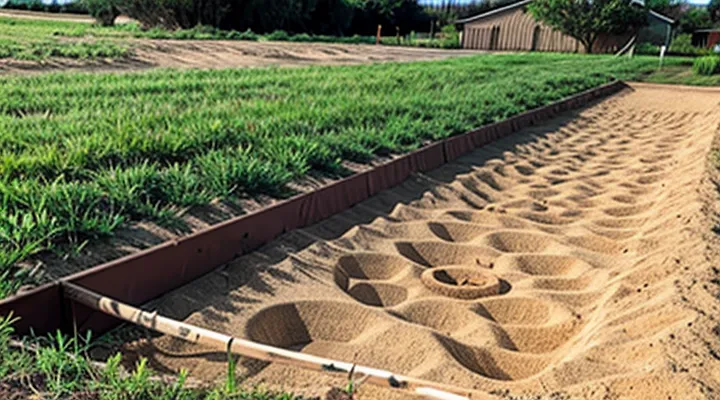
Understanding Rat Burrows
What are Rat Burrows?
Characteristics of Rat Burrows
Rat burrows exhibit distinct physical traits that aid detection and inform control measures.
Typical entrance openings measure 2–4 cm in diameter, often rounded or slightly oval, and may be partially concealed by soil, vegetation, or debris. The tunnel system usually extends 15–30 cm below the surface, branching into multiple shafts that create a network of chambers. Chambers serve as nesting sites, food storage, and waste disposal; they are lined with shredded material such as paper, fabric, or plant matter, which can be identified by a faint odor or visible debris near the entrance.
Key location preferences include:
- Proximity to water sources, irrigation lines, or damp ground.
- Areas with loose, well‑drained soil, such as sandy loam or loamy sand.
- Shelter provided by dense vegetation, woodpiles, compost heaps, or building foundations.
- Undisturbed zones where foot traffic or machinery is minimal.
Burrow architecture varies with season. In colder months, tunnels are deeper and more insulated, while summer burrows are shallower and may feature multiple shallow entrances to facilitate ventilation.
Signs of activity encompass fresh soil mounds, gnaw marks on surrounding structures, droppings near the entrance, and occasional rustling noises. Recognizing these characteristics enables precise identification and effective management of rat tunnel systems on a property.
Common Locations for Burrows
Rats establish burrows where shelter, food, and access to water converge. Typical sites on residential and commercial land include:
- Under building foundations and slab edges
- Within or beneath exterior walls, especially where siding is damaged
- Beneath decks, porches, and patios
- In dense shrubbery, tall grass, or mulched beds
- Inside compost heaps and leaf piles
- Along fence lines and utility trenches
- Near drainage ditches, storm‑water culverts, or irrigation emitters
- Inside sheds, garages, and other outbuildings, particularly in stored equipment or insulation
Burrows located in these areas often connect to surface runs, allowing rats to travel unnoticed across the property. Identifying these points facilitates targeted inspection and effective control measures. Regular monitoring of the listed locations reduces the likelihood of infestation expansion and limits damage to structures and vegetation.
Why Rats Create Burrows
Shelter and Protection
Rat burrows serve as insulated chambers that shield occupants from temperature extremes, predators, and human disturbance. The underground architecture maintains a relatively constant microclimate, allowing rats to conserve energy and reproduce year‑round. Soil composition, moisture level, and depth influence the durability of these refuges; compact, well‑drained substrates prolong tunnel stability, while loose, water‑logged earth accelerates collapse.
Effective control strategies must address the shelter function directly. Removing vegetation that conceals entry points, compacting soil around known tunnels, and installing hard barriers such as metal flashing disrupt the protective environment. When burrows are filled, the loss of safe nesting space forces rats to relocate, increasing exposure to natural hazards and reducing population density.
Key protective attributes of rat burrows:
- Thermal insulation that buffers external temperature fluctuations.
- Physical barrier against predators and aerial threats.
- Concealment from visual detection by humans and domestic animals.
- Structural support for nesting material and offspring development.
Targeted disruption of these attributes enhances the likelihood of successful eradication efforts.
Breeding and Rearing Young
Rats reproduce rapidly; a single female can produce up to five litters per year, each containing three to twelve pups. Breeding peaks in spring and early summer when temperatures rise and food becomes abundant. Female rats reach sexual maturity at 5–6 weeks, and males become fertile shortly after. These biological facts dictate the timing of burrow activity and influence the density of underground nests on a property.
Detecting young rats requires observation of specific signs within the burrow system. Indicators include:
- Fresh soil displaced near entry points, suggesting recent excavation for nest expansion.
- Soft, compacted chambers lined with shredded material, often located a few inches below the surface.
- Presence of droppings that are smaller and less dark than adult feces, reflecting juvenile diet.
- Occasional emergence of pups during daylight, especially after heavy rain when tunnels become flooded.
Management strategies must address both adult populations and their offspring. Effective control involves:
- Interrupting the breeding cycle by removing food sources and limiting shelter opportunities before the spring surge.
- Applying targeted bait stations near active tunnels, ensuring placement at least 1 meter from child chambers to avoid accidental poisoning of juveniles.
- Installing physical barriers—such as metal flashing or concrete pads—over known entry points to prevent new burrow formation.
- Conducting periodic inspections after the breeding season to locate and collapse nests that contain young, thereby reducing future population growth.
Understanding the reproductive timeline and the physical characteristics of juvenile burrows enables precise intervention, minimizes collateral damage, and curtails the expansion of rat colonies on any property.
Food Storage
Proper food storage directly influences the ability to locate and control rat tunnels on a property. When food is secured, rats are forced to search for alternative sources, concentrating their activity around existing burrows and making those sites easier to identify.
- Use airtight, rodent‑proof containers for all dry goods.
- Store containers on shelves or pallets, keeping them at least six inches off the ground.
- Position food storage away from walls and exterior doors.
- Inspect containers weekly for signs of gnawing, torn seals, or displaced contents.
Visible damage to storage units serves as an indicator of nearby burrow entrances. Gnawed lids, scattered crumbs, and droppings near storage areas pinpoint active tunnels, allowing targeted investigation.
After securing food, conduct a systematic survey of the property. Follow obvious signs of activity, trace fresh droppings back to entry points, and examine soil for fresh mounding. Once burrow locations are confirmed, apply control measures such as live trapping, bait placement, or mechanical sealing. Maintaining strict food storage protocols prevents new burrows from forming and supports ongoing management of existing ones.
Locating Rat Burrows on Your Property
Signs of Rat Activity
Visual Evidence
Visual evidence provides the most reliable confirmation that rats have established active burrows on a site. Inspectors first look for fresh soil mounds, typically 2–4 inches high, with a smooth, undisturbed surface indicating recent excavation. Adjacent signs include dark, oily droppings, urine stains, and gnawed vegetation or wood. Footprints or tail marks in soft soil, especially near food sources, further corroborate activity.
Photographic documentation captures these indicators for later analysis and legal compliance. High‑resolution images should be taken from multiple angles, with a scale reference such as a ruler or coin. When lighting is insufficient, infrared or night‑vision cameras reveal nocturnal movement and heat signatures that confirm occupancy. Trail cameras positioned at known foraging routes record repeated visits, establishing a pattern of use.
A systematic record keeps visual data actionable. Include the following elements for each observed burrow:
- Date and time of observation
- Precise location (GPS coordinates or property map reference)
- Description of evidence (soil mound size, droppings, gnaw marks, etc.)
- Photographs or video clips with timestamps
- Any environmental conditions that may affect interpretation
Collecting and preserving this visual information enables targeted remediation, supports monitoring of control measures, and provides clear proof of infestation for stakeholders.
Gnaw Marks and Droppings
Gnaw marks and droppings provide the most reliable visual evidence of active rat activity. Fresh gnaw marks on wood, plastic, or wiring indicate the presence of a rat colony and reveal the direction of movement toward a burrow. Dark, pellet-shaped droppings found near food sources, along walls, or in concealed corners confirm recent foraging and help pinpoint entry points.
Key observations for field assessment:
- Location: Concentrations of droppings on the ground, in insulation, or under appliances suggest a nearby tunnel system.
- Size and shape: Droppings measuring 0.3–0.5 inches, smooth, and slightly curved are typical of rats; larger, irregular pellets often belong to other rodents.
- Gnaw patterns: Parallel or V‑shaped bite marks on structural members indicate the animal’s path and may expose weak points in the building envelope.
- Freshness: Moisture content and odor intensity differentiate recent deposits from older waste, guiding immediate control actions.
When gnaw marks and droppings are identified, follow these steps to manage the infestation:
- Map evidence: Record each finding on a site diagram, linking droppings to adjacent gnaw marks to outline probable tunnel routes.
- Seal access: Install metal or concrete barriers at identified entry points; replace compromised materials where gnaw marks appear.
- Set traps: Position snap or electronic traps along the inferred travel line, preferably near fresh droppings for maximum capture probability.
- Apply bait: Deploy rodenticide stations in concealed locations adjacent to droppings, ensuring compliance with safety regulations.
- Monitor: Re‑inspect marked areas weekly; a decline in droppings and gnaw marks confirms successful reduction of activity.
Accurate interpretation of gnaw marks and droppings enables targeted intervention, reduces unnecessary treatments, and supports long‑term prevention of rat burrow establishment on the property.
Tracks and Runways
Tracks and runways provide the most reliable visual evidence of active rat colonies. Fresh footprints, gnaw marks, and droppings form linear patterns that intersect at burrow openings. Runways appear as worn paths through grass, mulch, or soil, often connecting food sources to nesting sites.
Identifying tracks requires close inspection of surface material. Footprints measure approximately 1 cm in width, with a distinctive four‑toed imprint. Parallel lines of droppings indicate repeated traffic. Scratches on stored‑food containers or exposed wiring confirm movement corridors.
Runways are distinguished by cleared vegetation, compacted soil, and a consistent width of 5–10 cm. They frequently run along fence lines, under decking, or between compost piles and building foundations. The presence of multiple intersecting runways suggests a central burrow hub.
Effective control measures rely on the information gathered from tracks and runways:
- Map each runway and its connection to suspected burrow entrances.
- Prioritize burrows located at runway intersections for bait placement or trapping.
- Seal runway entry points with steel mesh or concrete to prevent re‑entry.
- Monitor tracks after intervention to verify reduced activity.
Accurate interpretation of tracks and runways enables targeted actions, reduces unnecessary pesticide use, and limits property damage caused by rat populations.
Techniques for Identifying Burrows
Visual Inspection of High-Risk Areas
Visual inspection of high‑risk zones is the primary method for detecting rat activity before infestations become severe. Inspectors focus on areas where rodents are most likely to establish burrows, such as building foundations, garden edges, utility lines, and dense vegetation.
Key indicators of potential burrows include:
- Fresh soil mounds or loose earth near structures
- Chewed or gnawed plant material, insulation, or wiring
- Small droppings or urine stains on surfaces
- Odor of ammonia or a strong, musky scent
- Tracks or footprints in dusty or muddy locations
Effective inspection follows a systematic routine. Conduct surveys during daylight when shadows reveal ground disturbances; repeat at dusk to observe nocturnal movement. Use a flashlight with a focused beam to examine dark corners and under‑deck spaces. A handheld magnifier assists in identifying subtle gnaw marks. Record each observation on a standardized form, noting location coordinates, type of evidence, and severity rating.
After data collection, prioritize sites with multiple indicators for immediate remediation. Seal entry points, remove debris, and apply targeted traps or bait stations. Maintain a log of actions taken and schedule follow‑up checks at two‑week intervals to verify the absence of new burrow activity.
Using Baits and Tracking Dust
Effective control of rodent activity begins with precise placement of consumable attractants and the strategic use of tracking powders. Bait selection should match the target species’ dietary preferences; high‑protein pellets, grain‑based blocks, and fat‑rich pastes attract rats more reliably than generic formulations. Position baits at the entrances of suspected tunnels, along established runways, and near food sources. Secure each bait in a tamper‑resistant container to prevent non‑target exposure and to maintain potency in adverse weather.
Tracking dust serves as a visual indicator of traffic through concealed passages. Apply a thin line of fluorescent powder on the rim of each burrow opening and on suspected runways. When rats traverse the dust, their footprints become visible under low‑intensity ultraviolet light, confirming active use of the tunnel. Record the number and direction of tracks to map the network of tunnels and prioritize high‑traffic zones for treatment.
Key operational steps:
- Choose baits that align with rat feeding habits; rotate formulations every 2–3 weeks to prevent habituation.
- Place bait stations 10–15 cm from burrow mouths; adjust distance based on observed foraging patterns.
- Apply tracking dust in a continuous band no thicker than 0.5 mm; avoid excess that could deter entry.
- Conduct nightly inspections with a UV torch; photograph footprints for documentation.
- Replace depleted baits and re‑apply dust after each inspection cycle.
Integrating bait consumption data with tracking dust evidence enables accurate identification of active burrow clusters. Targeted removal or fumigation of these clusters reduces the overall rat population while minimizing disturbance to surrounding ecosystems. Consistent monitoring, combined with proper bait rotation and dust application, maintains pressure on the pest and prevents re‑establishment of new tunnels.
Observing Rat Behavior
Observing rat activity supplies the most reliable indicators of underground nesting sites on a property. Rats move along established pathways, leave fresh soil piles, and produce visible signs such as droppings, gnaw marks, and scent trails. These cues appear most prominently during evening and early morning hours when the animals are active.
Key behaviors that reveal an active burrow include:
- Freshly displaced soil forming a small mound or tunnel entrance.
- Recent droppings concentrated near a single point.
- Chewed vegetation, bark, or insulation material.
- Tail or foot impressions in soft ground.
- Persistent scent marks detected by trained dogs or specialized traps.
Effective observation requires a structured approach. Conduct nightly walks along suspected runways, record the location of each sign, and repeat the process over several days to differentiate between active and abandoned sites. Infrared cameras positioned at tunnel entrances capture movement without disturbing the rodents, while motion‑activated traps confirm presence. Compiling these data points creates a detailed map that guides targeted removal or exclusion measures.
Managing and Eliminating Rat Burrows
Prevention Strategies
Sealing Entry Points
Sealing entry points eliminates the pathways rats use to access structures, reduces the likelihood of new burrows forming, and complements other control measures. Effective sealing requires systematic identification of openings, selection of appropriate materials, and verification of long‑term integrity.
- Inspect building foundations, crawl spaces, and utility penetrations for gaps larger than ¼ in. Common locations include vent pipes, gaps around doors, and cracks in walls or floors.
- Choose durable sealants: steel wool or copper mesh for small openings, followed by silicone, polyurethane caulk, or expanding foam for larger gaps. For structural cracks, apply cement‑based patching compound or metal flashing.
- Clean each opening to remove debris, nesting material, and gnawed wood before applying sealant.
- Apply sealant in layers if needed, ensuring full coverage and a tight bond to surrounding surfaces.
- Allow curing time according to manufacturer specifications, then test by probing for residual movement or airflow.
- Record sealed locations in a maintenance log and schedule periodic inspections to detect wear or new damage.
Consistent execution of these steps creates a physical barrier that deters rat ingress and supports overall burrow management on the property.
Eliminating Food Sources
Eliminating food sources is a critical component of any program aimed at reducing rat activity and the persistence of their burrows. Without accessible nutrition, colonies lose the incentive to establish or maintain tunnel networks, leading to a natural decline in population density.
Typical attractants include:
- Unsecured garbage containers
- Pet food left outdoors
- Fallen fruit and vegetable waste
- Birdseed spillage
- Compost piles lacking proper covering
- Grain storage without airtight seals
To remove these attractants, follow a systematic approach:
- Seal all trash bins with tight‑locking lids; position them away from structures.
- Store pet feed in metal containers with gasketed lids; feed animals only at designated times and remove leftovers promptly.
- Collect and dispose of fallen produce daily; use compost bins equipped with secure lids and a fine mesh cover.
- Install bird feeders with spill‑proof designs; clean the area beneath feeders regularly.
- Keep grain and feed stores in climate‑controlled rooms; use palletized shelving to prevent ground contact.
- Inspect the perimeter for debris, prune vegetation that provides cover, and eliminate standing water that may attract insects, which in turn draw rats.
Maintenance should be continuous. Conduct weekly inspections of waste storage areas, verify that all containers remain sealed, and adjust practices as seasonal changes introduce new potential food sources. Consistent enforcement of these measures reduces the likelihood of rats establishing new burrows on the property.
Reducing Shelter and Hiding Spots
Reducing the number of potential shelters and hiding places directly limits rat activity across a property. By eliminating structures that provide cover, rodents lose the ability to establish secure burrows, making detection and control more efficient.
Effective measures include:
- Removing debris piles, wood stacks, and unused materials that create concealed spaces.
- Trimming dense vegetation, low shrubs, and ground cover to expose the soil surface.
- Sealing gaps, cracks, and openings in foundations, walls, and utility penetrations.
- Elevating stored items off the ground and using metal or concrete containers to prevent burrowing.
- Regularly cleaning gutters and downspouts to avoid accumulation of organic matter that attracts rodents.
Implementing these actions on a routine schedule prevents the formation of new nests and forces existing populations to relocate into exposed areas where they become vulnerable to monitoring and eradication efforts. Consistency in habitat reduction therefore enhances overall pest‑management outcomes.
Humane Control Methods
Live Trapping and Relocation
Effective live trapping and relocation require systematic planning, proper equipment, and adherence to legal and ethical standards. Begin by surveying the property to pinpoint active tunnels and foraging areas. Mark each location with GPS coordinates or permanent markers to ensure consistent trap placement.
Select traps designed for humane capture, such as multi‑catch live cages with smooth interiors and secure doors. Bait traps with high‑protein foods—peanut butter, dried fruit, or cooked meat—placed at the entrance of identified tunnels. Position traps perpendicular to the tunnel axis, allowing rodents to enter without obstruction. Check traps at least twice daily to minimize stress and prevent mortality.
When a rat is captured, wear disposable gloves and handle the cage gently to avoid injury. Transfer the animal to a transport container with ventilation and a small amount of bedding. Record the capture date, location, and species for documentation.
Relocation sites must be at least five miles from the original property, situated in habitats that support rodent populations without threatening agriculture or native wildlife. Release animals near natural cover, such as dense vegetation or rocky outcrops, during daylight hours to reduce predation risk.
After release, monitor the original burrow area for signs of re‑occupation. If activity resumes, repeat the trapping cycle or consider additional control measures, such as habitat modification or exclusion fencing. Maintain records of all actions to evaluate effectiveness and comply with local wildlife regulations.
Natural Deterrents
Rats prefer moist, sheltered soil and abundant food sources. Altering these conditions reduces the likelihood that they will establish burrows on a property.
- Encourage natural predators such as owls, hawks, and snakes by installing perches, nesting boxes, or leaving undisturbed habitat features.
- Plant deterrent species, for example mint, rosemary, or lavender, whose strong scents repel rodents when cultivated around building foundations and garden edges.
- Apply volatile natural oils (eucalyptus, peppermint, clove) to soil entry points; the compounds irritate rodent olfactory receptors and discourage excavation.
- Maintain a clean landscape: remove debris, trim overgrown vegetation, and store compost in sealed containers to eliminate shelter and food.
- Install physical barriers like metal mesh or hardware cloth at the base of walls and under decks; a minimum ¼‑inch gauge prevents rats from tunneling through.
- Manage moisture levels by fixing leaks, improving drainage, and using gravel or coarse sand in low‑lying areas to create an unsuitable substrate for burrowing.
Consistent implementation of these ecological tactics creates an environment that is inhospitable to rats, thereby limiting the formation and persistence of underground nests.
Extermination Methods
Snap Traps
Snap traps provide rapid, humane control of rats that inhabit underground burrows. Effective use begins with precise identification of active tunnels. Look for fresh soil mounds, droppings, gnaw marks, and audible activity during dusk. Follow the tunnel to its deepest point, where rats retreat to feed and nest.
Placement of snap traps follows a few principles:
- Position traps perpendicular to the tunnel wall, with the trigger end facing the expected travel path.
- Set traps 1–2 inches from the burrow opening to allow rats to enter fully before triggering.
- Use bait such as peanut butter, dried fruit, or small pieces of meat; apply a pea‑sized amount directly on the trigger plate.
- Deploy multiple traps in parallel rows when a network of tunnels is present; spacing of 12–18 inches maximizes coverage.
- Secure traps on a stable surface; use a flat stone or a small wooden platform to prevent movement.
Maintain traps by checking daily. Remove dead rodents promptly, wearing gloves and a mask to avoid disease exposure. Clean the trigger mechanism with alcohol to ensure reliable operation. Replace bait and reset traps after each capture.
Safety considerations include:
- Keeping traps out of reach of children and non‑target wildlife.
- Wearing protective eyewear when setting or resetting traps.
- Storing unused traps in a locked container.
When burrow activity declines, gradually reduce trap density to confirm eradication. Persistent tunnels may require sealing with soil or concrete after confirming the absence of rats, preventing re‑infestation.
Poison Baits
Poison baits provide a direct method for reducing rat populations associated with burrow systems on a property. Effective use requires selecting an appropriate formulation, positioning the bait correctly, and maintaining strict safety and regulatory standards.
Common rodenticide formulations include:
- Anticoagulants (first‑generation: warfarin, diphacinone; second‑generation: bromadiolone, brodifacoum)
- Neurotoxins (bromethalin, chlorophacinone)
- Zinc phosphide (gas‑producing upon ingestion)
Placement guidelines:
- Install bait stations at the entrance of each active tunnel, typically within 10 cm of the opening.
- Position additional stations along established runways, preferably at ground level where rats travel.
- Use tamper‑resistant, weather‑proof stations to protect bait from rain and non‑target interference.
Safety measures:
- Locate stations away from food preparation areas, pet zones, and children’s play spaces.
- Employ bait stations that require a minimum weight to open, reducing accidental access.
- Wear protective gloves when handling baits and follow label‑specified disposal procedures.
Monitoring procedures:
- Inspect stations daily for signs of consumption and damage.
- Record the number of active stations, bait depletion rates, and any non‑target captures.
- Replenish bait promptly to maintain continuous pressure on the rat population.
Regulatory compliance:
- Use only products registered for rodent control in the jurisdiction.
- Adhere to label directions regarding dosage, application frequency, and restricted areas.
- Maintain documentation of product batch numbers and application dates for audit purposes.
Professional Pest Control Services
Professional pest control operators specialize in the systematic detection and eradication of rodent nesting sites on residential and commercial grounds. Technicians begin with a thorough inspection that identifies active tunnels, entry points, and signs of activity such as gnaw marks, droppings, and disturbed soil. Infrared cameras, motion sensors, and trained detection dogs augment visual surveys, ensuring hidden burrows are located even in dense vegetation or under building foundations.
The service package typically includes:
- Mapping of all confirmed burrow locations with GPS coordinates.
- Sealing of structural gaps, utility openings, and exterior cracks using durable materials.
- Placement of bait stations and traps calibrated to target species and local regulations.
- Application of rodent-resistant barriers and repellents in high‑risk zones.
- Ongoing monitoring visits to verify elimination and prevent re‑infestation.
Professional teams follow integrated pest management protocols that combine physical exclusion, chemical control, and habitat modification. By altering the environment—removing food sources, eliminating clutter, and maintaining proper waste disposal—they reduce the attractiveness of the property to rats. Documentation of each intervention provides property owners with clear evidence of compliance and effectiveness.
Choosing a licensed provider guarantees adherence to safety standards, proper pesticide handling, and accountability for results. Continuous oversight and rapid response to new activity differentiate expert services from DIY attempts, delivering lasting protection for structures, health, and productivity.
Post-Management Actions
Cleaning and Sanitation
Removing Carcasses and Droppings
Removing dead rodents and their excrement is a prerequisite for effective control of underground rodent activity. Carcasses attract scavengers, release pathogens, and mask the presence of active tunnels, while droppings contaminate soil and increase disease risk for humans and pets.
Protective equipment must be worn before any handling. Gloves, disposable coveralls, eye protection, and a respirator guard against bacterial, viral, and fungal exposure. Work in well‑ventilated areas; if indoor, keep windows open and use an exhaust fan.
The removal process follows a clear sequence:
- Inspect burrow entrances and surrounding zones for visible carcasses and fresh droppings.
- Place a sealed, puncture‑resistant bag on the ground near each find.
- Using a scoop or trowel, transfer the material directly into the bag, avoiding contact with skin.
- Close the bag, label with date and location, and store it in a locked, temperature‑controlled area until disposal.
Disposal must comply with local regulations. Accepted methods include:
- Transfer to a licensed hazardous‑waste contractor for incineration.
- Placement in a municipal landfill container designed for animal remains, sealed with a tamper‑proof lid.
After removal, decontaminate the site. Apply an EPA‑approved disinfectant to the affected soil and surfaces, allow the solution to remain for the manufacturer‑specified dwell time, then rinse with clean water. Record the treatment in a maintenance log and schedule periodic inspections to verify that no new carcasses or droppings appear.
Disinfecting Contaminated Areas
Disinfecting areas contaminated by rat activity prevents disease transmission, protects livestock, and preserves the integrity of structures. After locating a burrow system, remove visible debris, then apply an EPA‑registered disinfectant approved for rodent pathogens. Ensure the product remains on the surface for the manufacturer’s recommended dwell time before rinsing or allowing it to air‑dry.
- Wear disposable gloves, protective eyewear, and a respirator rated for organic vapors.
- Sweep loose material into a sealed bag; discard according to local hazardous‑waste regulations.
- Dilute the disinfectant to the specified concentration; spray evenly across the entire affected zone.
- Maintain the dwell period, monitoring temperature and humidity to guarantee efficacy.
- After exposure, ventilate the area, then clean surfaces with water if the disinfectant label requires rinsing.
- Store all protective equipment and waste containers for decontamination before reuse.
Document the disinfectant batch number, application date, and personnel involved. Record any residual odor or discoloration as indicators of incomplete treatment. Repeat the process for adjacent burrows that show signs of contamination. Regular monitoring and prompt re‑application after heavy rainfall or soil disturbance sustain a sanitary environment.
Ongoing Monitoring and Maintenance
Regular Inspections
Regular inspections are essential for early detection of rat activity and for maintaining an effective control program. Inspections should be scheduled at consistent intervals that reflect the risk level of the property; a minimum of once every two weeks during peak seasons and monthly during off‑peak periods provides reliable coverage.
During each visit, inspectors must examine typical entry points, such as building foundations, utility openings, and vegetation edges. Look for fresh soil displacement, droppings, gnaw marks, and the presence of burrow entrances. Record the exact location with GPS coordinates or a site map, note the condition of each burrow (active, abandoned, or sealed), and photograph key findings.
Key actions for each inspection include:
- Verifying that previously identified burrows remain sealed or are being monitored.
- Identifying new burrow openings and assessing their proximity to food sources or water.
- Checking for signs of secondary damage, such as chewed wiring or compromised insulation.
- Ensuring that bait stations, traps, or exclusion devices are functional and correctly positioned.
- Updating the central log with dates, observations, and remedial measures taken.
Documentation must be stored in a searchable database, allowing trend analysis and rapid response when activity spikes. Consistent review of inspection records enables adjustments to the control strategy, such as increasing trap density or reinforcing barriers in high‑risk zones.
Integrating regular inspections with a broader pest‑management plan reduces the likelihood of large infestations, limits property damage, and supports compliance with health‑ and safety regulations.
Maintaining Preventative Measures
Effective preventive maintenance reduces the likelihood of rat activity and limits the need for costly eradication. Regular site inspections identify potential entry points, such as gaps around utility lines, foundation cracks, and vent openings. Seal these openings with steel wool, cement, or metal flashing to create a barrier that rodents cannot penetrate.
Sanitation practices remove attractants that encourage burrowing. Store feed, compost, and garbage in sealed containers; keep vegetation trimmed away from building perimeters; and eliminate standing water. Removing food sources and shelter deprives rats of the conditions required to establish tunnels.
Implement a structured monitoring program. Place motion‑activated cameras or infrared sensors near known burrow locations to detect activity. Record observations weekly and adjust control tactics accordingly.
Maintain a schedule for physical barriers and habitat modifications:
- Inspect and repair foundation cracks quarterly.
- Trim shrubs and trees within two meters of structures twice a year.
- Replace damaged vent screens annually.
- Conduct waste‑container audits monthly.
Consistent application of these measures sustains a hostile environment for rats, preventing the formation of new burrows and reducing the need for reactive interventions.