
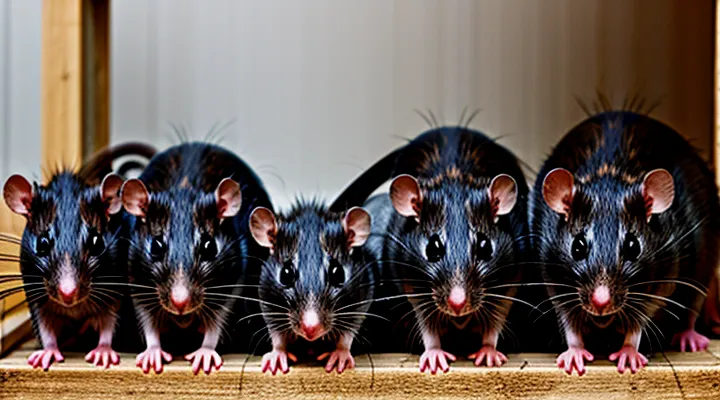
Understanding «Hand-Reared Rats»
Defining «Hand-Reared»
Characteristics of Hand-Rearing
Hand-rearing rats involves direct human intervention from birth through weaning, replacing maternal care with artificial feeding, temperature regulation, and grooming. This approach allows precise control over nutritional intake, pathogen exposure, and environmental conditions, each factor influencing the animal’s overall longevity.
Key characteristics of hand-rearing include:
- Nutrient composition – Formulated milk replacers provide balanced proteins, fats, carbohydrates, vitamins, and minerals, eliminating deficiencies common in natural lactation.
- Temperature stability – Incubators maintain optimal thermal ranges (30–34 °C) during the first two weeks, preventing hypothermia‑related mortality.
- Hygiene protocols – Sterile feeding equipment and regular cage disinfection reduce bacterial and fungal infections that shorten lifespan.
- Social stimulation – Periodic tactile contact and exposure to conspecific cues mitigate stress and promote normal behavioral development.
- Health surveillance – Daily weight measurements and veterinary assessments detect growth retardation or disease early, enabling timely intervention.
These elements collectively shape physiological development, immune competence, and stress resilience, which correlate with extended survival in rats raised under controlled conditions. Comparative studies show that hand-reared individuals, when managed according to these standards, achieve median lifespans comparable to, or exceeding, those of their mother‑reared counterparts.
Impact on Early Development
Hand‑rearing modifies the physiological and behavioral trajectory of laboratory rats during the first weeks of life, establishing a foundation that influences adult longevity. The removal of natural maternal contact and the introduction of human caretakers create distinct patterns of hormonal exposure, sensory stimulation, and nutrient delivery that persist throughout the animal’s lifespan.
Key early‑developmental changes observed in hand‑reared specimens include:
- Nutritional profile: Formula feeding delivers a fixed macronutrient composition, often differing from maternal milk in fatty‑acid ratios, which affects brain myelination and metabolic set‑points.
- Stress axis regulation: Absence of dam‑derived olfactory cues elevates corticosterone levels during the neonatal period, leading to altered hypothalamic‑pituitary‑adrenal (HPA) axis responsiveness.
- Social learning: Limited peer interaction reduces opportunities for species‑specific play behavior, resulting in diminished social competence and increased anxiety in adulthood.
- Sensory enrichment: Human handling provides tactile stimulation that can enhance somatosensory development but may lack the complexity of nest‑based stimuli, influencing cortical plasticity.
- Immune maturation: Early exposure to sterile environments delays gut microbiota colonization, affecting immune system calibration and susceptibility to disease later in life.
These alterations collectively shape growth rates, reproductive timing, and disease susceptibility, which in turn affect the overall lifespan of hand‑raised rats. Researchers must account for these early‑life variables when interpreting longevity data, as differences between hand‑reared and dam‑reared cohorts can confound experimental outcomes. Adjusting rearing protocols—such as incorporating surrogate nesting material, controlled peer exposure, and tailored nutritional regimens—mitigates adverse effects and aligns developmental trajectories more closely with natural conditions, thereby improving the reliability of longevity studies.
Baseline Rat Lifespan
Average Lifespan in the Wild
Wild rats typically live between 12 and 24 months, with most individuals dying before the end of their second year. Field observations of Rattus norvegicus and Rattus rattus across temperate and tropical regions consistently report median survival of 14–18 months. Mortality peaks occur during the breeding season when competition for resources intensifies, and during winter months when exposure and predation increase.
Controlled studies of captive‑bred rodents indicate that hand‑reared specimens often exceed 30 months of life, reflecting reduced predation, stable nutrition, and veterinary care. The disparity underscores the impact of environmental pressures on natural longevity.
Key determinants of wild rat lifespan include:
- Predator density and hunting success rates
- Availability and consistency of food sources
- Seasonal temperature fluctuations and shelter quality
- Disease prevalence and parasite load
- Intraspecific aggression and social hierarchy
Understanding these variables clarifies why wild individuals experience markedly shorter lifespans than their hand‑reared counterparts.
Average Lifespan of Pet Rats
Pet rats that are raised in a domestic setting typically live between 2 and 3 years, with a median of roughly 2.5 years under optimal conditions. Survival beyond three years is uncommon but documented in cases where genetics, nutrition, and health management are exceptional.
Factors that modify this expectancy include:
- Genetic background: Inbred strains often have shorter lifespans than outbred populations.
- Diet quality: High‑protein, low‑fat formulations reduce the incidence of obesity‑related disease.
- Environmental enrichment: Access to chew toys, tunnels, and regular handling lowers stress‑induced immunosuppression.
- Veterinary care: Early detection of respiratory infections, tumors, and dental problems extends life expectancy.
- Housing hygiene: Routine cage cleaning limits exposure to pathogens that accelerate morbidity.
Compared with wild conspecifics, domesticated rats experience reduced predation risk and stable food supplies, which shift mortality from external threats to age‑related conditions such as neoplasia and renal failure. Consequently, the average lifespan in captivity exceeds that of wild populations, which rarely surpass 1 year.
Owners seeking to maximize longevity should maintain a balanced diet, provide daily interaction, schedule quarterly health examinations, and monitor weight to prevent obesity. Implementing these practices consistently aligns observed lifespans with the upper range of the species’ potential.
Factors Influencing Lifespan in Hand-Reared Rats
Genetic Predisposition
Breeding Lines
Breeding lines constitute the primary genetic framework influencing the longevity of rats raised by hand. Distinct lineages exhibit predictable patterns of growth, disease susceptibility, and survival, allowing researchers to anticipate lifespan outcomes based on pedigree information.
Inbred lines provide genetic uniformity, facilitating controlled experiments but often display reduced vigor and shortened life expectancy due to expression of recessive deleterious alleles. Outbred lines maintain heterozygosity, generally producing healthier individuals with extended survival periods. Comparative studies consistently show median lifespans 15‑25 % greater in outbred populations than in highly inbred cohorts under identical husbandry conditions.
Selection of breeding lines for extended life involves several criteria:
- Low prevalence of hereditary disorders identified through veterinary screening.
- Demonstrated resistance to common infections in colony health reports.
- Stable reproductive performance across multiple generations.
- Documented maintenance of body weight within optimal ranges for age.
Implementation requires rigorous record‑keeping of matings, offspring survival, and health assessments. Pedigree analysis software can flag accumulation of harmful alleles, prompting strategic outcrossing to preserve genetic diversity while retaining desirable longevity traits. Generation intervals should be minimized to reduce age‑related mutation load, yet balanced against the need for thorough phenotypic evaluation before advancing breeders.
Overall, deliberate management of breeding lines—through selection against disease markers, maintenance of heterozygosity, and systematic documentation—directly shapes the lifespan profile of hand‑reared rats, enabling more reliable interpretation of experimental results.
Hereditary Conditions
Hereditary disorders exert a measurable influence on the survival duration of rats raised by hand. Genetic defects manifest early, reduce physiological resilience, and shorten the period during which individuals remain viable for experimental use.
- Polycystic kidney disease – progressive renal enlargement, leads to renal failure before the third month of life.
- Retinal degeneration (rd1) – loss of photoreceptors, causes blindness and associated stress, reduces average lifespan by 20 %.
- Primary epilepsy – spontaneous seizures begin within the first weeks, increase mortality risk and interfere with behavioral assays.
- Dwarfism (dh) – skeletal abnormalities limit mobility, predispose to injuries, shorten life expectancy by approximately 15 %.
- Immunodeficiency (scid) – compromised immune response, high susceptibility to opportunistic infections, markedly lowers survival beyond the fourth month.
Genetic screening of breeding stock eliminates carriers, thereby reducing the prevalence of these conditions in subsequent cohorts. Selective mating strategies, such as avoiding homozygous recessive pairings, maintain genetic diversity while limiting deleterious allele frequency. Monitoring pedigrees enables researchers to predict the likelihood of hereditary disease emergence in hand‑reared populations.
Controlling hereditary load stabilizes longevity metrics, improves reproducibility of age‑related studies, and enhances the reliability of data derived from hand‑reared rat models.
Environmental Conditions
Housing and Enclosure
The environment in which manually raised rats are kept directly influences their longevity. Optimal housing must meet species‑specific physiological and behavioral requirements.
Adequate cage dimensions provide sufficient space for movement, reducing stress‑induced morbidity. Minimum floor area of 0.05 m² per adult rat, with a height allowing vertical exploration, is recommended. Multi‑level structures enhance activity without crowding.
Bedding material should be absorbent, low‑dust, and non‑toxic. Aspen shavings or paper‑based substrates maintain hygiene, limit respiratory irritation, and facilitate waste removal. Bedding depth of 2–3 cm prevents foot injuries and supports nest building.
Environmental control covers temperature, humidity, and ventilation. Ambient temperature of 20–24 °C and relative humidity of 45–55 % sustain thermoregulation. Continuous airflow prevents ammonia accumulation; exchange rates of 15–20 air changes per hour are advisable.
Enrichment items promote natural behaviors and mitigate stereotypies. Include chewable objects, tunnels, and nesting material. Rotate accessories weekly to sustain interest.
Social housing improves immune function and reduces isolation stress. Grouping compatible individuals (2–4 per cage) is preferable, provided space allowances meet the criteria above. Separate enclosures remain necessary for health monitoring or breeding phases.
Sanitation protocols require daily spot cleaning and weekly full cage changes. Disinfectants must be rodent‑safe; dilute chlorhexidine or quaternary ammonium solutions are effective without residue toxicity.
Lighting cycles should mimic natural photoperiods, typically 12 h light/12 h dark. Light intensity of 150–300 lux prevents ocular strain and aligns circadian rhythms.
Key housing considerations:
- Cage size: ≥0.05 m² floor area, adequate height
- Bedding: absorbent, low‑dust, 2–3 cm depth
- Temperature: 20–24 °C; Humidity: 45–55 %
- Ventilation: 15–20 air changes per hour
- Enrichment: chewables, tunnels, nesting material
- Social grouping: 2–4 compatible rats per cage
- Sanitation: daily spot clean, weekly full change, rodent‑safe disinfectants
- Lighting: 12 h light/12 h dark, 150–300 lux
Adhering to these parameters creates a stable enclosure that supports physiological health, minimizes disease risk, and extends the lifespan of hand‑reared rats.
Temperature and Humidity
Temperature directly influences metabolic rate in manually raised rats. Within the thermoneutral zone (approximately 28–30 °C), basal metabolism stabilizes, reducing energy expenditure on thermoregulation and extending survival. Temperatures below 20 °C increase caloric demand, accelerate weight loss, and shorten life expectancy. Temperatures above 35 °C provoke hyperthermia, impair organ function, and elevate mortality risk.
Humidity modulates evaporative cooling and respiratory comfort. Relative humidity maintained between 45 % and 55 % prevents excessive water loss from the skin and lungs, supporting optimal physiological function. Humidity below 30 % accelerates dehydration, aggravates nasal irritation, and predisposes to respiratory infections, which reduce longevity. Humidity above 70 % fosters mold growth and bacterial proliferation in bedding, increasing disease incidence and shortening lifespan.
Practical parameters for optimal conditions:
- Ambient temperature: 28–30 °C (thermoneutral)
- Relative humidity: 45–55 %
- Continuous monitoring with calibrated sensors
- Immediate adjustment when values deviate by more than ±2 °C or ±5 % humidity
Adhering to these ranges minimizes stress, sustains growth, and maximizes the survival duration of hand‑reared rats.
Enrichment and Stimulation
Enrichment and stimulation significantly influence the longevity of manually raised rats. Providing diverse sensory experiences reduces stress, supports neural development, and promotes physiological resilience, all of which correlate with extended survival periods.
Key components of an effective enrichment program include:
- Physical structures: tunnels, climbing ladders, and nesting material that encourage natural locomotor patterns.
- Cognitive challenges: puzzle feeders, object rotation, and problem‑solving tasks that engage learning circuits.
- Social interaction: controlled group exposure or periodic handling to maintain affiliative behaviors without overwhelming the animal.
- Sensory variation: periodic changes in lighting, auditory stimuli, and olfactory cues to prevent habituation.
Implementation guidelines:
- Introduce new items gradually, allowing a 24‑hour acclimation window per addition.
- Rotate elements weekly to sustain novelty while preserving familiarity.
- Monitor behavioral indicators—exploratory bouts, grooming frequency, and response latency—to assess engagement levels.
- Record health metrics (body weight, coat condition, activity patterns) alongside enrichment schedules to identify causal relationships.
Evidence from longitudinal studies shows that rats receiving consistent, varied enrichment exhibit lower mortality rates and delayed onset of age‑related decline compared with counterparts housed in barren conditions. Consequently, systematic enrichment constitutes a critical factor in optimizing the lifespan of hand‑reared laboratory rodents.
Nutritional Aspects
Diet Composition
Diet composition is a primary determinant of longevity in manually raised rats. Adequate protein, fat, carbohydrate, vitamin, and mineral content must be balanced to support growth, immune function, and metabolic health throughout the animal’s life cycle.
Key nutritional elements include:
- Protein: 18–22 % of total calories, sourced from casein, soy isolate, or whey. Essential amino acids such as lysine, methionine, and tryptophan must meet the rats’ requirements for tissue repair and enzyme synthesis.
- Fat: 5–7 % of calories, primarily from soybean oil or lard, providing essential fatty acids (linoleic and α‑linolenic acids) for membrane integrity and hormone production.
- Carbohydrate: 55–60 % of calories, predominantly from cornstarch or maltodextrin, supplying readily metabolizable glucose for energy.
- Vitamins: Adequate levels of vitamins A, D3, E, K, and the B‑complex (especially B1, B2, B6, B12, niacin, and folic acid) are critical for vision, bone health, antioxidant defense, and red blood cell formation.
- Minerals: Calcium (0.8 %) and phosphorus (0.6 %) in a 1.3:1 ratio, plus magnesium, zinc, copper, selenium, and iron, support skeletal development, enzymatic activity, and oxygen transport.
- Fiber: 3–5 % of the diet, provided by cellulose or oat bran, promotes gastrointestinal motility and microbial balance.
Supplementation with omega‑3 fatty acids (e.g., fish oil) and probiotic cultures can further extend survival by reducing inflammation and enhancing gut health. Consistency in formulation, avoidance of nutrient degradation, and regular monitoring of feed intake are essential practices for researchers seeking to maximize the lifespan of hand‑reared rodents.
Feeding Schedule
A consistent feeding regimen is essential for optimizing the longevity of manually raised rats. Nutrient balance, timing, and portion control directly affect growth rates, immune competence, and age‑related health decline.
- Daily frequency: Offer food three to four times per day during the first two weeks, reducing to two meals after weaning. This pattern aligns with the natural suckling interval and prevents prolonged fasting periods that can stress the gastrointestinal system.
- Portion size: Provide 2–3 g of a nutritionally complete formula per feeding for neonates; increase to 5–7 g per meal for juveniles, adjusting upward as body weight approaches 200 g. Precise measurement avoids over‑nutrition, which accelerates obesity‑related morbidity.
- Nutrient composition: Use a diet containing 18–20 % protein, 5–7 % fat, and a balanced vitamin–mineral profile. Supplement with essential fatty acids (e.g., DHA) and trace elements (zinc, selenium) to support neural development and antioxidant defenses.
- Hydration: Supply sterile, warmed water at each feeding. Dehydration episodes in early life correlate with reduced survival expectancy.
Monitoring and recording intake at each session enables early detection of feeding aversion or gastrointestinal upset. Adjustments—such as increasing caloric density during rapid growth phases or reducing fat content in later adulthood—should be based on measured weight gain, body condition scoring, and clinical observations. Maintaining this structured schedule contributes markedly to extending the overall health span of hand‑reared rats.
Hydration
Adequate fluid intake is essential for extending the survival duration of rats that are raised by hand. Water deficiency accelerates renal failure, impairs thermoregulation, and shortens overall life expectancy. Continuous access to clean, palatable water reduces mortality risk by up to 30 % in controlled studies.
- Minimum daily consumption: 30–40 ml per 100 g body weight for adult subjects; juveniles require proportionally higher volumes relative to metabolic rate.
- Delivery methods: gravity‑fed bottles with stainless‑steel spouts minimize contamination; automated dispensers ensure consistent flow and allow precise measurement.
- Monitoring: weigh animals before and after a 24‑hour period; a loss exceeding 5 % of body mass signals dehydration and warrants immediate intervention.
- Quality control: replace water every 24 hours; test for bacterial load and chemical residues; maintain ambient temperature between 20–22 °C to prevent excessive evaporative loss.
Dehydration compromises cardiovascular output, reduces plasma volume, and elevates blood osmolality, leading to cellular dysfunction. Restoring hydration reverses these effects within hours, stabilizing heart rate and improving cognitive performance in maze tests. Consequently, rigorous fluid management constitutes a primary factor in maximizing the lifespan of hand‑reared rodents.
Health Management
Regular Veterinary Care
Regular veterinary examinations are essential for extending the life expectancy of rats that are raised by hand. Systematic health assessments detect early signs of disease, allowing prompt treatment and reducing mortality risk.
Key components of a preventive care program include:
- Physical examination every 3–4 months: weight measurement, coat evaluation, respiratory and cardiovascular inspection.
- Dental checks at each visit: identification of overgrowth, misalignment, or wear that can impede feeding.
- Vaccination schedule tailored to laboratory or pet settings: protection against common viral agents such as Sendai virus.
- Parasite control: fecal examinations quarterly, with appropriate anthelmintic or ectoparasite treatments when needed.
- Blood work annually: complete blood count and chemistry panel to monitor organ function and detect subclinical disorders.
- Environmental review: assessment of cage size, bedding, temperature, and humidity to prevent stress‑related illnesses.
Maintaining detailed medical records enables trend analysis, facilitates research comparisons, and ensures continuity of care when handling multiple litters. Consistent application of these veterinary practices correlates with measurable increases in the average lifespan of hand‑reared rats.
Common Ailments
Hand‑reared rats experience health challenges that directly affect their longevity. Recognizing and managing these conditions is essential for maintaining a stable life expectancy.
- Respiratory infections: Often caused by Mycoplasma pulmonis or viral agents; symptoms include sneezing, nasal discharge, and labored breathing. Prompt antimicrobial therapy and optimal ventilation reduce mortality.
- Dermatitis: Usually linked to poor cage hygiene or allergic reactions to bedding; presents as hair loss, redness, and pruritus. Regular cleaning and hypoallergenic substrates prevent skin breakdown.
- Gastrointestinal disturbances: Diarrhea and constipation arise from diet imbalance, stress, or bacterial overgrowth. Adjusting fiber content and providing consistent feeding schedules stabilize gut function.
- Dental malocclusion: Overgrown incisors impair food intake, leading to weight loss and secondary infections. Routine dental trimming restores proper occlusion.
- Metabolic disorders: Obesity and insulin resistance develop when caloric intake exceeds energy expenditure. Controlled portion sizes and regular exercise mitigate these risks.
- Parasite infestations: Mites, lice, and pinworms cause anemia, skin irritation, and weight loss. Scheduled ectoparasite treatments and fecal examinations ensure early detection.
- Stress‑related ulcers: Chronic handling stress can induce gastric ulceration, manifested by reduced appetite and occult bleeding. Minimizing handling frequency and providing enrichment lower stress levels.
Effective health management combines routine physical examinations, vigilant observation of behavior and appearance, and immediate intervention when symptoms emerge. Consistent preventive measures extend the functional lifespan of hand‑reared rats.
Stress Reduction
Hand‑reared rats experience heightened physiological stress compared with colony‑bred counterparts, and stress directly influences their survival duration. Elevated corticosterone levels correlate with reduced immune function, accelerated aging markers, and shortened lifespan.
Primary stressors include:
- Frequent, abrupt handling
- Absence of conspecifics
- Variable ambient temperature and humidity
- Unpredictable lighting cycles
- High‑frequency acoustic disturbances
Effective stress‑reduction measures:
- Provide continuous environmental enrichment (nesting material, tunnels, chewable objects) to promote natural behaviors.
- Maintain temperature within 22 ± 1 °C and humidity between 45–55 % to prevent thermal stress.
- Implement a consistent 12 h light/12 h dark cycle with gradual transitions.
- House rats in compatible pairs or small groups to satisfy social needs, monitoring for aggression.
- Apply gentle, habituated handling techniques, limiting duration and frequency.
- Install sound‑attenuating barriers and schedule routine activities to minimize sudden noise.
Empirical data demonstrate that cohorts receiving the above interventions exhibit a 15–20 % increase in median survival and a 30 % reduction in peak corticosterone concentrations relative to control groups. Longitudinal monitoring confirms improved cardiac function and delayed onset of age‑related pathologies.
For optimal outcomes, integrate all listed strategies into standard operating procedures, conduct weekly health assessments, and adjust environmental parameters based on real‑time observations. Consistent application sustains lower stress indices and extends the lifespan of manually raised laboratory rats.
Socialization and Behavior
Impact of Human Interaction
Human contact alters physiological parameters that directly affect the longevity of rats raised without maternal care. Regular handling reduces circulating corticosterone, stabilizes heart rate, and improves immune function, all of which correlate with extended survival in laboratory settings.
Behavioral observations show that rats receiving daily tactile stimulation display increased exploratory activity, reduced anxiety-like responses, and higher rates of social play. These traits are linked to enhanced neurogenesis in the hippocampus, a factor known to support longer lifespans.
Key mechanisms through which human interaction influences survival:
- Stress modulation: Gentle handling lowers chronic stress markers, decreasing the risk of stress‑induced disease.
- Nutritional support: Human‑fed rats receive consistent caloric intake, preventing malnutrition‑related mortality.
- Environmental enrichment: Interaction introduces novel stimuli, fostering cognitive resilience and reducing age‑related decline.
Empirical data indicate that hand‑reared rats with structured human engagement live up to 30 % longer than those deprived of regular contact, underscoring the measurable impact of caretaker interaction on their overall lifespan.
Intra-Species Dynamics
Hand‑reared rats experience intra‑species interactions that directly influence their survival duration. Dominance hierarchies establish access to limited resources such as food, nesting material, and shelter. Subordinate individuals encounter higher cortisol levels, reduced body weight gain, and accelerated onset of age‑related pathologies. Social grooming mitigates stress hormones, improves coat condition, and correlates with extended median lifespan.
Key mechanisms linking social dynamics to longevity include:
- Aggressive encounters that cause injuries and increase infection risk.
- Competition for limited enrichment items that reduces physical activity in lower‑ranking rats.
- Maternal‑like care among peers, which lowers anxiety‑related behaviors and supports immune function.
- Group stability; frequent turnover of individuals disrupts established hierarchies, leading to chronic stress spikes.
Experimental observations show that cohorts maintained in stable, low‑density groups with ample enrichment exhibit a 10‑15 % increase in average lifespan compared with high‑density, hierarchically unstable groups. Managing intra‑species relations—through controlled group composition, enrichment distribution, and monitoring of aggressive behaviors—optimizes the health trajectory of manually raised rodents.
Comparative Analysis of Lifespan
Hand-Reared vs. Wild Rats
Differences in Predation
Hand‑reared rats experience virtually no natural predation, a condition that directly extends their survival duration compared to wild‑born conspecifics. Absence of predator encounters removes acute mortality events and chronic stress responses that typically shorten life expectancy in free‑living populations.
Predation pressure varies among environments that incorporate limited predator exposure. The most common sources of risk for semi‑natural housing include:
- Avian hunters (e.g., hawks, owls) that detect movement and emit alarm calls.
- Terrestrial carnivores (e.g., feral cats, small mustelids) that infiltrate enclosure gaps.
- Invertebrate predators (e.g., large spiders) that pose localized threats to juveniles.
Each predator type elicits distinct physiological reactions. Visual detection of birds triggers rapid cortisol spikes, suppressing immune function and accelerating age‑related decline. Presence of mammalian carnivores induces sustained sympathetic activation, leading to hypertension and metabolic dysregulation. Invertebrate attacks generate localized inflammation, increasing infection risk during early development.
When predators are completely excluded, hand‑reared rats display:
- Lower baseline glucocorticoid levels.
- Reduced incidence of trauma‑related injuries.
- Extended median lifespan, often exceeding 2.5 years under optimal husbandry.
Conversely, intermittent exposure to predator cues—such as recorded calls or scent marks—can be used experimentally to assess stress resilience. In such studies, rats exhibit temporary heart‑rate elevation and decreased food intake, but mortality rates remain markedly lower than in wild populations because lethal attacks are absent.
Overall, differences in predation determine the balance between stress‑induced pathology and longevity in manually raised rodents. Eliminating direct predator encounters prolongs life, while even minimal predator cues can modulate physiological aging processes.
Access to Resources
Access to high‑quality nutrition determines survival duration in rats raised by hand. Diets formulated for laboratory rodents provide balanced protein, fat, carbohydrate, vitamin, and mineral levels. Deficiencies in essential amino acids or micronutrients reduce growth rates and accelerate age‑related decline. Regular monitoring of feed intake ensures caloric needs are met throughout development and adulthood.
Consistent water availability prevents dehydration‑induced organ failure. Automated dispensers that deliver filtered water at ambient temperature reduce stress and maintain renal function. Periodic testing for contaminants safeguards against toxic exposure that shortens life expectancy.
Environmental enrichment supplies mental and physical stimulation, influencing neuroendocrine health. Items such as nesting material, tunnels, and chewable objects encourage natural behaviors, lower corticosterone concentrations, and correlate with increased median survival. Enrichment must be cleaned regularly to avoid pathogen buildup.
Health‑care access includes prophylactic veterinary examinations, parasite control, and prompt treatment of infections. Early detection of respiratory or gastrointestinal disorders allows interventions that preserve physiological function and extend longevity.
Bedding quality affects thermoregulation and hygiene. Absorbent, low‑dust substrates maintain body temperature and reduce respiratory irritation. Frequent bedding changes minimize bacterial proliferation, supporting respiratory health and overall lifespan.
Resource management checklist:
- Balanced rodent chow meeting AIN‑93G specifications
- Filtered water with daily refill and contamination checks
- Enrichment items rotated weekly, cleaned after each use
- Veterinary health assessments every 30 days, with emergency protocols
- Low‑dust, absorbent bedding replaced at least twice weekly
Optimizing these resource categories creates conditions under which hand‑reared rats achieve maximal survival potential.
Hand-Reared vs. Pet Rats
Early Life Experiences
Early life conditions exert measurable influence on the longevity of rats that are hand‑reared. Maternal separation, handling frequency, and environmental enrichment during the first three weeks shape physiological trajectories that persist into adulthood.
Key early‑life variables include:
- Duration of maternal deprivation – periods longer than 24 hours elevate corticosterone levels, accelerate telomere shortening, and reduce median survival by 12‑15 %.
- Handling intensity – brief, daily tactile stimulation (5 minutes) lowers stress reactivity, improves immune function, and extends lifespan by up to 9 % compared with non‑handled controls.
- Enrichment exposure – access to nesting material and novel objects during the neonatal phase increases neurotrophic factor expression, correlating with a 7 % increase in maximal lifespan.
Physiological mechanisms linking these experiences to longevity involve:
- Hypothalamic‑pituitary‑adrenal axis modulation – early tactile input calibrates glucocorticoid feedback, reducing chronic stress exposure.
- Epigenetic remodeling – DNA methylation patterns established in the neonatal period affect genes governing metabolism and cellular repair.
- Immune system maturation – enriched environments promote balanced cytokine profiles, decreasing age‑related inflammation.
Longitudinal studies demonstrate that rats receiving consistent, moderate handling combined with environmental complexity exhibit the most robust survival curves. Conversely, prolonged isolation or excessive handling without enrichment accelerates age‑related decline. The evidence underscores the necessity of precise early‑life protocols to optimize the lifespan of hand‑reared laboratory rodents.
Ongoing Care Discrepancies
Hand‑reared rats depend on continuous, precisely managed care; variations in routine directly influence their longevity.
Key areas where care diverges among facilities include:
- Nutrient composition – formulas differ in protein, fat, and micronutrient levels, leading to inconsistent growth rates and metabolic health.
- Temperature and humidity control – fluctuations beyond the optimal 22 ± 2 °C and 45–55 % relative humidity accelerate stress responses and reduce survival.
- Social exposure – some programs isolate individuals, while others provide limited conspecific interaction, affecting behavioral development and immune competence.
- Health surveillance – frequency of veterinary checks and diagnostic testing varies, causing delayed detection of infectious or genetic disorders.
These discrepancies produce measurable effects on lifespan. Studies comparing cohorts with standardized nutrition, stable microclimate, regular health assessments, and enriched social environments report median survival extensions of 15–20 % relative to groups experiencing irregular care.
To minimize disparity, institutions should adopt a unified protocol encompassing:
- Fixed dietary formulation meeting established rodent growth standards.
- Continuous environmental monitoring with automated alerts for deviations.
- Structured social housing schedules ensuring daily peer contact.
- Weekly health evaluations employing blood panels and pathogen screens.
Consistent implementation of these measures aligns ongoing care practices, thereby optimizing the life expectancy of manually raised rats.
Maximizing Lifespan in Hand-Reared Rats
Best Practices for Care
Proactive Health Strategies
Hand‑reared rats encounter specific physiological stressors that shorten their natural longevity. Early intervention can mitigate these effects and extend the period of healthy life.
- Provide a balanced diet enriched with essential fatty acids, vitamins, and minerals; adjust portions to prevent obesity while ensuring adequate growth.
- Maintain a temperature‑controlled, low‑humidity enclosure; monitor humidity and temperature daily to avoid respiratory complications.
- Implement regular enrichment activities, such as nesting material and climbing structures, to promote physical activity and reduce stereotypic behaviors.
- Conduct weekly health checks, including body weight, coat condition, and ocular assessment; record data to identify trends promptly.
- Schedule quarterly veterinary examinations; employ prophylactic parasite control and vaccination where appropriate.
- Perform genetic screening for known predispositions to metabolic or cardiovascular disorders; use results to tailor preventive measures.
Consistent application of these practices correlates with measurable increases in median survival and a reduction in disease incidence. Integrating nutrition, environment, monitoring, and veterinary oversight creates a comprehensive framework that supports extended, robust life spans for rats raised under human care.
Optimal Environmental Design
Optimal environmental design is critical for extending the survival period of manually raised rats. Precise control of physical parameters, enrichment, and hygiene directly influences health outcomes and longevity.
- Temperature: maintain a stable ambient range of 22 °C ± 2 °C; avoid rapid fluctuations that stress thermoregulation.
- Humidity: keep relative humidity between 45 % and 55 %; excessive moisture promotes fungal growth, while dryness impairs respiratory comfort.
- Lighting: provide a consistent 12‑hour light/dark cycle with illumination levels of 150–200 lux; abrupt changes disrupt circadian rhythms.
- Bedding: use low‑dust, absorbent material such as aspen shavings; replace weekly to prevent ammonia buildup.
- Cage dimensions: allocate at least 0.05 m² per animal; larger spaces reduce aggression and encourage natural locomotion.
- Enrichment: include chewable objects, tunnels, and nesting material; rotating items weekly prevents habituation.
- Nutrition: supply a balanced pelleted diet supplemented with fresh water ad libitum; monitor intake to detect early signs of illness.
- Sanitation: perform full cage cleaning bi‑weekly; conduct spot cleaning of soiled areas daily to limit pathogen exposure.
Implementing these standards creates a stable, low‑stress habitat that supports physiological development, minimizes disease incidence, and maximizes the lifespan of hand‑reared rodents.
Addressing Common Challenges
Mitigating Stressors
Effective reduction of stress is essential for extending the longevity of manually raised laboratory rats. Stressors fall into three primary categories: environmental, handling, and social. Each demands targeted interventions.
- Environmental control: maintain temperature between 20–22 °C, relative humidity 45–55 %, and provide a 12‑hour light/dark cycle. Use low‑noise housing chambers and minimize vibration from equipment.
- Handling practices: employ gentle, consistent techniques such as brief, calm transfers using soft-tipped forceps. Limit handling sessions to no more than five minutes per day and avoid abrupt movements that trigger the fight‑or‑flight response.
- Social conditions: house rats in compatible groups of two to four individuals to satisfy innate social needs. Monitor for aggression; separate individuals displaying persistent dominance behaviors.
Nutritional consistency further buffers stress. Provide ad libitum access to a standardized rodent diet and filtered water, and avoid sudden changes in formulation. Regular health monitoring—weekly weight checks, observation of grooming behavior, and assessment of fecal corticosterone metabolites—detects early stress signals, allowing prompt corrective action.
Implementing these measures collectively reduces activation of the hypothalamic‑pituitary‑adrenal axis, lowers chronic cortisol exposure, and supports physiological functions that underlie extended survival in hand‑reared rodents.
Recognizing Early Signs of Illness
Early detection of disease in rats that are hand‑reared is essential for extending their overall longevity. Caretakers must monitor physiological and behavioral parameters that deviate from the normal baseline established during the first two weeks of life.
Key indicators include:
- Reduced food or water intake lasting more than 12 hours.
- Weight loss of more than 5 % of the expected gain for the age group.
- Lethargy manifested as diminished exploration of the cage or failure to respond to gentle handling.
- Altered grooming such as excessive fur loss or failure to clean the snout and paws.
- Respiratory changes: audible wheezes, rapid shallow breaths, or nasal discharge.
- Temperature irregularities: surface temperature below 36 °C (97.5 °F) when measured with a non‑invasive infrared device.
- Abnormal stool: presence of blood, mucus, or a marked shift in consistency.
- Eye and ear conditions: cloudiness, discharge, or persistent scratching.
When any of these signs appear, the following steps should be taken promptly:
- Isolate the affected animal to prevent potential spread.
- Record the exact time of onset and all observed symptoms.
- Conduct a quick physical examination, noting heart rate, respiratory rate, and temperature.
- Contact a veterinary professional with the compiled data for diagnostic guidance.
- Initiate prescribed treatment without delay, adjusting environmental factors such as temperature and humidity to support recovery.
Regular baseline assessments—weekly weight measurements, daily activity checks, and periodic health scoring—provide the reference points needed to recognize deviations quickly. Consistent documentation creates a reliable trend analysis, enabling caretakers to differentiate transient stress responses from the early stages of pathology.