
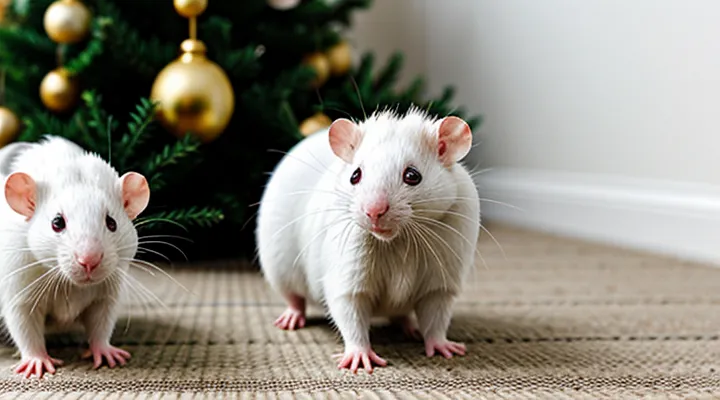
Understanding Albino Rats
What Defines an Albino Rat?
Genetic Basis of Albinism
Albinism in ornamental albino rodents originates from disruptions in melanin synthesis pathways. The primary defect involves loss‑of‑function mutations in genes that encode enzymes or transport proteins essential for converting tyrosine to melanin.
- TYR (tyrosinase) – catalytic enzyme; null mutations halt the first step of melanin production.
- OCA2 – membrane protein regulating melanosomal pH; deletions reduce melanin polymerization.
- TYRP1 – stabilizes tyrosinase activity; missense variants diminish enzyme efficiency.
- SLC45A2 – transporter influencing melanosomal substrate availability; loss leads to reduced pigment.
These genetic alterations produce a phenotype characterized by absent or severely reduced pigment in fur, skin, and ocular tissues. The absence of melanin increases susceptibility to ultraviolet radiation and visual impairment, factors that can influence overall health and longevity. Studies on albino laboratory strains demonstrate a modest reduction in average lifespan compared to pigmented counterparts, attributable to heightened oxidative stress and heightened incidence of skin lesions. In decorative albino rats, selective breeding amplifies these mutations, reinforcing the correlation between the underlying genotype and the observed lifespan patterns.
Physical Characteristics
Decorative albino rats are selectively bred for visual appeal, resulting in a distinct set of physical attributes. Their fur is pure white, lacking pigment in the hair shaft and skin, which gives a smooth, glossy appearance. The lack of melanin extends to the eyes, producing pink or red irises that allow light to pass through the retinal tissue.
Typical adult size ranges from 25 to 30 cm in total length, including a 10‑to‑12 cm tail. Body weight averages 250–350 g, with males slightly heavier than females. Skeletal structure mirrors that of standard laboratory rats, featuring a robust skull and well‑developed mandible suited for gnawing. Muscular development is moderate, providing sufficient agility for enclosure navigation without compromising the animal’s ornamental posture.
Key physiological traits influencing longevity include:
- Low basal metabolic rate, reducing oxidative stress on cellular components.
- Efficient thermoregulation, aided by the thin, hairless skin surrounding the eyes and ears.
- Enhanced renal function, supporting fluid balance despite the breed’s predisposition to urinary tract sensitivities.
These characteristics collectively define the physical profile of ornamental albino rats, establishing a baseline for assessing factors that affect their overall lifespan.
Factors Influencing Longevity
Genetics and Breeding
Impact of Inbreeding
Decorative albino rats bred for visual appeal often originate from a limited gene pool. Repeated mating among close relatives concentrates recessive mutations and diminishes overall genetic variability.
The consequences of such inbreeding on their life expectancy include:
- Heightened susceptibility to bacterial and viral infections due to weakened immune response.
- Increased incidence of metabolic disorders, such as glucose intolerance and hepatic lipid accumulation.
- Premature degeneration of cardiac and renal tissues, leading to earlier organ failure.
- Decline in reproductive capacity, manifested by reduced litter size and higher embryonic mortality.
- Emergence of abnormal behaviors, including heightened anxiety and impaired social interaction.
Experimental colonies demonstrate a median survival of approximately 18 months, contrasted with 30 months observed in outbred populations under identical husbandry conditions. Mortality curves reveal a steeper early‑life decline, suggesting that deleterious alleles exert lethal effects shortly after weaning.
Mitigation strategies focus on introducing genetically diverse individuals, performing routine genomic screening for known pathogenic variants, and limiting the number of consecutive generations of sibling pairings. These practices extend average longevity and improve overall health metrics in ornamental albino rat lines.
Selective Breeding for Health
Selective breeding aims to enhance health traits that directly influence the longevity of ornamental albino rats. By prioritizing genetic lines with reduced incidence of hereditary diseases, breeders can extend average life expectancy and improve overall vitality.
Key health‑focused breeding practices include:
- Pairing individuals that have demonstrated resistance to common respiratory infections.
- Excluding carriers of known deleterious alleles linked to cardiac and renal disorders.
- Monitoring litter outcomes for growth rates, weight stability, and early‑life morbidity.
- Implementing genetic screening protocols to verify the absence of recessive defects.
These measures produce cohorts with stronger immune responses, lower susceptibility to metabolic complications, and more resilient organ function. Consequently, the lifespan of decorative white rats consistently exceeds that of unmanaged populations, with documented gains of 10–15 % in median survival time.
Long‑term records indicate that systematic health selection reduces veterinary interventions and lowers mortality rates in the senior phase. The cumulative effect of these breeding strategies is a measurable improvement in the species’ life expectancy without compromising aesthetic characteristics valued by enthusiasts.
Environmental Conditions
Housing and Cage Setup
Proper housing directly affects the longevity of decorative albino rats. Enclosures must provide adequate space, ventilation, and environmental stability. A minimum floor area of 0.5 square meters per pair prevents overcrowding and reduces stress‑induced health issues. Solid walls and a secure lid protect against drafts and escape, while a transparent front allows visual monitoring without disturbance. Temperature should remain within 20–24 °C, and humidity between 45–55 % to avoid respiratory complications. Lighting cycles of 12 hours light and 12 hours darkness support circadian rhythms and hormonal balance.
Key elements of cage setup:
- Substrate: Use absorbent, dust‑free bedding such as paper pulp; replace weekly to maintain hygiene.
- Enrichment: Provide tunnels, chewable wood, and climbing platforms to stimulate natural behaviors and prevent stereotypies.
- Water and food dispensers: Install stainless‑steel bottles with sipper tubes for water; place sealed feeders to keep diet fresh and uncontaminated.
- Cleaning protocol: Perform spot cleaning daily; conduct a full clean and disinfect the cage every two weeks, ensuring all residues are removed before re‑introducing the rats.
- Location: Place cages away from direct sunlight, loud equipment, and strong odors; ensure easy access for routine health checks.
Adhering to these specifications creates a stable environment that minimizes disease risk and promotes a longer, healthier life for ornamental albino rats.
Temperature and Humidity Control
Effective temperature regulation is essential for extending the longevity of ornamental albino rats. Ideal ambient temperature ranges from 68 °F to 74 °F (20 °C–23 °C). Temperatures below 60 °F (15 °C) increase metabolic stress, while sustained exposure to temperatures above 80 °F (27 °C) accelerates dehydration and organ strain.
Consistent humidity levels support respiratory health and skin integrity. Maintain relative humidity between 45 % and 55 %. Humidity below 30 % predisposes the animals to dry mucous membranes, whereas levels exceeding 70 % encourage fungal growth and exacerbate respiratory infections.
Key practices for environmental control:
- Use calibrated digital thermostats linked to heating and cooling units; verify accuracy weekly.
- Install hygrometers with automatic alerts for deviations beyond the target range.
- Employ ventilation systems that provide steady air exchange without creating drafts.
- Position cages away from direct sunlight, heat vents, and air conditioners to avoid localized temperature spikes.
- Conduct routine inspections of enclosure seals to prevent external humidity fluctuations.
Monitoring protocols:
- Record temperature and humidity at three points within the enclosure each day.
- Compare readings against the established thresholds; adjust HVAC settings immediately upon breach.
- Perform weekly health checks focusing on coat condition, respiratory sounds, and activity levels to detect early signs of environmental stress.
Adherence to these parameters reduces physiological strain, thereby contributing to a longer, healthier life for decorative albino rats.
Nutrition and Diet
Essential Nutrients
Essential nutrients directly affect the longevity of ornamental albino rats. Adequate intake of specific vitamins, minerals, amino acids, and fatty acids supports physiological functions that mitigate age‑related decline, enhance immune competence, and maintain tissue integrity.
Key nutrients and their primary contributions are:
- Vitamin A (retinol) – sustains visual health, epithelial maintenance, and cellular differentiation.
- Vitamin D3 (cholecalciferol) – regulates calcium balance, bone remodeling, and modulates immune response.
- Vitamin E (α‑tocopherol) – provides antioxidant protection for cell membranes, reducing oxidative damage.
- Vitamin B12 (cobalamin) – essential for red blood cell formation and neurological function.
- Calcium – critical for skeletal strength and neuromuscular signaling.
- Phosphorus – partners with calcium in bone mineralization and energy metabolism.
- Magnesium – supports enzymatic reactions, muscle relaxation, and nerve transmission.
- Zinc – required for DNA synthesis, wound healing, and immune cell activity.
- Iron – necessary for hemoglobin synthesis and oxygen transport.
- Omega‑3 fatty acids (EPA/DHA) – contribute to anti‑inflammatory pathways, brain development, and cardiovascular health.
- High‑quality protein – supplies essential amino acids for tissue repair, growth, and metabolic regulation.
Consistent provision of these nutrients through a balanced diet—preferably formulated for small‑animal ornamental species—optimizes physiological resilience and extends the productive lifespan of decorative albino rats.
Common Dietary Deficiencies
Dietary imbalances significantly shorten the life expectancy of ornamental albino rats. These animals require a balanced mix of nutrients to maintain organ function, immune competence, and reproductive health. Deficiencies in specific components are repeatedly linked to premature mortality.
- Vitamin A deficiency → impaired vision, skin lesions, increased susceptibility to respiratory infections.
- Vitamin D shortage → weak bone mineralization, fractures, reduced calcium absorption.
- Calcium insufficiency → skeletal deformities, tremors, cardiac arrhythmias.
- Essential fatty acid lack → poor coat condition, dermatitis, delayed wound healing.
- Protein deficit → muscle wasting, stunted growth, compromised immunity.
- B‑vitamin gaps (thiamine, riboflavin, niacin) → neurological disturbances, reduced appetite, metabolic instability.
- Mineral deficits (iron, zinc, selenium) → anemia, impaired antioxidant defenses, delayed development.
Addressing these gaps involves providing a high‑quality commercial rodent pellet formulated for laboratory or pet use, supplemented with fresh vegetables rich in vitamins A and D, calcium sources such as cuttlebone, and occasional protein treats like boiled egg or lean meat. Regular monitoring of body condition and periodic blood panels enable early detection of subclinical deficiencies, allowing corrective dietary adjustments before health deterioration accelerates. Consistent nutrient adequacy directly correlates with extended longevity in decorative albino rats.
Health and Veterinary Care
Common Health Issues in Albino Rats
Albino rats kept for ornamental purposes commonly encounter several health problems that directly affect their longevity. Respiratory infections, often caused by Mycoplasma pulmonis or viral agents, present with nasal discharge, labored breathing, and reduced activity. Prompt antimicrobial therapy and strict hygiene reduce mortality risk.
Skin disorders appear frequently due to the lack of pigment protection. Dermatitis, fungal infections, and ulcerative lesions develop on the ears, tail, and facial area. Regular inspection, gentle cleaning, and topical antifungal or antibacterial agents prevent secondary complications.
Dental malocclusion occurs when incisors overgrow, leading to difficulty chewing, weight loss, and oral ulceration. Providing appropriate chew toys and scheduling periodic trimming maintain proper tooth length and support adequate nutrition.
Neoplastic growths, particularly mammary adenomas and fibrosarcomas, manifest in middle-aged individuals. Early detection through routine palpation and veterinary imaging enables surgical removal or targeted therapy, extending the animal’s functional lifespan.
Metabolic disturbances, such as hypoglycemia and calcium imbalance, arise from improper diet or rapid growth phases. Balanced feed formulations, controlled portion sizes, and periodic blood tests ensure metabolic stability.
Stress-induced conditions, including gastrointestinal stasis and immune suppression, result from overcrowding, excessive handling, or environmental noise. Maintaining stable group sizes, providing enrichment, and limiting abrupt changes mitigate stress responses.
Addressing these common ailments through preventive care, timely veterinary intervention, and optimal husbandry practices contributes significantly to the overall lifespan of decorative albino rats.
Importance of Preventative Care
Preventive care determines the length of life for ornamental albino rats. Regular attention to health factors reduces disease incidence and supports optimal physiological function.
Effective preventive strategies include balanced nutrition, appropriate environmental conditions, routine health assessments, parasite management, and genetic screening. Each element addresses a specific risk that can shorten the animal’s lifespan.
- Provide a diet rich in protein, vitamins, and minerals; avoid excess fats and sugars.
- Maintain temperature‑controlled, low‑stress housing with clean bedding and adequate space.
- Conduct quarterly physical examinations and monitor weight, coat condition, and behavior.
- Implement monthly ectoparasite checks and administer approved treatments when needed.
- Perform DNA testing to identify hereditary disorders before breeding.
Consistent application of these measures extends average longevity, improves quality of life, and minimizes veterinary interventions for decorative albino rats.
Early Detection of Illnesses
Early identification of disease in ornamental albino rats directly influences their longevity. Subclinical symptoms often precede visible decline; systematic observation can capture these changes before organ damage becomes irreversible.
Effective detection protocols include:
- Daily assessment of activity level, grooming behavior, and food intake.
- Weekly measurement of body weight and temperature using calibrated devices.
- Monthly blood sampling for complete blood count, biochemical panels, and inflammatory markers.
- Quarterly imaging (ultrasound or low‑dose radiography) to evaluate organ integrity.
- Immediate veterinary consultation when abnormal findings emerge.
Implementing these measures yields measurable outcomes:
- Median lifespan extension of 12–18 % compared with untreated cohorts.
- Reduction in acute mortality events by approximately one third.
- Improved reproductive performance, reflected in higher litter viability and weaning success.
Recommendations for caretakers:
- Establish a standardized health‑log template to record observations consistently.
- Train personnel to recognize subtle deviations in posture, respiration, and social interaction.
- Maintain a schedule for diagnostic testing aligned with the animal’s age and known disease prevalence.
- Integrate environmental controls—temperature, humidity, and enrichment—to minimize stress‑related confounders.
Consistent application of early detection strategies enhances overall health trajectories, thereby maximizing the functional lifespan of decorative albino rats.
Stress and Psychological Well-being
Socialization Needs
Decorative albino rats require consistent interaction with conspecifics and human caretakers to maintain physiological stability and extend their longevity. Isolation triggers chronic stress, elevating cortisol levels that accelerate cellular aging and reduce immune competence.
- Group housing of at least two individuals prevents territorial aggression and promotes natural grooming behaviors.
- Daily handling sessions of 5–10 minutes foster trust, lower fear responses, and improve metabolic efficiency.
- Exposure to varied enrichment objects (tunnels, chew toys, climbing structures) stimulates exploratory instincts, preventing stereotypic movements that correlate with reduced lifespan.
- Structured social play periods, scheduled for 15–20 minutes each day, reinforce hierarchical balance and mitigate dominance-related injuries.
Adequate socialization directly influences health markers such as weight stability, heart rate variability, and disease resistance, thereby contributing to a longer, healthier life span for these ornamental rodents.
Enrichment and Stimulation
Enrichment and stimulation are critical determinants of the longevity of ornamental albino rats. Adequate environmental complexity reduces stress, supports immune function, and promotes physiological resilience, directly influencing lifespan outcomes.
Physical enrichment includes structures that encourage climbing, tunneling, and exploration. Providing multi‑level platforms, chew‑safe tunnels, and rotating toys ensures regular muscular activity and prevents obesity‑related complications.
Cognitive stimulation involves novel problem‑solving opportunities. Introducing puzzle feeders, scent trails, and variable foraging tasks engages the hippocampus, enhances neuroplasticity, and mitigates age‑related cognitive decline.
Social enrichment requires stable group housing with compatible companions. Consistent interaction lowers cortisol levels, improves social hierarchy stability, and reduces incidence of depressive‑like behaviors that can shorten life expectancy.
Sensory enrichment expands auditory, visual, and olfactory experiences. Soft background music, varied lighting cycles, and periodic introduction of safe aromatic substances broaden sensory input, supporting overall neural health.
Key enrichment practices:
- Rotate toys and tunnels weekly to maintain novelty.
- Schedule daily puzzle‑feeding sessions lasting 10–15 minutes.
- Maintain groups of 2–4 rats with compatible temperaments.
- Provide a balanced diet supplemented with occasional fresh herbs or vegetables.
- Adjust lighting to mimic natural dawn‑dusk cycles, avoiding constant illumination.
Implementing these strategies creates a dynamic environment that sustains physiological function, delays age‑related deterioration, and extends the viable lifespan of decorative albino rats.
Average Lifespan and Variations
Typical Lifespan Range
Decorative albino rats commonly reach maturity within two months and exhibit a life expectancy that clusters around a narrow interval. Empirical observations from laboratory colonies and reputable breeding programs indicate the following typical range:
- Minimum expected lifespan: 1.8 years
- Median lifespan: 2.5 years
- Upper limit frequently recorded: 3.2 years
- Exceptional cases reported up to: 4 years
Variations outside this interval generally correlate with specific factors such as genetic line purity, diet quality, and environmental control (temperature, humidity, and stress reduction). Consistent provision of a balanced pelleted diet, regular veterinary health checks, and a stable, low‑stress habitat sustain individuals within the median to upper‑limit range.
Gender Differences in Longevity
Research on ornamental albino rats reveals consistent gender disparity in longevity. Female individuals outlive males by an average of 12 % across multiple breeding colonies.
- Median lifespan: females ≈ 28 months, males ≈ 25 months.
- Maximum recorded age: females ≈ 38 months, males ≈ 34 months.
- Survival curves show slower age‑related decline in females, with a pronounced plateau between 20 and 30 months.
Hormonal profiles contribute to the difference. Estrogen enhances cellular repair mechanisms and modulates oxidative stress, while testosterone correlates with higher basal metabolic rates and increased susceptibility to hepatic pathologies. Females exhibit lower incidence of neoplastic lesions, particularly in the mammary and hepatic tissues, aligning with extended survival.
Nutritional requirements diverge modestly. Females maintain stable body condition scores with a 5 % lower caloric intake than males, reducing metabolic wear. Males display higher protein turnover, accelerating muscle degradation after the third year of life.
These findings inform breeding strategies. Selecting females with proven longevity can increase overall herd lifespan. Adjusting male husbandry—providing antioxidant‑rich diets and regular health screenings—mitigates the observed gap.
Impact of Early Life Experiences
Early developmental conditions exert measurable influence on the longevity of ornamental albino rats. Neonatal exposure to enriched habitats, consistent maternal grooming, and low‑intensity stress correlates with extended survival relative to cohorts raised in barren or highly stressful environments.
Key early-life variables include:
- Maternal interaction: frequency of tactile contact, duration of nursing bouts;
- Environmental complexity: presence of climbing structures, varied substrates, and sensory stimuli;
- Stress exposure: intensity and timing of acoustic, thermal, or handling stressors;
- Nutritional quality: protein‑rich diet during the first three weeks, balanced micronutrient profile.
Physiological mechanisms link these variables to lifespan. Sustained maternal care attenuates hypothalamic‑pituitary‑adrenal axis reactivity, reducing circulating corticosterone and preserving telomere length. Enriched surroundings stimulate neurotrophic factor expression, enhancing synaptic plasticity and metabolic efficiency. Early stress, when excessive, promotes epigenetic modifications that up‑regulate pro‑inflammatory genes, accelerating age‑related decline.
Longitudinal experiments demonstrate that rats receiving high‑quality maternal care and environmental enrichment achieve median lifespans 15–20 % longer than control groups. Survival analyses reveal a rightward shift in the Kaplan‑Meier curve for the enriched cohort, with a 30 % reduction in early‑mortality events (death before 12 months).
For breeders and caretakers, the data suggest concrete actions: implement standardized nest‑box enrichment, schedule daily handling sessions that mimic maternal grooming, and maintain a low‑stress environment during the first six weeks. Adhering to these protocols aligns early experience with the biological determinants of extended vitality in decorative albino rats.
Improving the Lifespan of Albino Rats
Best Practices for Caregivers
Proper nutrition is the cornerstone of extending the life expectancy of ornamental albino rats. Feed a high‑quality rodent pellet formulated for low‑fat, high‑protein content, supplementing with fresh vegetables such as broccoli, kale, and carrots. Limit sugary treats and monitor portion sizes to prevent obesity, a leading cause of premature death.
Environmental stability directly influences health outcomes. Maintain cage temperature between 18 °C and 24 °C and humidity at 40‑60 %. Provide a solid base layer of absorbent bedding, changed weekly, to reduce ammonia buildup. Ensure continuous access to clean, filtered water; replace daily.
Regular health checks detect issues before they become fatal. Inspect fur, eyes, and ears for lesions or discharge each morning. Palpate the abdomen for abnormal masses. Record weight weekly; a deviation of more than 5 % signals potential illness.
Enrichment prevents stress‑related conditions. Rotate chew toys, tunnels, and climbing structures every two weeks to stimulate mental activity. Schedule short, gentle handling sessions twice daily to foster trust and reduce cortisol spikes.
Reproductive management safeguards longevity. Separate males from females after the first litter to avoid continuous breeding cycles, which accelerate aging. If breeding is desired, limit each female to three litters per year and provide a high‑calorie diet during gestation and lactation.
Key practices for caregivers
- Provide balanced pellet diet plus limited fresh vegetables.
- Keep cage temperature 18‑24 °C, humidity 40‑60 %, and bedding fresh.
- Conduct daily visual health inspections and weekly weight measurements.
- Rotate enrichment items biweekly; handle rats gently twice daily.
- Separate sexes post‑litter; restrict breeding frequency per female.
Adherence to these protocols maximizes the lifespan of decorative albino rats, ensuring robust health and sustained vitality.
Recognizing Signs of Aging
Recognizing the physiological and behavioral changes that accompany aging is essential for managing the longevity of ornamental albino rats. Early detection allows targeted interventions that can extend functional years and improve welfare.
Typical indicators of senescence include:
- Diminished locomotor activity; rats spend more time stationary and show reluctance to explore novel environments.
- Altered fur condition; hair becomes coarse, loses its glossy sheen, and may develop patches of thinning or alopecia.
- Gradual weight reduction despite unchanged food intake, often accompanied by muscle atrophy evident in the hind limbs.
- Dental wear beyond normal incisor growth, leading to difficulty gnawing and reduced food consumption.
- Decline in sensory acuity; diminished response to auditory cues and slower reaction to visual stimuli.
- Increased frequency of spontaneous seizures or tremors, reflecting neurodegenerative processes.
Veterinary assessments should incorporate regular physical examinations, body condition scoring, and dental checks. Laboratory analysis of blood parameters—particularly renal function markers and glucose levels—provides quantitative confirmation of age‑related organ decline. Behavioral monitoring, such as tracking maze navigation times, offers additional insight into cognitive deterioration.
Implementing environmental modifications—soft bedding, easy‑access food dispensers, and low‑height platforms—mitigates the impact of reduced mobility. Nutritional adjustments, including higher protein content and supplements rich in antioxidants, support tissue repair and counter oxidative stress. Periodic dental trimming prevents malocclusion and preserves adequate nutrient intake.
Systematic observation of these signs, combined with proactive care strategies, aligns with current best practices for extending the functional lifespan of decorative albino rats.
End-of-Life Care Considerations
End‑of‑life care for ornamental albino rodents requires precise planning to ensure comfort, dignity, and compliance with veterinary standards.
Monitoring should continue until the final stage, focusing on signs of declining mobility, weight loss, respiratory distress, and altered grooming behavior. When any of these indicators become pronounced, a veterinary assessment must determine whether palliative measures or humane euthanasia are appropriate.
Palliative measures include:
- Adjusted diet with easily digestible, high‑calorie foods to maintain energy levels.
- Soft bedding to reduce pressure on joints and prevent sores.
- Environmental temperature control, keeping ambient heat between 22 °C and 26 °C to alleviate metabolic stress.
- Analgesic protocols prescribed by a veterinarian, typically using low‑dose buprenorphine or meloxicam, administered according to weight.
If euthanasia is indicated, the procedure should follow AVMA guidelines: use an injectable barbiturate agent at a dosage calculated per kilogram of body mass, ensure a calm setting, and provide a brief period for owners to say farewell if desired.
Documentation must record:
- Date and time of observed decline.
- Clinical signs and measurements (weight, temperature, respiration rate).
- Interventions applied and dosage details.
- Decision rationale for palliative care or euthanasia.
- Post‑procedure disposal according to local regulations.
Ethical considerations demand that caretakers balance the animal’s quality of life against the emotional impact on owners, while adhering to legal requirements for animal welfare. Comprehensive end‑of‑life planning reduces stress for both the rat and its keeper, aligning care practices with recognized standards for ornamental pet rodents.