
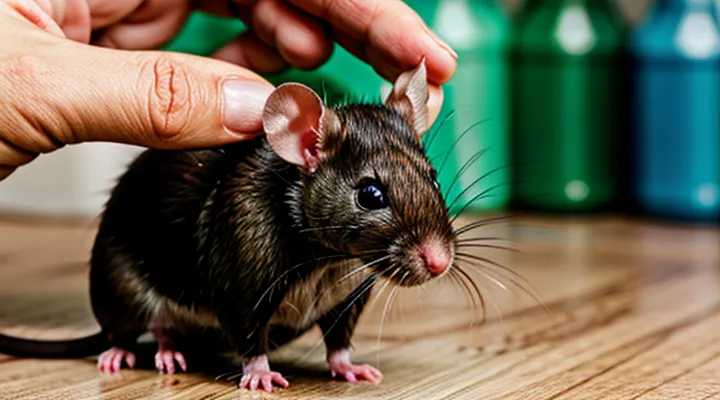
Understanding Rat Lice
What are Rat Lice?
Types of Rat Lice
Rats commonly harbor three ectoparasitic lice species that are of veterinary and laboratory significance. Each species exhibits distinct morphology, host preference, and geographic prevalence, influencing diagnostic and therapeutic strategies.
- Polyplax serrata – a chewing louse that feeds on skin debris and secretions; prevalent in wild and laboratory rodents across temperate regions; identifiable by a broad, flattened body and prominent thoracic plates.
- Polyplax spinulosa – a sucking louse that extracts blood from the host’s dermal capillaries; found primarily in tropical and subtropical rodent populations; characterized by a slender abdomen and elongated mouthparts.
- Hoplopleura hirsuta – a chewing louse adapted to nest-dwelling rats; distributed worldwide in urban environments; distinguished by dense setae covering the dorsal surface and a pronounced head capsule.
Morphological differences, such as body shape and mouthpart structure, allow reliable species identification under microscopic examination. Geographic distribution patterns assist in anticipating likely infestations based on the origin of the rodent colony. Accurate identification informs selection of appropriate acaricidal agents and dosing schedules, thereby enhancing control efficacy and minimizing adverse effects on the host.
Life Cycle of Lice
The life cycle of rat lice proceeds through four distinct phases: egg, three nymphal instars, and adult. Each phase occurs on the host or in the immediate environment, allowing rapid population expansion under favorable conditions.
- Egg (nit): Female lice embed individual eggs cemented to hair shafts within 24 hours of mating. Eggs measure 0.8 mm, hatch after 5–7 days at 22–30 °C and 70–80 % relative humidity.
- First instar nymph: Newly emerged nymph feeds on blood, molts after 2–3 days. Morphology resembles adult but lacks developed wings and reproductive organs.
- Second instar nymph: Feeding continues, size increases, molting occurs after 3–4 days.
- Third instar nymph: Final molt produces a mature adult within 4–5 days. Sexual maturity is reached shortly after emergence.
- Adult: Lifespan ranges from 20 to 30 days. Females lay 30–50 eggs during this period, sustaining the cycle.
Temperature and humidity exert primary influence on developmental speed; higher values compress each stage, potentially completing the entire cycle in under three weeks. Host grooming reduces egg attachment success, while dense fur and poor sanitation extend survival of nymphs and adults. Transmission occurs through direct contact between rats or via contaminated bedding, where eggs remain viable for up to ten days without a host.
Understanding each stage clarifies optimal intervention points: targeting eggs with ovicidal agents, eliminating nymphs before sexual maturation, and applying adulticidal treatments concurrent with environmental decontamination maximizes control efficacy.
How Rats Get Lice
Transmission Methods
Lice spread among laboratory and wild rodents through several well‑documented pathways. Direct contact between conspecifics provides the most efficient route; grooming, mating, and communal nesting bring adult lice and nymphs into immediate proximity, allowing rapid transfer. Indirect transmission occurs when infested bedding, cages, or equipment harbor mobile stages; moving these items between groups introduces parasites without animal contact. Maternal transmission can take place during birth or early post‑natal grooming, delivering lice to offspring before independent mobility. Environmental persistence is limited, but eggs (nits) can survive for days on surfaces, creating a reservoir that re‑infests hosts when conditions become favorable.
- Physical contact: grooming, mating, cohabitation
- Contaminated materials: bedding, cages, tools
- Maternal transfer: perinatal grooming, birth environment
- Residual eggs on surfaces: short‑term environmental reservoir
Effective control requires interruption of each pathway: strict cage sanitation, isolation of newly introduced animals, and routine monitoring of breeding colonies to detect early infestations.
Risk Factors for Infestation
Rat lice infestations arise when specific environmental and host conditions converge. Understanding the variables that increase susceptibility enables targeted prevention and more efficient therapeutic interventions.
- Poor sanitation: accumulation of urine, feces, and food debris creates a humid microenvironment favorable for lice development.
- Overcrowding: high population density raises contact frequency, facilitating parasite transmission.
- Seasonal humidity: elevated ambient moisture during warm months accelerates egg hatching and nymph survival.
- Immunocompromised or malnourished rodents: weakened defenses reduce the ability to resist colonization.
- Inadequate bedding turnover: infrequent replacement or cleaning of nesting material preserves viable lice stages.
- Co‑habitation with other infested species: cross‑species contact introduces additional lice carriers.
Each factor amplifies the probability of an outbreak and influences treatment outcomes. Mitigating these risks—through rigorous hygiene protocols, population management, climate control, nutritional support, and regular bedding renewal—reduces infestation prevalence and improves the efficacy of antiparasitic regimens.
Detecting Lice in Rats
Symptoms of Lice Infestation
Behavioral Changes
Rats carrying lice exhibit distinct alterations in daily routines that aid early identification of an infestation. Reduced grooming activity appears promptly; affected individuals spend less time cleaning fur, leading to visible clumping and increased dirt accumulation. Concurrently, afflicted rats display heightened irritability, manifested by frequent scratching, head shaking, and attempts to dislodge parasites from the coat.
Feeding behavior often changes. Infested rats may consume less food, resulting in measurable weight loss over a few days. In contrast, some individuals increase nibbling on bedding material as a coping response to discomfort. Activity levels shift as well: affected rats tend to move less in open arenas but increase rapid, localized movements near nesting sites, indicating attempts to avoid contact with parasites.
Social interactions deteriorate. Infested rats withdraw from group activities, reduce grooming exchanges, and may become aggressive toward cage mates. These changes facilitate isolation of the problem animal for targeted treatment.
Typical behavioral indicators include:
- Decreased self‑grooming and fur cleanliness
- Frequent scratching or head shaking
- Reduced food intake and weight loss
- Altered locomotion patterns (less exploration, more localized activity)
- Withdrawal from social contact and increased aggression
Monitoring these signs enables prompt diagnostic confirmation and implementation of effective anti‑lice protocols, minimizing spread and promoting rapid recovery.
Physical Signs
Physical signs of a lice infestation in laboratory or pet rodents are readily observable and provide the first indication that parasitic control is required. The most reliable indicators appear on the animal’s coat, skin, and behavior.
- Presence of tiny, translucent or brownish insects moving through the fur, especially near the ears, neck, and tail base.
- Visible nits attached to hair shafts; they appear as oval, white‑to‑yellowish shells that remain fixed despite grooming.
- Excessive scratching, grooming, or self‑inflicted wounds, often concentrated on the head, back, and hindquarters.
- Hair loss or thinning patches, frequently accompanied by a rough, matted coat.
- Redness, inflammation, or crusted lesions on the skin, particularly around the ears, whisker pads, and ventral surface.
- Unusual odor emanating from the fur, caused by bacterial overgrowth secondary to irritation.
These manifestations develop within days of infestation and intensify as the population expands. Early recognition of these signs enables prompt treatment, reduces the risk of secondary infections, and prevents spread to co‑habiting animals. Monitoring should include routine visual inspection and handling of each rat to assess the listed criteria.
Skin Irritations
Skin irritations are a primary clinical sign of rodent ectoparasite infestations. In laboratory and pet rats, lice feed on blood and keratin, provoking localized inflammation, erythema, and pruritus. Affected areas often include the dorsal coat, ventral abdomen, and tail base, where fur loss and crust formation may accompany the irritation.
Detection relies on visual inspection and tactile examination. When a rat scratches or gnaws at a specific spot, gently part the hair and look for:
- Small, elongated insects measuring 1–2 mm, typically gray‑brown.
- Nits attached to hair shafts near the skin surface.
- Red or swollen patches with raised papules.
Microscopic evaluation of collected specimens confirms species identification and guides treatment choices.
Effective therapy combines topical and systemic agents. Recommended options include:
- Topical insecticidal shampoos containing pyrethrins or permethrin, applied according to manufacturer instructions, then rinsed after the specified contact time.
- Oral ectoparasiticides such as ivermectin, administered at a dose of 0.2 mg/kg body weight, repeated after seven days to interrupt the life cycle.
- Environmental decontamination using dilute bleach solutions on cages, bedding replacement, and regular cleaning to remove residual eggs.
Adjunctive care addresses the irritation itself. Apply a veterinary‑grade anti‑inflammatory gel or a mild antiseptic spray to reduce swelling and prevent secondary bacterial infection. Monitor the rat for improvement over 48–72 hours; persistent lesions may indicate resistant lice or co‑infection, warranting veterinary reassessment.
Prevention focuses on hygiene and quarantine. Introduce new rats only after a thorough ectoparasite screen, maintain dry bedding, and limit overcrowding to reduce transmission opportunities. Regular health checks that include skin assessment help detect early irritation before infestations become severe.
Visual Inspection Techniques
Examination of Fur
Examination of a rat’s fur provides the most direct evidence of ectoparasite infestation. Inspectors should separate the animal from its cage, secure it gently, and conduct a systematic visual sweep from the head to the tail. Under magnification (10‑20× handheld lens or dissecting microscope), look for adult lice, nymphs, and eggs adhered to hair shafts. Typical locations include the dorsal midline, ventral abdomen, and around the ears, where hair density is greatest.
Key visual indicators include:
- Small, elongated bodies moving quickly across the coat;
- Oval, whitish nits attached near the hair base;
- Localized hair loss or broken shafts;
- Red or inflamed skin patches.
Tactile assessment complements visual inspection. Run a fine-toothed comb or a soft brush through the fur; detached lice or nits will collect on the comb and become visible on a white surface. Record the number of parasites per comb stroke to estimate infestation severity.
When lice are confirmed, immediate treatment is required to prevent rapid population expansion. Recommended actions are:
- Apply a licensed topical insecticide (e.g., pyrethrin‑based spray) according to label dosage, covering all coat regions.
- Treat the cage environment with an appropriate residual spray to eliminate off‑host stages.
- Repeat fur examination after 48–72 hours to verify eradication and to catch any newly emerged lice.
Regular fur examinations, performed weekly in breeding or research colonies, maintain low parasite loads and reduce the risk of secondary infections.
Areas to Focus On
Effective management of rat lice infestations requires attention to several critical domains. Accurate identification of the ectoparasite species establishes the basis for appropriate intervention. Regular visual inspection of fur, skin folds, and nest material reveals adult lice, nymphs, and eggs. Microscopic examination of collected specimens confirms taxonomy and guides treatment selection.
Key focus areas include:
- Diagnostic protocols: standardized sampling techniques, preservation methods, and laboratory identification criteria.
- Environmental sanitation: removal of contaminated bedding, thorough cleaning of cages, and control of humidity levels that favor lice development.
- Pharmacological options: evaluation of topical insecticides, systemic agents, and resistance patterns; dosage calculations based on body weight and species‑specific pharmacokinetics.
- Preventive measures: quarantine procedures for new arrivals, routine health monitoring, and implementation of colony‑wide prophylaxis schedules.
- Monitoring and documentation: systematic recording of infestation prevalence, treatment outcomes, and any adverse reactions to facilitate continuous improvement.
By concentrating on these domains, researchers and caretakers can reliably detect rat lice, apply effective therapeutics, and sustain parasite‑free colonies.
Use of Magnification
Magnification devices enhance visual discrimination of rat ectoparasites, allowing identification of adult lice, nymphs, and eggs that are often concealed within dense fur. Handheld stereomicroscopes with 10–40 × magnification provide sufficient depth of field to examine the dorsal and ventral regions without removing hair. Portable digital microscopes connected to a monitor enable real‑time documentation, facilitating comparison with reference images and supporting diagnostic consistency across personnel.
Key practices for effective use of magnification include:
- Adjust illumination to a diffuse, cool light source to prevent glare on the animal’s coat.
- Position the rat on a non‑slippery surface; gently restrain using a soft towel or specialized restraining device to minimize stress.
- Scan the head, neck, and tail base first, as lice preferentially colonize these areas.
- Capture images of suspect organisms; verify morphological features such as body segmentation, antennae length, and claw shape to confirm species.
When magnified inspection reveals an infestation, immediate treatment can be applied. Topical insecticides (e.g., pyrethrin‑based solutions) are administered directly to the affected zones under magnification to ensure thorough coverage. Oral systemic agents (e.g., ivermectin) are dosed according to body weight; magnification assists in confirming the absence of residual lice after treatment, reducing the risk of reinfestation.
Integrating magnification into routine health monitoring programs shortens detection time, improves accuracy of parasite identification, and supports targeted therapeutic interventions, thereby maintaining colony welfare and experimental reliability.
Differentiating Lice from Other Parasites
Mites vs. Lice
Mites and lice are the two most common ectoparasites infesting laboratory and pet rats. Although both are external feeders, they differ markedly in morphology, life cycle, clinical impact, and control strategies.
Mites belong to the order Trombidiformes. Adult mites are small, oval, and often translucent, measuring 0.2–0.5 mm. They lay eggs directly on the host’s skin; development proceeds through larva, nymph, and adult stages within 7–10 days under optimal temperature and humidity. Infestations cause intense pruritus, alopecia, and dermatitis, frequently localized to the ears, face, and ventral abdomen. Mite species commonly encountered on rats include Myobia musculi and Radfordia spp.
Lice are obligate blood‑sucking insects of the order Phthiraptera. Adult rat lice are larger (1–2 mm), dorsoventrally flattened, and possess well‑developed wings reduced to vestigial structures. Their life cycle comprises egg (nit), nymph, and adult, completing in 10–14 days. Lice attach to hair shafts, feeding several times daily. Clinical signs consist of anemia, generalized itching, and secondary bacterial infections. The predominant species is Polyplax serrata.
Key distinctions:
- Size: Mites 0.2–0.5 mm; lice 1–2 mm.
- Mobility: Mites crawl across skin; lice move along hair shafts.
- Feeding: Mites ingest tissue fluids; lice ingest blood.
- Egg placement: Mites embed eggs in skin; lice cement nits to hair.
- Typical lesions: Mites produce localized dermatitis; lice cause systemic irritation and anemia.
Detection relies on direct visual examination and microscopic analysis of skin scrapings or hair plucks. Mite identification requires mounting specimens on slides to observe setae patterns. Lice detection benefits from combing the coat and inspecting for attached nits. In severe cases, skin biopsies may confirm mite burrows, while blood smears reveal lice‑induced anemia.
Treatment protocols differ. Mite control employs topical acaricides such as selamectin or ivermectin, applied at recommended dosages for rodents. Environmental decontamination includes thorough cleaning of cages, bedding, and accessories, followed by a 2‑week quarantine to break the mite life cycle. Lice eradication uses insecticidal sprays containing pyrethrins or fipronil, administered to the animal and its environment. Repeated applications at 7‑day intervals ensure coverage of the lice developmental stages. Supportive care—iron supplementation for anemia and topical antibiotics for secondary infections—enhances recovery.
Effective management demands accurate species identification, appropriate pharmacologic intervention, and strict hygiene measures to prevent re‑infestation.
Fleas vs. Lice
Fleas and lice are distinct ectoparasites that frequently affect laboratory and pet rats, yet they require separate diagnostic and therapeutic approaches. Fleas are wingless insects that move by jumping, feed intermittently on blood, and can survive off‑host for several days. Lice are obligate ectoparasites that crawl, remain on the host for their entire life cycle, and feed continuously on blood or tissue fluids.
Key differences are summarized below:
- Mobility: Fleas hop; lice walk.
- Life cycle: Fleas develop through egg, larva, pupa, adult stages in the environment; lice progress from egg (nit) to nymph to adult directly on the host.
- Host specificity: Fleas often infest multiple species; lice are usually species‑specific, with rat‑specific lice rarely transferring to other mammals.
- Transmission risk: Fleas can act as vectors for bacterial pathogens such as Yersinia pestis; lice primarily cause irritation and anemia but may transmit rickettsial agents.
Detection relies on visual inspection and sampling. Flea presence is confirmed by observing moving insects on the fur, finding flea dirt (digested blood) in bedding, or capturing specimens with a fine‑toothed comb. Lice are identified by locating attached nits attached to hair shafts, noting the presence of adult lice crawling slowly across the body, and examining skin for localized dermatitis.
Effective treatment combines chemical and environmental measures. For fleas, topical insecticides containing fipronil or imidacloprid applied to the rat’s coat, combined with thorough cleaning of cages, bedding, and surrounding areas, reduce infestation. For lice, topical pediculicides such as pyrethrins or ivermectin administered according to veterinary dosage guidelines eradicate the parasites; simultaneous removal of nits with a fine comb enhances outcomes. Continuous monitoring after treatment confirms eradication and prevents re‑infestation.
Treating Lice in Rats
Consultation with a Veterinarian
Importance of Professional Diagnosis
Professional diagnosis of rat ectoparasite infestations provides accurate species identification, which distinguishes lice from mites, fleas, or fungal infections. Precise identification guides selection of effective therapeutics and prevents the use of inappropriate chemicals that could harm the host or exacerbate resistance.
A qualified veterinarian or trained laboratory technician can:
- Perform microscopic examination of collected specimens to confirm lice presence.
- Evaluate infestation severity through standardized scoring.
- Recommend treatment regimens based on species‑specific susceptibility patterns.
- Document findings for regulatory compliance and future health monitoring.
Accurate diagnosis reduces trial‑and‑error treatment, limits unnecessary drug exposure, and safeguards colony health by preventing secondary infections. It also enables timely intervention, minimizing spread to other rodents and preserving research integrity where laboratory rats are used.
In summary, reliance on professional assessment ensures that control measures are scientifically justified, cost‑effective, and aligned with animal welfare standards.
Prescription Medications
Prescription medications are essential tools for managing rat lice infestations when over‑the‑counter products prove insufficient. Veterinarians prescribe systemic and topical agents that target the nervous system of the parasites, ensuring rapid elimination and reducing the risk of resistance.
- Ivermectin – oral formulation, 0.2 mg/kg body weight, administered once; repeat after 7 days if live lice persist. Contraindicated in pregnant females and animals with known MDR‑1 gene mutations.
- Selamectin – topical spot‑on, 1 mg/kg applied to the dorsal neck region. Provides 4‑week protection against re‑infestation. Not recommended for neonates under 2 weeks of age.
- Moxidectin – oral suspension, 0.2 mg/kg, single dose. Effective against both lice and other ectoparasites; requires fasting for 2 hours before administration.
- Spinosad – oral tablets, 10 mg/kg, single dose. Acts on nicotinic acetylcholine receptors; safe for breeding colonies when used according to label instructions.
Prescription usage mandates a veterinary diagnosis, proper dosing calculations based on the rat’s weight, and monitoring for adverse reactions such as tremors, hypersalivation, or gastrointestinal upset. Adjustments are necessary for compromised hepatic or renal function. Integration with environmental control—cleaning cages, laundering bedding, and treating co‑habiting animals—maximizes therapeutic success and prevents reinfestation.
Over-the-Counter Treatment Options
Topical Treatments
Topical agents remain the primary option for rapidly eliminating lice from rodents. Products formulated as shampoos, sprays, or spot‑on solutions deliver insecticidal compounds directly to the fur and skin, ensuring contact with all life stages of the parasite.
Commonly employed active ingredients include:
- Permethrin 0.5 % (pyrethroid): effective against adult lice and nymphs; re‑application after 24 h prevents reinfestation from eggs.
- Pyrethrins combined with piperonyl butoxide: synergistic action enhances knock‑down; suitable for short‑term treatment.
- Ivermectin 0.5 % (macrocyclic lactone): systemic absorption provides residual activity; useful when resistance to pyrethroids is documented.
- Malathion 0.5 % (organophosphate): rapid paralysis of lice; requires careful handling due to toxicity.
Application protocol:
- Restrain the animal and fully saturate the coat with the chosen formulation, avoiding ocular and nasal exposure.
- Massage the product into the skin for 30–60 seconds to ensure penetration.
- Allow the animal to dry naturally; do not rinse unless the product label specifies.
- Repeat the treatment after 24 h to target hatching eggs, then monitor for at least 7 days.
Safety considerations demand adherence to manufacturer‑specified concentrations, observation for dermal irritation, and isolation of treated rats to prevent cross‑contamination. Combining topical treatment with environmental sanitation—regular cage cleaning, bedding replacement, and rodent‑proof barriers—maximizes eradication success and reduces the likelihood of resistance development.
Oral Medications
Oral medications constitute a primary option for eliminating rat ectoparasites when topical treatments are impractical. Systemic agents reach the bloodstream, allowing lice that feed on blood to ingest the drug during normal feeding cycles.
Commonly used oral compounds include:
- Ivermectin: broad‑spectrum macrocyclic lactone; dosage 0.2–0.4 mg kg⁻¹ administered once, with a repeat dose after 7 days if infestations persist. Effective against all life stages; resistance reports are rare.
- Milbemycin oxime: similar mode of action to ivermectin; dosage 0.5 mg kg⁻¹ once, repeat after 14 days for heavy loads. Provides additional protection against intestinal nematodes.
- Spinosad: insecticide targeting nicotinic acetylcholine receptors; dosage 10 mg kg⁻¹ orally, single administration. Rapid knock‑down of adult lice; limited data on nymphal stages.
Selection criteria for oral therapy involve the severity of infestation, the health status of the host, and potential drug interactions. Ideal candidates are adult rats with no hepatic or renal impairment, as most systemic agents are metabolized hepatically and excreted renally. Dosage calculations must be based on accurate body weight measurements to avoid toxicity.
Monitoring after treatment includes daily observation for signs of lethargy, loss of appetite, or neurologic abnormalities, which may indicate overdose. Fecal examination and visual inspection of the coat are recommended 5–7 days post‑administration to confirm eradication.
Resistance management recommends rotating between drug classes and integrating environmental control measures, such as regular cage cleaning and bedding replacement, to reduce re‑infestation pressure.
Environmental Sprays
Environmental sprays constitute a primary tool for managing rodent lice infestations in laboratory and breeding facilities. Sprays deliver insecticidal agents directly onto cage surfaces, bedding, and surrounding enclosures, creating a hostile environment for adult lice and nymphs. Effective formulations typically contain pyrethroids (e.g., permethrin, deltamethrin) or organophosphates (e.g., malathion) at concentrations calibrated to eliminate ectoparasites while minimizing toxicity to rats.
Key considerations for optimal use include:
- Selection of active ingredient: Choose a compound with proven efficacy against chewing lice; verify that the product is approved for use in animal housing.
- Application method: Employ a calibrated aerosolizer or pump sprayer to achieve uniform coverage; target seams, corners, and ventilation ducts where lice may hide.
- Frequency: Implement a bi‑weekly schedule during outbreak periods; extend to monthly maintenance after eradication is confirmed.
- Safety precautions: Wear protective gloves and respirators; ensure adequate ventilation to prevent inhalation exposure for personnel and animals.
- Integration with other measures: Combine sprays with regular cage cleaning, bedding replacement, and direct animal treatment to prevent reinfestation.
Monitoring after each treatment cycle involves visual inspection of rat fur and trap catches for live lice. Absence of specimens over two consecutive applications confirms successful environmental control. Adjust spray concentration or rotate active ingredients if residual lice persist, thereby reducing the risk of resistance development.
Safe Application of Treatments
Dosage and Frequency
Effective control of rat lice depends on precise dosing and a well‑defined treatment schedule. Dosage calculations must be based on the animal’s exact body weight, expressed in kilograms, to avoid under‑ or overdosing. Commonly employed agents and their recommended regimens include:
- Ivermectin (oral) – 0.2 mg kg⁻¹ administered once; repeat after 7 days if live lice persist.
- Selamectin (topical) – 0.2 mg kg⁻¹ applied to the dorsal surface; a second application 10 days later for complete eradication.
- Pyrethrin‑based spray – 0.5 ml kg⁻¹ applied to the coat; re‑treat after 5 days to interrupt the life cycle.
- Fipronil (spot‑on) – 0.5 mg kg⁻¹ applied to the skin; repeat after 14 days for resistant infestations.
Frequency of administration must align with the lice life cycle, which typically spans 7–10 days from egg to adult. A single dose reduces adult populations but does not affect eggs; therefore, a second dose timed to coincide with hatching is essential. For severe infestations, a three‑dose protocol (Day 0, Day 7, Day 14) maximizes efficacy.
When selecting a regimen, consider the following parameters:
- Weight accuracy – weigh each rat within 5 g to ensure dosage precision.
- Species‑specific tolerance – monitor for adverse reactions, especially with systemic agents.
- Environmental reinfestation – treat bedding and enclosures concurrently; repeat environmental treatment at the same interval as the animal dosing.
- Resistance patterns – rotate classes of insecticides if previous attempts failed.
Adhering strictly to the calculated dose and the stipulated interval eliminates the majority of lice populations while minimizing toxicity risks. Continuous observation for residual activity should extend for at least two weeks after the final application.
Avoiding Over-treatment
Effective lice control in rodent colonies requires precise use of therapeutic agents. Excessive application of insecticides or repeated treatments beyond confirmed infestation periods can lead to resistance, toxic side effects, and unnecessary stress for the animals. Monitoring programs that record lice counts before, during, and after intervention provide the data needed to stop treatment when populations fall below threshold levels.
Key practices to prevent overuse include:
- Verify infestation with microscopic examination of fur and skin scrapings before initiating therapy.
- Select the lowest effective concentration of the chosen acaricide and apply according to label instructions.
- Limit treatment cycles to the minimum number required to achieve eradication, typically one to two applications spaced according to the product’s residual activity.
- Re‑evaluate lice presence 7–10 days after each application; discontinue if counts remain low.
- Rotate chemical classes when multiple treatments are unavoidable to reduce selection pressure.
Documentation of each treatment event, including dosage, product, and observed outcomes, supports evidence‑based decision making and safeguards colony health while minimizing chemical exposure.
Post-Treatment Care
After eliminating lice, maintain the animal’s health by providing a clean, dry environment and supporting recovery. Replace bedding with fresh, low‑dust material and disinfect cages, feeding dishes, and water bottles using an iodine‑based solution or a 10 % bleach dilution, then rinse thoroughly. Keep humidity below 60 % to discourage re‑infestation.
Implement a routine of observation and supportive care:
- Inspect the fur and skin daily for residual nits or irritation; remove any visible debris with fine tweezers.
- Record weight each morning; a loss exceeding 5 % of baseline warrants veterinary evaluation.
- Offer a balanced diet enriched with protein and omega‑3 fatty acids to promote skin regeneration.
- Administer prescribed anti‑inflammatory or antihistamine medication according to the dosage schedule, without deviation.
- Limit stressors by providing nesting material and minimizing handling for the first 48 hours.
Continue environmental sanitation for at least two weeks, replacing bedding every 24 hours and cleaning surfaces with a mild disinfectant weekly. At the end of this period, perform a comprehensive examination to confirm the absence of lice and nits before returning the rat to standard housing conditions.
Environmental Decontamination
Cleaning Cages and Bedding
Effective cage sanitation is essential for controlling rat lice infestations. Regular removal of waste and debris eliminates habitats where nymphs and adults can thrive. Replace all bedding material at least twice weekly; use absorbent, low‑dust substrates that can be autoclaved or heat‑treated before reuse.
- Disassemble cages completely before cleaning.
- Rinse with warm water to loosen organic matter.
- Apply an EPA‑approved disinfectant, ensuring contact time meets manufacturer specifications.
- Scrub all surfaces, paying special attention to corners, wire mesh, and feeding stations.
- Rinse thoroughly to remove chemical residues.
- Dry cages with forced air or allow full air‑drying before reassembly.
After disinfection, inspect bedding for moisture or clumping, which can harbor mites. Store fresh bedding in sealed containers to prevent recontamination. Implement a schedule that aligns cage turnover with the breeding cycle of rats to reduce the likelihood of lice transmission between occupants.
Treating the Surroundings
Effective control of rat lice requires eliminating the insects from the environment in which the animals live. Direct contact treatments address the host, but without thorough sanitation the infestation will recur.
Sanitation measures include:
- Removing all bedding, nesting material, and food residues; discard or autoclave before replacement.
- Washing cages, trays, and accessories with hot water (≥ 60 °C) followed by a detergent solution.
- Applying an EPA‑registered insecticide spray or fogger to all surfaces, ensuring coverage of cracks, seams, and ventilation ducts.
- Treating surrounding storage areas with residual powders or granules to prevent re‑infestation from stray lice.
- Installing physical barriers such as sealed doors and screens to limit entry of wild rodents that may carry parasites.
Environmental monitoring should be performed weekly using sticky traps or light traps placed near potential harborage sites. Positive traps trigger immediate repeat of the disinfection protocol.
Maintain a log documenting cleaning dates, products used, concentrations, and inspection results. Consistent record‑keeping enables rapid identification of lapses and supports compliance with laboratory or facility standards.
Preventing Re-infestation
Effective prevention of re‑infestation requires a systematic approach that addresses the environment, the host, and ongoing monitoring. After successful eradication, the habitat must be rendered unsuitable for lice survival. This involves thorough cleaning of cages, removal of bedding, and disinfection of all surfaces with agents proven to kill ectoparasites. Replace nesting material with fresh, sterilized supplies and store unused items in sealed containers.
Control measures for the rats themselves include regular grooming, periodic inspection of fur and skin, and immediate isolation of any animal showing early signs of lice activity. Administer prophylactic treatments—such as topical insecticides or systemic medications—according to veterinary guidelines, and rotate products to prevent resistance.
- Clean and disinfect cages after each treatment cycle.
- Replace bedding and nesting material weekly.
- Conduct visual inspections of all rats at least twice weekly.
- Apply approved preventive ectoparasitic agents on a scheduled basis.
- Maintain records of treatments, observations, and environmental changes.
Consistent implementation of these practices minimizes the risk of lice resurgence and supports long‑term health of laboratory or pet rat colonies.
Preventing Future Infestations
Maintaining Good Hygiene
Regular Cage Cleaning
Regular cleaning of rodent housing is a primary control measure against ectoparasite infestations. Frequent removal of bedding, droppings, and food debris eliminates the micro‑environment where lice eggs and nymphs develop, thereby reducing the probability of new generations establishing on the animals.
A practical cleaning schedule includes:
- Daily spot‑cleaning: discard soiled bedding, wipe visible waste, and check for live insects.
- Weekly deep cleaning: remove all bedding, disinfect cages with an approved rodent‑safe solution, rinse thoroughly, and replace with fresh material.
- Monthly sanitation: disassemble cage components, soak in a diluted bleach solution (10 % v/v), scrub surfaces, and allow complete drying before reassembly.
During each cleaning session, technicians should inspect the cage interior, water bottles, and food hoppers for lice, nymphs, or shells. Visible parasites are more readily detected when litter and grime are absent, enabling prompt treatment.
Clean environments also enhance the effectiveness of therapeutic agents. Topical or systemic medications act on a reduced parasite load, limiting re‑infestation from residual eggs left in contaminated bedding. Maintaining a strict cleaning regimen therefore supports both detection and treatment protocols, sustaining a healthy colony with minimal parasite pressure.
Proper Bedding Management
Proper bedding management is a critical component of controlling ectoparasite populations on laboratory and pet rodents. Selecting low‑residue, absorbent materials such as paper‑based or aspen shavings reduces the likelihood that lice eggs will adhere to the substrate. Avoid cedar and pine, whose aromatic oils can irritate the respiratory tract and may mask early signs of infestation.
Routine cleaning protocols minimize the environmental reservoir of lice. Replace bedding completely at least twice weekly; for high‑density housing, increase frequency to every three days. During each change, inspect the cage for live lice, nymphs, and egg casings, and record findings. Dispose of used bedding in sealed containers to prevent re‑contamination of the facility.
Key practices for effective bedding management:
- Use a single, standardized bedding type throughout the colony to simplify monitoring.
- Maintain a dry environment; moisture promotes egg viability and hatching.
- Incorporate a bedding depth of 2–3 cm to allow easy removal without disturbing the animals.
- Implement a logbook that notes bedding change dates, observed parasites, and corrective actions taken.
- Combine bedding replacement with regular grooming of the rats to remove any attached lice before they can lay eggs.
Adhering to these measures reduces the environmental load of lice, supports early detection, and enhances the efficacy of any therapeutic interventions applied to the rodents.
Quarantine Protocols for New Rats
Isolation Period
The isolation period is a mandatory phase after confirming a lice infestation in a rat colony. During this time, affected animals are separated from the main population to prevent further spread of ectoparasites and to allow targeted treatment without exposing healthy individuals.
Typical isolation lasts 7–14 days, depending on the life cycle of the lice species and the efficacy of the applied acaricide. The interval must include at least one complete developmental cycle to ensure that newly hatched nymphs are eliminated. Conditions inside the quarantine cage should remain stable: temperature 20–22 °C, relative humidity 45–55 %, and continuous ventilation to reduce mite survival. Bedding, food, and water containers require daily replacement with disinfected material.
Key actions while rats are isolated:
- Conduct daily visual inspections for live lice or nymphs on the fur and skin.
- Apply the chosen topical or systemic treatment according to manufacturer dosage, repeating the dose after 48 hours if recommended.
- Record each animal’s health status, noting any adverse reactions to medication.
- Clean and disinfect the enclosure and all accessories between treatment applications.
At the end of the isolation period, perform a final examination. Only rats with no detectable lice and no clinical signs are returned to the main colony. Continuous monitoring for at least three days after re‑introduction confirms that the infestation has been fully eradicated.
Health Checks
Routine health examinations are essential for early identification of ectoparasites in laboratory and pet rodents. During a standard check, the examiner should:
- Observe the fur and skin for visible nits, adult lice, or excessive scratching.
- Part the coat with a fine-toothed comb to reveal hidden insects.
- Examine the ventral surface, tail base, and ear margins where lice preferentially attach.
- Record any lesions, alopecia, or crusted areas that may indicate secondary infection.
Physical inspection must be supplemented by microscopic analysis when uncertainty persists. Collect a small sample of fur or debris, place it on a slide, and examine under 10‑40× magnification to confirm species and developmental stage. Accurate identification guides the selection of appropriate acaricidal agents.
Health monitoring protocols should include:
- Baseline assessment before colony introduction.
- Weekly visual inspections for breeding groups.
- Monthly detailed examinations for long‑term colonies.
- Immediate re‑evaluation after any treatment course.
Documentation of findings, treatment dates, and outcomes is mandatory for traceability and regulatory compliance. Prompt detection through systematic health checks reduces infestation severity, limits transmission, and supports overall rodent welfare.
Regular Health Checks
Daily Observation
Daily observation provides the most reliable early warning of ectoparasite activity in laboratory or breeding rat populations. Consistent visual checks allow staff to identify emerging infestations before they spread, reducing the need for broad‑spectrum interventions.
Key indicators to monitor each day include:
- Presence of tiny, mobile insects on the fur, especially near the base of the tail, ears, and ventral area.
- Excessive scratching, grooming, or self‑inflicted skin lesions.
- Small, pale or dark specks of fecal material on the coat or bedding.
- Reduced feed intake or weight loss that cannot be attributed to other causes.
- Unusual odor or moisture in nesting material suggesting secondary infection.
Observation records should be entered into a dedicated log at the same time each shift. Use a handheld magnifier or low‑magnification microscope to confirm suspect insects. Photograph any findings and note the cage number, date, and specific location on the animal. Digital spreadsheets with drop‑down fields streamline data entry and facilitate trend analysis.
When two or more signs appear in a single cage, initiate targeted treatment promptly. Adjust dosage and product selection based on species‑specific efficacy data, and continue daily checks for at least seven days post‑application to verify eradication. Persistent signs after treatment indicate resistance or reinfestation, requiring a review of hygiene protocols and possible rotation of therapeutic agents.
Routine Inspections
Routine inspections are essential for early identification of ectoparasite infestations in laboratory and colony rats. Inspectors should handle each animal gently, expose the dorsal and ventral fur, and separate hair clusters to reveal skin surface. Visual examination under adequate lighting allows detection of adult lice, nymphs, and eggs attached to hair shafts.
Key elements of a systematic inspection include:
- Use of a fine-toothed comb or soft brush to sweep through the coat, collecting any dislodged specimens onto a white surface.
- Examination of the base of the tail, ears, and ventral abdomen, where lice commonly congregate.
- Recording of findings on a standardized form, noting the number of visible parasites, their developmental stage, and the rat’s health status.
- Immediate isolation of positive subjects to prevent spread within the colony.
Regularly scheduled checks, preferably weekly for breeding colonies and bi‑weekly for research groups, provide data for trend analysis. Consistent documentation enables rapid response, reduces the need for extensive chemical treatments, and supports overall colony health management.
Nutritional Support
Boosting Immune System
Effective control of ectoparasites in laboratory rats depends on the host’s ability to mount a rapid immune response. Enhancing immune competence reduces parasite load, shortens infestation periods, and improves the reliability of diagnostic observations.
Nutritional interventions that raise immune capacity include:
- Vitamin A – supports mucosal barriers and lymphocyte proliferation.
- Vitamin E – antioxidant that preserves cell integrity during infection.
- Zinc – cofactor for enzymes involved in cytokine production.
- Selenium – modulates inflammatory pathways.
- High‑quality protein – supplies amino acids required for antibody synthesis.
Providing a balanced diet with these micronutrients strengthens both innate and adaptive defenses, making rats less susceptible to lice colonization.
Environmental management reduces physiological stress, a known suppressor of immune function. Consistent temperature, adequate ventilation, and low‑density housing minimize cortisol spikes. Regular enrichment and handling habituation further prevent stress‑induced immunosuppression.
Pharmacological options augment immune activity. Immunostimulatory compounds such as levamisole stimulate macrophage function and increase circulating lymphocytes. Commercially available rodent vaccines targeting common bacterial pathogens indirectly improve resistance to ectoparasites by freeing immune resources.
Routine assessment of immune status guides intervention intensity. Measurements of total white‑blood‑cell count, serum immunoglobulin levels, and acute‑phase proteins provide quantitative feedback. Adjustments to diet, housing, or medication follow directly from these data, ensuring that immune support remains aligned with parasite pressure.
Healthy Diet for Rats
A balanced diet strengthens the rat’s immune system, reducing susceptibility to ectoparasite infestations. Nutrient deficiencies impair skin integrity and coat quality, creating an environment conducive to lice colonization. Consistent provision of high‑quality food supports rapid skin regeneration and maintains a healthy microbiome, both of which hinder parasite establishment.
Key dietary components include:
- Protein sources (e.g., soy, whey, insect meal) delivering essential amino acids for keratin synthesis.
- Omega‑3 fatty acids (flaxseed oil, fish oil) reducing inflammation and promoting skin barrier function.
- Vitamin A and vitamin E supplements enhancing epithelial cell turnover and antioxidant protection.
- Adequate calcium and phosphorus ratios for skeletal and dental health, indirectly influencing overall vigor.
- Fresh vegetables and fruits providing vitamins, minerals, and fiber that support gut health.
Hydration must remain constant; water bottles should be cleaned daily to prevent bacterial growth that can exacerbate skin conditions. Treating lice with approved acaricides is more effective when the rat’s nutritional status is optimal, as metabolic pathways facilitate faster detoxification and recovery.
Monitoring body condition scores and coat appearance allows early detection of nutritional deficits that may precede parasite outbreaks. Adjusting feed formulations in response to observed changes sustains resilience against lice and other external parasites.