
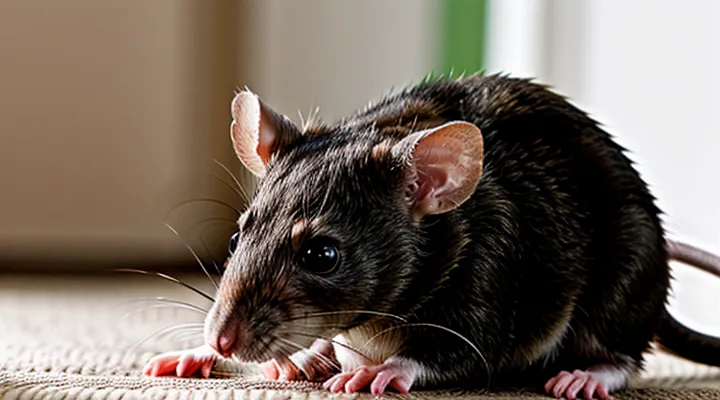
Understanding Lethargy in Rats
What is Lethargy?
Lethargy refers to a marked reduction in activity, responsiveness, and energy expenditure. In rodents, it presents as prolonged periods of inactivity, diminished interaction with the environment, and a reluctance to explore or eat. Physiological indicators include lowered heart rate, reduced respiratory frequency, and a decline in body temperature relative to baseline measurements.
Key clinical features of lethargy in a rat include:
- Persistent restfulness lasting several hours despite normal light‑dark cycles
- Decreased grooming and self‑maintenance behaviors
- Minimal response to tactile or auditory stimuli
- Reduced food and water intake, often accompanied by weight loss
The condition signals an underlying disturbance in metabolic, neurological, or infectious processes. Identifying lethargy promptly allows targeted investigation of potential etiologies and facilitates timely therapeutic intervention.
Normal Rat Behavior vs. Lethargic Behavior
Normal rats are highly active, exploring cages for several hours each day. They spend considerable time grooming, maintaining a clean coat, and exhibiting rapid, coordinated movements. Food and water consumption occurs regularly, with rats often nibbling multiple times per hour. Social interaction includes vocalizations, chasing, and nesting together, reflecting a baseline level of curiosity and energy.
Lethargic rats display a marked decline in activity. Movements become slow, intermittent, and often confined to a single corner of the enclosure. Grooming is minimal or absent, resulting in a disheveled appearance. Food and water intake drop sharply, sometimes leading to weight loss within days. The animal may adopt a hunched posture, show reduced responsiveness to stimuli, and withdraw from conspecifics.
Key distinctions:
- Activity level: sustained exploration vs. prolonged inactivity
- Grooming: frequent, thorough vs. infrequent, neglected
- Feeding: regular, repeated bites vs. sporadic, limited intake
- Social behavior: vocal, interactive vs. silent, isolated
- Posture: upright, alert vs. hunched, dull
These contrasts help identify when a rat has transitioned from normal functioning to a lethargic state, guiding further diagnostic and therapeutic actions.
When to Worry: Signs Accompanying Lethargy
Lethargy in rats can be a normal response to stress, temperature changes, or temporary illness, but certain accompanying signs demand immediate veterinary evaluation.
Key indicators that lethargy is a symptom of a serious problem include:
- Sudden loss of appetite or refusal to eat for more than 24 hours.
- Rapid weight loss or noticeable emaciation.
- Labored or irregular breathing, wheezing, or persistent coughing.
- Unexplained bleeding, bruising, or discharge from eyes, nose, or mouth.
- Persistent diarrhea, blood in stool, or severe constipation.
- Seizures, tremors, or uncontrolled movements.
- Unusual swelling, lumps, or palpable masses.
- Extreme temperature fluctuations (hypothermia or fever) measured with a reliable thermometer.
When any of these symptoms appear alongside reduced activity, the rat’s condition should be considered urgent, and professional assessment is essential to identify underlying causes and initiate appropriate treatment.
Common Causes of Lethargy
Health-Related Causes
Infections
Infections are a primary contributor to reduced activity and sluggish behavior in laboratory and pet rats. Bacterial agents such as Salmonella spp., Streptococcus spp., and Clostridium spp. can invade the gastrointestinal tract, leading to systemic illness that manifests as lethargy. Viral pathogens, including Sendai virus and rat coronavirus, produce respiratory and systemic signs that often include profound fatigue. Parasitic infestations—Toxoplasma gondii, Hymenolepis spp., and ectoparasites like mites—disrupt nutrient absorption and provoke inflammatory responses, further diminishing energy levels.
Diagnostic evaluation should include:
- Complete blood count with differential to detect leukocytosis or anemia.
- Serum biochemistry for liver and kidney function markers.
- Microbial culture of feces, urine, and blood specimens.
- PCR or serological testing for specific viral agents.
- Fecal flotation or direct smear for parasitic ova and larvae.
Treatment protocols depend on the identified pathogen:
- Antibiotics (e.g., enrofloxacin, doxycycline) for confirmed bacterial infections, administered at species‑appropriate dosages for 7–10 days.
- Antiviral agents (e.g., ribavirin) or supportive care for viral cases, focusing on hydration, nutrition, and temperature regulation.
- Antiparasitic medications (e.g., fenbendazole, ivermectin) for helminths and ectoparasites, followed by environmental decontamination.
Preventive measures reinforce therapeutic outcomes. Routine sanitation, quarantine of new arrivals, and regular health monitoring reduce exposure to infectious agents. Vaccination programs, where available, target common viral threats and should be incorporated into standard husbandry practices.
Respiratory Infections
Respiratory infections are a frequent trigger of lethargy in laboratory and pet rats. Pathogens invade the upper or lower airways, impair gas exchange and reduce activity levels. Recognizing the specific agents and applying targeted therapy are essential for rapid recovery.
Common infectious agents include:
- Bacterial: Streptococcus pneumoniae, Klebsiella pneumoniae, Pasteurella multocida.
- Viral: Rat coronavirus (RCV), Sendai virus, hantavirus.
- Fungal: Aspergillus spp., Pneumocystis spp.
- Mixed: Secondary bacterial overgrowth following primary viral infection.
Clinical presentation typically features:
- Reduced movement and responsiveness.
- Labored breathing, nasal discharge, or audible wheezing.
- Weight loss, poor grooming, and diminished food intake.
Diagnostic approach:
- Physical examination focusing on respiratory sounds.
- Radiographic imaging to identify infiltrates or consolidation.
- Nasal or tracheal swabs for culture, PCR, or microscopy.
- Hematology to detect leukocytosis or eosinophilia.
Treatment protocol:
- Antibiotics: Broad‑spectrum agents (e.g., enrofloxacin, doxycycline) pending culture results; adjust based on sensitivity.
- Antivirals: Supportive care; specific antivirals are limited, but interferon‑inducing compounds may reduce viral load.
- Antifungals: Itraconazole or voriconazole for confirmed fungal infection.
- Supportive care: Warm, humid environment; fluid therapy to prevent dehydration; supplemental oxygen if hypoxemia is evident.
- Monitoring: Daily assessment of respiratory rate, body temperature, and activity; repeat imaging after 48‑72 hours to gauge response.
Prevention strategies:
- Maintain cage hygiene, regular cleaning of bedding, and proper ventilation.
- Quarantine new arrivals for at least two weeks and perform health screening.
- Implement vaccination programs where available, especially against common viral agents.
Effective management of respiratory infections restores normal activity in affected rats and reduces the risk of chronic complications. Prompt identification, appropriate antimicrobial selection, and supportive measures constitute the cornerstone of therapy.
Urinary Tract Infections
Urinary tract infections (UTIs) are a frequent source of reduced activity and depressed behavior in rodents displaying lethargy. The infection usually originates in the lower urinary tract and can ascend to the kidneys, producing systemic effects that manifest as hypoactivity, decreased grooming, and loss of appetite.
Common bacterial agents include Escherichia coli, Proteus spp., and Staphylococcus spp. Predisposing factors are poor cage hygiene, inadequate water intake, obstructive uroliths, and stress‑related immunosuppression. Female rats are at higher risk due to a shorter urethra. Persistent infection may lead to pyelonephritis, which exacerbates lethargic signs.
Diagnostic approach:
- Physical examination for abdominal tenderness and abnormal urine odor.
- Urinalysis to detect leukocytes, nitrites, and bacterial presence.
- Culture and sensitivity testing to identify the responsible pathogen and guide antimicrobial selection.
- Imaging (ultrasound or radiography) when obstruction or renal involvement is suspected.
Treatment protocol:
- Initiate empiric broad‑spectrum antibiotic therapy pending culture results; fluoroquinolones or trimethoprim‑sulfamethoxazole are commonly effective.
- Adjust antimicrobial regimen according to sensitivity data.
- Ensure adequate hydration through subcutaneous fluids or increased water availability.
- Administer analgesics (e.g., meloxicam) to alleviate discomfort.
- Monitor urine output and repeat urinalysis after 48–72 hours to confirm resolution.
Preventive measures:
- Maintain clean bedding and regular cage cleaning.
- Provide fresh water at all times and consider adding low‑dose electrolytes.
- Conduct routine health checks to detect early signs of urinary distress.
- Limit stressors by ensuring stable social groups and appropriate environmental enrichment.
Timely identification and targeted therapy of UTIs can reverse lethargic behavior and prevent progression to chronic renal disease in affected rats.
Internal Parasites
Internal parasites are a frequent source of reduced activity in laboratory and pet rats. Common agents include the tapeworm Hymenolepis nana, the nematodes Syphacia muris and Trichinella spiralis, and protozoans such as Giardia spp. These organisms inhabit the gastrointestinal tract, bloodstream, or liver and interfere with normal physiological processes.
Parasite burden diminishes energy availability through several mechanisms. Malabsorption of carbohydrates, proteins, and fats deprives tissues of essential substrates. Blood‑feeding species cause anemia, lowering oxygen delivery to muscles and brain. Some parasites release metabolic toxins that depress central nervous system activity. The host’s immune response further drains resources, producing fever and catabolism that manifest as lethargy.
Typical clinical observations include:
- Decreased spontaneous movement and exploration
- Prolonged periods of sleep or immobility
- Weight loss despite adequate food intake
- Pale mucous membranes and reduced grooming
- Soft, watery stools or occasional diarrhea
Diagnosis relies on direct and indirect methods. Fecal flotation or sedimentation concentrates ova and cysts for microscopic identification. Polymerase chain reaction assays detect low‑level infections of Giardia and Trichinella. Complete blood counts reveal anemia or eosinophilia, while serum chemistry may indicate liver involvement. Necropsy provides definitive confirmation when other tests are inconclusive.
Effective treatment combines antiparasitic drugs with supportive care. Broad‑spectrum anthelmintics such as fenbendazole (50 mg/kg body weight, daily for five days) eliminate most nematodes and cestodes. Metronidazole (15 mg/kg, twice daily) targets Giardia. In cases of severe anemia, iron supplementation and blood transfusion may be necessary. Rehydration with sterile electrolyte solutions restores fluid balance when diarrheal losses occur.
Prevention centers on hygiene and monitoring. Daily removal of soiled bedding, regular disinfection of cages with diluted bleach, and provision of clean water reduce environmental contamination. Quarantine new arrivals for at least two weeks, followed by fecal screening, prevents introduction of parasites into established colonies. Routine fecal examinations at monthly intervals detect subclinical infections before they impair activity.
By recognizing internal parasites as a direct contributor to rat sluggishness, applying accurate diagnostics, and implementing targeted therapy and biosecurity measures, caretakers can restore normal behavior and maintain overall colony health.
Pain and Injury
Pain and injury are frequent contributors to reduced activity in rodents displaying lethargy. When a rat experiences acute trauma, such as a bite wound, fracture, or blunt force impact, nociceptive signals increase, leading to decreased locomotion and appetite. Chronic conditions, including dental overgrowth, ulcerative skin lesions, or joint degeneration, generate persistent discomfort that may be mistaken for metabolic malaise.
Clinical assessment should include:
- Observation of gait abnormalities, limping, or reluctance to climb.
- Palpation of the spine, limbs, and abdomen for swelling, heat, or tenderness.
- Examination of the oral cavity for overgrown incisors, ulcerations, or abscesses.
- Evaluation of the skin for pressure sores, abrasions, or parasitic infestations.
Diagnostic imaging (radiographs or ultrasound) confirms skeletal injuries, while laboratory analysis of blood and urine identifies inflammatory markers and infection. Analgesic protocols typically start with non‑steroidal anti‑inflammatory drugs at weight‑adjusted doses, followed by opioid analgesics for severe pain under veterinary supervision. Local wound care, splinting of fractures, and surgical debridement address the underlying tissue damage.
Effective treatment reduces pain perception, restores mobility, and prevents secondary complications such as muscle atrophy or stress‑induced immunosuppression. Monitoring pain scores and activity levels throughout recovery ensures that therapeutic adjustments are made promptly, facilitating a return to normal behavior.
Traumatic Injuries
A rat that exhibits prolonged inactivity often suffers from underlying damage to its musculoskeletal or nervous systems. Traumatic events such as falls, cage collisions, or predator attacks introduce fractures, bruises, internal hemorrhage, and nerve lesions that impair mobility and reduce energy expenditure.
Fractures of the femur, tibia, or vertebrae produce pain and restrict movement, while severe contusions can cause swelling that limits blood flow to muscles. Internal bleeding in the abdominal cavity leads to hypovolemia, diminishing oxygen delivery to tissues and prompting lethargy. Peripheral nerve transection disrupts signal transmission, resulting in loss of coordination and reduced activity levels.
Accurate assessment requires observation of gait abnormalities, palpation for tenderness, and measurement of body temperature. Radiography confirms skeletal disruptions; ultrasonography identifies fluid accumulation; blood analysis detects anemia and inflammatory markers.
- Stabilize the animal on a heated surface to prevent hypothermia.
- Administer analgesics (e.g., buprenorphine) and anti‑inflammatory agents to control pain.
- Apply sterile dressings to open wounds and use antibiotics to prevent infection.
- Perform surgical fixation for displaced fractures, employing pins or plates as indicated.
- Provide fluid therapy to restore circulatory volume and support organ function.
- Monitor respiratory rate, heart rhythm, and appetite daily; adjust treatment based on response.
Successful intervention restores normal activity within days to weeks, depending on injury severity. Preventive measures include secure cage design, soft bedding, and regular health checks to identify early signs of trauma. Continuous vigilance reduces the incidence of injury‑induced lethargy in laboratory and pet rat populations.
Arthritis
Arthritis is a common source of reduced activity in laboratory and pet rats. Joint inflammation impairs mobility, leading to prolonged periods of inactivity that may be mistaken for general lethargy. Clinical signs include swollen joints, limping, decreased grooming, and a reluctance to explore the cage. Diagnosis relies on physical examination, radiographic imaging to detect osteophytes or joint space narrowing, and, when necessary, synovial fluid analysis for inflammatory cells.
Effective management combines environmental, pharmacological, and nutritional strategies.
- Environmental adjustments: Provide low‑profile bedding, soft nesting material, and ramps to minimize strain on affected limbs.
- Pain control: Administer non‑steroidal anti‑inflammatory drugs (e.g., meloxicam) at dosages recommended for rodents, monitoring for gastrointestinal side effects.
- Disease‑modifying agents: Consider low‑dose glucocorticoids or disease‑modifying osteoarthritis drugs when inflammation persists, under veterinary supervision.
- Nutritional support: Enrich diet with omega‑3 fatty acids, vitamin E, and antioxidants to reduce inflammatory mediators.
- Physical therapy: Implement gentle passive range‑of‑motion exercises and encourage short, supervised activity sessions to maintain joint flexibility.
Regular monitoring of weight, behavior, and joint condition allows early detection of progression and timely adjustment of therapy. Prompt intervention mitigates pain, restores mobility, and reduces the likelihood that arthritis will be the underlying factor in a rat’s sluggish demeanor.
Organ Dysfunction
Organ dysfunction is a primary factor behind the reduced activity observed in affected rodents. Impaired hepatic function leads to accumulation of ammonia and bilirubin, producing neurotoxic effects that diminish responsiveness. Renal insufficiency reduces clearance of urea and electrolytes, causing fluid imbalance and muscle weakness. Cardiovascular compromise lowers cardiac output, limiting oxygen delivery to tissues and resulting in fatigue. Respiratory failure decreases arterial oxygen tension, directly suppressing central nervous system activity. Endocrine abnormalities, such as hypothyroidism or adrenal insufficiency, disrupt metabolic rate and energy availability. Gastrointestinal stasis hampers nutrient absorption, further depleting energy reserves.
Typical manifestations of organ failure include:
- Pale or icteric mucous membranes indicating liver involvement.
- Polyuria or oliguria reflecting kidney dysfunction.
- Tachycardia or arrhythmia suggestive of cardiac stress.
- Labored breathing or reduced respiratory rate pointing to pulmonary compromise.
- Lethargy, hypothermia, and weight loss as systemic signs of endocrine disruption.
Diagnostic work‑up should combine serum chemistry (ALT, AST, BUN, creatinine, electrolytes), complete blood count, arterial blood gas analysis, and imaging where appropriate. Elevated liver enzymes, hyperbilirubinemia, or abnormal urine specific gravity confirm organ impairment.
Therapeutic measures focus on stabilizing each affected system:
- Hepatoprotective agents and lactulose to reduce ammonia absorption.
- Intravenous isotonic fluids with electrolyte correction for renal support.
- Positive inotropic drugs and cautious fluid overload management for cardiac assistance.
- Supplemental oxygen and bronchodilators to improve pulmonary function.
- Hormone replacement therapy for identified endocrine deficits.
- Nutritional support via enteral feeding or parenteral nutrition to address gastrointestinal loss.
Prompt identification and targeted intervention mitigate organ dysfunction, restore metabolic balance, and accelerate recovery of activity levels in the affected animal.
Kidney Disease
Kidney disease is a frequent underlying factor in rats that exhibit prolonged lethargy. Impaired renal function reduces the ability to excrete waste products, leading to accumulation of uremic toxins that depress the central nervous system and diminish activity levels. Common clinical signs include decreased grooming, reduced food and water intake, and a tendency to remain in one corner of the cage.
Diagnosis relies on laboratory evaluation of blood urea nitrogen, creatinine, and electrolyte concentrations, supplemented by urinalysis for proteinuria or sediment abnormalities. Imaging techniques such as ultrasonography can identify structural changes, while histopathology confirms the specific type of renal pathology.
Effective management combines supportive care and targeted therapy:
- Fluid therapy to correct dehydration and promote toxin clearance
- Dietary modification with reduced protein and phosphorus to lessen renal workload
- Administration of renal protectants (e.g., angiotensin-converting enzyme inhibitors) to slow disease progression
- Antioxidant supplementation to mitigate oxidative damage
- Monitoring of renal parameters at regular intervals to adjust treatment plans
Early intervention improves survival prospects and can restore a more normal activity pattern in affected rats.
Liver Disease
Liver disease in rodents frequently manifests as decreased movement, poor appetite, and a dull coat. The organ’s inability to detoxify blood and synthesize essential proteins directly impairs energy metabolism, leading to the observed lethargy.
Common etiologies include:
- Hepatotoxic chemicals such as carbon tetrachloride or aflatoxin
- Viral infections like rat hepatitis virus
- Metabolic disorders, for example, fatty liver disease
- Obstructive conditions, including biliary blockage
Diagnostic procedures rely on serum enzyme analysis (ALT, AST, ALP), bilirubin measurement, and imaging techniques such as ultrasound. Histopathology confirms the specific lesion type and severity.
Therapeutic measures focus on removing the underlying cause, supporting hepatic function, and preventing complications:
- Discontinue exposure to toxic agents and provide a toxin‑free environment
- Administer hepatoprotective agents (e.g., silymarin, N‑acetylcysteine)
- Supply high‑quality protein and essential fatty acids to aid regeneration
- Use antibiotics only when secondary bacterial infection is documented
- Monitor fluid balance and correct electrolyte disturbances
Prognosis improves when intervention occurs early, before irreversible fibrosis develops. Regular monitoring of liver enzymes and clinical signs is essential for effective management.
Tumors and Cancers
Tumors and cancers are frequent contributors to reduced activity and lethargy in laboratory rodents. Neoplastic growths in the central nervous system, adrenal glands, or endocrine organs can impair metabolic regulation, resulting in diminished locomotion and appetite. Histopathological examination often reveals malignant cell clusters that secrete hormones or cytokines disrupting normal physiological balance.
Common etiologies include genetic predisposition, exposure to carcinogenic chemicals, and chronic inflammation. Spontaneous mutations in tumor suppressor genes (e.g., TP53) or oncogenes (e.g., MYC) accelerate cell proliferation. Environmental factors such as ionizing radiation, nitrosamines, or contaminated feed increase mutation rates, facilitating tumor development.
Effective management relies on early detection and targeted intervention:
- Imaging (MRI, CT) to locate masses and assess size.
- Biopsy for definitive diagnosis and grading.
- Surgical excision when feasible, aiming for clear margins.
- Chemotherapy protocols tailored to tumor type (e.g., vincristine, cyclophosphamide).
- Radiation therapy for residual or inoperable lesions.
- Hormonal therapy for endocrine‑derived neoplasms (e.g., anti‑cortisol agents).
Prognosis improves with prompt identification and multimodal treatment, reducing lethargic symptoms and extending survival in affected rats. Continuous monitoring of weight, activity levels, and blood markers assists in evaluating therapeutic response.
Nutritional Deficiencies
Rats displaying prolonged inactivity often suffer from inadequate intake of essential nutrients. Deficiencies disrupt metabolic pathways that sustain energy production, neuromuscular function, and thermoregulation, resulting in a noticeable decline in activity levels.
- Vitamin B complex (especially B1, B6, B12) – impairs carbohydrate metabolism and neurotransmitter synthesis.
- Vitamin D – reduces calcium absorption, weakening muscle contraction.
- Calcium – compromises skeletal integrity and nerve impulse transmission.
- High‑quality protein – deprives the animal of amino acids needed for tissue repair and enzyme activity.
- Essential fatty acids (omega‑3, omega‑6) – diminish cell membrane fluidity and inflammatory regulation.
- Electrolytes (potassium, magnesium, sodium) – destabilize cellular excitability and fluid balance.
Insufficient vitamin B limits pyruvate dehydrogenase activity, causing accumulation of lactate and reduced ATP generation. Low vitamin D and calcium together diminish skeletal muscle contractility, producing fatigue even during minimal exertion. Protein scarcity curtails synthesis of hemoglobin and myoglobin, lowering oxygen transport and muscle endurance. Deficits in essential fatty acids alter neuronal membrane composition, slowing signal propagation. Electrolyte imbalances disturb resting membrane potentials, leading to sluggish reflexes and reduced locomotion.
Corrective measures focus on restoring a balanced diet and targeted supplementation. Provide a commercially formulated rodent pellet that meets AAFCO nutrient profiles, then supplement with:
- A B‑complex vitamin solution at 0.5 ml per 100 g of feed, administered daily for two weeks.
- Calcium carbonate mixed into water at 0.2 % concentration, monitored for urinary pH.
- High‑protein mash (minimum 20 % crude protein) supplemented with soy or fish meal.
- Omega‑3 oil (1 % of diet) to rebuild neuronal membranes.
- Electrolyte solution (potassium chloride, magnesium sulfate) added to drinking water at veterinary‑recommended levels.
Re‑evaluation after seven days should include observation of activity patterns, weight gain, and blood panels for vitamin and mineral status. Persistent lethargy after nutritional correction warrants investigation of secondary causes such as infectious disease or endocrine dysfunction.
Dehydration
Dehydration reduces blood volume, impairing circulation and oxygen delivery to tissues. In rats, the resulting hypovolemia quickly diminishes activity levels, producing the characteristic sluggishness often observed in affected individuals.
Insufficient fluid intake disrupts electrolyte balance, particularly sodium and potassium concentrations. The imbalance depresses neuronal excitability and muscle contractility, further limiting movement and responsiveness.
Clinical assessment should include skin turgor evaluation, mucous membrane moisture, and measurement of body weight loss. Laboratory analysis of serum electrolytes and hematocrit confirms the severity of fluid deficit.
Effective management consists of prompt fluid replacement and correction of electrolyte disturbances:
- Administer isotonic saline (0.9 % NaCl) subcutaneously or intraperitoneally at 10 ml/kg, repeated every 2–4 hours until hydration stabilizes.
- Supplement potassium chloride when serum potassium falls below 3.5 mmol/L, adjusting dosage to avoid hyperkalemia.
- Provide free access to fresh water enriched with electrolytes (e.g., 0.5 % dextrose‑NaCl solution) to encourage voluntary intake.
- Monitor weight, urine output, and neurological signs daily; reduce fluid volume gradually once normal parameters return.
Rehydration combined with electrolyte correction restores circulatory function, alleviates lethargy, and supports recovery of normal behavior.
Environmental and Stress-Related Causes
Inadequate Cage Environment
An inadequate cage environment frequently underlies reduced activity in laboratory or pet rats. Contributing factors include insufficient space, lack of enrichment objects, poor ventilation, and inappropriate substrate. Overcrowding limits movement, while barren surroundings fail to stimulate natural foraging and exploratory behaviors, leading to chronic inactivity.
Persistent lethargy signals physiological stress. Elevated cortisol levels, weakened immune response, and altered gut microbiota often accompany environmental deficiencies. Rats may develop weight loss, decreased grooming, and diminished response to handling, which can be misinterpreted as illness rather than a consequence of suboptimal housing.
Effective remediation focuses on modifying the habitat and monitoring recovery:
- Expand cage dimensions to meet minimum space guidelines per animal.
- Introduce nesting material, chew toys, and tunnels to encourage natural behaviors.
- Ensure airflow provides fresh air without drafts; maintain temperature within the species‑specific range.
- Replace soiled bedding regularly to prevent ammonia buildup.
- Conduct daily health checks; record activity levels and body condition after environmental adjustments.
Improvement of cage conditions typically restores normal locomotion within one to two weeks. Continued observation confirms that the lethargic presentation was environmentally induced rather than pathological.
Social Stress
Social stress arises when rats experience disruption of normal group dynamics, competition for resources, or frequent changes in cage composition. Elevated cortisol and catecholamine levels indicate activation of the hypothalamic‑pituitary‑adrenal axis, which suppresses locomotor activity and appetite, contributing to a lethargic presentation.
Physiological effects of social stress include:
- Reduced dopamine turnover in the striatum, diminishing motivation for exploration.
- Impaired glucose metabolism, leading to lower energy availability.
- Altered gut microbiota, which can affect neuroimmune signaling and exacerbate fatigue.
Behavioral signs that correlate with social stress‑induced lethargy are:
- Decreased time spent in open field or maze tests.
- Increased time spent immobile in forced‑swim assessments.
- Reduced interaction with familiar conspecifics.
Intervention strategies focus on minimizing stressors and restoring neurochemical balance:
- Re‑establish stable social groups; avoid frequent mixing of unfamiliar rats.
- Provide enrichment objects that promote voluntary activity and reduce aggression.
- Administer low‑dose anxiolytics (e.g., buspirone) when acute stress spikes are observed, monitoring for sedation.
- Supplement diet with omega‑3 fatty acids to support membrane fluidity and neurotransmitter synthesis.
- Implement regular handling protocols to habituate rats to human contact, diminishing fear‑related cortisol release.
Effective management of social stress therefore mitigates the underlying hormonal disturbances, reverses energy deficits, and accelerates recovery from lethargic states.
Changes in Routine
Routine stability exerts a direct influence on the energy levels of a sluggish rodent. Abrupt alterations in feeding schedule, lighting cycles, or cage enrichment can trigger metabolic slowdown, resulting in prolonged inactivity and reduced responsiveness.
Typical disruptions include:
- Inconsistent feeding times that create gaps in nutrient availability.
- Sudden shifts in light‑dark periods, altering circadian regulation.
- Removal or replacement of familiar nesting material without gradual introduction.
- Unplanned cage cleaning that eliminates established scent marks and territorial cues.
Addressing these factors requires a systematic approach. Re‑establish a fixed feeding timetable, provide a consistent photoperiod of 12 hours light and 12 hours darkness, and retain familiar bedding while introducing new enrichment gradually. Monitoring weight, water intake, and activity levels will confirm whether routine normalization mitigates lethargy.
If behavioral signs persist despite routine correction, consider medical evaluation. Diagnostic steps may involve blood glucose assessment, thyroid hormone measurement, and parasitological screening. Targeted pharmacological or nutritional interventions can then be applied, ensuring that routine stability supports therapeutic effectiveness.
Extreme Temperatures
Extreme temperature exposure frequently triggers lethargy in laboratory and pet rats. Both prolonged heat and severe cold disrupt normal metabolic rates, leading to reduced activity, diminished grooming, and slowed response to stimuli. Recognizing temperature‑related lethargy is essential for accurate diagnosis, as it can mimic disease‑related fatigue.
Heat stress elevates core body temperature, accelerates dehydration, and impairs enzymatic function. Rats lose water rapidly through respiration and skin, causing electrolyte imbalance that depresses nervous system activity. Cold environments lower body temperature, suppressing metabolic enzymes and reducing blood flow to peripheral tissues. In both scenarios, the animal’s thermoregulatory mechanisms become overwhelmed, resulting in a state of exhaustion that appears as lethargy.
Effective management focuses on restoring optimal ambient conditions and supporting physiological recovery:
- Relocate the rat to a temperature‑controlled enclosure (20‑24 °C, humidity 40‑60 %).
- Provide fresh, lukewarm water and a high‑energy diet or supplemental glucose solution.
- Monitor core temperature using a rectal probe; intervene with warming pads or cool packs as needed, ensuring gradual adjustment.
- Administer electrolytes (e.g., balanced saline) if dehydration is evident.
- Observe behavior for 24‑48 hours; seek veterinary assessment if lethargy persists despite environmental correction.
Diagnosing the Cause
Observing Your Rat at Home
Observing a rat that appears unusually inactive provides the first data point for diagnosing underlying problems. Record the duration of reduced activity, noting whether the animal remains motionless for hours or simply shows a slower pace than usual. Compare the current behavior with baseline patterns established when the pet was healthy.
Monitor appetite closely. A decline in food or water intake often precedes or accompanies lethargy. Measure daily consumption and document any refusal of favorite foods. Also inspect the feces for consistency and frequency; abnormal stool can indicate gastrointestinal distress or infection.
Check the respiratory rate and effort. Count breaths per minute while the rat is at rest; a normal range is 80‑150 breaths per minute. Observe for open‑mouth breathing, wheezing, or audible rattling, which may signal respiratory infection or cardiac compromise.
Assess the coat and skin. A glossy, well‑groomed coat suggests adequate grooming, while dull, unkempt fur can reflect illness or pain. Look for hair loss, lesions, or parasites that could contribute to systemic weakness.
Physical examination of the limbs and joints is essential. Gently palpate for swelling, heat, or reduced range of motion. Note any reluctance to climb or explore, as this may indicate musculoskeletal pain or neurological impairment.
Collect the observations in a concise log:
- Duration and pattern of inactivity
- Food and water consumption (grams/mL per day)
- Fecal characteristics (type, frequency)
- Respiratory rate and any abnormal sounds
- Coat condition (texture, cleanliness)
- Limb mobility and pain indicators
Present the compiled data to a veterinarian specializing in small mammals. Accurate, objective records enable rapid identification of causes such as infection, metabolic imbalance, or organ dysfunction, and facilitate timely therapeutic interventions.
Seeking Veterinary Care
Physical Examination
A thorough physical assessment is essential for diagnosing and managing a lethargic rodent. The examiner should first observe the animal’s posture, gait, and responsiveness to stimuli. Signs such as a hunched back, reduced mobility, or delayed reaction to gentle touch indicate systemic compromise.
The core components of the examination include:
- General appearance: coat condition, body condition score, and presence of nasal or ocular discharge.
- Vital parameters: heart rate, respiratory rate, and temperature measured rectally or via a tympanic probe.
- Palpation: gentle abdominal and limb palpation to detect pain, masses, or organ enlargement.
- Oral cavity inspection: check teeth alignment, gum color, and presence of ulcerations or foreign material.
- Neurological evaluation: assess reflexes (blink, pinna), proprioception, and muscle tone.
- Skin and fur evaluation: look for parasites, wounds, or alopecia that may contribute to decreased activity.
Laboratory sampling often follows the physical exam. Blood collected from the tail vein or saphenous vein provides a complete blood count and biochemical profile, revealing anemia, infection, electrolyte imbalance, or liver dysfunction. Urine obtained by cystocentesis can identify renal impairment or metabolic disease.
Interpretation of findings directs therapeutic choices. For example, hypothermia detected during the exam warrants immediate warming, while tachypnea with abnormal lung sounds suggests respiratory infection, prompting antimicrobial therapy. Nutritional deficits observed through poor coat quality may require supplementation and feeding strategies.
Continual re‑evaluation after initiating treatment confirms response and guides adjustments. Recording baseline measurements allows objective comparison, ensuring that improvements in weight, temperature, and activity level reflect effective management of the underlying condition.
Diagnostic Tests
Diagnostic evaluation of a lethargic rat requires systematic collection of clinical data to identify underlying pathology. Initial assessment includes a thorough physical examination, noting body condition, coat quality, respiratory rate, heart rhythm, and neurologic reflexes. Observation of behavior, food and water intake, and stool characteristics provides clues to metabolic or infectious processes.
Laboratory investigations should be ordered based on initial findings:
- Complete blood count (CBC): Detects anemia, leukocytosis, or leukopenia indicative of infection, inflammation, or bone‑marrow suppression.
- Serum chemistry panel: Measures glucose, electrolytes, liver enzymes, renal markers, and calcium to uncover hypoglycemia, hepatic dysfunction, renal failure, or electrolyte imbalance.
- Urinalysis: Evaluates specific gravity, pH, protein, glucose, and presence of casts or bacteria, revealing renal disease or systemic metabolic disturbances.
- Fecal examination: Identifies parasites, bacterial overgrowth, or dysbiosis that may contribute to reduced activity.
- Microbial cultures (blood, urine, or wound swabs): Isolate bacterial or fungal agents when infection is suspected.
Imaging studies complement laboratory data:
- Radiography: Visualizes skeletal abnormalities, organ enlargement, or foreign bodies that could impair mobility or cause pain.
- Ultrasound: Assesses soft‑tissue structures, including liver, kidneys, and abdominal cavity, detecting masses, fluid accumulation, or organ congestion.
- Magnetic resonance imaging (MRI) or computed tomography (CT): Reserved for neurological evaluation when seizures, ataxia, or head trauma are present.
Specialized tests may be required for specific differentials:
- Thyroid hormone assay: Screens for hypothyroidism, a rare cause of chronic fatigue.
- Vitamin B12 and folate levels: Identify nutritional deficiencies affecting energy metabolism.
- Toxin screening: Detects exposure to heavy metals, pesticides, or rodenticide residues.
Interpretation of results should follow a stepwise approach, correlating laboratory values with clinical signs to narrow differential diagnoses. Prompt identification of abnormalities enables targeted therapy, reduces the risk of progression, and improves recovery prospects for the affected rat.
Blood Tests
Blood analysis provides objective data that clarify physiological disturbances underlying reduced activity in rodents. By quantifying cellular and biochemical markers, clinicians can differentiate metabolic, infectious, or toxic etiologies and select appropriate interventions.
Typical assays include:
- Complete blood count (CBC) – evaluates erythrocyte count, hemoglobin concentration, leukocyte differentials, and platelet numbers; anemia, leukocytosis, or thrombocytopenia suggest hemorrhage, infection, or marrow suppression.
- Serum chemistry panel – measures glucose, electrolytes, urea nitrogen, creatinine, liver enzymes (ALT, AST, ALP), and bilirubin; abnormal values reveal hypoglycemia, dehydration, renal insufficiency, or hepatic dysfunction.
- Thyroid hormone profile – total T4 and free T4 concentrations identify hypothyroidism, a potential cause of lethargy.
- Acute‑phase proteins (e.g., serum amyloid A) – elevated levels indicate systemic inflammation or infection.
- Toxicology screen – detects heavy metals, rodenticides, or other xenobiotics that may depress central nervous system activity.
Interpretation follows a systematic approach: compare results to species‑specific reference intervals, assess patterns across multiple parameters, and correlate findings with clinical signs. For instance, low glucose combined with high lactate suggests sepsis, prompting aggressive fluid therapy and antimicrobial treatment. Elevated liver enzymes with normal renal markers may indicate hepatic toxin exposure, guiding decontamination and hepatoprotective medication. Thyroid deficiency warrants hormone replacement, while anemia calls for iron supplementation or transfusion.
Regular monitoring of the same parameters during therapy confirms response and helps adjust dosage or discontinue ineffective measures. Blood tests thus constitute a decisive component in diagnosing and managing lethargic rats, enabling targeted, evidence‑based treatment.
Urinalysis
Urinalysis provides essential diagnostic data for rats exhibiting prolonged inactivity and reduced responsiveness. By evaluating urine composition, clinicians can differentiate between metabolic, infectious, and toxic etiologies that commonly produce lethargy.
Key parameters to assess include:
- Specific gravity: identifies dehydration or renal concentrating defects.
- pH: detects metabolic acidosis or alkalosis associated with renal failure or gastrointestinal disturbances.
- Glucose: presence indicates uncontrolled diabetes mellitus, a frequent cause of energy depletion.
- Protein: elevated levels suggest glomerular damage or inflammatory processes.
- Ketones: detection reflects fat metabolism in response to inadequate carbohydrate utilization.
- Microscopic sediment: presence of bacteria, leukocytes, crystals, or epithelial cells points to urinary tract infection, urolithiasis, or tubular injury.
- Bilirubin and urobilinogen: abnormal concentrations may reveal hepatic involvement influencing systemic vigor.
Interpretation of these results guides therapeutic decisions. For dehydration, isotonic fluids restore electrolyte balance; hypoglycemia warrants glucose supplementation; infection requires appropriate antimicrobials; proteinuria or renal impairment calls for renal-protective agents and dietary modification. Continuous monitoring of urine indices during treatment confirms response and prevents relapse.
X-rays and Ultrasounds
X‑ray imaging provides a rapid assessment of skeletal integrity, thoracic silhouette, and gastrointestinal gas patterns in a lethargic rodent. Fractures, spinal compression, or severe dental malocclusion appear as distinct radiopaque outlines, prompting immediate orthopedic or dental intervention. Abnormal pulmonary opacity suggests pneumonia or edema, directing antimicrobial or diuretic therapy. Excessive gas accumulation in the stomach or intestines indicates obstruction or dysbiosis, informing surgical or dietary correction.
Ultrasound examination complements radiography by visualizing soft‑tissue structures in real time. Hepatic echogenicity reveals fatty infiltration or inflammatory changes, common contributors to reduced activity. Renal cortical thickness and perfusion patterns identify nephropathy or dehydration, guiding fluid therapy and renal support. Cardiac ultrasound assesses chamber size, wall motion, and pericardial effusion, enabling precise cardiac treatment when heart failure underlies lethargy. Abdominal ultrasound also detects ascites, masses, or enlarged lymph nodes, facilitating targeted oncologic or infectious management.
Both modalities serve diagnostic triage:
- X‑ray: skeletal trauma, pulmonary disease, gastrointestinal obstruction.
- Ultrasound: hepatic, renal, cardiac, abdominal organ pathology.
Selection depends on clinical suspicion: skeletal or thoracic signs prioritize radiography; unexplained systemic signs favor ultrasound. Integration of findings refines differential diagnosis and informs specific therapeutic protocols, reducing unnecessary treatments and improving recovery prospects.
Treatment Options
Medical Interventions
Antibiotics
Antibiotics are indicated when bacterial infection contributes to a rat’s lethargy. Identification of the pathogen through culture or PCR guides selection of an appropriate antimicrobial. Broad‑spectrum agents, such as enrofloxacin or trimethoprim‑sulfonamide, may be initiated empirically, but therapy should be narrowed once susceptibility results are available.
Key considerations for antibiotic use in rats:
- Dosage must be calculated per kilogram of body weight; overdosing risks nephrotoxicity, while underdosing promotes resistance.
- Administration routes include oral gavage, subcutaneous injection, or medicated feed; the chosen method should ensure consistent plasma levels.
- Treatment duration typically spans 7–10 days; extending beyond this period offers no additional benefit and increases adverse‑effect risk.
- Monitor for signs of gastrointestinal disturbance, hypersensitivity, or hematologic changes; adjust therapy promptly if complications arise.
When bacterial infection is ruled out, antibiotics provide no therapeutic advantage and may disrupt normal gut flora, leading to secondary issues such as dysbiosis. In such cases, supportive care—hydration, nutritional supplementation, and environmental enrichment—remains the primary intervention.
Pain Management
Pain associated with reduced activity in laboratory rats requires prompt evaluation and targeted therapy. Effective analgesia improves recovery, minimizes stress‑induced physiological disturbances, and supports diagnostic procedures.
Assessment should include:
- Observation of posture, grooming, and response to handling.
- Palpation of the abdomen, limbs, and vertebral column for tenderness.
- Scoring systems such as the Rat Grimace Scale to quantify discomfort.
Pharmacologic options:
- Non‑steroidal anti‑inflammatory drugs (NSAIDs) – meloxicam 1–2 mg/kg subcutaneously every 24 h; carprofen 5 mg/kg orally every 12 h. Provide anti‑inflammatory effect and moderate analgesia.
- Opioids – buprenorphine 0.05 mg/kg subcutaneously every 8–12 h; fentanyl transdermal patches delivering 0.018 mg/kg/day for severe pain. Monitor respiratory rate and sedation.
- Local anesthetics – lidocaine 2 % infiltration for minor surgical sites; bupivacaine 0.25 % for prolonged block (up to 6 h).
Adjunctive measures:
- Warm, quiet housing to reduce nociceptive sensitization.
- Soft bedding and easy‑access water bottles to lessen strain during ambulation.
- Gentle handling techniques to avoid additional tissue injury.
Monitoring protocol:
- Record body weight, food intake, and activity levels twice daily.
- Re‑evaluate pain scores 30 min after each analgesic administration, adjusting dosage if scores remain elevated.
- Observe for adverse effects: gastrointestinal ulceration (NSAIDs), respiratory depression (opioids), or local tissue irritation (anesthetics).
When pain persists despite first‑line agents, consider combination therapy (NSAID + low‑dose opioid) or referral to a veterinary specialist for advanced modalities such as nerve blocks or multimodal sedation. Continuous documentation ensures compliance with ethical standards and supports reproducible research outcomes.
Fluid Therapy
Fluid therapy is essential for correcting dehydration and electrolyte imbalance in rats exhibiting lethargy. Dehydration often results from gastrointestinal losses, renal dysfunction, or inadequate intake, each contributing to reduced plasma volume and impaired cellular function.
Effective fluid replacement requires selection of appropriate solutions:
- Isotonic crystalloids (e.g., lactated Ringer’s, 0.9 % saline) restore intravascular volume without causing significant shifts in intracellular fluid.
- Balanced electrolyte solutions address specific deficits, such as hypokalemia or hyponatremia, by adjusting ion concentrations.
- Colloids (e.g., synthetic plasma expanders) may be added when severe hypovolemia persists despite crystalloids.
Administration routes depend on the rat’s condition:
- Subcutaneous injection provides a simple, low‑stress method for mild to moderate dehydration.
- Intraperitoneal infusion offers rapid absorption when subcutaneous tissue is compromised.
- Intravenous catheterization delivers precise control for severe cases, requiring aseptic technique and skilled handling.
Monitoring parameters ensure therapy effectiveness and safety:
- Body weight changes indicate fluid balance.
- Skin turgor and mucous membrane moisture reflect hydration status.
- Serum electrolytes guide adjustments to solution composition.
- Heart rate and respiratory pattern detect early signs of fluid overload.
Potential complications include overhydration, electrolyte disturbances, and infection at injection sites. Prompt identification and correction of these issues prevent secondary morbidity.
Integrating fluid therapy with supportive measures—such as nutritional support, analgesia, and treatment of underlying disease—optimizes recovery in rats with reduced activity levels.
Nutritional Support
Nutritional support addresses the energy deficit often observed in rats exhibiting prolonged inactivity. Adequate caloric intake restores metabolic balance, while specific nutrients counteract deficiencies that contribute to lethargy.
- High‑quality protein (e.g., casein, soy isolate) supplies essential amino acids for muscle maintenance.
- Complex carbohydrates (e.g., rolled oats, barley) provide sustained glucose release, preventing rapid blood‑sugar fluctuations.
- Essential fatty acids (omega‑3 and omega‑6) support neuronal function and reduce inflammatory processes.
- Vitamin B complex enhances cellular respiration and promotes efficient energy utilization.
- Electrolyte‑rich solutions (potassium, magnesium) correct imbalances that impair neuromuscular activity.
Supplementation should follow a gradual schedule. Begin with small, frequent meals to stimulate appetite, then increase portion size as intake stabilizes. Monitor body weight, coat condition, and activity levels daily; adjust the formula if weight gain stalls or if signs of over‑nutrition appear.
Hydration remains critical. Provide fresh water alongside a dilute electrolyte drink to maintain fluid balance, especially when the animal exhibits reduced drinking behavior.
In cases where oral intake is insufficient, consider temporary enteral feeding via a calibrated syringe, ensuring the formula matches the composition outlined above. Transition back to voluntary feeding once the rat demonstrates consistent consumption and improved vigor.
Surgery
Surgical intervention becomes necessary when lethargy in a rat is linked to reversible structural abnormalities such as intestinal obstruction, internal hemorrhage, or tumor mass compressing vital organs. Diagnostic imaging (ultrasound, radiography, CT) confirms the presence and extent of pathology before the procedure.
Indications for surgery
- Acute gastrointestinal blockage confirmed by contrast studies.
- Abdominal masses causing organ compression.
- Traumatic perforations or severe internal bleeding.
- Necrotic tissue requiring debridement.
Preoperative preparation
- Stabilize cardiovascular function with isotonic fluids and analgesics.
- Administer broad‑spectrum antibiotics to reduce infection risk.
- Perform complete blood count and serum chemistry to assess organ function.
- Fast the animal for 4–6 hours to minimize aspiration risk.
Surgical techniques
- Midline laparotomy for direct access to abdominal cavity.
- Resection of obstructed intestinal segment with end‑to‑end anastomosis.
- Excisional biopsy or removal of neoplastic tissue.
- Hemostatic ligation of bleeding vessels using absorbable sutures.
Postoperative management
- Maintain ambient temperature at 30–32 °C to support thermoregulation.
- Provide analgesia (e.g., buprenorphine) every 8–12 hours for 48 hours.
- Continue antibiotics for 3–5 days, adjusting based on culture results.
- Monitor food and water intake; introduce soft diet after 24 hours if gastrointestinal function returns.
- Observe for signs of infection, dehiscence, or recurrence of lethargy.
Successful surgical correction often reverses lethargic behavior within 24–48 hours, provided perioperative care addresses fluid balance, pain control, and infection prevention. Persistent inactivity after surgery may indicate underlying metabolic disorders or inadequate postoperative support, requiring further evaluation.
Supportive Care at Home
Creating a Comfortable Environment
A comfortable environment reduces stress and promotes recovery in rats exhibiting reduced activity. Provide an enclosure that allows free movement; a minimum of 75 × 45 × 45 cm for a single adult ensures adequate space. Use soft, absorbent bedding such as shredded paper or aspen shavings, replacing it daily to maintain dryness and odor control.
Maintain ambient temperature between 18 °C and 24 °C. Sudden fluctuations impair thermoregulation and can worsen lethargy. Position the cage away from drafts, direct sunlight, and heating vents. Keep relative humidity at 40‑60 % to prevent respiratory irritation while avoiding excess moisture that fosters mold.
Lighting should mimic a natural diurnal cycle: 12 hours of light followed by 12 hours of darkness. Employ a low‑intensity bulb and avoid bright, flickering sources that may startle a weakened animal. Provide a quiet corner with a hide box or PVC tunnel; this retreat offers a sense of security and reduces the need for constant vigilance.
Nutritional support aids energy restoration. Offer fresh vegetables, high‑quality pellets, and occasional protein treats. Ensure water is clean, easily reachable, and presented in a sipper bottle to prevent spillage.
Enrichment should be gentle. Include chewable items such as untreated wood blocks, and rotate simple toys weekly to stimulate curiosity without causing fatigue. Limit handling to brief, calm sessions; support the rat’s body fully to prevent injury.
Key environmental factors
- Spacious cage with secure lid
- Soft, dry bedding refreshed regularly
- Stable temperature (18‑24 °C) and humidity (40‑60 %)
- Consistent 12 h light/dark cycle, low‑intensity lighting
- Quiet hide area for stress reduction
- Balanced diet with fresh water
- Low‑impact enrichment and minimal handling
Implementing these measures creates a stable, soothing habitat that directly addresses the physiological needs of a lethargic rat, facilitating faster improvement.
Hydration and Nutrition
Adequate fluid intake is essential for preventing and reversing lethargy in rats. Dehydration reduces blood volume, impairs thermoregulation, and diminishes cellular metabolism, all of which manifest as reduced activity and sluggish behavior. Signs of insufficient hydration include dry mucous membranes, sunken eyes, and weight loss despite unchanged food consumption.
Balanced nutrition supports energy production, neurotransmitter synthesis, and immune function, directly influencing a rat’s vigor. Deficiencies in protein, essential fatty acids, vitamins (especially B‑complex and A), and minerals such as magnesium and potassium can precipitate fatigue and apathy. Overreliance on low‑quality pellets or exclusive fruit treats exacerbates nutrient gaps.
Practical measures:
- Provide fresh, clean water at all times; change daily and use a sipper bottle to encourage consistent intake.
- Offer electrolyte‑enhanced solutions (e.g., low‑sodium lactated Ringer’s) for rats showing acute dehydration, administered in small, frequent doses.
- Supply a diet containing at least 18 % protein, 4–5 % fat, and a full spectrum of vitamins and minerals; commercial rodent formulations meeting these standards are reliable choices.
- Supplement with cooked lean meats, hard‑boiled eggs, or low‑fat cottage cheese to boost protein and essential amino acids.
- Include small portions of leafy greens (e.g., kale, spinach) and carrots for vitamins A and C; avoid excessive citrus, which can cause stomach upset.
- Ensure a steady supply of calcium‑rich foods such as plain yogurt or fortified kibble; monitor for signs of hypocalcemia, which can mimic lethargy.
- Rotate food items weekly to prevent monotony and reduce the risk of selective eating.
Monitoring water consumption and body condition score provides early detection of emerging problems. Prompt correction of fluid deficits and dietary imbalances typically restores normal activity levels within 24–48 hours, preventing progression to more severe systemic illness.
Reducing Stress
Stress contributes significantly to the lethargic condition observed in laboratory and pet rats. Elevated cortisol levels suppress appetite, reduce activity, and impair immune function, creating a feedback loop that worsens somnolence. Addressing stress therefore forms a core component of therapeutic protocols.
Effective stress mitigation includes environmental, nutritional, and handling interventions:
- Environmental enrichment: Provide nesting material, tunnels, and chewable objects to stimulate natural behaviors.
- Stable housing conditions: Maintain consistent temperature (20‑22 °C), humidity (45‑55 %), and a regular light‑dark cycle (12 h each) to prevent physiological disruption.
- Noise reduction: Shield cages from sudden sounds and vibrations; use soft bedding to dampen acoustic stressors.
- Dietary support: Incorporate omega‑3 fatty acids and vitamin C, which have documented anxiolytic effects in rodents.
- Gentle handling: Employ slow, predictable movements; avoid restraining devices that trigger fight‑or‑flight responses.
- Social interaction: House compatible individuals together, as isolation increases corticosterone secretion.
Monitoring cortisol metabolites in urine or feces provides objective feedback on stress levels. Adjustments to enrichment or handling protocols should be guided by these measurements, ensuring that interventions remain targeted and effective.
Monitoring Recovery
Effective monitoring of recovery in a lethargic rat requires systematic observation and quantitative measurement. Baseline data collected before treatment establish reference points for comparison. Daily records of activity, food intake, and weight provide immediate insight into the animal’s response to therapeutic interventions.
Key parameters to track include:
- Locomotor activity: count of cage traversals or time spent moving, measured with motion sensors or video analysis.
- Food and water consumption: grams of chow and milliliters of water per 24 hours, recorded with calibrated dispensers.
- Body weight: measured each morning with a precision scale; trends indicate metabolic stabilization.
- Physiological signs: heart rate and respiratory rate, obtained via non‑invasive monitors; deviations may signal complications.
- Behavioral cues: grooming frequency, response to handling, and social interaction, noted by trained personnel.
Interpretation of trends guides therapeutic adjustment. A consistent increase in locomotion and intake, coupled with steady weight gain, confirms positive progress. Stagnation or regression in any metric warrants reassessment of the underlying cause, dosage, or supportive care. Documentation of all observations ensures reproducibility and facilitates communication among veterinary and research teams.
Prevention Strategies
Proper Diet and Nutrition
A lethargic rat often reflects nutritional imbalance. Providing a diet that meets the species‑specific requirements supports recovery and prevents recurrence.
A balanced regimen includes:
- High‑quality rodent pellets formulated for adult rats, delivering 16–18 % protein and essential amino acids.
- Fresh vegetables such as kale, broccoli, and carrots, supplying fiber, vitamins A, C, and K, and antioxidants.
- Limited fruits (e.g., apple slices, berries) for natural sugars, offered no more than two small pieces per week.
- Small portions of cooked lean meat or boiled egg for additional protein when the animal shows poor weight gain.
- Constant access to clean, filtered water; replace daily to avoid bacterial growth.
Supplementation should be considered only after veterinary assessment. Common additives for a sluggish rat include:
- Vitamin B complex to enhance energy metabolism.
- Omega‑3 fatty acids (e.g., fish oil) to reduce inflammation.
- Calcium‑phosphate powder to maintain bone health, especially in breeding or growing individuals.
Feeding practices affect outcomes. Offer food at consistent times each day, limit leftovers to prevent spoilage, and monitor intake. Sudden changes in appetite or weight loss of more than 10 % of body mass warrant immediate veterinary evaluation.
Environmental factors interact with nutrition. Ensure the cage is clean, temperature remains between 18–24 °C, and enrichment objects promote activity, allowing the rat to utilize dietary energy effectively.
Implementing these dietary measures addresses one of the primary contributors to rat lethargy and forms a core component of therapeutic protocols.
Maintaining a Clean Environment
A clean environment directly influences the health of rodents exhibiting reduced activity. Pathogens, parasites, and toxic residues accumulate in contaminated bedding, food containers, and cage surfaces, creating conditions that can depress metabolism and impair neuromuscular function. Eliminating these stressors reduces the likelihood that lethargy stems from external contamination rather than intrinsic disease.
Effective sanitation requires systematic procedures:
- Remove all bedding, dispose of it, and replace with fresh, absorbent material that meets laboratory‑grade standards.
- Wash cages, water bottles, and feeding dishes with mild detergent, rinse thoroughly, and disinfect with an approved agent (e.g., 0.1 % quaternary ammonium solution) for the recommended contact time.
- Inspect and clean ventilation grilles and filter media weekly to prevent aerosolized debris from re‑entering the enclosure.
- Perform spot cleaning of spills immediately to avoid prolonged exposure to harmful substances.
Regular monitoring complements cleaning. Observe rodents for changes in activity, grooming, and appetite after each sanitation cycle. Document any persistent lethargy and correlate it with environmental variables such as humidity, temperature, and residual odor. Prompt identification of deviations enables timely therapeutic intervention, including dietary supplementation or veterinary assessment.
Maintaining rigorous hygiene therefore serves both preventive and therapeutic functions. By removing external aggravators, caretakers create conditions that support recovery and reduce recurrence of inactivity in affected rats.
Regular Veterinary Check-ups
Regular veterinary examinations are essential for early detection of factors that cause a rat to become sluggish. Routine visits allow clinicians to assess weight, hydration, temperature, and behavior, providing baseline data against which deviations are measured. Blood work, fecal analysis, and physical inspection performed at scheduled intervals reveal metabolic disorders, parasitic infestations, or organ dysfunction before they manifest as pronounced lethargy.
Consistent check-ups also enable timely vaccination updates and parasite control, reducing the likelihood of infections that can depress activity levels. By maintaining a documented health history, veterinarians can identify patterns, adjust diets, and recommend environmental modifications that support optimal energy.
Key components of a standard rat health assessment:
- Physical examination of eyes, ears, coat, and limbs.
- Measurement of body weight and comparison with growth charts.
- Rectal temperature reading to detect fever.
- Complete blood count and serum chemistry panel.
- Fecal examination for parasites and bacterial overgrowth.
- Review of diet, cage conditions, and enrichment items.
Providing Enrichment and Socialization
Enrichment and social interaction are vital components of any protocol aimed at reversing rat lethargy. Proper environmental stimulation encourages natural foraging, exploration, and problem‑solving behaviors, which counteract the inactivity often observed in affected individuals. Regular social contact mitigates stress, supports immune function, and reinforces normal activity cycles.
Practical enrichment measures include:
- Rotating chewable objects (e.g., untreated wood blocks, mineral chews) to maintain dental health and interest.
- Introducing puzzle feeders that require manipulation to release food, fostering cognitive engagement.
- Providing varied substrates (paper bedding, shredded tissue, sand) to stimulate digging and nesting instincts.
- Placing climbing structures such as PVC tubes or wooden ladders to promote vertical movement.
- Scheduling brief daily sessions of novel scent exposure (e.g., herbs, citrus peels) to activate olfactory exploration.
Socialization strategies should be consistent and low‑stress:
- Pairing compatible individuals in a neutral cage for limited periods, observing hierarchy formation before permanent cohabitation.
- Conducting gentle handling sessions twice daily, using calm voice and slow movements to build trust.
- Offering shared feeding stations to encourage cooperative behavior while monitoring for aggression.
- Monitoring body condition and activity levels after each interaction, adjusting group size or frequency as needed.
Implementing these enrichment and socialization practices alongside medical interventions creates a comprehensive approach that directly addresses the behavioral dimensions of rat lethargy.