
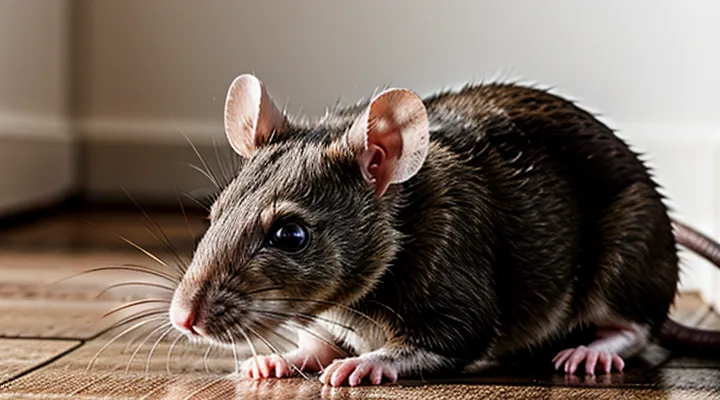
Understanding Lethargy in Rats
Recognizing Lethargy: Signs and Symptoms
Behavioral Changes
A rat that exhibits lethargy often displays a distinct set of behavioral alterations. These changes serve as practical indicators of the animal’s underlying condition and guide appropriate intervention.
- Reduced exploration of the cage or enclosure
- Minimal grooming activity, resulting in a rough coat
- Diminished interaction with conspecifics, including avoidance of social contact
- Slower or absent response to novel stimuli such as new objects or sounds
- Irregular feeding patterns, with prolonged intervals between meals
The observed shifts typically stem from metabolic depression, infectious processes, neurological impairment, or chronic stress. Each factor disrupts normal energy allocation and sensory processing, leading to the reported behavioral profile.
Effective support focuses on restoring activity levels and addressing the root cause. Recommendations include:
- Conduct a veterinary examination to identify medical issues and prescribe treatment.
- Provide a balanced, nutrient‑dense diet to counteract energy deficits.
- Introduce environmental enrichment—nesting material, tunnels, and varied textures—to stimulate exploration and grooming.
- Maintain consistent lighting and temperature to reduce stress.
- Monitor feeding and weight daily, adjusting care plans as needed.
By systematically addressing these elements, caretakers can mitigate lethargic behavior and promote recovery.
Physical Indicators
A rat exhibiting lethargy presents several observable physical signs that signal underlying health concerns. Reduced muscle tone often appears as a flaccid posture, with the animal lying flat on its belly rather than maintaining a typical upright stance. Fur may become dull, uneven, or exhibit patches of missing hair, indicating poor grooming or dermatological issues. Skin temperature can drop noticeably; a cold, moist underbelly contrasts with the warm, dry surface typical of a healthy rodent. Eye appearance changes as well—pupils may dilate, and the sclera can take on a yellowish hue, suggesting hepatic distress or anemia. Respiratory patterns shift to shallow, irregular breaths, sometimes accompanied by audible wheezing or crackles. Heart rate may slow, detectable by a faint, irregular pulse at the femoral artery. Weight loss is evident when the rat’s body mass declines rapidly over a short period, often measurable by a scale or visual assessment of rib visibility. Decreased responsiveness to stimuli, such as delayed reaction to gentle tapping or reduced exploration of the cage, further confirms diminished vitality. Monitoring these physical indicators provides essential data for timely veterinary intervention and appropriate supportive care.
Common Causes of Lethargy
Health-Related Causes
Respiratory Illnesses
Rats displaying prolonged inactivity often suffer from respiratory disorders that impair oxygen intake and reduce energy levels. Common pathogens include Mycoplasma pulmonis, Streptococcus pneumoniae, and viral agents such as Sendai virus. These infections produce inflammation of the nasal passages, trachea, and lungs, leading to labored breathing, nasal discharge, and reduced appetite, all of which contribute to a lethargic appearance.
Key clinical signs to monitor:
- Open‑mouth breathing or audible wheezing
- Persistent nasal or ocular discharge
- Nasal flaring or visible chest movement
- Weight loss despite normal food availability
- Decreased responsiveness to environmental stimuli
Prompt veterinary assessment is essential. Diagnostic steps typically involve physical examination, radiographic imaging of the thorax, and microbiological sampling of nasal secretions. Early identification allows targeted therapy and prevents progression to chronic pneumonia.
Effective management includes:
- Antibiotic regimen tailored to identified bacterial species; doxycycline or enrofloxacin are frequently prescribed.
- Supportive care such as humidified enclosure conditions to ease airway irritation.
- Nutritional supplementation with high‑calorie, easily digestible foods to counteract weight loss.
- Isolation of the affected animal to limit transmission to cage mates.
- Regular monitoring of respiratory rate and temperature during treatment.
Environmental control reduces recurrence. Maintain low dust levels, provide adequate ventilation, and avoid sudden temperature fluctuations. Regular cleaning with non‑irritating disinfectants minimizes pathogen load without compromising the respiratory mucosa.
When respiratory illness is addressed promptly, lethargy diminishes, and the rat regains normal activity patterns. Continuous observation ensures early detection of relapse, supporting long‑term health and vitality.
Digestive Issues
Digestive disturbances are a frequent source of reduced activity in rats. Impaired gut function limits nutrient absorption, leading to energy deficits that manifest as lethargy.
Common gastrointestinal problems include:
- Gastric stasis – delayed emptying of the stomach reduces appetite and slows metabolism.
- Small‑intestinal dysbiosis – imbalance of microbial populations interferes with fermentation and vitamin synthesis.
- Enteritis – inflammation of the intestinal lining causes pain, loss of electrolytes, and decreased motility.
- Parasitic infestations – worms and protozoa compete for nutrients and provoke chronic irritation.
Observable indicators of digestive compromise are:
- Decreased food and water intake.
- Loose, watery, or unusually frequent stools.
- Abdominal distension or tenderness.
- Weight loss despite unchanged feeding schedule.
- Reluctance to explore or engage with cage mates.
Effective measures to restore gut health and improve vitality:
- Dietary adjustment – introduce high‑fiber, low‑fat pellets; add fresh vegetables rich in prebiotic fibers; eliminate sugary treats.
- Hydration support – ensure constant access to clean water; consider electrolyte‑balanced solutions if dehydration is suspected.
- Probiotic supplementation – administer strains proven safe for rodents to re‑establish microbial balance.
- Parasite control – perform fecal examinations; treat identified infestations with appropriate anthelmintics.
- Veterinary evaluation – obtain diagnostic imaging or blood work to rule out underlying infections, metabolic disorders, or organ dysfunction.
Prompt implementation of these interventions typically reverses lethargic behavior within days, provided the gastrointestinal condition is addressed before systemic complications develop.
Pain and Discomfort
Rats experiencing pain or discomfort often display reduced activity, altered grooming, and a hunched posture. These signs may accompany lethargy and indicate underlying pathology.
Typical sources of nociception in a sluggish rodent include:
- Dental overgrowth causing oral ulceration
- Gastrointestinal irritation from diet or parasites
- Musculoskeletal strain due to cage injuries
- Inflammatory processes such as arthritis or abscess formation
- Toxic exposure to chemicals or contaminated bedding
Clinical evaluation should combine visual inspection with gentle palpation, temperature measurement, and, when feasible, analgesic response testing. Recording frequency and duration of abnormal behaviors assists in distinguishing acute distress from chronic malaise.
Management strategies focus on alleviating the source of pain and supporting recovery:
- Administer appropriate analgesics (e.g., meloxicam, buprenorphine) following veterinary dosage guidelines.
- Adjust diet to softer, highly digestible foods if oral pain is suspected.
- Provide enriched bedding to reduce pressure on joints and prevent sores.
- Treat identified infections or parasites with targeted antibiotics or antiparasitics.
- Remove or neutralize toxic agents; replace contaminated substrates.
Continuous monitoring after intervention ensures that activity levels improve and discomfort signs diminish. Persistent lethargy despite treatment warrants further diagnostic imaging or referral to a specialist.
Infections
Infections frequently underlie a rat’s loss of energy and activity. Pathogens disrupt normal metabolism, provoke fever, and impair organ function, resulting in marked lethargy.
- Bacterial: Salmonella spp., Streptobacillus moniliformis, Clostridium species.
- Viral: Sendai virus, rat coronavirus, lymphocytic choriomeningitis virus.
- Parasitic: Coccidia (Isospora), Giardia spp., pinworms (Syphacia).
- Fungal: Candida spp. in immunocompromised individuals.
Veterinary evaluation should include physical examination, complete blood count, and targeted cultures or PCR assays. Radiographs or ultrasound assist in detecting organ involvement. Rapid identification guides appropriate therapy.
Antibiotics (e.g., enrofloxacin for susceptible bacteria) address bacterial agents; antiviral agents are limited, so supportive care dominates viral cases. Antiparasitic drugs such as fenbendazole or metronidazole treat protozoal and helminth infections. Fluid therapy, nutritional supplementation, and temperature regulation accelerate recovery across etiologies.
Preventive actions consist of strict quarantine for new arrivals, regular sanitation of cages and feeding utensils, routine health screening, and maintaining ambient temperature between 18–22 °C. Prompt isolation of symptomatic individuals curtails spread within a colony.
Tumors and Cancer
Tumors in rats often manifest as persistent lethargy, reduced appetite, and weight loss. Malignant growths can compress vital organs, obstruct blood flow, or secrete hormones that disrupt metabolic balance, leading to the observed inactivity.
Common tumor types include:
- Mammary adenocarcinomas, frequently seen in older females.
- Fibrosarcomas, arising in the skin or subcutaneous tissue.
- Lymphomas, affecting the lymphatic system and spreading rapidly.
- Hepatocellular carcinomas, impairing liver function and energy production.
Diagnosis requires a systematic approach: physical examination to locate masses, imaging (ultrasound, radiography, MRI) to assess size and spread, and fine‑needle aspiration or biopsy for histopathology. Blood panels may reveal anemia, elevated enzymes, or inflammatory markers associated with neoplastic disease.
Therapeutic options depend on tumor stage and location:
- Surgical excision when masses are localized and operable.
- Chemotherapy protocols (e.g., cyclophosphamide, doxorubicin) for disseminated disease.
- Radiation therapy to reduce tumor burden in inaccessible sites.
- Palliative care, including analgesics, anti‑inflammatory drugs, and nutritional support, to maintain quality of life.
Supportive measures improve outcomes for a lethargic rat with cancer:
- Provide easily digestible, high‑calorie foods to counteract reduced intake.
- Ensure a warm, stress‑free environment to conserve energy.
- Administer fluid therapy intravenously or subcutaneously if dehydration occurs.
- Monitor weight and behavior daily; adjust treatment based on response.
Early detection and prompt intervention significantly increase the likelihood of remission or prolonged stability. Regular health checks, especially for older rodents, allow timely identification of neoplastic lesions before severe systemic decline sets in.
Parasites
Parasites are a frequent source of reduced activity in rodents, often manifesting as prolonged inactivity, loss of appetite, and weight decline. The relationship between parasitic infection and energy depletion is well documented; parasites compete for nutrients, disrupt digestive function, and trigger immune responses that divert metabolic resources.
Common parasites linked to lethargy in rats include:
- Protozoa: Giardia duodenalis, Coccidia (e.g., Eimeria spp.).
- Helminths: Hymenolepis nana (dwarf tapeworm), Syphacia muris (pinworm), Trichinella spiralis.
- Ectoparasites: Sarcoptes scabiei (mange mites), Ornithonyssus bacoti (tropical rat mite).
These organisms impair the host through several mechanisms:
- Direct consumption of host nutrients reduces available energy.
- Damage to intestinal lining hampers absorption, leading to malnutrition.
- Release of toxins or inflammatory mediators provokes systemic fatigue.
- Chronic immune activation increases metabolic demand, leaving less capacity for normal activity.
Accurate diagnosis requires a combination of laboratory and observational techniques:
- Fecal flotation or sedimentation to identify ova and cysts.
- Microscopic examination of intestinal scrapings for protozoan trophozoites.
- Skin scrapings or tape impressions for mite detection.
- Blood smear or serology when systemic parasites are suspected.
Therapeutic interventions depend on the identified parasite:
- Protozoal infections: Metronidazole or fenbendazole, administered according to veterinary dosage guidelines.
- Helminthic infections: Pyrantel pamoate, levamisole, or ivermectin, selected based on species susceptibility.
- Ectoparasitic infestations: Topical permethrin or systemic milbemycin oxime, applied to the entire colony to prevent reinfestation.
Preventive strategies reduce recurrence and support recovery:
- Maintain clean bedding and avoid excessive humidity, which favors mite proliferation.
- Implement regular fecal screening, especially after introduction of new animals.
- Provide a balanced diet rich in protein and vitamins to mitigate nutrient loss.
- Apply prophylactic deworming schedules consistent with veterinary recommendations.
Addressing parasitic burdens promptly restores normal activity levels and prevents secondary health complications in affected rats.
Neurological Problems
A rat that shows persistent inactivity often suffers from disturbances within the central nervous system. Neurological dysfunction disrupts motor coordination, motivation, and energy regulation, producing a state that mimics extreme tiredness.
Common neurological origins include:
- Traumatic injury to the brain or spinal cord
- Progressive neurodegenerative disorders such as demyelinating disease
- Viral, bacterial, or parasitic infections affecting neural tissue
- Exposure to neurotoxic substances (e.g., heavy metals, pesticides)
- Deficiencies of essential nutrients like thiamine or vitamin B12
Accurate assessment requires a systematic approach. Observe gait, reflexes, and response to stimuli; conduct a targeted neurological examination; employ imaging techniques (MRI or CT) when available; and run laboratory panels to detect infectious agents or metabolic imbalances.
Interventions focus on alleviating the underlying cause and supporting recovery:
- Immediate veterinary evaluation to determine precise diagnosis
- Administration of appropriate antimicrobial or anti‑inflammatory medication
- Nutritional supplementation to correct vitamin deficits
- Removal of toxic agents from the environment and provision of a clean, stress‑free habitat
- Physical therapy or gentle stimulation to maintain muscle tone and neural plasticity
Prompt identification and treatment of neurological problems can restore activity levels and improve overall health in affected rodents.
Environmental Factors
Stress and Anxiety
Stress and anxiety are frequent triggers of reduced activity in laboratory and pet rodents. Elevated cortisol and catecholamine levels disrupt normal metabolic processes, leading to diminished appetite, slower locomotion, and prolonged periods of immobility. Rats experiencing chronic psychological pressure often display a flattened posture, reduced exploratory behavior, and a tendency to hide in corners.
Physiological pathways link emotional strain to lethargy. The hypothalamic‑pituitary‑adrenal axis activation increases glucocorticoid secretion, which suppresses glucose utilization in muscle tissue. Simultaneously, heightened amygdala activity promotes avoidance behavior, further limiting movement. The combined effect manifests as a noticeable slowdown in daily routines.
Interventions that mitigate stress and anxiety produce measurable improvements in vigor:
- Provide consistent lighting cycles and maintain stable ambient temperature.
- Enrich the cage with tunnels, nesting material, and chewable objects to encourage natural foraging.
- Limit sudden noises and vibrations; use soft handling techniques and avoid tail lifts.
- Introduce predictable feeding schedules and high‑quality, palatable diet.
- Allow brief daily social interaction with familiar conspecifics, if appropriate for the strain.
Monitoring behavioral changes after implementing these measures helps distinguish stress‑related lethargy from underlying medical conditions. Prompt adjustments to the environment or handling protocol can restore normal activity levels and prevent long‑term health complications.
Inadequate Nutrition
Inadequate nutrition is a primary factor that can induce lethargy in rats. Deficient intake of essential nutrients reduces metabolic efficiency, leading to diminished activity levels and a propensity for prolonged rest.
Typical manifestations of nutritional deficiency include weight loss, dull coat, reduced grooming, and a lack of curiosity toward food or environment. Blood tests often reveal low protein, vitamin, and mineral concentrations, confirming the underlying deficit.
Corrective measures:
- Provide a balanced commercial rat diet formulated for laboratory or pet use, ensuring adequate protein (18‑20 % of calories) and essential fatty acids.
- Supplement with fresh vegetables (e.g., kale, carrots) and occasional fruits for vitamins and fiber, avoiding high‑sugar items.
- Offer a small portion of high‑quality rodent pellets daily, calibrated to the rat’s weight and activity level.
- Ensure constant access to clean, fresh water; consider adding electrolytes if dehydration is suspected.
- Monitor body condition weekly; adjust portions based on weight trends and coat quality.
Long‑term prevention relies on consistent feeding schedules, routine health assessments, and immediate correction of any dietary imbalances detected during observation.
Dehydration
Dehydration frequently underlies a rat’s sluggish behavior. Insufficient fluid intake reduces blood volume, impairs cellular metabolism, and diminishes muscle tone, all of which manifest as reduced activity and a lack of responsiveness.
Typical indicators of inadequate hydration include:
- Sunken eyes or recessed cheekbones
- Dry, less elastic skin around the neck or paws
- Concentrated urine with a strong odor
- Weight loss despite unchanged feeding patterns
Addressing dehydration requires prompt, systematic action:
- Offer fresh, clean water in a shallow dish to encourage drinking; replace the water several times a day to maintain palatability.
- Provide electrolyte‑rich solutions formulated for small mammals; administer in small, frequent doses using a syringe or dropper.
- Monitor fluid consumption for at least 24 hours; record intake to detect trends.
- If oral intake remains low, consider subcutaneous administration of isotonic fluids under veterinary guidance.
Preventive measures involve maintaining a constant water supply, ensuring the habitat’s humidity stays within the species‑appropriate range, and regularly checking for signs of illness that could limit drinking. Consistent hydration supports normal metabolic function and reduces the likelihood that lethargy stems from fluid deficiency.
Temperature Extremes
Extreme temperatures directly affect a rat’s metabolic rate and energy balance. Exposure to cold forces the animal to allocate calories to maintain body heat, while excessive heat triggers thermoregulatory stress that reduces activity levels.
Cold environments lower core temperature, causing vasoconstriction and reduced circulation to peripheral tissues. The resulting hypothermia slows enzymatic reactions, diminishes muscle performance, and manifests as sluggish movement. Conversely, high ambient heat raises core temperature, leading to dehydration, electrolyte imbalance, and heat‑stroke‑like symptoms that also depress locomotion.
Observable indicators of temperature‑related lethargy include:
- Shivering or tremors (cold stress)
- Prolonged huddling or nesting behavior
- Pale or cyanotic mucous membranes
- Rapid, shallow breathing and panting (heat stress)
- Reduced response to stimuli and delayed righting reflex
Intervention focuses on restoring thermal homeostasis and supporting physiological recovery:
- Adjust enclosure temperature to the species‑specific comfort range (typically 20‑24 °C for laboratory rats).
- Provide insulated bedding and shelter for cold periods; use heat pads or warming lamps with temperature control for heat loss.
- Ensure constant access to fresh, cool water; consider electrolyte‑supplemented solutions during heat episodes.
- Monitor body temperature with a rectal probe or infrared device; treat hypothermia with gradual warming, heatstroke with rapid cooling and fluid therapy.
- Reduce stressors such as draft, direct sunlight, and overcrowding that exacerbate temperature fluctuations.
Prompt correction of ambient conditions and supportive care typically reverse lethargic behavior caused by temperature extremes. Continuous observation ensures early detection of relapse and maintains overall health.
Diagnosing the Cause
Veterinary Examination
Physical Assessment
A thorough physical assessment is the first step in diagnosing a rat that appears unusually sluggish. Begin with a quick visual scan: note fur quality, presence of matting or loss, and any visible wounds. Observe the animal’s posture and gait; a rat that hangs low, drags its hindquarters, or moves hesitantly may have musculoskeletal pain or neurologic impairment.
Measure core temperature with a rectal thermometer; normal values range from 37.5 °C to 39.5 °C. Record body weight on a calibrated scale; a loss of more than 5 % within 24 hours signals metabolic stress. Examine mucous membranes in the oral cavity; pale or cyanotic gums indicate anemia or hypoxia, while excessive dryness suggests dehydration.
Assess respiratory function by counting breaths per minute and listening for abnormal sounds with a stethoscope. Normal respiration for a rat is 70–115 breaths per minute; deviations warrant further investigation. Palpate the abdomen gently to detect organ enlargement, fluid accumulation, or pain response. Check limb joints for swelling, heat, or limited range of motion.
Finally, evaluate reflexes: the righting reflex, pinna reflex, and limb withdrawal response provide insight into neurologic status. Absence or delay of these reflexes may point to central nervous system involvement. Document all findings systematically; deviations from normal parameters guide subsequent diagnostic testing and therapeutic interventions.
Diagnostic Tests
When a rat exhibits prolonged inactivity, precise identification of underlying problems relies on systematic diagnostic procedures. Veterinarians begin with a thorough physical examination, noting weight, temperature, coat condition, and any palpable masses. Blood sampling follows to generate a complete blood count, which reveals anemia, leukocytosis, or other hematologic abnormalities indicative of infection or metabolic disturbance.
Serum chemistry panels assess organ function: elevated liver enzymes suggest hepatic disease, while abnormal kidney values point to renal impairment. Urinalysis provides information on hydration status, urinary tract infection, and metabolic waste excretion. Fecal analysis detects parasites, bacterial overgrowth, or dysbiosis that may contribute to lethargy.
Imaging techniques expand the diagnostic scope. Plain radiographs identify skeletal or thoracic abnormalities, whereas abdominal ultrasound visualizes soft‑tissue organs, detecting masses, fluid accumulation, or gastrointestinal obstruction. In cases of suspected endocrine disorders, specific hormone assays—such as thyroid‑stimulating hormone and cortisol—clarify hormonal imbalances.
Infectious disease panels target common rat pathogens, including Mycoplasma pulmonis, rat coronavirus, and lymphocytic choriomeningitis virus. Positive results guide antimicrobial or antiviral therapy. Finally, environmental assessment—measuring cage temperature, humidity, and ventilation—rules out external stressors that can mimic or exacerbate clinical signs.
Collectively, these diagnostic tests form a comprehensive approach to uncover the cause of a rat’s lethargic state and inform targeted intervention.
Providing Immediate Comfort and Care
First Aid at Home
Ensuring Proper Hydration
Proper hydration directly influences a rat’s energy levels, metabolic function, and organ performance. Inadequate water intake often appears as reduced activity, dull coat, and diminished appetite, which can be mistaken for illness unrelated to fluid balance.
Typical dehydration indicators include:
- Sunken eyes or recessed cheekbones
- Dry, less elastic skin
- Concentrated urine with a strong odor
- Noticeable weight loss over a short period
To maintain optimal fluid status:
- Provide fresh, clean water at all times; replace it at least twice daily.
- Use a water bottle with a stainless‑steel nipple to prevent contamination and spillage.
- Offer water‑rich foods such as cucumber, apple slices, or leafy greens in measured portions.
- Monitor daily water consumption; a healthy adult rat drinks approximately 10 ml per 100 g body weight.
- Adjust ambient temperature and humidity; lower temperatures reduce evaporative loss, decreasing the need for excessive drinking.
Regular observation of drinking behavior and physical signs allows quick correction of fluid deficits, preventing prolonged lethargy and supporting overall recovery.
Maintaining Optimal Temperature
Rats are highly sensitive to ambient temperature; even a slight deviation can exacerbate lethargy. Maintaining an environment that stays within the species‑specific thermoneutral zone (approximately 20‑26 °C or 68‑79 °F) supports metabolic function and encourages activity.
Consistent temperature control reduces stress on the cardiovascular and respiratory systems. When the enclosure is too cold, rats increase energy expenditure to generate heat, leading to fatigue and reduced movement. Overheating triggers panting and dehydration, which also manifest as sluggish behavior. Both extremes undermine immune response, making recovery from illness slower.
Practical steps for optimal temperature management:
- Use a digital thermostat to monitor enclosure temperature continuously. Set alerts for deviations beyond ±2 °C.
- Position the cage away from drafts, direct sunlight, and heating vents. Airflow should be gentle and uniform.
- Incorporate a low‑wattage ceramic heat emitter or a heated pad designed for small mammals, ensuring the surface does not exceed 30 °C (86 °F).
- Provide nesting material (e.g., shredded paper, soft fabric) that allows the rat to adjust its microclimate by burrowing.
- Perform weekly checks of the enclosure’s insulation; replace worn bedding that may retain moisture and lower temperature.
- In colder seasons, increase ambient room temperature by 2‑3 °C rather than relying solely on localized heating devices.
If a rat remains lethargic despite temperature adjustments, evaluate additional factors such as diet, hydration, and possible medical conditions. Temperature regulation, when executed correctly, eliminates a common physiological stressor and creates a stable foundation for recovery.
Reducing Stress
Stress is a primary factor that can trigger or worsen lethargy in laboratory and pet rats. Elevated cortisol levels interfere with normal activity patterns, reduce appetite, and suppress exploratory behavior.
Common stressors include overcrowding, abrupt lighting changes, loud noises, insufficient enrichment, and inconsistent handling. Environmental instability also compromises immune function, which may manifest as reduced movement and prolonged rest periods.
Effective stress reduction relies on controlled modifications:
- Maintain a stable light‑dark cycle of 12 hours each, with gradual transitions at dawn and dusk.
- Limit exposure to sudden sounds; use acoustic dampening materials or quiet rooms for housing.
- Provide nesting material, tunnels, and chewable objects to satisfy natural foraging and gnawing instincts.
- Keep cage density at or below three rats per standard laboratory cage; monitor social hierarchy to prevent aggression.
- Implement consistent handling routines, using gentle restraint and short interaction periods to build familiarity.
Regular observation of activity levels, body weight, and grooming behavior indicates the success of interventions. A measurable increase in locomotion and food intake within one to two weeks suggests that stress has been effectively mitigated, supporting recovery from lethargic states.
Nutritional Support
A rat that shows persistent sluggishness often suffers from insufficient or imbalanced nutrition. Poor dietary quality reduces energy availability, weakens immune function, and exacerbates underlying health issues.
Optimal diet for a lethargic rodent should include:
- High‑quality commercial pellet formulated for adult rats, providing complete protein, vitamins, and minerals.
- Fresh vegetables such as carrots, broccoli, and leafy greens for fiber and micronutrients.
- Limited fruit portions for natural sugars and antioxidants.
- Small amounts of whole‑grain cereals or cooked legumes to increase complex carbohydrates.
Supplementary nutrients can accelerate recovery:
- Vitamin B complex (B1, B2, B6, B12) to support metabolic pathways.
- Vitamin C or a citrus supplement for antioxidant protection.
- Calcium‑phosphate mix to maintain bone health and muscle function.
- Probiotic powder to stabilize gut flora and improve nutrient absorption.
Feeding practices that enhance results:
- Offer small meals 2–3 times daily to maintain steady blood glucose levels.
- Ensure constant access to clean, fresh water; consider adding electrolytes if dehydration is suspected.
- Monitor body weight weekly; adjust portions if weight loss continues.
- Remove spoiled food promptly to prevent toxin exposure.
Consistent application of these nutritional strategies can restore energy, improve overall health, and reduce lethargy in affected rats.
Veterinary Treatment Options
Medical Interventions
Antibiotics and Other Medications
Antibiotic therapy becomes necessary when lethargy in a rat is linked to a bacterial infection. Typical signs include nasal discharge, pus‑filled eyes, swollen limbs, or abnormal urine. Confirmed or strongly suspected infections justify immediate antimicrobial intervention to prevent systemic decline.
Commonly prescribed agents and their practical parameters are:
- Enrofloxacin – broad‑spectrum fluoroquinolone; 5 mg/kg orally or subcutaneously every 12 hours; treatment length 7–10 days.
- Trimethoprim‑sulfamethoxazole – effective against many Gram‑negative and Gram‑positive organisms; 15 mg/kg orally twice daily; 10 days recommended.
- Amoxicillin‑clavulanate – useful for mixed infections; 20 mg/kg orally every 8 hours; 7–14 days depending on response.
Dosage must be calculated on the animal’s current weight, and adjustments are required for renal or hepatic impairment. Observe for gastrointestinal upset, loss of appetite, or neurological signs, which may indicate drug toxicity or resistance development.
Beyond antibiotics, adjunctive medications support recovery:
- Analgesics (e.g., meloxicam 0.2 mg/kg once daily) alleviate pain that can exacerbate inactivity.
- Anti‑inflammatory agents (e.g., dexamethasone 0.1 mg/kg every 24 hours) reduce swelling when inflammation is pronounced.
- Electrolyte solutions administered subcutaneously restore fluid balance in dehydrated individuals.
- Multivitamin complexes containing B‑group vitamins address potential deficiencies contributing to fatigue.
Effective management requires regular monitoring. Conduct daily assessments of activity level, food intake, and weight. Repeat physical examinations and, when indicated, complete blood counts after the first treatment week to verify resolution of infection and detect adverse drug reactions. Adjust therapeutic protocols promptly based on clinical response and laboratory findings.
Pain Management
Pain in a lethargic rat often manifests as reduced movement, diminished grooming, and altered posture. Recognizing these signs early prevents chronic discomfort and supports recovery.
Effective pain control begins with a systematic assessment. Use a validated rodent pain scale, record response to handling, and note changes in feeding or nesting behavior. Combine observational data with physiological indicators such as elevated heart rate or respiratory changes.
Pharmacologic options include:
- Non‑steroidal anti‑inflammatory drugs (e.g., meloxicam, carprofen) administered orally or subcutaneously at species‑specific doses.
- Opioid analgesics (e.g., buprenorphine) given subcutaneously or intraperitoneally for moderate to severe pain, with careful monitoring for respiratory depression.
- Local anesthetics (e.g., lidocaine) applied to wound edges during surgical procedures.
Dosage calculations must reflect the rat’s weight, typically expressed in mg/kg. Adjust intervals based on drug half‑life and observed analgesic effect. Rotate analgesics when appropriate to minimize tolerance and side effects.
Non‑pharmacologic measures complement medication:
- Provide soft bedding to reduce pressure on joints.
- Maintain ambient temperature within the thermoneutral range to prevent muscle stiffness.
- Offer easily accessible food and water to encourage intake despite reduced activity.
Monitoring continues throughout treatment. Document pain scores at regular intervals, observe for adverse reactions, and modify the regimen promptly if pain persists or side effects emerge. Consistent evaluation ensures that analgesia remains effective while minimizing risk.
Fluid Therapy
Fluid therapy is a primary intervention when a rat exhibits prolonged inactivity, weakness, or failure to thrive. Dehydration and electrolyte imbalance frequently accompany this state, reducing tissue perfusion and impairing cellular metabolism. Restoring intravascular volume directly improves cardiac output, enhances oxygen delivery, and stabilizes nervous system function.
Effective fluid replacement requires assessment of the animal’s weight, clinical signs, and laboratory values. Calculate the maintenance requirement (approximately 40 ml/kg/day) and add an estimated deficit based on skin turgor, mucous membrane moisture, and urine output. Choose the appropriate solution:
- Isotonic crystalloids (0.9 % saline, Lactated Ringer’s) for volume expansion and mild electrolyte loss.
- Hypertonic saline (7.5 % NaCl) for rapid intravascular volume restoration in severe shock, followed by isotonic fluids to prevent hypernatremia.
- Balanced electrolyte solutions containing potassium and magnesium when laboratory data reveal specific deficits.
Administration routes depend on the rat’s condition:
- Subcutaneous injection for mild to moderate dehydration; volumes up to 10 ml/kg are well tolerated.
- Intraperitoneal infusion for larger volumes when subcutaneous tissue is compromised.
- Intravenous catheterization for critical cases; requires aseptic technique and constant monitoring of heart rate, respiratory pattern, and mucous membrane color.
Monitoring parameters include weight change, capillary refill time, urine specific gravity, and serum electrolytes. Adjust fluid composition and rate based on trends; reduce or discontinue therapy once hydration status normalizes and activity levels improve.
Integrating fluid therapy with supportive measures—nutritional supplementation, temperature regulation, and treatment of underlying infections—optimizes recovery and prevents recurrence of lethargy.
Surgical Options
Surgical intervention becomes relevant when a rat’s lethargy persists despite dietary adjustments, fluid therapy, and medication. Procedures aim to correct underlying structural problems that impede metabolism or neurologic function.
- Exploratory laparotomy – incision to inspect abdominal organs; allows removal of obstructive masses, adhesions, or tumors that restrict nutrient absorption.
- Gastrointestinal decompression – placement of a gastrostomy or enterostomy tube to relieve pressure from severe ileus or volvulus, restoring passage of contents.
- Neurosurgical decompression – craniotomy or spinal cord decompression for traumatic lesions, compressive cysts, or herniated disc material that impair central regulation of activity.
- Organ resection – partial hepatectomy or splenectomy when neoplastic growths or infarctions produce systemic fatigue; tissue removal performed with precision to preserve remaining function.
Selection of a procedure depends on imaging results, laboratory values, and the rat’s overall health. Pre‑operative evaluation includes complete blood count, serum chemistry, and anesthetic risk assessment; inhalational agents such as isoflurane are preferred for rapid induction and recovery. Post‑operative care requires temperature regulation, analgesia (e.g., buprenorphine), and monitoring of intake, weight, and activity levels to gauge treatment success.
Long-Term Management
Dietary Adjustments
Dietary changes can directly influence a rat’s energy levels and overall vitality. Adjusting nutrient intake addresses common deficiencies that contribute to sluggish behavior.
- Provide a protein source comprising at least 18‑20 % of the diet; quality options include boiled egg, cooked chicken breast, or commercial rodent pellets formulated for high protein.
- Limit simple carbohydrates such as sugary treats and fruit juices; replace them with complex carbs from whole grains like oats or barley.
- Ensure adequate fiber (2‑4 % of diet) to support gastrointestinal health; include small amounts of shredded wheat, bran, or fresh leafy greens.
- Supply essential vitamins and minerals through fortified pellets or a balanced supplement blend containing vitamin B complex, vitamin E, and trace elements (zinc, selenium).
- Maintain consistent hydration; offer fresh water daily and supplement with electrolyte‑balanced liquids if the rat shows signs of dehydration.
- Schedule feedings at regular intervals, typically twice daily, to stabilize metabolic rhythms and prevent overeating.
Monitoring the rat’s response is critical. Record weight, activity duration, and coat condition weekly. If energy levels remain low after two weeks, increase protein proportion by 2‑3 % or add a low‑dose probiotic to improve gut absorption. Adjustments should be incremental to avoid digestive upset.
A balanced diet, precise portion control, and regular observation together form an effective strategy for revitalizing a lethargic rat.
Environmental Enrichment
Environmental enrichment provides stimuli that encourage natural foraging, exploration, and social interaction in rats. A stimulating cage reduces monotony, promotes physical activity, and supports mental health.
Insufficient enrichment often correlates with reduced movement, prolonged rest periods, and diminished responsiveness to handling. These signs may be mistaken for illness but can stem from a barren environment that fails to meet the species’ intrinsic needs.
Effective enrichment strategies include:
- Nesting material such as shredded paper or tissue.
- Chewable objects made from untreated wood or mineral blocks.
- Complex tunnels and climbing platforms that create vertical space.
- Puzzle feeders that require manipulation to access food.
- Rotating toys or objects every few days to maintain novelty.
- Opportunities for safe social contact with compatible conspecifics.
Implementation guidelines:
- Introduce one type of enrichment at a time, observe the rat’s interaction, and adjust based on preference.
- Ensure all items are free of toxic coatings, sharp edges, and small parts that could be ingested.
- Clean and sanitize enrichment items regularly to prevent contamination.
- Record changes in activity level, weight, and grooming behavior to evaluate effectiveness.
Consistent application of these measures can reverse lethargic patterns, improve overall vitality, and reduce the need for medical intervention.
Regular Check-ups
Regular veterinary examinations are essential for identifying the underlying reasons behind a rat’s persistent lethargy. During a check‑up, the veterinarian assesses weight, coat condition, and hydration status, compares current findings with previous records, and performs a physical examination of the eyes, ears, teeth, and abdomen. Laboratory tests, such as a complete blood count or fecal analysis, may be ordered to detect infections, metabolic disorders, or parasites that contribute to reduced activity.
A systematic approach to routine visits includes:
- Scheduling examinations at least every three months for adult rats, with more frequent visits for juveniles or individuals showing signs of illness.
- Recording daily observations of food and water intake, grooming behavior, and activity levels to provide the veterinarian with accurate baseline data.
- Ensuring the rat’s environment is inspected for temperature stability, proper ventilation, and absence of toxic substances, as environmental stressors often manifest as lethargy.
- Updating vaccination and deworming protocols according to veterinary recommendations, preventing disease‑related fatigue.
Early detection of health issues through consistent monitoring allows prompt intervention, reducing the risk of chronic conditions that exacerbate lethargy. Owners who maintain a disciplined check‑up schedule can distinguish normal age‑related changes from pathological symptoms, thereby improving the rat’s overall vitality and quality of life.
Prevention and Proactive Measures
Maintaining a Healthy Environment
Cage Hygiene
Maintaining a clean cage is critical for preventing and alleviating lethargy in pet rats. Accumulated waste, mold, and stale bedding create an environment where pathogens thrive, leading to respiratory infections, digestive upset, and reduced activity levels.
Regular cleaning schedule reduces exposure to harmful microbes. Recommended routine includes:
- Daily spot‑cleaning: remove soiled bedding, droppings, and uneaten food.
- Weekly deep clean: empty the cage, wash all surfaces with a mild, rodent‑safe disinfectant, rinse thoroughly, and replace bedding.
- Monthly inspection: check for hidden mold, corrosion, or damaged accessories that could harbor bacteria.
Proper ventilation complements hygiene efforts. Ensure the cage is placed in a well‑air‑circulated area and avoid covering it with airtight covers that trap humidity.
Using appropriate bedding material further supports health. Choose absorbent, dust‑free substrates such as paper‑based bedding; avoid cedar or pine, which release volatile oils that irritate the respiratory tract.
Monitor the rat’s behavior after cleaning. Increased alertness, regular grooming, and normal eating patterns indicate that improved cage conditions are positively affecting energy levels. If lethargy persists despite strict hygiene, consult a veterinarian for further evaluation.
Proper Ventilation
A rat that shows persistent inactivity often suffers from inadequate air exchange in its enclosure. Stagnant air increases ammonia levels from urine, elevates carbon dioxide, and promotes excess humidity, all of which depress respiratory efficiency and energy metabolism.
Proper ventilation reduces toxic gases, stabilizes temperature, and maintains a dry environment. When fresh air circulates continuously, the respiratory system functions efficiently, supporting normal activity levels.
- Install a vent or fan that provides at least 10 air changes per hour.
- Position openings away from direct drafts to prevent chilling.
- Use a mesh screen to block dust while allowing airflow.
- Clean vents weekly to avoid blockage by bedding or waste.
Regularly measure ammonia and humidity with a handheld meter. Replace filters or adjust fan speed if readings exceed safe thresholds. Consistent air turnover, combined with routine cage cleaning, restores vitality in a lethargic rat.
Temperature Control
Temperature fluctuations significantly affect a rat’s energy levels. Warm environments (above 24 °C) can reduce metabolic rate, leading to sluggish behavior. Cold conditions (below 18 °C) increase the demand for heat production, exhausting reserves and causing lethargy.
Key factors to monitor:
- Ambient temperature in the cage and surrounding room.
- Drafts or direct airflow that create localized cooling.
- Heat sources such as lighting or heating pads that may cause overheating.
- Seasonal changes that alter baseline room temperature.
Steps to maintain optimal thermal conditions:
- Keep the cage in a room where temperature remains between 20 °C and 22 °C.
- Use a calibrated digital thermometer to check the cage interior twice daily.
- Eliminate drafts by positioning the cage away from windows, doors, and ventilation ducts.
- Provide a low‑intensity heat source (e.g., a ceramic heat emitter) only if ambient temperature falls below 18 °C; limit exposure to 30 minutes to prevent hyperthermia.
- Ensure bedding thickness allows adequate insulation without trapping excess heat.
When a rat shows persistent lethargy, verify that temperature readings fall within the recommended range before considering medical intervention. Adjusting the environment is often sufficient to restore normal activity levels.
Optimal Nutrition and Hydration
Balanced Diet
A lethargic rat often signals nutritional imbalance. Providing a diet that meets all macro‑ and micronutrient requirements restores energy levels and supports normal physiological functions.
A balanced rat diet consists of:
- Commercial pellet or block formulated for rodents, representing the primary source of protein, fat, carbohydrates, vitamins, and minerals.
- Fresh vegetables such as kale, carrot, and broccoli, supplied in small daily portions to add fiber and antioxidants.
- Limited fruit pieces (e.g., apple or berries) for natural sugars, offered no more than two to three times per week.
- Occasional protein treats like boiled egg white or mealworm, not exceeding 5 % of total intake.
- Constant access to clean water, refreshed at least once daily.
Key nutrients influencing activity include:
- Protein (15–20 % of diet) – supplies amino acids for muscle maintenance.
- Fat (5–7 % of diet) – provides a dense energy source.
- Complex carbohydrates – deliver sustained glucose release.
- Vitamin B complex – essential for metabolic pathways that generate ATP.
- Vitamin E and selenium – protect cell membranes from oxidative damage.
- Calcium and phosphorus – maintain bone health and neuromuscular function.
Implementation steps:
- Transition to a high‑quality pellet gradually over 3–5 days to avoid digestive upset.
- Introduce fresh produce in 1‑2 cm pieces, monitoring for any signs of diarrhea.
- Eliminate sugary treats, stale kibble, and high‑fat human snacks.
- Record daily food intake; adjust portions if the rat gains or loses weight rapidly.
- Conduct a health check with a veterinarian if lethargy persists after two weeks of dietary correction.
A disciplined feeding regimen, combined with the nutrient profile outlined above, directly addresses energy deficits and promotes recovery in a sluggish rodent.
Fresh Water Access
Fresh water is essential for metabolic processes in rats; inadequate intake can directly trigger reduced activity and lethargy. Dehydration impairs circulation, lowers blood volume, and limits nutrient transport, leading to observable sluggishness.
Common reasons for insufficient water include:
- Blocked or dirty water bottles that discourage drinking.
- Placement of water sources away from feeding areas, reducing the animal’s motivation to seek hydration.
- Inadequate water temperature; excessively cold or warm water can be unappealing.
- Competition in multi‑rat cages, where dominant individuals monopolize the limited supply.
Physical signs of dehydration in a rat are dry skin around the nose, sunken eyes, reduced urine output, and a noticeable decline in exploratory behavior.
To restore proper hydration and alleviate lethargy, implement the following measures:
- Use stainless‑steel water bottles with stainless‑steel sipper tubes; replace them weekly to prevent biofilm buildup.
- Position water bottles within easy reach of all cage occupants, ideally adjacent to food containers.
- Maintain water temperature between 15 °C and 20 °C; replace cold water with fresh, room‑temperature supply each day.
- Monitor water consumption by weighing bottles before and after 24 hours; adjust placement or quantity if intake is low.
- Provide multiple water sources in larger enclosures to eliminate competition.
Consistent access to clean, appropriately placed water reduces the risk of dehydration‑related lethargy and supports overall health in laboratory and pet rats.
Regular Health Monitoring
Daily Observation
Daily observation of a sluggish rat begins with a systematic scan of its enclosure at the same hour each morning. Record the animal’s position, posture, and activity level before any interaction. Note whether the rat remains in a corner, lies flat on its belly, or intermittently lifts its head. Document the duration of each posture and any vocalizations.
Key indicators to capture:
- Minimal locomotion, less than 5 cm of movement per minute
- Prolonged periods of immobility exceeding 30 minutes
- Dull or unresponsive eyes, reduced pupil dilation
- Decreased grooming, fur appearing unkempt
- Weak or irregular breathing sounds
These observations often correlate with underlying issues. Persistent inactivity may signal metabolic imbalance, such as hypoglycemia or electrolyte disturbance. Dull eyes and slow breathing suggest respiratory infection or cardiac strain. Poor grooming frequently accompanies dermatological problems or pain from musculoskeletal injury. Environmental factors—low temperature, insufficient enrichment, or overcrowding—can exacerbate lethargy.
Interventions based on recorded data:
- Verify ambient temperature (20‑24 °C) and adjust heating if needed.
- Offer high‑energy food (e.g., fresh fruit, a small amount of unsalted nuts) to address possible hypoglycemia.
- Provide fresh water with electrolytes; monitor intake for at least 24 hours.
- Introduce enrichment items (tunnels, chew blocks) to stimulate movement.
- If respiratory or cardiac signs persist, consult a veterinarian for diagnostic testing and targeted treatment.
Consistent documentation enables quick identification of pattern shifts, facilitating timely medical or husbandry adjustments that restore vitality.
Prompt Veterinary Care
When a rat shows sudden lack of energy, immediate professional assessment can prevent deterioration. Early veterinary intervention allows clinicians to identify infectious agents, metabolic imbalances, or organ dysfunction before symptoms become irreversible.
A veterinarian will typically:
- Conduct a physical examination, noting temperature, heart rate, and hydration status.
- Order diagnostic tests such as blood panels, fecal analysis, or radiographs to pinpoint underlying conditions.
- Initiate targeted therapy, which may include antibiotics, fluid therapy, analgesics, or supportive nutrition.
Delaying care reduces the likelihood of successful treatment and may increase the risk of complications such as respiratory collapse or severe dehydration. Owners should contact an exotic‑animal practitioner at the first sign of prolonged inactivity, especially if the rat also displays weight loss, abnormal breathing, or changes in grooming behavior.
Prompt professional evaluation also provides guidance on environmental adjustments—temperature control, cage hygiene, and diet modifications—that support recovery and reduce recurrence. By acting quickly, caretakers give the animal the best chance for a swift return to normal activity levels.
When to Seek Emergency Veterinary Help
Critical Symptoms
Severe Breathing Difficulties
A rat that appears unusually sluggish often suffers from compromised respiration. When breathing becomes markedly difficult, oxygen delivery to tissues drops sharply, accelerating fatigue and loss of coordination.
Typical contributors include:
- Upper‑airway obstruction caused by nasal discharge, swelling, or foreign material.
- Pulmonary infection or inflammation that fills alveoli with fluid or pus.
- Cardiac failure leading to fluid accumulation in the lungs.
- Neurological impairment that weakens the diaphragm and intercostal muscles.
- Exposure to toxic gases or irritants that irritate the respiratory tract.
Immediate actions should focus on restoring airflow and supporting oxygen levels:
- Clear the nasal passages with a warm, sterile saline rinse; repeat until discharge ceases.
- Provide supplemental oxygen via a small cage‑mounted diffuser, maintaining flow at 0.5–1 L/min.
- Administer a bronchodilator or anti‑inflammatory medication prescribed by a veterinarian, following dosage guidelines precisely.
- Keep the environment warm, dry, and free of strong odors or chemical fumes.
- Monitor respiratory rate and effort every 10 minutes; seek professional care if the rate exceeds 120 breaths per minute or if cyanosis appears.
Long‑term management involves treating the underlying condition—antibiotics for bacterial pneumonia, diuretics for heart‑related fluid buildup, or surgical removal of obstructions—combined with regular health checks to detect recurrence early.
Unresponsiveness
Unresponsiveness in a sluggish rodent manifests as a lack of reaction to visual, auditory, or tactile stimuli, prolonged immobility, and an inability to initiate normal activities such as grooming or feeding. The condition signals a disruption of essential physiological functions and requires prompt evaluation.
Common factors that precipitate this state include:
- Acute illness (respiratory infection, gastrointestinal blockage, systemic inflammation)
- Metabolic imbalance (hypoglycemia, electrolyte disturbances, dehydration)
- Environmental stressors (extreme temperature, poor ventilation, excessive noise)
- Toxic exposure (pesticides, contaminated food, cleaning agents)
- Neurological impairment (trauma, neurodegenerative disease, seizures)
Effective assessment proceeds through a systematic checklist:
- Confirm absence of reflexes by gently tapping the hindquarters and observing ear or whisker movement.
- Measure core temperature with a rectal probe; hypothermia or hyperthermia often accompany severe lethargy.
- Evaluate hydration by skin tenting and mucous membrane moisture.
- Inspect oral cavity for signs of infection, dental overgrowth, or foreign bodies.
- Record breathing rate and effort; irregular or shallow respiration warrants immediate attention.
Intervention strategies focus on stabilizing vital functions and addressing underlying causes:
- Relocate the animal to a quiet, temperature‑controlled area (approximately 22 °C) and provide soft bedding.
- Administer subcutaneous sterile saline (10 ml/kg) to correct dehydration, unless contraindicated by cardiac issues.
- Offer easily digestible, high‑energy food (e.g., softened pellets or glucose solution) to reverse hypoglycemia.
- Contact a qualified veterinarian within the hour for diagnostic testing (blood panel, radiographs) and targeted therapy (antibiotics, analgesics, electrolyte replacement).
- Eliminate potential toxins from the environment and ensure clean, fresh water is constantly available.
Rapid identification of unresponsiveness and adherence to these protocols significantly improve the likelihood of recovery in a lethargic rat.
Convulsions
Convulsions in a lethargic rat signal acute neurological distress and often accompany underlying metabolic or infectious disorders. Recognizing the pattern of muscle twitching, rhythmic jerking, or full-body seizures helps differentiate convulsive episodes from simple tremors.
Typical triggers include:
- Severe electrolyte imbalance, especially low calcium or high potassium levels
- Toxic exposure to rodenticide, pesticides, or contaminated feed
- Central nervous system infections such as encephalitis or bacterial meningitis
- Hypoglycemia resulting from inadequate nutrition or insulin overdose
- Traumatic brain injury or intracranial hemorrhage
Prompt intervention reduces tissue damage and improves survival prospects. Effective measures consist of:
- Immediate isolation of the animal to prevent injury during a seizure.
- Administration of a fast‑acting anticonvulsant (e.g., diazepam or midazolam) according to veterinary dosage guidelines.
- Intravenous correction of electrolyte disturbances; calcium gluconate for hypocalcemia, potassium binders for hyperkalemia.
- Restoration of blood glucose with dextrose solution if hypoglycemia is confirmed.
- Identification and removal of toxic sources; decontamination of feed and environment.
- Empirical antimicrobial therapy when infection is suspected, pending laboratory confirmation.
Monitoring should continue for at least 24 hours after seizure control, recording frequency, duration, and response to medication. Persistent or recurrent convulsions warrant advanced imaging (CT or MRI) and referral to a specialist for comprehensive neurological assessment.