
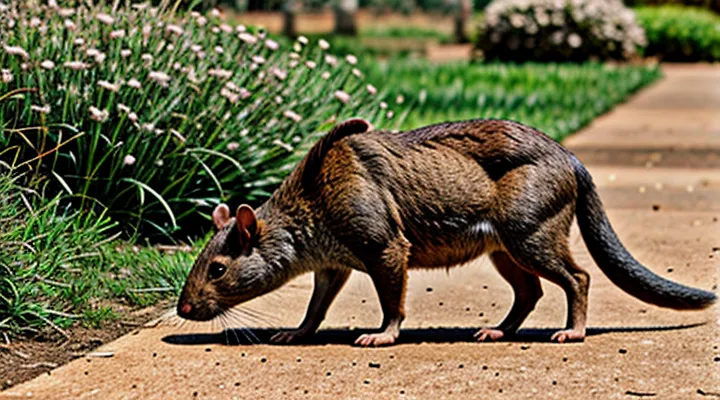
Morphology and Physical Characteristics
General Appearance
Size and Weight
The large brown rat, a prominent member of the rodent family, exhibits considerable dimensions compared with typical city rats. Adult individuals reach a head‑to‑body length of 25–30 cm (10–12 in), with an additional tail length of 20–25 cm (8–10 in). Body mass varies widely; mature specimens commonly weigh between 350 and 600 g (0.77–1.32 lb), while exceptionally large individuals can exceed 800 g (1.76 lb).
Key measurements:
- Head‑to‑body length: 25–30 cm (10–12 in)
- Tail length: 20–25 cm (8–10 in)
- Weight range: 350–600 g (0.77–1.32 lb)
- Maximum recorded weight: >800 g (1.76 lb)
These figures reflect the species’ capacity for substantial growth, influenced by factors such as nutrition, habitat quality, and genetic variation. The size and weight parameters distinguish this rodent from smaller congeners and affect its foraging range, predator avoidance, and reproductive output.
Fur Color and Texture
The fur of the sizable brown rat presents a uniform brown to reddish‑brown dorsal surface, often interspersed with darker, almost black, speckles along the spine. Ventral hair is markedly lighter, ranging from pale gray to creamy white, creating a clear contrast that aids in species identification. Seasonal molting may introduce a subtle shift toward a grayer tone in winter coats.
Hair density is high, with a short, fine undercoat supporting longer guard hairs that lie flat against the body. The outer layer feels coarse to the touch, providing resistance to abrasion and moisture, while the undercoat offers insulation. A faint oily sheen imparts water‑repellent properties, enhancing survival in damp urban and rural habitats.
Key characteristics of the fur:
- Color palette: dorsal brown to reddish‑brown, ventral pale gray‑white, occasional black dorsal markings.
- Texture profile: dense, short undercoat; longer, flat guard hairs; coarse outer surface with subtle oily gloss.
- Functional attributes: abrasion resistance, thermal insulation, water repellency, camouflage against varied backgrounds.
Body Shape and Proportions
The large brown rat exhibits a robust, elongated body built for both burrowing and surface activity. The torso is cylindrical, with a length that typically exceeds the head‑to‑shoulder distance by a factor of three to four. Musculature is dense, especially along the dorsal line, providing strength for digging and rapid sprinting.
Key proportional ratios:
- Head length ≈ 15 % of total body length.
- Neck region short, merging smoothly into the shoulders.
- Forelimbs constitute about 12 % of body length, ending in dexterous paws with five digits each.
- Hind limbs slightly longer, roughly 14 % of body length, optimized for propulsion.
- Tail length equals or slightly surpasses the combined head and torso length, often reaching 100‑120 % of body length, serving balance and thermoregulation.
The overall silhouette presents a low, flat profile when viewed from the side, with a slight upward curve of the spine toward the tail tip. This configuration maximizes stability during rapid maneuvers and enhances the animal’s capacity to navigate confined underground passages.
Head and Facial Features
Snout and Whiskers
The snout of a sizable brown rat is robust, elongated, and covered with a thin layer of fur that tapers toward the tip. Its bone structure supports strong incisors, enabling the animal to gnaw through hard materials. Muscular control of the upper lip allows precise manipulation of food and objects.
Whiskers (vibrissae) extend from the rostral region in several rows. Each whisker is a highly innervated follicle capable of detecting minute air currents and surface textures. This sensory system provides spatial awareness in low‑light environments and guides navigation through narrow passages.
Key characteristics of the snout and whiskers:
- Length: Snout measures approximately 2.5–3.5 cm; whiskers range from 1.5 cm on the nose to over 5 cm on the cheeks.
- Sensory density: Each vibrissa contains up to 10,000 nerve endings, surpassing the tactile resolution of human fingertips.
- Mechanical strength: The snout’s skeletal framework resists bending forces up to 30 N, supporting vigorous gnawing.
- Adaptation: Whisker orientation forms a three‑dimensional grid, allowing detection of obstacles within a 15‑cm radius.
These anatomical features collectively enhance foraging efficiency, predator avoidance, and habitat exploitation for the large brown rat.
Eyes and Ears
The sizable brown rodent possesses highly adapted visual and auditory organs that support nocturnal foraging and predator avoidance. Its eyes are relatively large for a murid, positioned laterally to afford a wide field of view. The retina contains a high density of rod cells, enhancing sensitivity to low light levels, while cone cells provide limited color discrimination useful during twilight activity. A reflective tapetum lucidum behind the retina amplifies available photons, granting the animal superior night vision.
The auditory system features elongated external pinnae that can be rotated to pinpoint sound direction. The ear canal leads to a well‑developed middle ear with a robust ossicular chain, transmitting vibrations efficiently to the inner ear. The cochlea exhibits an expanded basal region, optimizing detection of high‑frequency sounds such as the rustle of vegetation or the footfalls of predators. Acoustic reflexes enable rapid ear movements, allowing the rat to adjust its hearing focus within milliseconds.
Key characteristics of the eyes and ears include:
- Lateral eye placement for panoramic vision.
- Abundant rod photoreceptors for low‑light detection.
- Tapetum lucidum enhancing nocturnal sight.
- Mobile pinnae capable of directional orientation.
- Enlarged cochlear basal region for high‑frequency sensitivity.
- Efficient ossicular transmission for swift sound processing.
Teeth and Dentition
The large brown rat possesses a continuously growing dentition adapted for gnawing and processing diverse food sources. Its incisors are procumbent, chisel‑shaped, and covered with enamel only on the anterior surface, creating a self‑sharpening edge as the softer dentin behind wears away. This asymmetrical enamel distribution forces the teeth to maintain a sharp, wedge‑like profile during repetitive biting.
Molars and premolars are brachydont, with low crowns and complex occlusal surfaces. The occlusal pattern includes multiple cusps arranged in a transverse ridge, enabling efficient grinding of seeds, grains, and insects. The dental formula for the species is:
- Upper: 1/1 incisors, 0/0 canines, 0/0 premolars, 3/3 molars
- Lower: 1/1 incisors, 0/0 canines, 0/0 premolars, 3/3 molars
Rooted in the mandible and maxilla, each tooth exhibits a single root, facilitating rapid replacement of worn enamel. The combination of ever‑growing incisors and robust cheek teeth supports the rat’s omnivorous diet and contributes to its capacity for extensive burrowing and material manipulation.
Tail and Limbs
Tail Characteristics
The tail of the large brown rat exhibits several defining features that distinguish it from other rodent species. Its length typically exceeds the combined length of the head and body, reaching up to 30 cm in mature individuals. This proportion provides balance during rapid locomotion and facilitates climbing on vertical surfaces.
- Scale pattern: Overlapping, smooth scales cover the entire tail, each bearing a fine, dark pigment that creates a uniform coloration.
- Color gradient: The proximal segment matches the dorsal fur’s brown hue, while the distal tip gradually lightens to a pale, almost pink shade.
- Texture: The surface remains supple yet resilient, allowing slight flexion without compromising structural integrity.
- Sensory function: Numerous mechanoreceptors are embedded along the ventral side, detecting tactile stimuli and aiding spatial orientation.
- Thermoregulation: Vascular networks within the tail enable heat dissipation, assisting in body temperature control during high ambient temperatures.
Morphologically, the tail’s vertebral column consists of 20–22 caudal vertebrae, each supporting the scale and muscular framework. Muscle groups, primarily the caudofemoralis and longus caudalis, generate the tail’s sweeping motions used in evasive maneuvers and social signaling. The combination of length, scale arrangement, and sensory capacity renders the tail a critical anatomical adaptation for the species’ urban and rural habitats.
Forelimbs and Hindlimbs
The large brown rat possesses robust forelimbs that support gnawing, climbing, and manipulation of objects. Muscular forearms attach to a well‑developed scapular girdle, allowing a wide range of motion in the shoulder joint. The forepaws feature five digits, each ending in a sharp claw; the inner digit is opposable, enhancing grip on irregular surfaces. Sensory pads on the fingertips contain dense mechanoreceptors, providing acute tactile feedback essential for navigating confined burrows and foraging.
Hindlimbs are comparatively longer, contributing to the rat’s characteristic agility and speed. The pelvis is broad, supporting powerful gluteal muscles that generate thrust during rapid sprints. Each hind foot bears five digits with elongated claws that facilitate propulsion and maintain traction on diverse substrates. The ankle joint exhibits a flexible hinge, permitting swift extension and flexion during jumps or sudden directional changes. Tendon elasticity in the hindlimb stores kinetic energy, improving locomotor efficiency over short distances.
Key anatomical traits:
- Forelimb musculature: strong deltoids, biceps, and forearm flexors.
- Forepaw structure: five digits, opposable inner digit, sensory pads.
- Hindlimb length: proportionally greater than forelimbs, enhancing stride.
- Pelvic and gluteal development: supports powerful thrust.
- Hind foot claws: elongated for traction and propulsion.
- Joint flexibility: shoulder and ankle joints allow extensive range of motion.
Habitat and Geographical Distribution
Preferred Habitats
Urban Environments
The large brown rat thrives in densely built areas where human activity creates abundant food sources and shelter. Waste containers, sewer systems, and abandoned structures provide continuous access to nutrition and nesting sites, supporting high population densities.
Urban settings influence the rat’s physical and behavioral adaptations. Typical characteristics include:
- Increased body mass due to abundant caloric intake.
- Enhanced dental wear resistance, reflecting consumption of hard, processed foods.
- Heightened nocturnal activity, aligning with reduced human presence.
- Stronger territoriality, driven by competition for limited high‑quality habitats.
The rat’s reproductive cycle accelerates in city environments. Shorter gestation periods and larger litters result from stable temperatures and constant food availability, leading to rapid population turnover.
Disease transmission potential rises in metropolitan zones. Close proximity to humans and other animals facilitates the spread of pathogens such as Leptospira, hantavirus, and various bacterial infections. Effective control measures focus on waste management, structural maintenance, and targeted baiting programs.
Overall, the urban landscape shapes the large brown rat’s morphology, behavior, and ecological impact, creating a feedback loop between human infrastructure and rodent population dynamics.
Rural and Agricultural Areas
The large brown rat commonly inhabits open fields, crop storage facilities, and farm buildings. Its robust body and strong limbs enable it to navigate uneven terrain and climb wooden structures found in rural settings.
In agricultural landscapes the species prefers:
- Loose, well‑drained soil for burrow construction near irrigation channels.
- Grain silos, feed bins, and haylofts that provide readily accessible food.
- Areas with abundant vegetation cover that offers protection from predators.
Key biological characteristics that enhance survival in these environments include:
- Adult weight up to 500 g, providing greater stamina for foraging over long distances.
- Omnivorous diet allowing consumption of seeds, root crops, animal waste, and carrion.
- High reproductive rate, with up to ten litters per year and an average litter size of seven pups.
- Strong gnawing ability that breaches wooden beams, plastic containers, and irrigation tubing.
- Ability to transmit bacterial and viral pathogens through contaminated feed and water sources.
The presence of large brown rats in crop fields leads to measurable losses: direct consumption of seedlings, contamination of harvested produce, and damage to irrigation equipment. In livestock operations, rodents contaminate feed, increase the risk of disease transmission, and compete with poultry for resources.
Effective management in rural and agricultural zones relies on integrated measures:
- Regular inspection of storage areas for gnaw marks and droppings.
- Installation of metal‑mesh barriers around feed bins and entry points.
- Use of bait stations positioned away from animal housing to reduce non‑target exposure.
- Periodic population monitoring through live‑trap counts to assess control efficacy.
These practices reduce rodent‑related damage while maintaining the productivity of farming enterprises.
Water Sources
The sizable brown rat depends on a range of water sources to meet its physiological needs and support its foraging activities. Access to reliable hydration influences the animal’s health, reproductive success, and territorial behavior. Consequently, the species exploits both natural and anthropogenic environments where liquid supplies are readily available.
Typical water sources include:
- Natural ponds, streams, and rain‑filled depressions.
- Urban runoff collected in gutters and drainage channels.
- Sewer lines and underground pipes that retain moisture.
- Leaking household fixtures such as faucets, toilets, and pipes.
- Stagnant containers, including discarded bottles, buckets, and pet water dishes.
Selection of a water source correlates with proximity to food caches, shelter sites, and predator avoidance zones. Rats often establish nests near permanent supplies, reducing travel distance and exposure to threats. Temporary sources, such as puddles formed after precipitation, serve as opportunistic hydration points during seasonal fluctuations.
Global Range
Origin and Spread
The large brown rat (Rattus norvegicus) originated in the arid steppes of Central Asia, where fossil evidence dates its presence to the early Holocene. Genetic analyses trace its ancestry to populations that inhabited the valleys of the Caspian Sea, adapting to human‑altered environments long before recorded history.
From its Central Asian cradle, the species expanded westward along trade routes and river systems. By the 13th century, it had reached the ports of the Black Sea, exploiting merchant ships and grain storage. Subsequent centuries saw rapid colonization of Europe, driven by:
- 16th‑17th century: introduction to the Netherlands and England via maritime commerce.
- 18th century: spread to French and German urban centers through railway construction.
- 19th century: establishment in North American ports, notably New York and San Francisco, following transatlantic shipping.
- Early 20th century: penetration into South American coastal cities via cargo vessels.
In the modern era, global transportation networks facilitate continuous dispersal. The rat thrives in densely populated areas, agricultural facilities, and waste disposal sites, establishing populations wherever food and shelter are abundant. Its distribution now covers all inhabited continents, with isolated pockets persisting in remote islands where accidental introductions have occurred.
Current Distribution
The large brown rat now occupies a broad geographic range that extends across several continents. Its presence is strongest in temperate and subtropical zones where human settlements provide ample food and shelter. Populations thrive in urban centers, agricultural landscapes, and coastal ports, reflecting the species’ adaptability to diverse habitats.
- North America: widespread in the United States, Canada, and Mexico, particularly in major cities and grain‑producing regions.
- Europe: common throughout Western, Central, and Eastern Europe, with high densities in the United Kingdom, Germany, France, and the Balkans.
- Asia: established in China, Japan, South Korea, India, and Southeast Asian nations such as Thailand and Vietnam.
- Oceania: found in Australia’s eastern states and New Zealand, especially near ports and urban areas.
- South America: recorded in Brazil, Argentina, Chile, and Colombia, often linked to commercial shipping routes.
The species’ expansion continues through accidental transport in cargo, waste management systems, and railway networks, allowing it to colonize new locales rapidly.
Behavior and Social Structure
Activity Patterns
Nocturnal Habits
The sizable brown rat exhibits a strictly nocturnal activity pattern. During darkness it leaves burrows to forage, establish territories, and interact socially. Vision, whisker sensitivity, and acute hearing enable navigation through cluttered urban and rural environments.
Key nocturnal behaviors include:
- Foraging: Consumption of waste, grains, fruits, and small invertebrates; food sources are located primarily between sunset and pre‑dawn.
- Territorial patrols: Scent marking with urine and glandular secretions; patrol routes cover the perimeter of established burrow systems.
- Social communication: Ultrasonic vocalizations and tail‑slapping signals convey dominance, alarm, and mating readiness.
- Reproduction: Mating bouts peak in the early night hours, synchronizing with heightened activity levels to maximize encounter rates.
- Predator avoidance: Movement along concealed pathways, reduced exposure to diurnal predators, and rapid retreat into burrows when threatened.
Physiological adaptations support night life: enlarged pineal glands regulate melatonin secretion, while retinal rods outnumber cones, enhancing low‑light visual acuity. Energy expenditure is concentrated in the dark phase, allowing efficient digestion and storage of nutrients gathered during nightly foraging expeditions.
Foraging Behavior
The large brown rat exhibits a highly adaptable foraging strategy that maximizes caloric intake while minimizing exposure to predators. Individuals emerge from burrows primarily during twilight and night hours, exploiting reduced visual detection. Food items are selected based on availability, nutritional content, and ease of acquisition, reflecting an opportunistic omnivorous diet that includes grains, seeds, insects, carrion, and human refuse.
Key components of the foraging pattern include:
- Spatial memory: Rats remember locations of abundant resources and return to them repeatedly, often establishing a network of feeding routes.
- Risk assessment: Before approaching a food source, individuals pause to evaluate predator cues, adjusting approach speed and retreat distance accordingly.
- Temporal flexibility: Seasonal shifts in resource abundance prompt changes in diet composition, with higher reliance on stored seeds during winter and increased consumption of fresh produce in spring.
- Social dynamics: Dominant rats may monopolize high‑value patches, while subordinates exploit peripheral items, reducing intra‑group competition.
- Cache behavior: Excess food is hidden in shallow depressions or within burrow chambers, providing a reserve during periods of scarcity.
Physiological adaptations support this behavior. A rapid digestive system processes diverse food types efficiently, while a keen sense of smell detects volatile compounds from distant sources. The species’ ability to thrive in urban and rural habitats stems from this flexible foraging repertoire, allowing exploitation of anthropogenic waste streams alongside natural substrates.
Social Organization
Colony Structure
The colony of the large brown rat consists of a network of interconnected burrows that serve as nesting sites, food storage chambers, and escape routes. Burrows are typically arranged in clusters, with each cluster occupied by a dominant breeding pair and their offspring. Subordinate individuals maintain peripheral tunnels that provide access to foraging areas while preserving the core nest’s integrity.
Social hierarchy is established through aggressive encounters and scent marking. Dominant adults assert control over breeding rights and resource distribution, while subordinate members contribute to nest maintenance and vigilance. Reproductive activity is concentrated in the central nest, where the dominant female produces multiple litters per year, each comprising several pups that remain in the colony until they achieve independence.
Communication within the colony relies on ultrasonic vocalizations, olfactory cues, and tactile signals. Pheromonal deposits on nest walls and tunnel surfaces convey information about individual identity, reproductive status, and territorial boundaries. Vocal exchanges coordinate group movements during foraging excursions and alert members to predators.
Colony stability depends on the balance between reproductive output and resource availability. High-density colonies expand by constructing new burrow clusters when food supplies increase, whereas scarcity prompts dispersal of juveniles to establish satellite groups. This dynamic ensures the persistence of the population across urban and rural habitats.
Communication
The sizable brown rat employs a suite of signals to negotiate social structure, defend resources, and locate mates. Vocal output includes broadband chirps for alarm, low‑frequency squeaks during aggression, and ultrasonic calls that convey individual identity to conspecifics out of human hearing range. These sounds travel efficiently through tunnels and open spaces, enabling rapid coordination among colony members.
Chemical cues dominate territorial and reproductive messaging. The animal deposits secretions from the flank glands and urine along established pathways, creating scent maps that encode gender, reproductive status, and hierarchical rank. Other rodents detect these markers via the vomeronasal organ, adjusting behavior without direct contact.
Tactile exchange relies on whisker contact and body posture. Whisker brushing against a neighbor signals proximity, while raised fur, flattened ears, and specific tail positions convey dominance or submission. Visual cues, though limited by nocturnal activity, involve rapid lunges, head bobbing, and grooming displays that reinforce social bonds.
Key communication channels:
- Acoustic: alarm chirps, aggressive squeaks, ultrasonic identity calls.
- Olfactory: glandular secretions, urine trails, fecal deposits.
- Tactile: whisker stimulation, body contact, grooming.
- Visual/postural: ear orientation, tail positioning, fur erection.
Reproduction and Life Cycle
Breeding Season
The breeding season of the large brown rat occurs primarily during the warmer months, when daylight length and ambient temperature rise. Males reach sexual maturity at about eight weeks, females at ten weeks, allowing rapid population expansion. Estrous cycles are induced by increasing photoperiod, and females can become receptive multiple times within a single season.
Key reproductive characteristics:
- Onset: Early spring (April–May) in temperate regions; earlier in subtropical zones.
- Frequency: Up to five litters per female per season, with intervals of 21‑23 days between births.
- Gestation: Approximately 21 days, resulting in litters of 6‑12 pups on average.
- Weaning: Pups detach from maternal care after 21 days, attaining independence quickly.
- Peak activity: Mid‑summer, when food availability and shelter are abundant, maximizes offspring survival.
Environmental factors such as food surplus, reduced predator pressure, and stable nesting sites intensify breeding activity. Conversely, harsh weather or scarcity suppresses estrus cycles, limiting reproductive output. Understanding these seasonal dynamics informs effective management and control strategies for this prolific rodent species.
Litter Size and Development
The large brown rat (Rattus norvegicus) typically produces litters ranging from five to twelve offspring, with an average of eight. Breeding seasonality is minimal; females can conceive year‑round provided food and shelter are adequate. Gestation lasts approximately 21–23 days, after which the altricial pups emerge blind and hairless.
Neonates gain weight rapidly, increasing from 5–7 g at birth to 30–40 g within three weeks. Developmental milestones include:
- Eye opening at 10–14 days
- Fur emergence at 12–15 days
- Weaning at 21–28 days
- Sexual maturity for females at 5–6 weeks, for males at 6–8 weeks
Litter size correlates with maternal condition: well‑nourished females regularly exceed the median count, while stressed or malnourished individuals produce smaller broods. High reproductive output compensates for elevated mortality rates in urban and rural environments, sustaining population stability across diverse habitats.
Lifespan
The brown rat (Rattus norvegicus) typically lives between one and two years in natural habitats. High predation pressure, disease exposure, and limited food resources curtail longevity. In controlled environments, such as laboratories or pet settings, individuals often reach three to four years, with some records extending to five years under optimal care.
Key factors influencing lifespan:
- Diet quality: Balanced nutrition reduces metabolic stress and prolongs survival.
- Environmental stability: Consistent temperature and shelter lower mortality from weather extremes.
- Health management: Regular veterinary monitoring prevents common infections that frequently shorten wild lifespans.
- Genetic variability: Certain lineages exhibit increased resistance to disease, contributing to longer adult phases.
Overall, the species displays a relatively brief natural lifespan, markedly extended only through human intervention and favorable conditions.
Diet and Feeding Habits
Omnivorous Nature
Plant-Based Foods
The sizable brown rodent relies heavily on plant-derived nourishment, selecting resources that maximize caloric intake while minimizing exposure to predators. Grain kernels, such as wheat and barley, constitute the primary energy source, supplemented by seeds from grasses and weeds that flourish in urban and agricultural margins.
Typical plant foods include:
- Cereals (wheat, corn, oats)
- Legume pods (beans, peas)
- Root vegetables (carrots, potatoes)
- Fruit remnants (apples, berries)
- Green foliage (lettuce, cabbage)
Digestive physiology adapts to high‑fiber content; elongated cecum ferments cellulose, producing volatile fatty acids that sustain basal metabolism. Enzymatic profiles show elevated amylase activity, facilitating rapid starch breakdown.
Seasonal fluctuations drive dietary shifts; during autumn, stored grain becomes abundant, while spring prompts increased consumption of tender shoots and emerging seeds. This flexibility supports population stability across variable habitats.
Understanding the plant-based diet of this large brown rat informs management strategies: reducing accessible grain stores, securing compost, and eliminating stray fruit waste directly diminish food availability, thereby limiting reproductive success and urban infestation levels.
Animal-Based Foods
The sizable brown rat, a common urban and rural mammal, provides a source of animal protein that is utilized in several culinary traditions. Its muscle tissue contains approximately 20 % protein, 5–7 % fat, and a spectrum of essential amino acids comparable to conventional livestock. The meat’s texture is firm, with a mild flavor that absorbs seasoning readily, making it suitable for stews, sausages, and roasted preparations.
Nutritional advantages include:
- High bioavailability of iron and zinc, supporting hematologic health.
- Presence of vitamin B12, crucial for nervous system function.
- Low cholesterol levels relative to pork and beef.
Cultural applications vary by region. In Southeast Asia, rat meat is often marinated in fermented fish sauce and grilled over charcoal, while in some African communities it is smoked and dried for preservation. Commercial exploitation remains limited due to health regulations, but small‑scale harvesting provides income for households in low‑resource settings.
Safety considerations focus on pathogen control. Proper evisceration, thorough cooking to an internal temperature of at least 71 °C, and adherence to hygienic processing standards mitigate risks of leptospirosis, salmonellosis, and other zoonoses associated with rodent consumption.
The animal’s reproductive capacity—multiple litters per year, each with 6–12 offspring—ensures a rapid supply chain when managed under controlled breeding programs. This reproductive efficiency, combined with the meat’s nutritional profile, positions the large brown rodent as a viable, though niche, component of animal‑based food systems.
Food Storage
The large brown rat, a robust rodent commonly found in urban and rural environments, exhibits a highly developed capacity for accumulating and safeguarding food resources. Individuals construct concealed caches near burrow entrances or within wall voids, selecting locations that protect supplies from predators, moisture, and competing fauna.
Typical storage practices include:
- Collecting edible items such as grains, fruit remnants, and discarded human waste.
- Transporting food in the mouth or forepaws to hidden compartments.
- Arranging caches in multiple, spatially separated sites to reduce loss from theft or spoilage.
- Periodically revisiting stores to assess condition and replenish depleted reserves.
These behaviors enhance survival during periods of scarcity, influence population density, and affect human sanitation by concentrating waste in hidden pockets that may later become sources of disease transmission.
Health and Ecological Impact
Disease Transmission
Zoonotic Diseases
The large brown rat, a substantial murine species commonly found in urban and agricultural settings, serves as a natural reservoir for several pathogens that can be transmitted to humans. Direct contact with the animal’s saliva, urine, feces, or bites provides routes for infection, while contamination of food, water, and surfaces facilitates indirect exposure.
- Leptospirosis – spirochete bacteria shed in urine; enters humans through skin abrasions or mucous membranes; symptoms range from fever to renal failure.
- Hantavirus pulmonary syndrome – virus present in lung tissue; inhalation of aerosolized rodent excreta leads to severe respiratory distress and high mortality.
- Salmonellosis – Salmonella bacteria colonize the gastrointestinal tract; ingestion of contaminated food or water causes gastroenteritis and possible septicemia.
- Rat‑bite fever – Streptobacillus moniliformis transmitted by bites or scratches; produces fever, rash, and arthralgia.
- Plague – Yersinia pestis persists in rodent populations; fleas acquire the bacterium from the rat and transmit it to humans, resulting in bubonic, septicemic, or pneumonic forms.
- Lymphocytic choriomeningitis virus (LCMV) – virus excreted in urine and saliva; inhalation or direct contact can cause meningitis, encephalitis, or congenital infection.
- Tularemia – Francisella tularensis may be carried by rodents; handling infected tissue or exposure to contaminated aerosols leads to ulceroglandular disease.
Control measures focus on rodent population management, sanitation improvements, and personal protective equipment for individuals handling these animals. Surveillance of rodent colonies and prompt diagnosis of human cases reduce the public health impact of these zoonotic agents.
Vector Role
The sizable brown rodent frequently inhabits urban and agricultural environments, where it encounters a wide range of pathogens. Its close association with human settlements creates opportunities for the transfer of infectious agents from contaminated sources to people and livestock.
As a biological carrier, the rat transmits bacteria, viruses, and parasites through several mechanisms:
- Fecal shedding of Leptospira spp., leading to leptospirosis in exposed individuals.
- Contamination of food and water supplies with Salmonella and Escherichia coli strains.
- Hosting of fleas that transmit Yersinia pestis, the causative agent of plague.
- Serving as intermediate host for tapeworms such as Hymenolepis spp., which may infect humans upon ingestion of contaminated material.
Its high reproductive rate and adaptability increase population density, thereby amplifying the probability of pathogen dissemination. Control measures targeting habitat reduction, sanitation improvement, and population management directly diminish the rodent’s capacity to act as a disease conduit.
Agricultural Damage
Crop Destruction
The large brown rat, a sizable rodent with notable size and strong incisors, frequently targets cultivated fields. Its robust body enables movement through dense vegetation, while its powerful jaws allow rapid gnawing of stems, leaves, and developing fruits.
Damage inflicted by this species includes:
- Severed vascular tissue, leading to wilting and death of plants.
- Consumption of seeds and young shoots, reducing germination rates.
- Contamination of harvested produce with urine, feces, and hair, rendering crops unsuitable for market.
- Creation of burrows that destabilize soil structure, increasing erosion and lowering fertility.
Field observations show that populations exceeding ten individuals per hectare can cause yield losses of up to 30 % in cereal crops and 45 % in root vegetables. The rat’s nocturnal foraging pattern reduces detection probability, allowing sustained damage throughout the growing season.
Effective control measures rely on integrated approaches: habitat modification to remove shelter, placement of bait stations calibrated to the species’ dietary preferences, and regular monitoring to assess population density. Prompt implementation curtails crop loss and preserves economic viability for growers.
Stored Food Contamination
The sizable brown rat frequently infiltrates warehouses, pantries, and grain silos, exploiting gaps in structural integrity and ventilation systems. Its robust body size and strong jaws enable it to gnaw through plastic, wood, and thin metal, creating pathways that bypass standard pest‑exclusion measures.
Contamination of stored food occurs through several direct and indirect mechanisms:
- Deposition of urine and feces, which contain pathogens such as Salmonella spp., Leptospira spp., and hantavirus particles.
- Shedding of hair, skin fragments, and saliva that introduce allergens and microbial flora onto food surfaces.
- Mechanical damage to packaging, allowing entry of environmental microbes and spoilage organisms.
- Transfer of ectoparasites (mites, fleas) that can carry additional disease agents into storage areas.
Effective mitigation requires sealing entry points, employing rodent‑proof containers, and implementing routine monitoring programs that detect gnaw marks, droppings, and scent indicators. Prompt removal of infested batches and thorough sanitation of affected zones prevent the spread of contamination throughout the supply chain.
Ecosystem Role
Predator-Prey Relationships
The sizable brown rat is a robust murid species weighing up to 500 g, possessing a thick, coarse coat of brown fur and a powerful bite. Its omnivorous diet, nocturnal activity, and adaptability to urban and rural environments place it at the center of numerous predator‑prey interactions.
Predators that regularly capture or kill this rodent include:
- Barn owls, which hunt using silent flight and acute hearing.
- Red-tailed hawks, employing keen vision to spot movement from perches.
- European polecats, utilizing scent tracking and rapid pursuit.
- Domestic cats, exploiting stealth and reflexes in human‑occupied habitats.
- Larger snakes such as the European grass snake, relying on ambush tactics.
The rat’s prey spectrum reflects its opportunistic feeding strategy:
- Seeds and grains harvested from stored food supplies.
- Insects and larvae encountered in soil or litter layers.
- Small vertebrates, including amphibians and juvenile birds, when available.
- Carrion and organic waste, providing protein during scarcity.
These relationships position the brown rat as both secondary consumer and prey item, linking primary producers to higher trophic levels. Predation pressure regulates local rat populations, while the species’ consumption of seeds and insects influences plant regeneration and insect community dynamics. Consequently, fluctuations in rat abundance can cascade through ecosystems, altering predator success rates and affecting the distribution of plant and invertebrate species.
Scavenging
The sizable brown rat exhibits pronounced scavenging behavior, allowing it to exploit a wide range of organic material unavailable to more selective foragers. Its robust jaw muscles and continuously growing incisors enable the processing of tough carcasses, spoiled food, and decomposing plant matter. Sensory adaptations, including an acute sense of smell and whisker-mediated detection of odor gradients, guide individuals toward nutrient-rich deposits within urban and rural environments.
Typical scavenged resources include:
- Rotting fruit and vegetables
- Discarded meat and fish remnants
- Human refuse such as bread, pastry, and processed foods
- Dead insects and small vertebrates
- Fungal growths on decaying organic matter
These items provide essential proteins, carbohydrates, and fats that support rapid growth, high reproductive output, and the maintenance of large body mass. Scavenging also reduces competition with strictly predatory rodents by occupying ecological niches where waste accumulation is prevalent.
Physiological traits that facilitate scavenging comprise a highly efficient digestive tract capable of tolerating bacterial load, a rapid gastric emptying rate that minimizes exposure to pathogens, and a metabolic flexibility that permits the conversion of diverse substrates into energy. Behavioral flexibility, demonstrated by nocturnal foraging and opportunistic movement patterns, further enhances access to transient waste sources.
Overall, scavenging constitutes a central component of the large brown rat’s survival strategy, shaping its distribution across human-modified landscapes and contributing to its status as a ubiquitous, adaptable mammal.
Control and Management
Pest Control Methods
Trapping
Trapping the sizable brown rat requires an understanding of its behavior, habitat preferences, and physiological traits. These rodents favor burrows, dense vegetation, and structures that provide shelter from predators. They exhibit nocturnal activity, high reproductive rates, and strong bite force, which influence trap selection and placement.
Effective capture methods include:
- Snap traps: Hardened steel jaws calibrated to close at 0.5 kg of pressure, sufficient to kill a large rat instantly. Position near known runways or feeding sites, anchoring to prevent displacement.
- Live‑catch cages: Multi‑compartment designs with a one‑way entry door triggered by weight. Use bait such as peanut butter, dried fruit, or meat scraps to attract the rodent. Check cages at least every six hours to reduce stress.
- Electronic traps: Battery‑powered devices delivering a high‑voltage shock that incapacitates the animal within milliseconds. Ensure proper grounding and placement away from water sources.
Key considerations for successful trapping:
- Bait selection – Choose high‑protein or high‑fat items; avoid low‑nutrient substances that fail to motivate a well‑fed rat.
- Placement density – Deploy traps at intervals of 1–2 m along established pathways; overcrowding can lead to trap avoidance.
- Safety protocols – Wear thick gloves, eye protection, and long sleeves when handling snap traps to prevent accidental injury from the powerful jaws.
- Regulatory compliance – Verify local wildlife regulations concerning pest control; some jurisdictions require specific trap types or reporting procedures.
- Monitoring and disposal – Inspect traps regularly, record capture data, and dispose of carcasses according to sanitation guidelines to prevent disease spread.
Integrating these practices maximizes capture rates while minimizing non‑target impacts and ensuring humane treatment of the captured rodents.
Baits and Rodenticides
Effective management of the large brown rat relies on a clear understanding of bait formulations and rodenticidal agents. Selecting the appropriate product requires knowledge of the species’ feeding habits, resistance patterns, and the environmental context of infestation.
Bait categories suitable for this rodent include:
- Grain‑based mixtures enriched with wheat, corn or barley, appealing to omnivorous foraging behavior.
- Protein‑rich baits containing fish, meat or dairy extracts, targeting individuals that prefer high‑protein sources.
- Sweetened baits with sucrose or molasses, designed for opportunistic feeders drawn to carbohydrate cues.
Rodenticides used against the large brown rat fall into several chemical classes:
- First‑generation anticoagulants (warfarin, chlorophacinone) – require multiple feedings, effective where resistance is low.
- Second‑generation anticoagulants (bromadiolone, difethialone) – potent in single‑dose applications, but may encounter resistant populations.
- Non‑anticoagulant agents such as bromethalin, cholecalciferol, and zinc phosphide – provide alternatives when anticoagulant resistance is documented.
Safety considerations demand placement of baits in tamper‑resistant stations, labeling for non‑target species, and adherence to dosage guidelines specified by regulatory authorities. Monitoring of bait consumption and periodic assessment of rodent activity are essential to confirm efficacy and to adjust treatment strategies promptly. Continuous rotation of active ingredients helps mitigate the development of resistance within the target population.
Biological Control
Biological control targets the large brown rat by employing natural predators, pathogens, or competitors to suppress populations without chemical pesticides. This approach reduces collateral damage to non‑target species and limits environmental contamination.
Effective agents include:
- Predatory mammals such as feral cats, weasels, and certain snake species that actively hunt rodents.
- Avian predators like barn owls and hawks, which can be encouraged through nesting boxes and habitat enhancement.
- Parasitic nematodes (e.g., Heterorhabditis spp.) that infect rat hosts, causing mortality or reduced reproductive capacity.
- Bacterial pathogens such as Yersinia pestis or engineered strains of Salmonella that selectively affect rats while sparing other wildlife.
- Competitive rodents (e.g., lesser‑known murid species) that occupy similar niches, limiting resources available to the target rat.
Implementation requires careful assessment of ecological compatibility, disease transmission risks, and regulatory compliance. Monitoring protocols must track rat density, predator activity, and unintended impacts on biodiversity. Integration with habitat management—removing shelter, securing waste, and limiting food sources—enhances the efficacy of biological agents and sustains long‑term population control.
Prevention Strategies
Sanitation
Sanitation directly influences the presence and activity of the large brown rat, a sizable rodent commonly found in urban and rural environments. Poor waste management provides abundant food sources, encouraging population growth and expanding territorial range. Effective garbage containment, regular collection, and sealed storage eliminate readily accessible nutrients, reducing reproductive success and limiting colony size.
Key sanitation measures that mitigate rat infestations include:
- Secure disposal bins with tight-fitting lids.
- Daily removal of food waste from outdoor areas.
- Routine cleaning of drainage systems to prevent water accumulation.
- Prompt repair of structural gaps that allow rodent entry.
- Implementation of compost protocols that limit exposure to organic matter.
Improved hygiene standards also diminish disease transmission risk. By restricting access to contaminated refuse, the likelihood of pathogens such as Leptospira, Salmonella, and hantavirus spreading from rat reservoirs to humans decreases. Consistent sanitation practices therefore serve as a primary control strategy, limiting both the ecological advantage and public health threat posed by this rodent species.
Exclusion Techniques
Excluding the large brown rodent from residential, commercial, and agricultural facilities requires a systematic approach that eliminates entry points and discourages habitation. Effective exclusion reduces population pressure and limits disease transmission without relying solely on lethal control.
- Structural barriers: seal cracks, gaps, and openings larger than ¼ inch; install metal flashing around vents, utility penetrations, and pipe sleeves; use welded wire mesh on foundation walls and crawl‑space vents.
- Habitat modification: remove food sources by storing grain, waste, and pet feed in rodent‑proof containers; eliminate standing water and dense vegetation that provide shelter; maintain cleared zones around building perimeters.
- Chemical deterrents: apply rodent‑repellent granules or aerosols to perimeter soil and entryways; employ non‑persistent, low‑toxicity formulations to avoid secondary poisoning.
- Biological controls: encourage natural predators such as barn owls and feral cats by installing nesting boxes; integrate predatory insects where appropriate.
Physical sealing creates an impenetrable envelope, while sanitation removes attractants that draw the animal into the protected area. Chemical repellents provide a temporary deterrent during the transition period when structural work is completed. Biological agents sustain long‑term pressure on local populations without direct human intervention.
Combining these measures into an integrated exclusion program maximizes efficacy, minimizes reliance on traps, and aligns with best practices for managing the big brown rat in urban and rural settings.