
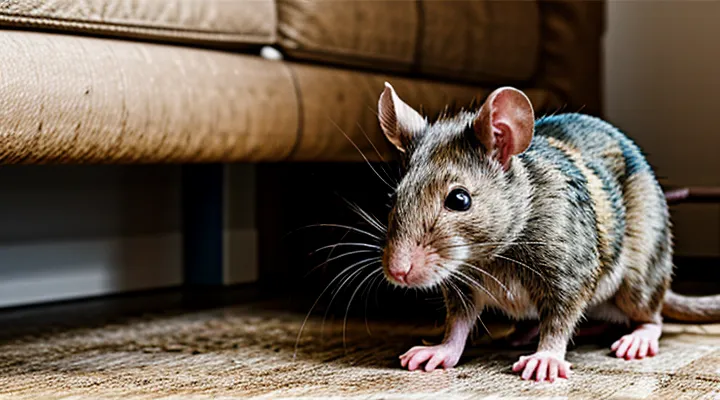
Understanding Itching in Rats
What is Normal Itching?
Normal itching, medically termed pruritus, is a sensory response that prompts a scratch reflex. It originates from skin receptors called pruriceptors, which detect chemical or mechanical stimuli and transmit signals to the spinal cord and brain. The sensation serves to protect the organism by encouraging removal of irritants, parasites, or damaged tissue.
Typical triggers of physiological itching include:
- Mild dryness of the epidermis
- Transient exposure to harmless substances (e.g., mild detergents, plant oils)
- Seasonal changes that affect skin moisture balance
- Normal hair follicle turnover, especially in areas with dense fur
These causes usually produce brief, localized sensations that resolve within minutes to a few hours without medical intervention. The intensity remains moderate, allowing the animal to scratch without causing tissue damage.
Distinguishing normal from pathological itching involves assessing duration, distribution, and associated signs. Normal itching:
- Occurs sporadically rather than continuously
- Affects limited skin regions, often where grooming concentrates
- Lacks accompanying inflammation, ulceration, or alopecia
When scratching persists, spreads, or leads to lesions, it indicates an underlying disorder such as allergy, infection, or dermatological disease. In such cases, observation should shift from routine grooming to targeted veterinary assessment.
When is Itching a Concern?
Itching in rats becomes a medical issue when it persists beyond a few days, intensifies despite environmental changes, or is accompanied by visible skin damage. Continuous scratching can lead to hair loss, open wounds, or scabbing, which increase the risk of secondary infection. Behavioral signs such as lethargy, reduced food intake, or aggression may indicate underlying pain or systemic disease. Rapid swelling, discoloration, or discharge from the affected area suggests an acute inflammatory response that requires prompt veterinary evaluation.
Key indicators that itching warrants professional attention include:
- Duration longer than 48 hours without improvement
- Severe or escalating intensity of scratching
- Presence of hair loss, ulcers, or crusted lesions
- Signs of infection: redness, warmth, pus, or foul odor
- Changes in appetite, activity level, or temperament
- Concurrent symptoms such as fever, weight loss, or respiratory distress
When any of these conditions are observed, immediate consultation with a veterinarian is essential to diagnose the cause—whether parasitic, allergic, infectious, or metabolic—and to initiate appropriate treatment. Early intervention reduces the likelihood of chronic skin disorders and supports overall health and wellbeing.
Common Causes of Itchy Rats
External Parasites
Mites
Mites are a common external parasite responsible for pruritus in laboratory and pet rats. Infestations develop when microscopic arthropods attach to the skin, feed on blood or tissue fluids, and provoke inflammatory responses. The most frequently encountered species are Myobia musculi (fur mite) and Radfordia ensifera (ear mite). Both produce intense scratching, hair loss, and crusted lesions, especially around the ears, neck, and abdomen.
Diagnosis relies on direct observation of mites using a fine-toothed comb or stereomicroscope, and on skin scrapings examined under high magnification. Positive identification distinguishes mite species, guiding appropriate therapeutic choices. Absence of visible mites does not exclude infestation; repeated examinations increase detection reliability.
Effective management includes immediate removal of parasites and supportive care to alleviate skin irritation. Recommended actions are:
- Apply a topical acaricide approved for rodents (e.g., a 0.5 % selamectin solution) to affected areas, following the manufacturer’s dosage schedule.
- Administer a systemic antiparasitic agent (e.g., ivermectin at 0.2 mg/kg subcutaneously) for two consecutive days to target hidden mites.
- Clean the cage thoroughly: replace bedding, disinfect surfaces with a diluted bleach solution, and wash all accessories in hot water.
- Monitor the rat for at least three weeks, repeating skin examinations weekly to confirm eradication.
Prevention focuses on environmental hygiene and regular health checks. Routine inspection of new animals, quarantine for at least two weeks, and periodic application of low‑dose acaricides reduce the risk of re‑infestation. Maintaining low humidity and avoiding overcrowding further limit mite proliferation.
Lice
Lice are a primary parasitic cause of intense scratching in laboratory and pet rats. They attach to the fur and skin, feeding on blood and irritating the epidermis. Infestations appear as small, mobile insects moving quickly through the coat, often concentrated around the head, neck, and ventral region. Visible signs include crusted skin, hair loss, and reddened patches that become inflamed if left untreated.
Transmission occurs through direct contact between animals, shared bedding, or contaminated grooming tools. The life cycle progresses from egg (nits) to nymph to adult within 7‑10 days, allowing rapid population growth in crowded environments. Diagnosis relies on visual inspection of the coat, microscopic examination of collected specimens, and identification of characteristic nits attached to hair shafts.
Effective management combines immediate removal and long‑term prevention. Recommended actions are:
- Apply a veterinarian‑approved topical insecticide, following the product’s dosage schedule precisely.
- Comb the coat with a fine‑toothed lice comb after treatment to dislodge dead parasites and nits.
- Wash all bedding, cages, and accessories in hot water (≥ 60 °C) or replace them entirely.
- Isolate affected rats for the duration of treatment, typically 10‑14 days, to prevent re‑infestation.
- Conduct weekly follow‑up examinations for at least one month to confirm eradication.
Environmental control reduces recurrence. Maintain low humidity, provide regular cage cleaning, and avoid overcrowding. Implement routine health checks to detect early signs of lice and intervene before severe itching develops.
Fleas
Fleas are the most frequent external parasites that trigger intense scratching in laboratory and pet rats. Their blood‑feeding activity irritates the skin, leading to inflammation and secondary infections if left unchecked.
Adult rat fleas (e.g., Xenopsylla cheopis) thrive in warm, humid environments. The life cycle includes egg, larva, pupa, and adult stages; each stage develops within the bedding or cage substrate. Eggs hatch in 2–5 days, larvae feed on organic debris, and pupae emerge as adults when stimulated by host movement or temperature changes.
Typical indicators of infestation include frequent scratching, visible dark specks moving on the fur, red or inflamed patches, and hair loss around the neck and tail base. A thorough inspection of the coat and bedding often reveals the source.
Effective treatment combines direct parasite control and environmental sanitation:
- Apply a veterinary‑approved topical insecticide to the rat’s skin, following the product’s dosage guidelines.
- Administer a short course of an oral flea medication, if prescribed by a veterinarian.
- Replace all bedding, clean cages with an insecticidal spray, and vacuum surrounding areas to eliminate pupae.
Preventive strategies reduce the risk of recurrence:
- Keep cages dry and well‑ventilated; change bedding weekly.
- Groom rats regularly to detect early signs of parasites.
- Use a flea‑preventive collar or spot‑on product designed for rodents, renewing it according to the manufacturer’s schedule.
- Treat the room’s floor and furniture with a residual flea spray, focusing on cracks and crevices where pupae may hide.
Prompt identification and integrated management of fleas eliminate the primary source of itch, safeguard the rat’s health, and prevent secondary complications.
Skin Conditions
Allergies
Allergies are a frequent source of skin irritation in pet rats, often manifesting as localized itching, redness, and occasional hair loss. The immune system mistakenly identifies a harmless substance as a threat, triggering a cascade of inflammatory mediators that affect the dermal tissue.
Common allergens for rats include:
- Dust mites present in bedding material
- Food additives such as artificial colors or preservatives
- Pollen and mold spores that settle on cage surfaces
- Certain proteins in commercial treats or raw meat
Diagnosis relies on observation of symptom patterns and elimination trials. Removing a suspected allergen for a period of two weeks, then reintroducing it while monitoring changes, helps confirm the trigger. Veterinary assessment may involve skin scrapings or blood tests to detect specific IgE antibodies.
Management strategies focus on minimizing exposure and alleviating inflammation:
- Switch to low‑dust, paper‑based bedding or untreated wood shavings.
- Provide a diet composed of plain, high‑quality pellets and fresh vegetables, avoiding processed treats.
- Clean cages weekly with mild, fragrance‑free detergents; dry thoroughly before reuse.
- Administer antihistamines or corticosteroids prescribed by a veterinarian for acute flare‑ups.
- Apply topical barrier creams formulated for small mammals to protect compromised skin.
Preventive care includes regular environmental inspections, consistent cleaning schedules, and gradual introduction of new foods. Monitoring weight, grooming behavior, and skin condition enables early detection of allergic reactions, reducing the risk of chronic discomfort and secondary infections.
Fungal Infections
Fungal infections are a frequent source of intense itching in laboratory and pet rats, often leading to skin lesions, hair loss, and secondary bacterial invasion. Prompt identification and targeted therapy reduce discomfort and prevent systemic spread.
Common fungal agents include:
- Trichophyton mentagrophytes
- Microsporum canis
- Candida albicans (occasionally affecting mucocutaneous sites)
Typical clinical manifestations comprise:
- Red, scaly patches on the ventral abdomen, ears, and tail base
- Pruritic behavior such as excessive grooming or scratching
- Localized alopecia and crust formation
Diagnosis relies on:
- Direct microscopic examination of skin scrapings with potassium hydroxide preparation
- Fungal culture on Sabouraud dextrose agar for species identification
- Histopathology when lesions are extensive or atypical
Effective treatment protocols involve:
- Topical antifungal creams (e.g., miconazole 2% or terbinafine 1%) applied twice daily for 2–3 weeks
- Systemic antifungal agents (e.g., itraconazole 5 mg/kg orally once daily) for severe or disseminated cases
- Cleaning and disinfection of cages, bedding, and accessories to eliminate environmental spores
Preventive measures focus on husbandry practices:
- Maintain cage humidity below 60 % to inhibit fungal growth
- Provide clean, dry bedding and replace it weekly
- Conduct routine health checks, isolating any rat showing early signs of dermatological distress
- Implement quarantine for new arrivals for at least 30 days, with prophylactic skin examinations
Adhering to these guidelines minimizes fungal-related pruritus, supports recovery, and promotes overall welfare in rat colonies.
Bacterial Infections
Bacterial infections are a frequent source of pruritus in laboratory and pet rats. Pathogens such as Staphylococcus aureus, Streptococcus spp., and Pseudomonas aeruginosa invade the skin through wounds, bite marks, or compromised fur, provoking inflammation and persistent scratching.
Clinical signs include localized redness, swelling, purulent discharge, and hair loss around the affected area. Systemic manifestations may appear as lethargy, loss of appetite, and fever. Diagnosis relies on physical examination, bacterial culture of swab samples, and, when necessary, histopathology to differentiate infection from allergic dermatitis or parasitic infestations.
Effective management consists of:
- Targeted antimicrobial therapy based on culture and sensitivity results.
- Topical antiseptic applications to reduce surface bacterial load.
- Regular cleaning of the cage and bedding to eliminate environmental reservoirs.
- Monitoring for adverse drug reactions and adjusting dosage according to weight and renal function.
Preventive measures focus on maintaining hygiene, promptly treating wounds, and avoiding overcrowding that facilitates pathogen transmission. Consistent veterinary oversight ensures early detection and reduces the risk of chronic itch conditions linked to bacterial involvement.
Dry Skin
Dry skin is a common factor in rat itching problems. It reduces the protective barrier, allowing irritants to reach nerve endings and trigger scratching.
Typical causes include:
- Low humidity environments
- Inadequate dietary omega‑3 fatty acids
- Excessive bathing with harsh soaps
- Underlying dermatological conditions such as mange
Identifying dry skin involves observing flaky patches, dull coat texture, and increased grooming behavior. If left untreated, the condition can progress to secondary infections.
Effective management consists of:
- Maintaining ambient humidity between 45 % and 55 %.
- Providing a balanced diet enriched with essential fatty acids (e.g., fish oil or flaxseed).
- Limiting baths to once a month and using a mild, rodent‑safe cleanser.
- Applying a veterinarian‑approved moisturizer or lanolin-based ointment to affected areas twice daily.
- Monitoring for signs of infection, such as redness, swelling, or pus, and seeking veterinary care promptly.
Regular environmental enrichment, clean bedding, and consistent health checks support skin integrity and reduce the likelihood of itch‑related distress.
Dermatitis
Dermatitis in rats manifests as red, inflamed skin that frequently scratches or rubs against cage bars. The condition arises from a variety of internal and external factors, each requiring specific attention.
Common triggers include:
- Parasitic infestations such as mites or lice
- Allergic reactions to bedding, food, or cleaning agents
- Bacterial or fungal infections secondary to skin breaches
- Poor hygiene, excessive humidity, or inadequate ventilation
- Underlying systemic diseases like renal failure or liver dysfunction
Effective management begins with accurate diagnosis. Veterinary examination should involve skin scrapings, bacterial cultures, and, when appropriate, allergy testing. Once the etiology is identified, treatment follows a structured protocol:
- Eliminate the primary cause (e.g., apply appropriate ectoparasiticide, replace allergenic bedding, correct dietary components).
- Clean affected areas with mild antiseptic solutions; avoid harsh chemicals that may exacerbate irritation.
- Administer topical medications such as corticosteroid creams or antibiotic ointments, adhering to prescribed duration to prevent resistance.
- Provide systemic therapy when indicated—oral antibiotics, antifungals, or antihistamines—based on laboratory results.
- Adjust environmental conditions: maintain temperature between 68–74 °F, humidity below 50 %, and ensure regular cage cleaning with non‑irritating agents.
- Monitor progress daily; document changes in lesion size, discharge, and the rat’s grooming behavior.
Preventive measures reinforce long‑term skin health. Rotate bedding materials, introduce hypoallergenic diet options, schedule routine health checks, and keep the habitat free of excess moisture. Consistent observation of the rat’s coat and behavior enables early detection of dermatitis, reducing the likelihood of severe complications.
Internal Health Issues
Nutritional Deficiencies
Rats develop pruritus when their diet lacks essential nutrients. Deficiencies impair skin integrity, reduce the protective barrier, and trigger inflammation that manifests as persistent scratching.
Common nutritional gaps linked to dermal irritation include:
- Vitamin E deficiency, which weakens antioxidant defenses and accelerates lipid peroxidation in the epidermis.
- Insufficient essential fatty acids, particularly omega‑3 and omega‑6, leading to dry, flaky skin.
- Low zinc levels, impairing keratinocyte function and wound healing.
- Inadequate biotin, resulting in brittle fur and compromised coat health.
- Deficient protein intake, reducing collagen synthesis and overall skin resilience.
Observable signs of a nutrient shortfall are:
- Excessive scratching or grooming beyond normal behavior.
- Rough, scaly patches on the ears, tail, and abdomen.
- Dull, brittle fur that breaks easily.
- Delayed recovery from minor wounds or abrasions.
Corrective measures focus on diet reformulation and targeted supplementation:
- Provide a balanced commercial rodent chow formulated for adult rats, ensuring it meets AAFCO nutrient profiles.
- Add high‑quality sources of omega‑3 fatty acids, such as fish oil or flaxseed, at 0.5 % of total diet weight.
- Include a vitamin E supplement (approximately 30 IU per kilogram of feed) to restore antioxidant capacity.
- Supply a zinc gluconate supplement (10–15 mg per kilogram of feed) to support epidermal repair.
- Ensure adequate protein (minimum 18 % of diet by weight) and incorporate biotin‑rich foods like egg yolk or fortified treats.
Monitoring skin condition after dietary changes allows rapid adjustment of supplement levels, preventing recurrence of pruritic episodes.
Kidney Disease
Kidney disease is a frequent underlying factor in rats that exhibit persistent pruritus. Impaired renal function leads to accumulation of metabolic waste, which stimulates cutaneous nerve endings and provokes scratching behavior. The condition often coexists with reduced urine output, weight loss, and lethargy, indicating systemic involvement.
Typical clinical signs associated with renal insufficiency in rats include:
- Excessive grooming or scratching of the fur
- Darkened or cloudy urine
- Dehydration evident by skin tenting
- Dull coat and hair loss at affected sites
Management focuses on slowing disease progression and alleviating discomfort. Effective measures comprise:
- Providing a low‑protein, low‑phosphorus diet formulated for renal support.
- Ensuring constant access to fresh water to promote hydration.
- Administering veterinary‑prescribed renal supplements, such as potassium citrate or omega‑3 fatty acids, to reduce uremic toxin levels.
- Using topical soothing agents (e.g., hypoallergenic moisturizers) to protect irritated skin while avoiding products containing steroids or harsh chemicals.
- Scheduling regular veterinary examinations to monitor blood urea nitrogen, creatinine, and electrolyte balance, allowing timely adjustments to treatment.
Early detection and consistent care substantially reduce pruritic episodes and improve overall health outcomes for affected rodents.
Liver Disease
Liver disease is a common underlying factor in rats that exhibit persistent scratching. Hepatocellular damage impairs bile acid metabolism, leading to accumulation of pruritogenic substances in the bloodstream. Elevated bilirubin and bile salts irritate cutaneous nerve endings, producing the characteristic itch.
Clinical signs include excessive grooming, hair loss on the ventral abdomen and limbs, and reddened skin. Laboratory analysis should reveal increased liver enzymes (ALT, AST), hyperbilirubinemia, and altered albumin levels. Imaging or necropsy may identify hepatic enlargement, fibrosis, or neoplasia.
Effective management requires a two‑fold approach: addressing hepatic pathology and alleviating pruritus.
- Initiate hepatoprotective therapy (e.g., silymarin, SAMe) to support liver regeneration.
- Provide a low‑fat, high‑protein diet formulated for rodent liver health.
- Administer bile acid sequestrants (cholestyramine) to reduce circulating pruritogens.
- Use antihistamines or gabapentin to control itching while monitoring dosage.
- Maintain a clean, low‑stress environment; avoid abrasive bedding that can aggravate skin lesions.
- Schedule regular veterinary assessments to track liver function and adjust treatment.
Preventive measures focus on nutrition, avoidance of hepatotoxic substances, and prompt treatment of infections that can compromise hepatic function. Early detection of liver abnormalities reduces the risk of chronic itching and improves overall welfare.
Tumors
Tumors can provoke pruritus in laboratory and pet rats by compressing nerves, secreting histamine‑like substances, or causing secondary skin infections. Common tumor locations associated with itching include subcutaneous masses on the back, neck, or perineal region, and internal neoplasms that induce systemic inflammation.
Clinical indicators suggestive of a tumorous source of itch include:
- Localized swelling or a palpable lump near the affected skin area.
- Persistent scratching focused on a single region despite environmental enrichment.
- Redness, ulceration, or secondary bacterial infection surrounding the mass.
- Weight loss, lethargy, or abnormal behavior concurrent with the pruritic episode.
Diagnostic approach typically involves:
- Physical examination and palpation of the entire body surface.
- Imaging studies such as radiography, ultrasound, or computed tomography to assess size and depth.
- Fine‑needle aspiration or biopsy for histopathological confirmation.
- Blood work to evaluate inflammatory markers and organ function.
Management strategies depend on tumor type, size, and the rat’s overall health:
- Surgical excision is preferred for accessible, well‑circumscribed masses; complete removal reduces itching and prevents recurrence.
- Chemotherapy or targeted therapy may be indicated for malignant or metastatic lesions; protocols should be tailored to the species’ tolerance.
- Analgesics and anti‑pruritic agents (e.g., antihistamines, gabapentin) provide symptomatic relief while definitive treatment proceeds.
- Supportive care, including soft bedding, regular grooming, and monitoring for secondary infections, minimizes discomfort.
Prognosis varies: benign tumors removed early often result in rapid resolution of itch, whereas malignant neoplasms may require ongoing treatment and close observation. Early detection through routine health checks remains essential for effective control of pruritus caused by tumorous growths in rats.
Diagnosing the Cause
Veterinary Examination
A veterinary examination is the first objective step in identifying the source of pruritus in a pet rat. The clinician assesses the animal’s overall condition, records weight, temperature, and heart rate, and observes behavior for signs of discomfort or self‑trauma.
- Visual inspection of the skin and coat for erythema, lesions, parasites, or alopecia.
- Palpation of the body to detect subdermal nodules, swelling, or tenderness.
- Otoscopic examination to reveal ear mites or inflammation.
- Oral cavity inspection for dental overgrowth, which can cause facial itching.
Laboratory diagnostics complement the physical assessment. Skin scrapings are examined microscopically to confirm ectoparasites such as mites or lice. Cytology of skin swabs identifies bacterial or fungal agents. Blood work evaluates hematologic parameters that may indicate allergy, infection, or systemic disease. Imaging, typically radiography or ultrasound, is reserved for suspected internal involvement.
Based on findings, the veterinarian recommends a targeted treatment plan. Antiparasitic medication addresses mite infestations; antibiotics or antifungals treat secondary infections; antihistamines or corticosteroids reduce allergic inflammation. Environmental modifications—clean bedding, humidity control, and regular grooming—support recovery and prevent recurrence.
Follow‑up appointments verify therapeutic response, monitor for adverse effects, and adjust the regimen as needed. Documentation of each examination ensures continuity of care and facilitates long‑term health management for the affected rodent.
Skin Scrapings and Biopsies
Skin scrapings provide a rapid, minimally invasive method for detecting ectoparasites, fungal elements, and bacterial colonies on the surface of a rat’s integument. The procedure involves gently brushing a sterile scalpel blade or curette across the affected area, transferring material onto a glass slide, and staining with a rapid dye such as methylene blue. Microscopic examination reveals characteristic morphology, allowing immediate identification of mites, lice, dermatophytes, or secondary bacterial infection. Results guide targeted topical or systemic therapy without delay.
Biopsies supply histopathological insight when surface sampling fails to explain persistent pruritus. A 2‑3 mm punch or incisional sample is obtained under anesthesia, ensuring inclusion of epidermis, dermis, and adjacent subcutaneous tissue. Specimens are fixed in formalin, processed, and stained with hematoxylin‑eosin, periodic acid‑Schiff, or immunohistochemical markers as indicated. Histology distinguishes inflammatory patterns (e.g., eosinophilic infiltrates, granulomas), neoplastic lesions, and autoimmune dermatoses, informing long‑term management strategies.
Interpretation of both diagnostic modalities follows a systematic algorithm:
- Positive skin scraping → immediate antiparasitic or antifungal treatment.
- Negative scraping + clinical suspicion → proceed to biopsy.
- Biopsy results indicating infection → prescribe appropriate antimicrobial regimen.
- Biopsy revealing immune‑mediated or neoplastic change → refer to a veterinary dermatologist for specialized care.
Accurate sampling, proper handling, and timely analysis reduce diagnostic latency and improve outcomes for rats suffering from chronic itching.
Blood Tests
Blood analysis provides objective data that help identify internal factors contributing to dermatological irritation in laboratory or pet rodents. By measuring hematologic and biochemical parameters, veterinarians can differentiate allergic reactions, parasitic infestations, metabolic disorders, and infectious diseases that manifest as pruritus.
Typical panels include:
- Complete blood count (CBC) – evaluates white‑cell differentials for eosinophilia, neutrophilia, or lymphopenia, indicating allergic, bacterial, or viral processes.
- Serum chemistry – assesses liver and kidney function, glucose, and electrolyte balance; abnormalities may signal systemic disease influencing skin health.
- Serum IgE or specific allergen‑binding assays – detect hypersensitivity to environmental or dietary antigens.
- Parasite‑specific serology – identifies exposure to agents such as Sarcoptes or Trixacarus spp.
- Acute‑phase protein measurement (e.g., haptoglobin) – gauges inflammatory intensity.
Interpretation of results guides therapeutic decisions. Elevated eosinophils or IgE suggest an allergic component, prompting environmental modification and antihistamine therapy. Raised liver enzymes or renal markers require supportive care and possible adjustment of diet or medication. Positive serology for parasites directs targeted antiparasitic treatment. Regular re‑evaluation through repeat blood work confirms response and prevents relapse.
Dietary Trials
Dietary trials are essential for identifying food‑related triggers of pruritus in pet rats. Systematic elimination and reintroduction of ingredients reveal sensitivities that may exacerbate skin irritation.
- Begin with a baseline diet free of common allergens such as soy, wheat, dairy, and artificial preservatives. Record the rat’s skin condition daily for at least two weeks.
- Introduce a single novel protein source (e.g., cooked chicken, turkey, or insect protein) while maintaining all other components constant. Observe for improvement or worsening of itching within 5–7 days.
- If symptoms diminish, retain the new protein and gradually add a single carbohydrate source (e.g., quinoa, sweet potato) to assess tolerance. Monitor skin response for another week.
- Should itching reappear after any addition, revert to the previous stable diet and note the offending ingredient. Continue testing other ingredients one at a time, following the same observation period.
- Maintain consistent feeding times, portion sizes, and environmental conditions to isolate dietary variables. Document all observations in a simple log, noting coat condition, scratching frequency, and any secondary signs such as hair loss or skin lesions.
Successful trials result in a customized diet that minimizes itch triggers while providing balanced nutrition. Regular review of the diet, especially after introducing new treats or supplements, helps sustain skin health and prevents recurrence of pruritic episodes.
Caring for an Itchy Rat
Veterinary Treatment Options
Antiparasitics
Rats exhibiting persistent scratching often suffer from infestations of mites, lice, or intestinal worms; these parasites trigger skin irritation and secondary infections. Effective treatment requires eliminating the causative organisms while preventing recurrence.
- Topical ectoparasitic agents – selamectin, ivermectin, or pyrethrin formulations applied to the fur surface; dosage calculated per kilogram body weight, applied once or repeated according to product label.
- Systemic antiparasitics – oral ivermectin, milbemycin oxime, or fenbendazole; target internal nematodes and some ectoparasites, administered in calibrated doses for the species.
- Combination products – broadspectrum formulations (e.g., selamectin + pyrantel) that address both skin and gut parasites in a single regimen.
Administration must follow veterinary prescription, ensuring accurate measurement and proper delivery method. Observe the animal for adverse reactions such as lethargy, vomiting, or dermatologic changes within 24 hours; adjust dosage or switch agents if toxicity signs appear. Re‑treatment intervals depend on parasite life cycles; typical schedules range from weekly to monthly applications. Environmental decontamination—cleaning cages, bedding, and feeding equipment—completes the control strategy and reduces re‑infestation risk.
Antibiotics
Antibiotics are prescribed when bacterial infection is identified as a source of a rat’s skin irritation. Common pathogens include Staphylococcus aureus, Streptococcus spp., and Pseudomonas aeruginosa; culture and sensitivity testing guide drug selection.
Effective antibiotics for rats typically belong to one of the following classes:
- Amoxicillin‑clavulanate, administered orally at 20 mg/kg twice daily for 7–10 days.
- Enrofloxacin, given orally or subcutaneously at 5 mg/kg once daily for 5–7 days.
- Trimethoprim‑sulfamethoxazole, provided at 15 mg/kg twice daily for 7 days, avoiding use in pregnant females.
Dosage must be adjusted for weight and renal function. Treatment should begin after confirming bacterial involvement; indiscriminate use increases resistance and can disrupt normal gut flora, leading to diarrhea or secondary infections.
Monitoring includes daily inspection of the affected area, recording temperature, and noting any adverse reactions such as lethargy, loss of appetite, or gastrointestinal upset. If side effects appear, discontinue the antibiotic and consult a veterinarian for alternative therapy.
Adjunct care supports recovery: maintain a clean cage, provide a low‑humidity environment, and apply a mild antiseptic spray after cleaning the lesion. Hydration and a balanced diet enhance immune response, reducing reliance on prolonged antibiotic courses.
Antifungals
Antifungal agents are essential for treating dermatophyte and yeast infections that cause pruritus in laboratory and pet rats. Systemic medications such as itraconazole, fluconazole, and terbinafine provide deep tissue penetration, while topical preparations like miconazole cream and chlorhexidine‑lime soap act on surface lesions.
Selecting an appropriate drug depends on the identified pathogen, severity of skin involvement, and the animal’s health status. A typical dosing schedule for itraconazole is 5 mg/kg orally once daily for 14 days; fluconazole is administered at 10 mg/kg orally every 12 hours for the same period. Topical applications are applied twice daily, covering the affected area without excess product.
Monitoring during treatment includes weekly weight checks, observation for gastrointestinal upset, and liver enzyme assessment when systemic agents are used. Adjustments are made if adverse reactions appear, such as reduced appetite or jaundice.
Effective management combines antifungal therapy with environmental control: regular cage cleaning, removal of wet bedding, and isolation of the affected individual to prevent reinfection. Implementing these measures reduces recurrence and promotes rapid resolution of itching.
Common antifungal options
- Itraconazole – oral, broad spectrum, hepatic metabolism
- Fluconazole – oral, high bioavailability, renal excretion
- Terbinaine – oral, concentrates in keratinized tissue
- Miconazole – topical cream, fungistatic, suitable for mild cases
- Chlorhexidine‑lime soap – topical wash, antibacterial and antifungal properties
Adherence to the recommended dosage, duration, and hygiene protocols ensures successful alleviation of pruritic fungal conditions in rats.
Anti-inflammatory Medications
Anti‑inflammatory drugs are a primary component of therapeutic protocols for rodents suffering from dermatological irritation. Non‑steroidal anti‑inflammatory agents (NSAIDs) such as meloxicam, carprofen and ketoprofen reduce prostaglandin synthesis, thereby diminishing erythema and pruritus. Dosage regimens follow species‑specific guidelines: meloxicam is commonly administered at 0.2 mg/kg subcutaneously once daily, while carprofen is given at 5 mg/kg orally every 12 hours. Adjustments are required for compromised renal or hepatic function; reduced doses or extended intervals mitigate toxicity.
Corticosteroids provide rapid suppression of immune‑mediated inflammation. Prednisone, dexamethasone and budesonide are employed at 0.5–2 mg/kg orally or via injection, depending on severity. Short‑term use limits adrenal suppression; tapering schedules prevent rebound inflammation. Monitoring includes weekly weight checks, serum biochemistry for liver enzymes, and observation for gastrointestinal ulceration.
Adjunctive agents enhance comfort and support skin healing. Topical preparations containing hydrocortisone or lidocaine offer localized relief, while omega‑3 fatty acid supplements modulate systemic inflammation. Combination therapy—NSAID plus low‑dose steroid—balances analgesia with anti‑pruritic effect, provided that drug interactions are reviewed.
Potential adverse effects demand vigilance. NSAIDs may cause ulceration, renal insufficiency or platelet dysfunction; corticosteroids can induce polyuria, polydipsia, and immunosuppression. Immediate cessation is advised if vomiting, diarrhea, or lethargy develop. Regular veterinary examinations, complete blood counts and urinalysis track organ function throughout treatment.
Effective management integrates accurate dosing, routine monitoring, and prompt adjustment of medication based on clinical response. This structured approach reduces itching, promotes tissue repair, and improves overall welfare of affected rodents.
Allergy Management
Allergic reactions are a common trigger of pruritus in laboratory and pet rats. Effective management requires identification of the allergen, reduction of exposure, and pharmacologic intervention.
- Allergen identification: Conduct skin scrapings, environmental assessments, and dietary reviews to pinpoint substances such as bedding material, feed additives, or parasites.
- Environmental control: Replace dusty wood shavings with low‑dust alternatives, wash cages regularly, and avoid scented cleaning agents.
- Dietary adjustments: Eliminate novel proteins or flavorings that may provoke hypersensitivity; transition to a hypoallergenic, balanced formulation.
- Medical treatment: Initiate antihistamines (e.g., diphenhydramine) at appropriate dosages; consider corticosteroids for severe inflammation, monitoring for side effects. Topical emollients can soothe localized irritation.
- Monitoring: Record scratching frequency, skin condition, and weight weekly. Adjust the management plan promptly if symptoms persist or worsen.
Consistent application of these steps reduces itch intensity, prevents secondary infections, and supports overall health in affected rodents.
Environmental Management
Cage Cleaning and Sterilization
Regular cleaning of a rat’s cage reduces exposure to allergens and parasites that can trigger skin irritation. Remove all accessories, discard soiled bedding, and wash the cage with warm water. Apply a mild detergent, scrub surfaces, then rinse thoroughly to eliminate residue that might irritate the animal’s skin.
- Disinfect with a solution of 1 % diluted bleach (9 parts water to 1 part bleach) or a veterinary‑approved sanitizer.
- Soak removable parts for at least five minutes, then rinse with clean water.
- Allow all components to air‑dry completely before reassembly to prevent moisture‑related mold growth.
After sterilization, replace bedding with a low‑dust, absorbent substrate such as paper‑based or aspen shavings. Reintroduce toys and feeding dishes only after they have been washed and dried. Perform this deep‑cleaning routine weekly; conduct spot cleaning daily by removing waste and wiping surfaces with a damp cloth.
Consistent cage hygiene supports skin health, minimizes the risk of bacterial or fungal infections, and contributes to overall well‑being for rats prone to itching.
Dust Control
Dust particles settle on a rat’s fur and skin, where they can irritate sensitive areas and trigger scratching. The primary mechanism involves microscopic allergens and abrasive particles that breach the protective coat, leading to inflammation and discomfort.
Effective reduction of airborne and surface dust requires a systematic approach:
- Use low‑dust bedding such as paper or aspen shavings; avoid pine or cedar, which release volatile oils and fine particles.
- Clean the enclosure weekly with a damp cloth; avoid dry sweeping that stirs settled dust.
- Install a small air purifier with a HEPA filter near the habitat to capture circulating particles.
- Keep the room humidity between 45‑55 %; moderate moisture lessens dust suspension without creating mold risk.
- Rotate cage liners regularly; discard soiled material before it accumulates excessive debris.
Monitoring the rat’s skin condition after implementing these measures provides feedback on efficacy. Look for a decrease in redness, fewer bite marks, and reduced frequency of grooming episodes. If symptoms persist, evaluate additional factors such as diet allergens or parasites, and consider veterinary assessment.
Humidity Control
Humidity directly influences a rat’s skin condition. Low moisture levels dry the epidermis, increase flaking, and intensify scratching. Excessive moisture encourages fungal growth and bacterial proliferation, both of which can trigger dermatitis. Maintaining an optimal relative humidity range—typically 45 % to 55 %—creates an environment that supports skin integrity while limiting pathogen development.
Proper humidity management involves three practical steps:
- Measure consistently. Use a calibrated hygrometer placed near the cage to record daily readings; adjust only when values deviate beyond the target range.
- Regulate with devices. Employ a humidifier in dry climates and a dehumidifier or ventilation fan in humid settings. Set automatic controls to maintain steady levels without abrupt fluctuations.
- Monitor cage conditions. Ensure bedding remains slightly damp but not soggy; replace wet material promptly to prevent mold. Provide water sources that do not evaporate excessively, such as sealed bottles rather than open dishes.
Failure to control moisture can exacerbate common itch triggers, including parasites, allergies, and skin infections. By stabilizing humidity, caretakers reduce the likelihood of these secondary problems, promote faster recovery from existing lesions, and support overall well‑being.
Bedding Choices
Choosing the right bedding directly influences a rat’s skin health and the severity of itching. Low‑dust, hypoallergenic materials reduce irritation caused by inhaled particles and contact dermatitis. Avoid pine and cedar shavings; their aromatic oils can exacerbate skin inflammation and respiratory problems. Opt for:
- Paper‑based bedding (recycled newspaper, shredded paper): minimal dust, soft texture, easy to replace.
- Aspen shavings: low resin content, acceptable absorbency, suitable for cages with frequent cleaning.
- Fleece liners: washable, virtually dust‑free, retain warmth, require regular laundering to prevent bacterial buildup.
Maintain bedding depth at 1–2 inches to allow comfortable nesting without excess material that can trap moisture. Replace the entire substrate weekly, or sooner if it becomes soiled, to limit bacterial growth and mite proliferation. Spot‑clean daily by removing wet spots and droppings, preventing localized moisture that encourages skin infections.
When selecting a product, verify that the manufacturer lists “dust‑free” or “low‑dust” specifications and confirms the absence of scented additives. Pair appropriate bedding with routine grooming and health checks to minimize itch triggers and support overall well‑being.
Dietary Adjustments
Hypoallergenic Diets
Rats experiencing persistent itching frequently react to proteins, grains, or additives present in standard chow. Removing these triggers can reduce inflammation and improve skin condition.
A hypoallergenic diet supplies nutrients while eliminating common allergens. Formulated feeds contain single‑source proteins, limited carbohydrate complexity, and no artificial flavors or preservatives.
- Protein: hydrolyzed fish or egg white, limited to 15‑20 % of the diet.
- Carbohydrate: purified rice starch or sweet potato, below 10 % total weight.
- Fat: omega‑3 enriched fish oil, 3‑5 % of the mix.
- Additives: none; avoid soy, wheat, corn, dairy, and artificial colors.
Transition to the new regimen over 3–5 days, observing stool consistency and weight. Record itching frequency daily; a decline within two weeks indicates effectiveness. If symptoms persist, reassess ingredient tolerances and consult a veterinary nutrition specialist.
Nutritional Supplements
Nutritional supplementation can reduce skin irritation and support recovery in rats experiencing pruritus. Targeted nutrients address inflammation, barrier integrity, and immune function, which are critical factors in managing the condition.
Key supplements include:
- Omega‑3 fatty acids (e.g., fish oil, flaxseed oil): reduce inflammatory mediators; dose 0.1 ml per 100 g body weight daily.
- Vitamin E: antioxidant protection for skin cells; 5–10 IU per kilogram of body weight per day.
- Zinc: essential for epidermal repair; 0.05 mg per gram of body weight daily, divided into two feedings.
- Probiotic blends (Lactobacillus spp., Bifidobacterium spp.): improve gut microbiota, indirectly influencing skin health; 1 billion CFU per kilogram of body weight per day.
- Biotin: supports keratin formation; 1 mg per kilogram of body weight per day.
Supplementation should complement a balanced diet rich in high‑quality protein and low‑allergen ingredients. Gradual introduction prevents digestive upset; monitor coat condition and behavior for signs of improvement or adverse reactions.
If symptoms persist despite adequate nutrition, veterinary evaluation is recommended to rule out underlying infections, parasites, or metabolic disorders. Proper dosing, consistent administration, and regular health checks maximize the therapeutic benefit of nutritional supplements for itchy rats.
Home Care and Comfort
Topical Treatments
Topical agents provide rapid relief for rodents suffering from dermatological irritation. Commonly used preparations include:
- Hydrocortisone 1 % cream – reduces inflammation and pruritus; apply a thin layer to the affected area twice daily, avoiding the eyes and mucous membranes.
- Lidocaine 2 % gel – delivers local anesthesia; spread sparingly over lesions for up to 30 minutes, no more than three applications per day to prevent systemic absorption.
- Antihistamine ointment (diphenhydramine 0.5 %) – blocks histamine-mediated itching; use once daily, monitor for signs of sedation.
- Antimicrobial ointment (mupirocin 2 %) – treats secondary bacterial infections that often accompany scratching; apply twice daily until the skin appears intact.
When selecting a product, consider the rat’s size, age, and any known sensitivities. Prior to application, clean the skin with a mild, unscented antiseptic solution and dry thoroughly to improve absorption. Avoid products containing essential oils, menthol, or strong fragrances, as these may exacerbate irritation. Observe the animal for adverse reactions such as erythema, swelling, or behavioral changes; discontinue use immediately if any occur and consult a veterinarian. Regular re‑evaluation of the treatment’s effectiveness ensures optimal management of the underlying dermatologic condition.
Stress Reduction
Stress intensifies pruritic behavior in rodents, leading to prolonged scratching and secondary skin damage. Elevated cortisol levels disrupt the skin barrier and amplify histamine release, creating a feedback loop that worsens itch sensations.
Reducing environmental and physiological stress interrupts this cycle and supports recovery. Effective measures include:
- Consistent lighting and temperature to avoid abrupt changes.
- Minimal handling stress through gentle, brief interactions.
- Enrichment items that encourage natural foraging and exploration.
- Routine feeding schedule that eliminates uncertainty.
- Application of synthetic rodent pheromones to promote calmness.
Implementing these strategies lowers cortisol spikes, stabilizes immune response, and diminishes scratching frequency. The result is improved skin integrity and faster resolution of itch-related lesions.
Nail Trimming
Nail length directly influences a rat’s skin health. Overgrown claws press against fur and pads, creating pressure points that trigger scratching and localized irritation.
Excessive nail growth can cause:
- Skin abrasions where the claw contacts the limb
- Inflammation of surrounding tissue
- Secondary infections from repeated self‑trauma
Proper trimming eliminates these sources of discomfort. Follow these steps:
- Select a small animal nail clipper or sharp human nail scissors.
- Restrain the rat gently but firmly; a towel wrap prevents sudden movements.
- Identify the transparent portion of the nail; avoid the pink vascular core (the quick).
- Clip only the opaque tip, leaving a margin of at least 1 mm from the quick.
- Apply a styptic powder or cornstarch if bleeding occurs; press lightly until clot forms.
- Reward the rat with a treat to reinforce calm behavior.
Trim nails every 4–6 weeks, adjusting frequency for rapid growers. Regular inspection of claw length, combined with prompt trimming, reduces mechanical irritation and supports overall comfort for rats prone to itching.