
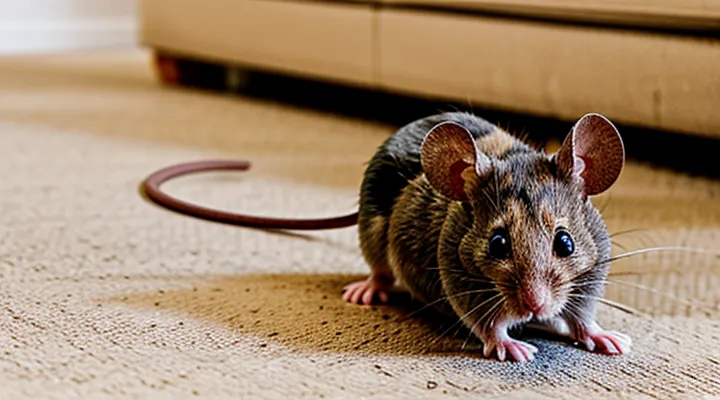
Understanding the Apartment Environment
Factors Influencing Mouse Habitability
Food Sources and Availability
Mice can survive in an apartment when edible material is present in sufficient quantity and regularity. Typical residential units provide several categories of potential nourishment.
- Crumbs from cereal, bread, pastries, and snacks.
- Residues from pet food dishes, especially dry kibble.
- Fruit and vegetable waste left on countertops or in trash.
- Insect populations such as cockroaches and pantry moths.
- Mold or fungal growth on damp surfaces.
A mouse requires approximately 3–5 g of food per day, equivalent to a small handful of crumbs. Continuous access depends on human habits: frequent consumption of packaged foods, irregular disposal of waste, and the presence of unattended pet feeding stations increase availability. Conversely, diligent cleaning, sealed containers, and prompt trash removal reduce the food supply.
Seasonal variation influences availability. Summer months often generate more insect activity, while winter may limit outdoor sources, making indoor leftovers more critical. Storage practices that keep food sealed and waste bins emptied daily limit the window for foraging.
Mitigation strategies focus on eliminating accessible food. Recommendations include: using airtight containers for dry goods, placing pet bowls on elevated platforms that can be removed after feeding, disposing of organic waste in sealed bags, and maintaining regular cleaning routines. Implementing these measures reduces the probability that a mouse can locate the necessary nutrition to sustain a population within the apartment.
Water Access Points
Water availability determines survival prospects for small rodents inhabiting residential units. Access points must provide sufficient volume, low contamination risk, and unobtrusive placement within the living space.
Potential sources include:
- Kitchen sink drips: Continuous micro‑flow from faucet leaks supplies fresh water without requiring additional containers.
- Pet water dispensers: Existing bowls for other animals can be shared, provided regular cleaning prevents pathogen buildup.
- Bathroom condensation: Collected droplets from mirrors or shower walls offer intermittent moisture, suitable only as supplemental input.
- Refrigerator water dispensers: Built‑in spouts deliver chilled water on demand, though frequent human use may limit accessibility.
- Leaky pipe joints: Persistent seepage from aging plumbing creates localized pools, demanding prompt repair to avoid structural damage.
Evaluation criteria:
- Purity: Source must deliver water free from detergents, chemicals, or bacterial proliferation.
- Consistency: Flow rate should sustain daily intake without excessive evaporation.
- Safety: Placement must prevent contact with electrical outlets, heating elements, or hazardous surfaces.
- Maintenance: Cleaning frequency should align with household routines to minimize additional effort.
Implementing a dedicated, easily refillable container positioned near a low‑traffic wall corner satisfies all criteria. The container should feature a narrow opening to limit spillage and be constructed from non‑porous material to inhibit biofilm formation. Regular inspection ensures water quality and prevents accidental contamination of the apartment’s infrastructure.
Shelter and Hiding Places
Mice require secure shelters to sustain a presence in residential units. Suitable locations combine concealment, structural stability, and proximity to food sources.
Typical shelter options in apartments include:
- Wall voids behind baseboards, offering limited airflow and protection from disturbance.
- Ceiling spaces accessed through removable light fixtures, providing elevated refuge and reduced human traffic.
- Furniture cavities, such as hollow legs of sofas or chairs, delivering easy entry and exit routes.
- Appliance gaps, particularly around refrigerators and washing machines, where insulation creates warm micro‑environments.
- Storage closets with stacked boxes, creating layered concealment and easy relocation.
Effective hiding places share key characteristics: minimal exposure to light, limited acoustic detection, and structural integrity that resists routine cleaning. Materials that retain moisture, such as insulation foam, enhance comfort and support nesting behavior. Regular inspection of these zones can reveal signs of occupancy, including gnaw marks, droppings, and shredded material.
Temperature and Humidity Conditions
Mice maintain core body temperature near 37 °C; ambient conditions must support thermoregulation without excessive metabolic strain. In residential units, temperatures between 18 °C and 24 °C allow passive heat retention while preventing hypothermia. Below 15 °C, shivering increases energy expenditure, reducing growth rates and reproductive output. Above 28 °C, hyperthermia risk rises, leading to dehydration and mortality.
Relative humidity influences evaporative cooling and skin integrity. Optimal humidity lies in the 40 %–60 % range. Values under 30 % accelerate water loss through respiration, aggravating renal stress. Levels exceeding 70 % promote fungal growth and respiratory infections, compromising immune function.
Key parameters for sustainable mouse habitation in an apartment:
- Temperature: 18 °C – 24 °C (maintain within ±2 °C of target)
- Relative humidity: 40 % – 60 % (avoid prolonged excursions beyond 30 % or 70 %)
- Night‑time temperature dip: not more than 4 °C below daytime average, preserving circadian stability
- Seasonal monitoring: adjust HVAC settings to counteract external fluctuations, ensuring consistent indoor microclimate
Failure to maintain these thresholds correlates with reduced lifespan, impaired breeding, and heightened disease susceptibility. Continuous measurement with calibrated thermometers and hygrometers provides early detection of deviations, enabling corrective action through ventilation, humidification, or heating adjustments.
Mouse Behavior and Adaptation
Natural Mouse Habits
Foraging and Exploration
The feasibility assessment of mouse habitation in an apartment hinges on the animal’s ability to obtain sustenance and navigate the environment without external assistance.
Food acquisition relies on opportunistic consumption of human-derived residues. Viable sources include kitchen crumbs, improperly sealed pantry goods, waste‑bin deposits, indoor plant material, and occasional arthropods attracted to lighting fixtures. Accessibility determines the proportion of caloric intake derived from each source; sealed containers and regular cleaning diminish availability, while cluttered areas and open storage increase it.
Exploratory behavior requires a network of safe passages and refuges. Structural elements such as gaps behind appliances, conduit openings, and furniture undersides provide routes for movement and concealment. Vertical space, accessed via shelving or pipe shafts, expands the usable habitat and reduces predation risk from domestic pets.
Effective foraging and exploration depend on the following conditions:
- Continuous presence of low‑level food residues, achieved through minimal sanitation in selected zones.
- Maintenance of concealed entry points and escape routes, preserved by avoiding excessive sealing of wall voids.
- Provision of nesting material in hidden locations to encourage site fidelity and reduce roaming.
- Monitoring of pest‑control measures to prevent accidental mortality while limiting competition from other rodents.
Adherence to these parameters supports the conclusion that a mouse can sustain itself and exhibit natural exploratory patterns within a typical residential unit.
Nesting and Reproduction
House mice can establish nests within an apartment when suitable micro‑habitats are present. Small cavities behind appliances, gaps in baseboards, and concealed spaces under furniture provide the necessary shelter. Nest construction typically involves shredded paper, fabric fibers, and insulation material, which are gathered and compacted to form a secure chamber. Adequate nesting sites reduce exposure to predators and environmental stress, thereby supporting colony stability.
Reproductive capacity in confined environments remains high. A female mouse can produce a litter of four to eight offspring after a gestation period of approximately 19–21 days. Subsequent litters may follow at three‑week intervals, leading to exponential population growth if unchecked. Critical factors influencing reproductive success include:
- Availability of food resources such as grains, crumbs, and pantry items.
- Consistent temperature range between 20 °C and 30 °C, which accelerates embryonic development.
- Low disturbance levels; frequent human activity or cleaning disrupts breeding cycles.
Effective management of nesting and reproduction hinges on eliminating concealed entry points, securing food storage, and maintaining regular sanitation. Prompt removal of nests and immediate disposal of waste materials interrupt the life cycle, preventing population establishment within the dwelling.
Social Structures
Mice introduced into a residential unit quickly establish a social hierarchy that governs access to resources, nesting sites, and mating opportunities. Dominant individuals occupy preferred locations near food sources, while subordinates retreat to peripheral spaces, often within wall cavities or concealed corners. This stratification reduces intra‑group conflict and enhances overall colony efficiency, allowing a small population to persist despite limited space.
Communication among members relies on ultrasonic vocalizations and scent marking. Pheromone trails convey territorial boundaries and reproductive status, enabling individuals to navigate the confined environment without direct confrontation. The combination of acoustic signals and chemical cues supports coordinated foraging and collective defense against predators, such as household cats.
Resource allocation follows a predictable pattern: primary feeders consume stored food, whereas secondary feeders exploit opportunistic sources like spilled crumbs. The division of labor minimizes competition and sustains the group during periods of scarcity. Social grooming reinforces bonds, reduces stress, and contributes to disease resistance, factors that are critical in a setting where hygiene challenges are amplified.
Key implications for habitation feasibility include:
- Hierarchical organization limits overcrowding by regulating individual movement within the apartment.
- Multi‑modal communication ensures efficient exploitation of scattered food supplies.
- Structured resource sharing mitigates the impact of intermittent human cleaning cycles.
- Established grooming routines promote health stability in a confined habitat.
Overall, the inherent social framework of mice equips them to adapt to the spatial constraints and variable resource availability typical of an apartment, supporting the plausibility of sustained mouse life in such environments.
Adaptations to Urban Environments
Exploiting Human Infrastructure
Exploiting human‑built structures provides the essential resources for a rodent to survive within a residential unit. Access to concealed cavities, utility conduits, and furnishings creates a network of safe pathways, food sources, and nesting sites.
Utility conduits such as plumbing stacks, ventilation shafts, and electrical raceways offer continuous temperature regulation, protection from predators, and routes for movement between rooms. These channels are designed for durability and insulation, qualities that support a small mammal’s physiological needs.
Furniture and storage items contribute additional habitat features. Soft fabrics supply nesting material, while gaps beneath appliances create hidden shelters. Waste disposal areas and pantry openings present opportunistic feeding locations, reducing the need for active foraging.
Key components of human infrastructure that can be leveraged:
- Plumbing and drain pipes – moisture, stable microclimate, and concealed travel routes.
- Ventilation ducts – airflow, temperature control, and inter‑room connectivity.
- Electrical conduit bundles – structural support and protection from external disturbances.
- Furniture gaps and appliance undersides – immediate shelter and access to discarded food residues.
- Wall voids and baseboard spaces – long‑term nesting sites insulated from light and sound.
Risks associated with reliance on these structures include exposure to chemical treatments, accidental entrapment, and disruption during maintenance activities. Mitigation strategies for the rodent involve selecting routes with minimal human interference, avoiding areas subject to regular cleaning, and adapting nesting behavior to transient conditions.
Overall, the integration of a mouse into an apartment environment depends on the systematic use of existing human infrastructure. By capitalizing on concealed pathways, stable microclimates, and opportunistic food supplies, the species can maintain a functional presence without requiring external modifications.
Nocturnal Activity Patterns
Mice exhibit a distinct nocturnal rhythm that aligns with reduced human activity during evening and night hours. Peak foraging, exploration, and social interactions occur between 1900 and 0400, when ambient lighting is low and disturbances from occupants are minimal. This temporal segregation decreases the likelihood of direct encounters with residents, thereby enhancing the probability of successful habitation within confined living spaces.
Energy expenditure patterns reflect a high‑intensity burst of activity at the onset of the dark phase, followed by intermittent bouts of rest and grooming. Food acquisition concentrates in the early night, when stored scraps are most accessible, while waste deposition tends to be dispersed throughout the active period. Such behavior creates predictable cycles that can be monitored through motion sensors or infrared cameras.
Key characteristics of nocturnal activity relevant to feasibility assessment:
- Consistent activation during darkness, with activity levels dropping sharply at sunrise.
- Preference for concealed pathways, such as wall voids, utility conduits, and furniture gaps.
- Utilization of vertical space, including ceiling panels and high shelves, to avoid ground‑level traffic.
- Rapid adaptation to artificial lighting schedules, maintaining activity despite intermittent illumination.
Understanding these patterns allows property managers and pest‑control professionals to design targeted monitoring protocols and preventive measures, thereby informing the overall viability of mouse residence in apartment environments.
Potential Risks and Challenges for Mice
Predation and Control Measures
Human Intervention
Human involvement determines whether a mouse can survive within a residential unit. The presence of a caretaker dictates environmental conditions, resource availability, and risk mitigation. Without deliberate actions, a mouse is unlikely to persist in a confined domestic space.
Key aspects of human involvement include:
- Provision of food and water sources, ensuring consistent nutrition while preventing contamination of human supplies.
- Modification of structural elements, such as sealing gaps, installing climbing aids, and creating insulated nesting areas to accommodate the animal’s needs.
- Implementation of health‑safety protocols, encompassing regular cleaning, waste management, and monitoring for disease vectors.
- Regulation of predator exposure, achieved through controlled access to common household predators and avoidance of toxic substances.
Ethical considerations require explicit consent from occupants, adherence to animal‑welfare regulations, and documentation of care practices. Failure to observe these standards results in legal liability and potential public health concerns.
Outcome assessments rely on measurable indicators: weight stability, reproductive success, and absence of adverse impacts on human residents. Data collected through systematic observation validate the practicality of maintaining a mouse in an apartment environment under structured human oversight.
Domestic Animals
Domestic animals commonly kept in apartments include cats, small dogs, fish, and rodents such as mice. These species adapt to confined spaces through specific physiological and behavioral traits that reduce the demand for extensive outdoor activity. Cats and small dogs require regular exercise, yet indoor environments can provide sufficient stimulation through vertical space, interactive toys, and scheduled walks. Fish occupy minimal floor area and rely on controlled aquatic systems, eliminating the need for terrestrial movement. Rodents, particularly mice, thrive in compact habitats when provided with nesting material, enrichment objects, and a stable temperature range.
Key factors influencing the viability of a mouse as a resident animal in an apartment are:
- Habitat design: secure cage with ventilation, escape-proof construction, and adequate substrate.
- Nutrition: balanced diet formulated for small rodents, administered in measured portions.
- Health monitoring: routine observation for signs of stress, disease, or abnormal behavior.
- Human interaction: limited handling to prevent habituation stress, supplemented by environmental enrichment.
- Legal considerations: compliance with building regulations and local pet policies.
When these criteria are met, a mouse can sustain a healthy existence within a limited residential setting, offering companionship without imposing excessive spatial or maintenance burdens.
Resource Scarcity
Limited Food Options
Limited food availability presents a primary obstacle for a mouse inhabiting a residential unit. A mouse requires a balanced intake of carbohydrates, proteins, fats, vitamins and minerals to sustain growth, reproduction and immune function. Deficiencies in any category reduce survivability and increase susceptibility to disease.
Potential food sources within an apartment include:
- Crumbs from human meals, primarily grain‑based products such as bread, cereal and pasta.
- Commercial pet food, especially dry kibble, which offers high protein and fat content.
- Packaged seeds, nuts and dried fruit stored for human consumption.
- Insect remnants or small arthropods that may appear in damp areas.
Each source carries constraints. Human crumbs are irregular, often contaminated with spices, salts or preservatives that can cause gastrointestinal distress. Pet food typically resides in sealed containers; unauthorized access requires breach of packaging, increasing risk of exposure to chemicals. Packaged seeds and nuts demand proper storage; exposure to moisture promotes mold growth, producing mycotoxins. Insect presence depends on humidity levels and may be limited by regular cleaning.
Mitigation measures focus on controlled provisioning. Sealed, mouse‑specific feeders placed in concealed locations deliver measured portions of nutritionally balanced rodent chow. Regular replenishment schedules prevent depletion and reduce the need for scavenging. Maintaining dry, rodent‑proof storage for seeds and nuts eliminates spoilage. Restricting pet food to locked containers removes accidental consumption while preserving the mouse’s dietary needs.
Overall, the scarcity of reliable, safe food within a typical apartment necessitates deliberate supplementation to achieve a viable living condition for a mouse.
Water Contamination
Water contamination directly influences the viability of a rodent population within a residential unit. Contaminants enter the domestic water supply through aging pipework, cross‑connection with sewage lines, and infiltration of groundwater containing chemicals or pathogens.
Key contaminants include:
- Heavy metals such as lead and copper, which accumulate in mouse tissues and impair renal function.
- Chlorine by‑products (trihalomethanes, haloacetic acids) that irritate mucous membranes and reduce respiratory efficiency.
- Bacterial agents (Escherichia coli, Salmonella) that cause gastrointestinal disease and elevate mortality rates.
- Pesticide residues from building pest‑control programs, which can be ingested with water and produce neurotoxic effects.
Mice require a consistent source of clean water for hydration, thermoregulation, and metabolic processes. Exposure to toxic water reduces reproductive success, shortens lifespan, and increases susceptibility to predation. Consequently, the presence of contaminated water diminishes the probability of establishing a sustainable mouse community in an apartment setting.
Mitigation strategies focus on ensuring water quality: installing certified filtration devices, conducting regular pipe inspections, and monitoring water for microbial and chemical indicators. Implementation of these measures restores suitable hydration conditions, thereby enhancing the feasibility of mouse survival in the confined environment.
Disease and Health Risks
Exposure to Toxins
Mice residing in residential units encounter chemical hazards that can compromise health and longevity. Primary sources of toxic exposure include:
- Pesticide residues left on floor surfaces, baseboards, and stored food containers.
- Cleaning agents containing ammonia, bleach, or phenolic compounds, especially when applied in excess or without proper ventilation.
- Volatile organic compounds (VOCs) emitted from paints, varnishes, and sealants, accumulating in confined spaces.
- Rodent‑specific bait formulations that may be ingested unintentionally, leading to acute poisoning.
- Heavy‑metal dust from deteriorating plumbing or lead‑based paints, persisting in crevices and bedding material.
Each contaminant presents distinct physiological risks. Inhalation of VOCs can irritate respiratory epithelium, reduce oxygen exchange, and predispose to chronic pulmonary conditions. Dermal contact with pesticide residues may trigger neurotoxic effects, manifesting as tremors, ataxia, or seizures. Ingestion of cleaning‑agent residues interferes with gastrointestinal integrity, causing ulceration and metabolic imbalance. Chronic exposure to heavy metals disrupts enzymatic pathways, impairing growth and reproductive capacity.
Mitigation strategies focus on environmental control rather than direct intervention. Recommendations encompass:
- Selecting low‑toxicity pest‑management products and applying them sparingly.
- Employing fragrance‑free, non‑corrosive cleaners diluted to manufacturer specifications.
- Ensuring adequate airflow through windows or mechanical ventilation to disperse airborne contaminants.
- Regularly inspecting and repairing paint or pipe surfaces to prevent metal dust accumulation.
- Storing food in sealed containers to reduce accidental bait consumption.
Adherence to these protocols reduces toxic load, thereby enhancing the feasibility of sustaining a mouse within a typical apartment setting.
Parasites and Pathogens
Parasite and pathogen presence constitutes a primary health consideration when evaluating the viability of a mouse’s existence within a residential unit. The confined environment of an apartment amplifies exposure risks due to limited space, shared ventilation, and proximity to human activity.
Common parasites affecting rodents in indoor settings include:
- Ectoparasites such as house dust mites (Dermatophagoides spp.) and cat fleas (Ctenocephalides felis), which attach to the skin and cause irritation.
- Endoparasites like Syphacia spp. (pinworms) and Hymenolepis nana (dwarf tapeworm), which inhabit the gastrointestinal tract and impair nutrient absorption.
- Protozoan agents such as Giardia spp., capable of inducing diarrheal disease.
Pathogens transmitted by mice encompass bacterial, viral, and fungal agents. Notable examples are:
- Salmonella spp. and Leptospira spp., responsible for gastrointestinal and systemic infections respectively.
- Hantavirus, a rodent-borne virus that can cause severe respiratory illness in humans.
- Candida spp., which may proliferate under compromised immune conditions.
Mitigation measures rely on rigorous environmental management:
- Routine cleaning of food storage areas eliminates residual organic matter that supports parasite development.
- Sealing entry points prevents ingress of wild rodents and associated vectors.
- Integrated pest management, employing traps and, where appropriate, approved acaricides, reduces population density and parasite load.
- Periodic health monitoring of resident mice, including fecal examinations, enables early detection of infestations.
Effective control of parasites and pathogens directly influences the feasibility of sustaining mouse life in an apartment, ensuring both animal welfare and public health protection.
Feasibility Assessment
Conditions Favorable for Mouse Life
Unkempt Apartments
Unkempt apartments present abundant shelter opportunities for small rodents. Accumulated debris, disorganized storage spaces, and deteriorated insulation create concealed niches that protect mice from visual detection and environmental stress.
Key environmental factors influencing mouse survivability in such dwellings include:
- Availability of food residues in improperly stored pantry items or uncovered waste containers.
- Presence of water sources such as leaking pipes, condensation on surfaces, or unattended pet water dishes.
- Structural gaps, cracks, and openings in walls, floors, and vents that facilitate entry and escape routes.
- Reduced human activity in cluttered zones, limiting disturbance and predation risk.
The same conditions that favor habitation also elevate health hazards for occupants. Rodent droppings and urine can contaminate surfaces, increasing the risk of disease transmission. Elevated allergen levels arise from mouse fur and dander embedded in dust. Additionally, gnawing behavior may compromise electrical wiring and fire safety.
Mitigation strategies focus on eliminating the environmental advantages that unkempt spaces provide. Regular decluttering, sealed food storage, prompt repair of leaks, and thorough sealing of structural openings reduce habitat suitability. Routine cleaning and pest‑monitoring protocols further diminish the likelihood of mouse establishment in residential environments.
Easy Access to External Environments
Easy access to external environments determines whether a mouse can sustain a viable population within a residential unit. Direct routes such as gaps beneath doors, utility penetrations, and ventilation ducts provide continuous pathways to outdoor resources. These openings must be large enough for a mouse to pass, typically 1–2 cm in diameter, and remain unobstructed over time.
Key considerations for external connectivity include:
- Structural gaps: spaces around baseboards, floor joists, and pipe sleeves that connect interior rooms to hallways or building exteriors.
- Service shafts: vertical shafts for plumbing, electrical wiring, and HVAC systems that extend from the apartment to the building envelope.
- Maintenance openings: access panels for appliances or building inspections that can be left unsecured.
Mitigation strategies focus on sealing identified openings with steel wool, copper mesh, or expandable foam, thereby reducing ingress opportunities while preserving necessary building functions. Regular inspection schedules ensure that newly created gaps, resulting from wear or renovation, are promptly addressed. Maintaining a sealed envelope limits the mouse’s ability to exploit external resources, directly influencing the feasibility of sustained habitation in an apartment setting.
Conditions Unfavorable for Mouse Life
Clean and Maintained Apartments
Clean and well‑maintained apartments create an environment that limits resources essential for mouse survival. Food residues, clutter, and structural defects provide shelter and nourishment; their absence reduces the probability of successful colonisation.
Key cleanliness standards include:
- Absence of exposed food sources on countertops, floors and inside appliances.
- Regular removal of waste from trash bins and prompt disposal of organic refuse.
- Routine sweeping and vacuuming to eliminate crumbs and dust that may attract rodents.
Maintenance factors that influence feasibility are:
- Sealed entry points: doors, windows and utility openings equipped with weather‑stripping or mesh screens.
- Intact flooring and wall finishes: no gaps, cracks or holes that could serve as nesting sites.
- Functional pest‑control infrastructure: traps, bait stations and regular inspections by qualified personnel.
When an apartment meets these criteria, the likelihood of mouse habitation declines sharply. Conversely, lapses in cleanliness or maintenance increase available food and shelter, thereby enhancing the feasibility of rodent presence.
Effective Pest Control
Mice can establish populations in compact living spaces when food, water, and shelter are readily available. Preventing such infestations requires a systematic approach that eliminates resources, blocks entry points, and reduces existing numbers.
- Maintain strict sanitation: store food in sealed containers, promptly clean crumbs and spills, and manage waste in tightly closed bins.
- Implement exclusion measures: seal gaps around pipes, vents, and doors with steel wool, caulk, or metal flashing; install door sweeps and window screens.
- Deploy trapping devices: place snap traps or electronic traps along walls, behind appliances, and near known activity zones; check and replace traps regularly.
- Apply bait stations: use anticoagulant or non‑anticoagulant formulations in tamper‑resistant units, positioning them out of reach of children and pets.
- Conduct continuous monitoring: record trap captures, inspect for fresh droppings, and adjust control tactics based on observed patterns.
Effective pest control integrates these components into a coordinated program. Compliance with local health regulations and adherence to safety guidelines protect occupants while sustaining a mouse‑free environment. Regular evaluation of the program’s outcomes ensures long‑term viability of mouse exclusion in apartment dwellings.
Implications for Residents
Signs of Mouse Presence
Droppings and Gnaw Marks
Droppings and gnaw marks provide the most direct indicators of rodent activity within a residential unit. Their presence confirms that mice have accessed food sources, water, and shelter, thereby validating the feasibility of sustained habitation.
Typical characteristics of mouse droppings include:
- Size comparable to a grain of rice, approximately 3–5 mm in length.
- Dark brown to black coloration, with a pointed tip.
- Occurrence in clusters near food storage, along walls, and behind appliances.
Gnaw marks reveal the extent of structural damage and material preference:
- Parallel grooves approximately 2–3 mm wide, often found on wooden frames, plastic piping, and electrical insulation.
- Fresh gnawing displays clean, shiny cuts; older marks appear rough and discolored.
- Patterns concentrate around entry points, such as gaps around doors, vents, and utility conduits.
Health implications stem from contamination. Droppings can harbor pathogens like hantavirus, salmonella, and leptospirosis. Inhalation of dried fecal particles or direct contact with contaminated surfaces elevates infection risk. Gnaw marks compromise insulation and wiring, increasing fire hazards and reducing energy efficiency.
Detection protocols recommend systematic inspection:
- Survey concealed areas (behind cabinets, under sinks) for droppings and gnaw evidence.
- Use a flashlight to reveal faint markings on dark surfaces.
- Collect samples in sealed containers for laboratory analysis when disease exposure is suspected.
Mitigation measures focus on eliminating food sources, sealing entry points, and employing targeted control devices. Continuous monitoring of droppings and gnaw marks serves as a metric for the effectiveness of intervention strategies, ensuring that mouse populations cannot maintain a viable presence within the apartment environment.
Noises and Odors
Mice in residential units encounter acoustic and olfactory environments that directly influence survival prospects. Persistent low‑frequency vibrations from HVAC systems, refrigerators, and plumbing generate stress responses, reducing foraging efficiency and increasing predation risk from resident cats. Sudden high‑decibel events, such as door slams or alarm clocks, trigger escape behavior, causing frequent relocation and energy expenditure.
Odor profiles within apartments present additional challenges. Strong culinary aromas—particularly those containing garlic, citrus, or spices—act as repellents, disrupting scent‑based navigation and territorial marking. Cleaning agents with phenolic or ammonia components mask pheromonal cues, impairing communication among conspecifics. Accumulated waste odors, if unmanaged, may attract predators (e.g., spiders) and promote disease vectors.
Key considerations for assessing viability:
- Identify dominant noise sources and their decibel ranges.
- Measure frequency spectra to determine overlap with mouse auditory sensitivity.
- Catalog common household odors and their chemical constituents.
- Evaluate ventilation effectiveness in dispersing repellent compounds.
- Implement mitigation strategies: sound‑absorbing mats, quiet appliances, odor‑neutralizing ventilation.
Addressing acoustic and olfactory stressors enhances the probability of sustained mouse habitation in compact living spaces.
Prevention and Mitigation Strategies
Sealing Entry Points
Sealing entry points is essential for determining whether a mouse can survive in an apartment. Effective barrier creation involves three phases: detection, closure, and verification.
- Conduct a systematic inspection of walls, floors, and ceilings. Pay particular attention to gaps around pipes, vents, and electrical conduits. Use a flashlight and a thin probe to locate openings as small as ¼ inch.
- Apply appropriate sealing materials. Expandable foam works for irregular voids; steel wool combined with caulk is suitable for larger channels. Silicone sealant provides a flexible, water‑resistant finish on joints and window frames.
- Perform a post‑installation audit. Re‑examine each treated area after 48 hours to confirm adhesion and absence of new cracks. Document findings for future maintenance cycles.
Materials must be durable, non‑toxic, and resistant to rodent gnawing. Steel‑reinforced mesh prevents chewing, while high‑density foam expands to fill irregular spaces without leaving voids. Regular inspection, at least quarterly, ensures that wear or building settlement does not re‑introduce access routes.
By eliminating ingress routes, the probability of a mouse establishing a viable habitat declines sharply, supporting the overall feasibility assessment of rodent habitation in a residential unit. «A sealed perimeter eliminates the primary condition for colonization».
Proper Food Storage
Proper food storage is a critical factor in maintaining a healthy mouse within a limited living space. Secure containers prevent spoilage, limit exposure to pests, and reduce odors that could attract unwanted wildlife. Airtight plastic or glass jars with sealed lids provide the most reliable barrier against humidity and contaminants.
Placement of stored food influences both safety and convenience. Store containers on a stable, elevated surface away from direct sunlight and moisture sources such as kitchen sinks or bathroom fixtures. Separate dry pellets from fresh produce to avoid cross‑contamination; keep the latter in a refrigerated compartment and consume within 24 hours.
A regular inventory schedule ensures freshness and prevents waste. Conduct a visual inspection of each container at least once per week, discarding any material showing discoloration, mold, or unusual odor. Record dates of acquisition and expected consumption rates to align supply with the mouse’s dietary needs.
Key practices for optimal storage include:
- Use only food‑grade containers; avoid repurposed plastic bags that may leach chemicals.
- Label each container with the type of food and the date of opening using a permanent marker.
- Maintain a clean storage area; wipe surfaces with a mild detergent before restocking.
- Keep the storage zone sealed from household rodents or insects by installing door sweeps and sealing cracks.
Implementing these measures supports the overall feasibility of sustaining a mouse in an apartment by ensuring consistent nutrition, minimizing health risks, and preserving the integrity of the living environment.
Professional Pest Control
Professional pest control services evaluate mouse habitation potential in residential units through systematic inspection, risk assessment, and targeted intervention. Inspectors identify entry points such as gaps around pipes, vents, and door frames, then prioritize sealing measures to prevent ingress. Integrated pest management (IPM) protocols combine structural modifications, sanitation standards, and chemical controls to reduce attractants and eliminate existing populations.
Key components of an effective program include:
- Comprehensive visual survey of interior and exterior perimeters.
- Installation of exclusion devices (metal mesh, door sweeps) to block access.
- Placement of bait stations calibrated to local regulations, ensuring minimal non‑target exposure.
- Routine monitoring with snap traps or electronic counters to verify population decline.
- Documentation of findings and corrective actions for tenant communication and compliance audits.
Chemical interventions rely on rodenticides classified as low‑toxicity anticoagulants, applied in tamper‑resistant containers. Professionals rotate active ingredients to mitigate resistance development. Non‑chemical alternatives, such as ultrasonic deterrents, are evaluated for efficacy before recommendation.
Regulatory frameworks mandate licensing for pest‑control operators and dictate permissible concentrations of active substances in occupied dwellings. Service contracts typically outline response times, follow‑up visits, and warranty periods to guarantee sustained mouse‑free environments.
Cost analysis compares upfront exclusion investments against recurring bait‑station maintenance. Studies indicate that proactive sealing reduces long‑term expenditures by limiting repeat infestations. Successful outcomes are measured by zero capture rates over a minimum 90‑day observation window following treatment completion.