
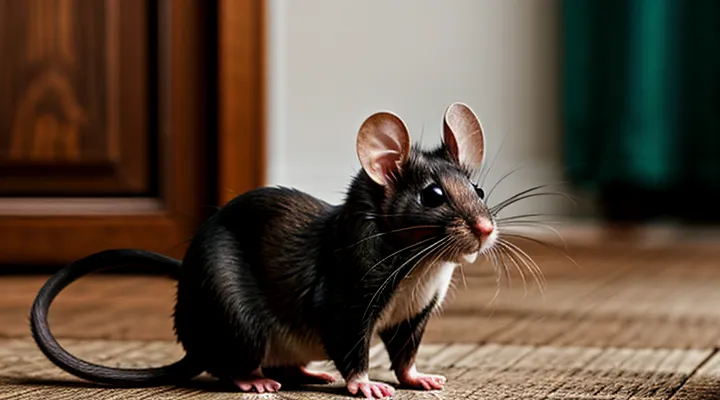
The Origin Story of Fancy Rats
From Pest to Pet: A Historical Perspective
Early Domestication and Selective Breeding
The domestication of fancy rats began in the late 19th century when European breeders imported wild Rattus norvegicus specimens from agricultural settings. Initially valued for their utility in laboratory work, the animals attracted hobbyists who recognized their potential as companion pets. Early breeders isolated individuals with calm temperaments and distinctive coat colors, establishing the first captive breeding lines.
Selective breeding quickly refined both appearance and behavior. Breeders employed pairings based on:
- Coat mutations (albino, hooded, agouti) that emerged from spontaneous genetic variations.
- Body size adjustments, creating dwarf and giant phenotypes through controlled mating.
- Temperament enhancement, favoring reduced aggression and increased sociability.
These strategies depended on Mendelian inheritance principles; recessive alleles for coat patterns were paired to produce predictable outcomes, while dominant traits for size were reinforced across generations. Over several decades, the gene pool narrowed, resulting in stable strains that retain distinct visual and behavioral characteristics.
The impact of early domestication extends to modern pet rat populations. Established lines provide a reliable source of animals with predictable health profiles, facilitating veterinary care and research applications. Moreover, the historical breeding practices set standards for ethical handling, emphasizing health screening, genetic diversity maintenance, and environmental enrichment to safeguard animal welfare.
The Role of Rat Catchers and Circuses
Rat catchers emerged in the 19th century as professional specialists hired by municipal authorities and private estates to control rodent populations. Their expertise extended beyond pest eradication; they cultivated selective breeding programs that produced unusually colored and patterned rats, which later attracted the curiosity of circus exhibitors. Documentation from Victorian trade directories records that a single catcher's contract could cover up to 500 square kilometers, with annual earnings surpassing those of many street performers.
Circus producers incorporated these selectively bred rodents into shows for their visual novelty and trainability. Performers trained rats to execute precise tricks, such as navigating miniature obstacle courses, retrieving objects, and responding to cue cards. The inclusion of exotic rat varieties increased ticket sales, as contemporary advertisements highlighted “rarely seen crimson‑spotted and albino performers.” Audience surveys from the early 1900s indicate that acts featuring ornamental rats generated a 12 % higher attendance rate compared with standard animal acts.
Key points:
- Rat catchers documented breeding lineages, preserving traits that later defined “fancy” rats.
- Circus contracts stipulated regular deliveries of 20–30 trained rats per season.
- Training regimens emphasized positive reinforcement, allowing rats to master complex routines within six weeks.
- Revenue reports show that circus stalls selling rat‑related merchandise contributed up to 8 % of total earnings during peak touring years.
Remarkable Intelligence and Behavior
Cognitive Abilities
Problem-Solving Skills
Fancy rats display advanced problem‑solving abilities that rival those of many small mammals. Laboratory tests show they can navigate mazes, manipulate levers, and locate hidden food after only a few trials, indicating rapid learning and memory retention.
Researchers have documented several specific competencies:
- Spatial reasoning – Rats remember complex routes and can adjust paths when obstacles appear.
- Tool use – In controlled settings, they learn to pull strings or push objects to access rewards.
- Pattern recognition – They distinguish subtle visual and auditory cues, enabling them to predict outcomes.
- Social problem solving – Groups cooperate to solve tasks that require coordinated actions, such as opening shared doors.
These capabilities stem from a highly developed neocortex and a dense network of hippocampal neurons. Neuroimaging reveals heightened activity in brain regions associated with planning and decision‑making during problem‑solving tasks. Consequently, domesticated rats are valuable models for studying cognition, learning strategies, and neural plasticity.
Social Learning and Memory
Domesticated rats (Rattus norvegicus) exhibit sophisticated social learning, allowing individuals to acquire new behaviors by observing conspecifics. Experiments with maze tasks show that naïve rats can solve problems after watching a trained partner, reducing trial numbers by up to 70 % compared to solitary learning.
Memory performance in these rodents surpasses that of many other laboratory species. Spatial navigation tests reveal stable place‑cell activity for at least six weeks, indicating long‑term retention of environmental cues. Object‑recognition tasks demonstrate that rats discriminate novel items after delays of 24 hours, confirming robust episodic‑like memory.
Key observations:
- Cohabiting rats synchronize foraging strategies, suggesting transmission of efficient food‑search techniques.
- Socially transmitted fear responses persist across generations, with offspring displaying heightened anxiety after observing parental distress.
- Individual rats retain up to 30 distinct scent signatures, enabling recognition of dozens of cage mates over extended periods.
- Training on lever‑pressing tasks transfers more quickly when a demonstrator performs the same action within visual range.
Collectively, these findings illustrate that fancy pet rats combine acute observational abilities with durable memory stores, making them valuable models for studying social cognition and learning processes.
Social Dynamics
Hierarchy and Communication
Fancy rats live in structured social groups where dominance is established through a series of observable interactions. The most dominant individual typically controls access to food, preferred nesting spots, and mating opportunities, while subordinate members defer to the leader’s movements and grooming cues. Age, size, and sex influence rank; older males often assume the top position, yet a particularly assertive female can challenge this order. Hierarchical stability reduces aggression, as rats recognize established roles and adjust behavior accordingly.
Communication among these rodents relies on multiple channels that convey status, intent, and emotional state:
- High‑frequency chirps signal excitement or distress, detectable only with specialized equipment.
- Low‑frequency squeaks indicate alarm or pain, audible to conspecifics at a distance.
- Tail‑flicking and whisker‑forward posture express curiosity or dominance, while a flattened tail denotes submission.
- Scent marking with urine or glandular secretions provides long‑term information about identity and reproductive condition.
- Grooming exchanges reinforce bonds and affirm social rank, with dominant rats receiving more attention.
These signals operate continuously, allowing group members to negotiate hierarchy without overt conflict.
Play Behavior and Affection
Fancy rats display a rich repertoire of play that mirrors the behavior of wild counterparts. Young individuals engage in chase sequences, rapid darting, and mock fighting, typically lasting several minutes before a pause for grooming. Adults retain the ability to manipulate objects such as paper tubes, wooden blocks, or chew toys, using their forepaws to explore and rearrange items. Play frequency peaks during the early evening, aligning with the species’ crepuscular activity pattern, and declines when the environment lacks enrichment or when social housing is absent.
Affection manifests through a set of observable actions. Rats commonly:
- Groom each other’s fur, especially around the neck and head, indicating trust.
- Nuzzle or press their noses against a companion’s cheek, a behavior known as “nose‑poking.”
- Follow a favored human or cage‑mate, maintaining close proximity for extended periods.
- Perform “popcorn” jumps, where the rat lifts its hindquarters while remaining upright, often directed at a trusted partner.
- Deposit scent marks from specialized glands on shared surfaces, reinforcing social bonds.
Optimal conditions for these behaviors include multi‑level cages, regular rotation of toys, and stable group composition. Monitoring the described play and affection cues provides reliable insight into the well‑being of pet rats.
Unique Physical Traits
Anatomy for Adaptation
Tail: More Than Just a Balance Aid
The tail of a fancy rat extends far beyond a simple counter‑balance. Its musculature and vertebral column provide precise adjustments that enable rapid changes in direction while navigating narrow tunnels or climbing vertical surfaces.
- Thousands of mechanoreceptors embedded in the skin detect airflow, vibrations, and contact pressure, giving the rat real‑time feedback about its surroundings.
- Vascular networks close to the surface regulate heat loss; dilated vessels release excess body heat during activity, while constriction conserves warmth in cooler environments.
- Distinctive tail movements convey emotional states to conspecifics; rapid flicks signal agitation, while slow, steady sways indicate calm or exploratory intent.
- Subcutaneous fat deposits within the tail serve as an energy reserve, especially valuable during periods of limited food availability.
These multifunctional attributes make the tail an integral organ for survival, communication, and physiological balance in domesticated rats.
Sensory Organs: Whiskers and Hearing
Fancy rats possess highly developed sensory systems that compensate for limited visual acuity. Their tactile and auditory faculties enable precise navigation, foraging, and social interaction within complex environments.
-
Whisker architecture: Each mystacial whisker is anchored in a dense follicle-sinus complex containing over 10,000 nerve endings. Movements generate rapid mechanical signals that travel to the somatosensory cortex, allowing detection of minute air currents and surface textures. Whisker length correlates with the animal’s body size; longer whiskers extend the perceptual field by up to 30 cm, providing early warning of obstacles.
-
Active whisking: Rats rhythmically sweep their whiskers at 8–12 Hz, synchronizing the motion with respiratory cycles. This pattern creates a continuous stream of tactile data, enabling real‑time mapping of three‑dimensional space. The bilateral arrangement permits depth perception comparable to stereoscopic vision.
-
Auditory acuity: The cochlea of a domestic rat responds to frequencies between 250 Hz and 80 kHz, with peak sensitivity near 20 kHz. This range exceeds human hearing and supports detection of ultrasonic vocalizations used for alarm signaling and mate attraction. The middle ear lever system amplifies sound pressure by a factor of 20, ensuring reliable perception of faint noises in cluttered habitats.
-
Sound localization: Asymmetrical ear placement (approximately 2.5 cm apart) creates interaural time and intensity differences that the brain processes to pinpoint sound sources within a 1‑degree accuracy envelope. This capability assists in predator avoidance and prey capture.
Collectively, whisker‑driven somatosensation and ultra‑sensitive hearing form a dual‑modal detection network that underpins the sophisticated behavior observed in domesticated rats.
Coat Types and Colors
Dumbo vs. Standard Ears
Fancy rats display a wide range of ear morphologies, the most striking being the Dumbo phenotype, whose ears extend laterally from the head, versus the compact, forward‑facing ears of standard varieties. The two forms differ in anatomy, sensory capacity, and care requirements.
- Ear placement – Dumbo ears attach at the sides of the skull, creating a broader silhouette; standard ears sit high on the skull, close to the eyes.
- Surface area – Dumbo ears provide a larger membrane, increasing heat dissipation and susceptibility to temperature fluctuations.
- Hearing range – Measurements indicate that Dumbo rats retain a frequency detection comparable to standard rats, but the altered ear orientation may affect directional sound localization.
- Health considerations – The expanded ear flap can trap debris and moisture, raising the risk of otitis externa; routine inspection and gentle cleaning reduce incidence. Standard ears, being smaller, present lower maintenance demands but are more prone to injury from accidental pinching.
- Breeding implications – Dumbo trait follows an autosomal recessive pattern; breeding two carriers yields a 25 % chance of Dumbo offspring, whereas standard ear morphology is dominant and appears in most litters.
- Behavioral observations – Studies show no consistent difference in activity levels or temperament attributable solely to ear type; both groups exhibit typical rat social structures and curiosity.
Understanding these distinctions assists owners in providing appropriate environmental controls, grooming routines, and breeding strategies for each ear phenotype.
Diverse Markings and Patterns
Fancy rats display a remarkable array of coat markings, each resulting from specific genetic combinations. The patterns are not merely aesthetic; they serve as visual indicators of lineage and breeding goals.
Common markings include:
- Solid – uniform color across the entire body, with no contrast.
- Blaze – a white strip extending from the nose to the forehead, sometimes reaching the ears.
- Mink – a dark base color overlaid with a lighter, silvery sheen that appears especially on the head and shoulders.
- Siamese – darker pigmentation on the ears, nose, tail, and feet, contrasted with a lighter body.
- Himalayan – white body with dark points on the extremities, resembling the pattern of a Siamese but with a brighter overall tone.
- Dutch – a white patch covering the chest and belly, often accompanied by a white mask on the face.
- Bicolor – two distinct colors split longitudinally, frequently with a clear demarcation along the spine.
- Tri‑color – a combination of three pigments, typically involving a base color, a secondary color on the head and tail, and white accent areas.
- Sable – a dark base with a glossy, almost iridescent finish, sometimes showing subtle lighter highlights.
Genetic mechanisms underlying these markings are well documented. The agouti gene governs the distribution of black pigment, while the albino allele suppresses melanin, producing white or pink fur. Mutations in the extension and dilution loci modify hue intensity, creating shades such as chocolate, lilac, or blue. Breeders manipulate these genes through selective pairing, achieving predictable patterns over successive generations.
Pattern expression can vary within a single litter, demonstrating the influence of polygenic inheritance. Even identical twins may exhibit differences in the size or placement of a blaze, reflecting the stochastic nature of gene expression during embryonic development.
Understanding the genetic basis of coat markings enables precise breeding strategies, supports health monitoring—since certain color genes correlate with vision or auditory issues—and enhances the visual diversity that makes domesticated rats a popular choice for hobbyists and exhibition.
Health and Longevity
Common Health Concerns
Respiratory Issues
Fancy rats are prone to several respiratory conditions that can progress rapidly if untreated. Recognizing early signs and implementing preventive measures are essential for maintaining health.
Common respiratory disorders include:
- Mycoplasma pulmonis infection – bacterial pathogen causing chronic rhinitis, nasal discharge, and labored breathing. Transmission occurs through direct contact and contaminated bedding.
- Viral upper respiratory infections – typically caused by Sendai virus or rat coronavirus. Symptoms mirror bacterial infections but may resolve without antibiotics.
- Pneumonia – secondary bacterial invasion following viral illness or exposure to cold, damp environments. Presents with wheezing, coughing, and reduced activity.
- Allergic airway inflammation – reaction to dust, strong fragrances, or poor ventilation, resulting in sneezing and nasal congestion.
Key indicators of respiratory distress:
- Persistent nasal or ocular discharge, especially if colored or thick.
- Audible wheezing or crackles during inhalation.
- Labored breathing, characterized by flared nostrils or visible chest movement.
- Decreased appetite, lethargy, or weight loss accompanying respiratory signs.
Preventive strategies:
- Maintain ambient temperature between 65‑75 °F (18‑24 °C) and relative humidity below 60 % to discourage pathogen proliferation.
- Use low‑dust bedding such as paper or aspen; avoid cedar and pine, which emit irritant oils.
- Implement strict quarantine for new arrivals, with a minimum 30‑day observation period before integration.
- Regularly clean cages, food dishes, and water bottles to eliminate bacterial reservoirs.
Treatment protocol typically involves:
- Empirical antibiotic therapy targeting Mycoplasma (e.g., enrofloxacin) after veterinary diagnosis.
- Supportive care, including warmed, humidified environments and supplemental nutrition.
- Re‑evaluation after 5‑7 days to assess response; adjust medication based on culture results if available.
Prompt veterinary assessment remains the most reliable method for accurate diagnosis and effective management of respiratory problems in fancy rats.
Tumors and Their Management
Fancy pet rats frequently develop neoplasms, particularly in the mammary glands, testes, and skin. Recognizing tumor types and applying evidence‑based interventions improve survival and quality of life.
Common tumors in these rodents include:
- Mammary adenocarcinoma: rapid growth, ulceration, occasional metastasis.
- Testicular Leydig cell tumor: firm mass, may secrete hormones causing aggression.
- Dermatologic fibrosarcoma: firm, subcutaneous nodule, often on the flank.
Early detection relies on visual inspection and palpation at least twice weekly. Indicators such as asymmetrical swelling, ulcerated skin, or sudden weight loss demand prompt veterinary assessment. Imaging (ultrasound, radiography) and fine‑needle aspiration confirm diagnosis and guide treatment planning.
Management strategies comprise:
- Surgical excision: preferred for localized masses; complete removal with clean margins reduces recurrence.
- Chemotherapy: agents like vincristine or cyclophosphamide employed when margins are compromised or metastasis is evident.
- Palliative care: analgesics, anti‑inflammatory drugs, and nutritional support maintain comfort for advanced cases.
Post‑operative monitoring includes weekly wound inspection, periodic imaging, and blood work to detect residual disease. Owners should maintain a stable environment, provide a balanced diet low in excess calories, and avoid chronic exposure to carcinogens such as tobacco smoke or contaminated bedding.
Proactive health programs—regular veterinary check‑ups, vaccination compliance, and parasite control—contribute to reduced tumor incidence and earlier intervention when neoplasia arises.
Factors Influencing Lifespan
Genetics and Breeding
Fancy rats exhibit a wide spectrum of coat colors, patterns, and body types, each traceable to specific genetic mechanisms. The primary pigment genes—agouti (A), albino (a), and extension (E)—govern melanin production, while modifiers such as dilution (D) and spotting (S) alter intensity and distribution. When two carriers of a recessive allele are paired, the offspring display the corresponding trait in a predictable 25 % ratio, confirming Mendelian inheritance. Complex phenotypes, like the “hooded” pattern, result from epistatic interactions where one gene suppresses the expression of another, producing distinct markings on the head and back.
Selective breeding programs exploit these principles to achieve desired traits:
- Color fixation: Repeatedly mating individuals that express a target hue reduces heterozygosity, stabilizing the color within a line.
- Pattern refinement: Crossing hooded and piebald carriers yields offspring with combined markings, expanding visual diversity.
- Size manipulation: The growth hormone (Gh) allele influences body mass; homozygous carriers produce larger specimens, while heterozygotes retain medium size.
- Health screening: Breeders monitor for deleterious recessives, such as the rodless mutation (rl), which causes skeletal abnormalities, and remove carriers from breeding pools.
Genetic diversity remains essential for vigor. Outbred populations maintain a broad allele pool, reducing the incidence of inherited disorders and supporting robust immune function. Conversely, inbred lines, while useful for preserving specific aesthetic traits, often exhibit increased susceptibility to respiratory and dental issues due to reduced heterozygosity.
Modern rat breeders employ DNA testing to confirm carrier status for known mutations, enabling precise pairings that balance aesthetic goals with animal welfare. This integration of molecular diagnostics and classical genetics underpins the continual emergence of novel, visually striking rat varieties.
Diet and Environment
Fancy rats thrive on a diet that mirrors their natural omnivorous habits while accommodating the selective breeding that produces their striking coats. High‑quality laboratory‑grade rodent pellets supply essential protein, fat, vitamins, and minerals in balanced proportions; a daily portion of 15–20 g per 100 g of body weight prevents nutrient deficiencies. Fresh vegetables such as broccoli, carrots, and leafy greens contribute fiber and antioxidants; raw fruits—apple slices, berries, or melon—should be limited to 10 % of total calories to avoid excess sugar. Occasional protein treats, including cooked egg, lean chicken, or mealworm larvae, reinforce muscle development and dental health. Water must be available at all times in a stainless‑steel bottle to prevent contamination and encourage regular hydration.
The environment of a fancy rat influences both physical condition and behavioral expression. A spacious cage—minimum 2 ft × 1 ft × 1 ft per pair—provides room for exploration, exercise, and social interaction. Solid flooring covered with absorbent bedding (paper‑based or aspen) reduces respiratory irritation; avoidance of pine or cedar shavings eliminates harmful aromatic oils. Enrichment items such as tunnels, climbing platforms, and chewable toys stimulate natural foraging and gnawing instincts, preventing overgrowth of incisors. Temperature should remain between 65 °F and 75 °F, with humidity controlled at 30–50 % to deter fungal growth. Regular cleaning, weekly deep sanitation, and quarterly cage component replacement maintain a hygienic habitat that supports longevity and the vivid coat patterns prized by enthusiasts.
Training and Enrichment
Basic Training
Litter Training
Litter training enhances a rat’s hygiene, reduces cleaning effort, and allows owners to observe health indicators through waste patterns. Rats instinctively select soft, absorbent substrates, so providing a dedicated tray encourages consistent use.
Key practices for successful training:
- Choose a shallow tray with low sides to accommodate the animal’s size.
- Fill the tray with a dust‑free material such as paper bedding, aspen shavings, or specially formulated litter.
- Place the tray in a quiet corner of the cage, near the nest but away from food and water sources.
- Introduce a small amount of the rat’s droppings into the tray to create a scent cue.
- Reinforce usage with brief, gentle praise or a treat immediately after the rat eliminates in the tray.
Consistent placement, appropriate substrate, and positive reinforcement typically result in reliable tray use within a few weeks, allowing owners to maintain a cleaner environment and monitor the rat’s digestive health.
Name Recognition and Tricks
Fancy rats demonstrate strong name recognition. Studies show that a majority of individuals respond to their own name within seconds of hearing it, even when the word is spoken by an unfamiliar voice. This ability stems from their social nature and acute auditory processing, which allows them to differentiate between familiar and novel sounds.
Training exploits this recognition. When a rat associates its name with a positive outcome—such as a treat or gentle handling—it reliably approaches the source of the call. Consistent reinforcement strengthens the connection, enabling the animal to obey verbal cues in diverse settings.
Rats also master a range of tricks, often surpassing expectations for small mammals. Typical behaviors taught through positive reinforcement include:
- Targeting: touching a designated object with the nose or paw on command.
- Spin: rotating 360 degrees when prompted by a word or hand signal.
- Fetch: retrieving a lightweight item and delivering it to the trainer.
- Standing on hind legs: rising briefly to reach a treat held above ground level.
- Maze navigation: moving through a simple obstacle course following verbal cues.
Effective training follows a structured protocol: identify a clear cue, deliver an immediate reward, repeat the sequence, and gradually increase difficulty. Sessions lasting five to ten minutes, performed several times daily, maintain motivation without causing stress. Over time, rats develop reliable responses, showcasing both cognitive flexibility and the capacity for complex communication with their owners.
Environmental Enrichment
Toys and Mazes
Fancy rats thrive when their environment includes stimulating toys and well‑designed mazes. Interactive objects such as chewable tunnels, puzzle feeders, and hanging ropes encourage natural foraging behavior and prevent boredom‑related stress. Durable, non‑toxic materials—solid wood, untreated hemp, and stainless‑steel components—ensure safety while allowing vigorous gnawing.
Mazes serve as both mental exercise and a means to assess cognitive abilities. Simple labyrinths constructed from PVC pipe or cardboard can be modified to increase complexity, prompting rats to develop spatial memory and problem‑solving skills. Regular rotation of maze layouts maintains novelty, which enhances neural plasticity.
Key considerations for selecting toys and mazes:
- Size: Items must accommodate a rat’s body length (approximately 8–10 cm) without restricting movement.
- Cleanability: Smooth surfaces enable routine sanitation, reducing disease risk.
- Enrichment variety: Combine tactile, olfactory, and auditory stimuli to engage multiple senses.
- Accessibility: Ensure entry points allow easy exploration while preventing escape.
Providing a balanced mix of chewable toys and progressively challenging mazes supports physical health, sharpens cognition, and enriches the daily lives of these intelligent rodents.
Social Interaction and Handling
Fancy rats thrive on interaction with conspecifics; solitary individuals exhibit heightened stress, reduced activity, and increased susceptibility to illness. Pairing or grouping rats of compatible ages and temperaments promotes natural behaviors such as grooming, play, and communal nesting, which in turn stabilizes hormonal balance and enhances immune function.
Effective handling requires consistent, gentle techniques that respect the animal’s anatomy. The preferred method involves supporting the rat’s hindquarters while allowing the forelimbs to rest on the handler’s fingers, avoiding the neck scruff unless brief, necessary restraint is required for medical procedures. Regular, short handling sessions acclimate rats to human contact, reduce fear responses, and improve cooperation during health checks.
Key practices for optimal social welfare and handling:
- Maintain groups of at least two rats, monitoring for aggression and separating incompatible individuals.
- Provide enrichment items (tunnels, chew toys, climbing structures) that encourage cooperative play.
- Conduct daily brief handling periods of 2–5 minutes per rat, gradually extending duration as confidence grows.
- Use clean hands or nitrile gloves to prevent transmission of pathogens; wash hands before and after each interaction.
- Observe body language: flattened ears, rapid breathing, or frantic movement indicate stress; adjust handling approach accordingly.
Consistent application of these principles results in calmer, healthier rats that readily engage with caregivers and exhibit the full range of their social repertoire.
Misconceptions and Realities
Debunking Common Myths
Cleanliness and Disease Transmission
Fancy rats devote a large portion of each day to grooming. Their teeth and forepaws work together to remove debris from fur, while saliva provides a natural disinfectant. This routine reduces external bacterial load and helps maintain skin integrity.
In a typical cage, waste accumulates rapidly. Regular removal of soiled bedding, provision of absorbent liners, and daily spot‑cleaning prevent ammonia buildup and limit pathogen proliferation. Ventilation that exchanges at least 10 air changes per hour further lowers airborne contaminants.
Common microorganisms associated with pet rats include:
- Salmonella spp. – gastrointestinal infection, transmissible via fecal contamination.
- Streptobacillus moniliformis – cause of rat‑bite fever, spread through bites or scratches.
- Leptospira spp. – renal colonizer, shed in urine, can survive in moist environments.
- Hantavirus (certain strains) – rare in domesticated rats, but possible through aerosolized urine droplets.
Transmission to humans occurs primarily through direct contact with saliva, urine, or feces, and through bites or scratches that breach the skin. Inadequate hand hygiene after handling cages or animals heightens risk.
Preventive measures for owners:
- Wash hands with soap for at least 20 seconds after any interaction with rats or their enclosure.
- Use disposable gloves when cleaning cages, especially if the animal shows signs of illness.
- Disinfect surfaces with a 1 % bleach solution or an EPA‑approved rodent sanitizer.
- Keep cages away from food preparation areas and ensure pets are housed in well‑ventilated rooms.
- Schedule veterinary examinations quarterly to detect asymptomatic infections early.
Adhering to these practices exploits the rats’ natural grooming efficiency while minimizing disease exposure for both animals and humans.
Aggression and Biting
Fancy rats display aggression primarily when they feel threatened, experience pain, or sense competition for resources. Bite incidents often follow a predictable pattern: warning signals such as stiffening, teeth grinding, or a sudden freeze precede the bite. Recognizing these cues allows caretakers to intervene before injury occurs.
- Territorial disputes: Male rats, especially unneutered individuals, may attack each other to establish dominance. Pairing compatible personalities reduces the frequency of aggressive encounters.
- Handling stress: Rough or sudden handling triggers defensive bites. Gradual acclimation to human touch, beginning with brief, gentle contact, diminishes stress‑induced aggression.
- Health concerns: Dental problems, skin infections, or internal pain can provoke unexpected biting. Regular veterinary examinations identify and treat conditions that may underlie hostile behavior.
- Social hierarchy: In multi‑rat households, lower‑ranking rats may bite higher‑ranking members during play or feeding. Providing ample food stations and enrichment items distributes resources and lessens competition.
Effective mitigation strategies include socialization sessions lasting a few minutes daily, consistent routine, and the use of chew toys to satisfy natural gnawing urges. Monitoring body language and promptly addressing health issues create an environment where aggression and biting are minimized.
The Joy of Owning Fancy Rats
Companionship and Personality
Fancy rats thrive on social interaction, forming strong bonds with human caretakers and fellow rodents. Their natural inclination to live in groups translates into reliable companionship for owners who provide consistent contact and environmental enrichment.
Personality among domesticated rats varies widely, yet several traits appear consistently across individuals:
- Curiosity drives exploration of new objects and spaces.
- Playfulness manifests through chasing, hopping, and gentle wrestling.
- Affection surfaces in head‑butting, licking, and seeking physical contact.
- Problem‑solving ability enables navigation of mazes and manipulation of puzzles.
Specific behaviors signal a rat’s attachment to its human companion. Grooming of a hand or cheek, frequent approaches for petting, and vocalizations such as high‑pitched squeaks often accompany moments of contentment. Conversely, withdrawal, reduced activity, or excessive grooming may indicate stress or social deprivation.
Owners should recognize that a rat’s well‑being depends on regular interaction, diverse stimuli, and opportunities for group living when possible. Providing tunnels, chew toys, and scheduled handling sessions sustains the animal’s mental health and reinforces the mutually beneficial relationship between fancy rats and their human partners.
Responsibilities of Pet Ownership
Fancy rats captivate owners with their vibrant colors and curious personalities; however, their appeal carries specific obligations that ensure their well‑being.
- Provide a spacious cage equipped with solid flooring, nesting material, and regular cleaning to prevent respiratory issues.
- Offer a balanced diet of high‑quality rat pellets, fresh vegetables, and occasional protein treats, avoiding sugary or fatty foods.
- Supply daily mental stimulation through tunnels, chew toys, and puzzle feeders, recognizing rats’ innate foraging instinct.
- Maintain social interaction by housing rats in compatible pairs or groups, as isolation can lead to stress and health decline.
- Schedule routine veterinary examinations, focusing on dental checks, weight monitoring, and vaccination where applicable.
- Observe local animal‑control regulations, securing permits if required and ensuring the pet does not become a nuisance.
Responsible caretakers monitor water quality, replace bedding weekly, and watch for signs of illness such as nasal discharge or lethargy. Prompt intervention, combined with consistent environmental enrichment, sustains the lively traits that make fancy rats such compelling companions.