
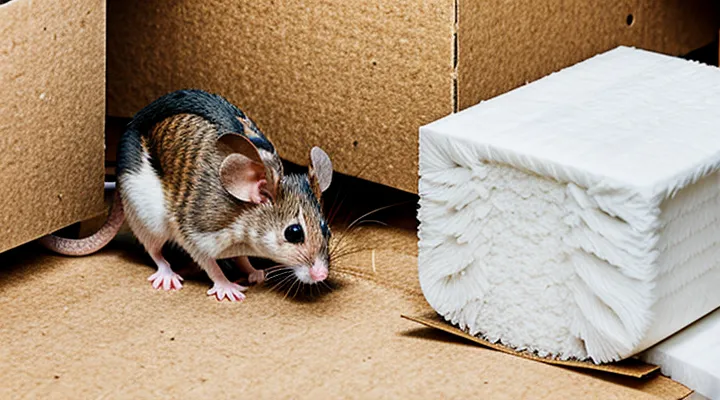
Understanding the Rodent Problem in Insulation
Why Mice Chew Insulation
Behavioral Drivers
Understanding why mice gnaw at building insulation is essential for choosing materials that remain intact. Their chewing activity stems from specific behavioral motivations rather than random damage.
- Nutrient search – Mice target substances that provide protein, fat, or fiber. Materials containing organic binders or additives can be mistakenly identified as food sources.
- Nest construction – Soft, pliable fibers satisfy the instinct to build nests. Insulation that feels easy to manipulate encourages material collection.
- Odor attraction – Strong scents, especially those resembling food or organic matter, draw rodents toward the material.
- Environmental pressure – Low temperatures or high humidity increase the urge to seek thermal shelter, prompting gnawing to create entry points.
- Crowding – High population density intensifies competition for nesting resources, leading to more aggressive chewing.
- Experience – Prior success in using a material for shelter or food reinforces future attempts on similar substrates.
Material selection should address each driver: eliminate organic components, favor rigid, non‑fibrous structures, use odorless formulations, maintain stable thermal and moisture conditions, and ensure designs limit access points that could be exploited under crowded conditions. By aligning material properties with these behavioral triggers, the risk of rodent damage can be minimized.
Nesting and Shelter
Choosing insulation that resists rodent chewing requires understanding how nesting and shelter behaviors influence material performance. Mice seek warm, enclosed spaces for breeding and protection; therefore, an effective barrier must deny access to these microhabitats while maintaining thermal efficiency.
Key material attributes that deter nesting and shelter formation:
- Hardness or rigidity: surfaces that cannot be easily gnawed, such as rigid foams or fiber‑reinforced composites.
- Low palatability: polymers lacking organic binders, for example closed‑cell polyurethane or silicone‑based foams, reduce attraction.
- Smooth texture: finishes that prevent hair accumulation and prevent mice from gripping, like smooth fiberglass mats with a vapor‑barrier coating.
- Chemical resistance: materials that do not degrade when exposed to urine or moisture, preserving structural integrity over time.
- Thermal stability: insulation that retains R‑value at temperatures typical of attics and crawl spaces, eliminating heat gradients that encourage rodent habitation.
Commonly recommended chew‑resistant options:
- Rigid closed‑cell polyurethane foam – high compressive strength, non‑edible, minimal crevices.
- Silicone‑impregnated fiberglass batts – combine thermal performance of fiberglass with a slick, toxic‑free silicone layer.
- Metallic foil‑backed insulation – aluminum foil provides a hard barrier; adhesive layers are formulated to resist gnawing.
- High‑density mineral wool – dense fibers create a tough, abrasive surface that rodents avoid.
Installation practices further limit nesting opportunities. Seal all seams with rodent‑proof tape, apply continuous barrier membranes, and avoid gaps around penetrations. By aligning material selection with the specific demands of mouse nesting and shelter behavior, the insulation system remains effective and durable without requiring frequent replacement.
Material Accessibility
Rodent‑resistant insulation must be sourced from suppliers that can deliver consistent volumes throughout the project lifecycle. Large manufacturers of mineral wool, fiberglass, and rigid foam maintain regional distribution centers, reducing lead times to a few days for standard thicknesses. Specialty products such as silicone‑coated foam or metal‑clad barriers are stocked by niche distributors; ordering may require a minimum quantity and a longer shipping window, typically two to four weeks.
Cost considerations influence material choice as well. Bulk purchases of conventional fiberglass or cellulose achieve the lowest unit price, often below $0.30 per square foot. Premium formulations designed to deter chewing—e.g., polymer‑infused foams—range from $0.45 to $0.80 per square foot, reflecting added processing and limited production runs. Pricing tables from multiple vendors enable side‑by‑side comparison, facilitating budget alignment without compromising performance.
Regulatory compliance adds another layer of accessibility. Materials certified by ASTM E84 (flame spread) and UL 723 (smoke density) are readily listed in building‑code manuals, allowing quick verification. Products lacking such certifications may require additional testing, extending procurement timelines.
Practical availability for installation crews depends on packaging and handling requirements. Rolls and batts that fit standard truck‑bed dimensions simplify transport to job sites. Rigid panels with pre‑cut dimensions reduce on‑site waste and accelerate placement. When selecting a material, evaluate the following factors:
- Supplier network density in the project region
- Minimum order quantity and lead time
- Unit cost relative to performance specifications
- Certification status for fire and health standards
- Packaging format compatible with typical installation methods
By aligning these criteria with project schedules and budget constraints, procurement teams can secure rodent‑resistant insulation that meets both performance and logistical demands.
Consequences of Rodent Infestation
Structural Damage
Rodent activity can compromise building envelopes by gnawing insulation, creating gaps that allow air infiltration, moisture accumulation, and loss of thermal performance. When insulation is chewed, the voids expose structural members to temperature swings and condensation, accelerating corrosion, rot, and deformation.
Materials that resist gnawing limit these pathways. Fibrous products such as mineral wool are dense enough to deter chewing but may be shredded if rodents persist. Rigid foams formulated with additives that increase hardness, such as high‑density polyisocyanurate, present a surface that rodents cannot easily bite through. Closed‑cell spray foams cure into a continuous shell, eliminating seams that could be targeted.
Key material attributes that reduce structural damage:
- High tensile strength to withstand bite forces
- Surface hardness exceeding typical rodent incisors
- Low fiber pull‑out tendency to prevent shredding
- Seamless application or sealed joints to remove entry points
Selecting insulation with these properties preserves the integrity of wall studs, joists, and roof trusses. By eliminating chewable pathways, the building maintains its designed load‑bearing capacity and resists long‑term degradation caused by moisture and temperature fluctuations.
Health Risks
Choosing insulation that rodents cannot gnaw influences indoor health. Certain mouse‑proof materials emit hazardous substances, promote moisture accumulation, or increase fire danger. Understanding these risks guides safe material selection.
Hazardous emissions arise from synthetic polymers such as expanded polystyrene (EPS) and polyurethane foam. During installation or when exposed to high temperatures, these foams release volatile organic compounds (VOCs) including styrene, formaldehyde, and isocyanates. Chronic inhalation irritates respiratory passages and may aggravate asthma.
Mineral‑based options, like rock wool and slag wool, resist chewing but contain fine fibers that detach during handling. Inhaled fibers can cause respiratory irritation and, with prolonged exposure, contribute to chronic bronchitis. Proper protective equipment reduces occupational risk but does not eliminate residual indoor contamination if fibers disperse.
Legacy materials, notably asbestos‑containing insulation, remain mouse‑proof yet present well‑documented carcinogenic hazards. Disturbance of asbestos fibers during renovation releases respirable particles linked to mesothelioma and lung cancer. Replacement with certified non‑asbestos alternatives eliminates this threat.
Moisture retention is another health concern. Some dense, rodent‑resistant boards lack vapor permeability, trapping humidity within wall cavities. Persistent dampness fosters mold growth, releasing spores and mycotoxins that trigger allergic reactions, sinusitis, and, in severe cases, immune suppression.
Fire safety intersects with health. Insulation that resists gnawing but burns rapidly, such as untreated cellulose, produces dense smoke and toxic gases (e.g., carbon monoxide, hydrogen cyanide) during a fire. These by‑products impair oxygen transport and can cause acute poisoning.
Key health risks associated with mouse‑proof insulation:
- VOC release from polymer foams (respiratory irritation, asthma exacerbation)
- Fiber inhalation from mineral wool (bronchial inflammation)
- Asbestos exposure (carcinogenic potential)
- Moisture entrapment leading to mold proliferation (allergic and toxic effects)
- Toxic combustion products from flammable boards (smoke inhalation, poisoning)
Mitigation strategies include selecting low‑VOC, non‑fibrous materials; ensuring vapor‑permeable designs; confirming absence of asbestos; and verifying compliance with fire‑rating standards. Comprehensive evaluation of these health dimensions prevents long‑term indoor environmental hazards while maintaining rodent resistance.
Energy Efficiency Loss
Rodent‑resistant insulation materials influence building energy performance by limiting thermal bridging, reducing air infiltration, and maintaining material integrity over time. When pests gnaw insulation, gaps form, allowing uncontrolled heat transfer and increasing heating or cooling demand. Selecting a substrate that rodents cannot penetrate preserves the designed R‑value and prevents the gradual rise in energy consumption.
Key mechanisms by which compromised insulation drives energy loss include:
- Air leakage through chew‑created openings, which bypasses the intended barrier and introduces outside air.
- Reduced thermal resistance as displaced fibers or compressed sections lower the effective R‑value.
- Moisture intrusion facilitated by gaps, leading to damp insulation that conducts heat more readily.
Materials such as closed‑cell spray foam, rigid polyisocyanurate boards with reinforced skins, and mineral wool treated with rodent‑deterrent additives exhibit high resistance to chewing. Their dense cellular structure and protective coatings prevent bite penetration, ensuring continuity of the thermal envelope.
Long‑term energy audits consistently show that buildings employing these rodent‑proof solutions experience lower utility bills and fewer HVAC load spikes compared with structures using conventional fiberglass that is vulnerable to gnawing. Maintaining insulation integrity therefore directly curtails unnecessary energy expenditure.
Characteristics of Rodent-Resistant Insulation
Inedible Materials
Mineral Composition
Mineral composition determines the durability of insulation against rodent damage. Materials with high hardness, abrasive texture, or low nutritional value discourage chewing and prolong service life.
- Silica‑based aerogels – particle hardness exceeds 7 Mohs; surface roughness creates mechanical resistance.
- Calcium silicate boards – dense crystalline structure, compressive strength above 30 MPa; low moisture absorption limits attractiveness to mice.
- Vermiculite panels – layered mineral lattice provides rigidity; thermal conductivity remains low while offering a gritty surface.
- Perlite fibers – expanded glass particles produce a coarse matrix; flame‑retardant properties complement rodent resistance.
- Mineral wool (rock wool) – basalt or diabase fibers exhibit tensile strength above 300 MPa; alkaline pH reduces palatability.
Selection must align with building regulations that require fire classification, thermal R‑value, and moisture control. Compatibility with vapor barriers and structural framing ensures seamless integration without compromising the insulation’s protective qualities.
Effective material choice balances mineral hardness, thermal efficiency, and compliance. Prioritizing minerals with inherent abrasiveness and structural integrity yields insulation that resists mouse chewing while meeting performance standards.
Chemical Deterrents
Chemical deterrents form a critical component of rodent‑resistant insulation strategies. These agents create an environment that mice find unpalatable or toxic, reducing the likelihood that they will gnaw through the material.
Commonly employed deterrents include:
- Bittering agents such as denatonium benzoate, added to foam or fiberglass to impart an unpleasant taste.
- Repellent sprays containing capsaicin, menthol, or essential oils (e.g., peppermint, eucalyptus) applied to the surface of insulation batts.
- Rodent‑specific toxicants like zinc phosphide or bromadiolone, incorporated into the matrix of rigid foam panels for targeted action.
Effectiveness depends on concentration, uniform distribution, and durability of the chemical within the insulation. Bitterants remain active as long as the substrate retains its integrity; however, they lose potency if the material degrades or is exposed to moisture. Repellent sprays require periodic re‑application, typically every 3–6 months, to maintain efficacy against persistent infestations. Toxicants embedded in rigid panels provide long‑term protection but demand compliance with local pest‑control regulations and proper labeling to prevent accidental exposure to humans or non‑target wildlife.
Safety considerations include:
- Verification of low off‑gassing levels to protect indoor air quality.
- Confirmation that the chosen chemicals are approved for residential use by relevant authorities (e.g., EPA, FDA).
- Implementation of barrier layers or sealed seams to prevent leaching in humid environments.
Selecting chemical deterrents involves balancing immediate repellency, long‑term durability, health impact, and regulatory compliance. Combining these agents with physical barriers—such as metal mesh or hardened foam—can further enhance resistance to mouse chewing while maintaining thermal performance.
Unattractive Textures
Fiber Density
Fiber density measures the mass of fibers per unit volume, typically expressed in kilograms per cubic metre (kg/m³). Higher density indicates tighter packing of fibers, which directly strengthens the material against mechanical penetration. In rodent‑resistant insulation, dense fiber structures present less space for incisors to grip and separate, reducing the likelihood of chewing damage.
Increased density also improves thermal conductivity performance because heat‑transfer pathways are shortened. However, overly dense insulation can become brittle, losing flexibility needed for installation around obstacles. Selecting an optimal density therefore balances chew resistance, thermal efficiency, and workability.
Key considerations when evaluating fiber density for mouse‑deterring insulation:
- Minimum density required for chew resistance (generally ≥ 30 kg/m³ for fiberglass, ≥ 40 kg/m³ for mineral wool).
- Upper density limit before material becomes too rigid for typical wall cavities (often ≤ 80 kg/m³ for loose‑fill products).
- Compatibility with vapor‑permeability specifications; higher density reduces breathability, which may affect moisture management.
- Compatibility with fire‑rating requirements; denser fibers often improve fire resistance but must be verified against local codes.
Typical density ranges for common insulation types:
- Fiberglass batts: 30–45 kg/m³
- Mineral wool batts: 40–70 kg/m³
- Cellulose loose‑fill: 20–35 kg/m³ (compressed to 30–50 kg/m³ in wall cavities)
- Rockwool boards: 70–120 kg/m³
When specifying material, prioritize the lowest density that still meets the chew‑resistance threshold. Verify manufacturer data on rodent testing, and confirm that the selected density aligns with structural constraints of the building envelope. This approach ensures the insulation remains effective against mouse damage while preserving its primary thermal and acoustic functions.
Rough Surfaces
Rough surfaces affect the likelihood that mice will gnaw insulation. The irregular texture creates points of resistance that increase the effort required for incisors to bite, reducing the appeal of the material as a chewing substrate.
Surface irregularities also hinder the ability of rodents to gain a secure grip. When the surface is uneven, the animal’s paws and teeth encounter uneven contact, leading to instability and a higher risk of injury during gnawing attempts. This mechanical deterrent complements chemical or physical barriers.
Materials commonly selected for rodent‑resistant insulation that incorporate roughness include:
- Mineral wool with a textured fiberglass coating; the coarse fibers form a jagged exterior.
- Ceramic fiber boards featuring embossed patterns; the raised ridges disrupt chewing motion.
- Rigid foam panels covered with a sand‑blasted polymer skin; the abrasive finish adds tactile resistance.
- Metal sheathing with corrugated or ribbed profiles; the metal’s hardness combined with surface peaks prevents sustained gnawing.
When evaluating insulation options, prioritize those whose surface morphology introduces measurable resistance to rodent dentition while maintaining thermal performance and fire safety standards.
Durability and Longevity
Resistance to Compression
Resistance to compression determines whether insulation retains its thickness and thermal efficiency when subjected to loads from flooring, walls, or surrounding structures. Materials with high compressive strength prevent settlement, preserve airflow channels, and maintain fire‑rating classifications.
Key performance indicators include compressive strength (psi or kPa) measured according to ASTM C165 or ISO 845, and modulus of elasticity, which reflects stiffness under load. Values above 30 psi (≈200 kPa) are typical for rigid boards, while flexible batts often range from 5 to 15 psi. Selecting a material with a margin above the expected load reduces long‑term deformation and the risk of gaps that rodents could exploit.
Materials offering superior compression resistance for rodent‑proof insulation:
- Extruded polystyrene (XPS) board – compressive strength 30–200 psi; closed‑cell structure resists chewing and moisture.
- Polyisocyanurate (PIR) board – compressive strength 40–150 psi; high thermal resistance and fire‑retardant additives.
- Phenolic foam board – compressive strength 35–120 psi; low smoke emission, hard surface deters gnawing.
- Dense mineral wool (rock wool) board – compressive strength 20–80 psi; inorganic composition prevents rodent damage.
- High‑density polyurethane foam – compressive strength 25–100 psi; flexible yet resilient under load.
When evaluating options, compare the material’s compressive strength to the maximum static load expected in the installation zone. Incorporate a safety factor of at least 1.5 to accommodate dynamic pressures, vibrations, and potential settlement over time. Ensure that the selected insulation also meets local building codes for fire safety and vapor permeability, as these attributes interact with compression performance to deliver a durable, rodent‑resistant envelope.
Moisture Resistance
Moisture resistance is critical for mouse‑resistant insulation because damp conditions degrade mechanical strength, promote mold growth, and create pathways that attract rodents. Materials that retain structural integrity when exposed to humidity maintain their deterrent properties and prevent the formation of soft, chewable zones.
Key attributes to evaluate include:
- Low water absorption (≤0.5 % by weight) to limit swelling and loss of rigidity.
- Vapor permeability that balances breathability with barrier performance, reducing condensation within cavities.
- Compatibility with sealants and coatings that enhance water shedding without compromising rodent‑proofness.
- Resistance to hydrostatic pressure for installations in basements or crawl spaces where standing water may occur.
Materials meeting these criteria are:
- Closed‑cell polyurethane foam, offering <0.2 % absorption and high compressive strength.
- Rigid mineral wool treated with hydrophobic additives, providing <0.4 % absorption and inherent fire resistance.
- Extruded polystyrene (XPS) with foil or polymeric facing, delivering ≤0.3 % absorption and a smooth surface that resists gnawing.
Selecting products with documented moisture‑performance data, confirming proper installation to avoid gaps, and applying water‑repellent barriers where needed ensures that the insulation remains both effective against humidity and unappealing to mice.
Recommended Insulation Materials for Rodent Prevention
Mineral Wool
Basaltic Wool
Basaltic wool offers a reliable solution for insulation that resists chewing by mice and other rodents. The material is produced from melted basalt rock, spun into fine fibers that create a dense, non‑organic matrix. This structure lacks the protein content of natural fibers, eliminating the nutritional attraction that encourages rodents to gnaw.
Key characteristics that contribute to rodent resistance:
- High melting point (≈ 1,200 °C) and thermal stability, preventing degradation that could soften the material.
- Rigid fiber network with minimal gaps, reducing the ability of incisors to penetrate.
- Inorganic composition, devoid of cellulose or organic binders that rodents typically target.
- Low moisture absorption, limiting the humidity conditions that facilitate chewing.
Performance data indicate that basaltic wool maintains its insulating R‑value (≈ 3.3 W/(m·K)) after prolonged exposure to rodent activity, whereas cellulose and fiberglass often show compromised effectiveness due to bite marks and fiber loss. The material also provides sound dampening and fire resistance, meeting most building code requirements for residential and commercial applications.
Installation guidelines for maximizing rodent deterrence:
- Seal all cavity openings with metal mesh or steel wool before inserting the insulation.
- Use mechanical fasteners or adhesive systems compatible with basaltic wool to prevent shifting.
- Apply a continuous vapor barrier to eliminate moisture pockets that could attract pests.
Compared with alternative rodent‑resistant options such as steel wool or mineral board, basaltic wool combines thermal efficiency with ease of handling. Its flexible form allows coverage of irregular spaces, while still delivering the durability needed to withstand gnawing pressures. Consequently, basaltic wool stands out as a pragmatic choice for projects requiring both high‑performance insulation and protection against rodent damage.
Slag Wool
Slag wool is a high‑temperature mineral fiber derived from the rapid cooling of molten blast‑furnace slag. The material consists primarily of silicate and aluminosilicate compounds, which give it a dense, abrasive texture that rodents find difficult to gnaw. Its fibrous structure provides thermal resistance comparable to traditional mineral wools while offering superior mechanical hardness.
Key characteristics that deter mouse chewing:
- Hard, angular fibers that resist bite penetration
- Low surface smoothness, reducing grip for incisors
- Chemical composition that is unpalatable and potentially irritating to rodents
Thermal performance matches standard insulation grades, with typical R‑values of 3.5–4.0 per inch of thickness. The material retains its insulating properties across a temperature range of –40 °C to 500 °C, making it suitable for both residential walls and industrial ducts.
Installation requirements include:
- Protective gloves and respiratory equipment during handling, due to fine particulate nature
- Compatibility with standard batts, boards, or loose‑fill applications
- Sealing of joints and penetrations with rodent‑proof tapes or foams to maintain continuity
When compared with cellulose, fiberglass, and foam plastics, slag wool offers a unique combination of high compressive strength and inherent rodent resistance without relying on chemical additives. Its durability reduces the need for frequent replacement, contributing to long‑term cost efficiency in structures where mouse damage is a concern.
Rigid Foam Boards
Polyisocyanurate «PIR»
Polyisocyanurate (PIR) foam board provides a rigid, closed‑cell insulation with an R‑value of approximately 6.0 per inch, surpassing many conventional materials. The polymer matrix forms a dense, non‑fibrous surface that resists penetration and chewing by rodents.
Rodents avoid PIR because:
- Hard, glass‑reinforced faces are difficult to gnaw.
- Absence of organic fibers eliminates a food source.
- Low surface temperature after installation discourages activity.
Additional properties that support rodent resistance include:
- High compressive strength, maintaining shape under mechanical stress.
- Low moisture absorption, preventing mold that could attract pests.
- Fire‑retardant additives, reducing the risk of ignition if gnawing occurs.
Compared with alternatives:
- Fiberglass batts are soft, contain binders that can be chewed, and offer little physical barrier.
- Cellulose insulation consists of shredded paper, highly attractive to rodents.
- Expanded polystyrene (EPS) is softer than PIR and more prone to bite marks.
When selecting PIR for applications where rodent damage is a concern, consider the following steps:
- Choose boards with a foil‑faced or polymer‑coated surface for added durability.
- Seal all joints with compatible tape to eliminate gaps.
- Install a physical barrier—metal or rigid plastic sheathing—behind the PIR in high‑risk areas.
- Verify that the product complies with local building codes for fire resistance and thermal performance.
PIR’s combination of rigidity, chemical composition, and moisture resistance makes it a reliable choice for insulation projects that require protection against mouse chewing.
Extruded Polystyrene «XPS»
Extruded Polystyrene (XPS) provides a dense, closed‑cell foam that resists rodent damage. The material’s uniform cell structure creates a hard, smooth surface that mice cannot easily gnaw through, unlike softer, fibrous insulations.
Key characteristics contributing to rodent resistance:
- High compressive strength (typically 20–70 psi) prevents deformation under bite pressure.
- Closed‑cell matrix limits moisture absorption, reducing the scent cues that attract pests.
- Low water vapor permeability (≈0.5 perm) maintains a dry environment, discouraging nesting.
- Chemical composition of polystyrene is unpalatable to rodents, offering no nutritional incentive.
Thermal performance remains competitive: thermal conductivity values range from 0.028 to 0.035 W/(m·K), delivering effective insulation while preserving structural integrity. XPS boards can be cut to size with standard tools, allowing precise installation in walls, foundations, and crawl spaces where pest intrusion is a concern.
When selecting insulation for rodent‑free applications, consider the following criteria:
- Density: Choose grades above 30 kg/m³ for maximum bite resistance.
- Surface finish: Smooth, foil‑faced variants add an extra barrier against gnawing.
- Installation gaps: Seal all joints with compatible tape or adhesive to eliminate entry points.
- Compatibility with vapor barriers: Ensure the overall assembly maintains a continuous moisture control layer.
Compared with expanded polystyrene (EPS) or mineral wool, XPS delivers superior mechanical hardness and lower water uptake, directly limiting the ability of mice to create tunnels or chew through the material. Properly installed XPS therefore serves as a reliable, low‑maintenance solution for insulation projects where rodent activity is a primary concern.
Cellulose Insulation with Borates
Recycled Paper Treatment
Recycled paper, once treated, can serve as a component in insulation systems designed to deter rodent damage. The treatment process typically involves three stages: de‑inking, fiber refinement, and fire‑retardant application.
- De‑inking removes residual inks and contaminants, producing a clean pulp that resists microbial growth.
- Fiber refinement aligns cellulose strands, increasing density and reducing voids that rodents might exploit.
- Fire‑retardant application coats the fibers with non‑toxic, heat‑resistant chemicals, enhancing safety without compromising structural integrity.
The resulting material exhibits low palatability for mice due to its altered texture and chemical coating. Its acoustic damping properties and thermal resistance meet standard building codes when combined with a binder such as bio‑based resin. Production waste is minimized, supporting sustainability targets while delivering a cost‑effective alternative to synthetic foams.
Potential drawbacks include moisture sensitivity; without proper sealing, reclaimed paper can absorb water, diminishing insulating performance. Incorporating a vapor barrier or hydrophobic additive mitigates this risk. Additionally, the material’s compressive strength is lower than mineral wool, requiring thicker layers in load‑bearing applications.
When evaluating rodent‑resistant insulation options, recycled paper treatment offers a balance of environmental benefits, safety compliance, and deterrence effectiveness, provided that moisture control and structural reinforcement are addressed in the installation plan.
Boric Acid Application
Boric acid serves as an effective deterrent for rodents when incorporated into building insulation. Its low toxicity to humans and pets, combined with strong aversive properties for mice, makes it suitable for inclusion in material formulations.
When applied, boric acid can be integrated in several ways:
- Powder admixture: mixed directly with loose-fill insulation fibers, creating a uniform distribution that discourages gnawing.
- Coating: sprayed or brushed onto the surface of rigid panels, forming a thin, persistent barrier.
- Encapsulation: sealed within foam or cellulose matrices, preventing direct contact while maintaining the chemical’s deterrent effect.
Key performance considerations include:
- Concentration: 5–10 % by weight provides reliable rodent resistance without compromising insulation thermal properties.
- Moisture stability: boric acid retains efficacy in low‑humidity environments; in high‑humidity settings, encapsulation helps prevent leaching.
- Compatibility: does not react adversely with common insulation binders such as polyurethanes, fiberglass, or mineral wool.
Safety protocols require protective equipment during handling and clear labeling of treated products. Compliance with local building codes and pest‑control regulations should be verified before installation.
Other Niche Solutions
Vermiculite
Vermiculite is a lightweight, expand‑expanded mineral commonly used in building insulation. Its porous, flaky structure makes it difficult for rodents to bite through, providing a reliable barrier against mouse damage. The material resists compression and retains shape under load, which helps maintain thermal performance even when exposed to animal activity.
Key attributes for rodent‑resistant insulation:
- High compressive strength reduces deformation from gnawing attempts.
- Non‑metallic composition eliminates the metallic taste that attracts rodents.
- Low thermal conductivity (approximately 0.06 W/m·K) delivers effective heat retention.
- Moisture‑absorbing capacity stabilizes indoor humidity without promoting mold growth.
Installation considerations:
- Apply vermiculite in loose‑fill form within wall cavities, ensuring complete fill to eliminate gaps.
- Seal joints with rodent‑proof mesh or foam to prevent entry points.
- Use protective gloves and respiratory equipment during handling, as fine particles can irritate skin and lungs.
Limitations:
- Requires secondary containment to avoid dust migration.
- Not suitable for high‑temperature applications above 200 °C.
- Slightly higher cost compared with basic fiberglass batts.
Overall, vermiculite offers a durable, mouse‑deterrent solution for thermal insulation, provided that proper safety measures and sealing techniques are employed.
Perlite
Perlite is an expanded volcanic glass widely used in thermal and acoustic insulation where rodent damage is a concern. Its lightweight, porous structure resists chewing because it lacks the fibrous texture that attracts mice.
The material’s key characteristics include:
- Low density (≈ 30–150 kg m‑3) that reduces structural load.
- Thermal conductivity around 0.040 W m‑1 K‑1, providing effective heat retention.
- High compressive strength relative to its weight, allowing it to support flooring and wall panels.
- Non‑organic composition that offers no nutritional value to rodents.
Mice are unlikely to gnaw perlite because the particles are hard, abrasive, and lack the softness of cellulose‑based insulators. The granular form also creates a loose matrix that does not present a continuous surface for chewing.
Installation guidelines:
- Use perlite in loose‑fill applications within wall cavities, attics, or under floorboards, ensuring the space is fully filled to eliminate gaps.
- Combine with a vapor barrier when moisture control is required; perlite itself is hygroscopic and can absorb limited moisture.
- Seal any penetrations (e.g., around pipes) with metal or rigid foam to maintain the integrity of the rodent‑resistant barrier.
Overall, perlite delivers thermal performance while minimizing the risk of mouse damage, making it a viable choice for projects that demand both insulation efficiency and pest resistance.
Installation Best Practices for Rodent Control
Sealing Entry Points
Gaps and Cracks
Gaps and cracks in building envelopes provide direct pathways for mice to reach insulation. Even the most rodent‑resistant fibers become vulnerable when exposed through openings as small as a quarter‑inch. Identifying and eliminating these breaches is a prerequisite for any effective material selection strategy.
Typical sources of gaps and cracks include:
- Unsealed junctions between wall studs and plates.
- Penetrations for electrical wiring, plumbing, and HVAC ducts.
- Settling of foundation walls and floor joists.
- Damaged or missing sheathing and flashings.
When choosing insulation that resists gnawing, prioritize materials that maintain structural integrity when exposed and that can be easily sealed. Closed‑cell spray foam offers both high R‑value and a seamless barrier that fills irregular voids, preventing rodent ingress. Rigid mineral wool provides fire resistance and hardness, but requires supplemental sealants at joints. Fiberglass batts alone lack the density to deter chewing; they must be combined with a continuous coating of rodent‑proof sealant.
Effective sealing methods:
- Apply polyurethane foam to all cavity openings and around penetrations.
- Use stainless‑steel mesh or hardware cloth to cover larger gaps before installing insulation.
- Install rodent‑grade caulk (silicone‑based, low‑odor) at seams and around fixtures.
- Employ metal flashing or cement board at vulnerable exterior edges.
Regular inspection complements material selection. Verify that sealants remain intact, that foam has not contracted, and that mesh barriers are not displaced. Prompt repair of newly formed cracks sustains the protective envelope and preserves the performance of rodent‑resistant insulation.
Utility Penetrations
Utility penetrations create direct pathways for rodents to access interior insulation. Selecting a rodent‑resistant barrier around each opening eliminates the primary route for mice to reach and damage the surrounding material.
A successful approach combines a non‑chewable insulation core with a protected sleeve at the penetration point. The core material should possess high tensile strength, low moisture absorption, and a texture that discourages gnawing. Proven options include:
- Rigid mineral wool encased in metal or fiberglass mesh
- Closed‑cell polyurethane foam with a steel foil overlay
- Ceramic fiber board wrapped in stainless‑steel tape
- Silicone‑based aerogel panels laminated to a copper foil surface
The sleeve must seal the gap between the utility element and the surrounding cavity. Effective sleeve designs incorporate:
- A stainless‑steel collar sized to the conduit diameter, welded or clamped to the wall.
- A compressible, rodent‑proof gasket (e.g., neoprene with embedded steel fibers) that conforms to irregular shapes.
- An exterior coating of epoxy‑filled metal mesh to prevent mice from pulling or biting through.
Installation steps:
- Cut the opening to the exact dimensions of the utility item, leaving a uniform clearance of 3–5 mm.
- Position the selected insulation panel against the opening, ensuring full contact with the wall surface.
- Apply the sleeve, tighten mechanical fasteners, and seal all seams with a rodent‑resistant silicone caulk.
- Inspect for gaps, reinforcing any exposed edges with additional metal mesh or wire mesh tape.
Maintenance includes periodic visual checks for gnaw marks, confirming that sealants remain intact, and replacing compromised sleeves before rodents can exploit them. By integrating these material choices and sealing techniques, utility penetrations become robust barriers that prevent mice from compromising the overall insulation system.
Proper Material Installation
Tight Fitting
Tight fitting is a critical factor when selecting insulation that resists rodent gnawing. A seamless barrier eliminates the gaps that mice exploit to enter cavities, thereby reducing the likelihood of damage.
A proper fit is achieved through precise measurement and cutting. Materials must be sized to fill cavities without leaving voids. When dimensions are exact, the insulation compresses against surrounding surfaces, creating friction that discourages chewing.
Key practices for achieving tight fitting include:
- Measuring cavity dimensions before installation and adding a margin of 1‑2 mm to accommodate material expansion.
- Using compression‑fit batts or boards that expand slightly after placement, pressing firmly against studs and joists.
- Applying sealants or expanding foam to seal seams, joints, and edges where pieces meet.
- Installing interlocking panels that lock together, forming a continuous layer without exposed edges.
- Fastening rigid boards with screws or nails to prevent movement and maintain contact pressure.
Materials that inherently support tight fitting are:
- High‑density fiberglass batts designed for snug insertion into standard framing.
- Closed‑cell spray foam, which expands to fill irregular spaces and adheres to surfaces.
- Rigid mineral wool boards cut to exact sizes and secured with mechanical fasteners.
- Polyurethane foam sheets that can be trimmed to precise dimensions and bonded with adhesive.
When these methods are applied consistently, insulation forms an unbroken, compressive layer that limits mouse access, enhances thermal performance, and prolongs the lifespan of the building envelope.
Avoiding Voids
Rodent‑resistant thermal barriers lose effectiveness when gaps develop during installation. Voids provide pathways for mice to infiltrate, create pressure differentials that pull insulation away from surfaces, and reduce overall thermal performance.
Key practices for eliminating voids:
- Choose materials with minimal shrinkage after curing (e.g., closed‑cell spray foam, rigid polyurethane boards).
- Apply insulation in continuous layers that overlap seams by at least 2 inches.
- Seal all joints, edges, and penetrations with rodent‑proof caulk or metal mesh.
- Use back‑filling techniques that compress material against framing, ensuring full contact.
- Inspect cavities with a borescope before final closure to verify uniform coverage.
Installation discipline further reduces gaps. Align sheets precisely, avoid over‑cutting, and maintain consistent pressure when fastening. Verify that fasteners do not create holes larger than ¼ inch; if necessary, cover them with metal plates or rodent‑grade tape.
By selecting low‑shrinkage insulation and following systematic sealing procedures, void formation is prevented, preserving both thermal efficiency and resistance to mouse damage.
Integrated Pest Management Strategies
Trapping and Baiting
Effective protection of chew‑resistant building insulation requires a coordinated approach that includes both mechanical exclusion and active population control. Trapping and baiting serve as the primary mechanisms for reducing mouse pressure on installed barriers, thereby extending the service life of the selected materials.
- Snap traps positioned along wall voids, baseboard gaps, and near entry points provide immediate mortality.
- Live‑capture traps enable relocation when humane practices are preferred; release sites must be at least 100 m from the structure.
- Electronic traps deliver rapid, repeatable kills with minimal maintenance.
Bait selection must match mouse foraging behavior while avoiding contamination of insulation surfaces.
- Peanut butter or suet offers high palatability and low residue.
- Commercial rodent gels contain attractants that remain effective in low‑temperature environments.
- Grain‑based mixes should be stored in sealed containers to prevent spillage onto insulation layers.
Placement strategy integrates trap and bait deployment with insulation installation schedules. Install traps before sealing wall cavities; position bait 2–3 inches from potential gnaw points to encourage contact. After initial capture phase, maintain a reduced trap density and rotate bait types weekly to prevent habituation. Continuous monitoring for new activity signs—droppings, gnaw marks, or fresh pathways—guides timely adjustments, ensuring the chew‑resistant barrier remains uncompromised.
Regular Inspections
Regular inspections are essential to verify that insulation remains resistant to rodent damage and retains its thermal performance. Inspectors must confirm that protective barriers are intact, that gaps around penetrations are sealed, and that any signs of gnawing are addressed before they spread.
Key inspection actions include:
- Visual examination of insulation surfaces for bite marks or exposed fibers.
- Measurement of insulation thickness to detect material loss.
- Evaluation of sealants around ducts, pipes, and wiring for degradation.
- Documentation of any rodent activity evidence, such as droppings or nests.
- Verification that installed materials match the specified rodent‑resistant specifications.
Inspections should occur at least quarterly in high‑risk areas and after any construction activity that could introduce entry points. Recorded findings must be stored in a maintenance log, and corrective actions initiated within 48 hours to prevent compromise of the insulation system.
Comparing Rodent-Resistant Insulation Options
Cost Analysis
Material Price
Choosing insulation that resists rodent damage involves a clear cost analysis. Prices vary according to material composition, structural properties, and market availability.
Typical cost ranges (USD) for common chew‑resistant options are:
- Mineral wool batts: $0.45‑$0.85 per square foot.
- Rigid polyisocyanurate panels: $0.70‑$1.20 per square foot.
- Silicone‑coated fiberglass blankets: $0.60‑$1.00 per square foot.
- High‑density closed‑cell spray foam: $1.10‑$1.80 per square foot.
Factors influencing these figures include:
- Raw material expense – silicone additives and closed‑cell polymers command higher raw‑material prices than standard fiberglass.
- Production process – spray‑foam application requires specialized equipment, raising manufacturing overhead.
- Performance rating – higher R‑values and moisture barriers increase material cost.
- Supply chain dynamics – regional demand and transportation distance affect unit price.
When budgeting, compare total installed cost rather than material price alone. Installation labor for spray foam often exceeds that of batts, narrowing the price gap. Long‑term savings arise from reduced repair frequency; durable, rodent‑proof insulation can lower maintenance expenses by 15‑30 % over a typical building lifespan.
Installation Labor
Installing insulation that resists rodent damage requires precise labor planning. The first step is site assessment to locate gaps, moisture sources, and existing framing conditions. Accurate measurements determine material quantities and minimize waste.
Preparation involves clearing debris, removing damaged insulation, and sealing penetrations with rodent‑proof caulk or metal mesh. Workers must wear protective equipment to prevent inhalation of fibers and exposure to sharp edges.
Cutting and fitting the chosen material demand specialized tools—utility knives with insulated blades for fibrous products, and fine‑toothed saws for rigid panels. Edges should be trimmed to fit snugly around joists, studs, and piping, leaving no voids that mice could exploit.
Sealing joints uses high‑temperature adhesive tape or fire‑rated sealant compatible with the insulation type. Overlaps must be staggered to maintain continuous barrier integrity. Fasteners such as stainless‑steel staples or screws secure panels without compromising resistance to chewing.
Quality control includes a visual inspection of all seams, verification of sealant cure times, and a final walk‑through to confirm that no openings remain. Documentation records material batch numbers, installation dates, and inspector signatures for future maintenance reference.
Typical labor allocation per 1,000 ft²:
- Site preparation – 2 hours
- Material cutting and placement – 3 hours
- Joint sealing and fastening – 1.5 hours
- Inspection and documentation – 0.5 hour
Cost considerations factor hourly wage rates, tool depreciation, and the premium price of rodent‑resistant products. Training programs ensure workers understand handling techniques and safety protocols, reducing rework and extending the lifespan of the insulation system.
Performance Metrics
R-Value
R‑Value quantifies thermal resistance; higher numbers indicate greater ability to impede heat flow. When selecting insulation that resists rodent damage, R‑Value remains a primary performance metric because it directly influences energy efficiency and comfort levels within a building envelope.
Materials commonly used for rodent‑resistant applications exhibit a range of R‑Values per inch of thickness:
- Closed‑cell spray foam: 6–7 per inch, dense structure discourages chewing.
- Rigid polyisocyanurate board: 6.5 per inch, smooth surface limits bite points.
- Mineral wool (rock or slag): 3.0–3.5 per inch, fibrous composition can be less attractive to rodents when encased.
- Cellulose (treated with borate): 3.2–3.8 per inch, chemical additives deter gnawing but lower density reduces R‑Value.
Choosing a material involves balancing thermal performance with physical characteristics that deter mice. Higher R‑Value per inch allows thinner installations, reducing the surface area available for rodents to access. Dense, rigid foams and boards present fewer bite‑able edges, while fiber‑based products may require additional barriers such as metal mesh or sealed seams to maintain integrity.
Calculating required insulation thickness follows the formula: Required R‑Value ÷ R‑Value per inch = Installation thickness. For example, achieving an R‑Value of 19 in a wall using rigid polyisocyanurate (6.5 per inch) demands approximately 2.9 inches of material, providing both thermal efficiency and a compact, less chewable profile.
In practice, specifying a minimum R‑Value aligned with local building codes, then selecting the highest‑R‑per‑inch material that offers a smooth, dense surface, yields an insulation system that maintains energy performance while minimizing the risk of rodent damage.
Fire Resistance
Fire‑resistant insulation must retain its protective function when exposed to high temperatures while also deterring rodent damage. Materials that combine inherent fire performance with hardness or chemical composition unattractive to mice reduce the risk of both flame spread and material breach.
Mineral‑based products such as fiberglass, rock wool, and slag wool meet fire codes because they melt at temperatures above 1,000 °C and produce minimal smoke. Their dense fiber structure resists chewing, and manufacturers often add bittering agents to further discourage gnawing. Calcium silicate boards offer a rigid, non‑combustible barrier; their crystalline matrix is too hard for rodents to penetrate, and they maintain structural integrity up to 1,200 °C.
Ceramic fiber blankets provide excellent thermal stability, remaining effective at temperatures exceeding 1,300 °C. When encased in a metal mesh or coated with a ceramic binder, the material becomes difficult for mice to grasp, limiting chewing damage. Silicone‑based foams, while flexible, can be formulated with fire‑retardant additives that achieve Class A flame spread ratings and self‑extinguish once the heat source is removed; the polymer’s elasticity also reduces bite penetration.
Key performance criteria for fire‑resistant, rodent‑proof insulation:
- Temperature rating – maximum service temperature before degradation.
- Flame spread index – compliance with UL 723 or ASTM E84 (Class A preferred).
- Smoke density – low values according to NFPA 286.
- Hardness or deterrent treatment – measured by Mohs hardness or presence of bittering compounds.
- Installation compatibility – ability to fit within standard cavity dimensions without compromising fire barriers.
Selecting an appropriate product involves verifying that it satisfies local fire‑code classifications and contains documented rodent‑deterrent features. Proper sealing of joints, use of metal lath, and avoidance of gaps further protect the insulation from both flames and gnawing.
Sound Dampening
Sound‑absorbing insulation must combine acoustic performance with resistance to rodent damage. Materials that retain density and structural integrity when exposed to mice are essential for long‑term effectiveness.
Rigid mineral wool, such as high‑temperature rock wool, offers high sound absorption coefficients across mid‑ and high‑frequency ranges. Its fibrous composition deters chewing because the fibers are sharp and unpalatable to rodents. The material also resists moisture, preserving acoustic properties in damp environments.
Closed‑cell polyethylene foam provides a lightweight, non‑fibrous alternative. The foam’s smooth, dense surface discourages gnawing, while its cellular structure dissipates sound energy through internal friction. It is suitable for cavity fill where space is limited.
Silicone‑coated fiberglass combines traditional acoustic fibers with a protective polymer layer. The coating creates a hard, chew‑resistant skin that does not compromise the underlying fiber’s sound‑absorbing capability. This hybrid solution works well in attic spaces prone to rodent activity.
Mass‑loaded vinyl (MLV) delivers high mass per unit area, converting sound energy into heat. Its solid, flexible sheet is unattractive to mice, which cannot penetrate the dense polymer matrix. MLV can be installed over existing insulation to boost sound isolation without adding chewable material.
Material selection checklist
- Acoustic absorption rating (average NRC ≥ 0.70)
- Rodent resistance (hard surface, sharp fibers, or polymer coating)
- Moisture tolerance (low water absorption)
- Installation compatibility (fits standard stud or joist cavities)
- Fire rating (must meet local building codes)
Choosing an insulation that satisfies both acoustic and rodent‑proof criteria reduces maintenance costs and preserves indoor sound quality over the building’s lifespan.
Environmental Impact
Recycled Content
Recycled content influences the durability, cost, and environmental profile of rodent‑resistant insulation. Materials derived from post‑consumer or post‑industrial waste can match or exceed the thermal performance of virgin polymers while offering resistance to gnawing due to their dense cellular structure. Manufacturers that incorporate reclaimed fibers, foamed plastics, or recycled glass wool must verify that the recycling process does not introduce contaminants that could weaken the matrix or create bite‑friendly voids.
Key considerations for selecting recycled insulation include:
- Mechanical integrity: Verify tensile strength and compression resistance through standardized testing; recycled blends should retain at least 90 % of the baseline values of virgin equivalents.
- Rodent deterrence: Ensure the material’s surface hardness and lack of exposed fibers prevent mice from establishing chewing pathways.
- Thermal efficiency: Confirm R‑value consistency across batches; recycled content must not cause significant variance.
- Regulatory compliance: Align with building codes and fire safety standards (e.g., ASTM E84, NFPA 285) that apply to recycled insulation products.
- Supply chain traceability: Require documentation of source material, processing methods, and quality control to avoid hidden impurities.
When evaluating suppliers, prioritize those that provide third‑party certifications for recycled content percentages and demonstrate long‑term performance data in rodent‑prone environments. This approach balances sustainability objectives with the functional requirement that mice cannot compromise the insulation envelope.
Manufacturing Process
The manufacturing of insulation designed to resist rodent damage demands strict control of material composition, processing parameters, and quality verification. Selecting a polymer matrix with inherent toughness, such as high‑density polyethylene (HDPE) or cross‑linked polyolefin, reduces the likelihood of gnawing. Incorporating mineral fillers (e.g., calcium carbonate, glass fibers) or reinforcing fibers further elevates hardness and diminishes chewability without compromising thermal performance.
Key processing methods that preserve these characteristics include:
- Extrusion: Continuous profile formation under high shear creates uniform density and eliminates voids that could attract rodents.
- Injection molding: Enables precise shaping of complex components, ensuring consistent wall thickness and surface smoothness.
- Spray foam application: Utilizes closed‑cell polyurethane blends with added rodent‑deterrent additives, producing seamless coverage that leaves no gaps for entry.
- Lamination: Bonds a thin metal or polymer film to the insulation core, providing an additional physical barrier against incisors.
Each method must be calibrated to maintain material integrity; for example, extrusion temperatures should stay within the polymer’s thermal stability range to prevent degradation that could weaken chew resistance. Post‑process cooling rates are controlled to achieve optimal crystallinity, enhancing rigidity.
Quality assurance involves:
- Chew resistance testing: Simulated gnawing cycles using standardized rodent models measure material loss and surface damage.
- Density and hardness assessment: Calibrated gauges confirm that target specifications are met throughout the batch.
- Thermal conductivity verification: Ensures that added fillers or barriers do not impair insulation efficiency.
Final products are packaged in sealed, rodent‑proof containers and labeled with installation guidelines that emphasize complete coverage and avoidance of exposed seams. The integrated approach—from material selection through controlled processing and rigorous testing—delivers insulation that reliably withstands mouse activity while maintaining its primary thermal function.