
Understanding Ground Rats
What are Ground Rats«? »
Distinguishing Features«: » Identification Tips
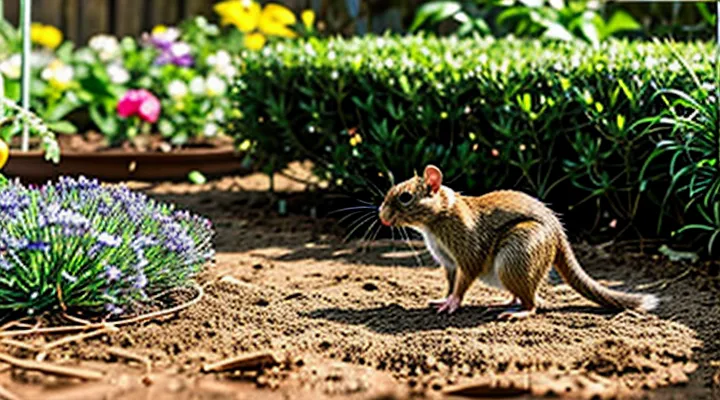
Ground rats, commonly referred to as voles, can be mistaken for small mice but exhibit distinct characteristics that aid reliable detection. They possess a stocky body, a short, hairless tail measuring less than half the body length, and densely packed fur that often appears gray‑brown on the back with a lighter underside. Their incisors are broad and curve outward, creating a noticeable gap when the mouth is closed. Footprints show four toes on the front feet and five on the hind, forming a compact, round imprint with a clear central pad.
Effective identification relies on observing specific signs:
- Uniform, shallow runways through grass or low vegetation, typically 2‑4 cm wide.
- Fresh, crescent‑shaped bite marks on tender plant stems, leaves, or bark.
- Small, spherical burrow entrances surrounded by loose soil mounds, often found near the base of perennial plants.
- Presence of droppings measuring 2‑3 mm, dark brown, and lacking the pointed ends seen in mouse feces.
- Absence of gnawed wood or stored food, which differentiates them from larger rodent species.
By focusing on these morphological details and behavioral traces, gardeners can confirm the presence of ground rats and implement targeted control measures without confusion with other small mammals.
Common Habitats«: » Where to Find Them
Ground rats, often referred to as voles or field mice, occupy the most sheltered, moisture‑rich sections of a garden. Their preference for dense cover and easy access to food drives them to specific micro‑environments that can be identified during routine inspections.
Typical locations include:
- Mulch beds and compost piles where organic matter remains damp and offers protection from predators.
- Perimeter zones beneath hedgerows, fence lines, or stone walls that provide continuous low vegetation.
- Areas with loose, loamy soil near irrigation emitters, drip lines, or leaky hoses, facilitating burrow construction.
- Raised beds bordered by wooden frames or lattice, especially when the surrounding ground is left uncovered.
- Fruit‑bearing shrubs and vegetable rows that produce abundant seed heads and foliage, creating a reliable food source.
Additional indicators of presence are shallow tunnels at ground level, small mounded entrances, and gnawed plant stems. Recognizing these habitats enables targeted control measures and prevents further colonisation.
Why Ground Rats are a Problem«? »
Damage to Gardens and Property
Ground rats cause direct loss of vegetation by gnawing leaves, stems, and fruits, which reduces both aesthetic appeal and marketable produce. Their constant foraging creates irregular gaps in planting beds, leading to uneven growth and increased competition for water and nutrients among remaining plants.
- Root disruption: burrowing activity severs fine root systems, impairing water uptake and nutrient transport, often resulting in wilting or death of otherwise healthy specimens.
- Seed predation: stored seeds are consumed or damaged, lowering germination rates and diminishing future crop yields.
- Structural damage: tunnels weaken garden edging, raised beds, and wooden trellises, creating collapse hazards and necessitating repair or replacement.
- Soil contamination: droppings introduce pathogens and parasites, contaminating soil and potentially spreading disease to plants and humans.
- Water system interference: burrows intersect irrigation lines, causing blockages, leaks, or uneven distribution of water.
The cumulative effect of these actions compromises garden productivity, increases maintenance costs, and can devalue surrounding property. Immediate identification and control of ground rat populations are essential to prevent further degradation and to preserve the functional and economic integrity of garden spaces.
Health Risks Associated with Ground Rats
Ground rats that inhabit garden beds and surrounding soil create direct health threats to humans and domestic animals. Their presence introduces pathogens, contaminates consumables, and triggers allergic reactions.
- Leptospirosis – bacterial infection transmitted through urine‑contaminated water or soil; symptoms include fever, muscle pain, and renal impairment.
- Salmonellosis – ingestion of food or water tainted with rat feces; leads to gastrointestinal distress and possible septicemia.
- Hantavirus pulmonary syndrome – inhalation of aerosolized rodent droppings; produces severe respiratory failure with high mortality.
- Rat‑borne parasites – fleas, mites, and tapeworms that may infest pets and humans, causing dermatitis, anemia, or intestinal obstruction.
Contamination extends to fresh produce, stored grains, and irrigation sources. Rats gnaw packaging, breach sealed containers, and disperse droppings, increasing the likelihood of accidental ingestion. Soil enriched with rodent waste retains pathogens, allowing prolonged exposure for garden workers and children playing outdoors.
Symptoms arising from exposure range from mild fever and gastrointestinal upset to acute organ failure. Vulnerable populations—young children, the elderly, and immunocompromised individuals—experience heightened severity and prolonged recovery periods.
Effective mitigation reduces these risks. Prompt detection, habitat modification, and targeted control measures interrupt the transmission cycle, protecting public health and preserving garden productivity.
Identifying Ground Rat Activity
Signs of Ground Rats«: Visual Clues
Burrows and Tunnels«: » Types and Locations
Ground rats construct subterranean networks that differ in shape, depth, and placement. Recognizing these variations aids in confirming their presence and planning control measures.
- Simple vertical shafts – narrow, straight tunnels extending 15‑30 cm below the soil surface; commonly found near the edges of flower beds where loose, moist earth facilitates excavation.
- Horizontal galleries – elongated chambers 30‑60 cm deep, connecting multiple entry points; typical in mulched areas beneath vegetable rows, especially where organic debris softens the substrate.
- Complex burrow systems – interconnected vertical and horizontal passages forming a lattice up to 1 m deep; often located beneath dense shrubs or hedgerows that provide cover and stable humidity.
- Temporary shallow pits – shallow depressions 5‑10 cm deep, used for short‑term shelter; appear in freshly turned soil or near compost piles where rats seek immediate refuge.
Location cues include freshly displaced soil, visible mounds of earth, and consistently damp patches. Burrows near irrigation lines or drip emitters indicate a preference for moisture, while those adjacent to fruit‑bearing plants suggest proximity to feeding sites. Identifying the specific type and site of a tunnel system informs the selection of targeted eradication techniques, such as trap placement at entry points or soil treatment at tunnel depths.
Droppings«: » Appearance and Distribution
Ground rat droppings provide a reliable indicator of infestation. They are typically 6–12 mm in length, cylindrical, and taper to a blunt point. Fresh deposits appear dark brown to black, turning grayish‑white as they age. The surface is smooth, lacking visible fur or feathers, and may contain a faint odor of ammonia.
Key visual cues include:
- Uniform size and shape across a cluster
- Consistent coloration within a single deposit, indicating recent activity
- Presence of a central dark core surrounded by a lighter rim in older specimens
In a garden setting, droppings concentrate in specific microhabitats:
- Along the edges of mulch, under leaf litter, and within compost piles where moisture is retained
- Near burrow entrances, often forming a linear trail that follows the animal’s movement
- At the base of low‑lying vegetation, especially where seedlings provide cover
- Within garden structures such as raised beds, tool sheds, or irrigation channels where rats seek shelter
Distribution patterns reflect the rats’ foraging routes. A dense cluster near food sources, such as vegetable patches or fruit trees, signals high activity. Scattered droppings along perimeter fences suggest territorial expansion. Seasonal variations affect placement: wetter months increase droppings in damp mulch, while dry periods shift deposits to shaded, cooler areas. Recognizing these characteristics enables precise identification of ground rat presence and informs targeted control measures.
Gnaw Marks«: » On Plants, Structures, and Food Sources
Gnaw marks provide direct evidence of ground rat activity and help pinpoint vulnerable areas within a garden. Recognizing the pattern and location of these marks enables accurate assessment of infestation severity and informs targeted control measures.
Plants exhibit specific damage when rats feed. Leaves often display clean, semicircular bites along margins, while stems may show shallow, parallel incisions that expose vascular tissue. Roots emerging from pots or raised beds can be stripped of bark, leaving ragged edges that reveal fresh feeding sites. These indicators appear shortly after rats begin foraging and can be distinguished from insect damage by the uniform thickness of the bite and the presence of fresh, moist tissue.
Structural components suffer characteristic gnawing. Wooden fences, trellises, and garden sheds show parallel grooves approximately 5‑10 mm wide, with splintered edges and occasional chip removal. Plastic or metal irrigation tubing bears flattened, crescent-shaped indentations where rats have chewed through to access water. Garden furniture made of untreated wood may develop shallow tunnels along joints, often accompanied by discarded droppings nearby.
Food sources attract rats and leave unmistakable marks. Seed packets and stored grains present irregular, jagged holes that expose interior contents. Bird feeders show bite marks around entry ports, frequently accompanied by displaced seed fragments. Fresh produce such as carrots or squash may have bite marks at the stem or base, with tissue loss exposing the interior to further consumption.
Effective eradication relies on interpreting gnaw marks to position traps and baits strategically. Place snap traps or live-catch devices adjacent to identified feeding sites, ensuring the trigger mechanism aligns with the direction of the bite. Deploy rodenticide bait stations near damaged structures, but protect non‑target species by using tamper‑resistant containers and limiting placement to areas with confirmed gnaw activity.
Typical gnaw‑mark characteristics:
- Width: 5‑10 mm, uniform across the mark
- Shape: clean, straight edges on plants; parallel grooves on wood; crescent indentations on plastic
- Location: plant margins, stem bases, root tips, wooden joints, irrigation tubing, food packaging
- Associated evidence: fresh droppings, urine stains, displaced material
By systematically documenting these signs, gardeners can confirm the presence of ground rats, prioritize high‑risk zones, and implement control tactics with precision.
Sounds and Smells
Nocturnal Noises
Nocturnal noises provide reliable evidence of subterranean rodent activity in garden beds. Distinct sounds emerge after sunset when ground-dwelling mammals forage, relocate, or communicate. Recognizing these cues enables precise identification and timely intervention.
Typical sounds include:
- Sharp scratching against soil or mulch, indicating burrow entrance or exit.
- Rapid scurrying across leaf litter, produced by swift movement along surface tunnels.
- High‑pitched squeaks or chirps, common during social interactions or distress.
- Repetitive gnawing on plant stems, roots, or wooden supports, reflecting feeding behavior.
- Low thuds from heavy bodies moving through compacted earth, often associated with larger individuals.
Effective monitoring relies on systematic observation:
- Allocate a 15‑minute listening window each night, beginning shortly after dusk.
- Position a directional microphone or handheld recorder near suspected activity zones.
- Document timestamps and sound characteristics for pattern analysis.
- Correlate recorded noises with environmental factors such as temperature, humidity, and recent rainfall.
Sound data guide control actions. When scratching or scurrying is detected, place snap traps or live‑capture devices directly at the identified entry points. Persistent gnawing signals the need for bait stations positioned within 30 cm of the source. Repeated high‑pitched calls suggest breeding activity; deploying rodent‑specific deterrents during these periods reduces population growth. Regular acoustic checks confirm the efficacy of measures and reveal any resurgence, allowing immediate adjustment of eradication tactics.
Unpleasant Odors
Unpleasant odors often signal the presence of subterranean rodents in cultivated areas. The scent arises from urine, feces, and the decay of food stores that these mammals hoard underground. Detecting a sharp ammonia smell or a musky, fermented aroma near planting beds indicates active burrows or nesting sites.
Key odor‑related indicators include:
- Strong ammonia or ammonia‑like smell after rain, when waste is released from tunnels.
- Persistent musty or sour odor near compost piles, raised beds, or root zones.
- Sudden increase in odor intensity after irrigation, suggesting waste is being flushed to the surface.
These olfactory cues assist in locating infestation zones before visual confirmation. Once identified, targeted eradication measures should focus on eliminating the odor source and preventing recurrence:
- Remove contaminated soil and replace with fresh, sterile substrate.
- Install physical barriers such as fine mesh or metal edging around vulnerable beds.
- Apply bait stations containing rodenticides, positioning them near the odor hotspots while adhering to safety guidelines.
- Employ environmentally safe repellents (e.g., predator urine extracts) to deter re‑colonization and mask attractive scents.
By interpreting unpleasant smells as diagnostic tools, gardeners can pinpoint underground rodent activity and implement effective control strategies without relying on visual sightings alone.
Eradicating Ground Rats«: » Prevention and Control
Preventive Measures
Garden Maintenance«: » Reducing Attractants
Ground-dwelling rodents are drawn to gardens that provide easy access to food, shelter, and water. Effective control begins with eliminating these incentives.
- Store pet food, birdseed, and garden produce in sealed containers.
- Harvest ripe fruits promptly; discard fallen berries and vegetables.
- Keep compost piles covered and maintain a distance of at least three meters from planting beds.
- Install drip irrigation or soaker hoses to avoid standing water; check for leaks regularly.
Vegetation management reduces hiding places. Trim grass to a height of 5‑7 cm, remove dense ground cover, and prune low branches that connect trees to structures. Replace thick mulch with coarse, well‑drained material to discourage burrowing.
Structural safeguards block entry points. Seal cracks in foundations, repair damaged fencing, and install metal or concrete barriers around tree trunks. Use hardware cloth with a mesh size of 1 mm or smaller to line garden beds and raised planters.
Sanitation routines maintain a hostile environment for rodents. Collect and dispose of garden waste daily, clean up spilled seeds, and avoid using organic mulches that decompose rapidly. Regularly inspect storage sheds and tool sheds for signs of gnawing or nesting.
By systematically reducing food, shelter, and water sources, garden owners create conditions that deter ground rats, supporting long‑term pest suppression without reliance on chemical interventions.
Exclusion Techniques«: » Fencing and Barriers
Excluding ground rodents from garden beds relies on physical barriers that prevent entry and limit movement. Properly installed fences and underground barriers create a continuous, impenetrable perimeter, reducing the need for chemical controls.
Effective fencing options include:
- Rigid metal mesh: 1‑mm gauge, 1‑inch openings, buried 12 inches deep, with an above‑ground height of at least 24 inches.
- PVC or polyethylene edging: reinforced with a metal strip, buried 6 inches, suitable for low‑traffic areas.
- Granite or concrete curbs: solid base that resists burrowing, installed flush with soil surface.
Barrier installations follow a consistent sequence:
- Survey garden perimeter, marking all potential entry points, including gaps under existing structures.
- Excavate a trench matching the depth required for the chosen material.
- Lay the barrier, ensuring tight seams; overlap sections by a minimum of 2 inches.
- Backfill soil, compacting to eliminate voids that could be exploited.
- Inspect for damage after heavy rain or landscaping work; repair immediately.
Additional measures enhance exclusion:
- Seal cracks around foundations, irrigation pipes, and drainage tiles.
- Install low‑profile wire mesh on raised beds, securing edges with staples or zip ties.
- Use mulch or stone borders to discourage digging near fence bases.
Routine maintenance—monthly visual checks and after any soil disturbance—preserves barrier integrity and sustains long‑term rodent control.
Food Storage«: » Securing Sources
Ground rats are attracted to unsecured food deposits in garden environments; eliminating these supplies reduces population pressure and limits damage to plants.
Secure storage containers must be constructed of durable material, feature tight-fitting lids, and be elevated off the soil to prevent rodent entry. Placement should avoid direct contact with garden borders, where burrowing activity is common.
Key actions for protecting food sources:
- Use metal or heavy‑duty plastic bins with lockable closures.
- Position containers on raised platforms or shelves at least 30 cm above ground level.
- Seal any gaps in garden structures, including fences, sheds, and compost piles.
- Rotate stored items regularly; discard expired or spoiled products that emit odors.
- Install motion‑activated deterrents or ultrasonic devices near storage areas.
Maintaining a clean perimeter, removing fallen fruit, and promptly cleaning spillage further diminish attractants. Consistent application of these practices integrates food security into an overall strategy for managing burrowing rodents in garden settings.
Trapping Methods
Live Traps«: » humane solutions
Ground rats, commonly referred to as field mice or voles, frequent garden beds in search of seeds, roots, and insects. Their activity often results in damaged plants, disrupted soil structure, and contamination of harvested produce.
Live traps provide a humane alternative to lethal methods. These devices capture rodents without injury, allowing owners to remove pests without killing them. The most effective models feature a spring‑loaded door, a smooth interior surface, and a secure locking mechanism that prevents escape once triggered.
Key considerations for deploying live traps:
- Size selection: Choose a trap that accommodates the target species; a 4‑inch entrance suits most garden voles, while larger rodents require a 6‑inch opening.
- Bait choice: Peanut butter, sunflower seeds, or dried fruit attract ground rats reliably. Apply a small amount to the trigger platform to ensure consistent activation.
- Placement: Position traps along established runways, near burrow entrances, or adjacent to feeding zones. Align the entrance with the rodent’s natural travel direction to increase capture rates.
- Check frequency: Inspect traps at least twice daily. Prompt removal reduces stress on captured animals and prevents habituation to the device.
When releasing captured rodents, transport them at a minimum distance of one mile from the garden to avoid immediate recolonization. Select a natural habitat with adequate cover and food sources, such as a wooded field or uncultivated meadow. Release each animal gently, allowing it to exit the trap without handling.
Integrating live traps with complementary tactics enhances overall control. Combine trapping with habitat modification—remove excess debris, trim low vegetation, and eliminate food spillage. Apply physical barriers, such as fine mesh fencing, around vulnerable plant rows to deter re‑entry.
By adhering to these practices, gardeners can manage ground rat populations responsibly, preserve plant health, and maintain ecological balance without resorting to lethal measures.
Snap Traps«: » placement and baiting
Snap traps provide rapid, humane control of garden rodents when positioned correctly and baited with attractive food sources.
Place traps along established runways, typically low to the ground and near shelter points such as dense vegetation, stone piles, or compost heaps. Position each device perpendicular to the expected travel direction, with the trigger end facing the anticipated entry point. Space traps 1–2 meters apart in high‑traffic zones; in low‑activity areas, increase spacing to 3–4 meters. Secure traps firmly to the soil or a stable surface to prevent displacement by weather or animal interference.
Select baits that appeal to omnivorous rodents while minimizing attraction of non‑target species. Preferred options include:
- Fresh fruit pieces (apple, banana)
- Nut fragments (peanut, almond)
- Protein sources (cooked egg, small meat morsel)
- Commercial rodent attractants formulated for snap devices
Apply a small amount of bait directly to the trigger plate, ensuring it does not obstruct the spring mechanism. Replace bait daily to maintain potency and reduce spoilage.
Deploy traps during evening hours when rodents are most active, checking and resetting them at dawn. Dispose of captured specimens promptly, wearing gloves and following local waste regulations.
Maintain a regular inspection schedule: remove non‑target catches, replenish bait, and adjust trap locations based on observed activity patterns. Consistent implementation of these placement and baiting practices maximizes trap efficiency and contributes to effective garden rodent management.
Baits and Poisons«: » Considerations and Risks
Chemical Control«: » Types and Safety Precautions
Effective chemical management of garden ground rats requires precise selection of rodenticides and strict adherence to safety protocols.
Rodenticide categories include:
- First‑generation anticoagulants (warfarin, chlorophacinone). These act slowly, allowing multiple feedings before lethal effect.
- Second‑generation anticoagulants (bromadiolone, difethialone). Higher potency, single‑dose mortality, but increased risk to wildlife.
- Neurotoxins such as bromethalin, which disrupt cellular energy production and cause rapid death.
- Hypercalcemia agents (cholecalciferol) that induce lethal calcium overload.
- Metal phosphides (zinc phosphide) releasing phosphine gas upon ingestion, effective against resistant populations.
Safety measures must be implemented to protect humans, pets, and beneficial insects:
- Wear gloves, goggles, and respiratory protection when handling any formulation.
- Apply baits in tamper‑resistant stations, positioned away from child‑accessible areas and non‑target habitats.
- Follow label‑specified dosage; avoid over‑application which can lead to secondary poisoning.
- Store products in locked containers, clearly labeled, and separate from food supplies.
- Conduct regular site inspections to remove spent baits and assess non‑target exposure.
- Record usage details (product, quantity, location, date) to comply with local regulations and facilitate monitoring.
By matching the appropriate rodenticide type to the infestation level and rigorously observing these precautions, chemical control can be both effective and responsible in garden environments.
Natural Deterrents«: » Non-toxic Options
Ground rats damage roots, consume seedlings, and create burrows that destabilize soil. Non‑chemical deterrents provide effective control without harming beneficial organisms or posing health risks.
- Peppermint oil or menthol crystals dispersed around planting beds create an odor rats avoid. Apply a few drops to cotton balls or mix with water for a spray.
- Garlic or onion extracts, prepared as a dilute spray, repel rodents through strong volatile compounds.
- Predator urine (fox, coyote, or owl) placed on cloth strips or in small containers mimics natural threat cues, discouraging activity.
- Motion‑activated sprinklers deliver sudden bursts of water when movement is detected, interrupting foraging behavior.
- Diatomaceous earth spread along runways scratches the rats’ footpads, causing discomfort and prompting retreat.
- Strong‑smelling herbs such as rosemary, sage, or marigold planted at garden borders emit volatile oils that rats find unpleasant.
- Compost piles kept tightly sealed and turned regularly eliminate shelter and food sources, reducing attraction.
- Ultrasonic emitters produce high‑frequency sounds beyond human hearing, creating an environment rats find hostile.
Effective use requires rotating several methods to prevent habituation. Maintain clean garden beds, remove fallen fruit, and store feed in sealed containers. Regularly inspect for fresh burrows; adjust deterrent placement as activity patterns shift.
All listed options are non‑toxic, safe for children and pets, and compatible with organic gardening practices. Implementing them together creates a hostile yet environmentally friendly zone that discourages ground rats while preserving plant health.
Professional Pest Control
When to Call an Expert
Ground rats can cause rapid damage to plant roots, irrigation lines, and soil structure. Homeowners often attempt DIY measures, but certain conditions warrant professional intervention.
- Persistent burrow networks covering more than 30 % of the garden area.
- Visible plant loss exceeding 20 % of cultivated species.
- Damage to underground utilities, water pipes, or irrigation systems.
- Inability to locate the primary nest after thorough inspection.
- Presence of disease‑carrying parasites confirmed by laboratory testing.
- Local regulations requiring licensed pest control for specific species.
When any of these indicators appear, a qualified pest‑management specialist should be consulted. Professionals bring calibrated trapping equipment, targeted bait formulations, and knowledge of safe disposal methods. They also conduct a comprehensive habitat assessment, recommend long‑term preventive strategies, and ensure compliance with environmental standards. Delaying expert assistance often leads to escalating costs, irreversible plant loss, and increased health risks.
Integrated Pest Management«: » A Comprehensive Approach
Effective control of garden-dwelling rodents requires a coordinated strategy that balances prevention, monitoring, and targeted action. Integrated Pest Management (IPM) delivers this balance by combining multiple tactics into a single, adaptable plan.
The first element of IPM is accurate detection. Regular visual inspections, bait stations equipped with motion sensors, and soil‑sampling trays reveal activity patterns, population density, and preferred pathways. Data collected during these surveys guide subsequent decisions and prevent unnecessary interventions.
Cultural measures reduce habitat suitability. Maintaining tidy beds, removing excess mulch, and storing compost in sealed containers eliminate food sources and shelter. Adjusting irrigation schedules to avoid excess moisture discourages burrowing and nesting.
Mechanical controls address the problem directly. Traps—such as snap, live‑capture, or electronic models—placed along identified runways provide immediate reduction. Proper placement, bait selection, and regular checking ensure humane and efficient operation.
Biological options supplement physical methods. Predatory birds, feral cats, or introduced nematodes that target rodent larvae can suppress populations when environmental conditions support their activity. Introducing these agents requires assessment of non‑target impacts and compliance with local wildlife regulations.
Chemical treatments serve as a last resort. Rodenticides applied in secured bait stations limit exposure to non‑target organisms and reduce environmental contamination. Selection of active ingredients, dosage, and timing must follow label instructions and legal requirements.
A typical IPM cycle proceeds as follows:
- Survey and record rodent signs.
- Modify garden practices to remove attractants.
- Deploy traps at hotspot locations.
- Introduce compatible biological agents if feasible.
- Apply rodenticides only when monitoring indicates persistent activity.
- Re‑evaluate after each intervention and adjust the plan accordingly.
Documentation of each step—date, method, outcome—creates a feedback loop that refines effectiveness over seasons. By integrating these components, gardeners achieve sustained reduction of ground‑rat populations while preserving ecological balance.