
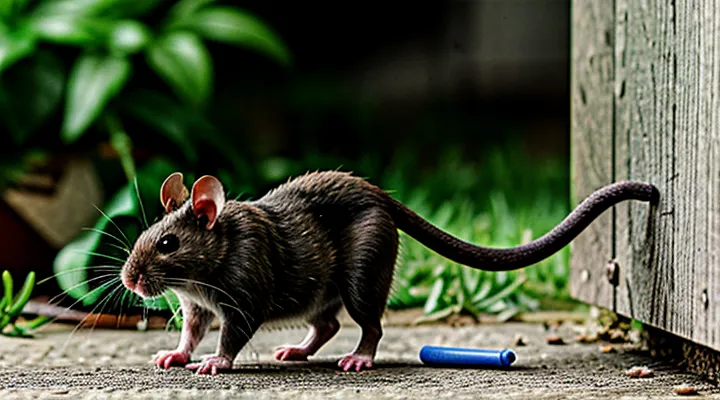
Understanding Rodenticides
Types of Rodenticides
Anticoagulants
Anticoagulant rodenticides interfere with vitamin K recycling, preventing clotting factor synthesis and causing internal hemorrhage. Mortality typically occurs 2–7 days after ingestion, allowing rodents to consume sufficient bait to ensure lethal dosing.
Common anticoagulants include:
- Warfarin (first‑generation)
- Difenacoum (second‑generation)
- Bromadiolone (second‑generation)
- Brodifacoum (second‑generation)
First‑generation compounds require multiple feedings; second‑generation agents achieve lethality after a single meal. Resistance has emerged against several first‑generation chemicals, prompting rotation to more potent second‑generation formulations.
Effective deployment follows these guidelines:
- Prepare bait at manufacturer‑specified concentration, usually 0.005–0.03 % active ingredient by weight.
- Position tamper‑resistant bait stations along walls, near active burrows, and in concealed corners where rodents travel.
- Limit stations to 1–2 per 100 sq ft to reduce non‑target exposure.
- Replace stations every 2–3 weeks, monitoring for dead rodents and bait consumption.
- Record dates of placement, removal, and observed mortality to assess efficacy and detect resistance patterns.
- Dispose of carcasses in sealed containers, following local hazardous‑waste regulations.
Safety measures require personal protective equipment during handling, avoidance of food‑preparation areas, and securing stations from children and pets. Proper rotation of active ingredients and adherence to placement protocols sustain control effectiveness while minimizing environmental impact.
Non-Anticoagulants
Non‑anticoagulant rodenticides provide an alternative to blood‑clotting agents for controlling rat and mouse populations. These products act through mechanisms such as metabolic disruption, neurotoxicity, or organ damage, delivering rapid mortality without the delayed effects associated with anticoagulants.
Typical categories include:
- Metal phosphides (e.g., zinc phosphide, aluminum phosphide). Release phosphine gas in the stomach, causing cellular respiration failure. Effective after a single dose; requires moisture for activation.
- Cholecalciferol (vitamin D₃) formulations. Induce hypercalcemia, leading to kidney and cardiovascular failure within 24–48 hours. Suitable for indoor and outdoor use where secondary poisoning risk is low.
- Bromethalin‑based baits. Disrupt mitochondrial oxidative phosphorylation, causing cerebral edema and death in 2–4 days. Low risk of resistance development.
- Strychnine and its analogues. Produce acute neurotoxic paralysis; restricted in many jurisdictions due to high toxicity to non‑target species.
Key operational considerations:
- Target specificity. Formulations should match the feeding behavior of the target species; grain‑based baits attract rodents, while meat‑based baits may draw carnivores.
- Dosage accuracy. Follow manufacturer‑provided lethal dose (LD₅₀) values; over‑application increases environmental hazards without improving efficacy.
- Placement strategy. Position baits in concealed, tamper‑resistant stations near active runways, nesting sites, and food sources to maximize uptake.
- Regulatory compliance. Verify local restrictions on specific compounds; many regions limit or prohibit strychnine and certain phosphides.
- Monitoring and disposal. Conduct post‑application surveillance to confirm mortality; collect and incinerate dead rodents to prevent secondary exposure.
When integrated with sanitation, exclusion, and habitat modification, non‑anticoagulant rodenticides achieve effective population reduction while mitigating the risk of prolonged anticoagulant residues in the environment.
How Rodenticides Work
Mechanism of Action
Rodent poisons act by disrupting essential physiological processes, leading to death after ingestion. The most widely employed agents fall into several mechanistic groups.
-
Anticoagulants (warfarin‑type compounds, bromadiolone, difenacoum) inhibit vitamin K epoxide reductase. This enzyme restores vitamin K to its active form, required for synthesis of clotting factors II, VII, IX, and X. Blockage prevents blood coagulation, causing internal hemorrhage that becomes fatal within 2–7 days.
-
Phosphides (zinc phosphide, aluminum phosphide) release phosphine gas after reacting with stomach acid. Phosphine interferes with cellular respiration by inhibiting cytochrome c oxidase in mitochondria, halting ATP production and inducing rapid systemic collapse. Mortality occurs within hours.
-
Neurotoxins (bromethalin, tetrodotoxin) impair nerve function. Bromethalin uncouples oxidative phosphorylation, leading to cerebral edema and paralysis; tetrodotoxin blocks voltage‑gated sodium channels, preventing nerve impulse transmission. Both result in respiratory failure.
-
Vitamin D3 analogues (cholecalciferol) raise serum calcium levels by increasing intestinal absorption and bone resorption. Hypercalcemia disrupts cardiac rhythm and renal function, producing death over several days.
-
Metabolic poisons (sodium fluoroacetate) convert to fluorocitrate, which inhibits aconitase in the citric acid cycle. Energy production stalls, causing multi‑organ failure.
Each class requires precise dosing to achieve lethal concentrations while minimizing secondary exposure. Understanding the biochemical target ensures effective application and informs selection of the most appropriate compound for a given infestation scenario.
Speed of Effect
Poison formulations differ markedly in how quickly they incapacitate rats and mice. Fast‑acting anticoagulants, such as bromadiolone, typically cause mortality within 48–72 hours after ingestion, while first‑generation compounds like warfarin may require 5–7 days to produce lethal effects. Acute neurotoxins, for example bromethalin, can lead to death in as little as 24 hours, though sublethal doses may extend the period of suffering.
Several variables modify the onset of lethality:
- Dose size – larger consumptions accelerate absorption and reduce the time to fatal outcome.
- Species tolerance – wild rats often exhibit higher resistance than laboratory strains, lengthening the effect window.
- Food availability – abundant alternative food sources dilute poison intake, slowing the process.
- Environmental temperature – higher temperatures increase metabolic rates, hastening toxin action.
- Formulation type – liquid baits are absorbed more rapidly than solid blocks or pellets.
Understanding these parameters enables precise planning of eradication campaigns. Selecting a toxin with a known rapid action aligns control efforts with schedules that minimize reinfestation risk, while slower‑acting agents may be preferable when monitoring of non‑target exposure is required.
Planning Your Rodent Control Strategy
Assessing the Infestation
Identifying Rodent Species
Accurate species identification is essential before applying any toxicant, because bait formulation, placement, and dosage vary among rodents.
The most common targets are:
-
House mouse (Mus musculus) – body length 6‑9 cm, tail equal or slightly longer than head‑body, light brown to gray fur, small ears, prefers indoor walls, cabinets, and stored food areas. Bait stations near pantry edges and baseboards are most effective.
-
Roof rat (Rattus rattus) – slender body 15‑20 cm, long tail exceeding body length, large ears, blackish‑brown coat, excellent climbers, frequent attic, roof, and upper floor spaces. Poison should be placed in elevated stations or along wall cavities.
-
Norway rat (Rattus norvegicus) – robust body 20‑25 cm, shorter tail, coarse brown fur, prominent incisors, ground‑dwelling, inhabits basements, sewers, and outdoor burrows. Bait stations on ground level, near walls, or in sewer access points are appropriate.
-
Deer mouse (Peromyscus maniculatus) – similar size to house mouse but with larger eyes, longer tail with a tuft, brown dorsal coat, often found in rural structures and stored grain. Use bait in grain storage areas and near entry points.
Key identification cues include body length, tail proportion, fur coloration, ear size, and typical habitat. Correctly matching these traits to the observed rodent ensures the selected poison delivers the intended lethal dose while minimizing exposure to non‑target species.
Locating Entry Points
Identifying every opening through which rats and mice can access a building is a prerequisite for any successful rodent poisoning program. Unsealed gaps allow pests to bypass bait stations, rendering toxic control measures ineffective.
Effective inspection includes the following actions:
- Examine the foundation for cracks, gaps around utility lines, and deteriorated sealant.
- Inspect exterior walls, paying special attention to siding seams, brick mortar joints, and vent openings.
- Check roof eaves, soffits, and attic vents for damage or missing flashing.
- Survey doors and windows for misaligned frames, worn weatherstripping, or broken screens.
- Probe crawl spaces and basements for holes around pipe penetrations and drainage systems.
After detection, seal each entry point with appropriate materials: steel wool and expanding foam for small openings, cement or metal flashing for larger cracks, and self‑adhesive mesh for gaps around vents. Use corrosion‑resistant hardware to ensure long‑term durability.
Finally, conduct a follow‑up inspection after sealing to confirm that no new openings have appeared. Place bait stations near previously identified routes and monitor consumption rates to verify that pests are encountering the poison as intended. Continuous observation and prompt repair of any reemerging gaps maintain the integrity of the control effort.
Estimating Rodent Population
Accurate assessment of the rodent population is essential before applying toxic control measures. Estimating numbers provides the dosage baseline, identifies infestation hotspots, and prevents unnecessary exposure of non‑target species.
Common techniques include:
- Live‑trap capture‑recapture: Place a known number of traps, record captures, release, and repeat. Apply the Lincoln‑Petersen formula to calculate population size.
- Track‑plate or ink‑pad surveys: Lay inked plates along walls and record footprints. Convert footprint frequency to density estimates using calibrated conversion tables.
- Burrow count: Count active entry holes within a defined area. Adjust for average burrow occupancy derived from field studies.
- Visual inspection: Conduct systematic sweeps of suspected zones, tally sightings, and extrapolate to the total area using a standardized sighting‑per‑square‑meter ratio.
Data collection must follow a consistent schedule, preferably during peak activity periods (dusk and night). Record environmental variables—temperature, humidity, food availability—as they influence detection rates and help refine population models.
After obtaining a reliable estimate, calculate the total lethal dose required by multiplying the average lethal dose per individual by the projected population, adding a safety margin to account for unobserved rodents. This approach ensures that the toxic intervention targets the entire infestation while minimizing excess poison use.
Choosing the Right Rodenticide
Considering Environmental Factors
When applying rodent toxicants, the surrounding environment determines both effectiveness and safety. Temperature, humidity, and seasonal variations influence bait acceptance and chemical stability. For instance, high heat can accelerate degradation of anticoagulant pellets, reducing lethality, while low temperatures may slow rodent metabolism, delaying action.
Key environmental elements to evaluate:
- Climate conditions – record ambient temperature and moisture levels; adjust bait formulation or storage accordingly.
- Habitat type – distinguish between indoor, semi‑protected, and open outdoor areas; each requires different placement strategies to prevent exposure to non‑target wildlife.
- Water sources – identify nearby streams, wells, or drainage systems; avoid placing poison where runoff could contaminate drinking water.
- Seasonal activity – align bait deployment with periods of peak rodent foraging to maximize consumption.
Implementing these considerations involves selecting bait that remains stable under local weather, positioning it in locations inaccessible to pets and beneficial species, and establishing a schedule that coincides with rodent breeding cycles. Continuous monitoring of environmental parameters ensures that the toxicant retains potency while minimizing ecological impact.
Assessing Risk to Non-Target Animals
Assessing the danger posed to wildlife, pets, and domestic livestock is essential when deploying toxic baits for rodent control. Effective risk evaluation begins with a clear inventory of species present in the treatment area, including protected birds, amphibians, and scavenging mammals that may encounter the poison directly or ingest contaminated carrion.
Key steps in the assessment process:
- Map habitat features that attract non‑target fauna, such as water sources, feeding stations, and nesting sites.
- Determine the likelihood of secondary poisoning by estimating predator and scavenger consumption of poisoned rodents.
- Quantify bait accessibility by measuring placement height, concealment, and bait type toxicity to non‑target organisms.
- Review local regulations and conservation status of vulnerable species to set acceptable exposure thresholds.
Mitigation measures reduce unintended harm. Use bait stations that restrict entry to target rodents, employ low‑density placement, and select anticoagulants with rapid metabolism in non‑target mammals. Incorporate bait formulations that are unattractive to birds and small mammals, and schedule applications when non‑target activity is minimal, such as during daylight hours for nocturnal predators.
Continuous monitoring validates the risk assessment. Record sightings of non‑target animals near bait sites, conduct necropsies on any casualties, and adjust application methods promptly. Documentation of all observations supports regulatory compliance and informs future pest‑management strategies.
Selecting Bait Formulations
Selecting bait formulations determines the success of rodent control programs that employ toxic agents. The choice of active ingredient, its concentration, and the carrier matrix directly affect mortality rates, non‑target exposure, and overall operational cost.
Key considerations include:
- Active ingredient – Choose a compound with proven efficacy against the target species and documented resistance profiles. Common options such as anticoagulants, neurotoxins, and metabolic disruptors differ in speed of action and secondary poisoning risk.
- Concentration – Align dosage with the smallest lethal dose (LD₅₀) for rats or mice while maintaining a safety margin for humans and pets. Over‑concentration can cause bait aversion; under‑concentration may lead to sub‑lethal exposure and resistance.
- Palatability – Incorporate attractants (grain, fruit, protein) that match local feeding habits. A bait that is unattractive will be ignored regardless of toxicity.
- Stability – Ensure the formulation remains effective under ambient temperature, humidity, and storage conditions typical of the deployment site.
- Regulatory compliance – Verify that the product meets local pesticide registration requirements and label instructions.
Implement the selection process as follows: conduct a preliminary field trial with a limited quantity of each candidate bait, monitor uptake and mortality over 48 hours, and record any signs of bait shyness or non‑target interference. Choose the formulation that achieves rapid, consistent knock‑down with minimal secondary hazards. Store the approved bait in sealed, labeled containers, and rotate stock to prevent potency loss.
Safety Precautions
Storing Rodenticides Safely
Safe storage of rodenticides is essential for effective pest control while preventing accidental exposure. Keep all bait products in a dedicated, lockable cabinet constructed of metal or heavy‑duty plastic. The lock must be inaccessible to children, pets, and non‑authorized personnel. Store the container in a dry, temperature‑controlled environment; extreme heat or moisture can degrade the active ingredients and reduce efficacy.
Maintain an up‑to‑date inventory log. Record product name, concentration, lot number, and expiration date. Conduct regular inspections to remove expired or compromised units. Label each container clearly with hazard warnings, concentration, and the date of receipt. Use secondary containment, such as sealed trays, to catch any spills.
When moving or disposing of rodenticides, follow these protocols:
- Transport in sealed, puncture‑resistant containers.
- Separate from food, feed, and cleaning supplies.
- Use personal protective equipment (gloves, goggles) during handling.
- Follow local regulations for hazardous waste disposal; never discard in regular trash or down drains.
Restrict access to storage areas through signage and training. Only personnel who have completed safety certification should handle the products. Conduct periodic refresher courses to reinforce proper procedures and emergency response actions.
By implementing locked, climate‑controlled storage, meticulous record‑keeping, and strict access controls, the risk of unintended poisoning is minimized while preserving the potency of the rodenticides for targeted eradication of rats and mice.
Personal Protective Equipment
When handling rodent toxicants, the operator must wear equipment that prevents skin contact, inhalation, and accidental ingestion. Protective barriers create a controlled environment, reduce exposure risk, and safeguard health during preparation, placement, and removal of bait stations.
- Disposable nitrile gloves, resistant to chemicals and punctures
- Full‑face respirator equipped with an organic vapor filter
- Protective eyewear or goggles with a sealed seal
- Long‑sleeved, chemical‑resistant coveralls or aprons
- Waterproof boots with steel toe caps, sealed at the ankle
Each item must be inspected before use, fitted correctly, and replaced immediately if compromised. After completing the task, remove PPE in the reverse order of dressing, place contaminated garments in sealed bags, and dispose of them according to hazardous waste regulations. Decontaminate reusable gear with an approved solvent, rinse thoroughly, and store in a clean, dry area until the next operation.
Preventing Accidental Exposure
Using toxic baits against rodents demands strict control of exposure risks. Every step—from purchase to disposal—requires measures that eliminate contact with non‑target individuals.
- Keep products in original, sealed containers; never transfer to unlabeled vessels.
- Store containers in locked, ventilated cabinets out of reach of children, pets, and unauthorized personnel.
- Label all storage areas with hazard warnings and handling instructions.
- Equip anyone handling the poison with gloves, eye protection, and disposable clothing.
- Wash hands and exposed skin thoroughly after each use; avoid eating, drinking, or smoking in the work area.
- Restrict application to inaccessible locations; use bait stations that prevent accidental removal.
- Record each deployment, including date, location, and quantity, in a secure log.
Maintain a clear separation between bait stations and food preparation zones. Regularly inspect stations for damage or tampering; repair or replace compromised units immediately. Dispose of unused or expired poison according to local hazardous‑waste regulations; never discard in household trash.
If exposure occurs, follow these steps without delay: remove contaminated clothing, rinse skin with water for at least 15 minutes, seek medical assistance, and provide the product label to responders. Keep an emergency contact list and antidote information readily available.
Adhering to these protocols minimizes accidental contact while ensuring effective rodent eradication.
Implementing the Poisoning Program
Bait Station Placement
Strategic Locations
Effective rodent control depends on placing toxic baits where rodents are most likely to encounter them. Identify points of activity, then position poison accordingly.
- Entryways: gaps under doors, ventilation openings, and utility shafts serve as primary access routes. Place bait stations just inside these openings to intercept newcomers.
- Travel corridors: walls, baseboards, and ceiling joists form continuous pathways. Distribute bait along these linear features at intervals of 10–15 feet to maintain constant exposure.
- Nesting zones: concealed spaces such as wall voids, attic insulation, and beneath stored items attract breeding colonies. Insert sealed bait packets into these hidden areas without disturbing the structure.
- Food sources: pantry shelves, garbage containers, and animal feed stations draw foraging rodents. Position bait adjacent to, but not within, the food supply to encourage ingestion without contaminating consumables.
- Water points: leaky pipes, condensation drips, and pet water bowls provide hydration. Place bait near moisture sources where rodents congregate for drinking.
When deploying poison, use tamper‑resistant stations to prevent non‑target exposure. Rotate bait locations periodically to avoid bait shyness and to target new activity patterns. Monitor stations daily, record consumption, and replenish as needed to sustain lethal pressure on the population.
Securing Bait Stations
Securing bait stations is essential for effective rodent control while protecting non‑target animals and humans. Choose models with lockable lids and reinforced construction. Install stations at least 12 inches off the ground and 6 inches away from walls to prevent rodents from climbing directly onto the device. Position them along established runways, near walls, behind appliances, or in concealed corners where activity has been observed.
Weather resistance prolongs bait integrity. Use stations rated for rain, snow, and UV exposure. Seal all seams and verify that the latch remains closed after each inspection. Avoid direct sunlight; excessive heat can degrade poison potency and increase the risk of accidental exposure.
Safety protocols require regular monitoring. Check each station weekly for damage, tampering, or depleted bait. Record observations in a logbook, noting date, location, and condition. Replace compromised units immediately and replenish bait only after confirming the station is fully secured.
Key steps for securing bait stations
- Select lockable, weather‑proof units.
- Mount at recommended height and distance from structures.
- Align with rodent pathways and conceal from sight.
- Verify latch engagement after every service visit.
- Conduct weekly inspections; document findings.
- Replace or repair any compromised station before refilling.
Consistent adherence to these practices minimizes accidental poison ingestion and maximizes the likelihood of eliminating rat and mouse populations.
Preventing Access by Children and Pets
When rodenticides are deployed, securing the area against accidental exposure by children and household animals is essential. Failure to isolate the bait can result in severe poisoning, legal liability, and public health concerns.
Secure placement of bait eliminates direct contact. Use tamper‑resistant containers that lock when not opened. Position stations at least 4 feet above floor level and out of reach of pets, ideally on wall mounts or elevated platforms. Install barriers—such as child‑proof gates or fencing—around the bait zone to restrict access.
Implement environmental controls to reduce attraction. Store all unused poison in locked cabinets, separate from food supplies and cleaning agents. Label containers with clear hazard warnings and keep safety data sheets readily available for emergency responders.
Maintain a monitoring routine. Inspect bait stations daily for signs of tampering, spillage, or non‑target consumption. Replace damaged or compromised units immediately. Record inspection dates, observations, and corrective actions in a logbook to demonstrate compliance with safety protocols.
Educate household members. Provide concise instructions that emphasize keeping the bait out of sight, notifying caregivers of its presence, and reporting any suspected exposure without delay. Conduct brief training for anyone responsible for placement or maintenance of the poison.
By integrating physical barriers, secure containers, regular monitoring, and clear communication, the risk of unintended ingestion by children and pets can be effectively minimized while maintaining the efficacy of rodent control measures.
Monitoring and Replenishment
Regular Inspections
Regular inspections are essential when employing toxic baits to eliminate rats and mice. They confirm bait effectiveness, detect secondary poisoning risks, and verify that rodents have not developed avoidance behaviors.
A systematic inspection routine should include:
- Visual verification of bait stations for damage, tampering, or displacement.
- Assessment of bait consumption levels; replace partially depleted stations promptly.
- Identification of new droppings, gnaw marks, or burrow entrances indicating ongoing activity.
- Recording of weather conditions that may affect bait stability, such as rain or extreme heat.
- Confirmation that non‑target species are not accessing the bait, adjusting placement or barriers as needed.
Inspection frequency depends on infestation severity and environmental factors. In high‑risk areas, conduct checks at least twice weekly; in moderate situations, a weekly schedule suffices. Document each visit with date, observations, and corrective actions to maintain a clear audit trail.
Prompt corrective measures—refilling depleted stations, relocating compromised baits, or increasing station density—prevent resurgence and reduce the likelihood of resistance development. Consistent monitoring therefore sustains the efficacy of poison‑based rodent control programs.
Refilling Bait Stations
Refilling bait stations is a critical component of an effective rodent control program. Proper maintenance ensures continuous exposure to the lethal agent, preventing population resurgence and reducing the risk of secondary infestations.
- Inspect each station before replenishment; verify that the container is intact, the latch functions, and no debris blocks access.
- Remove spent bait, dispose of it according to local hazardous‑waste regulations, and clean the interior with a mild detergent to eliminate residue.
- Prepare fresh bait in a calibrated mixing container; measure the exact amount required for the station’s capacity to avoid over‑ or under‑dosing.
- Load the bait evenly, avoiding clumps that could deter feeding; close the station securely to protect non‑target species and children.
- Record the refill date, bait type, and quantity in a logbook; schedule the next service based on the product’s expected depletion rate, typically every 7–14 days in high‑activity areas.
Consistent documentation and adherence to the outlined procedure maintain optimal bait potency, maximize mortality rates, and support long‑term rodent eradication objectives.
Documenting Activity
Effective rodent control with toxic baits requires systematic documentation of every action taken. Accurate records protect public health, ensure regulatory compliance, and enable precise evaluation of treatment outcomes.
Documentation should capture the following elements:
- Location details: exact address, building name, and specific areas treated (e.g., kitchen, storage, crawl spaces).
- Date and time: start of application, follow‑up inspections, and any re‑treatments.
- Product information: brand, active ingredient, concentration, and batch number.
- Dosage and placement: quantity placed, type of bait station, and placement coordinates within each area.
- Safety measures: personal protective equipment used, signage posted, and access restrictions implemented.
- Observations: signs of rodent activity before and after treatment, unexpected animal interactions, and environmental conditions affecting bait performance.
- Personnel: names of individuals performing application, supervision, and verification.
Maintain records in a durable, searchable format. Digital logs should include timestamps and backup copies; paper logs must be stored in a secure, moisture‑resistant container. Regular audits compare documented data against pest‑monitoring results to confirm efficacy and identify trends.
When a regulatory inspection occurs, the compiled file must present a clear chronological narrative of all interventions. Failure to produce complete documentation can lead to fines, liability claims, and loss of licensing. Consequently, meticulous record‑keeping is a non‑negotiable component of any chemical rodent eradication program.
Post-Extermination Procedures
Disposal of Carcasses
Proper handling of dead rodents after toxic baiting is essential for public health, environmental protection, and compliance with regulations. Failure to dispose of carcasses correctly can spread disease, attract scavengers, and create legal liability.
Regulatory agencies require that all rodent remains be rendered unusable for consumption and that disposal methods prevent contamination of soil and water. Documentation of each removal, including date, location, and quantity, must be retained for inspection.
Effective disposal techniques include:
- Burial: Dig a pit at least 3 feet deep, place carcasses in a sealed, double‑layered plastic bag, and cover with soil. Locate burial sites away from water sources and food production areas.
- Incineration: Use a licensed incinerator that reaches temperatures above 800 °C. Ensure complete combustion and retain ash for proper disposal according to hazardous waste guidelines.
- Secure container: Store carcasses in rigid, puncture‑resistant containers labeled “hazardous waste.” Transfer containers to an authorized disposal facility within 24 hours.
Safety measures during removal and transport are mandatory. Personnel must wear disposable gloves, protective eyewear, and respirators when handling poisoned rodents. Containers should be sealed before movement, and spills must be cleaned with an approved disinfectant.
By following these procedures, pest‑control operators eliminate secondary risks associated with lethal baiting and maintain compliance with health and environmental standards.
Cleaning Infested Areas
Before applying any rodent toxin, remove all food residues, nesting material, and debris that could shield the pest or dilute the poison’s effectiveness. Sweep floors, vacuum carpets, and wipe surfaces with a degreasing cleaner to eliminate crumbs and grease. Discard spoiled food and store remaining items in sealed containers.
Sanitize the area with a solution of one part bleach to ten parts water or an EPA‑approved disinfectant. Apply the solution to countertops, shelves, and any surfaces the rodents may have contacted. Allow the disinfectant to sit for the manufacturer‑specified dwell time before rinsing or wiping dry.
Inspect walls, ceilings, and hidden corners for droppings, urine stains, or gnaw marks. Use a disposable cloth or paper towel to collect droppings, then place the material in a sealed plastic bag. Dispose of the bag in an outdoor trash receptacle, away from the premises, to prevent disease transmission.
After cleaning, seal entry points that rodents could use to re‑enter. Apply steel wool, caulk, or expanding foam to gaps around pipes, vents, and foundation cracks. Ensure doors and windows have tight-fitting screens.
Finally, position the poison baits in the cleaned zones, following label instructions for placement distance from non‑target animals and human activity. Monitor bait stations regularly, replenish as needed, and record observations to assess control progress.
Preventing Future Infestations
Effective rodent control with toxic baits ends with a critical step: blocking re‑entry. Seal all potential entry points, including gaps around pipes, vents, and foundation cracks. Install steel‑wool or copper mesh in openings too small for hardware cloth. Maintain a clear perimeter by removing debris, firewood, and dense vegetation within at least 10 feet of the building.
Implement sanitation practices that deter attraction. Store grain, pet food, and waste in sealed containers. Clean spills promptly and keep garbage bins tightly covered. Regularly inspect and repair damaged screens, doors, and window frames.
- Conduct quarterly inspections of exterior walls, roof eaves, and crawl spaces.
- Apply rodent‑proof sealants to exposed concrete and masonry.
- Use motion‑activated lights or ultrasonic devices in high‑risk zones.
- Record all findings in a log to track trends and schedule maintenance.
Consistent application of these measures prevents new colonies from establishing, sustaining the results achieved through poison treatment.
Potential Risks and Mitigation
Risks to Non-Target Animals
Secondary Poisoning
Secondary poisoning occurs when non‑target animals ingest poison that has been consumed by rats or mice. The toxin is transferred through the prey’s tissues, blood, or gastrointestinal contents, exposing predators, scavengers, and pets to lethal or sub‑lethal doses.
Key characteristics:
- The secondary victim does not handle the bait directly.
- Toxicant concentration in the prey may be lower than the primary dose but can accumulate in the predator’s body.
- Certain rodenticides, especially anticoagulants, persist in liver tissue for weeks, increasing risk.
Detection methods include necropsy of suspected animals, laboratory analysis of liver or kidney samples, and observation of clinical signs such as hemorrhage or neurological impairment. Prompt identification allows targeted response and reduces further spread.
Mitigation strategies:
- Choose rodenticides with low secondary toxicity, such as first‑generation anticoagulants, when feasible.
- Deploy bait stations that prevent access by wildlife and domestic animals.
- Locate bait placements away from predator pathways, nesting sites, and water sources.
- Implement regular monitoring of non‑target species in the treatment area.
- Remove carcasses promptly to prevent scavenger consumption.
- Consider alternative control methods—mechanical traps, exclusion, habitat modification—where secondary risk is high.
Legal frameworks in many jurisdictions classify secondary poisoning as a violation of wildlife protection statutes. Compliance requires documentation of bait type, placement maps, and post‑application monitoring records. Failure to adhere can result in fines, loss of licensing, and ecological damage.
Effective rodent control balances lethal efficacy against rats and mice with safeguards that minimize unintended exposure. Integrating bait management, choice of low‑risk toxicants, and rigorous monitoring reduces secondary poisoning incidents while maintaining pest eradication objectives.
Antidotes and Treatments
Antidotes and treatments are essential when accidental ingestion of rodent toxicants occurs. Prompt identification of the poison type determines the appropriate medical response and limits mortality.
Anticoagulant rodenticides (warfarin‑type, bromadiolone, difenacoum) block vitamin K recycling, causing uncontrolled bleeding. The specific reversal agent is vitamin K1 administered orally or intravenously, typically 2.5–10 mg daily for several weeks, depending on the agent’s half‑life. Monitoring of prothrombin time guides dosage adjustments.
Bromethalin impairs mitochondrial oxidative phosphorylation, leading to cerebral edema. No direct antidote exists; treatment focuses on supportive care—maintaining airway, controlling intracranial pressure, and providing intravenous fluids. Early decontamination with activated charcoal within one hour of exposure reduces systemic absorption.
Cholecalciferol (vitamin D3) toxicity produces hypercalcemia and renal failure. Intravenous saline diuresis, bisphosphonates (e.g., pamidronate 1 mg/kg), and calcitonin mitigate calcium elevation. Serial measurement of serum calcium and renal function directs therapy duration.
Zinc phosphide releases phosphine gas upon contact with gastric acid, causing cellular respiration inhibition. Immediate gastric lavage with neutralizing agents (e.g., sodium bicarbonate) and administration of antioxidants such as N‑acetylcysteine support mitochondrial function. Mechanical ventilation may be required for respiratory compromise.
General emergency protocol:
- Remove contaminated clothing, wash skin with soap and water.
- Induce emesis only if ingestion occurred within 30 minutes and the patient is conscious.
- Administer activated charcoal (1 g/kg) if appropriate.
- Establish intravenous access for fluid resuscitation and drug delivery.
- Consult a veterinarian or toxicology specialist promptly.
Effective management relies on rapid toxin identification, appropriate antidote selection, and continuous monitoring of clinical parameters.
Environmental Concerns
Impact on Wildlife
Poison-based rodent control can cause unintended mortality among non‑target wildlife. Secondary poisoning occurs when predators, scavengers, or omnivores consume poisoned rodents, leading to lethal or sublethal effects. Birds of prey, such as hawks and owls, often ingest contaminated prey, resulting in reduced reproductive success and population declines. Carnivorous mammals, including foxes and feral cats, experience similar risks when feeding on poisoned victims.
Ecological consequences extend beyond direct toxicity. Removal of large numbers of rats and mice can disrupt food webs, decreasing prey availability for insectivorous species and altering competitive dynamics among small mammals. In ecosystems where rodents serve as seed dispersers, their decline may affect plant regeneration and biodiversity.
Key environmental concerns include:
- Bioaccumulation of anticoagulant compounds in higher trophic levels.
- Development of resistance in rodent populations, prompting increased toxin concentrations.
- Contamination of water sources through runoff or carcass decay.
- Habitat degradation when poisoned carcasses attract scavengers that overpopulate an area.
Mitigation strategies mitigate these impacts:
- Deploy bait stations designed to restrict access to target species.
- Use low‑toxicity anticoagulants with rapid degradation in the environment.
- Implement monitoring programs to detect non‑target exposure promptly.
- Combine chemical methods with habitat modification and exclusion techniques to reduce reliance on poison.
Effective management balances rodent suppression with preservation of wildlife health and ecosystem integrity.
Proper Disposal of Unused Bait
Unused rodent bait must be handled with strict control to prevent accidental exposure, environmental contamination, and legal violations.
Store remaining bait in its original, sealed container until disposal. Keep the container away from food, children, and pets.
When disposal is required, follow these steps:
- Verify local regulations; many jurisdictions mandate hazardous‑waste collection rather than household trash.
- Contact the municipal waste authority or a licensed pest‑control contractor for pickup instructions.
- If a hazardous‑waste facility is available, transport the sealed container in a sturdy box, labeling it with “poisonous rodent bait – do not open.”
- Do not crush, dissolve, or incinerate the bait, as these actions can release toxic residues into the air or water.
- Record the amount of bait disposed, the date, and the disposal method for compliance documentation.
Failure to adhere to proper disposal protocols can result in non‑target animal deaths, groundwater contamination, and fines. Maintaining accurate records and using approved waste channels ensures safe eradication efforts while protecting public health and the environment.
Human Health Hazards
Symptoms of Poisoning
When rodenticides are applied, affected rats and mice exhibit distinct clinical signs that indicate toxic exposure. Early manifestations include reduced activity, loss of appetite, and a noticeable decrease in grooming. Progression leads to disorientation, tremors, and uncoordinated movements; some individuals display convulsive episodes. Respiratory distress may appear as rapid, shallow breathing or audible wheezing. Gastrointestinal effects present as vomiting, watery diarrhea, or blood‑tinged feces. Hemorrhagic signs, such as nosebleeds and bruising under the skin, often accompany severe poisoning. Finally, mortality is preceded by coma or prolonged collapse. Recognizing these symptoms enables timely confirmation of successful rodent control and informs safe handling of remaining hazards.
Emergency Response
When toxic baits are deployed against rodent infestations, the possibility of accidental exposure or unintended consequences demands a clear emergency response plan. Immediate actions protect humans, pets, and non‑target wildlife while preserving the effectiveness of the control effort.
First responders should:
- Isolate the area where poison was applied; restrict entry until the hazard is assessed.
- Identify the type of poison, concentration, and delivery method; consult the product label for specific antidotes and decontamination procedures.
- Administer first‑aid measures promptly: for ingestion, induce vomiting only if instructed; for dermal contact, remove contaminated clothing and wash skin with soap and water; for inhalation, move the victim to fresh air and monitor respiratory function.
- Contact local poison control centers or medical professionals, providing details of the substance and exposure circumstances.
- Document the incident, including time, location, quantity of poison used, and individuals affected; retain records for regulatory reporting.
If a spill occurs, the containment protocol includes:
- Containing the leak with absorbent material approved for chemical spills.
- Collecting contaminated absorbent and disposing of it in accordance with hazardous waste regulations.
- Decontaminating surfaces with a neutralizing agent recommended for the specific toxin.
- Ventilating the area to eliminate residual vapors.
Training all personnel involved in bait placement on these procedures reduces response time and minimizes health risks. Regular drills reinforce the protocol, ensuring that emergency actions are executed without hesitation.