
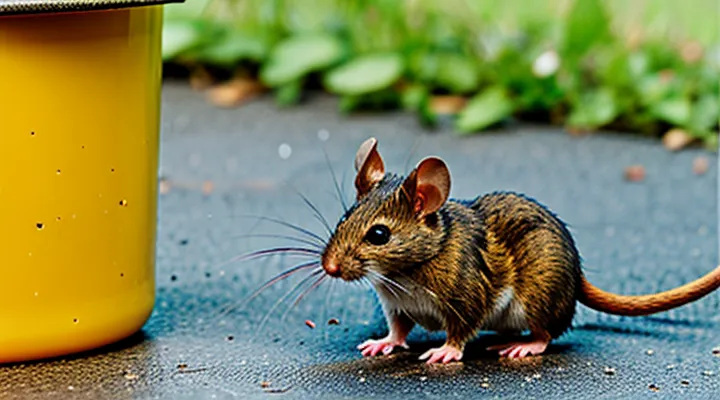
Understanding Sticky Traps
What Are Sticky Traps?
Sticky traps consist of a flat surface coated with a powerful, non‑drying adhesive. The adhesive remains tacky for weeks, allowing the trap to capture rodents that step onto it. Most traps are made from cardboard, plastic, or thin metal, each offering durability and resistance to moisture.
The adhesive is typically a synthetic resin formulated to be odorless and non‑irritating to humans while retaining sufficient strength to immobilize a mouse instantly. When a mouse walks across the surface, its paws and tail become stuck, preventing escape and causing rapid immobilization.
Sticky traps are available in several configurations:
- Single‑sided boards – a rectangular piece with adhesive on one side; ideal for placement along walls or in corners.
- Dual‑sided strips – thin ribbons that can be positioned on the floor or behind appliances, increasing coverage area.
- Pre‑baited versions – include a small amount of food attractant embedded in the adhesive, enhancing lure effectiveness.
Key characteristics to consider:
- Adhesive longevity – high‑quality traps retain stickiness for 30 days or more under normal indoor conditions.
- Size and shape – larger boards capture multiple rodents, while narrow strips fit tight spaces.
- Safety features – many models incorporate a protective sleeve that can be removed before use, reducing accidental contact.
Proper placement maximizes capture rates. Position traps perpendicular to the mouse’s typical travel routes, such as along baseboards, behind cabinets, or near entry points. Ensure the surface is clean and dry; dust or moisture can diminish adhesive performance.
Sticky traps provide a passive, chemical‑free method for rodent control, suitable for residential and commercial environments where quick immobilization and easy disposal are priorities.
How Sticky Traps Work
Sticky traps rely on a high‑traction surface coated with a permanent adhesive. The glue is formulated to remain tacky under a wide temperature range, preventing the material from hardening or losing grip when exposed to household conditions. When a mouse steps onto the surface, the adhesive bonds instantly to the pads of its feet, creating a mechanical lock that resists the animal’s attempts to pull free.
The trap’s effectiveness depends on three factors: bait placement, surface area, and positioning. Bait—typically a small amount of food or scent—attracts the rodent toward the most adhesive zone. A larger adhesive surface increases the probability of contact, while strategic placement along walls, behind appliances, or near known travel routes aligns the trap with the mouse’s natural movement patterns.
Once contact occurs, the adhesive fibers interlock with the fur and skin, distributing the force across multiple points. This distribution prevents the mouse from generating sufficient leverage to break free, resulting in immediate immobilization. The trap does not employ any chemical poison; the lethal outcome is caused solely by physical restraint and subsequent asphyxiation if the animal remains trapped.
To maintain consistent performance, replace traps when the adhesive surface becomes saturated with debris or when a capture has occurred. Store unused traps in a sealed container to protect the glue from dust and moisture, ensuring readiness for the next deployment.
Preparing for Trap Placement
Choosing the Right Location
When deploying a glue trap for rodent control, placement determines success. Select sites where mice travel regularly, such as along walls, behind appliances, and near food sources. Position the trap perpendicular to the wall, with the adhesive side facing the expected direction of movement; rodents instinctively run close to surfaces for safety.
Key considerations for optimal location include:
- Proximity to entry points: Place traps within a few feet of holes, cracks, or gaps that provide access to the interior.
- Evidence of activity: Look for droppings, gnaw marks, or nesting material; these indicate high‑traffic zones.
- Safety zones: Keep traps away from pet pathways, children's play areas, and food preparation surfaces to prevent accidental contact.
- Environmental conditions: Avoid damp or excessively hot areas that can degrade the adhesive; a dry, temperate spot preserves stickiness longer.
- Accessibility for monitoring: Choose spots that allow easy inspection and replacement without disturbing surrounding clutter.
After installation, monitor traps daily. Replace any compromised units promptly, and adjust placement if capture rates decline, indicating that mice have altered their routes. Proper site selection maximizes the trap’s effectiveness while minimizing unintended exposure.
Safety Considerations
Protecting Pets and Children
Adhesive mouse traps pose a direct hazard to non‑target animals and children because the glue surface can cause injury or immobilization on contact.
When deploying these traps, follow these safety measures:
- Position traps inside wall voids, behind appliances, or within sealed containers that prevent accidental reach.
- Install a protective barrier such as a rigid plastic cover with a narrow slot that allows mice entry but blocks larger paws or fingers.
- Elevate traps to a height inaccessible to pets and toddlers, ideally above 18 inches from the floor.
- Use a low‑visibility, non‑transparent housing to reduce curiosity and visual attraction.
Inspect the area daily. If a trap captures a mouse, remove it promptly using thick gloves and a disposable tool to avoid direct contact with the adhesive. Dispose of the entire trap in a sealed bag before discarding it in the trash.
Consider complementary methods—such as baited snap traps placed in locked bait stations or ultrasonic deterrents—to reduce reliance on sticky devices in households with vulnerable occupants.
Handling Traps Safely
When working with adhesive rodent traps, follow precise procedures to prevent personal injury and cross‑contamination.
- Wear disposable gloves before touching any part of the device.
- Inspect the trap for cracks or tears; replace any damaged unit.
- Keep the adhesive surface covered until the trap is positioned.
- Use tweezers or tongs to handle the trap, avoiding direct skin contact.
Placement demands careful attention to avoid accidental contact with non‑target areas.
- Position traps along walls, behind appliances, and near known mouse pathways.
- Secure the trap on a flat surface; use tape only if the backing permits.
- Ensure the trap is out of reach of children and pets.
Removal and disposal require containment to eliminate residual glue and trapped rodents.
- Approach the trap with gloves and a disposable bag.
- Seal the trap inside the bag without touching the adhesive side.
- Dispose of the bag according to local hazardous‑waste guidelines.
- Clean tools with alcohol or another suitable solvent before storage.
Maintain hygiene throughout the process.
- Wash hands thoroughly after glove removal.
- Disinfect the work area with a bleach solution or equivalent.
- Store unused traps in a sealed container away from heat and sunlight.
Setting Up and Deploying Sticky Traps
Baiting the Trap (Optional)
Types of Bait to Use
Selecting appropriate bait determines the effectiveness of an adhesive trap for rodents. The lure must attract mice quickly, remain stable on the sticky surface, and not degrade the adhesive.
- Peanut butter – strong aroma, adheres well, retains potency for days.
- Chocolate – high sugar content, appealing to both adult mice and juveniles.
- Sunflower seeds – natural grain scent, easy to position without smearing.
- Cereal pieces – convenient, inexpensive, provides a familiar food source.
- Soft cheese – potent odor, works well in cooler environments where other baits may harden.
Apply a small amount of chosen bait directly onto the trap’s center. Avoid excess that could spread and compromise stickiness. Replace bait if it becomes dry or contaminated. Proper baiting maximizes capture rates while preserving trap functionality.
Applying Bait Effectively
Effective bait application is essential for maximizing the success of a glue‑based mouse trap. Choose attractants that match the target’s diet preferences; common options include peanut butter, small pieces of cheese, or a mixture of oats and dried fruit. Ensure the bait is fresh, as stale substances quickly lose appeal and can deter activity.
When preparing the trap, apply a minimal amount of bait directly onto the adhesive surface. A pea‑sized dollop is sufficient; excess material can spread beyond the sticky area, reducing the trap’s effectiveness and creating mess. Position the bait at the center of the trap to encourage the mouse to step onto the adhesive before reaching the food.
Placement of the baited trap follows the same principles as trap positioning. Identify high‑traffic zones such as along walls, behind appliances, or near known droppings. Install the trap with the bait facing the expected travel path, keeping it stable and level to prevent the mouse from avoiding contact.
Key considerations for sustained performance:
- Rotate bait types every few days to maintain interest.
- Replace traps promptly if they become contaminated or lose stickiness.
- Store unused bait in airtight containers to preserve freshness.
- Avoid using strong scents or chemicals that could mask the bait’s odor.
By selecting appropriate attractants, applying them sparingly, and positioning traps strategically, the likelihood of capturing mice with a sticky trap increases significantly.
Correct Placement Strategies
Along Walls and Corners
Place adhesive devices directly against the baseboard or within a few centimeters of the wall surface. Mice travel close to solid structures, using the narrow gap between floor and wall as a protected corridor. Positioning traps in this zone maximizes contact probability.
Align each trap so its sticky surface faces outward, perpendicular to the wall. A 45‑degree angle directs an approaching rodent onto the adhesive while preserving the trap’s stability. Secure the trap at a height of 2–3 inches (5–8 cm) above the floor; this matches the typical gait of a mouse and prevents interference from debris.
Distribute traps at regular intervals—approximately 10 feet (3 m) apart—along continuous wall runs and in each corner where two walls meet. Corners concentrate movement because they provide a natural turning point. Use at least two traps per corner to cover both entry directions.
- Clean the placement area to remove dust, grease, or loose material that could reduce adhesion.
- Press the trap firmly against the wall for at least 10 seconds to ensure full contact.
- Inspect traps daily; replace any that have captured a mouse or have become saturated with dust.
- Rotate trap locations after a week if captures cease, indicating possible mouse avoidance.
Maintain a consistent pattern of placement along walls and in corners to create an uninterrupted barrier that forces rodents onto the adhesive surface, thereby increasing capture efficiency.
Near Signs of Mouse Activity
Identifying evidence of mouse presence is the first step in positioning an adhesive trap effectively. Visible clues indicate travel routes, nesting areas, and feeding spots, allowing precise placement that maximizes capture rates.
- Fresh droppings along baseboards, cabinets, or pantry shelves
- Gnawed wood, plastic, or wiring near walls and storage containers
- Small piles of shredded paper, fabric, or insulation material
- Grease or urine stains on surfaces frequented by rodents
- Scratching sounds or vibrations heard behind walls or in ceiling spaces
Each sign points to a specific activity zone. Droppings and urine suggest regular movement paths; gnaw marks reveal entry points; nesting material marks locations where mice rest. Position the sticky surface perpendicular to the identified route, ideally a few inches from the clue, to intercept the animal as it follows its established trail.
After deployment, inspect the trap daily. If no capture occurs, revisit the observed signs, adjust placement toward alternative pathways, and ensure the trap remains free of dust or food residues that could reduce adhesion. Continuous refinement based on fresh evidence maintains the trap’s effectiveness.
Post-Capture Procedures
Checking Traps Regularly
Regular inspection of adhesive rodent traps is essential for effective pest control. Each trap should be examined at intervals that match the activity level of the infestation. In high‑traffic areas, check every 4–6 hours; in low‑traffic zones, a 12‑hour schedule is sufficient. Prompt removal of captured mice prevents trap overload, reduces odor, and limits secondary infestations.
When inspecting a trap, follow these steps:
- Approach the trap calmly to avoid startling any captured animal.
- Verify adhesion surface for signs of detachment; replace if the sticky layer is compromised.
- Record the capture count and note the location for future placement adjustments.
- Dispose of trapped rodents using sealed containers and appropriate sanitation procedures.
- Reset the trap with a fresh adhesive pad before returning it to service.
Maintain a log that includes date, time, location, and number of captures. Analyzing this data reveals patterns, allowing strategic repositioning of traps to maximize coverage. Consistent monitoring also alerts users to potential trap failure, ensuring continuous control without interruption.
Humane Disposal Options
Euthanasia Considerations
When adhesive traps are deployed, the possibility of humane euthanasia must be addressed. A mouse caught on a glue surface experiences prolonged distress; immediate action reduces suffering. The preferred approach is to terminate the animal promptly after capture, using methods recognized by veterinary standards.
Key considerations for euthanasia include:
- Method selection – CO₂ inhalation, cervical dislocation, or approved chemical agents provide rapid loss of consciousness. Choose the technique that aligns with local regulations and ensures minimal pain.
- Timing – Perform euthanasia within minutes of capture. Delays increase stress and may compromise ethical compliance.
- Personnel training – Operators should be proficient in the chosen method and aware of safety protocols to avoid accidental exposure to the adhesive surface.
- Disposal – After euthanasia, place the carcass in a sealed container before discarding according to municipal wildlife waste guidelines. This prevents secondary contamination and protects other occupants.
- Documentation – Record each incident, noting trap location, species, euthanasia method, and disposal date. Accurate logs support accountability and facilitate review of pest‑control practices.
Implementing these steps ensures that the use of sticky traps conforms to humane standards while maintaining effective rodent management.
Releasing Mice (If Applicable)
When a sticky capture device holds a mouse alive, release may be an option only if local wildlife regulations permit it and the trap has not caused injury.
Release is appropriate under these conditions:
- The adhesive surface remains intact and does not tear the animal’s skin.
- The mouse shows signs of movement and respiration.
- A suitable release site is at least 100 meters from the infested area, offering shelter and access to food.
- Protective gloves and disinfectant are available to prevent disease transmission.
Procedure for humane release:
- Put on disposable gloves; wash hands before and after handling.
- Apply a small amount of vegetable oil or mineral oil to the edges of the adhesive to loosen the mouse without pulling.
- Gently coax the animal onto a clean container or cardboard slab.
- Transfer the mouse to the pre‑selected release point, placing it on the ground and allowing it to exit the container on its own.
- Dispose of the used trap in a sealed bag or recycle according to local guidelines.
- Clean any tools with a disinfectant solution and wash hands thoroughly.
After release, monitor the original location for additional activity. Replace the trap with a fresh unit if continued control is required, and seal entry points to reduce future incursions.
Cleaning Up After Capture
After a mouse is caught on a glue trap, immediate removal of the trap and proper sanitation prevent odor buildup and secondary infestations. Wear disposable gloves to avoid direct skin contact with adhesive and any bodily fluids. Gently lift the trap, placing it on a disposable surface such as a thick paper bag.
Cleaning procedure
- Seal the used trap in a plastic bag, expel air, and tie securely.
- Dispose of the sealed bag in an outdoor trash container that is collected weekly.
- Wash hands thoroughly with soap and water after removing gloves.
- Clean the area where the trap was set with an enzymatic cleaner or a solution of one part bleach to nine parts water; allow the surface to remain wet for at least five minutes before wiping dry.
- Inspect nearby flooring, cabinets, and walls for additional droppings; remove any found with the same disinfecting solution.
For reusable surfaces, such as countertops, rinse with hot water after the enzymatic cleaner to eliminate residual chemicals. Store any remaining traps in a sealed container away from food preparation zones to maintain safety.
Addressing Potential Issues
Traps Not Working
Relocation Strategies
When an adhesive trap successfully catches a mouse, the next step is to move the animal away from the occupied space. Direct relocation minimizes the risk of re‑infestation and reduces stress on neighboring occupants.
First, wear disposable gloves to prevent contamination and protect against disease. Carefully lift the trap, keeping the mouse immobilized against the adhesive surface. Place the trap in a sturdy, sealable container such as a rigid plastic box with a tight‑fitting lid.
Second, transport the container to a location far enough to discourage the mouse from returning. Suitable sites include:
- A wooded area at least 200 meters from the building, preferably with natural cover.
- An abandoned field or vacant lot where the mouse can find shelter without posing a threat to humans.
- A fenced property where the animal can be released without immediate access to structures.
Third, release the mouse by opening the container and allowing it to exit on its own. Avoid forcing the animal out, as this can cause injury and increase the likelihood of escape back into the building.
Finally, clean the trap and surrounding area with a disinfectant solution. Dispose of gloves and any waste in a sealed bag. Document the relocation date, time, and release site to track effectiveness and adjust future capture efforts.
Bait Adjustment
When a sticky trap fails to attract a mouse, the bait must be altered. Begin by observing the rodents’ recent food preferences; grain, fruit, or protein sources indicate what will lure them most effectively. Replace the current bait with a fresh sample that matches this preference, ensuring the material adheres securely to the trap surface without smearing.
- Use small, aromatic pieces (e.g., peanut butter, dried cheese, or nut kernels) that fit within the trap’s adhesive zone.
- Rotate bait types every 48–72 hours to prevent habituation.
- Avoid overly wet or greasy substances that can dilute the adhesive.
If the trap remains untouched after two rotations, consider environmental factors: temperature, humidity, and placement height can affect scent dispersion. Adjust the location slightly—move the trap closer to walls or known runways—and reapply a fresh bait segment. Continuous monitoring and systematic bait changes maintain the trap’s effectiveness and increase capture rates.
Dealing with Stuck Pests
Releasing Stuck Animals
When an adhesive trap immobilizes a mouse, immediate release requires careful handling to avoid injury to the animal and contamination of the work area. Begin by wearing disposable gloves; the glue can adhere to skin and transfer residues. Place a clean, flat surface—such as a cardboard sheet—under the trap to catch any escaping debris.
- Identify the animal’s position on the trap.
- Apply a small amount of a non‑toxic oil (vegetable or mineral) to the glue surrounding the mouse’s limbs.
- Gently press the oil‑soaked area with a gloved finger, allowing the adhesive to soften.
- Slowly lift each limb, moving outward from the body to prevent tearing.
- Once all points of attachment release, lift the mouse onto a pre‑prepared release container (a ventilated box with a soft towel).
After removal, place the mouse outdoors, at least 100 meters from the building, near natural cover. Observe the animal for a brief period to confirm unhindered movement before departing.
Clean the trap promptly if reuse is intended. Soak the trap in warm, soapy water, then rinse thoroughly. Allow it to dry completely before repositioning. If disposal is preferred, seal the used trap in a plastic bag and discard according to local hazardous‑waste regulations.
Finally, inspect the surrounding area for additional traps or signs of activity. Replace any damaged traps, and consider alternative control methods—such as snap traps or exclusion techniques—to reduce reliance on adhesive devices.
Cleaning Traps After Use
After a mouse is caught, the adhesive surface retains body fluids and debris that can cause odor, attract additional pests, and reduce the trap’s effectiveness. Prompt removal of residues preserves the trap’s stickiness and prevents contamination of surrounding areas.
Cleaning procedure:
- Wear disposable gloves to avoid direct contact with contaminants.
- Place the used trap on a disposable surface (e.g., a newspaper) to contain runoff.
- Apply a solvent compatible with the adhesive (e.g., mineral oil, vegetable oil, or a commercial adhesive remover).
- Use a soft brush or cloth to spread the solvent, loosening trapped material.
- Wipe the surface until no visible residue remains; repeat solvent application if necessary.
- Rinse the trap with warm water to eliminate solvent traces, then dry thoroughly with a lint‑free cloth.
- Store the cleaned trap in a sealed container away from dust and sunlight until the next deployment.
If the adhesive is compromised beyond repair, discard the trap in a sealed bag and replace it with a new unit.
Prevention and Long-Term Solutions
Sealing Entry Points
Before placing an adhesive trap, eliminate all routes through which rodents can reach the device. Identify gaps larger than a quarter‑inch in walls, floors, cabinets, and around utility penetrations. Seal each opening to prevent re‑entry and to concentrate mouse activity near the trap.
- Apply steel wool or copper mesh to cracks, then cover with expanding foam or caulk.
- Install weather‑stripping on doors and windows; verify the seal closes fully.
- Repair damaged foundation or siding with appropriate mortar or patching compound.
- Use metal flashing around vent openings and pipe sleeves; secure with screws and sealant.
A fully sealed environment forces the mouse to travel along established pathways, increasing the likelihood of contact with the sticky surface. Maintaining these barriers after each capture sustains trap effectiveness and reduces the need for additional bait or devices.
Food Storage Practices
Proper food storage reduces attractants that draw rodents to areas where adhesive traps are placed. Secure containers prevent crumbs and odors from reaching the floor, limiting mouse activity and increasing trap effectiveness.
Key practices for safeguarding food supplies:
- Store dry goods in airtight, hard‑sided containers made of plastic or metal.
- Keep pantry shelves clean; wipe down after each use.
- Rotate inventory; discard expired items promptly.
- Position storage units away from walls and trap zones to avoid easy access.
- Seal bags and packages with zip‑lock closures or heat‑seal methods.
Maintain a regular cleaning schedule. Sweep floors, vacuum corners, and empty trash daily. By eliminating food residues, mice are less likely to investigate the area, allowing adhesive devices to capture only those that are already present. This approach maximizes the success rate of sticky traps while minimizing unnecessary exposure to bait.
Maintaining a Clean Environment
A tidy area increases the likelihood that an adhesive trap will contact a mouse. Food crumbs, spilled grain and clutter provide alternate sources of nutrition, encouraging rodents to roam away from the trap. Eliminating these attractants concentrates mouse activity near the baited surface, allowing the sticky device to function as intended.
- Sweep floors daily to remove debris and residual feed.
- Wipe countertops, shelves and cabinets with a mild detergent after handling food.
- Store dry goods in sealed containers; discard opened packages that show signs of infestation.
- Dispose of garbage in tightly closed bins, emptying them regularly.
- Vacuum corners, behind appliances and under furniture where droppings may accumulate.
Regular sanitation also protects the adhesive surface from dust and moisture, which can diminish its effectiveness. After each capture, clean the surrounding area with a disinfectant to prevent disease transmission and to prepare the site for subsequent trap placement. Maintaining these practices ensures consistent performance of adhesive trapping methods and reduces the overall rodent population.