
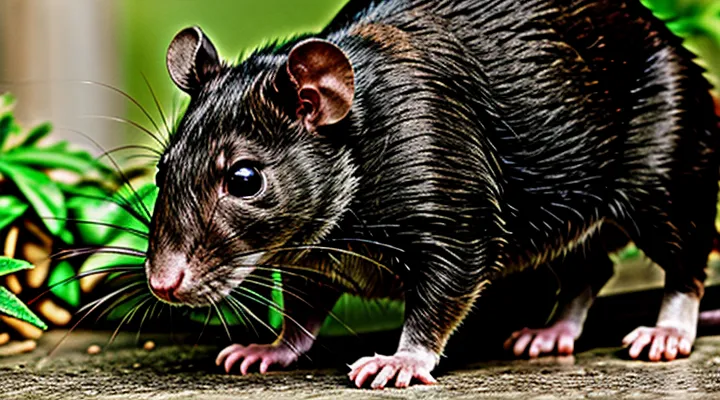
Understanding Rat Parasites
Common External Parasites in Rats
Mites
Mite infestations in laboratory and pet rats cause skin irritation, hair loss, and secondary infections. Early detection relies on visual inspection of the coat and skin for tiny, moving specks, crusts, or excessive scratching. Microscopic examination of skin scrapings confirms species identification.
Treatment options with documented efficacy include:
- Topical acaricides: Apply a veterinarian‑approved product containing selamectin or ivermectin directly to the affected areas. Follow label dosage; repeat after 7 days to break the life cycle.
- Systemic medication: Administer oral ivermectin at 0.2 mg/kg once, then a second dose after 10 days. Monitor for signs of toxicity, especially in young or compromised animals.
- Environmental control: Wash all cage components in hot water (≥ 60 °C) and disinfect with a 0.5 % bleach solution. Replace bedding with a clean, mite‑free substrate. Treat the room with a residual pyrethrin spray, focusing on cracks and crevices where mites hide.
- Isolation protocol: Separate infested rats for at least 14 days. Provide untreated rats with clean cages and fresh bedding to prevent cross‑contamination.
Preventive measures reduce recurrence:
- Conduct weekly coat checks and maintain a strict cleaning schedule.
- Limit exposure to wild rodents and avoid using untreated straw or hay.
- Rotate bedding and sanitize feeding equipment regularly.
When treatment fails, consult a veterinarian for possible resistance testing and alternative therapies such as milbemycin oxime or combination regimens. Continuous monitoring after intervention ensures complete eradication and protects colony health.
Lice
Lice infestations in laboratory and pet rats cause skin irritation, anemia, and can compromise experimental results. Prompt identification and targeted treatment are essential for maintaining animal welfare and research integrity.
Diagnosis relies on visual inspection of the coat and skin. Adult lice appear as tiny, flattened, wingless insects moving quickly across fur. Nymphs and eggs (nits) are attached to hair shafts near the base of the tail, ears, and ventral region. Microscopic examination of skin scrapings confirms species and infestation severity.
Effective treatment options include:
- Topical insecticides: Apply a single dose of a pyrethrin‑based spray or a fipronil solution directly to the dorsal surface, avoiding the eyes and mucous membranes. Follow label‑specified concentration and allow a 24‑hour drying period before handling.
- Systemic antiparasitics: Administer a single oral dose of ivermectin (0.2 mg/kg) or a milbemycin oxime formulation. Ensure proper dosing accuracy; repeat after seven days to target emerging nymphs.
- Environmental decontamination: Soak cages, bedding, and accessories in a 0.5 % potassium permanganate solution for 30 minutes, then rinse thoroughly. Replace all fabric materials with untreated, washable alternatives.
- Biological control: Introduce entomopathogenic nematodes (e.g., Steinernema feltiae) into bedding for mild infestations; monitor for efficacy over a 72‑hour period.
Prevention focuses on hygiene and quarantine. Implement weekly cage cleaning with a detergent‑free disinfectant, maintain low humidity (40‑50 % RH), and isolate new arrivals for a minimum of 14 days with a complete ectoparasite inspection before integration.
After treatment, conduct a follow‑up examination at 48 hours and again at two weeks. Record any residual lice, adverse reactions, or recurrence. Document all interventions in the animal care log to support ongoing health monitoring and compliance with veterinary protocols.
Fleas
Fleas are external parasites that attach to rat skin and feed on blood, causing irritation, anemia, and potential disease transmission. Their life cycle includes egg, larva, pupa, and adult stages; each stage requires specific environmental conditions to develop, making control efforts more effective when all stages are targeted.
Effective flea management for rats relies on a combination of chemical, environmental, and mechanical strategies.
- Topical insecticides: Apply products containing fipronil, imidacloprid, or selamectin directly to the rat’s dorsal surface. Follow label dosage precisely; repeat applications after 14 days to interrupt the life cycle.
- Oral systemic agents: Administer ivermectin or milbemycin oxime at veterinarian‑approved doses. Systemic treatment eliminates adult fleas feeding on the host and reduces egg production.
- Environmental sanitation: Remove bedding, droppings, and debris; wash all removable items in hot water (≥ 60 °C). Vacuum enclosures thoroughly, then discard vacuum bags or empty canisters outdoors.
- Insect growth regulators (IGRs): Disperse methoprene or pyriproxyfen in the rat’s habitat to prevent immature stages from maturing. Use concentrations recommended for small‑animal environments.
- Physical barriers: Install fine‑mesh screens over cage openings to limit flea ingress. Regularly inspect and trim fur to reduce hiding places.
Monitoring should include weekly visual checks for adult fleas and the presence of flea dirt (black specks of digested blood). A rapid drop in flea counts after treatment confirms efficacy; persistent infestations require reassessment of dosage, product rotation, or additional environmental measures.
Prevention hinges on maintaining clean housing, limiting exposure to infested wild rodents, and scheduling routine prophylactic treatments every 30 days during peak flea activity periods. Consistent application of the outlined methods sustains a flea‑free environment and safeguards rat health.
Common Internal Parasites in Rats
Roundworms
Roundworms (nematodes) represent a common internal parasite in laboratory and pet rats, often causing weight loss, reduced growth, and intestinal irritation. Infection typically follows ingestion of embryonated eggs or larvae present in contaminated bedding, food, or water. Diagnosis relies on fecal flotation or direct smear microscopy, which reveals characteristic oval eggs with thick shells. Confirmation may require repeated sampling due to intermittent egg shedding.
Effective control employs anthelmintic agents with proven efficacy against rodent nematodes. Recommended options include:
- Ivermectin, 0.2 mg/kg orally or subcutaneously, single dose; repeat after 7 days if fecal exams remain positive.
- Pyrantel pamoate, 5–10 mg/kg orally, administered daily for three consecutive days.
- Fenbendazole, 50 mg/kg orally, mixed into food for five days; monitor for reduced appetite during treatment.
Dosage calculations must consider the rat’s body weight; precise measurement prevents under‑dosing and resistance development. Treatment success is verified by two consecutive negative fecal examinations spaced 10–14 days apart.
Prevention focuses on environmental management. Regular removal of soiled bedding, disinfection of cages with a 1 % bleach solution, and provision of clean water reduce egg accumulation. Introducing a rodent‑specific sanitation program—weekly deep cleaning, rotation of nesting material, and avoidance of raw or contaminated feed—limits re‑infection cycles. Biological control, such as maintaining a low-density colony, diminishes parasite transmission rates.
Monitoring protocols involve monthly fecal screening for high‑risk populations, immediate treatment of positive individuals, and quarantine of newly introduced rats until cleared. Consistent application of these measures maintains a parasite‑free status and supports optimal health and productivity in rat colonies.
Tapeworms
Tapeworm infections are common in laboratory and pet rats, frequently involving Hymenolepis nana or Hymenolepis diminuta. Adult parasites attach to the intestinal mucosa, absorb nutrients, and shed segments that can contaminate the environment.
Diagnosis relies on fecal examination for characteristic eggs or proglottids. Microscopic identification confirms species, guiding therapeutic choice.
Effective therapeutic agents include:
- Praziquantel – single oral dose of 5 mg/kg; rapid action, high efficacy against both Hymenolepis species.
- Niclosamide – oral administration of 50 mg/kg divided into two doses 12 hours apart; effective for adult tapeworms, limited absorption reduces systemic exposure.
- Albendazole – 25 mg/kg orally once daily for three consecutive days; broad‑spectrum activity, useful when mixed parasitic infections are suspected.
Dosage calculations must consider the rat’s weight; accurate measurement prevents under‑ or overdosing. Administer medication with a small amount of palatable vehicle (e.g., fruit puree) to ensure complete ingestion.
Post‑treatment monitoring involves repeat fecal exams after 7 and 14 days to verify eradication. Persistent shedding indicates possible resistance or reinfection, requiring a second therapeutic cycle.
Preventive measures focus on hygiene and vector control:
- Daily removal of feces and thorough cage cleaning with a 1 % bleach solution.
- Storage of feed in sealed containers to exclude insects that can serve as intermediate hosts.
- Quarantine of new arrivals for at least two weeks, with fecal screening before integration.
Implementing these protocols reduces tapeworm prevalence, improves rat health, and minimizes zoonotic risk.
Pinworms
Pinworms (Syphacia muris) are common intestinal nematodes that infect laboratory and pet rats, causing weight loss, gastrointestinal irritation, and reduced reproductive performance. Prompt identification and targeted therapy are essential for maintaining colony health and preventing spread to other rodents.
Diagnosis relies on fecal examination. Fresh samples are examined under a microscope for characteristic oval eggs measuring 50–70 µm. The flotation method using a saturated zinc sulfate solution enhances egg recovery. Repeated sampling over three consecutive days increases detection reliability, especially in low‑intensity infections.
Effective treatment options include:
- Pyrantel pamoate – 5 mg/kg body weight, administered orally once; repeat after 14 days to eliminate newly hatched larvae.
- Levamisole – 2 mg/kg, given orally for three consecutive days; monitor for transient gastrointestinal side effects.
- Mebendazole – 25 mg/kg, mixed in food for five days; ensure uniform consumption by providing the medicated feed in a single offering.
Dosage calculations must consider the individual rat’s weight; under‑dosing allows surviving parasites to repopulate. All treatments are approved for rodents and have a safety margin when used as directed.
Prevention focuses on sanitation and biosecurity. Remove feces daily, replace bedding with low‑dust material, and disinfect cages with a 1 % sodium hypochlorite solution weekly. Quarantine newly acquired rats for at least three weeks, conducting fecal checks before integration. Implementing these measures reduces reinfection risk and supports long‑term parasite control in rat colonies.
Recognizing Parasite Infestations
Behavioral Changes
Effective parasite control strategies for rats often produce distinct behavioral modifications that signal treatment success or indicate adverse reactions. After administration of approved anthelmintics, rats commonly display heightened locomotion, increased exploration of the enclosure, and a rapid return to normal foraging patterns. These signs reflect the elimination of parasitic burdens that previously suppressed energy levels.
Conversely, certain therapeutic agents may provoke short‑term irritability, brief periods of reduced food intake, or temporary disorientation. Such reactions typically resolve within 24–48 hours as the compound clears the system. Monitoring these responses allows caretakers to differentiate between expected post‑treatment adjustment and complications requiring veterinary intervention.
Observed behavioral changes include:
- Restoration of grooming behavior to baseline frequency
- Normalization of social interaction with conspecifics
- Reestablished nocturnal activity cycles
- Consistent weight gain after an initial stabilization period
Persistent lethargy, chronic loss of appetite, or prolonged aggression beyond the immediate post‑treatment window suggest incomplete parasite eradication or drug toxicity. Prompt evaluation and, if necessary, adjustment of the treatment regimen are essential to maintain rat health and welfare.
Physical Symptoms
Rats infested with internal or external parasites display a range of observable signs. Common indicators include:
- Progressive weight loss despite adequate food intake.
- Dull, brittle fur that sheds excessively or develops patches of alopecia.
- Lethargy, reduced activity, and reluctance to explore familiar environments.
- Diarrhea or soft stools, sometimes containing blood or mucus.
- Abdominal distension caused by bloating or accumulation of parasites.
- Frequent scratching, head‑butting, or grooming of specific body areas, suggesting ectoparasite irritation.
- Visible skin lesions, crusts, or scabs, often surrounding the ears, tail base, or ventral region.
- Respiratory distress, such as rapid breathing or audible wheezing, linked to lung‑migrating parasites.
- Pale or yellowish mucous membranes indicating anemia or hepatic involvement.
These physical manifestations provide the primary basis for diagnosing parasitic infection and guide the selection of appropriate therapeutic protocols. Prompt identification of symptoms reduces the risk of severe health decline and improves the efficacy of subsequent treatment measures.
Diagnostic Methods
Accurate identification of parasitic infections in laboratory or pet rodents is essential for successful eradication. Veterinarians and researchers rely on a set of validated diagnostic techniques that provide rapid, reliable results.
- Fecal flotation – concentrates eggs and oocysts using saturated solutions; suitable for gastrointestinal nematodes and coccidia.
- Direct smear microscopy – examines fresh fecal smears for motile larvae; useful for early detection of strongyloidiasis.
- Polymerase chain reaction (PCR) – amplifies parasite DNA from feces, tissue, or blood; delivers species‑level identification, especially for cryptic or low‑intensity infections.
- Enzyme‑linked immunosorbent assay (ELISA) – detects circulating antigens or antibodies; effective for systemic parasites such as Trichinella spp.
- Necropsy with organ inspection – permits visual confirmation of adult worms in the gastrointestinal tract, lungs, or peritoneal cavity; employed when non‑invasive methods are inconclusive.
- Skin scraping and tape test – collect ectoparasite specimens for microscopic evaluation; target mites, lice, and fleas.
Selection of a method depends on the suspected parasite, infection stage, and available laboratory resources. Combining coprological tests with molecular assays increases diagnostic confidence and guides targeted therapeutic interventions.
Treatment Strategies for Rat Parasites
General Principles of Parasite Treatment
Veterinary Consultation
Veterinary consultation serves as the first decisive step in managing parasitic infestations in rats. A qualified veterinarian conducts a thorough physical examination, identifies the specific parasite species, and determines the severity of infection. Diagnostic techniques may include fecal flotation, microscopic analysis, and, when necessary, blood tests. Accurate identification directs the selection of effective antiparasitic agents and minimizes the risk of resistance.
During the appointment, the veterinarian will:
- Review the rat’s medical history, housing conditions, and diet.
- Perform a systematic inspection of fur, skin, ears, and perianal area.
- Collect appropriate samples for laboratory confirmation.
- Recommend a targeted treatment regimen, specifying drug class, dosage, route of administration, and treatment duration.
- Outline a decontamination plan for the cage, bedding, and feeding equipment.
- Provide guidance on preventive measures, such as regular health checks and environmental sanitation.
The prescribed medication may include oral ivermectin, topical selamectin, or injectable milbemycin, each selected based on parasite type and rat size. The veterinarian will explain potential side effects, contraindications, and the importance of adhering to the dosing schedule. Follow‑up appointments verify treatment efficacy, typically through repeat fecal examinations, and allow adjustments if parasites persist.
Effective parasite control relies on the integration of professional assessment, precise drug selection, and strict hygiene protocols. Engaging a veterinarian ensures that each component aligns with current veterinary standards and safeguards the health of the rat and its environment.
Isolation and Quarantine
Isolation of infested rats prevents the spread of parasites to healthy individuals and limits environmental contamination. Place each affected animal in a separate cage equipped with a sealed lid, a solid-bottom floor, and a clean bedding substrate. Ensure the cage is located in a low‑traffic area away from the main colony.
Key actions for effective quarantine:
- Duration: Maintain isolation for at least 14 days after the final antiparasitic treatment, confirming the absence of eggs or larvae in fecal examinations.
- Sanitation: Disinfect cage surfaces, feeding dishes, and water bottles daily with a 1 % bleach solution or a veterinary‑approved disinfectant. Replace bedding every 48 hours.
- Monitoring: Conduct visual checks twice daily for signs of ongoing infestation, such as scratching, fur loss, or visible parasites. Record body weight and behavior to detect secondary health issues.
- Treatment administration: Deliver oral or injectable antiparasitic agents according to the product label, ensuring accurate dosage based on the rat’s weight. Rotate drug classes if resistance is suspected.
- Record‑keeping: Log each animal’s identification, treatment dates, diagnostic results, and quarantine start and end dates. Retain records for at least six months for traceability.
After the quarantine period, perform a final fecal flotation test. If results are negative, transition the rat back to the main housing, maintaining strict biosecurity protocols during the move. If parasites persist, extend isolation and repeat treatment before reintegration.
Environmental Sanitation
Effective parasite control in rodent populations begins with rigorous environmental sanitation. Removing sources of contamination limits exposure to external parasites and reduces the likelihood of reinfestation after treatment.
Key sanitation measures include:
- Regular removal of food debris, spilled grain, and waste that attract rodents.
- Sealing cracks, gaps, and entry points in walls, floors, and foundations to prevent ingress.
- Maintaining dry conditions by repairing leaks, improving drainage, and using dehumidifiers where moisture accumulates.
- Disposing of bedding, nesting material, and contaminated litter in sealed containers before removal.
- Implementing a scheduled cleaning regimen for storage areas, using high‑temperature steam or approved disinfectants on surfaces frequented by rats.
Implementing these practices creates an inhospitable environment for ectoparasites such as fleas, mites, and lice. Consistent sanitation, combined with targeted chemical or biological treatments, forms a comprehensive strategy that sustains parasite‑free rodent colonies and protects surrounding human and animal populations.
Treating External Parasites
Topical Treatments
Topical antiparasitic products provide rapid relief for infested rats and are essential for integrated pest management. Gel or spray formulations containing pyrethrins, permethrin, fipronil, or selamectin penetrate the skin and spread through the coat, targeting external parasites such as mites, lice, and fleas. Application follows a simple protocol:
- Clean the animal’s fur with a mild, water‑based cleanser; remove excess debris.
- Measure the dose according to the rat’s weight; most products list milligrams per kilogram.
- Apply the recommended amount directly to the dorsal region, avoiding the eyes, ears, and genital area.
- Massage the skin gently to ensure even distribution; allow the solution to dry before handling the rat again.
Efficacy peaks within 24 hours; most products maintain protective levels for 2–4 weeks, reducing the need for frequent re‑treatment. Safety considerations include:
- Verify the product label permits use on rodents; some formulations are labeled for cats or dogs only.
- Observe the rat for signs of irritation, excessive grooming, or lethargy after treatment; discontinue use if adverse reactions appear.
- Store products in a cool, dark place to preserve potency.
Combining topical agents with environmental sanitation—regular cage cleaning, bedding replacement, and removal of stray rodents—optimizes parasite control and prevents reinfestation.
Oral Medications
Oral antiparasitic agents provide a practical route for eliminating internal parasites in laboratory and pet rats. Products approved for rodent use include benzimidazoles (fenbendazole, albendazole), macrocyclic lactones (ivermectin, moxidectin), and pyrantel pamoate. Each class targets a specific group of parasites and has a distinct dosing regimen.
- Benzimidazoles – effective against nematodes such as pinworms and hookworms. Typical dose: 50 mg/kg body weight, administered once daily for three consecutive days. Food‑wetted tablets or liquid suspension ensure complete ingestion.
- Macrocyclic lactones – cover ectoparasites and some internal nematodes. Recommended dose: 0.2 mg/kg for ivermectin, given as a single oral dose; repeat after 14 days if reinfestation risk persists.
- Pyrantel pamoate – primarily for roundworms. Standard dose: 5 mg/kg, provided in a flavored suspension to improve palatability; repeat after 7 days to interrupt the life cycle.
Accurate dosing requires weighing the animal before treatment. Administer medication directly into the mouth with a syringe or mix the calculated amount into a small portion of soft food, ensuring the rat consumes the entire dose. Observe the rat for 30 minutes after administration to confirm ingestion; if any portion is left, repeat the dose.
Safety considerations include monitoring for gastrointestinal upset, reduced feed intake, or lethargy within 24 hours. Record any adverse reactions and adjust dosage according to the rat’s weight change. Repeated courses should be spaced according to the drug’s withdrawal interval to prevent resistance development.
Efficacy assessment involves fecal flotation or PCR testing 7–10 days post‑treatment. A negative result confirms parasite clearance; a positive result warrants a second round using the same or an alternative oral agent, depending on the identified species.
Proper storage—cool, dry environment away from direct sunlight—preserves drug potency. Use only veterinary‑grade products labeled for rodent use; off‑label human medications risk dosage errors and toxicity.
Injectable Medications
Injectable antiparasitic agents provide rapid, systemic exposure that many oral products cannot achieve in rodents. The method delivers the drug directly into the bloodstream, ensuring that parasites residing in tissues, blood, or the gastrointestinal tract receive therapeutic concentrations quickly.
- Ivermectin (0.2 mg/kg, subcutaneous) – effective against nematodes such as Syphacia spp. and Hymenolepis spp.; repeat dose after 14 days for reinfestations.
- Moxidectin (0.5 mg/kg, intramuscular) – broad-spectrum activity against nematodes and ectoparasites; single dose often sufficient, but monitor for residual infection.
- Praziquantel (25 mg/kg, intraperitoneal) – targets cestodes, especially Hymenolepis spp.; administer once, with a possible second dose after 7 days if egg counts remain high.
- Levamisole (0.1 mg/kg, subcutaneous) – selective for nematodes; use with caution in pregnant females due to embryotoxic risk.
Accurate dosing is critical; weigh each rat before calculation and use a calibrated syringe. Sterile technique prevents iatrogenic infections; disinfect the injection site and select the appropriate needle length to avoid tissue damage. Observe rats for at least 30 minutes post‑injection for signs of hypersensitivity, such as tremors or respiratory distress. Contraindications include severe liver impairment for ivermectin and moxidectin, and known hypersensitivity to any component of the formulation.
When parasites persist after a single injection, schedule a follow‑up dose according to the drug’s life‑cycle coverage, typically 7–14 days. Combine injections with environmental sanitation—remove droppings, replace bedding, and control intermediate hosts—to reduce reinfestation pressure. Record each treatment in a log to track efficacy and adjust protocols as needed.
Treating Internal Parasites
Oral Dewormers
Oral dewormers constitute the primary pharmacological option for eliminating internal parasites in laboratory and pet rats. They are administered through the digestive tract, allowing rapid absorption and systemic distribution.
Common active ingredients include:
- Pyrantel pamoate – effective against nematodes such as Syphacia spp. and Aspiculuris spp.
- Fenbendazole – broad spectrum, covering roundworms, whipworms, and some tapeworms.
- Levamisole – potent against strongylid nematodes.
- Ivermectin – targets ectoparasites and certain internal nematodes, notably Heterakis spp.
- Milbemycin oxime – covers a wide range of gastrointestinal nematodes and some arthropods.
Dosage calculations rely on body weight (mg / kg). Manufacturers provide specific recommendations; for example, pyrantel pamoate is typically given at 10 mg / kg once daily for three consecutive days. Accurate measurement requires a calibrated oral syringe or a precision droplet dispenser. Over‑dosing may cause neurotoxicity; under‑dosing promotes resistance.
Administration methods:
- Mixing the measured dose with a small amount of palatable food (e.g., fruit puree) ensures voluntary ingestion.
- Direct oral gavage using a soft feeding tube guarantees full delivery when food mixing is impractical.
- Commercially prepared paste formulations can be applied to the tongue with a pipette.
Efficacy varies by compound:
- Pyrantel pamoate eliminates most nematodes but does not affect tapeworms.
- Fenbendazole provides the most comprehensive coverage, including Hymenolepis spp.
- Ivermectin and milbemycin oxime offer additional activity against lungworms and mites, extending protection beyond the gastrointestinal tract.
Safety profile:
- Most oral dewormers exhibit low acute toxicity in rats when used at labeled doses.
- Levamisole may cause transient gastrointestinal upset; ivermectin requires caution in breeds with known sensitivity.
- Pregnant or lactating females should receive only agents with established safety data, such as fenbendazole.
Resistance management:
- Rotate between drug classes every treatment cycle to reduce selective pressure.
- Perform fecal flotation before and after therapy to confirm parasite clearance and detect emerging resistance.
Treatment verification:
- Repeat fecal examinations 7–14 days post‑therapy.
- Absence of eggs confirms successful deworming; persistent egg shedding mandates a second course with an alternative agent.
Injected Medications
Injectable antiparasitic agents provide rapid systemic distribution, essential for eliminating internal and external parasites in laboratory and pet rats. Selection depends on target species, parasite lifecycle, and safety profile.
Common injectable products include:
- Ivermectin (0.2 mg/kg SC). Effective against nematodes, mites, and some protozoa. Repeat dosing at 14‑day intervals for heavy infestations.
- Milbemycin oxime (0.5 mg/kg IM). Broad‑spectrum nematocidal activity, superior efficacy against lungworms. Single dose often sufficient; monitor for neurotoxicity in young or compromised animals.
- Selamectin (0.2 mg/kg SC). Controls fleas, ear mites, and certain nematodes. Administration every 30 days maintains prophylaxis.
- Albendazole (10 mg/kg SC). Targets gastrointestinal nematodes and some cestodes. Requires liver function assessment before use; contraindicated in pregnant females.
Dosage calculation must use the animal’s exact body weight. Administer injections in the scruff of the neck or the lateral thigh, avoiding intravascular puncture. Use sterile syringes and needles, change equipment between individuals, and observe aseptic technique to prevent secondary infections.
Safety considerations:
- Observe rats for 30 minutes post‑injection for signs of hypersensitivity (e.g., tremors, respiratory distress).
- Record any adverse reactions; adjust dosage or switch agents if toxicity emerges.
- Store products according to manufacturer instructions—typically refrigerated, protected from light, and within expiry dates.
Efficacy verification involves fecal flotation or PCR testing 7‑10 days after treatment. Persistent positive results warrant a second injection or alternative drug class.
Integrating injectable therapy with environmental sanitation (regular cage cleaning, removal of droppings) maximizes parasite eradication and reduces reinfestation risk.
Dietary Management
A balanced diet reduces parasite loads by strengthening the rat’s immune response and creating an intestinal environment hostile to parasites. Nutrient deficiencies impair mucosal defenses, allowing infestations to persist despite pharmacological treatment.
- High‑fiber ingredients (e.g., beet pulp, oat bran) increase gut motility and accelerate expulsion of eggs and larvae.
- Probiotic‑rich foods (plain yogurt, fermented vegetables) populate the microbiota with beneficial bacteria that compete with parasites for resources.
- Moderate amounts of raw garlic or garlic powder exhibit antiparasitic properties by disrupting parasite metabolism.
- Vitamin A, zinc, and selenium supplements support epithelial integrity and immune cell function.
Consistent feeding schedules prevent stress‑induced immunosuppression. Provide fresh water daily; chlorinated or heavily fluoridated water can damage gut flora. Eliminate uncooked meat and raw fish, which serve as intermediate hosts for many helminths. Replace high‑fat treats with low‑calorie, nutrient‑dense options to avoid obesity‑related immune deficits.
When dietary adjustments accompany deworming agents, treatment efficacy improves, recurrence rates decline, and overall health stabilizes. Implementing these nutritional strategies forms a critical component of an evidence‑based parasite‑control program for rats.
Post-Treatment Care
Monitoring for Reinfestation
Effective parasite control in rats requires a systematic post‑treatment surveillance program. Continuous observation detects reinfestation early, preventing population resurgence and reducing the need for repeated chemical interventions.
- Conduct fecal examinations weekly for the first month, then bi‑weekly for the next two months. Identify ova or larvae using standard flotation or sedimentation techniques.
- Inspect housing and nesting areas daily for signs of activity: droppings, urine stains, gnaw marks, and fresh bedding disturbance.
- Review trap catches every 24 hours. Record species, number, and health status. A sudden increase signals possible reinfestation.
- Sample environmental surfaces (e.g., feed bins, water bottles) monthly with swabs. Test for parasite DNA or antigens when laboratory resources allow.
- Maintain a log that includes treatment dates, drugs used, dosage, and monitoring results. Correlate spikes in parasite indicators with gaps in sanitation or biosecurity breaches.
Adjust the monitoring frequency if any indicator rises above baseline levels. Immediate retreatment, combined with enhanced sanitation, restores control. Consistent documentation supports evaluation of protocol efficacy and informs future preventive strategies.
Nutritional Support
Nutritional support strengthens the rat’s immune system, improves gut health, and creates an environment unfavorable to parasites. Balanced diets supply essential macro‑ and micronutrients that aid recovery and reduce reinfestation risk.
Key dietary components include:
- High‑quality protein (e.g., boiled chicken, scrambled eggs) to rebuild tissue and support antibody production.
- Complex carbohydrates (e.g., brown rice, oats) for sustained energy without encouraging parasite proliferation.
- Fiber‑rich vegetables (e.g., carrots, leafy greens) to promote regular intestinal motility and fecal expulsion of parasites.
- Omega‑3 fatty acids (e.g., fish oil, flaxseed) to modulate inflammation and enhance cellular immunity.
- Vitamins A, D, E, and C in appropriate doses to facilitate mucosal integrity and oxidative defense.
- Minerals such as zinc, selenium, and iron to support enzymatic functions and hemoglobin synthesis.
Supplementation should follow veterinary dosage guidelines; excessive vitamins or minerals can cause toxicity. Water must remain clean and chlorinated to prevent secondary infections. Regularly monitor body condition, weight, and stool consistency to adjust the diet promptly.
Incorporating these nutritional strategies alongside antiparasitic treatments accelerates recovery, lowers relapse probability, and promotes overall health in laboratory or pet rats.
Stress Reduction
Reducing stress in laboratory or pet rats enhances the efficacy of parasite eradication protocols. Elevated cortisol levels impair immune function, allowing parasites to survive longer despite medication.
Stress compromises the gastrointestinal barrier, increases shedding of parasite eggs, and interferes with drug absorption. Consequently, untreated stress can lead to treatment failure, repeated dosing, and resistance development.
Effective stress‑reduction measures include:
- Providing nesting material and shelter to allow natural burrowing behavior.
- Maintaining a stable ambient temperature (20‑24 °C) and humidity (45‑55 %).
- Limiting handling to brief, calm sessions; use gentle restraint techniques.
- Ensuring a consistent light‑dark cycle (12 h / 12 h) to regulate circadian rhythms.
- Offering dietary enrichment such as fresh vegetables and chewable objects to stimulate foraging.
- Reducing noise and vibration by locating cages away from high‑traffic areas and equipment.
Integrate these practices with antiparasitic regimens by initiating stress‑mitigation at least 48 hours before drug administration and continuing throughout the treatment course. Monitor behavioral indicators—reduced grooming, abnormal vocalization, or excessive aggression—to adjust environmental variables promptly. Consistent application of these strategies yields higher cure rates and minimizes the need for repeat interventions.
Prevention of Rat Parasites
Maintaining a Clean Environment
Regular Cage Cleaning
Regular cage cleaning directly reduces the risk of parasitic infestations in laboratory and pet rats. Contaminated bedding, droppings, and urine provide a habitat for mites, lice, and intestinal worms. Removing these sources interrupts the life cycle of parasites and limits re‑infection after treatment.
Key practices for effective cage hygiene:
- Frequency: Perform a complete cleaning at least once weekly; increase to twice weekly for colonies with known parasite problems.
- Removal: Discard all bedding, nesting material, and food debris. Use disposable gloves to avoid cross‑contamination.
- Disinfection: Rinse the cage with warm water, then apply a veterinary‑approved disinfectant (e.g., 0.5 % chlorhexidine or a quaternary ammonium solution). Follow manufacturer’s contact time to ensure pathogen kill.
- Rinse: Thoroughly rinse the cage to eliminate chemical residues that could harm rats.
- Drying: Allow the cage to air‑dry completely before adding fresh bedding and food.
- Inspection: Examine the cage interior for cracks or crevices where parasites may hide; repair or replace damaged components promptly.
Consistent execution of these steps maintains a low‑parasite environment, supports the efficacy of antiparasitic medications, and promotes overall health of the rats.
Substrate Management
Effective parasite control in rats requires strict management of the substrate in which they live. Clean, low‑moisture bedding reduces the survival of eggs, larvae and cysts. Replace all material regularly; a weekly complete change eliminates accumulated organic matter that serves as a food source for parasites. Disinfect the cage base before adding fresh substrate with a solution proven safe for rodents, such as a diluted bleach (1 % sodium hypochlorite) or an approved veterinary disinfectant. Allow the surface to dry completely to prevent toxic residues.
Key practices for substrate management:
- Use absorbent, non‑woven bedding that can be removed and disposed of easily.
- Maintain humidity below 50 % to inhibit parasite development.
- Perform spot cleaning of droppings and urine daily; remove visible debris promptly.
- Rotate the cage position periodically to prevent localized buildup of contaminants.
- Store fresh bedding in sealed containers to avoid re‑contamination by insects or mold.
By adhering to these protocols, the environment becomes hostile to parasites, supporting the overall health of the rat population and enhancing the efficacy of any pharmacological treatments applied.
Disinfection Protocols
Effective disinfection is essential for eliminating parasite stages that persist in the environment where rats live. Proper protocol reduces reinfestation risk and supports chemical or biological treatments.
- Remove organic debris, droppings, and nesting material before applying any disinfectant. Use disposable gloves and a dedicated shovel to avoid cross‑contamination.
- Choose a disinfectant proven against helminth eggs, protozoan cysts, and arthropod larvae. Recommended agents include 1 % sodium hypochlorite, 0.5 % quaternary ammonium compounds, or veterinary‑grade phenolic solutions. Verify label claims for efficacy against the target parasites.
- Prepare the solution according to manufacturer instructions. Maintain contact time: 10 minutes for chlorine‑based products, 5 minutes for quaternary ammonium, and 15 minutes for phenolics.
- Apply the disinfectant uniformly to all surfaces, including burrow walls, feeding stations, and cage interiors. Use a low‑pressure sprayer or immersion method for hard‑to‑reach areas.
- After the contact period, rinse surfaces with clean water if the product requires removal. Allow complete drying before reintroducing rats.
- Document the batch of disinfectant, concentration, application date, and personnel involved. Retain records for at least 30 days to trace any subsequent parasite recurrence.
Regular implementation of these steps, combined with routine health monitoring, creates a hostile environment for parasites and enhances overall control success.
Quarantine for New Rats
Quarantine isolates newly acquired rats from the established colony to prevent the introduction of parasites, diseases, and stress‑inducing pathogens.
A typical isolation period lasts 30 days, during which the animals receive no contact with resident rats, share no bedding, food, or water sources, and remain in a separate cage equipped with clean bedding, fresh food, and filtered water.
Health assessment includes:
- Visual inspection for ectoparasites, skin lesions, and abnormal behavior.
- Fecal examination for internal parasites using flotation or PCR methods.
- Blood sampling for serological testing of common rodent pathogens.
If diagnostic results are negative, a gradual introduction protocol follows:
- Place the quarantined cage adjacent to the main enclosure for visual and olfactory acclimation (3–5 days).
- Allow limited supervised interaction through a mesh barrier (2–3 days).
- Transfer the new rats into the colony after confirming no parasite detection and stable health indicators.
Maintain strict sanitation of the quarantine area: clean cages daily, replace bedding, and disinfect all accessories with a rodent‑safe disinfectant. Record all observations and test results to ensure traceability and compliance with parasite control standards.
Regular Veterinary Check-ups
Regular veterinary examinations are essential for early detection and control of parasitic infestations in pet rats. During each visit, a qualified practitioner performs a thorough physical assessment, focusing on the skin, fur, ears, and perianal region where common ectoparasites such as mites, fleas, and lice reside. Laboratory analysis of fecal samples identifies internal parasites, including pinworms, tapeworms, and protozoa, allowing targeted treatment plans.
Key components of a routine check‑up include:
- Visual inspection for skin irritation, hair loss, or crusted lesions.
- Microscopic examination of skin scrapings and ear swabs.
- Fecal flotation or direct smear to detect ova and cysts.
- Weight measurement and body condition scoring to monitor overall health.
- Review of the rat’s environment, diet, and hygiene practices.
Veterinarians also provide guidance on preventive measures. Recommendations typically cover:
- Scheduled deworming protocols based on parasite prevalence in the region.
- Use of veterinarian‑approved topical or oral ectoparasiticides, applied at intervals that maintain efficacy.
- Environmental sanitation, such as regular cage cleaning and bedding replacement, to eliminate egg and larval stages.
- Quarantine procedures for new or rescued rats before integration with existing colonies.
Documentation of findings and treatment outcomes creates a reference for future interventions. Consistent record‑keeping enables practitioners to adjust dosing schedules, detect emerging resistance patterns, and ensure that therapeutic regimens remain effective over time.
Diet and Nutrition
A balanced diet strengthens a rat’s immune response, making it less susceptible to intestinal worms, protozoa, and ectoparasites. Protein sources such as boiled chicken, scrambled eggs, or high‑quality commercial rodent chow provide the amino acids required for tissue repair and antibody production. Include moderate amounts of lean meat or fish two to three times weekly; excess fat can impair digestion and favor parasite proliferation.
Complex carbohydrates from whole grains, oats, and barley supply steady energy without creating an environment conducive to parasite growth. Fiber‑rich vegetables—steamed broccoli, carrots, and leafy greens—promote gut motility, helping expel parasites and their eggs. Avoid raw or wilted produce that may harbor cysts or larvae.
Key micronutrients support parasite resistance:
- Vitamin A – found in carrots, sweet potatoes, and liver; enhances mucosal integrity.
- Vitamin E – present in sunflower seeds and almonds; acts as an antioxidant protecting cell membranes.
- Zinc – abundant in pumpkin seeds and lean meat; required for immune cell function.
- Iron – supplied by cooked beans and lean organ meat; prevents anemia caused by blood‑sucking parasites.
Hydration is essential. Provide fresh, clean water daily; consider adding a pinch of electrolytes during heavy infestations to offset fluid loss.
Feeding schedule influences parasite control. Offer meals at consistent times, limiting access to food for 12‑hour intervals to allow the gastrointestinal tract to clear residual material. Monitor body condition; rapid weight loss or coat deterioration often signals an active infestation despite dietary measures.
When implementing dietary changes, introduce new foods gradually over 3‑5 days to avoid digestive upset. Pair nutritional support with proven antiparasitic protocols for optimal results.
Pest Control in the Home
Rodent-Proofing
Rodent-proofing prevents re‑infestation after parasite treatment by eliminating entry points and reducing environmental conditions that attract rats. Effective barriers protect both the animal and the household from recurring parasitic cycles.
Key actions for a comprehensive rodent-proofing plan include:
- Seal cracks, gaps, and holes in walls, foundations, and around utility penetrations with steel wool, cement, or metal flashing.
- Install door sweeps and weather‑stripping on all exterior doors to block small openings.
- Repair or replace damaged screens on windows, vents, and crawl spaces, using mesh no larger than 1 mm.
- Store food in sealed containers; keep countertops and floors free of crumbs and spills.
- Remove clutter, debris, and vegetation that provide shelter or concealment near the building’s perimeter.
- Maintain proper waste management by using tightly sealed bins and disposing of garbage regularly.
- Conduct routine inspections of the exterior and interior for new damage, especially after storms or construction activity.
Implementing these measures creates a hostile environment for rats, supporting the efficacy of parasite eradication protocols and reducing the likelihood of future infestations.
Insect Control
Effective parasite management in rats requires eliminating the insects that serve as intermediate hosts or vectors. Direct insect control reduces reinfestation risk and supports chemical or biological treatments applied to the rodents.
- Apply residual insecticides to crawl spaces, wall voids, and storage areas; choose products labeled for cockroaches, flies, and beetles.
- Install bait stations containing insect growth regulators; replace according to manufacturer schedule.
- Deploy sticky traps along rodent pathways to monitor insect activity and identify hotspots.
- Use diatomaceous earth in dry zones; it desiccates insects without harming mammals when applied correctly.
- Maintain rigorous sanitation: remove food residues, seal garbage containers, and eliminate standing water to deny insects breeding sites.
Integrate insect control with rat treatment protocols by conducting pre‑treatment inspections, treating identified insect populations, and re‑evaluating after each rat deworming cycle. Record insect counts to assess the efficacy of interventions and adjust product rotation to prevent resistance.
Finalize the program with periodic environmental audits, ensuring that insect control measures remain effective and that no chemical residues exceed safety thresholds for non‑target species. Continuous monitoring sustains low parasite loads in rat colonies and prevents resurgence.