
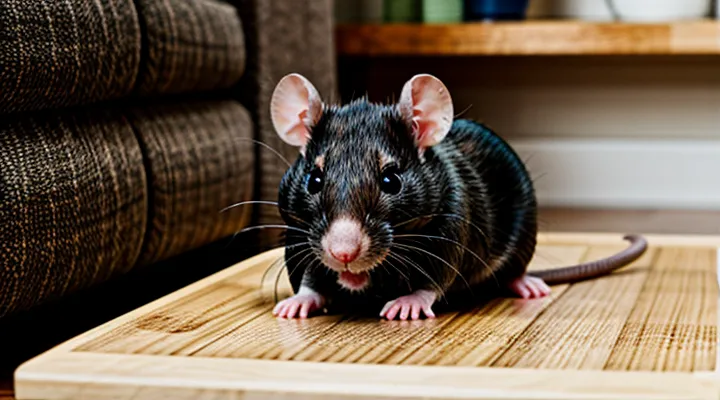
Understanding Your Rat's Behavior and Needs
Rat Intelligence and Learning Abilities
Rats demonstrate complex cognition comparable to that of many larger mammals. Their brains contain a high density of neurons in the neocortex, supporting tasks such as spatial navigation, pattern recognition, and flexible problem solving. Laboratory studies show that rats can learn to associate a specific cue with a reward after fewer than ten repetitions, indicating rapid acquisition of new information.
Learning in rats relies heavily on operant and classical conditioning. When a behavior is consistently followed by a desirable outcome—such as a treat or a click sound—rats increase the frequency of that behavior. Conversely, the absence of reinforcement leads to extinction of the action. This cause‑effect relationship forms the foundation of any home‑based training program.
Key characteristics that facilitate effective training include:
- Short‑term memory: retains information for several minutes, allowing the animal to link a recent command with an immediate reward.
- Long‑term memory: consolidates repeated experiences, enabling retention of learned tricks for weeks or months.
- Social learning: rats observe and imitate the actions of conspecifics, so demonstrations by an experienced peer can accelerate acquisition.
- Problem‑solving flexibility: when presented with a novel obstacle, rats often experiment with multiple strategies before settling on the most efficient solution.
Understanding these cognitive traits helps beginners design training sessions that align with the rat’s natural learning processes. Structured repetition, clear signals, and timely reinforcement exploit the animal’s innate abilities, producing reliable and measurable progress in a domestic setting.
Basic Rat Psychology
Rats possess a highly developed neocortex that supports problem‑solving, memory formation, and flexible learning. Their ability to associate actions with outcomes enables rapid acquisition of new behaviors when rewards are consistent and immediate. Social structures dominate their daily life; individuals form hierarchies, recognize familiar conspecifics, and respond to cues such as scent, vocalizations, and body posture. This social awareness drives cooperation and competition, influencing motivation during training sessions.
Motivation in rats is primarily driven by two reinforcement types: primary rewards (food, treats) and secondary rewards (praise, tactile contact). Positive reinforcement strengthens desired actions, while mild, predictable corrective feedback discourages unwanted behavior without inducing stress. Rats also exhibit neophobia—reluctance to approach novel objects—yet they habituate quickly after repeated, safe exposure. Understanding this balance allows trainers to introduce new tasks gradually, reducing anxiety and promoting engagement.
Sensory perception shapes learning pathways. Vision is limited; rodents rely on whisker input (vibrissae) and olfactory cues to explore environments. Training equipment should therefore incorporate texture variations and scent markers to guide attention. Auditory signals, especially high‑frequency chirps, can serve as cues for attention or termination of a task, provided they are consistent and not overly loud.
Applying basic psychological principles to home training yields reliable results:
- Present a small, high‑value treat immediately after the target behavior.
- Use a distinct cue (hand signal or click) to mark the exact moment of success.
- Limit sessions to 5‑10 minutes to maintain focus and prevent fatigue.
- Rotate training locations within the cage to generalize the behavior across contexts.
- Incorporate social interaction after each session to reinforce bonding and reduce stress.
By aligning training methods with the rat’s natural learning mechanisms, owners can develop predictable, cooperative behaviors while preserving the animal’s well‑being.
Essential Supplies for Training
A successful home‑based rat training program begins with the right equipment. Selecting items that support safety, motivation, and consistency reduces trial‑and‑error and accelerates learning.
- Secure cage or playpen with a lockable door
- Low‑profile, chew‑resistant flooring (e.g., solid plastic or hardwood)
- Soft, absorbent bedding (paper‑based or aspen) for comfort and hygiene
- High‑value treats (small pieces of fruit, mealworms, or commercial rat treats) stored in an airtight container
- Clicker or whistle for precise marker signals
- Training tunnel or PVC pipe segment with rounded edges for obstacle work
- Small platforms and ladders to develop climbing skills
- Non‑toxic toys (wooden blocks, sisal rope, cardboard tubes) for enrichment
- Cleaning supplies: mild disinfectant, paper towels, and a dedicated waste bin
The cage should be easy to open for quick access while preventing escapes. Bedding must be changed regularly to avoid ammonia buildup, which can impair a rat’s sense of smell and affect cue recognition. Treats should be portioned to 1‑2 mm pieces to prevent overfeeding and maintain focus during sessions.
A clicker provides an immediate, consistent sound that marks desired behavior. Pair each click with a treat within a fraction of a second to create a clear association. For visual learners, a small LED light can serve as an alternative marker.
Training tunnels and platforms introduce controlled challenges. Begin with a straight tunnel, then gradually increase length or add bends. Ladders encourage forelimb coordination; start low and raise incrementally as confidence grows.
Enrichment toys keep the animal engaged between formal sessions, reducing stress and reinforcing the positive environment required for effective learning. Rotate toys weekly to sustain interest.
Routine cleaning of the enclosure and equipment eliminates odors that could distract the rat or obscure cue perception. Use a mild, unscented disinfectant, rinse thoroughly, and dry before re‑introducing the animal.
By assembling these supplies and maintaining a disciplined schedule, beginners can create a reliable framework for teaching rats a variety of commands and tricks.
Getting Started with Training
Building Trust and Bonding
Hand-feeding Techniques
Hand-feeding establishes trust and creates a reliable cue for rewarding desired behaviors. Begin by selecting a quiet area where the rat feels secure. Use a small, shallow dish to present food, allowing the animal to approach without obstruction. Keep the hand steady, palm facing upward, and offer a single piece of treat directly from the fingers. The rat should grasp the treat with its paws and mouth, reinforcing the association between the handler’s hand and a positive outcome.
Key steps for effective hand-feeding:
- Choose high‑value treats such as small pieces of fruit, nuts, or commercial rodent rewards.
- Present the treat at the same distance from the rat’s nose each session to build predictability.
- Release the treat only after the rat makes contact with the hand, avoiding premature drops.
- Limit each feeding interval to 2–3 seconds to maintain focus and prevent overexcitement.
- Record the time of each session to ensure consistent daily practice.
Consistency further strengthens the training bond. Conduct hand‑feeding sessions two to three times daily, preferably before practice drills, so the rat associates the treat with upcoming commands. Maintain clean hands and a sanitized feeding surface to prevent disease transmission. Gradually reduce treat size while preserving the hand‑presentation gesture; the rat will continue to respond to the motion even when the reward diminishes, reinforcing learned commands without reliance on large food incentives.
Gentle Handling and Socialization
Gentle handling builds trust and prepares a rat for effective training. Begin each interaction by allowing the animal to approach your hand voluntarily; avoid reaching directly for the cage opening. Use slow, steady movements and keep your fingers relaxed to prevent startling the creature. Offer a small treat while your palm is open, reinforcing the association between touch and reward.
Socialization expands the rat’s comfort zone and reduces fear of new stimuli. Introduce one novel object or safe environment per week, limiting exposure to a few minutes at first. Observe the animal’s reaction, then gradually extend the duration as confidence grows. Consistent, low‑stress encounters with different sounds, textures, and gentle handling methods encourage adaptability.
Practical steps for beginners:
- Establish a hand‑feeding routine – feed treats from the fingertips daily for several minutes.
- Practice short, calm lifts – support the body with both hands, keeping the rat’s head level.
- Rotate safe enrichment items – replace toys or tunnels weekly to maintain interest.
- Schedule brief, supervised outings – place the rat on a secure surface outside the cage for 5‑10 minutes, monitoring for stress signals.
- Document progress – note the duration of comfortable handling sessions and any behavioral changes.
Following these guidelines creates a foundation of confidence, enabling more advanced training techniques to be introduced with minimal resistance.
Introduction to Clicker Training
Choosing a Clicker
Selecting an appropriate clicker is a foundational step when beginning rat training in a domestic setting. The device must deliver a clear, consistent sound that the animal can distinguish from ambient noise. A reliable clicker also needs to be easy to operate with one hand, allowing the trainer to maintain eye contact and body language simultaneously.
Key factors to evaluate:
- Sound frequency: Choose a clicker that produces a high‑pitch tone (around 2,000–4,000 Hz). This range is audible to rats without being startling.
- Volume level: The click should be audible from at least two meters but not so loud that it causes stress. Test the device in the intended training area before purchase.
- Ergonomics: A compact, lightweight body fits comfortably in the palm, reducing fatigue during repeated sessions.
- Durability: Models with metal or reinforced plastic housings resist breakage if dropped or chewed.
- Battery‑free operation: Mechanical clickers eliminate the need for power sources and provide a uniform click each time.
- Cost: Effective clickers are available between $5 and $15; higher price does not guarantee superior performance.
After acquiring a clicker, condition the rat by pairing each click with a small treat. Perform several repetitions until the animal begins to associate the sound with a reward. Consistent pairing establishes the click as a precise marker, enabling more complex commands in later stages of training.
Loading the Clicker
A clicker serves as an immediate, audible marker that tells the rat a desired behavior has been performed correctly. The sound must be consistent, distinct from ambient noises, and brief enough to avoid startling the animal.
Steps to load the clicker
- Verify battery polarity; insert a fresh 1.5 V alkaline cell with the positive (+) end facing the metal contact.
- Press the button once; a clear “click” should be heard. If no sound occurs, replace the battery or check for debris in the speaker cavity.
- Test the clicker from various distances (up to three feet) to confirm audibility without distortion.
- Store the device in a dry, temperature‑stable environment when not in use to preserve battery life.
After loading, incorporate the clicker into training sessions by pairing each click with a small food reward within one second. Consistency in timing reinforces the association and accelerates learning.
Understanding Positive Reinforcement
Effective Treat Selection
Choosing the right treats is essential for shaping rat behavior quickly and safely. Treats must be small enough to be consumed in a few seconds, preventing distraction and allowing multiple repetitions within a short training session. Ideal size ranges from 2 to 5 mm for adult rats; younger or smaller individuals may require pieces under 2 mm.
Nutritional content influences motivation and health. High‑protein, low‑sugar options such as boiled egg white, plain cooked chicken, or commercially formulated rat training treats provide strong reinforcement without excessive calories. Avoid sugary snacks, chocolate, or heavily processed foods that can cause obesity, dental issues, or toxicity.
Aroma plays a critical role in attraction. Strong‑smelling items—nutrient‑dense seeds, dried insects, or small pieces of cheese—capture attention faster than bland alternatives. Rotate aromatic treats to maintain interest and prevent habituation.
Safety considerations include eliminating allergens and choking hazards. Remove bones, pits, and any sharp edges. Test new foods on a single rat before regular use to monitor for adverse reactions.
Storage guidelines preserve freshness and prevent spoilage. Keep perishable treats refrigerated in airtight containers for up to three days; freeze portions intended for longer periods and thaw only what is needed for the session.
A practical selection protocol:
- Identify a base treat with high protein and low sugar.
- Add a secondary, highly aromatic item to boost initial interest.
- Portion treats into 2‑5 mm pieces using a sterile cutter.
- Store according to the material’s preservation requirements.
- Record each rat’s response to adjust the treat mix over time.
Consistent use of appropriately sized, nutritious, and aromatic treats maximizes learning speed while safeguarding the animal’s well‑being.
Timing is Everything
Effective rat training hinges on precise timing. A rat associates a cue with a consequence only when the two occur within a narrow window. Delivering a reward immediately after the desired behavior reinforces the connection; delays dilute the association and increase confusion.
Consistent schedule stabilizes expectations. Conduct sessions at the same hour each day, limiting each to 10‑15 minutes. Short, frequent repetitions prevent fatigue and maintain focus. Observe the animal’s natural activity cycle; most rats are most alert during early evening, making this period optimal for learning.
Key timing elements:
- Cue presentation: introduce the signal (hand gesture, clicker, verbal word) no more than two seconds before the target action.
- Reward delivery: administer food or praise within one second of the correct response.
- Inter‑trial interval: wait 20‑30 seconds before the next cue, allowing the rat to reset.
- Session pacing: end each training block before signs of stress appear (e.g., grooming, avoidance).
Adjust intervals based on individual progress. Faster learners tolerate shorter gaps, while beginners benefit from extended pauses to process each cue. Record timestamps for each trial to track improvements and identify patterns that require modification.
By aligning cues, rewards, and rest periods with the rat’s natural rhythm, trainers create a reliable framework that accelerates skill acquisition and minimizes frustration.
Basic Commands and Tricks
Teaching Your Rat to Come When Called
Lure-and-Reward Method
The lure‑and‑reward technique trains a rat to follow a target object while receiving a treat for correct behavior. Success depends on consistent timing, clear signals, and appropriate incentives.
Begin by selecting a small, movable item—such as a wooden stick, plastic wand, or a piece of tubing—that the rat can easily grasp or chase. Pair this object with a high‑value food reward (e.g., bits of peanut butter, dried fruit, or commercial rodent treats) that the animal readily accepts. Keep the lure visible and within arm’s reach, and store treats in a sealed container to preserve freshness.
Procedure
- Hold the lure a short distance from the rat’s nose; allow the animal to sniff it.
- When the rat makes contact or follows the lure, immediately present a treat.
- Release the lure and repeat the motion, gradually increasing the distance.
- Introduce directional cues (left, right, forward) by moving the lure accordingly; reward each correct response.
- After several successful repetitions, add a verbal cue (“go,” “come”) before presenting the lure to build an association between the word and the action.
Maintain a short interval—no more than two seconds—between the rat’s response and the reward. This tight coupling reinforces the desired behavior and prevents confusion. As proficiency grows, reduce the frequency of treats, offering them only after several correct responses to encourage persistence without constant food reinforcement.
Common pitfalls include using low‑value rewards that fail to motivate, moving the lure too quickly, and interrupting the sequence with unnecessary gestures. If the rat hesitates, pause, lower the lure to the floor, and re‑establish contact before resuming the sequence.
Ensure the training area is clean, free of hazardous objects, and well‑ventilated. Wash hands before handling food, and monitor the rat for signs of stress—such as excessive grooming or freezing—and adjust the session length accordingly. Regular, brief sessions (five to ten minutes) promote steady progress without overwhelming the animal.
Gradually Increasing Distance
When teaching a rat to respond to a cue, begin with a short interval between the signal and the reward. Position the animal within arm’s reach, deliver the cue, and immediately offer the treat. This establishes a clear connection between the command and the payoff.
After the rat consistently reacts at close range, extend the separation incrementally. Increase the distance by 10‑15 cm each session, maintaining the same cue and timing. Continue until the rat obeys the command across the entire room.
- Start with a distance of 20 cm; repeat the cue‑reward cycle 5–7 times per session.
- Add 10 cm after the rat achieves at least 80 % correct responses at the current range.
- Keep session length under 10 minutes to preserve focus.
- Record performance; revert to the previous distance if accuracy drops below 70 %.
- Once the rat reliably follows the cue at the maximum distance, reinforce with occasional random rewards to prevent reliance on predictable patterns.
Litter Training Your Rat
Setting Up a Litter Box
A litter box provides a consistent place for a pet rat to eliminate, reducing accidents and keeping the enclosure clean. Choose a shallow, rectangular container with low sides; a plastic storage bin or a repurposed food tray works well. Place the box in a quiet corner of the cage, away from food and water dishes, to encourage the rat to use it voluntarily.
- Line the bottom with a few centimeters of absorbent, unscented paper bedding. Avoid clumping or fragrant litters that can irritate the animal’s respiratory system.
- Add a small amount of shredded paper or tissue as a secondary layer; rats enjoy digging and will associate the texture with toileting.
- Insert one or two pieces of untreated wood or a small tunnel that leads into the box, providing a sense of enclosure and privacy.
- Position the box so the rat can easily step inside without having to climb over high edges; a slight incline created with a folded towel can assist if the container is deeper than necessary.
Monitor the box daily. Remove soiled bedding and replace it with fresh material to prevent odor buildup. Clean the container with mild, unscented soap and rinse thoroughly every few weeks; a dilute vinegar solution can disinfect without leaving harmful residues. Consistent maintenance reinforces the litter box as the preferred location for elimination, supporting successful indoor training.
Encouraging Use
Training a rat to adopt a specific tool or routine requires clear signals and consistent reinforcement. Begin by introducing the target item in a low‑stress environment. Place the object within the rat’s usual activity area, allowing natural curiosity to drive initial interaction. Observe the animal’s response; if it approaches, reward immediately with a small portion of its preferred treat.
Use a distinct cue—such as a short verbal command or a click sound—to mark desired behavior. Pair the cue with the reward each time the rat contacts or uses the object. Repetition over several short sessions builds an association between the cue, the item, and the positive outcome. Limit each session to five minutes to prevent fatigue and maintain focus.
Maintain a predictable schedule. Conduct training at the same times each day, aligning with the rat’s active periods (typically dusk and early night). Consistency reinforces the expectation that the cue will precede a reward, encouraging the rat to seek out the object proactively.
Key steps for encouraging use:
- Introduce the item in the home cage without pressure.
- Apply a unique cue immediately before the rat interacts.
- Deliver a treat within one second of the cue.
- Repeat the sequence 5–10 times per session.
- Increase the interval between cue and reward gradually as the rat becomes reliable.
Monitor progress by noting the latency between cue and action. A decreasing latency indicates successful learning. If the rat hesitates, reduce the interval between cue and reward or simplify the task by presenting a smaller portion of the item. Adjust the difficulty incrementally to sustain motivation without causing frustration.
Finalize training by fading the treat over several weeks while maintaining the cue. The rat should continue using the object out of habit, demonstrating that the behavior has been fully integrated into its routine.
Teaching Your Rat to Spin
Luring with a Treat
Treats serve as the primary motivator when introducing a rat to basic commands. Select a high‑value food—such as small pieces of fruit, cooked egg, or commercial rodent treats—that the animal readily accepts. Store the reward in a sealed container to maintain freshness and prevent scent loss.
Begin each session by presenting the treat within the rat’s line of sight, then slowly move it away while maintaining a calm voice. The rat will follow the scent, establishing a clear connection between the cue and the reward. Reinforce the behavior by delivering the treat immediately after the rat reaches the target location; delay diminishes the association.
- Use a consistent verbal cue (e.g., “come”) before the lure appears.
- Limit each training episode to five minutes to prevent fatigue.
- Gradually increase the distance between the starting point and the treat.
- Alternate treat types to sustain interest while keeping caloric intake moderate.
Consistent application of these steps builds reliable response patterns, enabling further skill development without reliance on continuous food prompts.
Adding a Verbal Cue
A verbal cue provides a clear, audible signal that the rat can associate with a specific behavior. Choose a short word or sound that is distinct from everyday household noises; consistency in pronunciation and volume is essential for reliable conditioning.
Begin the cue‑training process by introducing the cue only when the rat is already performing the desired action, such as approaching a treat. Follow these steps:
- Position the rat near the target behavior.
- Speak the chosen cue in a calm, steady tone.
- Immediately reward the rat with a preferred food item.
- Repeat the sequence several times within a short session, then pause for a brief interval before the next trial.
Gradually reduce the reliance on the reward by delivering it after a few successful cue‑response cycles. Maintain a regular training schedule, limiting each session to 5–10 minutes to prevent fatigue. Over time, the rat will respond to the verbal cue alone, enabling more precise and hands‑free instruction during home‑based training.
Teaching Your Rat to Jump
Starting with Small Obstacles
Starting with small obstacles builds confidence and establishes clear expectations for a pet rat. Choose items that are easy to navigate yet require deliberate effort, such as low wooden blocks, short PVC tunnels, or shallow plastic cups. Place each obstacle on a stable surface to prevent wobbling, which could discourage the animal.
Introduce one obstacle at a time. Allow the rat to explore freely for a few minutes, then reward any successful traversal with a preferred treat. Consistency in timing and reward type reinforces the behavior quickly.
- Low wooden block (2–3 cm high) – encourages climbing.
- Short PVC tunnel (10 cm length) – promotes crawling through confined spaces.
- Shallow cup (5 cm diameter) – trains stepping onto a defined target.
- Simple ramp (5 cm incline) – develops balance and upward movement.
Maintain a brief training session, typically five to ten minutes, to keep the rat focused. Rotate obstacles after several successful attempts to prevent habituation and to generalize the skill set.
Gradually Increasing Height
Training a rat to navigate elevated surfaces requires a systematic approach that builds confidence and physical ability. Begin with a low platform no higher than two centimeters. Allow the animal to explore freely, rewarding any successful step with a small treat. This establishes a positive association with height and reduces hesitation.
Progression follows a predictable pattern:
- Increase platform height by one to two centimeters after the rat consistently reaches the previous level without signs of stress.
- Add a short ramp or gentle incline to the new height, ensuring the surface is stable and non‑slippery.
- Introduce a brief pause at the top of each rise, encouraging the rat to linger before returning to the base.
- Repeat the cycle until the desired maximum height is achieved, typically not exceeding ten centimeters for beginners.
Safety considerations remain constant. Verify that all structures are securely anchored, and inspect surfaces for cracks or loose edges before each session. Keep sessions short—five to ten minutes—to prevent fatigue, and monitor the rat’s posture for signs of discomfort.
Consistent reinforcement and measured height increments produce reliable results. The rat learns to assess risk, adjust its balance, and respond to cues, laying the groundwork for more complex tricks and obstacle courses.
Advanced Training and Enrichment
Agility Training for Rats
Building Simple Obstacles
Rats thrive on challenges that stimulate their natural curiosity and agility. Simple obstacles provide clear cues for problem‑solving, reinforce positive behaviors, and create a controlled environment for incremental skill development.
Materials commonly available around the house include untreated wood blocks, plastic tubing, cardboard tubes, non‑toxic glue, zip ties, and small wooden dowels. Choose items without sharp edges, and verify that all components are free of toxic finishes or adhesives.
Construction steps
- Cut wood blocks into 2‑inch cubes; sand edges until smooth.
- Assemble a low platform by stacking three cubes and securing them with zip ties.
- Insert a plastic tube horizontally between two blocks to form a tunnel; anchor with non‑toxic glue.
- Attach a cardboard tube vertically to the platform using a dowel as a support; ensure the tube stands upright.
- Test each element by guiding the rat through; adjust gaps to match the animal’s size.
Regularly inspect obstacles for wear, loose connectors, or chew damage. Replace compromised parts promptly to maintain safety and consistent performance. Rotate or rearrange components weekly to prevent habituation and keep the training environment engaging.
Guiding Your Rat Through Courses
Training a rat to follow a course requires consistency, clear signals, and a safe environment. Begin by selecting a simple layout: a straight tunnel, a small maze, or a series of platforms. Ensure all components are free of gaps and constructed from non‑toxic materials.
Set up a routine. Conduct short sessions, three to five minutes each, at the same time daily. Use a distinct cue—such as a clicker or a gentle tap on the cage lid—to signal the start of the exercise. Reward the rat immediately after it completes a segment, preferably with a favorite treat or a brief petting session.
Follow these steps to guide the animal through the course:
- Introduce the path – Place the rat at the entrance, allow it to explore for a few seconds, then give the cue.
- Mark each checkpoint – Attach a small visual marker (e.g., a colored tape strip) at key turns; the marker becomes a reference point for subsequent runs.
- Reinforce progress – Deliver the reward as soon as the rat reaches a checkpoint, reinforcing the desired direction.
- Increase complexity – After the rat reliably navigates the initial layout, add an extra turn or a low obstacle, maintaining the same cue‑reward pattern.
- Record performance – Note time taken and any hesitations; adjust the course length or difficulty based on the data.
Maintain a calm atmosphere. Loud noises or sudden movements can disrupt focus and cause regression. Clean the course regularly to eliminate scent trails that might confuse the rat.
Gradual escalation and precise feedback enable the rat to understand the sequence of actions required to complete a course. Consistent practice will produce reliable navigation skills applicable to more advanced obstacle sets.
Problem-Solving Games
Food Puzzles and Mazes
Food puzzles and mazes provide essential mental stimulation for pet rats, encouraging natural foraging behavior while reinforcing training objectives. By requiring the animal to manipulate an object or navigate a pathway to obtain a treat, these devices strengthen problem‑solving skills and improve focus.
- Simple tube puzzle: insert a treat into a clear PVC tube, seal one end, and allow the rat to roll the tube to release the food.
- Sliding box: place a reward inside a shallow box with a movable lid; the rat learns to push the lid aside.
- Rotating disc: attach a small platform to a rotating base; the rat must turn the disc to align a hole with the treat.
- Multi‑compartment maze: combine several chambers with varying entry points, each containing a different food type.
When constructing a maze, follow these guidelines:
- Use non‑toxic materials such as untreated wood, acrylic, or stainless steel.
- Ensure passageways are wide enough for a rat’s body (minimum 2 cm) but narrow enough to prevent easy shortcuts.
- Incorporate visual cues (e.g., colored markers) to help the rat differentiate sections.
- Include at least one dead‑end to encourage exploration and backtracking.
Training protocol:
- Begin with a single, uncomplicated puzzle; demonstrate the reward location by briefly exposing the treat.
- Allow the rat 5–10 minutes of unsupervised interaction; observe attempts and adjust difficulty if the animal solves the puzzle immediately.
- Gradually introduce additional elements, such as extra turns or hidden compartments, once the rat consistently solves the initial device.
- Reinforce successful attempts with verbal praise and an extra treat to strengthen the association between effort and reward.
Maintain cleanliness by removing uneaten food after each session and inspecting components for wear. Replace damaged parts promptly to prevent injuries. Regular rotation of puzzle types prevents habituation and sustains engagement.
Object Manipulation
Object manipulation is a practical skill that enhances a rat’s problem‑solving ability and strengthens the bond between animal and owner. The behavior involves moving, pushing, or retrieving items on command, which translates to improved agility and confidence in a domestic setting.
Before beginning, ensure the training area is secure, free of sharp edges, and contains only rat‑safe objects such as plastic blocks, wooden beads, or lightweight containers. Provide a consistent source of motivation, typically a small portion of favorite food, and keep sessions brief to maintain focus.
- Select a single, easily graspable object and place it on a flat surface within the rat’s reach.
- Introduce a cue word (e.g., “push”) while gently guiding the rat’s nose toward the object.
- Reward immediately after the rat makes any contact with the object, reinforcing the association between cue and action.
- Gradually increase the required movement: first a slight nudge, then a full push across the surface.
- Add variations such as placing the object inside a shallow cup; cue the rat to retrieve and deposit it in a designated spot.
- Alternate cues (“push,” “pull,” “bring”) to expand the repertoire, always pairing each with a prompt and reward.
Consistent reinforcement solidifies the behavior; use the same cue and reward schedule for each session. If the rat hesitates, reduce the difficulty by using a lighter object or shortening the distance. Observe for signs of stress—excessive grooming, freezing, or refusal to engage—and pause training if necessary.
Object manipulation training provides a foundation for more complex tasks, such as navigating obstacle courses or assisting with simple household chores. Regular practice maintains skill retention and promotes mental stimulation throughout the rat’s lifespan.
Understanding and Troubleshooting Challenges
Dealing with Distractions
Training a rat requires consistent focus; interruptions can derail progress and cause confusion for the animal. Identify common sources of distraction—noisy appliances, movement of people, pets, and visual clutter—and eliminate or minimize them before each session. Close doors, silence phones, and schedule training during quiet periods of the day.
Prepare the environment in advance. Place the training cage on a stable surface away from windows. Use a simple backdrop, such as a plain cloth, to reduce visual stimuli. Keep only the necessary tools—treats, clicker, and a small perch—within reach to prevent unnecessary handling.
During the session, maintain a calm demeanor. Speak in a steady, low tone; sudden loud sounds can startle the rat and interrupt learning. If the animal shows signs of distraction, pause briefly, reset the environment, then resume with the same cue.
Practical steps to manage distractions:
- Schedule: Choose a time when household traffic is low.
- Isolation: Use a spare room or a fenced-off area.
- Noise control: Turn off televisions, radios, and kitchen appliances.
- Pet management: Keep other animals in a separate space.
- Visual simplicity: Remove toys, posters, and clutter from the training zone.
- Consistent cues: Use the same verbal and auditory signals each session.
Monitoring progress helps detect when distractions reappear. Record the rat’s response time and accuracy; a sudden decline often signals an external interruption. Adjust the environment accordingly and maintain the routine to reinforce focus.
Maintaining Motivation
Maintaining motivation is essential for consistent rat training and measurable progress. Without regular engagement, the animal’s willingness to perform tasks declines, and the trainer’s commitment wanes.
Effective methods include:
- Set clear, achievable milestones such as “five successful target touches” before moving to the next cue.
- Record each session’s outcomes in a simple log; visual evidence of improvement reinforces persistence.
- Schedule short, daily sessions (5–10 minutes) to prevent fatigue for both rat and trainer.
- Reward yourself after meeting a milestone—brief break, favorite snack, or a quick walk—so the training routine feels mutually beneficial.
When progress stalls, evaluate two factors: the rat’s health and the training environment. A sudden drop in appetite, lethargy, or stress signs warrants a health check. Adjust lighting, noise level, or scent cues if the setting becomes distracting.
Periodically review the log to identify patterns. If a specific cue repeatedly fails, modify the cue’s timing, distance, or reward type. Incremental adjustments prevent frustration and sustain forward momentum.
Consistent documentation, realistic targets, and balanced session length create a feedback loop that keeps both trainer and rat engaged. The result is steady skill acquisition without burnout.
Addressing Behavioral Issues
Rats often display chewing, aggression, fear of handling, and litter‑avoidance, each requiring specific corrective strategies. Begin by observing when unwanted behavior occurs; note time of day, environment, and preceding actions. This data isolates triggers and informs targeted interventions.
Use positive reinforcement to replace negative habits. Offer a preferred treat—sunflower seeds, small fruit pieces, or specialized rat rewards—immediately after the desired response. Consistency in timing and reward type builds a clear association between the behavior and the payoff.
For chewing problems, provide safe alternatives such as untreated wood blocks, cardboard tunnels, or chew‑resistant toys. Rotate items weekly to sustain interest and prevent boredom‑driven destruction of household objects.
Aggressive bites or lunges often stem from fear or overstimulation. Introduce handling in short, calm sessions, gradually increasing duration. Support the rat’s body with both hands, avoid sudden movements, and pause if signs of stress appear. Pair each handling attempt with a treat to reinforce a calm demeanor.
Address litter‑avoidance by selecting a low‑profile, absorbent paper product and placing it in a corner where the rat naturally rests. Clean accidents promptly with an enzymatic solution to eliminate scent cues that encourage repeat offenses. Reinforce use of the litter area by rewarding the rat each time it deposits waste there.
Maintain health vigilance; dental overgrowth, parasites, or illness can manifest as behavioral changes. Schedule regular veterinary checks, monitor weight, and inspect teeth for proper alignment. Prompt treatment of medical issues prevents misinterpretation of symptoms as purely behavioral.
Implement a routine that balances exercise, mental stimulation, and rest. Provide climbing structures, puzzle feeders, and regular out‑of‑cage exploration under supervision. A predictable schedule reduces anxiety, supporting smoother behavioral correction.
Maintaining a Positive Training Environment
Short and Frequent Sessions
Short, frequent training sessions keep a rat’s attention focused and reduce stress. A single session lasting five to ten minutes is sufficient for a beginner; extending beyond fifteen minutes often leads to disengagement. Repeating these brief periods two to three times daily reinforces learning while allowing the animal to process new cues between attempts.
Key elements of an effective short session:
- Begin with a clear cue (e.g., a clicker or verbal marker).
- Deliver a single target behavior, such as stepping onto a platform or retrieving a treat.
- Reward immediately with a small food item or gentle petting.
- End the session once the rat shows signs of fatigue or loss of interest.
Consistency matters more than length. Scheduling sessions at roughly the same times each day creates a predictable routine, aiding memory consolidation. If a rat fails to respond, pause the training, allow a rest period of fifteen to twenty minutes, then resume with a fresh attempt. This approach prevents frustration and maintains a positive association with the training process.
Consistency and Patience
Consistency creates a reliable framework for learning. When a rat receives the same cue, timing, and reward each session, neural pathways strengthen, making the behavior easier to reproduce. Irregular signals cause confusion, slowing progress and increasing the likelihood of regression.
Patience prevents premature escalation of difficulty. Rats, like all small mammals, require time to process new information. Rushing the process results in stress, which disrupts motivation and may lead to avoidance of training altogether.
Practical application:
- Establish a fixed daily routine (e.g., 10‑minute sessions at the same hour).
- Use identical verbal or hand signals for each command.
- Deliver treats within two seconds of the desired action to reinforce the connection.
- Record successes and failures; adjust only after multiple consistent observations.
- If the rat fails to respond, pause, allow a brief rest, and resume without increasing pressure.
Maintaining a steady schedule and allowing ample time for each step transforms the learning curve from erratic to progressive, ensuring reliable skill acquisition in a home environment.
Knowing When to End a Session
Training a rat at home requires clear boundaries to keep the animal motivated and prevent stress. Recognize the point at which a session should stop by observing the rat’s behavior and limiting the time spent on each activity.
Key indicators that a session is concluding:
- The rat loses focus, repeatedly ignoring cues or treats.
- Signs of agitation appear, such as rapid breathing, frantic movement, or vocalizations.
- The animal begins to refuse participation, turning away from the training area.
- The elapsed time exceeds 10‑15 minutes for a single task, which is sufficient for most beginner sessions.
When any of these signs emerge, end the session promptly. Offer a brief cool‑down period with a calm environment and a small reward, then resume training on the following day. Consistent termination at the appropriate moment reinforces learning, maintains the rat’s enthusiasm, and reduces the risk of burnout.
Celebrating Successes
Celebrating milestones reinforces desired behavior and strengthens the bond between owner and rodent. Recognize each achievement promptly; a rat that reliably responds to a cue benefits from immediate positive feedback, which increases the likelihood of repetition.
Practical methods for acknowledgment include:
- Offering a preferred treat within 10 seconds of the correct response.
- Providing a brief play session with a favorite toy after a training block is completed.
- Adding a short verbal praise (“Good job!”) in a calm, consistent tone.
- Recording the success in a training log to track progress and identify patterns.
When planning celebrations, observe the animal’s preferences. Some rats respond better to edible rewards, while others show enthusiasm for tactile stimulation. Adjust the reward type to maintain motivation without creating dependency on a single incentive.
Regularly documenting successes supports adjustment of training protocols. If a rat repeatedly masters a trick, increase difficulty or introduce a new cue to sustain engagement. Conversely, if progress stalls, revisit reward timing and ensure the celebration remains immediate and relevant.