
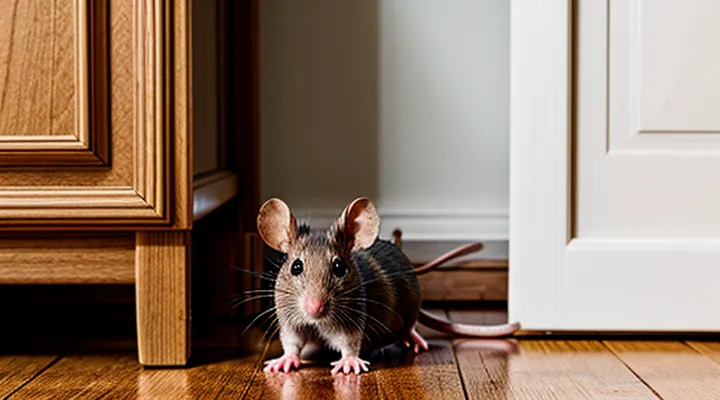
«Understanding the Problem»
«Why Identification Matters»
«Impact on Control Methods»
Accurate identification of the rodent determines which control measures will be effective. Mice and rats differ in size, chewing strength, and nesting habits; each factor dictates a distinct approach.
- Bait formulation: mice prefer softer, grain‑based poisons; rats require larger, more robust bait blocks.
- Trap dimensions: mouse traps are small and spring‑loaded; rat traps must accommodate bodies up to 12 inches long and often use heavyweight or live‑catch designs.
- Placement height: mice travel along walls close to the floor, while rats use higher pathways and utility conduits.
- Timing of deployment: mice reproduce quickly, so immediate action after detection limits population growth; rats, with longer gestation, allow a slightly extended response window.
Misidentifying the species leads to inappropriate bait size, ineffective trap placement, and increased exposure to non‑target animals. The result is wasted material, prolonged infestation, and higher remediation costs.
Before implementing any eradication plan, verify the rodent type through visual cues—such as droppings size, gnaw marks, and tail length—and confirm with a brief inspection of entry points. This verification ensures that the selected control method matches the pest’s biology, maximizes efficacy, and minimizes collateral damage.
«Potential Health Risks»
Rodents living inside a residence can compromise human health through direct and indirect mechanisms.
- Pathogen transmission – Mice and rats carry bacteria such as Salmonella and Leptospira, viruses like hantavirus, and parasites including fleas and mites that may infect occupants.
- Allergic reactions – Shed hair, dander, and urine particles become airborne, triggering asthma attacks and allergic sensitization in susceptible individuals.
- Food contamination – Gnawing on stored food introduces droppings and saliva, creating conditions for food‑borne illnesses and rapid spoilage.
- Bite injuries – Defensive bites can puncture skin, delivering bacteria and causing secondary infections that require medical treatment.
- Structural damage – Gnawing on electrical wiring and insulation raises the risk of fire, which indirectly endangers health through smoke inhalation and emergency evacuation hazards.
Recognizing these hazards underscores the necessity of accurate rodent identification and prompt control measures.
«Key Differences: Mouse vs. Rat»
«Physical Characteristics»
«Size and Build»
Mice and rats differ markedly in overall dimensions and body proportions, allowing quick visual discrimination.
- Adult house mouse (Mus musculus): body length 2–4 inches (5–10 cm), tail roughly equal to body length, weight 0.5–1 oz (15–30 g). Head small, ears proportionally large, whiskers short. Build slender, limbs short.
- Adult Norway rat (Rattus norvegicus) or roof rat (Rattus rattus): body length 7–10 inches (18–25 cm), tail shorter than body, weight 5–10 oz (140–280 g). Head broader, ears modest, whiskers long. Build robust, with thick neck and powerful hind legs.
- Juvenile rats may overlap mouse size but retain a bulkier torso and longer tail relative to body.
- Tail texture offers another cue: mouse tail is thin, hair‑sparse, often hairless; rat tail is thicker, covered with coarse scales.
These measurements provide reliable criteria for distinguishing the two species inside a residence.
«Tail Length and Appearance»
Mice and rats can be distinguished by the physical characteristics of their tails. The most reliable indicators are length, thickness, and surface texture.
- Length: A mouse tail typically measures 75‑100 % of the animal’s body length, while a rat tail is usually 50‑70 % of its body length.
- Thickness: Mouse tails are slender, often less than 5 mm in diameter, whereas rat tails are noticeably thicker, frequently exceeding 8 mm.
- Surface: The tail of a mouse is largely hairless and smooth, showing a uniform pink or light‑gray color. Rat tails are covered with sparse, coarse hair and display a darker, sometimes scaly appearance.
These measurable differences allow homeowners to identify the species quickly and take appropriate control measures.
«Ear and Eye Proportions»
Ear size is a reliable indicator when identifying whether the intruder is a mouse or a rat. Mice have ears that are proportionally large compared to their head, typically extending to the midpoint of the eye. Rat ears are smaller relative to head size, positioned lower on the skull and rarely reaching the eye line.
Eye dimensions also differ noticeably. Mouse eyes are small, round, and sit close to the top of the head, leaving a conspicuous band of fur above them. Rat eyes are larger, more oval, and positioned lower, often aligning with the upper edge of the ears.
Key proportion cues:
- Ear‑to‑head ratio: mouse ≈ 0.5 – 0.6 of head length; rat ≈ 0.3 – 0.4.
- Ear placement: mouse ears sit near the top of the skull; rat ears sit midway down.
- Eye‑to‑ear distance: mouse eyes are nearer to the ears; rat eyes are farther apart from the ears.
- Fur band above eyes: prominent in mice, minimal in rats.
Observing these measurements allows a homeowner to differentiate the species quickly, facilitating appropriate pest‑control actions.
«Fur Color and Texture»
When examining a rodent in a residence, fur characteristics provide reliable clues for distinguishing a mouse from a rat.
Mice typically display soft, fine hair that lies close to the body. Their coats are often lighter—ranging from pale gray to white or light brown—and may show a uniform coloration across the back and sides. The texture feels delicate to the touch, and the fur may appear slightly silky.
Rats possess coarser, thicker fur that feels rougher. Their coloration is generally darker, commonly brown, black, or a reddish hue, with possible variations such as a lighter belly. The hair on rats stands out more prominently, and the overall coat feels sturdier.
Key visual markers:
- Color range: mice – pale to light gray; rats – dark brown to black, sometimes reddish.
- Hair texture: mice – fine, soft, close‑lying; rats – coarse, stiff, more pronounced.
- Uniformity: mice often have a consistent shade; rats may show a distinct contrast between dorsal and ventral fur.
By observing these fur attributes, one can quickly assess whether the intruder is a mouse or a rat, aiding in appropriate control measures.
«Signs of Infestation»
«Droppings»
Droppings provide the quickest visual clue for distinguishing a mouse from a rat inside a residence.
Mouse feces are typically 1/8 to 1/4 inch long, 1/16 inch wide, and have a pointed tip. They appear as dark brown to black pellets, often found in clusters near food packages, along baseboards, or inside cabinets. Their small size allows them to accumulate in tight spaces such as wall voids and behind appliances.
Rat feces are considerably larger, measuring ½ to ¾ inch in length and about ¼ inch in width, with a more rounded, blunt end. The pellets are dark brown to almost black and may contain a slight sheen. Rats deposit droppings along runways, near water sources, and in open areas like basements or attics. Because of their size, rat droppings are visible on floors, countertops, and shelving.
Key differences can be summarized:
- Length: mouse ≈ 0.12–0.25 in; rat ≈ 0.5–0.75 in
- Width: mouse ≈ 0.06 in; rat ≈ 0.25 in
- Shape: mouse tapered; rat blunt
- Typical locations: mouse in concealed crevices; rat in open runways and near water
When droppings are found, collect a sample with gloves and seal it for analysis if needed. Prompt identification allows targeted control measures and reduces health risks associated with rodent-borne pathogens.
«Size and Shape Comparisons»
Size and shape provide the quickest visual clues when determining whether a small rodent in a home is a mouse or a rat.
-
Body length
• Mouse: 2–4 inches (5–10 cm) from nose to base of tail.
• Rat: 7–10 inches (18–25 cm) from nose to base of tail. -
Tail length
• Mouse: Tail roughly equal to body length, often slender and hairless.
• Rat: Tail longer than body, thick, sometimes hair‑sparse but visibly broader. -
Weight
• Mouse: 0.5–1 oz (15–30 g).
• Rat: 5–10 oz (140–300 g) for common house rats; larger species exceed 1 lb. -
Head and ears
• Mouse: Small, triangular head; ears proportionally large, nearly as long as the head.
• Rat: Larger, blunt head; ears modest relative to head size, often hidden by fur. -
Body shape
• Mouse: Slender, elongated torso with a smooth, uniform coat.
• Rat: Heavier, stockier torso; coat may appear coarser, especially on the back.
When a specimen is found, compare these dimensions directly. A ruler or caliper placed beside the animal (or a clear photograph with a known reference object) allows precise verification. Consistent alignment with mouse measurements indicates a mouse; alignment with rat measurements confirms a rat. This method eliminates ambiguity and supports targeted pest‑control decisions.
«Location and Quantity Clues»
When trying to determine whether the intruder is a mouse or a rat, the places where evidence appears and the amount of material found provide reliable indicators.
Mice typically occupy upper stories, attic spaces, and wall cavities where openings are no larger than ¼ inch. Their activity concentrates near stored grain, pantry items, and small food scraps. Signs such as fine gnaw marks on thin wiring, tiny entry holes beside baseboards, and droppings measuring ¼ inch long and ¼ inch wide point to a mouse presence. Observations near ceiling fans, light fixtures, or high shelves often reveal mouse activity.
Rats favor lower levels, basements, crawl spaces, and areas with abundant water. They create entry holes up to ½ inch in diameter, often found near plumbing, drains, or foundation cracks. Droppings are larger—about ½ inch long and ¼ inch wide—and appear in clusters. Heavy gnaw damage on thick materials, such as wooden beams or plastic pipes, and noticeable tracks in dusty corners signal rat activity.
The quantity of evidence can reinforce the identification. A few small droppings, occasional gnaw marks, and isolated sightings usually indicate a mouse infestation. In contrast, abundant droppings, multiple large gnaw holes, and frequent sightings across several rooms suggest a rat problem. Recording the frequency and distribution of these clues helps confirm the species and guides appropriate control measures.
«Gnaw Marks»
Gnaw marks reveal the size and habits of the intruder. Rodents leave characteristic bite patterns on wood, plastic, and wiring; these patterns help distinguish a mouse from a rat.
- Diameter – Mouse teeth produce holes about ¼ inch (6 mm) wide; rat incisors create openings ½ inch (12 mm) or larger. Measure the narrowest point of the opening to gauge the animal’s size.
- Depth – Mice chew shallowly, often leaving a clean, V‑shaped groove. Rats gnaw deeper, producing U‑shaped channels that may expose the inner material of a pipe or beam.
- Location – Mice favor high, concealed spots such as ceiling joists and cabinet backs. Rats prefer ground‑level routes, including baseboards, crawl spaces, and utility conduits.
- Material preference – Mice readily gnaw soft insulation and thin plastics. Rats target harder substances, including wood framing and electrical wiring, and may strip insulation to reach the conductive core.
Inspect all suspected gnaw sites with a flashlight. Record the dimensions, shape, and position of each mark. Correlating these details with the known behavior of each species narrows the identification and guides appropriate control measures.
«Size and Pattern on Surfaces»
Mice typically measure 2‑4 inches in body length, excluding the tail, while rats range from 7‑10 inches. This size disparity appears clearly on floorboards, countertops, and pantry shelves. Small gnaw marks, about the width of a pencil, indicate mouse activity; larger, jagged bites the width of a thumb suggest a rat.
Surface patterns also reveal the intruder’s identity. Mice leave fine, parallel runways that follow walls and behind appliances, often no wider than ½ inch. Rats create broader pathways, up to 2 inches across, with irregular edges and occasional crossing tracks that intersect at sharp angles. On smooth surfaces such as tiles or metal, mouse droppings form clusters of ¼‑inch pellets, whereas rat droppings appear as ½‑inch to ¾‑inch oval shapes, often in scattered lines.
Key observations:
- Body length visible on captured specimens or in droppings: < 4 inches → mouse; > 6 inches → rat.
- Gnaw mark width: ≤ 0.2 inches → mouse; ≥ 0.5 inches → rat.
- Runway width: ≤ 0.5 inches → mouse; ≥ 1 inch → rat.
- Dropping size and arrangement: small clustered pellets → mouse; larger, spaced oval pellets → rat.
By measuring these dimensions and noting the characteristic patterns on walls, floors, and stored goods, one can reliably determine whether a mouse or a rat is present in the residence.
«Preferred Gnawing Materials»
Mice and rats exhibit distinct preferences when selecting objects to gnaw, and these habits can aid identification. Mice favor lightweight, pliable items; rats target sturdier, high‑density materials.
-
Mice commonly gnaw:
-
Rats more frequently gnaw:
- Thick hardwood framing and furniture
- Metal conduits and copper wiring
- Concrete or cement blocks
- Hard plastics such as polycarbonate or acrylic
Observing the type of material damaged narrows the likely culprit: damage to delicate, easily chewed substances points to a mouse, whereas destruction of robust, hard surfaces suggests a rat. This distinction complements other signs, such as droppings and track patterns, for accurate assessment.
«Tracks and Runways»
Tracks left by small rodents provide the most reliable visual evidence of their presence. Mouse footprints are typically 1/4‑inch long, show four toes on the front foot and five on the hind, and form a tight, parallel line. Rat prints are larger, about ½‑inch long, display a broader gap between front and rear tracks, and often include a discernible heel pad impression. Fresh droppings found near these prints confirm activity, as rodents place waste along their travel routes.
Runways are the pathways rodents construct to move between food sources, nesting sites, and exits. Mice prefer narrow, concealed routes along walls, behind appliances, or within insulation, often no wider than a quarter of an inch. Rats favor broader passages, up to an inch wide, that may run through open crawl spaces, utility chases, or beneath floorboards. Both species avoid open, brightly lit areas; runways will therefore be located in shadowed zones and may be lined with shredded material, gnawed fibers, or grease stains from their bodies.
Key indicators for distinguishing the two species through tracks and runways:
- Track size: mouse ≤ 0.25 in, rat ≥ 0.5 in.
- Toe count: mouse front 4, hind 5; rat front 4, hind 5, with larger spacing.
- Runway width: mouse ≤ 0.25 in, rat ≥ 0.75 in.
- Location: mouse routes near walls, cabinets, or insulation; rat routes in larger voids, crawl spaces, or beneath foundations.
- Associated debris: mouse runways may contain fine shredded paper; rat runways often include coarser gnawed wood or plastic.
Inspecting these signs in each room, especially behind appliances, under sinks, and in basement crawl spaces, enables a definitive assessment of whether the intruder is a mouse or a rat. Early identification guides the selection of appropriate control measures and prevents further infestation.
«Footprint Size and Spacing»
Footprint analysis provides a reliable method for distinguishing a mouse from a rat when both species are present in a residence.
Mice typically leave prints measuring 4–6 mm in length and 3–5 mm in width. Rat prints range from 10–15 mm long and 7–9 mm wide. The size difference is evident even on soft surfaces such as dust, flour, or pet litter.
Spacing between consecutive prints reflects the animal’s stride and tail length. Mice exhibit a stride of 20–30 mm, resulting in closely spaced tracks. Rats produce a stride of 40–60 mm, creating more widely spaced impressions. The distance between front and hind prints on the same side also varies: mice show a 10–15 mm gap, while rats display a 20–30 mm gap.
Key measurements to record:
- Print length: 4–6 mm (mouse) vs. 10–15 mm (rat)
- Print width: 3–5 mm (mouse) vs. 7–9 mm (rat)
- Stride length: 20–30 mm (mouse) vs. 40–60 mm (rat)
- Front‑to‑hind gap: 10–15 mm (mouse) vs. 20–30 mm (rat)
Accurate measurement of these dimensions enables a definitive identification of the rodent species inhabiting the home.
«Grease Marks and Smudges»
Grease marks appear as dark, oily streaks along walls, baseboards, and behind appliances. Mice leave narrow tracks, typically ¼‑inch wide, that follow the edges of furniture or run parallel to seams. Rats produce broader marks, up to ½‑inch wide, often crossing open floor space and intersecting multiple routes.
Smudges follow the same pattern. Mouse deposits are faint, concentrated near low‑lying entry points such as crawl‑space vents. Rat smudges are heavier, smeared across larger surfaces, and may be found near food storage areas, garbage bins, or utility shafts.
Key observations:
- Width of streaks: ≤ 0.3 in (mouse) vs. ≥ 0.4 in (rat)
- Location density: clustered near small openings (mouse) vs. dispersed near high‑traffic zones (rat)
- Intensity: light sheen (mouse) vs. glossy, thick residue (rat)
When grease marks and smudges match the mouse profile, focus control measures on sealing tiny gaps and setting snap traps. If the evidence aligns with rat characteristics, prioritize sealing larger openings, installing bait stations, and contacting professional pest management.
«Sounds and Noises»
Auditory cues offer a reliable means of distinguishing small rodents from larger ones inside a dwelling. Mice and rats produce distinct patterns that can be identified without visual confirmation.
-
Mouse sounds:
• High‑pitched squeaks, often described as a rapid, thin chirp.
• Frequent, short bursts lasting less than a second.
• Occur primarily at night, especially during feeding activity. -
Rat sounds:
• Lower‑frequency chattering or rattling, comparable to a soft growl.
• Longer, more continuous vocalizations that may last several seconds.
• Audible both day and night, with increased intensity when disturbed.
Additional auditory indicators include the timing of movements. Mice tend to scurry in brief, erratic spurts, generating light footfalls on soft surfaces. Rats move with heavier steps, producing thudding noises on hard flooring. The volume of gnawing also differs: mouse gnawing is faint, while rat gnawing produces a noticeable scraping sound.
By monitoring these characteristics—pitch, duration, frequency of occurrence, and accompanying footfall noises—residents can accurately assess which type of rodent is present and respond with appropriate control measures.
«Scratching and Scurrying Sounds»
Scratching and scurrying noises are often the first indication of a rodent presence. Both mice and rats produce these sounds, but the pattern, volume, and location provide clues for identification.
- Mice generate high‑pitched, rapid scratching that occurs mainly in wall cavities, ceilings, and attics. The noise is intermittent, lasting a few seconds before silence.
- Rats emit deeper, louder scurrying that can be heard through floors and basement walls. Their movements are more deliberate, producing continuous rustling for longer periods.
The frequency of the sounds also differs. Mice move quickly, creating a series of short, staccato noises. Rats move more slowly, resulting in longer, sustained rustles. Listening from multiple points in the home helps pinpoint the source: mouse activity is usually confined to higher, less trafficked areas, while rats favor lower levels, near plumbing or garbage zones.
When the sounds are accompanied by gnaw marks on wires, insulation, or stored food, the size of the damage aligns with the rodent type. Mouse gnawing leaves narrow, shallow bite marks; rat gnawing produces wider, deeper cuts.
By correlating sound pitch, duration, and location with observable evidence, one can reliably differentiate between a mouse and a rat infestation. This assessment guides appropriate control measures and prevents unnecessary escalation.
«Time of Activity»
Mice typically emerge after dark, with peak foraging between 9 p.m. and 2 a.m. Their movements are brief and frequent, often confined to kitchen cabinets, pantry shelves, and wall voids. Rats, especially larger species such as the brown rat, also favor nighttime but demonstrate a broader window of activity that can extend from dusk through the early morning hours, roughly 6 p.m. to 5 a.m. Larger rats may appear in the early evening when lights are still on, exploiting human activity to access food sources.
Key timing distinctions:
-
House mouse:
• Activity surge shortly after sunset.
• Short, rapid runs lasting 1–3 minutes.
• Infrequent daylight excursions, usually limited to warm, undisturbed areas. -
Common rat:
• Activity begins at dusk but continues intermittently until sunrise.
• Longer foraging bouts, often 5–10 minutes.
• May be observed near garbage bins or utility rooms during early evening.
Observing when sounds or droppings appear can clarify the culprit. Mouse droppings discovered in the early night suggest a mouse, whereas rat droppings found throughout the night, especially near entry points, point to a rat. Monitoring these patterns with motion‑activated cameras or night‑vision devices provides reliable evidence for accurate identification.
«Nests and Hiding Spots»
Mice construct small, shallow nests using shredded paper, fabric scraps, or insulation. Nests are usually no larger than a few inches in diameter and are placed in concealed areas such as wall voids, behind appliances, or inside cabinets. Evidence of mouse activity includes tightly packed, irregular piles of soft material and frequent droppings near the nest entrance.
Rats build larger, deeper nests that incorporate sturdier debris like dried leaves, cardboard, and building insulation. Nest dimensions can exceed a foot across, often found in basements, crawl spaces, attics, or behind stored items. Rat nests are characterized by a more organized structure, with distinct chambers and a central mass of compacted material.
Common hiding spots:
- Mice
- Rats
Identifying the type of nest and its location provides reliable clues for distinguishing between a mouse presence and a rat infestation. Regular inspection of the listed areas helps confirm which species is occupying the home.
«Material Composition»
The physical makeup of the animal that has entered a home provides clear clues for distinguishing a mouse from a rat. Both species are mammals with similar tissue structures, yet measurable differences in size, fur density, and skeletal robustness appear in the material remnants they leave behind.
- Droppings: mouse feces are about 3‑5 mm long, cylindrical, and lack visible segmentation; rat feces range from 12‑20 mm, thicker, and often show a segmented appearance.
- Gnaw marks: mouse incisors produce shallow, narrow bite impressions on soft materials such as plastic or cardboard; rat incisors create deeper, wider grooves capable of cutting through thicker wood or insulation.
- Fur fragments: mouse hair shafts average 5‑7 mm, lighter in color, with a fine, silky texture; rat hair shafts extend to 10‑15 mm, coarser, and frequently contain darker pigment bands.
- Urine stains: mouse urine contains lower protein concentrations, leaving faint, almost invisible wet spots; rat urine is richer in protein, producing noticeable yellowish stains that may crystallize on porous surfaces.
Skeletal remains also differ. A mouse’s skull measures roughly 20 mm in length, with a narrow braincase and delicate jawbones; a rat’s skull exceeds 30 mm, featuring a broader cranium and reinforced mandibular arches. These bone dimensions persist in any debris recovered from walls or crawl spaces.
By examining the material composition of droppings, gnaw marks, fur, urine, and skeletal fragments, one can reliably identify whether the intruder is a small rodent or a larger rodent, facilitating appropriate control measures.
«Typical Locations»
Mice and rats occupy distinct zones within a home, and recognizing these zones helps identify which species is present.
- Near food storage: Mice frequent pantry shelves, cereal boxes, and cabinets where dry goods are kept. Rats prefer larger food sources such as garbage cans, compost bins, and kitchen counters with spill remnants.
- Concealed pathways: Mice travel through wall voids, behind baseboards, and inside ceiling joists. Rats use larger openings, including utility chases, furnace rooms, and crawl spaces.
- Warm, sheltered spots: Mice nest in insulation, behind appliances, and inside wall cavities near heat sources. Rats seek out damp basements, sewer lines, and under floorboards where moisture is present.
- Elevated areas: Mice often climb to high places like attics and roof spaces. Rats are more ground‑level oriented, occupying crawl spaces and garage corners.
- Outdoor‑indoor transition zones: Mice enter through small cracks around doors and windows, while rats exploit larger gaps around utility penetrations, pet doors, and foundation cracks.
Identifying the specific locations where activity is observed narrows the likely culprit and guides targeted control measures.
«Common Entry Points and Habitats»
«Mice Preferences»
«Indoor Nesting Areas»
Indoor rodents select specific sites for building nests, and these locations reveal whether the intruder is a mouse or a rat. Mice favor compact, concealed spaces that provide easy access to food sources while remaining hidden from predators. Typical mouse nests appear in wall voids, behind baseboard trim, inside ceiling panels, or within piles of stored paper and fabric. The structures are small, often less than six inches in diameter, and composed of shredded paper, cotton fibers, or dried plant material.
Rats require larger, sturdier shelters and tend to occupy areas that accommodate their size and social behavior. Common rat nesting spots include crawl spaces beneath flooring, large wall cavities, attic insulation, and abandoned clutter such as boxes or broken furniture. Nests are sizable, frequently exceeding twelve inches across, and consist of shredded wood, insulation, and other bulky materials. Rats may also create multiple nests within the same structure, especially if a colony is established.
Observing the dimensions and composition of nests can confirm the species present:
- Nest size: mouse ≤ 6 in., rat ≥ 12 in.
- Materials: mouse – fine fibers, paper; rat – coarse insulation, wood fragments.
- Location: mouse – narrow gaps, low‑profile cavities; rat – spacious voids, attic, crawl space.
Identifying these indoor nesting patterns enables accurate assessment of the rodent type, guiding appropriate control measures.
«Smallest Entry Gaps»
Mice and rats often gain access through openings that appear insignificant. Recognizing the minimum dimensions of these passages helps differentiate which species is likely present.
Mice can flatten their bodies and pass through gaps as narrow as ¼ inch (≈6 mm). Common locations include gaps around utility pipes, cracked foundation walls, and spaces behind baseboards. Even a hairline crack in exterior siding may be sufficient.
Rats require larger openings but still exploit surprisingly small spaces. Typical entry points range from ½ inch (≈12 mm) to ¾ inch (≈19 mm). Holes around drainage pipes, damaged vent covers, and gaps beneath doors often meet this size criterion.
Inspecting a residence involves measuring all potential openings and sealing those that fall within the identified ranges. Use a steel ruler or caliper to verify dimensions; any gap equal to or larger than the thresholds listed should be treated as a probable entry.
- Minimum mouse gap: ≈ ¼ inch (6 mm)
- Minimum rat gap: ≈ ½ inch (12 mm)
- Critical inspection points: utility penetrations, foundation cracks, vent covers, door thresholds, baseboard seams
Sealing methods include steel wool, copper mesh, or expanding foam, followed by caulking or hardware cloth to prevent re‑entry. Promptly addressing the smallest gaps reduces the likelihood of infestation and clarifies which rodent is present based on the size of the openings exploited.
«Rat Preferences»
«Larger Entry Points»
Mice can squeeze through openings as small as ¼ inch (6 mm), while rats require gaps of at least ½ inch (12 mm) to gain access. Consequently, the size of visible cracks, holes, or gaps around foundations, pipe penetrations, and vent covers serves as a reliable indicator of which rodent is present.
- Openings under ¼ inch usually signal mouse activity.
- Gaps between ¼ and ½ inch may accommodate both species, but a prevalence of larger debris suggests rat presence.
- Holes exceeding ½ inch almost certainly indicate rat entry, especially if accompanied by gnawed structural material.
Inspecting the exterior and interior of the building for these dimensions helps prioritize sealing efforts. Use steel wool, cement, or metal flashing to close gaps smaller than ¼ inch for mice, and employ heavy-duty hardware cloth or concrete patching for openings larger than ½ inch to deter rats. Regularly re‑examine repaired areas, as rodents can enlarge existing cracks over time.
«Outdoor and Indoor Habitats»
Mice and rats occupy distinct environments, and recognizing these settings helps differentiate the intruder.
In outdoor areas, house mice prefer fields, grain storages, and dense vegetation where food is plentiful but shelter is modest. Their nests are built in shallow burrows, under debris, or within wall voids close to human structures. Rats, particularly Norway rats, favor sewers, basements, and open drainage systems that provide water and larger tunnels. Roof rats gravitate toward trees, vines, and elevated structures, often descending to roofs or attic spaces.
Inside a residence, mice exploit tiny openings, moving through wall cavities, cabinets, and floor joists. Their presence is indicated by fine, shredded material, droppings ¼‑inch long, and gnaw marks on lightweight objects. Rats require larger entry points, such as gaps around pipes or foundation cracks, and they travel along utility lines, basement walls, or crawl spaces. Their signs include larger droppings ½‑inch long, robust gnawing on wood, plastic, or concrete, and extensive runways made of urine and debris.
Key habitat clues:
- Entry size: mouse – ≤½‑inch opening; rat – ≥¾‑inch opening.
- Preferred level: mouse – ground‑floor walls, low ceilings; rat – basements, attics, elevated roof spaces.
- Nest material: mouse – soft insulation, shredded paper; rat – sturdy debris, shredded fabrics, insulation mixed with soil.
By matching observed indoor activity to these outdoor and indoor habitat patterns, homeowners can accurately identify whether a mouse or a rat is present and apply the appropriate control measures.
«Next Steps After Identification»
«Exclusion and Prevention Strategies»
«Sealing Entry Points»
Sealing entry points is the most reliable way to prevent both mice and rats from entering your home. Identify every possible opening by inspecting the exterior and interior of the building. Look for gaps around utility pipes, vents, doors, windows, and the foundation. Small cracks in the wall or floor, open eaves, and damaged screens also provide access.
- Use steel wool or copper mesh to fill holes larger than a quarter‑inch; then cover with caulk or expanding foam for a permanent barrier.
- Install hardware cloth (½‑inch mesh) over larger gaps, such as those around vents or utility penetrations, and secure with screws.
- Apply weather‑stripping to doors and windows; attach door sweeps to the bottom of exterior doors.
- Repair cracked foundation walls with cement mortar or concrete sealant.
- Cover openings around pipe stacks with stainless‑steel caps designed for rodent exclusion.
After sealing, monitor the area for fresh signs of activity. If droppings or gnaw marks appear near a sealed opening, re‑evaluate the seal for gaps or damage. Regular maintenance of the barriers ensures long‑term protection against future infestations.
«Food Storage and Sanitation»
Properly securing food supplies is a primary factor in distinguishing whether a household harbors a mouse or a rat. Both species are attracted to accessible nutrients; however, rats tolerate larger crumbs and bulkier waste, while mice thrive on minute spills. Eliminating these attractants sharpens the reliability of other detection methods such as droppings size and gnaw marks.
- Store dry goods in airtight containers made of metal or heavy‑wall plastic.
- Transfer opened packages to sealed bins within 24 hours.
- Keep pet food in sealed containers and remove leftovers nightly.
- Place fruits and vegetables in the refrigerator or in sealed trays rather than on countertops.
- Use pantry shelving that allows easy cleaning of the floor beneath.
Sanitation routines further limit rodent activity and clarify evidence. Sweep kitchen floors twice daily, focusing on edges of appliances where tiny crumbs accumulate. Mop with a mild disinfectant to remove grease that rodents use for scent trails. Empty trash cans each night, employing lids that close securely. Clean under sinks and behind refrigerators weekly, removing food residues that might sustain a hidden infestation.
Improper food handling often produces overlapping signs. Large, dark droppings near overflowing garbage typically indicate rats, whereas fine, scattered pellets near pantry shelves suggest mice. When food is left uncovered, both species may leave similar nibble marks, obscuring species identification. Maintaining strict storage and cleaning standards reduces such ambiguity.
A concise action plan:
- Audit all food containers; replace any with compromised seals.
- Schedule daily sweep‑and‑mop cycles, emphasizing hidden corners.
- Implement nightly trash removal with sealed bins.
- Conduct a weekly deep clean of storage areas, inspecting for droppings and gnaw evidence.
Adhering to these practices limits rodent attraction, enhances the accuracy of visual cues, and supports decisive pest management decisions.
«Professional Pest Control Considerations»
«When to Call an Expert»
If rodents damage structural components, cause visible droppings, emit strong odors, or multiply rapidly, professional assistance becomes necessary. Homeowners should also consider an expert when:
- Infestation persists despite traps or bait stations.
- Rodents are detected in hard‑to‑reach areas such as wall voids, attics, or crawl spaces.
- Evidence of disease‑carrying parasites (fleas, mites, ticks) is present.
- The property is a rental, commercial space, or public building where legal liability applies.
- Children, elderly, or immunocompromised individuals share the environment.
A qualified pest‑control specialist can conduct a thorough inspection, identify entry points, and implement integrated management strategies that combine exclusion, sanitation, and targeted treatment. Their expertise reduces the risk of recurrence, ensures compliance with local health regulations, and protects property value. When any of the above conditions arise, contacting a professional promptly prevents escalation and safeguards health and safety.
«Types of Treatment Options»
Accurate identification of the rodent species determines the most effective control strategy. Mice and rats differ in size, behavior, and susceptibility to various methods, so treatment must match the specific pest.
- Exclusion – seal gaps larger than ¼ inch, install door sweeps, repair vent screens, and close all potential entry points. This prevents new infestations and limits current activity.
- Snap traps – calibrated for small rodents, positioned along walls, behind objects, and in hidden pathways. Immediate kill reduces population quickly without chemicals.
- Live‑catch traps – capture without injury; suitable when removal without poison is required. Release must comply with local regulations to avoid re‑entry.
- Bait stations – contain anticoagulant or non‑anticoagulant poison, enclosed to protect children and pets. Placement near gnaw marks and runways maximizes uptake.
- Rodenticide dusts and granules – applied in voids, wall voids, and under appliances. Effective for burrowing rats; requires careful handling and ventilation.
- Professional pest‑management services – provide integrated approaches, including inspection, monitoring, and customized treatment plans. They can address severe infestations and ensure compliance with safety standards.
Choosing a combination of exclusion, trapping, and baiting often yields the most reliable results. Continuous monitoring and sanitation—removing food sources, storing waste in sealed containers, and maintaining clean surfaces—support long‑term control and prevent recurrence.