
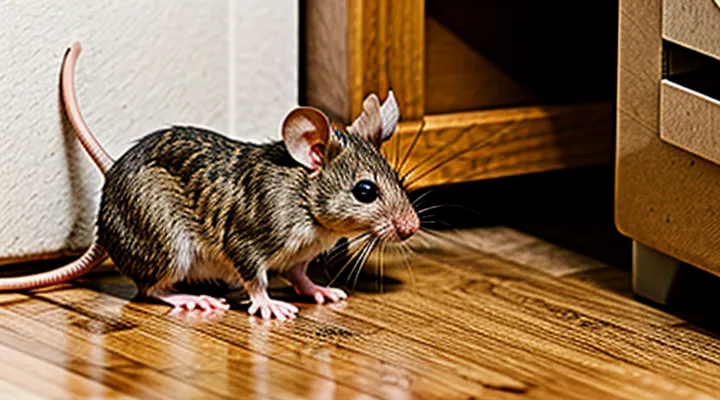
Visual Clues: What to Look For
Mouse Droppings: Appearance and Location
Mouse droppings are a primary indicator of a rodent presence. They are typically 1‑3 mm long, dark brown to black, and have a tapered, slightly pointed shape. Fresh droppings appear moist and may have a glossy surface; older specimens become dry, crumbly, and may develop a faint odor. The size and coloration can vary with the mouse’s diet, but the characteristic length and pointed ends remain consistent across species commonly found in residential settings.
The locations where droppings accumulate reveal the pathways and activity zones of the infestation. Expect to find them:
- Along baseboards, especially in concealed corners.
- Inside cabinets, pantry shelves, and behind stored food containers.
- Near appliances that generate heat, such as refrigerators, stoves, and dishwashers.
- In attic insulation, crawl spaces, and behind wall panels.
- Around entry points, including gaps around pipes, vents, and door frames.
A concentration of droppings in any of these areas, particularly when paired with gnaw marks or nesting material, confirms that mice are actively using the space. Prompt identification of both appearance and location is essential for effective control measures.
Gnaw Marks: Identifying Damage Patterns
Gnaw marks reveal a mouse’s presence through distinctive patterns. Rodents bite with incisors that leave clean, parallel cuts, typically 2–4 mm wide. The damage appears on soft materials such as plastic, cardboard, insulation, and wood, often at points of access like gaps around pipes or vents. Repeated bites create a series of overlapping holes that may widen over time, indicating ongoing activity.
Key indicators of mouse gnawing include:
- Uniform, shallow grooves rather than splintered or jagged fragments.
- Preference for edges and corners, especially near food sources.
- Presence of bite marks on wiring insulation, posing fire risk.
- Multiple parallel lines converging toward a single entry point.
Identifying these characteristics helps differentiate mouse damage from that caused by insects, larger rodents, or mechanical wear, enabling prompt remedial action.
Nests: Where Mice Build Their Homes
Mice construct nests to protect themselves, store food, and raise young. Recognizing typical nest sites helps confirm a rodent presence in a dwelling.
Nests are usually found in concealed, undisturbed areas where insulation or soft material is available. Common locations include:
- Behind wall cavities, especially near heat sources or plumbing.
- Inside ceiling joists or attic insulation.
- Underneath appliances such as refrigerators, stoves, or dishwashers.
- Within crawl spaces, basements, or storage closets.
- In gaps between floorboards, cabinets, or furniture.
- Inside wall voids behind drywall, particularly near electrical wiring.
Materials used for construction are readily available in homes: shredded paper, fabric scraps, insulation fibers, dried plant matter, and chewing debris. A nest appears as a compact, irregularly shaped mass, often darkened by urine or droppings.
Detecting nests involves visual inspection and tactile assessment. Look for:
- Small piles of shredded material in the listed locations.
- Accumulated droppings surrounding the nest, typically 3‑5 mm long, dark, and pointed at one end.
- Signs of gnawing on structural elements or wiring.
- Unusual odors, such as a musky scent from urine.
When a nest is discovered, it confirms active infestation. Immediate removal of the nest, sealing entry points, and implementing control measures are necessary to eliminate the problem. Regular monitoring of the identified sites prevents re‑establishment.
Tracks and Runways: Evidence of Movement
Mouse activity leaves distinct physical traces that confirm presence. Small, dark streaks along walls, baseboards, or cabinets indicate repeated travel. These trails, often a few millimeters wide, consist of greasy residue from fur and paw pads. When multiple parallel lines intersect, they form a runway—a preferred pathway connecting food sources and nesting sites.
Key indicators of movement include:
- Parallel or intersecting tracks on smooth surfaces, especially near corners.
- Fresh droppings aligned along runways, typically ¼‑inch long, pointed at one end.
- Gnaw marks on wires, packaging, or wooden structures positioned adjacent to tracks.
- Accumulated shredded material or shredded paper within the visible path.
Runways are most apparent in low‑traffic areas where mice avoid open spaces. Inspect behind appliances, under sinks, and inside closets. A continuous line of evidence—track, droppings, gnawing—provides reliable confirmation of an infestation.
Auditory and Olfactory Evidence
Scratching and Scurrying Sounds: When and Where
Scratching noises that repeat at regular intervals often signal nocturnal activity. Mice are crepuscular; they become most active just after sunset and before sunrise. During these periods you may hear rapid, high‑pitched scratches along baseboards, inside walls, or beneath flooring. The sound pattern differs from occasional settling; it is continuous, lasting several seconds to minutes, and may increase in intensity as the rodent explores new routes.
Scurrying sounds accompany the scratching. They manifest as light, rapid footfalls on hard surfaces such as ceramic tiles, hardwood, or metal ducts. The noise is most noticeable in quiet rooms, especially bedrooms and kitchens, where ambient sounds are minimal. In kitchens, scurrying often occurs near pantry shelves, behind refrigerators, or around garbage disposals, because food residues attract foraging behavior. In bedrooms, the sounds may travel through wall cavities or ceiling joists, creating a faint rustle that can be heard when the occupant lies still.
Typical locations for these auditory clues include:
- Interior walls, especially those adjoining kitchens or bathrooms, where mice can travel through insulation.
- Ceiling voids and attic spaces, where nesting material is stored and movement is less obstructed.
- Cabinet interiors and drawer pulls, where food crumbs accumulate.
- Behind appliances such as stoves, dishwashers, and refrigerators, which provide shelter and warmth.
If the noises persist for more than a few nights, place a piece of paper or a thin sheet of aluminum under suspected entry points and check for fresh gnaw marks or droppings the following day. Consistent detection of these signs confirms an active rodent presence and warrants immediate remediation.
Unpleasant Odors: The Scent of Infestation
Rodent infestations often produce distinct odors that signal a developing problem. Mice excrete urine and feces that contain ammonia and other nitrogenous compounds; the resulting smell is sharp, pungent, and resembles stale cleaning products. When a colony grows, the cumulative waste intensifies the odor, making it detectable even in well‑ventilated areas.
A secondary source of odor originates from the nesting material. Mice collect shredded paper, fabric, and insulation, which, when combined with body oils and saliva, emit a musty, earthy scent similar to damp basements or decomposing vegetation. This smell persists after the animals vacate the site, lingering in walls, closets, and hidden cavities.
The following indicators help differentiate mouse‑related odors from other household smells:
- Ammonia‑like sting – concentrated urine spots, often near food storage or entry points.
- Musky, damp scent – buildup of nesting debris, frequently found behind appliances or in attic spaces.
- Rotting or sour notes – decomposition of dead mice, which produces a foul, rancid odor distinct from regular waste.
Detecting these odors early allows prompt remediation, preventing further contamination and structural damage. Regular inspection of hidden areas and immediate cleanup of waste can eliminate the source and restore a neutral indoor environment.
Indirect Indicators
Pet Behavior Changes: A Mouse's Effect on Animals
Rodent presence in a residence triggers measurable shifts in the conduct of companion animals. Cats typically become hyper‑alert, exhibiting repeated stalking motions toward walls, sudden pauses, and elevated tail positions. They may also attempt to capture unseen prey, resulting in increased pouncing and rapid sprints across rooms. Dogs often display heightened agitation, manifested as persistent whining, pacing, and frequent attempts to sniff or dig near baseboards and cabinets. Some dogs may bark or growl at concealed spaces, indicating an auditory or olfactory detection of the intruder. Birds, especially cage‑kept species, can react to the subtle vibrations and sounds produced by gnawing, leading to increased vocalization, feather ruffling, and occasional attempts to escape their enclosures.
Key behavioral indicators include:
- Repetitive scratching or clawing at walls, floors, or furniture.
- Unexplained aggression toward empty corners or behind appliances.
- Elevated alertness followed by sudden, brief freezes.
- Unusual scent‑tracking behavior, such as sniffing behind radiators or under sinks.
- Increased grooming or self‑soothing actions that coincide with rodent activity peaks.
These changes arise because pets rely on acute hearing and smell to locate small mammals. When a mouse establishes a nest, its movements generate sounds and odors that stimulate predatory instincts. The resulting stress may also affect feeding patterns; cats might eat less due to distraction, while dogs could consume food more rapidly in anticipation of competition. Monitoring pet behavior therefore provides a practical, indirect method for confirming a rodent problem without direct inspection.
Food Packaging Damage: Compromised Supplies
Detecting a mouse problem in a dwelling often begins with the condition of stored food. When rodents gnaw, tear, or puncture packaging, they create entry points for contamination and spoilage. Damaged wrappers, shredded bags, and torn cans signal that pests have accessed the contents, compromising safety and quality.
Key indicators of compromised supplies include:
- Visible chew marks on plastic, cardboard, or foil.
- Ripped seals or torn corners on bags and containers.
- Small holes or perforations in bulk‑food packaging.
- Displaced or scattered food items, suggesting movement by a rodent.
- Presence of droppings or urine stains near opened packages.
Addressing these signs promptly prevents health risks and limits further damage. Seal all openings, store food in rodent‑proof containers, and eliminate sources that attract mice. Regular inspection of packaging integrity is essential for maintaining a pest‑free environment.
Grease Marks and Smudges: Traces on Surfaces
Grease marks and smudges appear as oily, dark streaks on walls, baseboards, and cabinets where a mouse has brushed its fur or tail. The residue is most pronounced near food sources, behind appliances, and along concealed pathways such as behind the refrigerator or under the sink.
Typical characteristics include:
- Dark, glossy lines that contrast with the surrounding surface.
- Smears that follow a linear or curved pattern, suggesting repeated movement.
- Presence on low‑height surfaces (10–30 cm above the floor), matching a mouse’s reach.
To distinguish rodent traces from other stains, examine the texture and location. Cooking oils, pet hair, or fingerprints lack the consistent, narrow profile and are usually confined to areas directly involved with food preparation or handling.
If grease marks are confirmed, take the following actions:
- Seal entry points larger than ¼ inch with steel wool or caulk.
- Remove food sources by storing items in airtight containers.
- Set snap traps or live traps along the identified routes.
- Clean affected surfaces with a detergent solution to eliminate scent cues that could attract further activity.
Actionable Steps After Detection
Confirming the Presence: Further Investigation
Confirming a mouse problem requires objective evidence beyond occasional sightings. Begin by examining common indicators that a rodent population is active within the living space.
- Droppings: Small, dark pellets about the size of a grain of rice, typically found along walls, under appliances, and in pantry corners. Fresh droppings appear slightly moist and may emit a faint odor.
- Gnaw marks: Fresh chew holes on wood, plastic, or wiring, usually 2‑3 mm in diameter. Look for parallel scratches on surfaces where mice travel.
- Nesting material: Gathered shredded paper, fabric, or insulation found in concealed areas such as behind cabinets or inside wall voids.
- Noises: Scratching or scurrying sounds, especially at night, emanating from ceilings, walls, or behind furniture.
- Tracks: Visible footprints in dusty areas or on smooth surfaces; a fine powder (e.g., flour or talc) applied to suspected pathways will reveal fresh prints after a few hours.
- Odor: A strong, musky scent indicates urine accumulation; a persistent, pungent smell often signals a larger infestation.
If initial observations are inconclusive, deploy monitoring tools to capture definitive proof. Place snap traps or live‑catch traps along identified runways, using peanut butter or small bits of fruit as bait. Check traps daily; captured specimens confirm presence and provide data on species and activity level.
For persistent uncertainty, consider infrared motion cameras positioned near suspected entry points. Continuous recording over 24‑48 hours captures nocturnal movement without disturbance. Review footage for characteristic mouse behavior—quick, low‑profile runs along baseboards.
When evidence remains ambiguous, enlist a licensed pest‑control professional. Specialists conduct thorough inspections, employ bait stations with tracking gel, and may perform rodent‑specific DNA testing of droppings to verify species. Their report establishes a factual basis for remediation decisions.
Collecting and documenting these findings—photographs of droppings, trap logs, and camera footage—creates a clear record of infestation severity, essential for effective treatment planning.
Initial Response: What to Do Next
When evidence of rodents appears, act without delay. Seal all food containers, discard any compromised items, and clean surfaces with a disinfectant to remove scent trails. Examine the perimeter of the dwelling and identify gaps larger than a quarter‑inch; seal these openings with steel wool, caulk, or hardware cloth to stop further entry.
- Install snap traps or electronic traps along walls, behind appliances, and near suspected pathways.
- Place bait stations with approved rodenticide in concealed locations, following label instructions and keeping them out of reach of children and pets.
- Record trap placements and check them daily; record captures to gauge activity levels.
- Contact a licensed pest‑management professional if the infestation persists, exceeds a few individuals, or if structural damage is suspected.
- After removal, conduct a thorough sanitation sweep: vacuum debris, wash linens, and replace insulation if droppings were present.
- Maintain a preventive routine by keeping clutter to a minimum, storing food in sealed containers, and performing regular inspections of entry points.
These actions create an immediate barrier, reduce the population, and lay the groundwork for long‑term control.