
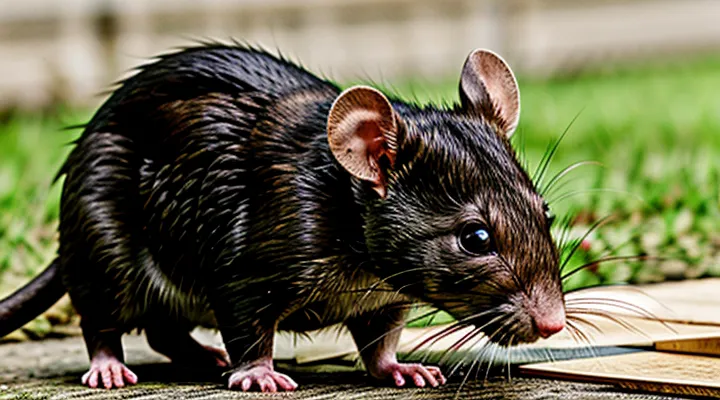
Understanding Rat Marking Behavior
Why Rats Mark
Territorial Marking
Territorial marking is a primary communication method for rats, allowing individuals to define boundaries, signal reproductive status, and deter intruders. The behavior relies on scent deposits from urine, feces, and specialized glands, creating a chemical map that other rats interpret.
Marking occurs most frequently in confined spaces where food, water, and shelter are concentrated. Overcrowding, abundant resources, and undisturbed corners increase the frequency and intensity of deposits. Persistent scent trails encourage repeated visits, reinforcing the perceived ownership of the area.
Effective control of this behavior follows a systematic approach:
- Eliminate food sources: store perishables in sealed containers, clean spills promptly, and remove pet food after each use.
- Reduce water availability: fix leaks, empty standing water, and use drip‑free dispensers.
- Declutter and sanitize: clear debris, vacuum corners, and disinfect surfaces with enzymatic cleaners that break down odor molecules.
- Seal entry points: install metal mesh or caulk around gaps, vents, and utility openings to prevent access.
- Disrupt scent trails: apply rodent‑specific repellents containing predator urine or essential oils, and replace contaminated bedding regularly.
- Install traps or bait stations: place snap traps or tamper‑proof bait in active zones, monitoring and resetting as needed.
- Employ professional pest‑management services for severe infestations, ensuring integrated methods that combine habitat modification with targeted control.
Consistent application of these measures reduces the attractiveness of the environment, limits the ability of rats to maintain scent boundaries, and ultimately curtails unwanted marking activity.
Communication
Effective management of rat scent‑marking relies on clear information exchange between occupants, pest‑control professionals, and the rodents themselves. Precise reporting of marking locations, frequency, and timing enables targeted interventions and reduces unnecessary treatments.
Human‑to‑human communication must include standardized documentation. A concise record should list:
- Exact room or area where marks appear
- Date and time of observation
- Visible signs of damage or droppings
- Any recent changes in food storage or waste handling
These data allow technicians to select appropriate control methods and to evaluate their success over time.
Rats respond to chemical signals. Introducing synthetic pheromones that mimic territorial markers can redirect activity away from critical zones. Applying such cues in a controlled pattern creates a false boundary, discouraging fresh marking in protected areas.
Auditory deterrents also influence rodent behavior. Consistent low‑frequency sounds emitted near nesting sites interfere with social communication, prompting relocation. Devices should operate continuously for at least 48 hours before assessment of impact.
Visual cues support the strategy. Marking safe zones with bright, non‑reflective tape signals to staff that the area is under active management, reducing accidental disturbance of control measures.
Overall, a systematic communication framework—documented reports, chemical deterrents, acoustic devices, and visual identifiers—creates a feedback loop that limits rat marking and facilitates rapid adjustment of control tactics.
Stress and Anxiety
Rats resort to marking when they experience heightened stress or anxiety. Environmental disturbances—loud noises, sudden movements, or frequent human traffic—trigger the release of cortisol, which stimulates territorial scent‑marking as a coping mechanism. Overcrowding intensifies competition for resources, elevates tension, and increases the frequency of urine and fecal deposits.
Reducing these emotional drivers requires a systematic approach:
- Maintain a stable temperature and humidity level; fluctuations provoke discomfort.
- Limit exposure to loud or abrupt sounds by insulating walls and using soft lighting.
- Provide a minimum of 0.5 sq ft of floor space per adult rat; add extra cages or compartments when population density rises.
- Supply nesting material and chewable objects to satisfy natural behaviors, thereby diverting attention from marking.
- Establish a consistent feeding schedule; unpredictable meals heighten vigilance and stress.
- Implement gradual introductions when adding new rats; allow visual and olfactory acclimation before physical contact.
Monitoring physiological indicators—piloerection, rapid breathing, and excessive grooming—helps identify stress before marking escalates. Promptly addressing these signs with the measures above diminishes the need for territorial scenting and supports a calmer, healthier colony.
Identifying Unwanted Marking
Common Marking Spots
Rats typically concentrate their marking activity in areas that provide easy access, concealment, and proximity to food or water sources. Recognizing these locations is essential for effective control.
- Near food storage – pantry shelves, pantry doors, and kitchen cabinets often contain scent marks that signal a safe feeding zone.
- Along walls and baseboards – narrow gaps, cracks, and junctions between floor and wall serve as discreet pathways and are frequently smeared with urine.
- Behind appliances – refrigerators, stoves, and dishwashers create dark, insulated spaces where rats can deposit scent without disturbance.
- In utility areas – crawl spaces, attics, and boiler rooms offer warmth and limited human traffic, making them preferred sites for territorial marking.
- Near water sources – sinks, leaky pipes, and damp basements attract rats, who leave droppings and urine to claim the moisture supply.
- Under furniture – sofas, cabinets, and beds provide shelter; rats often leave markings on the underside of legs or on nearby floorboards.
Identifying these hotspots allows targeted cleaning, removal of attractants, and placement of control measures, thereby reducing the likelihood of repeated marking incidents.
Odor Recognition
Rats rely on highly sensitive olfactory receptors to locate and assess scent marks left by conspecifics. Detecting these chemical cues triggers territorial and reproductive behaviors, leading to repeated marking in the same area. Interfering with odor recognition can therefore suppress unwanted urination and droppings.
Key mechanisms of odor detection include:
- Binding of volatile compounds to olfactory receptor neurons in the nasal epithelium.
- Transmission of signals to the olfactory bulb and downstream limbic structures that evaluate social relevance.
- Integration of pheromonal and environmental odors that modulate marking frequency.
Disruption strategies focus on altering the chemical landscape to confuse or deter the rat’s olfactory system:
- Scent masking – Apply strong, non-toxic odors (e.g., citrus oil, eucalyptus) to dilute rodent pheromones and reduce signal clarity.
- Predator cues – Disperse synthetic predator urine or fur extracts; the presence of these scents triggers avoidance responses and suppresses marking.
- Enzymatic degradation – Use products containing urease or other enzymes that break down urine constituents, eliminating recognizable markers.
- Odor neutralizers – Deploy activated charcoal or zeolite powders that adsorb volatile compounds, preventing accumulation of detectable scents.
- Environmental sanitation – Regularly clean surfaces with enzymatic cleaners to remove residual odors before they can be re‑detected.
Implementing these measures creates an environment where rats cannot reliably interpret scent information, leading to a measurable decline in marking activity.
Visual Cues
Visual cues create a clear, disruptive environment that discourages rats from establishing marking territories. Bright, contrasting colors applied to walls, baseboards, and entry points interrupt the dark pathways rats prefer, making the area less inviting for scent deposition. Predator silhouettes—such as owl or hawk images—mounted near potential routes trigger instinctive avoidance, reducing the likelihood of repeated visits.
- Reflective tape or glitter strips placed along edges of cabinets and under appliances generates constant movement in low light, preventing rats from feeling secure.
- Motion‑activated LED lights flash when motion is detected, startling rodents and interrupting marking behavior.
- High‑contrast warning signs stating “No rodents” or “Area monitored” reinforce the perception of human presence and increase perceived risk.
- Visual barriers, such as opaque pipe covers and sealed gaps, eliminate sightlines that rats use to navigate and locate marking spots.
Consistent application of these visual deterrents, combined with regular inspection and maintenance, sustains an environment where rats are unlikely to initiate or repeat unwanted marking.
Strategies to Reduce Marking
Environmental Modifications
Cage Size and Enrichment
Adequate cage dimensions reduce stress‑induced marking in rats. A floor area of at least 500 cm² per animal provides sufficient space for natural movement, limiting territorial aggression that often triggers urine or feces deposition on cage walls. Vertical space should accommodate climbing structures, allowing each rat to establish a personal perch without crowding.
Enrichment items directly influence the frequency of unwanted marking. Provide:
- Multiple nesting materials (e.g., shredded paper, cotton) to satisfy burrowing instincts.
- Chewable objects (wood blocks, safe plastics) to occupy oral behavior.
- Hideouts (PVC tubes, plastic shelters) that create private zones and lower perceived competition.
- Exercise wheels or tunnels that encourage physical activity and reduce idle pacing.
Rotate enrichment weekly to prevent habituation; replace worn items promptly to maintain novelty. Ensure all objects are cleaned regularly, removing scent residues that could reinforce marking cycles.
When cage size and enrichment are optimized, rats experience reduced anxiety, leading to a measurable decline in marking incidents. Maintaining these standards alongside proper sanitation creates an environment where marking becomes a rare response to environmental stress.
Cleaning Protocols and Products
Effective control of rodent urine and feces begins with a systematic cleaning routine. Remove all visible debris before applying any disinfectant to prevent dilution of active ingredients. Use disposable gloves and a mask to protect respiratory health.
- Sweep or vacuum the area, disposing of collected material in a sealed bag.
- Pre‑soak the surface with a detergent solution (1 % non‑ionic surfactant) for 10 minutes.
- Scrub with a stiff brush to release embedded deposits.
- Rinse thoroughly with hot water, ensuring no residue remains.
- Apply an enzymatic cleaner specifically formulated for rodent waste; follow the manufacturer’s contact time, typically 15–30 minutes.
- After the enzymatic action, treat the area with a registered rodent‑specific disinfectant (e.g., a quaternary ammonium compound or hydrogen peroxide‑based product) for an additional 10 minutes.
- Allow the surface to air‑dry completely before permitting re‑entry.
Select products that combine enzymatic breakdown of organic matter with a broad‑spectrum antimicrobial effect. Recommended categories include:
- Enzyme‑based cleaners that hydrolyze proteins and uric acid, neutralizing odor and reducing attractants.
- Oxidizing disinfectants (hydrogen peroxide, peracetic acid) that destroy bacterial spores without leaving harmful residues.
- Quaternary ammonium formulations approved for indoor use, offering rapid kill rates against common pathogens.
Regular maintenance reinforces deterrence. Schedule the full protocol weekly in high‑risk zones and biweekly in secondary areas. Spot‑clean any fresh stains promptly using a dilute enzymatic solution, then follow with the disinfectant. Consistent application of these procedures eliminates scent cues that encourage further marking, supporting long‑term rodent management.
Placement of Food and Water
Proper positioning of nourishment sources directly influences rodent behavior and reduces the likelihood of territorial marking. Food and water placed near entry points or in concealed corners create attractive zones that rats defend with scent deposits. Relocating these resources away from high‑traffic areas deprives rats of incentives to establish scent boundaries.
- Locate feeders and water dishes at least 3 feet from walls, doors, and known runways.
- Elevate containers on sturdy platforms to prevent easy access from the floor.
- Use sealed, rodent‑proof containers; avoid open bowls that spill or attract spills.
- Keep feeding stations away from garbage bins and compost piles; maintain a clear buffer zone.
- Rotate placement periodically to disrupt established patterns and discourage repeated marking.
Maintain cleanliness around all feeding areas. Promptly remove crumbs, spilled water, and food residues. Regularly inspect containers for damage and replace worn seals. Consistent sanitation, combined with strategic placement, eliminates food‑driven motivation for rats to mark, supporting broader efforts to control unwanted rodent scent activity.
Behavioral Approaches
Spaying/Neutering Considerations
Spaying or neutering a rat directly reduces the hormonal drive that triggers territorial marking. The procedure eliminates the production of sex hormones that stimulate urine and fecal deposits in undesired locations.
Key factors to evaluate before surgery include:
- Age: ideal window is before sexual maturity, typically 4‑6 weeks for females and 6‑8 weeks for males.
- Weight: minimum body mass of 150 g ensures safe anesthesia.
- Health status: clear of respiratory infections, parasites, and systemic disease.
- Genetic considerations: certain strains may have higher surgical risk.
A veterinary health assessment must confirm the animal’s suitability. Blood work, respiratory examination, and a review of recent illnesses help identify contraindications such as severe anemia or chronic kidney disease.
Surgical techniques vary. Conventional open orchiectomy or ovariohysterectomy provides reliable access and short operative time. Laparoscopic methods reduce incision size and postoperative discomfort but require specialized equipment and expertise. Choice depends on clinic resources and the rat’s size.
Post‑operative care focuses on pain control, wound protection, and environmental stability. Analgesics administered for 48‑72 hours, regular monitoring for swelling or infection, and a quiet, temperature‑controlled cage promote recovery. Food and water should be available immediately after anesthesia, and handling should be limited for the first 24 hours.
Behavioral outcomes are measurable. Most neutered males cease marking within days; spayed females show a marked decline in urine spraying. Persistent marking may indicate learned behavior or environmental stress, requiring additional management such as litter box optimization or scent‑masking agents.
Social Dynamics and Grouping
Rats organize into hierarchical groups where dominant individuals establish and defend territories through scent marking. When a colony is fragmented or overcrowded, subordinate members increase marking to assert status, leading to more frequent unwanted deposits. Maintaining stable social structures reduces the stimulus for excessive marking.
Key factors influencing rat marking behavior:
- Group size: Colonies of 5‑10 individuals sustain natural hierarchies; larger groups elevate competition and scent deposition.
- Territory clarity: Clearly defined nesting and feeding zones limit the need for frequent re‑marking.
- Stress reduction: Consistent environmental conditions (temperature, lighting, food availability) lower cortisol levels, diminishing marking impulses.
- Dominance stability: Preventing rapid turnover of dominant rats curtails the surge of marking associated with power struggles.
Practical measures derived from these dynamics:
- Limit population density to the optimal range, using traps or humane exclusion to prevent overcrowding.
- Separate feeding stations from nesting sites, creating distinct zones that discourage territorial overlap.
- Provide consistent resources (food, water, shelter) to minimize competition-driven marking.
- Monitor hierarchy shifts; replace or remove newly emergent dominant rats promptly to avoid a cascade of marking activity.
- Introduce environmental enrichment (burrowing material, chewable objects) to satisfy exploratory behavior without resorting to scent marking.
Applying these principles stabilizes rat social organization, directly reducing the frequency and intensity of unwanted marking.
Introducing New Items
Introducing new products can significantly reduce rat marking incidents. Effective items target the behavior directly, disrupt scent trails, or modify the environment to deter activity.
- Ultrasonic emitters: Emit frequencies uncomfortable to rodents, limit movement in treated zones, and reduce urine deposition.
- Scent repellents: Contain peppermint oil, ammonia, or predator urine; mask existing markings and discourage re‑marking.
- Bait stations with anticoagulants: Provide controlled exposure, lower population density, and consequently diminish marking frequency.
- Enzyme‑based cleaners: Break down pheromonal compounds in urine, erase chemical cues that attract repeat marking.
- Habitat‑modification kits: Include sealing tapes, vent covers, and chew‑resistant materials; eliminate entry points and nesting sites.
Each item integrates into a comprehensive control plan. Deploy emitters in high‑traffic areas, apply repellents around known marking spots, and maintain regular cleaning with enzyme solutions. Replace bait stations according to manufacturer guidelines to sustain population pressure. Secure structural gaps with provided sealing components to prevent re‑entry. Consistent use of these new tools creates an environment where rats lack both motivation and opportunity to mark undesirably.
Addressing Underlying Issues
Veterinary Consultation
A veterinary consultation provides a professional assessment of the factors that drive rodents to mark territory. The veterinarian examines the animal for medical conditions—urinary tract infections, hormonal imbalances, pain, or stress—that can trigger excessive scent‑marking. Diagnostic tools such as urinalysis, blood panels, and imaging help identify underlying health issues that might be overlooked by the owner.
During the appointment, the veterinarian offers a treatment plan tailored to the identified causes. Options may include:
- Prescription of antibiotics or anti‑inflammatory medication for infections or inflammation.
- Hormonal therapy or surgical sterilization to reduce sex‑driven marking.
- Pain management for injuries or musculoskeletal disorders.
- Recommendations for environmental enrichment and stress reduction strategies.
The practitioner also advises on preventive measures, such as regular health check‑ups, proper nutrition, and safe cleaning agents that do not irritate the animal’s urinary system. Implementing the veterinary guidance alongside habitat management creates a comprehensive approach to eliminating unwanted marking behavior.
Stress Reduction Techniques
Reducing stress in rodent populations directly lowers the incidence of territorial marking. When rats perceive an environment as safe and predictable, they are less likely to deposit urine or feces as a dominance signal.
Effective measures include:
- Consistent feeding schedule; regular meals eliminate hunger‑induced anxiety.
- Stable cage placement; avoid frequent relocation or exposure to loud noises.
- Enrichment items such as tunnels, chew blocks, and nesting material; provide outlets for natural behaviors and decrease boredom.
- Gradual introduction of new rats; use neutral zones and short, supervised sessions to prevent aggressive encounters.
- Temperature and humidity control; maintain conditions within the species’ optimal range to avoid physiological stress.
- Minimal handling stress; employ gentle, brief restraint techniques and allow the animal to retreat if it shows signs of agitation.
Implementing these practices creates a calm environment, thereby suppressing the motivation for unwanted marking and supporting overall colony health.
Diet and Hydration
Rats mark territory primarily to signal resource availability and social status. Nutrient balance directly influences this behavior; protein excess and carbohydrate scarcity trigger increased urine and fecal deposits. Provide a diet containing 18‑20 % protein, moderate fat (5‑7 %), and sufficient complex carbohydrates to satisfy energy needs without encouraging overproduction of scent markers.
Hydration levels affect urine volume and concentration. Access to fresh water in limited quantities leads to highly concentrated urine, which carries stronger odor cues and prompts more frequent marking. Ensure continuous supply of clean water and consider adding a small amount of electrolyte solution during hot weather to maintain optimal fluid balance.
Practical adjustments:
- Offer formulated rodent feed meeting the specified macronutrient ratios.
- Supplement with fresh vegetables (e.g., carrots, broccoli) for fiber and moisture.
- Eliminate high‑protein treats such as meat scraps or cheese.
- Place water bottles at multiple locations to prevent competition and encourage regular drinking.
- Monitor consumption daily; adjust portions if rats appear overweight or underweight.
Consistent implementation of balanced nutrition and adequate hydration reduces the physiological drive to mark, thereby supporting long‑term control of unwanted rat scent deposits.
Maintaining a Clean Environment
Regular Cleaning Schedule
Daily Spot Cleaning
Daily spot cleaning removes fresh rat deposits before they dry, preventing the strong odor that signals territory. Prompt removal eliminates the chemical cue that encourages other rodents to mark the same area.
Cleaning each visible stain reduces the risk of re‑infestation because rats rely on scent to locate food and shelter. By erasing these signals, the environment becomes less attractive, supporting broader control efforts.
- Identify all wet spots, droppings, or urine streaks as soon as they appear.
- Wear disposable gloves and a mask to avoid exposure.
- Apply an enzymatic cleaner directly to the stain; allow the product to work for the recommended contact time.
- Blot excess liquid with disposable paper towels; do not scrub, which can spread residue.
- Seal used towels and gloves in a plastic bag before discarding.
- Record the cleaned locations to monitor problem areas and adjust prevention strategies.
Consistent execution of these steps complements exclusion, trapping, and sanitation measures, creating a comprehensive approach to discourage rodent marking.
Weekly Deep Cleaning
A weekly deep‑cleaning routine removes food residues, droppings, and nesting material that attract rodents and encourage territorial marking. Thoroughly vacuum or sweep all floor surfaces, then mop with a detergent solution followed by a disinfectant approved for pest‑control environments. Pay special attention to corners, behind appliances, and under furniture where rats tend to hide.
- Empty trash bins, replace liners, and store waste in sealed containers.
- Clean and sanitize pet feeding stations, removing any spilled kibble.
- Wash curtains, drapes, and upholstery covers using hot water or a steam cleaner.
- Inspect and scrub drainage grates, pipe entrances, and utility openings.
- Apply a non‑toxic, rodent‑repellent spray to the cleaned areas after they dry.
Consistent execution of these tasks eliminates the scent cues rats use to delineate territory, thereby reducing the likelihood of unwanted marking in the premises.
Odor Neutralization
Safe Cleaning Solutions
Rats leave urine and feces that can spread disease and cause odor; cleaning these residues safely is essential for effective control.
- Enzymatic cleaners break down organic matter, neutralize scent markers, and are non‑toxic to humans and pets.
- White vinegar diluted 1:1 with water disinfects, eliminates odor, and leaves no harmful residues.
- Hydrogen peroxide (3 %) applied directly oxidizes urine compounds and evaporates without leaving chemicals.
- Diluted bleach (1 % sodium hypochlorite) kills bacteria and viruses; use only on non‑porous surfaces and rinse thoroughly.
- Commercial pet‑safe disinfectants labeled for rodent control provide a ready‑made option with proven efficacy.
Prepare solutions in clean containers, label them, and test on an inconspicuous area to confirm material compatibility. Apply liberally to all affected surfaces, allowing contact time of at least five minutes before wiping or rinsing. For porous materials, soak with solution, then blot and allow to air‑dry completely.
Wear disposable gloves, eye protection, and a mask when handling any cleaning agent. Ensure adequate ventilation, especially when using bleach or hydrogen peroxide. Collect contaminated rags and disposable tools in sealed bags for proper disposal.
After thorough cleaning, place a barrier such as a thin layer of petroleum‑based spray or a commercial rodent repellent on the treated area. This reduces the likelihood of re‑marking by masking residual scent cues and discouraging further visitation.
Air Purification
Effective air purification reduces the scent cues that attract rodents and trigger territorial marking. By eliminating odors carried on airborne particles, the environment becomes less inviting for rats, decreasing the frequency of urine and fecal deposits.
Air filtration systems equipped with high‑efficiency particulate air (HEPA) filters capture dust, dander, and microscopic droplet residues that may contain pheromones. When combined with activated carbon layers, these units adsorb volatile organic compounds (VOCs) responsible for musky or ammonia‑like smells. Regular replacement of filter media maintains optimal performance and prevents re‑release of trapped odors.
Targeted air treatment enhances deterrence:
- Ultrasonic humidifiers disperse fine mist infused with natural repellents (e.g., peppermint oil) that mask rodent scent trails.
- Ozone generators neutralize organic molecules, but must be calibrated to safe levels to avoid human health risks.
- Ionizers create charged particles that attach to airborne contaminants, causing them to settle and be removed by ventilation.
Proper ventilation complements filtration. Installing exhaust fans in crawl spaces, basements, and attics ensures stale air is expelled, reducing humidity that encourages rat activity. Sealing gaps around ducts and windows prevents ingress of outdoor odors that could attract rodents.
Routine maintenance—cleaning vents, checking for filter clogs, and monitoring humidity—preserves air quality and sustains an environment hostile to unwanted marking behavior.
Preventing Recurrence
Monitoring Behavior
Effective control of rat marking begins with systematic observation of rodent activity. Identify the locations, times, and frequency of deposits by placing motion‑activated cameras, infrared sensors, or trail‑mix stations in suspected areas. Record data for at least a week to capture patterns that may vary between daylight and darkness.
- Install low‑light video units near walls, corners, and near food sources; review footage for travel routes and marking spots.
- Use non‑toxic tracking powders on surfaces; examine footprints to determine preferred pathways.
- Deploy scent‑free bait stations equipped with RFID tags; each visit logs the individual’s presence and duration.
- Conduct regular visual inspections of droppings, urine stains, and gnaw marks; note changes in size, quantity, and distribution.
Analyze collected information to differentiate between exploratory movements and repeat marking behavior. When a specific zone shows repeated deposits, focus elimination measures—such as targeted baiting, habitat modification, or exclusion devices—on that area. Continuous monitoring validates the effectiveness of interventions and signals the need for adjustment before infestations spread further.
Consistency in Routine
Consistent daily practices create an environment that discourages rats from establishing scent‑marking territories. Predictable cleaning schedules remove urine and feces before they dry, eliminating the chemical cues that trigger further marking. Regular inspection of entry points and prompt sealing of gaps prevent new rats from entering and reduce the need for existing occupants to mark new routes.
Implement the following routine steps:
- Clean kitchen surfaces, countertops, and floors every evening with a detergent that breaks down protein residues. Follow with a mild disinfectant to neutralize odor.
- Empty trash bins nightly, secure lids, and place bins away from walls to limit easy access.
- Inspect and repair any cracks, gaps, or holes in walls, foundations, and utility penetrations each week; use steel wool and caulk or metal mesh for reinforcement.
- Rotate bait stations or traps on a fixed schedule, ensuring coverage of high‑activity zones without gaps in placement.
- Record observations of droppings or gnaw marks daily; adjust cleaning intensity and sealing efforts based on trends.
Maintaining these actions at the same times each day reinforces a stable habitat that rats perceive as inhospitable for marking. The predictability reduces stress‑induced scent deposits and limits opportunities for rats to claim new territory, ultimately decreasing unwanted marking behavior.