
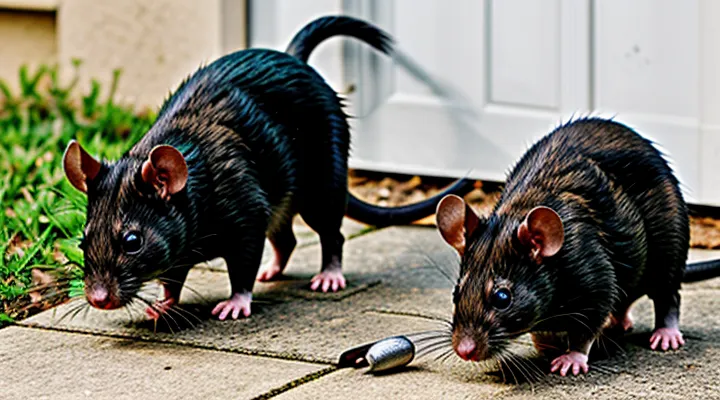
«Understanding Rat Biting Behavior»
«Reasons Why Rats Bite»
«Fear or Defense»
Rats bite primarily when they feel threatened or when they attempt to protect a food source. The behavior stems from an instinctive defensive response triggered by sudden movements, loud noises, or the presence of unfamiliar objects. Recognizing these triggers allows effective intervention.
Key actions to reduce bite risk:
- Eliminate sudden disturbances near feeding stations; keep lighting steady and avoid abrupt sounds.
- Secure food in sealed containers; remove accessible crumbs that can attract rodents.
- Provide hiding places such as cardboard tubes or small shelters, allowing rats to retreat without confrontation.
- Use gentle handling techniques: approach slowly, keep hands open, and avoid direct eye contact that may be perceived as aggression.
- Apply scent deterrents (e.g., peppermint oil) around entry points to discourage exploratory aggression.
Implementing these measures addresses the underlying fear and defensive motives, thereby lowering the likelihood of a bite. Continuous monitoring and prompt adjustment of environmental factors sustain a safe coexistence with the animals.
«Pain or Injury»
Rat bites produce puncture wounds that can penetrate skin, muscle, and fascia. The injury often carries a high risk of infection because rodent mouths harbor bacteria such as Streptobacillus moniliformis and Staphylococcus aureus. Prompt recognition of pain and tissue damage reduces complications.
Typical manifestations include:
- Sharp, localized pain at the bite site
- Swelling and redness spreading outward from the wound
- Warmth and tenderness indicating inflammation
- Bleeding that may be profuse in deeper punctures
- Fever, chills, or malaise suggesting systemic infection
Immediate care should follow these steps:
- Apply direct pressure with a clean cloth to stop bleeding.
- Irrigate the wound thoroughly using sterile saline or running water for at least one minute.
- Disinfect with an antiseptic solution such as povidone‑iodine.
- Cover with a sterile dressing to protect against external contaminants.
- Seek medical evaluation within 24 hours, especially if the bite is deep, the victim is immunocompromised, or signs of infection appear.
Medical treatment may involve:
- Prescription of broad‑spectrum antibiotics targeting rodent‑associated pathogens
- Tetanus booster if immunization status is uncertain
- Analgesics for pain management
- Monitoring for signs of septicemia or local tissue necrosis
Preventing pain and injury requires eliminating opportunities for rats to bite. Secure food sources, seal entry points, and maintain cleanliness in areas where rodents may forage. Employ traps or professional pest control to reduce the population and limit direct contact. Regular inspection of structures identifies potential nesting sites before rats can establish a foothold, thereby decreasing the likelihood of bites and associated injuries.
«Territoriality»
Rats defend the area they consider their own, and intrusion triggers aggressive behavior that can result in bites. The instinct to protect resources such as food, shelter, and nesting sites drives this response, especially when a rat perceives a threat to its established boundaries.
When a rat’s territory is crowded or repeatedly disturbed, stress levels rise and the likelihood of defensive biting increases. Human activity that encroaches on a rat’s domain—such as handling traps, moving containers, or entering infested spaces without precaution—can provoke an immediate attack.
Effective management of territorial factors reduces bite incidents:
- Eliminate food sources that concentrate activity in a single location; distribute bait or waste in sealed containers.
- Reduce shelter options by sealing gaps, removing clutter, and clearing debris that serve as nesting sites.
- Install physical barriers (e.g., mesh, metal plates) around high‑traffic areas to prevent rats from crossing into human zones.
- Provide multiple, spaced feeding stations in controlled environments to lower competition for a single resource.
- Limit handling of trapped rats to one side of the enclosure, allowing the animal to retreat without feeling cornered.
Controlling the spatial dynamics that rats associate with ownership directly lowers the probability of aggressive bites, supporting a safer environment for both people and animals.
«Maternal Instincts»
Maternal instincts in female rats can be leveraged to reduce aggressive biting behavior. A mother rat prioritizes the safety of her litter, often displaying heightened vigilance and selective tolerance toward intruders that do not threaten her offspring. This natural protective response creates an environment where non‑threatening individuals are less likely to provoke defensive bites.
When managing a rat population, encourage the presence of a breeding female in the colony. Her protective demeanor discourages hostile interactions among conspecifics, and her scent signals a stable, well‑cared‑for group. The resulting social hierarchy typically limits confrontational encounters that lead to biting.
Practical steps to harness this behavior:
- Introduce a healthy, lactating female before adding new rats to the enclosure.
- Maintain consistent nesting material and a quiet area for the mother to rear her young.
- Avoid frequent handling of the mother during the early postpartum period; reduced stress sustains her defensive yet calm posture.
- Monitor the colony for signs of dominance disputes; intervene only if aggression escalates beyond normal social structuring.
By aligning pest‑control strategies with the inherent protective drive of a mother rat, the frequency of bite incidents declines, creating a safer environment for both humans and the rodent population.
«Stress or Anxiety»
Stress and anxiety significantly increase the likelihood that a rat will bite. When a rodent feels threatened, its nervous system triggers a fight‑or‑flight response, narrowing focus to immediate danger and reducing tolerance for handling. Elevated cortisol levels also heighten sensitivity to tactile stimuli, causing reflexive aggression even during routine care.
Managing emotional tension in rats reduces bite incidents. Effective measures include:
- Providing a predictable routine; feed and clean at the same times each day.
- Limiting exposure to loud noises, sudden movements, and unfamiliar scents.
- Offering hiding places and nesting material to allow the animal to retreat when stressed.
- Using gentle, slow hand motions when approaching or holding the rat.
- Monitoring health; pain or illness can amplify anxiety and should be treated promptly.
Consistent application of these practices creates a calmer environment, decreasing the animal’s defensive reactions and helping owners handle rats safely.
«Play Biting (Nipping)»
Play biting, also known as nipping, is a normal exploratory behavior in young rats. It occurs when a rat uses its incisors to investigate objects, cage mates, or humans. The action is brief, low‑force, and typically stops when the animal receives a clear signal that the contact is unwelcome.
To prevent this playful nipping from becoming a harmful bite, follow these steps:
- Identify triggers. Observe the circumstances that precede nipping, such as sudden hand movements, bright colors, or handling during feeding time.
- Provide appropriate outlets. Supply chew toys, tunnels, and climbing structures to satisfy the rat’s natural urge to explore with its teeth.
- Use consistent handling techniques. Approach the rat calmly, keep hands steady, and avoid direct contact with the face or tail until trust is established.
- Apply immediate, gentle correction. When nipping occurs, pause interaction, withdraw the hand, and issue a brief, firm “no.” Re‑engage only after the rat settles.
- Reinforce desired behavior. Offer treats or praise when the rat interacts without using its mouth, reinforcing the alternative response.
Regularly rotating enrichment items maintains novelty, reducing the likelihood that the rat will resort to nipping out of boredom. Monitoring the animal’s health ensures that dental issues do not amplify the behavior; overgrown teeth can increase pressure during a bite.
By recognizing play biting as a developmental behavior and implementing structured handling, environmental enrichment, and consistent correction, owners can minimize the risk of painful bites while preserving the rat’s natural curiosity.
«Identifying Warning Signs of an Impending Bite»
«Hissing or Squeaking»
Rats emit hissing or squeaking when they feel threatened, experience pain, or are defending territory. These sounds serve as early warnings that a bite may follow if the animal perceives continued danger.
Recognizing the vocal cues enables immediate intervention. When a rat hisses, pause any handling, lower your voice, and avoid sudden movements. A squeak often signals distress; approaching calmly and providing an escape route can defuse the situation.
Practical measures to minimize bite risk:
- Stop interaction the moment hissing begins; give the rat space for at least 30 seconds.
- Observe body language: flattened ears, raised fur, or a stiff tail reinforce the need to withdraw.
- Offer a safe hiding place or a tunnel to redirect the rat’s focus.
- Gradually re‑introduce handling after the rat settles, using slow, gentle motions.
- Maintain a quiet environment; loud noises amplify stress and increase vocal warnings.
By treating hissing and squeaking as actionable alerts, owners can prevent escalation to biting and foster a calmer coexistence with their rodents.
«Piloerection (Fluffed Fur)»
Piloerection, commonly observed as fluffed fur, signals heightened arousal in rats. When the animal’s coat stands on end, the nervous system has activated a stress response that often precedes defensive biting. Recognizing this visual cue allows caretakers to intervene before aggression escalates.
Fluffed fur appears under several conditions:
- Sudden loud noises or unfamiliar scents.
- Confinement in cramped or poorly ventilated spaces.
- Rough handling or unexpected movements.
- Presence of predators, including domestic cats or dogs.
Each trigger stimulates the sympathetic branch of the autonomic nervous system, releasing adrenaline and causing the hair follicles to contract. The physiological change prepares the rat for a fight‑or‑flight reaction, increasing the likelihood of a bite if the threat persists.
Mitigation strategies focus on eliminating the underlying stressors:
- Provide a spacious, clutter‑free enclosure with adequate hiding places.
- Maintain a consistent routine for feeding, cleaning, and interaction to reduce uncertainty.
- Handle the animal gently, supporting the body and avoiding sudden grips.
- Limit exposure to loud sounds, bright lights, and unfamiliar odors.
- Introduce new stimuli gradually, allowing the rat to acclimate before full exposure.
Monitoring piloerection also assists in assessing the effectiveness of environmental adjustments. A decline in fluffed‑fur incidents indicates reduced stress levels and a lower probability of biting incidents. Implementing these measures creates a calmer environment, directly supporting efforts to prevent rat bites.
«Tail Wagging or Thumping»
Rats display a rapid side‑to‑side movement of the tail, known as tail wagging, when they are excited, curious, or mildly agitated. A sharp, forceful thump of the tail against a surface signals heightened alertness, fear, or preparation for aggression.
When tail wagging escalates into thumping, the animal is more likely to bite if pressure is applied or if it feels cornered. Recognizing this transition allows caretakers to intervene before a bite occurs.
- Observe the tail: gentle wag → monitor; sudden thump → treat as warning.
- Reduce stimuli: lower noise, avoid sudden movements, limit handling until the rat calms.
- Provide escape routes: ensure cages have multiple openings and hideaways.
- Use distraction: offer food or a chew object to shift focus away from the perceived threat.
- Gradually increase handling time: start with brief, gentle contacts, extending duration as the rat’s tail behavior remains calm.
Consistent monitoring of tail signals, combined with environmental adjustments and controlled interaction, lowers the probability of bites and promotes safer coexistence with rats.
«Freezing or Tensing Up»
Freezing or tensing up is a typical defensive posture exhibited by rats when they perceive a threat. The animal becomes motionless, muscles tighten, and the risk of a bite increases dramatically. Recognizing this state prevents escalation and protects both handler and rodent.
When a rat adopts this posture, immediate actions should focus on reducing perceived danger. Sudden gestures, loud noises, or rapid approach intensify the tension and provoke an attack. Instead, maintain a steady, low‑key presence and allow the animal to adjust.
- Keep a relaxed stance; shoulders down, arms at the sides.
- Move slowly, avoiding abrupt changes in direction.
- Speak in a calm, low tone; high‑pitch sounds trigger stress.
- Maintain a distance of at least one hand‑span before reaching for food or equipment.
- Use thick gloves or protective sleeves if contact is unavoidable.
If a rat remains frozen, give it several seconds to assess the environment before attempting any interaction. Offer a small piece of food at a slight angle to encourage forward movement. Do not attempt to grasp or restrain the animal while it is tense; waiting for the muscles to relax reduces bite probability.
Consistent application of these measures eliminates the freezing response in most cases, decreasing the likelihood of a bite and fostering a safer handling routine.
«Aggressive Posturing»
Aggressive posturing is a primary indicator that a rat may attempt to bite. Recognizable signals include raised fur, a stiffened tail, forward‑leaning stance, flattened ears, and direct, unblinking eye contact. When these cues appear, the animal is establishing dominance and preparing to defend its territory.
Immediate response should focus on de‑escalation:
- Halt movement and avoid sudden gestures.
- Turn sideways, presenting a smaller profile.
- Speak in a low, steady tone to convey calm.
- Slowly retreat to a safe distance, maintaining visual contact without direct staring.
Long‑term management reduces the frequency of aggressive displays:
- Provide ample hiding spaces and nesting material to lower territorial stress.
- Keep feeding areas clean and separate from living quarters to prevent competition.
- Limit handling sessions to brief, predictable intervals, allowing the rat to become accustomed to human presence.
- Introduce scent cues, such as a few drops of diluted chamomile oil, which have been shown to calm rodent nervous systems.
Consistent application of these measures diminishes the likelihood that a rat will adopt threatening postures, thereby lowering the risk of bites.
«Preventing Rat Bites Through Proper Handling and Environment»
«Safe Handling Techniques»
«Approaching Your Rat»
Approaching a rat correctly reduces the likelihood of a bite. Begin by observing the animal’s posture: relaxed muscles, upright ears, and a steady breathing pattern indicate readiness for contact. Avoid sudden movements; smooth, deliberate gestures prevent the rat from perceiving a threat.
When extending a hand, keep fingers together and present the palm at a slight angle. Allow the rat to sniff before any physical touch. If the rat retreats, pause and give space; forcing interaction increases stress and the chance of nipping.
Establish trust through repeated, brief sessions:
- Offer a small treat directly from the fingers.
- Gently stroke the head and neck, avoiding the tail and hindquarters.
- Gradually increase the duration of handling as the rat remains calm.
Maintain a clean environment; odors from food residues or waste can provoke defensive behavior. Use a secure, escape‑proof enclosure during initial approaches to prevent sudden flight responses.
If a bite occurs, withdraw calmly, clean the wound, and reassess the rat’s comfort level before resuming contact. Consistent, low‑stress interactions train the animal to view human presence as non‑threatening, thereby minimizing biting incidents.
«Picking Up Your Rat Safely»
When a rat shows aggression, the way you handle the animal can prevent bites. Secure, calm handling reduces stress and lowers the risk of a defensive bite.
- Approach the cage slowly, keeping your hand low and visible.
- Open the cage door fully before reaching in; avoid sudden movements.
- Use both hands: one hand supports the rat’s hindquarters, the other cup the chest.
- Allow the rat to grasp your fingers before lifting; this gives the animal a sense of control.
- Keep the rat close to your body, maintaining a stable grip while moving it to a safe surface.
- Release the rat onto a firm, flat area; do not place it on a high perch or unstable object.
If the rat resists, pause and give it a moment to settle before attempting again. Consistent, gentle technique trains the rat to associate handling with safety, decreasing the likelihood of biting.
«Minimizing Stress During Handling»
Effective handling reduces the likelihood of rat bites. Calm animals are less prone to defensive aggression, so minimizing stress is essential.
- Approach slowly, keeping movements deliberate and predictable.
- Use gentle, steady pressure when lifting; avoid sudden squeezes.
- Support the animal’s hindquarters and torso simultaneously to prevent feeling unbalanced.
- Limit exposure to loud noises and bright lights during the procedure.
- Allow the rat to become familiar with handling tools before use; brief, repeated sessions build tolerance.
Maintain a quiet environment, keep hands clean and warm, and limit handling duration to the minimum required for the task. Consistent, low‑stress techniques create a cooperative response, decreasing bite incidents.
«Optimizing Your Rat«s Environment»
«Adequate Cage Size and Enrichment»
Rats that are confined to cramped cages often exhibit heightened aggression, which can manifest as biting. Providing sufficient space and mental stimulation lowers stress levels and discourages defensive behavior.
A cage must accommodate the animal’s natural tendency to move horizontally and vertically. Minimum recommendations include:
- Floor area of at least 2 sq ft (0.19 m²) per adult rat.
- Height of 12–15 in (30–38 cm) to allow climbing.
- Bar spacing no wider than ½ in (13 mm) to prevent escape.
- Solid base or deep bedding to enable burrowing.
These dimensions give each rat room to explore, exercise, and establish personal zones, all of which reduce the likelihood of bite incidents.
Enrichment supplies variety and challenges that satisfy foraging and nesting instincts. Effective items are:
- Nesting material such as shredded paper or cotton.
- Chewable objects—untreated wood blocks, cardboard tubes, or mineral chews.
- Climbing structures—rungs, ladders, and platforms.
- Puzzle feeders that require manipulation to release food.
- Tubes and tunnels that encourage exploration.
Regular rotation of toys and rearrangement of the layout prevents habituation and keeps the environment engaging.
Combining ample cage dimensions with a structured enrichment program creates a less hostile environment, curtails stress‑induced aggression, and markedly reduces the frequency of rat bites.
«Proper Diet and Nutrition»
A balanced diet reduces the likelihood of aggressive bites in rats by stabilizing blood glucose and supporting normal behavior. Nutrient deficiencies, especially in protein, vitamins, and minerals, trigger irritability and increase the propensity to bite.
- High‑quality commercial rodent pellets as the primary source of protein, calcium, and essential vitamins.
- Fresh vegetables (e.g., carrots, broccoli, kale) for fiber and additional micronutrients.
- Small portions of fruit (e.g., apple, berries) for natural sugars, limited to 10 % of daily intake.
- Clean, fresh water available at all times.
Feeding schedules that provide consistent meals prevent hunger‑driven aggression. Offer food at the same times each day, and avoid long gaps between meals. Remove uneaten food after 24 hours to prevent spoilage, which can cause gastrointestinal upset and stress‑related biting.
- Exclude high‑fat treats, sugary snacks, and processed human foods.
- Eliminate foods known to cause dental problems, such as hard seeds or nuts.
- Avoid foods that are toxic to rats, including chocolate, caffeine, and onions.
Proper nutrition supports dental health, immune function, and overall temperament. By supplying a predictable, nutritionally complete diet, caretakers minimize stress factors that commonly lead to biting incidents.
«Maintaining a Clean Environment»
Maintaining a clean environment directly reduces the likelihood of rat bites. Rats are attracted to food residues, standing water, and clutter that provide shelter and nesting material. Eliminating these resources forces rodents to seek alternative habitats, decreasing contact with humans.
- Store all food in sealed, rodent‑proof containers.
- Dispose of kitchen waste in containers with tight‑fitting lids; empty them daily.
- Clean spills, crumbs, and food debris immediately; sweep and mop floors regularly.
- Keep countertops, shelves, and pet feeding areas free of leftover food.
- Remove standing water from sinks, pet dishes, and outdoor troughs; dry surfaces after use.
- Declutter storage areas, basements, and attics; eliminate cardboard boxes and fabric piles.
- Seal gaps and cracks in walls, floors, and around pipes; use steel wool or caulk to block entry points.
- Manage outdoor garbage bins with secure lids; position them away from building entrances.
- Trim vegetation, remove leaf litter, and keep lawns mowed to reduce shelter near the foundation.
Consistent application of these practices deprives rats of food, water, and shelter, thereby lowering the risk of bites. Regular inspections and prompt repairs sustain the hygienic conditions necessary for effective rodent control.
«Socialization and Companionship»
Social interaction reduces the likelihood that a rat will bite. Regular handling teaches the animal to associate human contact with safety, diminishing defensive responses. Consistent, gentle exposure builds trust and lowers stress levels that often trigger aggression.
Companionship among rats also curtails biting behavior. Cohabiting individuals develop social hierarchies, share grooming duties, and provide mutual stimulation, which satisfies natural instincts that might otherwise be directed toward humans. Maintaining stable group compositions prevents the anxiety that arises from frequent introductions or removals.
Practical measures for fostering socialization and companionship:
- Schedule short, daily handling sessions; increase duration gradually as the rat shows comfort.
- Use quiet, predictable environments during interaction to avoid startling the animal.
- Provide enrichment items (tunnels, chew toys) that encourage group play and cooperative behavior.
- Monitor group dynamics; separate individuals exhibiting persistent aggression to preserve overall harmony.
«Addressing Specific Situations»
«Introducing New Rats»
Introducing unfamiliar rats into an established colony can increase the likelihood of aggressive encounters that result in bites. New arrivals often lack the social cues that signal submission, prompting resident rats to assert dominance through biting. Managing this risk requires systematic procedures that minimize stress and prevent hostile behavior.
Effective integration follows a defined protocol:
- Quarantine the newcomers for at least two weeks, observing health and behavior.
- Conduct a health screening to rule out diseases that could aggravate aggression.
- Gradually expose the new rats to scent cues from the resident group, using shared bedding or cloths.
- Arrange short, supervised visual contact sessions in neutral cages before physical co‑habitation.
- Monitor interactions closely during the first 48 hours of shared housing, separating individuals that display persistent biting.
Maintaining a stable hierarchy after introduction reduces bite incidents. Provide ample nesting material, multiple feeding stations, and hideouts to allow subordinate rats to retreat. Regularly assess the group’s dynamics; if aggression persists, consider permanent separation rather than forcing coexistence.
«Dealing with Hormonal Aggression»
Rats experience heightened aggression when hormonal cycles, especially testosterone surges, trigger territorial and mating behaviors. This aggression often manifests as biting, posing a risk to humans and other animals in shared environments.
Identify the physiological trigger. Monitor breeding seasons or introduce hormonal assays to detect elevated levels. Early detection enables timely intervention before aggression escalates.
Implement environmental controls. Reduce crowding, provide ample nesting material, and maintain stable temperature to minimize stress that amplifies hormonal effects. Separate individuals showing dominant behavior from subordinate ones to disrupt aggressive hierarchies.
Apply dietary adjustments. Incorporate foods rich in phytoestrogens, such as soy, to moderate testosterone activity. Ensure balanced nutrition to support overall health and reduce irritability.
Utilize behavioral conditioning. Train rats with positive reinforcement to associate human contact with rewards, diminishing fear‑driven bites. Consistent handling reduces the perceived threat that fuels aggressive responses.
When hormonal aggression persists, consider veterinary intervention. Hormone‑modulating medications, prescribed by a professional, can lower testosterone levels and reduce biting propensity. Regular follow‑up appointments verify dosage effectiveness and monitor side effects.
Document all observations. Record changes in behavior, environmental modifications, and medical treatments. Detailed records facilitate pattern recognition and refine future management strategies.
«Managing Pain or Illness»
Effective control of rat‑related injuries begins with proper management of pain and disease following a bite. Prompt pain relief reduces stress, limits the animal’s defensive behavior, and improves the victim’s ability to seek professional care.
Immediate actions after a bite should include:
- Apply firm pressure with a clean cloth to stop bleeding.
- Clean the wound with running water and mild soap; avoid harsh antiseptics that may irritate tissue.
- Use an over‑the‑counter analgesic such as ibuprofen or acetaminophen, following dosage guidelines.
- Seek medical evaluation within 24 hours, especially if the wound is deep, shows signs of infection, or the victim has a weakened immune system.
Medical treatment focuses on preventing infection and addressing disease transmission. Key components are:
- Administration of a tetanus booster if vaccination status is uncertain.
- Initiation of a broad‑spectrum antibiotic regimen to counter common rat‑borne pathogens, typically involving doxycycline or amoxicillin‑clavulanate.
- Evaluation for hantavirus, leptospirosis, or plague in regions where these diseases are endemic; laboratory testing guides specific therapy.
Long‑term health management reduces the likelihood of future bites. Strategies include:
- Maintaining personal hygiene and regular wound care to prevent secondary infections.
- Monitoring for delayed symptoms such as fever, rash, or joint pain, and reporting them promptly to a healthcare provider.
- Implementing vaccination updates and routine health screenings for individuals with frequent rodent exposure.
By controlling pain, preventing infection, and addressing potential illnesses, individuals diminish the physiological triggers that encourage rats to bite, thereby supporting broader efforts to eliminate rat‑related attacks.
«Responding to a Rat Bite»
«Immediate First Aid for Rat Bites»
«Cleaning the Wound»
When a rat bite occurs, immediate wound care reduces infection risk and limits further complications. Begin by applying pressure with a clean cloth to stop bleeding, then wash hands thoroughly before handling the injury.
Cleaning procedure
- Rinse the wound under running water for at least one minute to remove debris.
- Apply mild soap around the edges; avoid scrubbing the tissue directly.
- Pat the area dry with sterile gauze.
- Disinfect with a broad‑spectrum antiseptic such as povidone‑iodine or chlorhexidine; allow it to air‑dry.
- Cover with a sterile, non‑adhesive dressing secured with medical tape.
After cleaning, monitor the site for redness, swelling, or discharge. Administer a tetanus booster if immunization is outdated, and arrange prompt medical evaluation to assess rabies exposure and prescribe antibiotics if indicated. Proper wound management is a critical component of any strategy aimed at minimizing the impact of rodent bites.
«Applying Pressure to Stop Bleeding»
When a rat bite occurs, the first priority is to halt blood loss before any further treatment. Immediate pressure prevents the wound from expanding, reduces the risk of shock, and creates a cleaner environment for subsequent care.
- Use a clean, sterile gauze pad or a cloth that has been washed with hot water.
- Position the pad directly over the puncture site.
- Apply firm, steady pressure with the palm of the hand; maintain force for at least five minutes without interruption.
- If bleeding persists, add another layer of gauze and repeat the pressure cycle.
- After bleeding stops, secure the dressing with a bandage that is snug but not restrictive.
Following pressure, clean the wound with mild antiseptic, seek professional medical advice, and consider preventive measures to avoid future rat encounters.
«Disinfection»
Effective disinfection reduces the likelihood that rats will bite by eliminating pathogens that attract them and by creating an environment that discourages aggressive behavior.
First, identify high‑risk zones such as kitchens, storage areas, and waste collection points. These locations often contain food residues, urine, and feces that draw rodents. Remove visible debris before applying any disinfectant; cleaning with hot, soapy water eliminates organic matter that can neutralize chemical agents.
Select disinfectants proven against bacteria, viruses, and parasites commonly associated with rodent activity. Recommended options include:
- 0.1 % sodium hypochlorite solution (bleach) – broad‑spectrum, rapid action.
- 70 % ethanol – effective on surfaces that tolerate alcohol.
- Quaternary ammonium compounds – suitable for metal and plastic fixtures.
Apply the chosen agent according to manufacturer instructions, ensuring full coverage of surfaces, corners, and crevices. Maintain the recommended contact time—typically 5–10 minutes—to achieve complete microbial kill. After exposure, rinse with clean water if the surface will contact food or animals.
Personal protective equipment (gloves, goggles, mask) protects the applicator from chemical irritation and potential zoonotic agents. Ventilate enclosed spaces to prevent inhalation of fumes.
Schedule regular disinfection cycles: daily in food‑handling areas, weekly in storage rooms, and monthly in less frequented zones. Record each treatment, noting date, product, concentration, and observed rodent activity. Documentation supports trend analysis and prompts adjustments when bite incidents persist.
Combine disinfection with complementary measures—secure waste containers, seal entry points, and implement baiting or trapping programs. Integrated action creates a hostile environment for rats, lowering the probability of aggressive encounters and subsequent bites.
«When to Seek Medical Attention»
«Signs of Infection»
Rats that bite can introduce bacteria and viruses, making early detection of infection essential for effective treatment.
Typical indicators appear within hours to days after the wound and include:
- Redness spreading outward from the bite site
- Swelling that does not subside or increases in size
- Warmth or heat felt around the area
- Pain that intensifies rather than diminishes
- Pus or other fluid discharge, often yellow or green
- Fever, chills, or a general feeling of illness
Additional symptoms may suggest systemic involvement:
- Rapid heartbeat or low blood pressure
- Nausea, vomiting, or abdominal discomfort
- Headache, confusion, or stiff neck
When any of these signs emerge, seek medical attention promptly. Early intervention with appropriate antibiotics and wound care reduces the risk of severe complications and supports recovery.
«Deep Puncture Wounds»
Rats that bite can cause deep puncture wounds, which differ from superficial scratches by penetrating skin layers, damaging muscle and sometimes reaching bone. These injuries carry a high risk of infection, tissue necrosis, and transmission of pathogens such as Leptospira and Streptobacillus moniliformis.
Identification
- Sharp, narrow entry point, often less than 5 mm in diameter.
- Bleeding that is profuse despite the small opening.
- Pain that intensifies with movement of the affected limb.
- Swelling, redness, or pus formation within 24 hours.
Immediate care
- Apply direct pressure with sterile gauze to control bleeding.
- Irrigate the wound using copious amounts of clean water or saline; avoid harsh antiseptics that may damage tissue.
- Cover with a sterile dressing and seek medical attention promptly.
- Report the incident to local health authorities to facilitate traceback of potential disease outbreaks.
Preventive actions to reduce the likelihood of deep puncture wounds from rats
- Seal entry points: inspect walls, foundations, and utility openings; use steel mesh or cement to block gnawing.
- Eliminate attractants: store food in airtight containers, dispose of waste in sealed bins, and keep compost away from structures.
- Maintain a tidy environment: remove clutter, debris, and vegetation that provide hiding places.
- Deploy traps or bait stations strategically, positioning them along known travel routes while avoiding placement near food preparation areas.
- Conduct regular inspections: look for droppings, gnaw marks, and fresh bite marks on pets or humans; intervene immediately if signs appear.
Long‑term management
- Implement an integrated pest‑management plan that combines habitat modification, population monitoring, and humane control methods.
- Educate occupants about safe handling of rodents and proper wound care procedures.
- Keep medical supplies (sterile dressings, antiseptic solutions) accessible in areas with known rat activity.
By recognizing the severity of deep puncture wounds and applying swift medical response together with rigorous environmental controls, the incidence of serious rat‑bite injuries can be substantially lowered.
«Immunization Status (Tetanus)»
When a rat bite occurs, the risk of tetanus infection depends on the victim’s immunization record. Verify the last tetanus booster; protection wanes after ten years. If the most recent dose was administered more than a decade ago, administer a tetanus toxoid injection promptly.
Key actions after a bite include:
- Clean the wound with soap and water, then apply an antiseptic.
- Assess the patient’s tetanus status; request documentation or inquire about the date of the last booster.
- If immunity is uncertain or the last dose exceeds ten years, give a tetanus‑containing vaccine (Td or Tdap) together with tetanus immune globulin for high‑risk wounds.
- Arrange follow‑up care to monitor for signs of infection and to complete the vaccine series if indicated.
Healthcare providers should maintain a database of patients’ vaccination dates to expedite decision‑making during emergencies. Public health programs targeting rodent‑related injuries often incorporate tetanus awareness campaigns, encouraging regular boosters for individuals frequently exposed to wildlife or working in environments where rat encounters are common.