
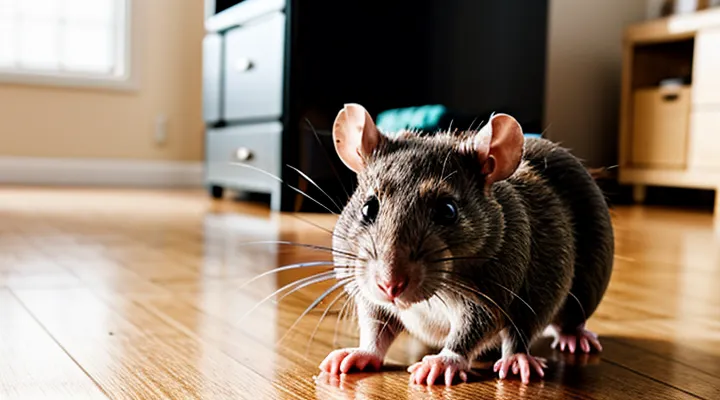
Preliminary Steps for Safe Removal
Recognizing the Signs of Infestation
Identifying Droppings and Gnaw Marks
Identifying rat activity is a prerequisite for any effective removal strategy. Recognizing droppings and gnaw marks provides reliable evidence of presence and helps target control measures.
-
Droppings: dark brown to black, ½‑inch long, rod‑shaped, with blunt ends; commonly found along walls, behind appliances, in pantry corners, and near entry points; fresh pellets are moist and may leave a faint odor, while older ones become dry and crumbly.
-
Quantity: a few pellets indicate occasional foraging; dozens suggest an established population.
-
Distribution: linear patterns along travel routes differ from scattered mouse droppings, which are smaller (¼‑inch) and more numerous.
-
Gnaw marks: shallow, parallel grooves on wood, plastic, or wiring; width roughly ¼‑inch, depth up to ⅛‑inch; often located near food sources, insulation, or structural joints.
-
Appearance: fresh gnawing shows clean, light‑colored edges; aged marks develop rough, splintered surfaces.
-
Distinction: beaver or squirrel damage is larger, irregular, and typically found on exterior structures, whereas rat gnawing is confined to interior fixtures.
Handling droppings requires protective gloves and a mask to avoid exposure to pathogens such as hantavirus. Place contaminated material in a sealed bag before disposal. Document locations of droppings and gnaw marks to map activity zones and plan targeted traps or bait stations. Accurate identification eliminates guesswork and enhances the safety and efficiency of rodent eradication efforts.
Locating Runways and Nests
Identifying the pathways and nesting sites a rat uses is essential for a successful removal operation.
Visible evidence of travel routes includes fresh droppings, smears of grease, gnaw marks on wires or wood, and worn pathways along walls or baseboards. These signs form continuous lines that reveal the most frequently used corridors.
To confirm a runway, sprinkle a thin layer of flour or talc along suspected lines. A rat will leave distinct footprints that verify active use. Alternatively, place a strip of adhesive tape across the path; captured prints indicate direction of movement.
Nesting locations are typically found in concealed areas that offer shelter and food access. Look for piles of shredded paper, fabric, insulation, or dried vegetation. A concentration of droppings, urine stains, or a musky odor signals a nest site. Common nesting zones include behind appliances, under sinks, within wall voids, attic insulation, and crawl‑space corners.
Systematic inspection should follow a logical sequence: start at entry points, trace runways outward, and examine every potential hiding spot. Document each finding, then target the identified routes and nests with traps or exclusion measures to eliminate the infestation safely.
Immediate Safety Precautions
Preparing Personal Protective Equipment
When dealing with a rodent intrusion inside a residence, personal protective equipment (PPE) shields against bites, scratches, pathogens, and contaminant exposure. Proper preparation minimizes health risks for the handler and prevents the spread of disease.
Essential PPE items include:
- Heavy‑duty disposable gloves (nitrile or latex) that extend to the wrist.
- N95 or higher‑efficiency respirator mask to filter aerosolized particles.
- Safety goggles or a full face shield to protect the eyes from saliva and debris.
- Long‑sleeved, water‑resistant coveralls or a disposable jumpsuit.
- Slip‑resistant boots or shoe covers.
- Sealable plastic bags for contaminated materials.
- Antimicrobial disinfectant wipes or spray.
Preparation steps:
- Inspect each piece for tears, punctures, or compromised seals; replace any damaged item before use.
- Don gloves first, ensuring a snug fit without gaps at the cuffs.
- Secure the respirator, performing a user‑seal check to confirm proper fit.
- Position goggles or face shield over the eyes, adjusting straps for a tight yet comfortable seal.
- Put on the coveralls, fastening all closures and tucking the glove cuffs inside the sleeve cuffs.
- Slip on boots or shoe covers, confirming they cover the entire foot and ankle.
- Keep a sealed bag within reach for immediate disposal of used gloves, coveralls, and any contaminated debris.
After the rat is captured, remove PPE in reverse order, avoiding contact with the exterior surfaces. Place all disposable items directly into the sealable bag, seal, and discard according to local hazardous‑waste regulations. Clean reusable equipment with disinfectant before storage. This systematic approach ensures maximum protection throughout the removal operation.
Isolating Pets and Children from the Affected Area
When a rodent infestation is confirmed, protect vulnerable household members by separating them from the contaminated zone.
First, restrict access to rooms where the rat has been sighted. Close doors, install temporary barriers such as pet gates or child safety gates, and verify that all openings are sealed with towels or cardboard.
Second, relocate pets and children to a secure area of the home that is at least one room away from the problem space. Keep them in a confined space with food, water, and bedding for the duration of the removal process.
Third, store all food, treat containers, and feeding bowls in sealed containers or move them to the safe zone. Clean any spills immediately to eliminate attractants.
Fourth, limit ventilation from the affected area to prevent the spread of droppings or urine. Use a fan to direct air outward, then close windows and vents.
Fifth, supervise any movement of pets or children back into the apartment after the rat has been captured and the area has been disinfected. Verify that all cleaning agents have dried and that no bait or traps remain accessible.
By implementing these measures, the risk of disease transmission and accidental injury to non‑target occupants is minimized while the rodent removal proceeds.
Securing Food and Water Sources
Storing Dry Goods in Sealed Containers
Storing dry foods in airtight containers directly reduces the likelihood that a rodent will find sustenance within a residence, thereby supporting any effort to eliminate the animal safely. When food is inaccessible, the incentive for the pest to remain diminishes, making traps or exclusion methods more effective and decreasing the risk of disease transmission.
Key practices for securing dry goods:
- Choose containers with sealed lids—plastic tubs with snap‑on closures, glass jars with screw caps, or metal tins with locking mechanisms.
- Verify that the seal is intact before each use; any compromised closure should be discarded.
- Keep containers on shelves rather than on the floor, away from walls where rodents can gnaw.
- Label each container with contents and purchase date to facilitate rotation and prevent spoilage.
- Conduct periodic inspections for signs of damage or infestation and replace compromised containers promptly.
By eliminating easy food sources, the environment becomes less attractive to the rodent, simplifying removal procedures and lowering the chance of re‑entry after the animal has been cleared from the apartment.
Eliminating Sources of Standing Water
Eliminating standing water removes a primary attraction for rats and reduces the risk of disease transmission. Inspect kitchens, bathrooms, and utility areas for leaks, condensation, or puddles. Repair cracked pipes, tighten faucet connections, and replace malfunctioning appliances that generate excess moisture.
Identify hidden reservoirs such as plant saucers, pet water dishes, and refrigerator drip trays. Empty and dry saucers after each watering cycle, clean pet dishes daily, and regularly empty drip trays. Store containers that collect rainwater or melt snow in sealed lids or relocate them outdoors.
- Seal gaps around sinks, tubs, and showers to prevent water seepage.
- Use a dehumidifier in damp rooms to maintain humidity below 50 %.
- Clean gutters and downspouts to direct runoff away from the building foundation.
- Dispose of discarded food packaging promptly to avoid moisture retention.
Consistent removal of all water sources creates an environment where rats cannot thrive, supporting safe removal efforts without resorting to harmful chemicals.
Executing the Humane Removal Strategy
Choosing Non-Lethal Trapping Methods
Utilizing «Live-Catch» Traps
Live‑catch traps provide a humane method for extracting a rodent from a residence without resorting to lethal measures. The device consists of a sturdy cage with a trigger mechanism that closes the door when the animal enters to reach bait. Proper use minimizes stress for the animal and reduces the risk of accidental injury to occupants.
Select a trap sized for rats, typically 12‑15 inches in length, constructed of metal or heavy‑duty plastic. Ensure the trigger is sensitive enough to activate with a light touch but strong enough to prevent premature closures. Models with a transparent front allow observation without opening the cage.
Placement follows a pattern of targeting activity zones:
- Identify pathways: along walls, near food sources, and behind appliances.
- Position the trap with the entry side facing the wall, as rats prefer to run parallel to surfaces.
- Keep the trap away from children and pets; secure it on a stable surface to prevent tipping.
Bait choice influences capture success. Effective options include:
- Peanut butter mixed with oats.
- Small pieces of cooked meat or fish.
- Fresh fruit such as apple slices.
Apply a thin layer of bait to the trigger plate, avoiding excess that could allow the rat to eat without entering fully.
Check the trap at least twice daily. Upon capture, wear disposable gloves, cover the cage with a cloth, and transport the animal to a suitable release site at least one mile from the building, preferably in a wooded or agricultural area. Release the rat during daylight to increase survival chances.
After removal, sanitize the trap with a diluted bleach solution (1 part bleach to 9 parts water) and rinse thoroughly. Inspect the apartment for entry points—gaps around pipes, vents, or doors—and seal them with steel wool, caulk, or metal flashing. Eliminate food debris and store waste in sealed containers to deter re‑infestation.
By following these steps, occupants can safely capture and relocate a rat while maintaining a clean, rodent‑free environment.
Avoiding Glue Boards and Snap Traps in Residential Settings
Removing a rat from a dwelling demands humane and safe methods. Glue boards and snap traps present significant risks in a residential environment.
Glue boards immobilize rodents with adhesive surfaces. Contact with the sticky material causes severe pain, prolonged suffering, and potential injury to non‑target occupants, including children and pets. The boards are difficult to dispose of safely; contaminated surfaces may release adhesive residues that adhere to clothing and furniture.
Snap traps deliver an instantaneous strike, yet they pose several hazards. Improper placement can result in accidental activation by household members or animals. The force required to kill a rat may also cause bone fragments to scatter, contaminating nearby surfaces. Maintenance of snap traps involves handling sharp springs, increasing the chance of self‑injury.
For these reasons, professional pest‑control strategies recommend alternatives:
- Live‑capture cages: Secure the animal without lethal force, allowing release far from the property.
- Seal entry points: Identify gaps, cracks, and utility openings; install steel wool, copper mesh, or caulking to prevent re‑entry.
- Sanitation measures: Eliminate food sources by storing perishables in airtight containers and removing clutter that provides shelter.
- Ultrasonic repellers: Emit high‑frequency sound waves that deter rodents without physical traps.
When removal is unavoidable, select devices that minimize collateral damage, position them out of reach of children and pets, and follow manufacturer safety instructions precisely. Proper disposal of captured animals should comply with local regulations to avoid health hazards.
Effective Baiting and Placement
Selecting Enticing, Non-Toxic Bait
Choosing bait that attracts rats while remaining harmless to humans and pets is essential for humane removal. Effective options rely on strong olfactory cues and textures that rats prefer, yet contain no lethal ingredients.
- Peanut butter: dense, aromatic, adheres to trap surfaces, safe for accidental contact.
- Sunflower seed kernels: bright flavor, easy to attach, low allergen risk.
- Dried fruit pieces (e.g., raisins or apricots): sweet scent, lightweight, suitable for snap or live traps.
- Oatmeal mixed with a small amount of honey: moist, fragrant, can be molded to fit trap interiors.
- Plain cooked chicken or turkey: protein-rich, strong smell, should be sealed in a small pouch to prevent spillage.
Placement considerations:
- Position bait near walls, behind appliances, and in dark corners where rats travel.
- Secure bait to the trap to prevent removal by the animal before activation.
- Rotate bait types every few days to maintain novelty and prevent habituation.
- Avoid using scented cleaning products or strong chemicals nearby, as they may mask bait odor.
Safety measures:
- Store all bait in sealed containers away from children and non‑target animals.
- Inspect bait regularly for mold or spoilage; replace promptly to preserve effectiveness.
- Use gloves when handling bait to reduce transfer of human scent to the trap.
By selecting attractive, non‑toxic bait and applying these placement and safety guidelines, rat removal can proceed efficiently without endangering household occupants.
Optimal Trap Placement near Walls and Active Areas
Place traps where rats naturally travel. Rats prefer to move along walls, under furniture, and through concealed pathways; positioning devices in these zones maximizes contact while minimizing exposure to occupants.
- Align each trap parallel to the nearest wall, leaving a gap of 1–2 cm between the trap and the surface to accommodate the rat’s body width.
- Install traps at the base of walls, especially where drywall meets flooring, because rats use this junction as a travel corridor.
- Position devices behind appliances, inside cabinets, and beneath countertops; these are common foraging routes.
- Set traps near visible signs of activity—droppings, gnaw marks, or fresh burrows—because rats concentrate effort around recent resources.
- Use multiple traps spaced 3–4 ft apart in high‑traffic corridors to cover the full width of the passage.
- Secure traps in corners where two walls meet; the confined space forces the rodent to pass directly over the trigger.
After placement, ensure traps are inaccessible to children and pets by mounting them on the wall or using protective cages. Bait with a small amount of protein‑rich food to attract the rat quickly. Check traps at least twice daily to remove captured animals and reset devices, preventing decay and maintaining effectiveness.
Handling and Relocating the Trapped Rat
Essential Steps for Safe Containment
A rat inside a living space poses health risks and can cause structural damage; immediate, controlled containment is required to prevent escalation.
- Identify all entry points by inspecting walls, windows, and utility openings; seal gaps with steel wool and caulk.
- Wear thick gloves, a mask, and eye protection before handling any equipment.
- Place a live‑catch trap near signs of activity; bait with peanut butter or dried fruit.
- Check the trap at least every two hours to minimize stress on the animal.
- Once captured, cover the trap with a cloth, transport it to an outdoor release zone at least 200 meters from the building, and open the door to allow the rat to exit.
- Disinfect the area with a bleach solution (1 part bleach to 9 parts water) and clean surrounding surfaces to remove urine and droppings.
After removal, monitor for additional sightings, replace any damaged insulation, and maintain regular sanitation to deter future infestations.
Protocol for Transportation and Release
When a rodent has been captured, place it in a secure, escape‑proof container such as a sturdy plastic box with a tight‑fitting lid. Ensure the box has ventilation holes covered by fine mesh to prevent injury while maintaining airflow. Label the container with the capture date and location for record‑keeping.
Before moving the container, wear disposable gloves and, if possible, a mask to avoid direct contact with droppings or urine. Transport the box in a vehicle where it will remain upright and isolated from passengers. Keep the temperature moderate; avoid exposure to extreme heat or cold that could stress the animal.
Select a release site at least 1 kilometer from the residence, preferably in a wooded or agricultural area where food sources are abundant and predators are present. Verify local wildlife regulations to confirm that releasing captured rodents is permitted; some jurisdictions require disposal at a licensed facility instead.
Upon arrival, open the container on level ground, remove gloves, and allow the animal to exit voluntarily. Stand back to give the rodent space, then retreat promptly. After release, disinfect gloves and any equipment that contacted the animal with a bleach solution (1 part bleach to 9 parts water) and wash hands thoroughly.
Maintain documentation of each capture, transport, and release event. Records support compliance with municipal pest‑control ordinances and provide data for future population‑management assessments.
Determining a Suitable and Distant Release Location
When releasing a captured rat, select a site far enough from the residence to prevent re‑entry. The distance should exceed the animal’s typical movement range, generally at least 500 meters (0.3 mile) in urban settings and up to several kilometers in suburban or rural areas.
Key factors for choosing the release spot:
- Habitat suitability – presence of vegetation, shelter, and access to water.
- Absence of human activity – low foot traffic, no nearby food sources, and no structures that could attract the rat back to the building.
- Legal compliance – location permitted for wildlife release, avoiding protected areas or private property without consent.
- Safety for the animal – avoidance of roads with heavy traffic, predators, or extreme weather exposure.
After confirming the site meets these criteria, transport the rat in a secure container, open the container at the selected location, and allow the animal to exit voluntarily. Do not handle the rat directly during release, and maintain a calm environment to reduce stress. Ensure the route back to the apartment is clear of the release area to eliminate the chance of the rat returning.
Post-Removal Sanitation and Prevention
Decontamination of Affected Zones
Proper Airing Out of the Apartment
Proper ventilation after a rodent removal is essential for eliminating odors, airborne pathogens, and residual dust. Fresh air dilutes ammonia from urine, reduces the risk of respiratory irritation, and helps dry any damp areas left by the animal’s activity.
Open all exterior doors and windows, creating a cross‑draft that moves air through every room. Position a fan near a doorway to push stale air outward while fresh air enters from the opposite side. Keep the airflow continuous for at least three hours, extending the period if weather conditions are cool or humid.
Maintain safety while ventilating:
- Wear a disposable mask and gloves to avoid contact with contaminated surfaces.
- Use a high‑efficiency particulate air (HEPA) filter on the fan if available, to capture dust and allergens.
- Keep children and pets away from the open openings until the area is fully aired out.
After ventilation, wipe down surfaces with a disinfectant approved for indoor use. Replace any compromised insulation or drywall that absorbed moisture. Finally, seal any gaps or entry points to prevent future incursions, ensuring the apartment remains both clean and secure.
Recommended Disinfectants and Cleaning Solutions
After a rodent has been eliminated from a living space, thorough decontamination prevents disease transmission and eliminates lingering odors. The process begins with personal protection: gloves, disposable gown, and a mask rated N95 or higher. Open windows to increase airflow before any chemicals are applied.
Effective disinfectants
- Sodium hypochlorite solution – dilute household bleach (5‑6 % sodium hypochlorite) to a 1:10 ratio with water (approximately 0.5 % chlorine). Apply to all hard surfaces, allow a contact time of 10 minutes, then rinse.
- Hydrogen peroxide (3 %) – spray directly onto contaminated areas, maintain a 5‑minute dwell time. Suitable for countertops, cabinets, and metal fixtures.
- Quaternary ammonium compounds – EPA‑registered products labeled for bacterial and viral control. Follow manufacturer‑specified dilution; typical contact time is 5‑10 minutes.
- Enzymatic cleaners – specifically formulated for organic waste such as urine and feces. Apply, allow enzymatic action for 15‑30 minutes, then wipe clean.
- Alcohol‑based solutions (≥70 % isopropyl alcohol) – ideal for small, non‑porous items like handles, switches, and electronic devices. Apply and let evaporate naturally.
Cleaning sequence
- Remove visible debris – collect droppings, nesting material, and urine‑soaked fabrics into sealed bags. Dispose according to local hazardous waste guidelines.
- Pre‑clean – scrub surfaces with hot, soapy water to eliminate organic matter that can inhibit disinfectant efficacy.
- Disinfect – apply one of the listed agents, ensuring full coverage. Observe required contact times precisely.
- Rinse and dry – for bleach‑based solutions, rinse with clean water to prevent corrosion. Dry surfaces with disposable towels.
- Launder textiles – wash clothing, bedding, and curtains in hot water (≥60 °C) with detergent and a disinfectant additive if available. Dry on high heat.
- Final inspection – verify absence of stains, odors, or residual moisture. Re‑apply disinfectant to any missed spots.
Selecting products with EPA registration for rodent‑related pathogens guarantees regulatory compliance. Maintain a log of chemicals used, concentrations, and exposure times for future reference and potential inspections.
Safe Disposal of Contaminated Materials
After a rodent has been removed, any material that contacted the animal can carry pathogens and must be eliminated in a controlled manner.
- Wear disposable gloves and a mask before handling any contaminated item.
- Place droppings, urine‑soaked fabrics, and the carcass in a heavy‑duty, sealable plastic bag.
- Add a layer of absorbent material (e.g., paper towels) to absorb residual fluids.
- Seal the bag tightly, then place it inside a second, larger bag for double containment.
- Disinfect the exterior of the outer bag with a solution containing at least 1 % bleach.
- Label the package “Biohazard – Rodent Waste” and store it in a secure, cool area until collection.
- Contact local health or waste‑management authorities to arrange pickup or drop‑off according to municipal biohazard regulations.
If live traps or snap traps are reused, clean them with hot, soapy water, rinse, then apply a disinfectant solution and allow them to air‑dry before storage.
Improper disposal can spread leptospirosis, hantavirus, and salmonella; adhering to the steps above eliminates the risk and protects occupants and service personnel.
Implementing Exclusion Measures
Inspection of Potential Entry Points
Inspecting the apartment for possible rat ingress is the first decisive action when addressing a rodent problem. Identifying every opening prevents re‑infestation after removal efforts.
- Examine exterior walls for gaps around utility lines, vents, and pipe sleeves; seal openings wider than 1 cm.
- Check the roofline, especially eaves and soffits, for cracks or missing flashing; repair or replace damaged sections.
- Inspect doors and windows; ensure weatherstripping is intact and that thresholds are free of gaps.
- Survey the foundation and basement walls for cracks, holes, or loose mortar; fill with appropriate sealant or concrete.
- Look beneath sinks, cabinets, and appliances for exposed plumbing joints; cover with steel wool and caulk.
- Verify that vent covers, dryer exhausts, and chimney flues have tight-fitting screens; replace missing or damaged screens.
Each identified breach should be documented, then closed with materials resistant to gnawing, such as steel mesh, metal flashing, or cement. After sealing, monitor the sealed points for any signs of new activity to confirm the effectiveness of the inspection.
Sealing Cracks and Crevices in Walls and Floors
Sealing cracks and crevices in walls and floors blocks the pathways rats use to enter an apartment. Identifying all potential openings prevents re‑infestation after the animal is removed.
Typical entry points include gaps around baseboards, openings around pipe penetrations, cracks at the junction of wall and floor, and holes left by utility installations. Inspect every room, paying special attention to corners, under appliances, and behind cabinets.
Effective materials are steel wool, expanding polyurethane foam, cement-based sealant, and metal mesh. Tools required: utility knife, caulking gun, putty knife, and a drill with appropriate bits for larger holes.
- Clean each opening, removing debris and loose material.
- For gaps smaller than ¼ inch, pack steel wool tightly, then apply sealant over the wool to hold it in place.
- For openings between ¼ inch and ½ inch, insert metal mesh, then fill with sealant or foam.
- For larger holes, drill a backer plate or use a concrete patch, ensuring the surface is flush with the surrounding wall or floor.
- Allow sealants to cure according to manufacturer instructions before exposing the area to moisture or traffic.
Regularly inspect sealed areas for new cracks caused by settling or moisture. Reapply sealant promptly to maintain an impenetrable barrier.
Screening Vents and Utility Openings
Screened vents and sealed utility openings prevent rats from entering an apartment and limit their ability to hide. Inspect all ventilation grilles, dryer exhausts, plumbing penetrations, and cable entries. Identify gaps larger than ¼ inch and replace damaged screens with metal or heavy‑gauge mesh. Use stainless‑steel hardware cloth for durability and to resist gnawing.
- Remove existing grilles, clean debris, and verify that the underlying opening is free of cracks.
- Cut mesh to cover the opening with an overlap of at least 2 inches on every side.
- Secure mesh with stainless‑steel screws or zip ties; avoid plastic fasteners that rodents can chew.
- Reinstall the grille, ensuring it sits flush and does not create a gap.
For utility shafts, follow the same procedure. Seal pipe sleeves with metal collars, and apply expanding foam around the edges only after the mesh barrier is in place. Inspect the seal daily for signs of wear or new openings.
Regular maintenance includes:
- Visual checks of all screened areas every two weeks.
- Immediate repair of any torn or displaced mesh.
- Replacement of compromised hardware at the first sign of damage.
By systematically screening and sealing these points, the apartment becomes a hostile environment for rats, reducing the likelihood of infestation and facilitating safe removal when necessary.
Long-Term Monitoring and Maintenance
Storing Trash Securely
Secure trash storage eliminates a primary food source that draws rodents into living spaces. When waste is accessible, rats are attracted by scent and easily infiltrate gaps in walls or floors. Containing refuse in sealed containers reduces the likelihood of an infestation and supports any removal effort.
- Use bins with tight‑fitting lids; ensure the seal remains intact after each use.
- Position containers away from walls and appliances; maintain a minimum clearance of 12 inches.
- Empty bins regularly, preferably daily, to prevent odor buildup.
- Clean the exterior of containers with a mild disinfectant each week to remove residue.
- Store outdoor trash cans in a locked shed or behind a solid barrier, preventing nocturnal access.
Implementing these measures creates an environment where rats find little incentive to enter the apartment, thereby complementing any direct removal strategy.
Regular Inspection for Renewed Activity
Regular inspection confirms whether a rat‑free environment persists after initial removal measures. Without systematic checks, a small resurgence can develop unnoticed, leading to renewed infestation and increased health risks.
Inspect the premises at least once a week for the first month, then bi‑weekly for the next two months, and monthly thereafter. Use a flashlight, mirror, and a thin probe to examine walls, ceilings, attic spaces, and utility shafts. Record findings in a simple log, noting date, location, and observed evidence.
Key indicators of renewed activity include:
- Fresh droppings, especially near food storage or garbage areas
- Gnaw marks on wiring, wood, or plastic surfaces
- Scratching sounds within walls or ducts, audible at night
- New pathways of shredded material or nesting debris
When any indicator appears, seal identified entry points immediately, set traps or bait stations appropriate for the species, and notify a professional pest‑control service if the problem escalates. Continue the inspection schedule until no signs are detected for a minimum of three consecutive months.
Best Practices for Clutter Reduction
Reducing clutter directly limits hiding places and travel routes for rodents, making it easier to evict a rat from a residential unit without resorting to hazardous methods. Clear floors, open cabinets, and eliminate stacked boxes to deny the animal shelter and food sources. Maintaining an organized environment also simplifies the placement of traps and monitoring devices, ensuring they remain effective and unobstructed.
Implementing systematic decluttering improves both safety and efficiency during rodent removal:
- Remove all unnecessary items from the kitchen and pantry; store food in sealed containers.
- Keep countertops free of dishes, crumbs, and waste.
- Organize storage areas so that boxes are stacked no higher than shoulder level, leaving gaps for inspection.
- Dispose of garbage regularly and use bins with tight‑fitting lids.
- Seal gaps under furniture and behind appliances with steel wool or caulk to block entry points.
These steps create a hostile environment for the rat, reduce the likelihood of re‑infestation, and support humane, controlled removal procedures.