
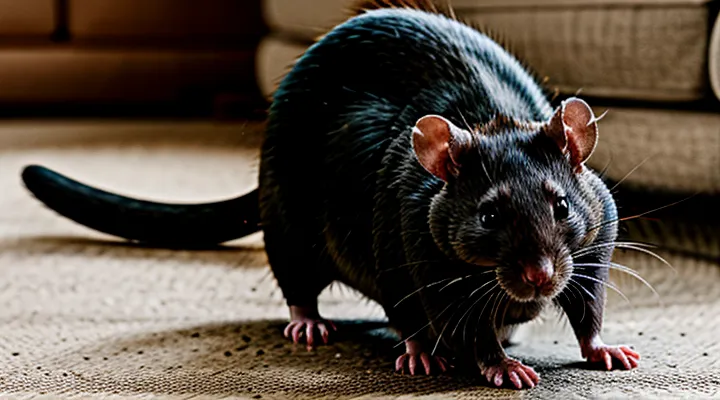
Understanding the Rat Problem
Identifying a Rat Infestation
«Signs of Rats»
Rats reveal their presence through distinct indicators that allow early detection and prompt intervention. Recognizing these signs prevents extensive damage and reduces health risks.
Typical evidence includes:
- Dark, cylindrical droppings, ¼ to ½ inch long, found along walls, behind appliances, or in pantry corners.
- Gnaw marks on wood, plastic, wiring, and food containers; teeth leave clean, V‑shaped cuts.
- Well‑worn pathways in dusty areas, often near walls, showing parallel tracks or footprints.
- Nests constructed from shredded paper, fabric, insulation, or dried plant material, usually hidden in concealed spaces such as attics, crawl spaces, or wall voids.
- Scratching or scurrying noises, especially at night, emanating from ceilings, walls, or behind cabinets.
- Strong, musky odor that intensifies as the infestation grows, caused by urine and droppings.
- Chewed or contaminated food packages, with torn seals and exposed contents.
Additional clues may appear as sudden spikes in electricity usage due to damaged wiring, or unexplained stains resembling urine on surfaces near suspected activity zones. Prompt identification of these markers enables targeted measures to eliminate the rodents safely and efficiently.
«Common Entry Points»
Identifying how rodents gain access to a dwelling is essential for any effective rat control strategy. Every gap, crack, or opening that connects the interior to the exterior provides a potential pathway for infestation, and eliminating these routes reduces the need for repeated extermination efforts.
- Gaps around utility penetrations (pipes, cables, vent pipes) larger than ¼ inch.
- Openings at the foundation, including cracks in concrete, brick, or stone walls.
- Unsealed spaces beneath doors, especially back or garage doors, and gaps around door frames.
- Roof and attic entry points such as damaged soffits, eaves, or unprotected vent covers.
- Exhaust fans, dryer vents, and chimney flues without proper screens or caps.
- Openings around windows, especially those lacking tight weatherstripping or screens.
- Holes in siding, fascia, or soffit panels caused by weathering or pest damage.
- Gaps around plumbing fixtures, including the space beneath sinks and bathtubs.
Conduct a systematic inspection of each listed area, using a flashlight and a mirror to view hidden spaces. Seal openings with durable materials: steel wool combined with caulk for small gaps, cement or mortar for foundation cracks, and metal flashing for larger penetrations. Install weatherstripping on doors, replace damaged screens, and fit vent covers with fine mesh. Regularly verify that seals remain intact, as structural shifts or weather can reopen pathways. Maintaining a barrier prevents rats from entering, thereby supporting a long‑term, safe removal program.
Why Rats Are a Threat
«Health Risks»
Rats living indoors expose occupants to a range of serious health threats. Their presence creates direct and indirect pathways for disease transmission, allergic reactions, and physical injury.
- Pathogenic bacteria such as Salmonella and Leptospira can contaminate food, surfaces, and water, leading to gastrointestinal illness and severe kidney damage.
- Viral agents including hantavirus and lymphocytic choriomeningitis virus (LCMV) are carried in rodent urine, droppings, and saliva; inhalation of aerosolized particles can cause respiratory distress and fever.
- Parasitic infestations arise from fleas, mites, and ticks that hitch rides on rats, spreading plague, typhus, and other vector‑borne diseases to humans and pets.
- Allergenic proteins found in rat urine, dander, and saliva trigger asthma attacks, rhinitis, and skin irritation, particularly in sensitive individuals.
- Bite injuries occur when rats feel threatened, introducing bacterial infection directly into wound tissue.
These hazards persist even after a rat is removed, because residues remain in hidden corners, insulation, and ventilation ducts. Proper decontamination, protective equipment, and thorough sealing of entry points are essential to eliminate ongoing exposure. Failure to address these risks compromises indoor air quality and public health, underscoring the necessity of disciplined, safe rodent eradication practices in residential environments.
«Property Damage»
Rats compromise structural integrity by gnawing on wood, insulation, and electrical wiring. Their incisors can sever support beams, create holes in walls, and expose live circuits, increasing the risk of fire and costly repairs.
Damage to plumbing occurs when rodents chew plastic or copper pipes, leading to leaks, water loss, and mold growth. Contamination of stored food and surfaces results from droppings and urine, which introduce pathogens and degrade the value of household goods.
Early identification of gnaw marks, fresh droppings, or unusual noises enables prompt intervention, limiting repair expenses and preventing escalation of harm.
Effective mitigation while removing rodents safely includes:
- Sealing entry points with steel wool and caulk to block access.
- Installing snap traps or electronic devices in concealed locations to reduce exposure to children and pets.
- Using bait stations that contain anticoagulant or non‑anticoagulant formulations approved for indoor use, placed away from food preparation areas.
- Conducting a thorough inspection after removal to locate and repair gnawed structures, replace damaged wiring, and disinfect contaminated zones with a bleach solution (1 part bleach to 10 parts water).
Restoring compromised areas promptly restores structural safety and preserves property value.
Safe and Effective Removal Methods
Non-Lethal Approaches
«Exclusion Techniques»
Exclusion prevents rats from entering a residence by eliminating all possible access points. Identify gaps larger than one‑quarter inch in walls, floors, foundations, and roof structures; these openings accommodate adult rats and juveniles.
- Seal cracks with steel wool or copper mesh, then apply caulking or concrete to create a durable barrier.
- Install metal flashing around utility penetrations, such as pipe sleeves and cable entries, to block rodent movement.
- Fit door sweeps on exterior doors; adjust to maintain continuous contact with the threshold.
- Cover vents, eaves, and attic openings with heavy‑gauge wire mesh (minimum 1/4‑inch opening) secured to the framing.
- Repair damaged siding, soffits, and roofing material; replace missing shingles or damaged panels promptly.
- Install chimney caps with rat‑proof screens; verify that caps are firmly attached and free of gaps.
Conduct a systematic inspection after sealing each area. Use a flashlight and mirror to view hidden spaces, and confirm that no new openings appear as the building settles. Re‑evaluate the exterior perimeter quarterly, focusing on landscaping elements that may guide rats toward the foundation, such as overgrown vegetation or accumulated debris. Consistent maintenance of these exclusion measures sustains a rat‑free environment without reliance on chemical controls.
«Natural Repellents»
Rats can be deterred without chemicals by employing natural substances that disrupt their sensory systems and habitat preferences.
- Peppermint oil: concentrate a few drops in water, soak cotton balls, and place them in corners, behind appliances, and along baseboards. The strong menthol scent overwhelms rodent olfactory receptors, prompting avoidance.
- Ammonia: mix equal parts ammonia and water in small containers; position them near entry points. The sharp vapor mimics predator urine, discouraging intrusion.
- Cayenne pepper or chili powder: sprinkle a thin layer on surfaces where rodents travel. Capsaicin irritates mucous membranes, creating an uncomfortable passage.
- Garlic and onion: crush cloves, blend with water, and spray the mixture in crawl spaces and pantry shelves. Sulfur compounds act as repellents.
- Steel wool and copper mesh: pack openings with tightly woven metal fibers; rodents cannot gnaw through these materials, providing a physical barrier that also feels unpleasant to their whiskers.
Application guidelines: refresh aromatic repellents weekly, replace soaked materials after exposure to moisture, and ensure ventilation to prevent buildup of strong odors. Combine several methods to create overlapping deterrent zones, reducing the likelihood of habituation.
Safety considerations: keep essential oils and concentrated chemicals away from children and pets, store them in sealed containers, and test a small area for surface damage before widespread use. Regular sanitation—removing food residues, sealing food containers, and repairing structural gaps—enhances the effectiveness of natural repellents and supports long‑term rodent exclusion.
Humane Trapping
«Live Traps»
Live traps provide a humane alternative to lethal methods when dealing with rodent infestations. They capture rats without killing them, allowing owners to relocate the animals away from residential areas.
Select traps constructed from sturdy metal or heavy‑duty plastic, featuring a spring‑loaded door that closes securely once the rodent enters. Models with a clear viewing window help monitor capture without opening the device. Choose a size appropriate for adult rats, typically 12–14 inches long, to prevent escape.
Placement determines effectiveness. Position traps along walls, behind appliances, or near known droppings, as rats travel close to surfaces. Anchor each trap to prevent tipping and set the trigger mechanism at a sensitivity that activates with minimal pressure. Bait with high‑protein foods such as peanut butter, dried fruit, or small meat pieces, applying a pea‑sized amount to the trigger plate.
Check traps at least twice daily. Prompt removal reduces stress on captured rats and prevents odor buildup. Wear disposable gloves when handling a trap, seal the animal in a ventilated container, and transport it at least five miles from the property before release. Release sites should offer shelter, water, and food, such as a wooded area far from human dwellings.
After each capture, disinfect the trap with a solution of bleach (1 part bleach to 9 parts water) or a commercial sanitizer. Rinse thoroughly, allow to dry, and re‑bait for continued use. Rotate trap locations if captures decline, as rats may shift their routes.
Maintain a clean environment to discourage re‑entry. Seal gaps larger than ¼ inch, store food in airtight containers, and eliminate standing water. Regular inspection of potential entry points, combined with consistent live‑trap deployment, forms a reliable, humane strategy for removing rats from a home.
«Proper Release Protocols»
Proper release protocols describe the exact actions required to relocate a captured rat without endangering occupants, the animal, or the environment. They apply whenever live traps are employed as part of a rodent‑removal strategy and replace indiscriminate disposal methods that can spread disease or violate local wildlife statutes.
- Choose a release site at least one mile from the residence, preferably in a wooded or agricultural area where natural predators exist.
- Perform the release during daylight hours to reduce predation risk and to allow the rat to orient itself.
- Wear thick gloves and a disposable mask; handle the trap gently to prevent injury.
- Open the trap on a flat surface, allow the rat to exit voluntarily, and retreat immediately.
- Record the date, time, and GPS coordinates of the release for future reference and compliance verification.
Compliance with municipal ordinances and state wildlife regulations is mandatory; many jurisdictions prohibit releasing rodents within residential zones or near water sources. Failure to follow legal requirements can result in fines or increased infestation risk. Additionally, sanitizing gloves and the trap after each use prevents cross‑contamination with pathogens such as leptospirosis or hantavirus.
Implementing these steps ensures humane treatment of the animal, minimizes the chance of re‑entry into the home, and aligns the removal process with public‑health guidelines. Proper release protocols therefore constitute a critical component of an effective, responsible rodent‑management plan.
Lethal Methods (When Necessary)
«Snap Traps»
Snap traps provide a rapid, humane solution for indoor rat control when used correctly. They consist of a spring‑loaded bar that delivers an instantaneous kill, eliminating the need for poisons or prolonged suffering. Proper placement, bait selection, and safety precautions maximize effectiveness while protecting occupants and pets.
- Position traps along walls, behind appliances, and in concealed pathways; rats travel close to vertical surfaces.
- Use a small amount of high‑protein bait such as peanut butter, dried fruit, or cooked meat. Secure the bait to prevent premature removal.
- Set traps with the trigger end facing the wall, ensuring the bar snaps inward when the rodent contacts the trigger plate.
- Check traps daily; dispose of captured rats in sealed bags and replace bait as needed.
- Keep traps out of reach of children and non‑target animals by using enclosed bait stations or placing traps in restricted areas.
Before deployment, inspect the home for entry points and seal gaps larger than ½ inch to prevent reinfestation. Regular monitoring and prompt trap replacement sustain control and reduce the likelihood of a resurgence.
«Electronic Traps»
Electronic traps provide a rapid, non‑chemical solution for residential rodent control. The device detects a rodent’s presence with infrared or pressure sensors and delivers a calibrated high‑voltage shock that kills instantly, eliminating the need for poisons or snap‑traps.
Safety considerations are essential. Follow these guidelines:
- Install units out of reach of children and pets; most models include a lockable cover.
- Connect to a grounded outlet or use a battery pack with proper polarity.
- Verify that the housing is sealed to prevent accidental contact with the shock circuit.
- Keep the area around the trap clear of clutter to maintain sensor accuracy.
Effective placement maximizes capture rates. Position traps along walls, near known runways, behind appliances, or close to food storage areas. Align the sensor face with the expected travel direction of the rat. Avoid high‑traffic human zones to reduce the risk of unintended activation.
Maintenance requires periodic checks. Inspect the interior chamber weekly for deceased rodents; remove carcasses with disposable gloves and disinfect the enclosure. Replace batteries or test the power supply monthly. Reset the sensor after each capture to ensure consistent performance.
Pros and cons of electronic traps:
- Pros: immediate kill, no hazardous chemicals, minimal mess, reusable after cleaning, discreet appearance.
- Cons: reliance on electricity or batteries, higher upfront cost than snap‑traps, may require multiple units for large infestations, occasional sensor failure if dust accumulates.
When integrated into a comprehensive rodent‑management plan, electronic traps offer a safe, efficient method for removing rats from a home environment.
«Bait Stations»
Bait stations provide a contained delivery system for rodenticide, allowing precise control of rat populations while minimizing exposure to non‑target organisms. The units consist of a sealed housing with entry slots sized for rats, a removable tray for bait, and a lockable latch that prevents accidental access.
The housing is constructed from durable plastic or metal, resistant to weather and tampering. Inside, a slow‑acting anticoagulant or cholecalciferol bait is placed on the tray; rats ingest the poison and die after several days, reducing the risk of immediate carcass removal by surviving rodents. The sealed design limits scent drift, helping to keep the bait out of reach of children and pets.
Safety measures focus on location, maintenance, and product selection:
- Install stations at least 2 meters from food preparation areas, water sources, and child‑accessible zones.
- Position units along walls, behind appliances, or in concealed pathways where rat activity is observed.
- Use tamper‑resistant models that require a screwdriver or key for opening.
- Choose baits approved by local pest‑control authorities and labeled for indoor residential use.
Routine inspection includes checking the latch integrity, replenishing bait before depletion, and recording dates of service. Dead rodents should be removed with disposable gloves and sealed in a biohazard bag before disposal according to municipal regulations. After each service, clean the interior with a mild detergent to prevent residue buildup.
Legal compliance demands adherence to pesticide registration guidelines and, where required, the posting of warning signs near each station. Documentation of bait type, concentration, and application dates may be needed for health‑department audits.
When deployed correctly, bait stations deliver targeted mortality, suppressing rat colonies while protecting household members and the environment. Their controlled mechanism distinguishes them from unsecured bait placements, offering a reliable component of a comprehensive rodent‑management program.
«Safe Bait Placement»
Place bait where rodents can access it without exposing children, pets, or non‑target wildlife. Use tamper‑resistant containers that lock securely and feature a small entry slot sized for rats only. Position devices along walls, behind appliances, and in concealed corners, because rats travel close to vertical surfaces and avoid open spaces.
- Identify active runways by observing droppings, gnaw marks, or fresh tracks; install bait stations directly on these paths.
- Mount stations at 2‑4 inches above the floor, the typical height of a rat’s travel line.
- Secure each station to a solid surface with screws or heavy‑duty adhesive to prevent displacement.
- Keep bait out of reach of children and pets by mounting stations at least 12 inches above countertop level and behind locked cabinets.
- Replace stations after each use or when bait is depleted; do not leave empty stations unattended.
- Rotate bait locations weekly to prevent habituation and to target new activity zones.
Inspect stations daily, record any signs of consumption, and adjust placement based on observed movement patterns. This systematic approach maximizes efficacy while minimizing risk to non‑target organisms.
«Choosing the Right Bait»
Selecting effective bait is a critical step in eliminating a rodent infestation while minimizing risk to non‑target animals and humans. The bait must match the species’ dietary preferences, be stable enough to remain attractive over several days, and allow for safe placement in sealed stations.
- Food type: grain‑based pellets, high‑protein blocks, or fruit‑flavored gels. Rats prefer protein and fat; a mixture of peanut butter and cereal works well.
- Poison formulation: anticoagulants (single‑dose or multiple‑dose) or bromethalin. Choose a formulation approved for indoor use and compatible with the selected food matrix.
- Delivery system: tamper‑resistant bait stations with a lockable lid. Ensure the station’s size accommodates the chosen bait without excess space that could lead to spillage.
- Safety considerations: label each station, keep away from children and pets, and store unused bait in a locked container.
Before deployment, test a small quantity of the chosen bait to confirm rat acceptance. Rotate bait types every two weeks to prevent habituation. Record placement locations, monitor activity, and replace stations promptly when consumption is observed. This systematic approach maximizes efficacy while maintaining a controlled environment.
Preventing Future Infestations
Sealing Entry Points
«Inspecting Your Home»
Inspecting your home is the first decisive step in any safe rat‑removal plan. Begin with a systematic walk‑through of every room, paying close attention to corners, behind appliances, and under furniture. Look for droppings, gnaw marks, urine stains, and shredded materials; these indicate active nesting sites. Use a flashlight to reveal dark‑hidden areas, and a magnifying glass for small chew evidence.
Identify potential entry points by examining the building envelope. Check the foundation for cracks, gaps around utility penetrations, and openings around doors and windows. Seal openings larger than a quarter‑inch with steel wool, caulk, or metal flashing; smaller gaps can be blocked with expanding foam. Inspect the roof eaves, soffits, and vent covers for holes that rodents could exploit.
Assess sanitation conditions that may attract rats. Verify that food is stored in sealed containers, crumbs are promptly cleaned, and garbage bins have tight‑fitting lids. Remove clutter that provides shelter, especially in basements, attics, and garages. Keep pet food off the floor and limit water sources to sealed dishes.
Document findings in a simple table or checklist, noting location, type of evidence, and required repairs. Prioritise actions based on severity: immediate sealing of large entryways, removal of active nests, and correction of sanitation lapses. A thorough inspection and clear record keep the control process focused and reduce the risk of recurrence.
«Repairing Gaps and Cracks»
Rats enter homes through openings as small as a quarter‑inch. Sealing these gaps eliminates the primary pathway, reducing the likelihood of infestation and the need for chemical controls.
Typical entry points include:
- Gaps around utility pipes and cables
- Cracks in foundation walls and basement floors
- Openings at door frames, window sills, and vent covers
- Holes around HVAC ducts and chimney flues
Effective repair steps:
- Inspect exterior and interior walls, foundation, and roof for visible cracks or gaps. Use a flashlight and mirror for hard‑to‑see areas.
- Clean each opening to remove debris, dust, and loose material. A wire brush or vacuum works well.
- Choose a sealant based on location:
- Expandable foam for large gaps around pipes.
- Silicone or acrylic caulk for narrow cracks in trim or siding.
- Mortar or concrete patch for structural cracks in foundation.
- Apply the sealant according to manufacturer instructions. For foam, allow expansion, then trim excess. For caulk, smooth with a putty knife to ensure full contact.
- Allow the material to cure fully before repainting or exposing to moisture.
- Conduct a follow‑up inspection after curing to confirm no remaining openings.
Regular maintenance—rechecking sealed areas after extreme weather or settlement—prevents new entry points and supports long‑term rodent exclusion.
Sanitation and Storage
«Food Storage Best Practices»
Secure food storage reduces the attraction of rodents to a residence. Seal containers with tight‑fitting lids made of metal or heavy‑wall plastic; avoid open‑top jars or flimsy bags that can be chewed. Store dry goods such as grains, cereals, and pet food on shelves away from walls, and keep them on a solid surface that can be easily cleaned.
- Transfer bulk items to smaller, airtight containers after opening.
- Label containers with purchase dates and rotate stock to use older items first.
- Place perishables in the refrigerator or freezer promptly; discard any food left out for more than two hours.
- Clean spills immediately; use a damp cloth and a mild detergent, then dry the area thoroughly.
- Inspect pantry and cupboard doors for gaps; install door sweeps or weather stripping to block entry points.
Maintain a regular cleaning schedule. Remove crumbs from countertops, floors, and appliances after each meal. Vacuum storage areas weekly to eliminate residual particles that may serve as food sources. Dispose of garbage in containers with secure lids, and transfer waste to outdoor bins only after they are tightly sealed.
Integrating these practices with broader rodent‑prevention measures—such as sealing exterior cracks, trimming vegetation near the foundation, and setting traps where necessary—creates a comprehensive approach that minimizes the likelihood of rat incursions while protecting stored food from contamination.
«Waste Management»
Effective waste handling reduces food sources that attract rodents and supports safe rodent elimination. Secure containers, prompt removal, and proper disposal prevent rats from accessing garbage.
- Store refuse in airtight bins with snap‑tight lids.
- Position containers away from walls and entry points.
- Empty bins at least twice weekly; increase frequency during infestation.
- Clean spills immediately; sanitize surfaces with disinfectant.
Discard compromised materials in sealed bags before placing them in external dumpsters. Use heavy‑duty bags for contaminated food, bedding, or droppings; seal and label to avoid accidental exposure.
Maintain a clean environment by sweeping floors, vacuuming corners, and clearing clutter where waste can accumulate. Regularly inspect and repair cracks in walls, floors, and foundations to block rodent entry. Consistent waste management complements other control measures, ensuring a safer, rat‑free home.
Landscaping and Exterior Maintenance
«Trimming Vegetation»
Trimming vegetation around a house reduces the likelihood that rats will find shelter and travel routes to enter living spaces. Dense shrubs, overgrown hedges, and tall grass provide cover for foraging rodents, conceal entry points, and create pathways that connect outdoor habitats with interior gaps.
- Cut back shrubs to a height of no more than 12 inches from the ground. Maintain a clear zone of at least three feet between plantings and the building foundation.
- Remove dead or decaying plant material that can serve as nesting material.
- Keep garden beds tidy; rake away debris after pruning and dispose of it in sealed containers.
- Trim trees so that branches do not overhang windows, vents, or eaves. Direct contact points allow rats to climb onto the roof and gain access to attic spaces.
- Mow lawns regularly, maintaining grass at a uniform length of 2–3 inches. Short grass eliminates hiding spots and makes it easier to detect rodent activity.
Proper pruning also improves visibility for inspection of exterior walls, utility lines, and drainage systems. When vegetation is managed, gaps around utility penetrations become apparent and can be sealed with steel wool, caulk, or metal flashing. Regular maintenance prevents the gradual accumulation of vegetation that can obscure damage or create new entry routes.
Implementing a scheduled trimming program—monthly during growing seasons and quarterly during dormant periods—ensures that vegetation does not regrow unchecked. Consistent record‑keeping of pruning dates and observed rodent signs supports early intervention, reducing the need for more invasive control measures inside the home.
«Removing Debris»
Removing debris eliminates shelter and food sources that attract rats, directly reducing the likelihood of infestation. Clear all clutter from basements, attics, garages, and storage areas. Dispose of cardboard, paper piles, and broken appliances promptly, as these materials provide nesting sites and concealment.
- Sweep floors, corners, and behind appliances to eliminate crumbs and droppings.
- Empty trash cans daily; use lids that seal tightly.
- Shred or burn old paper, fabric, and packaging that cannot be recycled.
- Store firewood at least two feet off the ground and away from the house foundation.
- Inspect and clean crawl spaces; seal any openings that allow debris to accumulate.
After debris removal, inspect the entire property for remaining hideouts. Repair structural damage, seal gaps, and maintain a regular cleaning schedule to prevent rats from reestablishing a foothold.
When to Call a Professional
Signs of a Large Infestation
Rats multiply quickly, and a large infestation becomes evident through specific, observable indicators. Recognizing these signs early prevents extensive damage and health risks.
- Multiple droppings scattered across floors, countertops, and pantry shelves; each pellet measures about ¼ inch and appears in clusters.
- Gnaw marks on wood, plastic, or wiring, often around the edges of cabinets, baseboards, and appliances.
- Persistent, musky odor that intensifies in enclosed areas such as closets or crawl spaces.
- Visible nesting material composed of shredded paper, fabric, insulation, or dried food debris, usually hidden behind walls, under appliances, or within attics.
- Frequent sightings of live rats or fresh carcasses, especially near food sources or entry points.
- Audible activity during nighttime hours, including scratching, scurrying, or squeaking sounds emanating from walls or ceilings.
These manifestations indicate a population that has established multiple breeding sites. Immediate professional assessment and targeted control measures are essential to eradicate the rodents safely and protect the home’s structural integrity and occupants’ health.
Persistent Rat Activity
Rats that continue to appear despite initial control efforts indicate unresolved access points, food sources, or nesting sites. Identify the pattern of activity by inspecting walls, ceilings, and behind appliances for droppings, gnaw marks, and urine stains. Track the locations of fresh evidence to map the most active zones.
- Seal all openings larger than ¼ inch with steel wool, metal flashing, or cement; prioritize gaps around pipes, vents, and utility lines.
- Remove food attractants: store dry goods in airtight containers, clean crumbs promptly, and eliminate pet food left overnight.
- Reduce water availability by fixing leaks, drying damp areas, and using dehumidifiers in basements or crawl spaces.
- Deploy snap traps or electronic traps along established runways; place bait (peanut butter, dried fruit) directly on the trigger mechanism.
- Replace bait stations with tamper‑resistant, child‑proof designs if using anticoagulant pellets; monitor and replenish every 48 hours.
When activity persists after these measures, consider structural reinforcement of walls and floors, as rats can exploit hidden voids. Conduct a thorough inspection of insulation and subfloor cavities, removing any debris that could serve as nesting material. In cases of extensive infestation, enlist a licensed pest‑management professional who can apply targeted baits and conduct comprehensive sealing under regulated safety protocols. Continuous monitoring for new signs ensures that the problem does not re‑establish.
Professional Extermination Options
Professional rat control becomes necessary when visual signs, droppings, or gnaw damage confirm an established population. Certified exterminators apply methods that minimize health risks for occupants and pets while delivering reliable eradication.
- Live‑trap deployment – Sturdy cages capture individuals without poison; technicians release captured rats far from the residence, complying with local wildlife regulations.
- Snap‑trap installation – Heavy‑duty spring traps positioned along walls and near entry points provide immediate lethal action; proper placement reduces accidental contact.
- Bait‑station service – Secure containers hold anticoagulant or non‑anticoagulant rodenticides, inaccessible to children and animals; regular inspection ensures bait potency and prevents secondary poisoning.
- Integrated Pest Management (IPM) – Combines structural sealing, sanitation improvements, and targeted baiting; IPM plans emphasize long‑term prevention alongside short‑term removal.
- Heat‑treatment or fumigation – Specialized equipment raises ambient temperature or releases gas to eradicate hidden nests; these techniques require evacuation of the home and professional ventilation afterward.
Choosing a provider involves verifying state licensing, confirming insurance coverage, and requesting a written work plan that outlines inspection findings, product labels, and post‑treatment monitoring. Technicians must wear personal protective equipment, follow label directions, and document each application.
Implementing a professional solution eliminates the immediate threat and creates conditions that deter future infestations. Continuous observation of potential entry points, combined with scheduled follow‑up visits, sustains a rat‑free environment.