
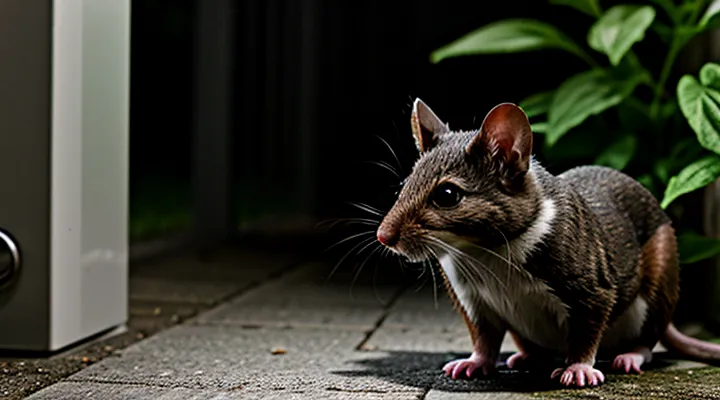
Understanding Mouse Behavior at Night
Why Mice Are More Active at Night
Mice exhibit peak activity after dark because their physiology and survival strategies are tuned to nocturnal conditions. Their sensory systems, particularly vision and hearing, are optimized for low‑light environments, allowing efficient navigation and foraging when daylight predators are less active.
Key factors driving night‑time activity:
- Circadian rhythm – Internal clocks trigger heightened locomotion and feeding during the dark phase, aligning metabolic processes with periods of reduced competition.
- Predator avoidance – Many visual predators are diurnal; operating at night lowers the risk of detection and attack.
- Thermal regulation – Cooler nighttime temperatures reduce water loss and heat stress, facilitating longer foraging bouts.
- Food accessibility – Human activity wanes after dark, leaving stored grains, crumbs, and waste more exposed and less disturbed.
- Reduced human interference – Noise, lighting, and cleaning routines are minimal at night, creating a safer environment for exploration.
Understanding these drivers clarifies why non‑chemical night‑time mouse control must target the periods when rodents are most active, exploiting their natural behavior patterns to achieve effective deterrence.
Signs of Nocturnal Mouse Activity
Mice that are active after dark leave distinct evidence that can be detected without specialized equipment. Recognizing these indicators is essential for implementing effective, non‑chemical nighttime mouse control.
- Small, irregular droppings about 1/8 inch long, dark brown, often found near food sources, along baseboards, or in hidden corners.
- Gnaw marks on wires, wood, plastic, and packaging; teeth leave shallow, crescent‑shaped cuts.
- Scratching noises in walls, ceilings, or attic spaces, typically heard between midnight and early morning.
- Grease or smudge trails along walls and furniture, resulting from the mouse’s oily fur.
- Nests constructed from shredded paper, fabric, insulation, or dried plant material, usually tucked in concealed locations such as behind appliances, under shelving, or within wall voids.
- Presence of urine stains, which appear as faint, yellowish spots and emit a characteristic odor detectable in enclosed areas.
Additional observations strengthen the assessment: fresh footprints in dusty corners, occasional sightings of a small, gray‑brown rodent moving along perimeters, and occasional damage to stored food packaging. Prompt identification of these signs enables timely deployment of physical barriers, traps, and habitat modification, thereby reducing reliance on chemical interventions during nocturnal hours.
Natural Repellents and Deterrents
Scent-Based Repellents
Peppermint Oil
Peppermint oil is a proven natural repellent for nocturnal rodent activity. Its volatile compounds interfere with mice sensory receptors, causing avoidance of treated areas. The oil’s strong scent remains detectable for several hours, creating an environment unsuitable for foraging and nesting.
Effective application requires consistent coverage and proper placement:
- Soak cotton balls in undiluted peppermint oil and position them in entry points, behind appliances, and under cabinets.
- Place a few drops on cloth strips and attach them to the underside of shelves or along baseboards.
- Refresh the material every 48 hours to maintain potency, especially in humid conditions.
When using this method, keep the following precautions in mind:
- Avoid direct contact with skin; wear gloves during handling.
- Store the oil in a sealed container away from children and pets.
- Combine with physical barriers, such as sealing cracks, for comprehensive protection.
Regular monitoring of mouse activity confirms the oil’s efficacy; a noticeable decline within a week indicates successful deterrence.
Apple Cider Vinegar
Apple cider vinegar (ACV) serves as a natural mouse deterrent when used in a nighttime, non‑chemical setting. The strong acidity and pungent scent interfere with rodents’ olfactory receptors, discouraging entry into treated areas.
To implement ACV effectively, follow these steps:
- Dilute one part ACV with three parts water in a spray bottle.
- Apply the solution to the exterior of potential entry points, such as door frames, window sills, and cracks near the foundation.
- Soak cotton balls in undiluted ACV and place them in concealed corners, under appliances, and inside cabinets where mice are likely to travel.
- Replace soaked cotton balls every 48 hours to maintain scent potency throughout the night.
The method poses no health risk to humans or pets, as ACV is food‑grade. It does not leave toxic residues, making it suitable for households with children. Regular reapplication is necessary because the volatile compounds dissipate over time, especially in well‑ventilated environments.
Combining ACV with complementary tactics—such as sealing gaps, removing food sources, and employing ultrasonic devices—enhances overall effectiveness. Continuous monitoring of mouse activity will indicate whether adjustments in placement or concentration are required.
Essential Oils Blend
Essential oil blends provide a reliable, non‑toxic strategy for deterring rodents during nighttime hours. The most effective combination pairs peppermint, eucalyptus, and citronella in equal parts, with a small addition of clove oil for heightened potency.
- Peppermint (Mentha piperita) – strong, menthol scent that mice find unpleasant.
- Eucalyptus (Eucalyptus globulus) – sharp, camphoraceous odor that disrupts rodent sensory pathways.
- Citronella (Cymbopogon nardus) – citrus‑like fragrance that masks food aromas.
- Clove (Syzygium aromaticum) – pungent, spicy note that reinforces aversion.
To prepare the blend, mix 10 ml of each primary oil with 2 ml of clove oil. Add the mixture to a carrier such as distilled water or a light mineral oil in a 100 ml spray bottle, shaking well to emulsify. Apply the solution to entry points, baseboards, and areas where mouse activity is observed. Reapply nightly, focusing on cracks, gaps, and concealed corners.
Safety considerations include testing a small surface area for material compatibility and ensuring adequate ventilation. Avoid direct skin contact; use gloves when handling concentrated oils. Store the blend in a dark, cool place to preserve aromatic integrity.
Field observations indicate that a consistent nightly application reduces mouse sightings by up to 80 % within two weeks, provided that food sources are secured and structural entry points are sealed. Regular monitoring and prompt re‑application sustain the deterrent effect without resorting to chemical pesticides.
Spices and Herbs
Spices and herbs provide a reliable, chemical‑free way to discourage mice during nighttime hours. Their potent aromas interfere with rodents’ keen sense of smell, creating an environment that mice find hostile.
The deterrent effect stems from volatile compounds that irritate the nasal passages and olfactory receptors of mice. Continuous exposure to these scents disrupts foraging behavior, prompting the animals to seek alternative shelter.
- Peppermint oil or dried peppermint leaves – strong menthol scent, repels rodents for several days per application.
- Clove powder or whole cloves – eugenol releases a pungent odor that mice avoid.
- Cayenne pepper or crushed red pepper flakes – capsaicin irritates respiratory passages, deterring entry.
- Lavender buds or essential oil – floral scent masks food odors, reducing attraction.
- Bay leaves – aromatic compounds act as a mild repellent when placed near entry points.
Apply dried material or a few drops of essential oil on cotton balls, then position them in areas where mice travel: behind appliances, under sinks, and along baseboards. Replace or refresh the material every 3–5 days, as potency diminishes with exposure to air. Avoid direct contact with food surfaces; use sealed containers to prevent contamination.
Regular inspection of placement sites ensures effectiveness. If activity persists, increase the quantity of spice or herb, or combine several options to strengthen the olfactory barrier. This approach maintains a mouse‑free environment without resorting to toxic chemicals.
Sound and Light Deterrents
Ultrasonic Devices
Ultrasonic devices emit high‑frequency sound waves that rodents find uncomfortable, making them a practical tool for non‑chemical nighttime mouse deterrence. The technology operates above the audible range for humans (typically 20–65 kHz), creating a hostile acoustic environment without affecting occupants.
Key considerations for effective use:
- Frequency range: Choose units covering 30–50 kHz, as this spectrum consistently disrupts mouse hearing.
- Coverage area: Verify the advertised square‑foot rating matches the room size; larger spaces may require multiple devices.
- Power source: Plug‑in models provide continuous operation, while battery‑powered units offer flexibility for temporary placement.
- Timer function: Devices with programmable on/off cycles conserve energy and prevent habituation.
- Safety certifications: Look for UL or CE marks to ensure electromagnetic compliance.
Installation guidelines:
- Position the emitter at least 12 inches off the floor, facing open spaces where mice travel.
- Avoid placing the unit near metal surfaces or thick walls that can reflect or absorb ultrasonic waves.
- Distribute devices evenly in multi‑room layouts; overlapping coverage improves efficacy.
- Test each unit after installation by confirming the indicator light or sound cue activates.
Limitations and mitigation:
- Mice may adapt after prolonged exposure; rotating device locations or integrating a secondary deterrent (e.g., physical barriers) restores effectiveness.
- Ultrasonic waves do not penetrate solid objects; ensure clear line‑of‑sight between the emitter and target area.
- Pets with sensitive hearing (e.g., rodents, some birds) can be affected; relocate devices away from animal habitats.
Maintenance involves cleaning the exterior with a dry cloth to prevent dust buildup, which can attenuate sound output. Replace units according to manufacturer lifespan, typically every 2–3 years, to maintain optimal acoustic intensity.
When selected and deployed according to these specifications, ultrasonic devices provide a reliable, chemical‑free solution for keeping mice away after dark.
Bright Motion-Sensor Lights
Bright motion‑sensor lighting provides a non‑chemical method for discouraging nocturnal rodents from entering interior spaces. The system activates a high‑intensity lamp the instant movement is detected, delivering a sudden flash that interrupts the animal’s normal foraging pattern.
When a mouse encounters an unexpected burst of light, its instinctive response is to retreat to darkness. The flash interferes with the creature’s visual navigation and heightens perceived risk, prompting it to avoid the illuminated area entirely. Repeated exposure reinforces avoidance behavior, reducing the likelihood of repeated incursions.
Effective deployment follows several practical criteria:
- Brightness: Choose a lamp rated at 1,200–2,000 lumens to ensure sufficient intensity for a clear visual stimulus.
- Sensor range: Select devices with a detection radius of 8–12 feet and a height coverage of at least 6 feet to capture activity along walls, baseboards, and entry points.
- Placement: Install units near known entryways, such as utility openings, under‑sink cabinets, and pantry thresholds; position the sensor facing the anticipated travel path.
- Power source: Use wired AC adapters for continuous operation or high‑capacity rechargeable batteries for areas without easy access to electricity.
- Adjustment: Set the delay interval to the shortest possible setting (typically 0.5–1 second) to minimize the period of darkness between detections.
Advantages include elimination of toxic substances, low ongoing cost, and compatibility with households that have children or pets. Motion‑activated operation conserves energy by illuminating only when activity is present, extending battery life and reducing electricity consumption.
Potential drawbacks involve the necessity of a reliable power supply and the possibility that mice accustomed to occasional flashes may gradually ignore the stimulus. In such cases, supplementing lighting with additional deterrents—such as sealing entry points and removing food sources—enhances overall efficacy.
Physical Barriers and Traps
Exclusion Techniques for Entry Points
Sealing potential entry points is the most reliable method to prevent nocturnal mouse activity when chemical deterrents are excluded. Identify all gaps where rodents can gain access, then apply appropriate barriers.
- Inspect the building envelope thoroughly: foundation cracks, gaps around utility lines, vent openings, and spaces beneath doors.
- Use steel wool or copper mesh to fill small holes; secure the material with silicone caulk to prevent re‑entry.
- Apply hardware cloth (¼‑inch mesh) over larger openings such as vent covers, chimney flues, and crawl‑space access points; fasten with screws or staples.
- Install door sweeps on interior and exterior doors; ensure the sweep contacts the floor without creating a gap.
- Fit window screens made of reinforced fiberglass or metal; replace any torn sections promptly.
- Seal gaps around pipes and cables with expandable foam that expands and hardens, then cover with a metal sleeve for added durability.
- Attach metal flashing to the eaves and soffits where roof edges meet walls; close any loose siding or roofing material.
- Fit a stainless‑steel chimney cap equipped with a mesh screen to block rodent entry while allowing airflow.
After installation, conduct a follow‑up inspection each season to verify that barriers remain intact. Repair any damage immediately to maintain a continuous exclusion system. This approach eliminates reliance on toxic agents and provides long‑term protection against night‑time mouse incursions.
Non-Lethal Traps
Non‑lethal traps provide a practical solution for chemical‑free nocturnal mouse control. They capture rodents alive, allowing owners to release them away from the residence, eliminating the need for poisons or repellents that operate continuously.
Common live‑capture devices include:
- Snap‑free cages with a spring‑loaded door; baited with grains or peanut butter, they close when a mouse enters.
- Multi‑compartment traps that hold several individuals; each compartment activates independently, reducing handling time.
- Glue‑free tube traps featuring a narrow entry tunnel; the mouse is guided into a containment chamber where it cannot escape.
Effective deployment requires strategic placement. Position traps along walls, behind appliances, and near known entry points, as mice prefer tight, dark routes. Use a small amount of high‑fat bait to attract nocturnal foragers, and set traps before dusk to maximize capture during active hours.
After capture, check traps every 12 hours to prevent stress. Release mice at least 1 mile from the property, preferably in a wooded or field area where they cannot re‑enter human dwellings. Clean and disinfect traps regularly to avoid scent buildup that could deter further captures. This routine maintains trap efficiency while adhering to humane standards.
Home Environment Modifications
Eliminating Food Sources
Proper Food Storage
Proper food storage eliminates the primary attractant that draws rodents into homes after dark. Secure containers, controlled temperatures, and disciplined housekeeping create an environment where mice find no accessible nourishment.
- Use containers with silicone‑sealed lids; metal or heavy‑wall plastic prevents gnawing.
- Store bulk items in small, sealed portions; avoid leaving open bags on countertops.
- Keep perishable goods refrigerated or frozen; maintain temperatures below 40 °F (4 °C) for fresh foods.
- Position storage units away from walls and baseboards; create a clear perimeter that deters climbing.
Regular cleaning reinforces these measures. Immediately wipe up crumbs, liquid spills, and food residues. Inspect containers weekly for cracks or compromised seals, and replace damaged items without delay.
Separate pet feed from human food supplies. Place pet dishes in locked cabinets or on raised platforms that mice cannot reach. Remove leftover pet food each night to deny nocturnal foraging opportunities.
By integrating airtight storage, vigilant cleaning, and strategic placement, households can achieve effective, chemical‑free rodent exclusion throughout the night.
Regular Cleaning and Crumb Removal
Regular cleaning eliminates the food sources that attract rodents after dark. When surfaces are free of debris, mice lose the incentive to enter kitchens, pantries, or dining areas during nocturnal foraging.
Effective crumb removal requires a systematic routine:
- Sweep or vacuum floors each evening, focusing on corners, under appliances, and beneath furniture where particles accumulate.
- Wipe countertops, tables, and cabinet doors with a damp cloth after meals; ensure no residue remains.
- Empty trash bins before bedtime, replace liners, and keep lids sealed to prevent odor leakage.
- Clean pet feeding stations nightly; rinse bowls and store food in airtight containers.
- Launder reusable dishcloths and sponges daily; discard disposable wipes after use.
Consistent execution of these actions reduces the availability of sustenance, discouraging mice from establishing a presence in the household during nighttime hours without resorting to chemical repellents.
Securing Pet Food
Secure pet food to eliminate a primary attraction for nocturnal rodents. Store kibble, treats, and wet food in airtight containers made of metal or heavy‑wall plastic. Containers should feature a lockable lid or a screw‑on seal that resists chewing. Place the containers on a raised surface, such as a shelf, to keep them out of reach of floor‑level foragers.
Additional actions reinforce protection:
- Transfer leftovers to a sealed bag and discard them in a trash can with a tight‑fitting lid before bedtime.
- Keep feeding areas clean; sweep crumbs and wipe surfaces after each meal.
- Use a dedicated feeding station with a built‑in food drawer that closes automatically when not in use.
- Restrict pet feeding times to daylight hours, removing bowls once pets finish eating.
Implementing these steps reduces the scent and visual cues that draw mice into the home during evening hours. By denying easy access to food sources, you create an environment where non‑chemical deterrents, such as ultrasonic emitters or physical barriers, become more effective.
Removing Water Sources
Mice require water for survival, and eliminating accessible moisture dramatically reduces their nighttime activity. Dry environments discourage entry into homes, kitchens, and storage areas.
Identify common sources of standing water. Check under sinks, behind appliances, and around pet feeding stations. Leaking pipes, condensation on cold surfaces, and damp basements provide continuous hydration for rodents.
Implement the following actions:
- Repair all leaks promptly; replace faulty washers, tighten connections, and seal joints with appropriate materials.
- Use a dehumidifier in humid rooms; maintain humidity below 50 % to prevent condensation.
- Store pet water dishes only during daylight hours; remove them at night or employ spill‑proof containers.
- Dry wet floors and countertops after cleaning; wipe surfaces with a dry cloth before leaving the area.
- Ensure garbage cans have tight‑fitting lids; empty them regularly to avoid moisture buildup.
Monitor the environment for residual dampness. Conduct nightly inspections of potential water spots and address any newly formed leaks. Consistent removal of water sources creates an inhospitable setting for mice, reducing the need for chemical repellents.
Decluttering and Hiding Spots
Decluttering removes potential shelters that invite nocturnal rodents. Storing food in sealed containers eliminates scent trails. Removing piles of paper, fabric, or cardboard cuts off nesting material. Regularly discarding garbage and cleaning crumbs prevents accidental feeding sites.
Hiding spots must be concealed or eliminated. Seal gaps around doors, windows, and utility lines with steel wool or metal mesh; rodents cannot squeeze through openings smaller than a centimeter. Install tight-fitting door sweeps to block entry beneath doors. Cover vents with fine mesh that allows airflow but blocks entry.
Implementing these measures creates an environment where mice lack shelter and food sources, reducing their incentive to enter at night without resorting to chemical repellents.
Long-Term Prevention Strategies
Regular Home Inspections
Regular home inspections involve a systematic review of a residence’s structural integrity, utility installations, and potential pest access points. The process identifies gaps, cracks, and worn seals that allow rodents to enter, especially during nighttime when activity peaks.
During an inspection, focus on the following areas:
- Exterior walls and foundation for fissures or holes larger than a quarter‑inch.
- Roof eaves, soffits, and vent openings; ensure they are covered with steel mesh.
- Door and window frames; verify weather‑stripping is intact and flush against the frame.
- Utility penetrations, such as plumbing, electrical conduit, and ventilation ducts; seal with metal flashing or silicone designed for pest exclusion.
- Basement and crawl‑space floors; look for damp wood or loose insulation that can attract mice.
Implementing the identified repairs eliminates the primary pathways mice use to infiltrate homes after dark. By maintaining a schedule of quarterly inspections, homeowners can address new damage promptly, preventing rodents from establishing nests. The resulting barrier system operates continuously, providing effective nocturnal mouse deterrence without resorting to chemical agents.
Sealing Gaps and Cracks
Sealing gaps and cracks eliminates the most common entry points that mice exploit after dark.
Begin with a thorough inspection of the building envelope. Walk around the exterior, check the foundation, walls, and roof for openings as small as a pencil width. Inside, examine baseboards, utility penetrations, and vent covers.
Identify each opening and record its dimensions. Choose a sealing method appropriate to the size and location:
- Pencil‑size gaps – apply silicone or acrylic caulk, smoothing with a fingertip for a tight seal.
- Larger cracks (½‑inch to 1‑inch) – insert steel wool, then cover with expanding polyurethane foam to lock the material in place.
- Ventilation openings – fit metal mesh or hardware cloth (¼‑inch gauge) and secure with screws, preventing rodents while maintaining airflow.
- Pipe and conduit passages – wrap the gap with steel wool, then seal with fire‑rated caulk to meet safety standards.
After sealing, test the integrity by running a thin piece of paper or a smoke test along the repaired areas; any movement indicates a remaining breach.
Maintain the barrier by checking seals quarterly, especially after seasonal temperature shifts that can cause material contraction. Replace deteriorated caulk or foam promptly to preserve a continuous defense against nocturnal rodent intrusion.
Landscaping Considerations
Trimming Vegetation
Keeping vegetation short and tidy reduces nighttime mouse activity without resorting to chemicals. Dense foliage offers shelter, foraging routes, and easy access to building foundations. Removing these advantages forces rodents to seek alternative, less favorable habitats.
Maintain a clear perimeter around the structure:
- Cut grass to a height of 2–3 inches weekly during the growing season.
- Prune shrubs so branches end at least 12 inches from walls and roofs.
- Eliminate ground‑cover plants that touch the building, creating a 6‑inch gap.
- Remove leaf litter, compost piles, and fallen fruit from the immediate area.
- Trim vines and climbing plants that could provide bridges to upper stories.
Schedule inspections every month to verify that vegetation remains below recommended heights and that gaps are free of debris. Replace trimmed material with low‑growth groundcover, such as thyme or sedum, which deters rodents through texture rather than chemicals.
Consistent vegetation management obstructs mouse movement, limits food sources, and reduces shelter availability, thereby lowering the likelihood of nocturnal incursions.
Removing Debris
Removing clutter from kitchens, pantries, and storage areas eliminates hiding places that attract nocturnal rodents. Loose cardboard, shredded paper, and food packaging create dark tunnels where mice can travel undetected. By discarding or compacting these materials, you reduce the number of accessible routes and limit the sensory cues that draw mice to a dwelling.
Practical steps for debris elimination:
- Collect all packaging, newspaper, and paper products; recycle or dispose of them in sealed containers.
- Sweep floors and vacuum corners daily to capture crumbs and small particles.
- Store items in airtight, rigid containers rather than open bins or plastic bags.
- Trim vegetation and trim back stored firewood that abuts the building, preventing external debris from becoming an entry point.
Consistent removal of unnecessary material creates an environment that is inhospitable to mice, supporting a chemical‑free strategy for nighttime rodent control.
Safety Considerations and Best Practices
Protecting Pets and Children from Repellents
When choosing non‑chemical methods to keep mice out after dark, the first priority is ensuring that any device or material poses no risk to pets or children. Select solutions that rely on physical barriers, sound, or natural scents that are proven safe for mammals and young ones.
Safety guidelines:
- Install tight‑fitting mesh or steel wool around entry points; these materials cannot be chewed through by rodents and present no toxicity.
- Use ultrasonic emitters that operate within frequencies audible to mice but outside the hearing range of most household pets; verify that the device complies with safety standards and has a timer to prevent continuous exposure.
- Apply essential oils such as peppermint only in low‑concentration sachets placed in inaccessible areas; direct application on surfaces can irritate sensitive skin or respiratory tracts of animals and children.
- Position snap traps or live‑catch cages at least three feet above floor level and away from play zones; cover traps with a protective shield to prevent accidental contact.
- Store all repellents, bait, and trap components in locked cabinets out of reach; label containers clearly with hazard warnings.
Physical deterrents eliminate the need for chemical sprays that could be ingested or inhaled. Reinforcing doors, windows, and utility openings with metal flashing or heavy-duty weatherstripping blocks rodent ingress while maintaining a safe environment for all household members.
Regular inspection of sealing materials and device placement ensures continued effectiveness without compromising safety. Replace worn mesh or damaged ultrasonic units promptly to avoid gaps that could allow mice entry and to maintain a secure living space for pets and children alike.
Ethical Mouse Management
Ethical mouse management focuses on preventing infestations while respecting animal welfare. The approach combines physical barriers, habitat alteration, and humane capture devices to deter nocturnal rodents without relying on toxic substances.
Physical exclusion prevents entry points. Seal cracks, gaps around pipes, and openings under doors with steel wool, caulk, or metal mesh. Install door sweeps and repair damaged screens to eliminate pathways.
Habitat modification reduces attraction. Store food in airtight containers, clean spills promptly, and keep compost bins sealed. Remove clutter and debris that provide shelter, and maintain a dry environment to discourage nesting.
Humane capture methods replace lethal traps. Use live‑catch traps equipped with smooth interiors to avoid injury. Check traps regularly, release captured mice at least one mile from the residence, and follow local wildlife regulations. Complement traps with natural repellents such as peppermint oil, dried lavender, or ultrasonic emitters, noting that effectiveness varies and should be evaluated in situ.
When to Seek Professional Help
When DIY deterrents fail to reduce nighttime mouse activity, professional assistance becomes necessary. Persistent signs include continuous gnaw marks, droppings in multiple rooms, audible scurrying after all traps are set, and damage to insulation or wiring. If these indicators appear despite consistent use of humane barriers, sealed entry points, and ultrasonic devices, the infestation has likely exceeded the scope of home‑based control.
Key situations that warrant a pest‑control specialist:
- Infestation spreads beyond a single area, affecting several floors or exterior structures.
- Evidence of nesting material, such as shredded paper or fabric, is found in concealed spaces.
- Structural damage threatens safety, including compromised insulation or exposed electrical components.
- Attempts to seal openings reveal hidden entryways that are difficult to access without professional tools.
- Homeowners lack the time or physical ability to maintain regular monitoring and trap placement.
Engaging a qualified service ensures accurate identification of entry routes, implementation of integrated non‑chemical strategies, and compliance with health‑safety regulations. The expert will also provide a long‑term management plan to prevent future nocturnal rodent incursions.