
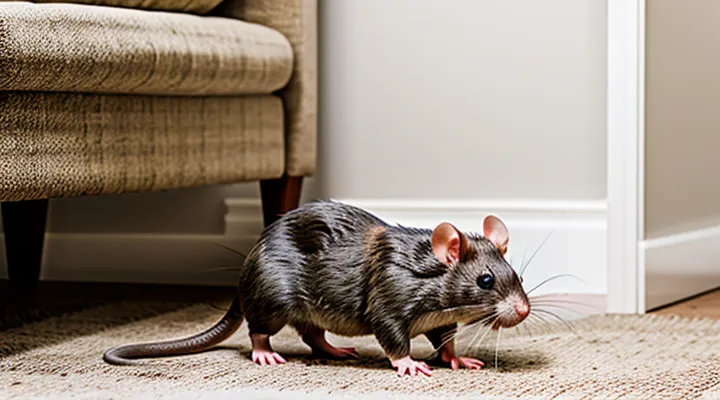
Understanding the Rat Problem
Identifying Signs of a Rat Infestation
«Droppings and Urine Trails»
Rats leave fecal pellets and urine stains that indicate activity zones and present health hazards. Pellets are typically ¼‑inch long, dark, and found along walls, in cabinets, or near food sources. Urine appears as glossy trails, often invisible until it dries and leaves a faint discoloration. Both waste types can harbor pathogens such as hantavirus, leptospirosis, and salmonella, which become airborne when disturbed.
Effective mitigation requires immediate identification, containment, and decontamination. Protective equipment—including disposable gloves, N‑95 respirator, and eye protection—must be worn before handling any residue. Cleaning procedures follow a strict sequence:
- Seal the affected area with plastic sheeting to prevent dust escape.
- Apply an enzymatic disinfectant to wet the droppings and urine, allowing a 10‑minute dwell time.
- Use a HEPA‑filtered vacuum to remove loosened particles, discarding the filter bag safely.
- Wipe surfaces with a bleach solution (1 part bleach to 10 parts water) and allow a 5‑minute contact period.
- Dispose of all contaminated materials in sealed, double‑bagged containers, labeling them as biohazard waste.
After decontamination, monitor for fresh droppings or urine trails to assess the success of the intervention. Persistent signs indicate ongoing infestation, necessitating professional pest‑control measures that incorporate trapping and exclusion techniques.
«Gnaw Marks and Damage»
Rats leave characteristic gnaw marks that indicate active infestation. Marks appear as clean, crescent‑shaped bites on wood, plastic, or metal, often accompanied by shredded fibers or exposed insulation. Recognizing these signs enables prompt intervention before damage escalates.
Typical damage includes compromised electrical wiring, weakened structural supports, contaminated food supplies, and breached sealing around pipes and vents. Each affected component poses safety hazards, such as fire risk from exposed conductors or health threats from contaminated surfaces.
Effective response requires systematic assessment and remediation:
- Conduct a thorough visual survey of walls, floors, ceilings, and storage areas for fresh gnaw marks and associated debris.
- Document locations with photographs and notes to prioritize repair work.
- Disconnect power to circuits where wiring damage is evident before any handling.
- Replace or reinforce damaged structural elements, using rodent‑resistant materials where possible.
- Seal entry points with steel‑wool or metal mesh, then apply a durable caulking compound.
- Dispose of contaminated food and sanitize affected surfaces with an appropriate disinfectant.
Addressing «Gnaw Marks and Damage» promptly reduces the likelihood of further infestation and ensures that removal efforts proceed without exposing occupants to additional risks.
«Unusual Noises»
Rats generate a range of sounds that differ from typical household noises. Recognizing these acoustic indicators allows prompt intervention before the infestation spreads.
Typical acoustic signatures include:
- Scratching on walls, ceilings, or pipes, especially during nighttime.
- High‑pitched squeaks emitted when rats feel threatened.
- Rattling of objects as rodents move through insulation or storage areas.
- Soft thumping sounds caused by running along concealed pathways.
When «Unusual Noises» occur, follow a systematic assessment:
- Document the time, location, and frequency of each sound.
- Inspect adjacent walls, floors, and ceilings for droppings, gnaw marks, or entry holes.
- Use a flashlight and a mirror to examine concealed spaces such as behind appliances or within cabinets.
- Verify the presence of additional evidence, such as shredded materials or urine stains, to confirm rodent activity.
If evidence confirms a rat presence, implement safe removal measures:
- Seal all identified entry points with steel wool and caulk to prevent re‑entry.
- Deploy snap traps or electronic traps in areas where noises have been traced, positioning them perpendicular to walls.
- Apply a low‑toxicity rodenticide in bait stations placed out of reach of children and pets, following label instructions.
- Maintain rigorous sanitation: store food in sealed containers, eliminate water sources, and regularly dispose of waste.
Continuous monitoring of acoustic patterns after intervention ensures that the problem is resolved. If noises persist, consider professional pest‑control services equipped with infrared cameras and trained detection dogs to locate hidden activity.
«Seeing Rats Themselves»
Seeing rats directly inside a residence signals an urgent need for decisive action. Immediate priorities include sealing food containers, removing waste, and inspecting openings that permit entry. Contact with rodents should be avoided; gloves and disposable masks reduce risk of disease transmission.
A systematic assessment clarifies the scope of infestation. Identify species by size and coloration, record sightings, and trace pathways to nests or travel routes. Mapping activity zones informs placement of control devices.
Effective intervention combines mechanical and chemical methods while maintaining safety standards. Recommended steps:
- Deploy snap traps or electronic traps along walls, behind appliances, and near droppings; position bait without exposing it to children or pets.
- Install sealed bait stations containing anticoagulant rodenticides; follow manufacturer instructions and label warnings.
- Engage licensed pest‑control professionals for extensive colonies or when structural damage is evident.
Protective measures accompany each action. Wear nitrile gloves, disposable coveralls, and eye protection. Ensure adequate ventilation when using rodenticides; store chemicals away from food preparation areas. After capture, place rodents in sealed containers, label, and dispose of them according to local regulations. Clean all surfaces with an EPA‑approved disinfectant to eliminate residual pathogens.
Continual monitoring verifies success. Replace traps regularly, inspect for new signs, and reinforce entry points with steel wool or concrete. Maintaining a clean, clutter‑free environment reduces the likelihood of future sightings.
Common Entry Points for Rats
«Gaps and Cracks in Walls»
Gaps and cracks in walls provide unobtrusive pathways for rats to enter living spaces, allowing access to food, shelter, and nesting sites. Even openings as narrow as a quarter‑inch can accommodate an adult rodent, making thorough inspection essential for effective rodent control in an apartment.
Typical entry points include:
- seams around window frames and door jambs
- joints between drywall sheets and plaster
- gaps around utility penetrations (pipes, cables, vents)
- cracks at the base of interior walls and at floor‑wall intersections
Inspection should combine visual assessment with tactile probing. Use a bright flashlight to expose shadowed seams, and run a thin, flexible probe (e.g., a screwdriver or a thin piece of wire) along suspect lines; resistance indicates a sealed joint, while free movement reveals an opening.
Sealing materials must withstand rodent chewing and environmental fluctuations. Recommended options are:
- Steel‑wool pads combined with expanding polyurethane foam for larger voids
- Cement‑based mortar for cracks in masonry or plaster
- High‑density silicone caulk for narrow gaps around fixtures
- Metal flashing or mesh for openings around vents and pipes
Step‑by‑step sealing procedure:
- Clean the area to remove dust, debris, and loose material.
- Insert steel‑wool into the opening to deter chewing.
- Apply the chosen sealant, ensuring complete coverage of the gap.
- Smooth the surface with a putty knife or trowel to create a uniform barrier.
- Allow the sealant to cure according to manufacturer specifications before re‑installing any fixtures.
After sealing, implement a monitoring routine. Place snap traps or motion‑activated cameras near previously identified entry zones for a two‑week period. Persistent activity indicates missed openings, prompting a repeat of the inspection and sealing cycle.
Maintaining a sealed envelope around the apartment reduces the likelihood of reinfestation, supporting long‑term rodent eradication efforts.
«Pipes and Utility Lines»
Rats frequently exploit gaps in «pipes and utility lines» to travel between walls, floors, and external areas, providing concealed pathways that bypass standard traps.
Inspection should focus on visible pipe junctions, vent openings, and conduit sleeves. Look for gnaw marks, droppings, or grease buildup near connections.
Sealing measures include:
- Installing steel‑wool or copper mesh around pipe gaps before applying expanding foam.
- Using stainless‑steel clamps to close loose fittings.
- Applying rodent‑resistant silicone sealant to joints prone to movement.
When deploying traps or bait stations, position devices directly adjacent to sealed sections to intercept rats attempting to navigate the protected routes. Ensure bait containers are inaccessible to children and pets, and monitor traps regularly to maintain effectiveness without exposing occupants to hazards.
Routine maintenance—periodic re‑inspection of sealed areas, replacement of worn mesh, and verification of vent integrity—prevents re‑entry and supports long‑term control of rodent activity within the dwelling.
«Doors and Windows»
Securing doors and windows eliminates primary pathways for rodent entry, thereby enhancing the effectiveness of any rat‑control measures within a dwelling. Properly sealed openings prevent new infestations and limit the movement of existing pests toward traps or bait stations.
- Examine door frames for gaps larger than ¼ inch; focus on the lower edge where rats commonly squeeze through.
- Inspect window sills, hinges, and screens for tears, loose fittings, or missing weather‑stripping.
- Verify that sliding doors close flush against the threshold; adjust rollers or add a brush seal if needed.
- Check ventilation grilles, utility openings, and balcony doors for unprotected cracks; cover with steel mesh of ¼‑inch aperture or smaller.
Apply durable sealing materials to close identified breaches. Silicone caulk provides flexible adhesion for small cracks, while expanding foam suits larger voids. Install self‑adhesive weather‑stripping along door bottoms and window perimeters to create a continuous barrier. Reinforce screens with heavy‑gauge mesh and secure them with stainless‑steel staples to resist chewing.
Regular maintenance preserves barrier integrity. Conduct monthly visual inspections, especially after seasonal temperature shifts that may cause material contraction. Replace worn weather‑stripping promptly; re‑apply caulk to any areas showing separation. Maintain a clear zone of at least 12 inches around doors and windows to keep traps accessible and to discourage rats from nesting near entry points.
«Ventilation Systems»
The condition of «Ventilation Systems» directly influences rodent activity in residential units. Openings in ductwork, vent grilles, and exhaust pipes provide unobstructed pathways for rats to enter living spaces. Unfiltered airflow also carries odors that attract rodents, reinforcing infestations.
- Conduct a thorough visual inspection of all ducts, vents, and exhaust outlets. Identify cracks, loose fittings, and damaged screens.
- Apply metal mesh or stainless‑steel wool to seal gaps larger than ¼ inch. Use expanding foam rated for HVAC applications where mesh cannot reach.
- Replace or clean filters regularly. Accumulated debris harbors food particles and nest material, sustaining rat populations.
- Install one‑way exclusion devices on vent openings. These allow air to exit while preventing rodent entry.
- Position snap traps or electronic bait stations near vent shafts after sealing. Traps remain effective when rodents cannot retreat through alternative routes.
- Verify that negative pressure in bathrooms and kitchens does not draw rats toward vent openings. Adjust fan speeds or install check valves to maintain balanced airflow.
Maintaining airtight integrity of «Ventilation Systems» reduces entry points, limits attractants, and supports the overall eradication strategy. Continuous monitoring of airflow and periodic resealing prevent re‑infestation after initial removal efforts.
Safe and Effective Removal Methods
Non-Lethal Trapping Options
«Live Traps: Setup and Placement»
Live traps provide a humane method for removing rats from a residence while allowing for safe release away from the building. The device consists of a cage with a trigger mechanism that closes the door once the rodent enters to reach bait. Proper setup ensures the trap functions reliably and minimizes stress to the animal.
To prepare a live trap, follow these steps:
- Inspect the cage for damage; repair or replace any broken hinges.
- Position bait—peanut butter, dried fruit, or small pieces of meat—on the trigger plate.
- Adjust the trigger sensitivity according to the manufacturer’s instructions, ensuring activation by a rat’s weight.
- Place a soft lining, such as a towel, inside the cage to prevent injury.
Effective placement targets areas of high rodent activity while reducing the risk of accidental capture of non‑target species. Recommended locations include:
- Along walls near known gnaw marks or droppings, as rats travel close to surfaces.
- Behind appliances, under sinks, and within concealed spaces where food sources exist.
- In corners of rooms where the floor meets the baseboard, providing a clear path into the trap.
After capture, transport the cage to a suitable release site—preferably a wooded area at least several miles from the dwelling—open the door, and allow the animal to exit promptly. Clean the trap with a mild disinfectant before reuse to maintain hygiene and prevent disease transmission.
«Baiting Strategies for Live Traps»
Effective bait selection is critical for live‑trap success. Attractive, non‑toxic options include «peanut butter», «sunflower seeds», «dry cat food», and «fresh fruit». Choose a bait that matches local rat preferences and avoid items that may spoil quickly, as decay reduces effectiveness and creates hygiene concerns.
Placement influences capture rates. Position traps along established runways, near walls, and close to entry points. Secure traps to prevent displacement by curious occupants. Ensure each trap is set with a minimal gap to allow entry while preventing escape.
Key considerations for safe baiting:
- Use fresh bait; replace every 24 hours to maintain scent strength.
- Avoid toxic substances; live traps require only edible attractants.
- Label traps with «Live‑capture – Do not release outdoors» to remind residents of proper handling.
- Monitor traps at least twice daily to reduce stress on captured rodents.
After capture, relocate rats at least 2 kilometers from the building, release in a suitable environment, and disinfect traps with a diluted bleach solution before reuse. This systematic approach maximizes removal efficiency while protecting human health and property.
«Safe Release Practices»
The concept of «Safe Release Practices» addresses the humane and health‑conscious handling of captured rats during residential rodent control. Proper execution minimizes disease transmission, prevents re‑entry, and complies with local wildlife regulations.
Effective release procedures include the following steps:
- Secure the animal in a sturdy, ventilated container immediately after capture to reduce stress and limit escape.
- Transport the container to an outdoor area at least 200 meters from the building, preferably a wooded or agricultural site where natural predators exist.
- Release the rat during daylight hours when visibility is high, allowing the animal to locate shelter quickly.
- Disinfect gloves and any equipment used during handling with an EPA‑approved sanitizer before returning to the apartment.
- Document the release location, date, and time to maintain records for pest‑management auditing.
Additional precautions involve wearing disposable gloves, avoiding direct contact with the rat’s saliva or urine, and disposing of any bedding or traps that may harbor pathogens. Following these guidelines ensures that rodent removal from a dwelling is conducted safely, responsibly, and in accordance with public‑health standards.
Deterrents and Repellents
«Natural Repellents: Peppermint Oil, Ammonia»
Natural repellents provide a chemical‑free option for discouraging rodent activity in residential units. Two readily available substances, peppermint oil and ammonia, create environments that rats avoid.
Peppermint oil works through strong aromatic compounds that overload a rat’s olfactory receptors. Effective application includes:
- Soaking cotton balls in pure peppermint oil and placing them in concealed locations such as behind appliances, inside cabinets, and near entry points.
- Replacing cotton balls every 3–5 days to maintain potency.
- Using a diffuser with a low concentration of oil in rooms where direct contact with pets or children is unlikely.
Ammonia releases a pungent vapor that irritates the nasal passages of rodents. Safe usage requires:
- Mixing equal parts of household ammonia and water in a spray bottle.
- Spraying the solution along baseboards, behind walls, and around potential nesting sites.
- Ventilating the area for at least 15 minutes after application to prevent inhalation hazards for occupants.
Both substances should be positioned away from food preparation surfaces and stored out of reach of children and pets. Regular inspection of treated areas confirms continued effectiveness; replace or reapply when the scent diminishes. Combining peppermint oil and ammonia with physical barriers—such as sealing cracks and installing door sweeps—creates a comprehensive, non‑lethal strategy for eliminating rat presence while preserving indoor safety.
«Ultrasonic Devices: Efficacy and Limitations»
Ultrasonic devices are marketed as a non‑chemical solution for rat control in residential units. The devices emit high‑frequency sound waves that are inaudible to humans but intended to disturb rodent behavior.
«Ultrasonic Devices: Efficacy and Limitations»
Efficacy:
- Laboratory studies show that frequencies between 20 kHz and 60 kHz can cause temporary discomfort in rats.
- Field trials report mixed results; success depends on factors such as device placement, obstacle density, and rodent habituation.
- Continuous operation is required to maintain any deterrent effect, as rats quickly adapt to constant exposure.
Limitations:
- Sound waves do not penetrate walls, furniture, or insulation, creating blind spots where rodents can avoid exposure.
- Devices lack a lethal component; they do not reduce existing infestations, only attempt to repel active individuals.
- Battery‑powered units may lose output over time, reducing effectiveness unless regularly checked.
- Regulatory assessments in several regions have classified ultrasonic emitters as ineffective for long‑term pest management.
Overall, ultrasonic emitters may contribute to a multi‑modal strategy but cannot replace trapping, sealing entry points, or professional intervention when dealing with established rat populations in apartments.
«Exclusion Techniques: Sealing Entry Points»
«Exclusion Techniques: Sealing Entry Points» form the core of a safe rat‑removal strategy in residential units. Effective exclusion stops rodents from re‑entering, reducing health risks and property damage.
Identify potential ingress sites through systematic inspection. Focus on gaps around pipes, vents, windows, doors, and foundation cracks. Pay special attention to areas where utility lines penetrate walls, as these often provide concealed pathways.
- Insert steel wool into small holes, then cover with expanding foam to create a durable barrier.
- Apply high‑quality silicone or acrylic caulk to seal gaps around baseboards, window frames, and door thresholds.
- Install hardware cloth (mesh size ≤ ¼ inch) over larger openings such as ventilation ducts or utility chases; secure with rust‑resistant screws.
- Use metal flashing to seal gaps beneath sinks and appliances where water lines enter the structure.
After sealing, perform a follow‑up inspection within 48 hours to verify integrity. Reapply sealants as needed after building settlement or seasonal temperature shifts. Maintain a regular schedule of visual checks to ensure that new cracks or gaps are promptly addressed, preserving a rat‑free environment.
Preventing Future Infestations
Maintaining a Clean Environment
«Proper Food Storage»
Proper food storage is a critical element in preventing rodent infestations in residential units. Secure containers made of metal or thick plastic block access to grains, cereals, and pet food. Store items on elevated shelves away from walls, reducing hiding places and pathways for pests. Eliminate spills promptly; residual crumbs create attractants that draw rats into living spaces.
Key practices include:
- Transfer bulk purchases into sealed, airtight containers immediately after opening.
- Keep all food items in original packaging only if the seal remains intact; otherwise, repackage.
- Dispose of expired or unused food regularly, using sealed trash bags.
- Clean countertops, stovetops, and dining areas after each meal, removing crumbs and food residues.
- Position garbage bins with tight‑fitting lids, emptying them at least daily.
Consistent implementation of these measures reduces food availability for rodents, supporting safe and effective pest control in apartments.
«Regular Waste Disposal»
Regular waste disposal prevents food remnants from accumulating in kitchens, storage areas, and hallways. When refuse is placed in sealed containers and removed promptly, the scent that attracts rodents diminishes significantly.
Improperly managed trash supplies rodents with both nourishment and nesting material. Open bags, overflowing bins, and litter scattered on the floor create easy access points and concealment zones, facilitating infestation and increasing health risks.
Practical steps for maintaining a rodent‑free environment:
- Use bins with tight‑fitting lids; replace damaged containers immediately.
- Empty waste daily, especially in apartments with limited space.
- Store compostable material in separate, sealed containers; keep them away from living quarters.
- Clean spills and food residues from the bin interior after each disposal.
- Place waste containers away from walls and furniture to eliminate hiding spots.
Consistent waste management reduces the likelihood of rodent entry, supports safe living conditions, and complements other control measures.
«Cleaning Up Spills and Crumbs»
«Cleaning Up Spills and Crumbs» constitutes a fundamental preventive measure in rodent control within residential units. Food residues provide a reliable source of nourishment, encouraging rats to remain and reproduce. Removing these attractants eliminates a primary incentive for infestation.
Effective execution involves the following actions:
- Promptly blot liquid spills with absorbent material; avoid leaving damp surfaces that can foster odor.
- Sweep visible crumbs from countertops, floors, and appliance exteriors after each meal preparation.
- Store dry goods in airtight containers; glass or heavy‑wall plastic containers prevent gnawing and accidental spillage.
- Dispose of food waste in sealed bins; empty bins daily to reduce lingering smells.
- Clean under appliances and behind furniture where debris may accumulate; use a vacuum equipped with a HEPA filter to capture fine particles.
Routine adherence to these practices reduces the likelihood of rat presence, supporting broader efforts to achieve a rodent‑free living environment.
Sealing and Proofing Your Apartment
«Inspecting and Repairing Cracks»
Inspecting structural openings is a prerequisite for any effective rodent control program in a residence. Small fissures in walls, floors, and ceilings provide entry points for rats, allowing access to food, shelter, and nesting sites. Identifying these vulnerabilities eliminates the primary route of infestation and reduces the need for chemical interventions.
A systematic survey begins with a visual examination of all interior surfaces. Use a bright flashlight to reveal hairline splits along baseboards, behind appliances, and around pipe penetrations. Employ a mirror on an extendable pole to inspect concealed corners and ceiling joints. Record each defect, noting dimensions and proximity to potential food sources. For larger apartments, a checklist ensures coverage of every room and utility space.
Repair work must restore a continuous barrier. For cracks narrower than 2 mm, apply a high‑quality silicone or acrylic sealant, smoothing the surface with a putty knife to achieve a seamless finish. Cracks wider than 2 mm require a two‑step approach: first, insert a backer rod or expanding foam to fill the void, then cover with masonry patching compound or cementitious filler. Allow the material to cure fully before repainting or reinstalling trim. All repairs should be inspected for adherence and durability after the curing period.
Ongoing maintenance prevents re‑entry. Schedule quarterly inspections, focusing on areas with high humidity or frequent movement, such as laundry rooms and kitchens. Promptly address any new fissures, and reinforce existing seals during routine renovations. A well‑maintained envelope minimizes the risk of future rodent activity and supports a safe, hygienic living environment.
«Securing Vents and Drains»
The effectiveness of rodent control in an apartment hinges on eliminating pathways that allow entry. One critical area involves the ventilation system and plumbing openings. Proper sealing prevents rats from exploiting these routes and reduces the risk of infestation.
-
Inspect all vent covers for gaps or damage.
-
Install stainless‑steel mesh with openings no larger than ¼ inch.
-
Secure mesh with rust‑resistant screws; replace cracked or rusted fasteners.
-
Apply steel wool to small openings before fitting mesh, ensuring a tight fit.
-
Locate each drain access point, including floor and wall traps.
-
Fit metal drain covers equipped with fine mesh screens.
-
Use snap‑on lids that lock in place, preventing rodents from climbing through.
-
Periodically flush drains with hot water to clear debris that could create shelter.
Routine checks maintain integrity of the barriers. Conduct monthly visual inspections, replace worn mesh, and verify that all fasteners remain tight. Immediate repair of any breach limits exposure and supports a safe, rat‑free living environment.
«Using Steel Wool and Caulk»
Steel wool combined with caulk creates an effective barrier against rodent intrusion. The material’s dense fibers compress tightly, preventing rats from gnawing through openings such as pipe gaps, vent covers, and wall cracks. When sealed with a durable caulk, the barrier remains intact despite humidity or temperature fluctuations.
To apply the method, follow these steps:
- Identify all potential entry points. Focus on gaps larger than a quarter inch, especially around utility lines and drainage pipes.
- Pack steel wool firmly into each opening. Ensure the fibers fill the space completely, leaving no voids.
- Apply a bead of silicone‑based caulk over the steel wool. Smooth the caulk to create a seamless seal that adheres to surrounding surfaces.
- Allow the caulk to cure according to the manufacturer’s instructions before exposing the area to moisture or cleaning.
Regular inspection of sealed areas confirms long‑term effectiveness. Re‑application of steel wool and caulk may be necessary if new gaps appear due to structural shifts or renovations. This approach eliminates the need for chemical poisons, reducing health risks for occupants and pets while maintaining a hygienic living environment.
Professional Pest Control
«When to Call an Exterminator»
Rats can establish a breeding population quickly; early detection of a severe infestation signals the need for professional assistance. The decision to engage an exterminator should be based on objective indicators rather than hope for a DIY resolution.
- Visible droppings exceeding 1 kg per week or presence of multiple active nests.
- Continuous gnaw marks on structural elements, wiring, or food containers.
- Repeated sightings despite traps, bait stations, or sealing of entry points.
- Health‑related concerns such as allergic reactions, asthma attacks, or disease‑transmission risks confirmed by a medical professional.
Delaying professional intervention when these signs appear increases the likelihood of structural damage, electrical hazards, and elevated disease exposure. Moreover, a growing colony reduces the effectiveness of over‑the‑counter methods, leading to higher long‑term costs.
Before contacting an exterminator, secure food sources, remove clutter that offers shelter, and document evidence (photos, counts of droppings, dates of sightings). Provide the pest‑control service with this data to enable rapid assessment and targeted treatment. The moment the criteria above are met, the appropriate response is to call an exterminator without hesitation.
«Questions to Ask a Professional»
When hiring an expert to address a rodent infestation, precise information determines the effectiveness and safety of the intervention. The following questions clarify the professional’s qualifications, methods, and responsibilities.
- What certifications or licenses verify competence in pest control?
- Which eradication techniques avoid chemical exposure to residents and pets?
- How is the extent of the infestation assessed before treatment begins?
- What steps are taken to prevent re‑entry of rodents after the job is completed?
- Are traps or baits placed in a manner that complies with local health regulations?
- How long will the treatment process last, and what follow‑up inspections are included?
- What warranties or guarantees cover the work performed?
- How are waste materials, such as dead rodents or used baits, disposed of safely?
- Can a detailed plan be provided outlining each phase of the procedure?
- What emergency contacts are available if unexpected issues arise during or after treatment?