
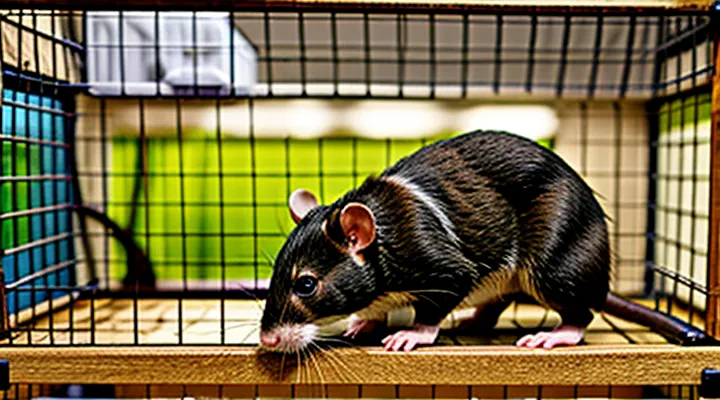
Understanding Rat Cage Odor
Common Causes of Odor
Ammonia Buildup
Ammonia accumulates in a rat cage when urine and feces decompose, releasing nitrogen compounds that evaporate as a pungent gas. High concentrations irritate the respiratory tract, damage fur, and contribute to the overall odor problem.
The primary sources of ammonia are frequent urination, inadequate ventilation, and insufficient cleaning. Moist bedding retains liquid waste, providing a medium for bacterial activity that converts urea into ammonia. Poor airflow prevents the gas from dispersing, allowing it to build up quickly.
Detecting excess ammonia is straightforward: a sharp, irritant smell indicates levels above acceptable limits. A simple test strip can quantify concentration; values exceeding 25 ppm warrant immediate action.
Effective control measures include:
- Replace soiled bedding daily; use low‑dust, highly absorbent material.
- Spot‑clean urine deposits with a mild, non‑toxic disinfectant before they dry.
- Increase cage ventilation by adjusting air holes or adding a fan.
- Apply a thin layer of diatomaceous earth or a commercial odor‑absorbing substrate beneath the bedding.
- Incorporate a small, sealed water dish to raise humidity slightly, which reduces ammonia volatilization.
A maintenance schedule that alternates full cage cleaning with regular spot checks prevents accumulation. Daily removal of wet spots, weekly complete bedding changes, and monthly deep cleaning with a diluted vinegar solution keep ammonia levels low, thereby reducing odor and promoting a healthier environment for the animals.
Accumulated Waste and Bedding
Effective odor control in a rodent enclosure begins with proper management of waste and bedding. Accumulated urine, feces, and soiled bedding release ammonia and bacterial by‑products that quickly saturate the cage atmosphere. Removing these sources promptly prevents the buildup of volatile compounds.
- Clean the cage at least once daily; discard all used bedding, spot‑clean any wet areas, and replace with fresh material.
- Use a bedding substrate with high absorbency and low dust content; paper‑based or aspen shavings perform better than wood chips that can trap moisture.
- Rinse the cage interior with warm water and a mild, fragrance‑free detergent; follow with a thorough rinse to eliminate residue.
- Apply a non‑toxic enzymatic cleaner to the interior surfaces; enzymes break down organic matter, reducing the source of odor.
- Allow the cage to dry completely before adding fresh bedding; moisture retention accelerates bacterial growth.
Regularly inspecting the cage for hidden waste pockets—under corners, behind equipment, and within filter mats—ensures no concealed odor sources remain. Maintaining a schedule that combines daily spot cleaning with a comprehensive weekly deep clean keeps the environment sanitary and minimizes unpleasant smells.
Food Spoilage
Food spoilage is a primary source of foul odor in a rat enclosure. Decomposing pellets, fresh produce, and uneaten treats release ammonia, sulfur compounds, and volatile fatty acids that quickly saturate the cage atmosphere.
Identify spoilage early. Look for discoloration, slime, sour smell, or mold on food items. Remove any offending material before it contacts bedding or water bottles. Dispose of waste in a sealed container to prevent odor transfer to the living space.
Maintain a spoilage‑free environment with the following routine:
- Store dry feed in airtight containers; keep it in a cool, dry location.
- Offer fresh vegetables in small portions; discard leftovers within two hours.
- Clean the feeder and water bottle daily with hot, soapy water; rinse thoroughly.
- Replace bedding weekly; spot‑clean soiled sections daily to remove localized decay.
- Use a pet‑safe enzymatic cleaner on the cage interior after each full cleaning cycle to break down residual organic matter.
By eliminating spoiled food and preventing its accumulation, the primary odor generators are removed, resulting in a cleaner, healthier habitat for the rats.
Unclean Accessories
Unclean accessories such as water bottles, food dishes, chew toys, and bedding containers release ammonia and bacterial metabolites that quickly saturate a rat enclosure with unpleasant odor. Residue from spilled food and urine adheres to plastic surfaces, creating a breeding ground for microbes that emit strong smells. Ignoring these items prolongs the odor problem even after the cage itself is cleaned.
Effective odor control requires systematic sanitation of every accessory:
- Disassemble each item; remove all visible debris.
- Rinse with hot water (at least 60 °C) to dissolve organic buildup.
- Soak in a solution of one part white vinegar to four parts water for 10 minutes; vinegar neutralizes ammonia.
- Scrub with a non‑abrasive brush, focusing on corners and seams where residue accumulates.
- Rinse thoroughly to eliminate any vinegar trace, then air‑dry completely before reassembly.
- Replace disposable items (e.g., bedding trays) weekly; reusable accessories should be sterilized in boiling water for 5 minutes or in a dishwasher on a high‑heat cycle.
Regular maintenance—cleaning accessories after each cage change and inspecting for wear—prevents odor re‑accumulation and supports a healthier environment for the rodents.
Essential Cleaning Practices
Daily Spot Cleaning
Removing Droppings and Soiled Bedding
Removing droppings and replacing soiled bedding are the most effective actions for controlling odor in a rat enclosure. Waste accumulates quickly, releasing ammonia and bacterial by‑products that create unpleasant smells. Prompt elimination of these sources prevents the buildup of volatile compounds and maintains a healthy environment for the animals.
- Wear disposable gloves and a mask to protect yourself from pathogens.
- Empty the cage onto a disposable tray or newspaper.
- Use a small scoop or spatula to collect solid droppings; discard them in a sealed bag.
- Shake the bedding to loosen debris, then scoop out the entire contents.
- Rinse the cage with warm water; avoid harsh chemicals that can irritate rats.
- Apply a pet‑safe enzyme cleaner to residual stains; let it sit according to the product instructions.
- Rinse thoroughly, dry with a clean towel, and allow the cage to air dry completely.
- Add fresh, absorbent bedding appropriate for rats; spread it evenly to a depth of 2–3 cm.
- Return the rats to the cleaned cage promptly to reduce stress.
Consistent execution of these steps, at least twice weekly, keeps odor levels low and supports overall cage hygiene.
Wiping Down Surfaces
Effective odor control in a rodent habitat begins with thorough surface cleaning. Residual urine, feces, and food particles cling to cage walls, bars, and accessories, releasing volatile compounds that persist despite regular litter changes. Removing these residues eliminates the primary source of unpleasant smells.
Select a disinfectant that neutralizes organic odors without harming animals. Options include diluted white vinegar (1 part vinegar to 4 parts water), enzymatic cleaners formulated for pet enclosures, or a mild bleach solution (1 tsp bleach per quart of water). Test any solution on a small area to confirm material compatibility.
Follow a systematic wiping protocol:
- Empty the cage, relocate the rat, and remove all accessories.
- Rinse bars and walls with warm water to loosen debris.
- Apply the chosen cleaning solution uniformly to all surfaces.
- Use a clean, lint‑free cloth or non‑abrasive sponge to scrub each area, paying special attention to corners and lock mechanisms.
- Rinse surfaces with plain water to remove residual chemicals.
- Dry completely with disposable paper towels or air‑dry before returning accessories and the animal.
Repeat the wiping process weekly for routine maintenance and after any accidental spills. For severe odor buildup, perform a deep clean every two weeks, extending contact time of the disinfectant to five minutes before scrubbing.
Proper drying prevents moisture‑related mold growth, which can reintroduce odors. Store cleaning cloths in a sealed container to avoid cross‑contamination. Consistent application of this surface‑wiping routine maintains a fresh environment and supports the health of the rodent.
Weekly Deep Cleaning
Disassembling the Cage
Disassembling the cage is the first practical step in eliminating odor from a rodent enclosure. Removing each component separates debris, urine crystals, and food residue, allowing thorough cleaning and preventing hidden pockets of smell.
- Unscrew all bolts, clips, and hinges that hold the frame together.
- Detach the wire mesh, plastic base, and any removable accessories such as feeding trays, water bottles, and hideouts.
- Lay each part on a clean surface to assess buildup before washing.
After separation, rinse each piece with warm water to remove loose particles. Apply an enzymatic cleaner to the mesh and plastic surfaces; let it soak for the manufacturer‑recommended time, then scrub with a non‑abrasive brush. Rinse again, dry completely, and reassemble only when all components are fully dry. Reassembly in a dry state prevents moisture‑driven bacterial growth, which is a common source of lingering odor.
Washing All Components
Cleaning every part of a rodent enclosure is essential for odor control. Begin by emptying the cage, removing all bedding, food, water dishes, toys, and accessories. Place removable items in a sink or bucket for immediate washing.
- Disassemble all components; separate plastic, metal, and fabric parts.
- Rinse each piece with warm water to eliminate loose debris.
- Prepare a cleaning solution of hot water and a mild, enzyme‑based detergent; avoid harsh chemicals that can harm animals.
- Submerge non‑porous items, scrub with a brush, and soak for 10–15 minutes.
- For fabric bedding containers or cage liners, soak in the same solution, then agitate gently; rinse thoroughly until no soap residue remains.
- Rinse all parts with clean water; verify that no suds remain by visual inspection.
- Sanitize with a dilute vinegar solution (1 part white vinegar to 4 parts water) or a veterinary‑approved disinfectant; allow contact time as indicated on the product label.
- Rinse again to remove any disinfectant traces.
- Dry each component completely using a clean towel or air‑drying rack; moisture promotes bacterial growth and odor recurrence.
- Reassemble the cage, replace bedding with fresh material, and reinstall accessories only after they are fully dry.
Consistent execution of this routine after each cleaning cycle prevents the buildup of urine, feces, and bacterial metabolites that cause unpleasant smells. Regular inspection of seals and joints ensures no hidden pockets retain moisture or waste, maintaining a fresh environment for the rats.
Appropriate Cleaning Solutions
Effective odor control in a rodent enclosure begins with the right cleaning agents. Choose solutions that break down urine and feces, neutralize ammonia, and are safe for small mammals.
- Diluted white vinegar (1 part vinegar to 4 parts water) dissolves mineral deposits and cuts odor without harming rats. Apply, let sit for 5 minutes, then rinse thoroughly.
- Enzymatic cleaners contain bacteria that digest organic waste. Select products labeled for pet cages, follow manufacturer‑recommended dilution, and allow the solution to remain on surfaces for the prescribed contact time before rinsing.
- Hydrogen peroxide (3 % solution) oxidizes odor‑causing compounds. Mix with equal parts water, spray onto hard surfaces, and wipe clean; avoid contact with bedding or the rats themselves.
- Mild dish soap mixed with warm water (1 tsp per quart) removes grease and debris. Rinse well to prevent residue that could attract pests.
For bedding, replace it entirely after each deep clean. If reusable bedding is preferred, wash it in hot water (≥ 60 °C) with a small amount of enzymatic detergent, then dry completely before reuse.
Always wear gloves and eye protection when handling concentrated solutions. Rinse all surfaces with clean water after treatment to eliminate any lingering chemicals. Regular application of these solutions, combined with daily spot cleaning, maintains a low‑odor environment and supports the health of the animals.
Rinsing Thoroughly
Rinsing the cage eliminates residual urine, feces, and food particles that contribute to foul smells. Use hot water (at least 120 °F/49 °C) to break down organic matter, then fill the cage with water until it covers the floor and walls. Agitate the surfaces with a scrub brush, paying special attention to corners, wire mesh, and feeding platforms. Drain the water completely, then repeat the rinse with fresh hot water to remove any lingering detergent or debris.
Key points for an effective rinse:
- Temperature: Hot water enhances dissolution of oils and proteins.
- Duration: Submerge and swirl for 30–45 seconds per section.
- Repetition: Perform at least two full rinses; the second rinse confirms removal of residues.
- Drainage: Ensure all water exits the cage; residual moisture can foster bacterial growth.
After the final rinse, dry the cage with a clean, lint‑free towel or allow it to air dry in a well‑ventilated area before adding fresh bedding. This thorough rinsing step dramatically reduces odor sources and prepares the enclosure for the next cleaning cycle.
Replacing Bedding and Liners
Regularly swapping out bedding and liners is one of the most effective measures for controlling smell in a rat enclosure. Stale material retains urine and feces, creating a persistent odor that builds quickly if not removed.
- Remove the cage lid and clear all debris.
- Discard the used bedding and any disposable liner.
- Rinse the cage interior with warm water; avoid harsh chemicals that could irritate the animals.
- Apply a thin layer of distilled white vinegar or an enzymatic cleaner; let it sit for five minutes, then rinse thoroughly.
- Dry the cage completely before adding fresh bedding.
Choose bedding that absorbs moisture efficiently and resists bacterial growth. Options such as paper-based pellets, aspen shavings, or kiln‑dried hardwood chips provide high absorbency without the oils found in pine or cedar. For liners, select a material that is puncture‑resistant and easy to replace, such as heavy‑duty polyethylene sheets or reusable fabric pads that can be laundered at high temperatures.
Implement a replacement schedule based on cage size and animal load. A single adult rat typically requires a full bedding change every 3–4 days; a breeding pair with offspring may need changes every 2 days. Liners should be swapped at the same interval to prevent seepage into the cage base.
Consistent execution of these steps reduces volatile compounds, maintains a healthier environment, and eliminates the dominant source of odor in the rat habitat.
Preventing Odor Buildup
Choosing the Right Bedding
Absorbent Materials
Absorbent media are essential for controlling volatile compounds that cause unpleasant smells in a rodent enclosure. Effective materials capture moisture, urine, and fecal particles, thereby limiting bacterial growth and the release of odor‑producing gases.
Commonly used absorbents include:
- Activated charcoal – high surface area, adsorbs ammonia and sulfides; place in a discreet tray beneath the bedding.
- Zeolite granules – ion‑exchange properties bind ammonia; mix with bedding or keep in a separate container.
- Wood shavings (aspen or pine, low‑dust) – absorb liquid waste, provide a dry surface; replace every 3‑5 days.
- Paper‑based bedding – high absorbency, minimal dust; suitable for short‑term use and easy to dispose of.
- Corn cob bedding – porous structure retains moisture; requires weekly replacement to prevent compaction.
When selecting an absorbent, prioritize low dust generation to protect respiratory health, and ensure the material is non‑toxic if ingested. Apply a uniform layer of 1–2 inches depth, allowing the substrate to wick moisture away from the cage floor. Monitor the substrate’s color and texture; a darkened or saturated appearance signals the need for replacement.
Integrating a secondary absorbent, such as a charcoal filter in the cage’s ventilation slot, further reduces airborne odor. Regular cleaning of the cage, combined with the appropriate absorbent, maintains a hygienic environment and minimizes smell for both animals and caretakers.
Odor-Controlling Options
Effective odor control in a rodent enclosure relies on a combination of preventive measures and targeted treatments. Regular removal of waste, thorough washing of the cage with hot water, and replacement of soiled bedding disrupt the primary source of malodor. Maintaining adequate airflow prevents stagnant air from accumulating volatile compounds.
Key odor‑controlling options include:
- Absorbent bedding: Use paper‑based or aspen shavings that trap urine and feces, reducing odor release.
- Activated charcoal filters: Place filters in cage lids or ventilation ports to adsorb ammonia and other gases.
- Enzyme cleaners: Apply enzymatic solutions to break down organic matter that fuels bacterial growth.
- Air purifiers: Deploy HEPA‑rated units with activated carbon to cleanse room air surrounding the cage.
- Cage liners: Install disposable liners that collect droppings and urine, simplifying cleanup and limiting odor transfer.
- Ventilation enhancements: Add mesh panels or small fans to increase air exchange without compromising safety.
- Scent‑neutralizing sprays: Use pet‑safe formulations containing cyclodextrin or citrus extracts to mask odors without overwhelming the animals.
Implementing these strategies concurrently yields the most reliable reduction of unpleasant smells while preserving a healthy environment for the rats.
Proper Cage Ventilation
Location Considerations
When addressing odor control, the cage’s placement directly influences air circulation, contaminant spread, and cleaning efficiency. Choose a spot that allows unobstructed airflow, keeping the cage away from walls, curtains, or furniture that could trap stale air. Ensure the area is free from direct sunlight, which can increase temperature and humidity, accelerating bacterial growth and odor production. Locate the cage near a sink or a designated cleaning station to streamline routine washing and disinfecting without transporting waste through high‑traffic zones.
- Position the cage on a stable, non‑porous surface such as a sealed plastic tray or metal platform; avoid wood or carpet that absorb liquids and retain smells.
- Maintain a minimum clearance of 12 inches on all sides to promote ventilation and facilitate easy access for cleaning tools.
- Separate the cage from food preparation or living spaces to prevent odor migration into human areas.
- Install an exhaust fan or use a room with existing ventilation that can exchange air at least 5–6 times per hour.
- Monitor ambient temperature (68–75 °F) and relative humidity (40–50 %); adjust location or use dehumidifiers if levels exceed optimal ranges.
- Keep cleaning supplies, bedding, and waste containers within arm’s reach but stored in sealed containers to avoid secondary odor sources.
Airflow Enhancement
Improving airflow is a fundamental strategy for reducing unpleasant smells in a rodent enclosure. Fresh air exchange dilutes volatile compounds produced by waste and urine, preventing them from accumulating to detectable levels.
Key actions to enhance ventilation:
- Position the cage near a window or a room with natural drafts. Ensure the opening does not create direct wind that could stress the animals.
- Install a small, low‑noise fan on the cage’s side wall. Set the speed to a gentle circulation that moves air without causing turbulence.
- Use a cage rack with spaced bars instead of solid panels. The gaps allow passive convection while maintaining structural integrity.
- Add a vented lid or a mesh cover that permits upward airflow. Secure the cover to avoid accidental escapes.
- Incorporate a carbon‑filtered air purifier in the room. Place the intake close to the cage to draw stale air away and release filtered air nearby.
Maintain a clear path for air movement by keeping bedding, toys, and nesting material away from the cage’s vents. Regularly clean the fan blades and replace filter media to sustain optimal performance. By implementing these airflow enhancements, odor levels drop significantly, creating a healthier environment for both rodents and caretakers.
Diet and Hydration
Fresh Food Management
Effective odor control in a rat enclosure begins with disciplined fresh‑food management. Food that spoils quickly becomes a primary source of ammonia and bacterial smell, so maintaining strict standards prevents the problem before it starts.
Store dry pellets, fruits, and vegetables in airtight containers away from direct sunlight. Replace sealed supplies weekly, discarding any opened bags older than seven days. Keep perishable items in a refrigerator or a cooler with a temperature below 5 °C; transfer only the amount needed for the current feeding cycle.
Remove uneaten food promptly. After each meal, inspect the cage and eliminate any scraps or droppings. Use a shallow tray beneath the cage to catch spilled bits; empty the tray at least twice daily and rinse with hot water and mild detergent.
Implement a rotation schedule for fresh produce. Assign specific days for leafy greens, fruits, and protein treats, ensuring each item spends no more than 48 hours in the cage. Rotate stock so that older portions are fed first, reducing the risk of decay.
Maintain hygiene of feeding accessories. Clean bowls, water bottles, and feeding tubes daily with hot water, then sanitize with a 1 % diluted bleach solution. Rinse thoroughly to remove residual chemicals before refilling.
Follow this checklist to sustain a low‑odor environment:
- Store all dry food in sealed, opaque containers.
- Refrigerate perishable items; limit exposure to room temperature.
- Remove leftovers within 30 minutes of feeding.
- Empty and clean spill trays twice per day.
- Rotate fresh produce every 24–48 hours.
- Sanitize feeding equipment daily with hot water and mild bleach.
- Inspect food for mold or discoloration before offering.
Consistent application of these practices eliminates a major odor source, supporting a cleaner cage and healthier rats.
Adequate Water Supply
Providing a sufficient amount of fresh water directly influences the level of odor in a rat enclosure. Clean water dilutes urine concentration, limits bacterial proliferation, and prevents the buildup of ammonia‑producing waste that contributes to unpleasant smells.
Maintain water quality by following these practices:
- Use a sealed bottle with a stainless‑steel or plastic nozzle to reduce spillage.
- Replace the water daily; more frequent changes are required in warm environments.
- Clean the bottle and nozzle with mild detergent and rinse thoroughly each week.
- Inspect the water for cloudiness or debris; discard any contaminated supply immediately.
- Position the dispenser away from food dishes and bedding to avoid cross‑contamination.
Ensuring continuous access to uncontaminated water stabilizes the rats’ hydration, reduces the frequency of strong‑smelling urine deposits, and supports overall cage hygiene.
Rat Health and Hygiene
Regular Health Checks
Regular health examinations of laboratory rats are essential for maintaining a low‑odor environment. Illnesses such as respiratory infections, gastrointestinal disturbances, or urinary tract problems produce strong smells that persist in bedding and cage surfaces. Detecting these conditions early prevents contaminating the enclosure and reduces the need for intensive cleaning.
Key components of a routine health assessment:
- Visual inspection of fur, eyes, and nose for signs of discharge, reddening, or hair loss.
- Palpation of the abdomen to identify swelling, pain, or abnormal masses.
- Observation of urination and defecation patterns; abnormal volume, frequency, or odor indicates possible infection.
- Weight measurement; sudden loss or gain can signal metabolic or digestive issues that affect waste composition.
- Rapid screening for common pathogens using swabs of nasal passages, oral cavity, and rectal area.
Implementing these checks on a weekly schedule allows caretakers to isolate affected animals, treat underlying conditions promptly, and replace soiled bedding before odors become entrenched. Consistent health monitoring thus directly supports effective odor mitigation in rat housing.
Grooming Assistance
Grooming assistance directly reduces the source of odor in a rat enclosure by removing waste, urine, and saliva trapped in the animal’s coat. Regular brushing eliminates debris that would otherwise fall onto bedding, where it decomposes and releases malodor.
Rats groom themselves, but their small size and rapid movements often leave residues in hard‑to‑reach areas such as the underbelly, tail base, and between the toes. These hidden deposits become a continuous source of volatile compounds that saturate the cage atmosphere.
Effective grooming routine:
- Secure the rat in a gentle restraint, such as a soft towel or a small pet carrier.
- Use a fine‑toothed comb or a soft grooming brush designed for small rodents.
- Start at the head, move toward the tail, paying special attention to the ventral side and tail base.
- Inspect for mats, dried urine, or fecal streaks; remove with a damp, lint‑free cloth if necessary.
- After brushing, wipe the paws and face with a pet‑safe, unscented wet wipe to clear residual secretions.
Select grooming tools made of non‑abrasive plastic or stainless steel to avoid skin irritation. Apply a mild, fragrance‑free grooming spray only if it is specifically formulated for rodents; unnecessary chemicals can irritate the animal and worsen odor. Perform grooming sessions two to three times per week for adult rats; juvenile rats may require weekly attention.
Consistent grooming complements routine cage cleaning. By minimizing fur‑borne waste, the bedding remains fresher for longer, reducing the frequency of full‑cage changes. The combined effect of diligent grooming and regular substrate replacement maintains a low‑odor environment without resorting to harsh deodorizers or frequent deep cleans.
Advanced Odor Control Methods
Air Purifiers and Deodorizers
Pet-Safe Options
Effective odor control in a rat enclosure requires products that pose no health risk to the animals. Choose solutions that are non‑toxic, free of harsh chemicals, and easy to apply.
- Enzyme‑based cleaners – Break down urine and feces proteins, neutralizing odor at the source. Look for formulas labeled safe for small mammals and free of bleach or ammonia.
- Food‑grade baking soda – Sprinkle a thin layer on the cage floor after cleaning. It absorbs moisture and odor without irritating the rats’ respiratory system.
- Activated charcoal inserts – Place small, breathable packets in the cage’s corner or under the bedding. Charcoal adsorbs volatile compounds while remaining inert.
- Coconut‑derived odor absorbers – Use powdered or granulated coconut husk treated with natural antimicrobial agents. The material is safe for ingestion in small amounts and reduces bacterial growth.
- Regular bedding changes – Substitute soiled bedding with fresh, low‑dust options such as paper pulp or aspen shavings. Frequent replacement prevents odor buildup and maintains a healthy environment.
Implement a routine that combines thorough cleaning with one or more of these pet‑safe options. The result is a fresher cage, healthier rats, and a more pleasant workspace.
Placement Strategies
Effective odor control begins with strategic placement of cage components. Position the feeder and water bottle on the side opposite the bedding to prevent food residue from contaminating the substrate. Keep the waste tray or bottom grate at the lowest point of the enclosure; gravity will direct droppings away from the living area, reducing airborne particles.
Arrange the cage in a well‑ventilated location. Align the cage’s open side toward a source of fresh air, such as a window or an exhaust vent, while avoiding direct drafts that can stress the animals. Elevate the cage on a sturdy stand at least six inches above the floor; this creates an air gap that promotes circulation and discourages moisture buildup beneath the cage.
Select appropriate bedding depth and distribution. Spread a uniform layer of absorbent material, typically 1–2 inches, across the entire floor. Avoid piling bedding in corners, which traps waste and fosters bacterial growth. Replace only the soiled sections daily; complete changes can be scheduled weekly.
Maintain a regular cleaning schedule aligned with placement practices:
- Remove waste tray, empty and rinse with hot water.
- Spot‑clean soiled bedding, focusing on high‑traffic zones.
- Refill bedding to the recommended depth, ensuring even coverage.
- Reposition feeder and water bottle if any shift occurred during cleaning.
By adhering to these placement strategies, odor sources are isolated, airflow is maximized, and waste removal becomes more efficient, resulting in a consistently fresh environment for the rats.
Natural Odor Absorbers
Baking Soda Applications
Baking soda is a reliable neutralizer for the ammonia and urine odors that accumulate in a rodent enclosure. Its alkaline nature reacts with acidic waste compounds, reducing volatile emissions without introducing harmful chemicals.
- Sprinkle a thin layer (approximately ¼ inch) on the cage floor before adding bedding; the powder absorbs moisture and odor as the animals use the substrate. Replace the layer every 2–3 days to maintain effectiveness.
- Mix one tablespoon of baking soda with a quart of warm water to create a mild cleaning solution. Apply the solution to the cage walls, feed trays, and accessories after each thorough cleaning cycle. Rinse with clean water and allow all components to dry completely before reassembly.
- Combine baking soda with wood shavings or paper bedding in a 1:10 ratio. The mixture retains odor‑absorbing capacity while providing a comfortable substrate for the rats.
- Place a small, open container of baking soda in a corner of the cage, away from food dishes. The container acts as a passive deodorizer, continuously capturing airborne particles.
- For deep‑cleaning, add half a cup of baking soda to a basin of hot water and soak removable cage parts for 15 minutes. The alkaline soak loosens residue and neutralizes lingering smells.
Use only food‑grade baking soda to avoid contamination. Store the powder in a sealed container to prevent moisture absorption, which diminishes its odor‑control properties. Regular application of these methods keeps the cage environment fresh and reduces the need for harsh chemical disinfectants.
Activated Charcoal Use
Activated charcoal effectively adsorbs volatile compounds responsible for unpleasant smells in rodent enclosures. The porous carbon surface binds ammonia, urine metabolites, and food residues, reducing airborne concentration without chemical reactions. Its neutral pH prevents irritation to the animals’ respiratory system.
- Place a shallow tray of food‑grade activated charcoal in the cage’s corner, away from bedding to avoid direct contact with the rats.
- Use 1 – 2 cups of charcoal per 10 sq ft of cage floor; adjust proportionally for larger habitats.
- Replace the charcoal every 2–3 weeks, or sooner if a noticeable odor returns, because adsorption capacity diminishes over time.
- Clean the tray with warm water and mild detergent before refilling; avoid strong cleaning agents that could leave residues.
Safety considerations include ensuring the charcoal is free of dust to prevent inhalation, and selecting a product labeled safe for animal use. Combining activated charcoal with regular cage cleaning, proper ventilation, and appropriate bedding maximizes odor control while maintaining a healthy environment for the rats.
Cage Maintenance Schedule
Establishing a Routine
A consistent schedule prevents odor buildup and supports rodent health. Clean the cage at the same time each day; this creates a predictable environment for both caretaker and animal. Replace bedding weekly, or sooner if it becomes damp. Wash food dishes and water bottles after every refill to avoid bacterial growth.
- Remove soiled bedding, droppings, and food residue.
- Rinse the cage interior with warm water.
- Apply a dilute enzymatic cleaner, let it sit for the recommended contact time, then rinse thoroughly.
- Dry the cage completely before adding fresh bedding.
- Restock food and water, checking for spills.
Track cleaning dates in a simple log. Record the type of bedding used, any observed smells, and adjustments made to the cleaning agents. Review the log weekly; identify patterns such as increased odor after a particular bedding brand or insufficient drying time. Adjust the routine accordingly.
Integrate a weekly deep‑cleaning block. Empty the cage, soak all components in the enzymatic solution for 15–20 minutes, scrub any stubborn stains, then air‑dry. This deeper session removes residual oils and urine crystals that daily cleaning may miss.
Maintain the routine even during holidays by delegating tasks to a trusted caregiver or using a timed feeder and water system. Consistency eliminates the need for emergency odor control measures and sustains a hygienic habitat for the rats.
Monitoring Odor Levels
Effective odor control begins with reliable measurement. Regular assessment identifies problem areas before they become severe, allowing timely intervention.
A practical monitoring routine includes:
- Daily visual inspection of bedding and waste accumulation.
- Weekly odor intensity rating using a standardized scale (e.g., 0 = no smell, 5 = strong odor).
- Bi‑weekly air sampling with a handheld volatile organic compound (VOC) detector.
- Monthly laboratory analysis of cage air for ammonia and amine concentrations.
Record each observation in a logbook or digital spreadsheet. Include date, rating, detector readings, and any cleaning actions performed. Trend analysis of this data highlights patterns, such as spikes after feeding or litter changes, guiding adjustments to ventilation, cleaning frequency, or substrate choice.
When readings exceed recommended limits (e.g., ammonia > 25 ppm), increase cage cleaning frequency, replace bedding, and verify cage airflow. Continuous documentation ensures that odor levels remain within safe thresholds, protecting both animal health and handler comfort.