
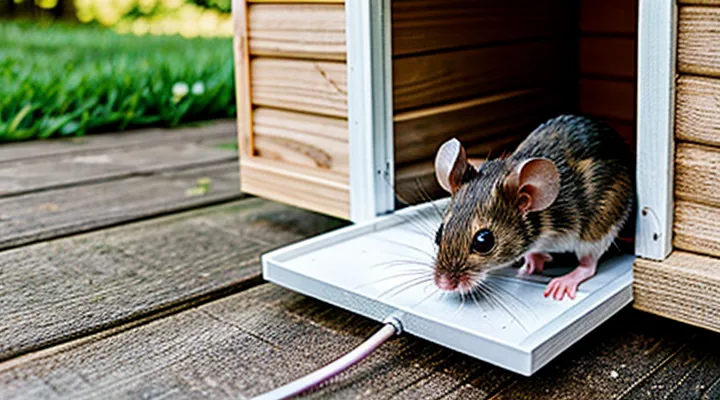
Understanding the Mouse Problem in a Summer House
Why Mice are Attracted to Summer Houses
Food Sources and Shelter
Mice are drawn to any summer house that offers readily available nourishment and places to hide. Eliminating these attractions cuts off the primary incentives for infestation.
Typical food sources include:
- Open pantry items, especially grains and cereals
- Pet food left out overnight
- Crumbs on countertops, floors, and under appliances
- Fresh fruit, vegetables, and leftover meals
- Birdseed stored in accessible containers
To remove these supplies, follow a strict protocol:
- Transfer all dry goods to sealed, rodent‑proof containers made of metal or heavy‑wall plastic.
- Store pet feed in airtight bins and feed only the amount needed for each day.
- Sweep and mop surfaces after every meal; vacuum corners and under furniture.
- Dispose of waste in containers with tight‑fitting lids and empty them regularly.
- Keep fruit and vegetables in the refrigerator or in sealed storage.
Shelter opportunities arise from structural gaps and clutter. Common entry points are gaps around windows, doors, utility lines, and ventilation openings. Indoor hiding places include piles of firewood, stored boxes, and unused equipment.
Secure the building by:
- Inspecting the exterior for cracks larger than ¼ inch and sealing them with steel wool and caulk.
- Installing door sweeps and weather stripping on all exterior doors.
- Covering vent openings with fine mesh that cannot be chewed through.
- Removing debris, firewood, and stored items from the interior; keep necessary items on raised shelves away from walls.
- Ensuring that insulation is intact and that no exposed wiring or piping provides cavities.
By rigorously controlling food availability and eliminating potential nesting sites, the environment becomes inhospitable to mice, reducing the likelihood of a persistent problem.
Infrequent Human Presence
Infrequent human activity creates an environment where mice can establish nests undisturbed. Absence of regular movement reduces scent trails that typically deter rodents, allowing them to explore and settle without detection.
To counteract this condition, implement measures that simulate occupancy and disrupt mouse behavior:
- Install motion‑activated lights or timers that illuminate interior spaces for several hours each day. Light exposure discourages nocturnal foraging.
- Program audio devices to emit low‑frequency sounds or recorded human voices at irregular intervals. Continuous background noise interferes with mouse communication.
- Deploy sealed bait stations with tamper‑proof containers. Regularly check and replenish supplies to maintain effectiveness despite limited visits.
- Position snap or electronic traps along known travel corridors, such as walls, baseboards, and near food storage areas. Replace or reset traps during each scheduled inspection.
- Apply rodent‑repellent granules or natural deterrents (e.g., peppermint oil, crushed peppermint leaves) around entry points and potential nesting sites. Reapply after rain or cleaning.
- Conduct quarterly inspections of exterior walls, roof eaves, and foundation cracks. Seal openings with steel wool, metal flashing, or expanding foam to eliminate ingress routes.
Maintain a log of inspection dates, trap activity, and repellent applications. Even with sparse presence, systematic documentation ensures timely response to any resurgence, preserving the summer house from mouse infestation.
Signs of a Mouse Infestation
Droppings and Urine Smells
Mice droppings and urine create odor and health hazards in a seasonal cottage. Droppings appear as small, dark, pellet‑shaped deposits on surfaces, in corners, and along walls. Urine stains often accompany droppings, leaving a pungent ammonia‑like scent that intensifies in warm, humid conditions.
Health concerns stem from pathogens such as hantavirus, salmonella, and leptospira, which can survive in dried feces for months. Direct contact or inhalation of aerosolized particles during cleaning may cause infection. Therefore, removal must follow strict safety protocols.
Cleaning procedure
- Wear disposable gloves, a N95 respirator, and eye protection.
- Ventilate the area by opening windows and using fans to disperse odors.
- Moisten droppings with a disinfectant solution (e.g., 1 % bleach or a commercial rodent‑borne pathogen sanitizer) for at least five minutes to prevent aerosolization.
- Scrape the softened material into a sealable plastic bag; discard the bag in an outdoor trash container.
- Apply the same disinfectant to the contaminated surface; scrub with a stiff brush for 10–15 seconds.
- Rinse with clean water, then dry thoroughly.
- Repeat the process on all affected locations, including insulation, cabinets, and underneath appliances.
Odor mitigation
- After thorough cleaning, place activated charcoal or baking‑soda containers in the rooms to absorb residual smells.
- Use an enzymatic cleaner designed for urine breakdown; follow manufacturer’s dilution instructions and allow sufficient contact time.
- Ensure continuous airflow for at least 24 hours to carry away lingering odor molecules.
Preventive actions
- Seal entry points larger than ¼ inch with steel wool, caulk, or hardware cloth.
- Store food in airtight containers; eliminate open crumbs and spills.
- Keep the property free of clutter that offers nesting sites.
- Conduct regular inspections for fresh droppings or urine stains; address findings immediately with the cleaning protocol described above.
Following these steps removes existing contamination, eliminates the associated odor, and reduces the risk of disease transmission while discouraging further rodent activity in the summer residence.
Gnaw Marks and Damage
Gnaw marks provide the most reliable visual confirmation that rodents have entered a summer house. The characteristic V‑shaped incisions, usually 2–6 mm deep, indicate the animal’s need to file down teeth while feeding or creating pathways.
Common locations include:
- Baseboards and molding where mice travel along walls.
- Electrical wiring insulation, which they chew to gain access to concealed routes.
- Wooden beams, floor joists, and furniture legs, especially near stored food.
- Plastic containers, PVC pipes, and garden hose fittings.
Damage extends beyond cosmetic wear. Severed insulation can expose live wires, creating fire hazards. Compromised structural members reduce load‑bearing capacity, leading to sagging floors or warped frames. Chewed food containers release crumbs that attract additional pests and may contaminate surfaces with droppings, raising disease risk.
To evaluate and address gnaw‑related damage:
- Conduct a systematic inspection, tracing each mark back to its origin point.
- Document the material, size, and depth of every incision.
- Replace or repair compromised wiring before restoring power.
- Reinforce or substitute weakened wood components with treated lumber or metal brackets.
- Seal entry points using steel wool, copper mesh, or expanding foam that resists chewing.
- Apply a rodent‑proof coating to exposed surfaces to deter further gnawing.
Prompt remediation of gnaw marks eliminates structural vulnerabilities and reduces the likelihood of a recurring infestation.
Strange Noises
Strange noises often signal a mouse infestation in a seasonal cottage. Scratching, scurrying, or faint squeaks heard from walls, ceilings, or attic spaces indicate active nesting or foraging. These sounds typically intensify at night when rodents seek food and shelter.
Identify the source by:
- Listening from different rooms to locate the loudest area.
- Inspecting seams, gaps, and vent openings near the noise.
- Checking for droppings, gnaw marks, or shredded material along the suspected path.
Once the activity zone is confirmed, take immediate action:
- Seal entry points with steel wool and caulking to prevent further ingress.
- Place snap traps or electronic traps directly in the noisy area, positioning them perpendicular to walls for optimal contact.
- Deploy bait stations containing rodenticide, ensuring they are out of reach of children and pets.
Monitor the noises for a decrease in frequency. A rapid reduction suggests successful capture or deterrence; persistent sounds may require additional traps or professional pest control. Regular maintenance—closing gaps, storing food in sealed containers, and cleaning crumbs—prevents recurrence and eliminates the acoustic clues of mouse activity.
Effective Strategies for Mouse Removal
Prevention is Key
Sealing Entry Points
Mice gain access to a summer residence through gaps, cracks, and openings that are often unnoticed. Identifying and sealing these entry points prevents new infestations and stops existing rodents from re‑entering after removal efforts.
- Inspect the building envelope: examine foundation walls, sill plates, and the space between the house and the ground for openings larger than ¼ inch.
- Seal exterior cracks with expandable polyurethane foam or cement‑based mortar, focusing on gaps around utility penetrations, vents, and pipe sleeves.
- Install metal flashing or mesh around vents, chimneys, and crawl‑space openings; use hardware cloth with a ¼‑inch mesh to block rodents while allowing airflow.
- Repair damaged siding, trim, and weatherstripping; replace rotted wood and caulk gaps around doors and windows.
- Apply a continuous barrier of rodent‑resistant sealant around the perimeter, especially where the foundation meets the deck or porch.
Regularly monitor the sealed areas for signs of wear or new damage. Prompt maintenance of these barriers sustains a rodent‑free environment in the vacation cottage.
Proper Food Storage
Proper food storage is essential for preventing mice infestations in a summer house. Food left unsecured provides a reliable source of nutrition, encouraging rodents to enter, explore, and establish colonies. Securing food eliminates this attraction and reduces the likelihood of mouse activity.
- Store all dry goods in airtight containers made of metal or heavy‑wall plastic; ensure lids seal completely.
- Keep perishable items in a refrigerator or freezer; check that doors close tightly and seals are intact.
- Dispose of waste promptly in sealed bags; transfer trash to an outdoor bin with a tight‑fitting lid before the end of each day.
- Avoid leaving pet food out overnight; place it in a locked container or remove it after feeding.
- Clean spills immediately; wipe down countertops, tables, and floors to remove crumbs and residue.
Regular inspection reinforces these practices. Examine containers for cracks, verify that seals remain functional, and rotate stored supplies to prevent spoilage. By maintaining strict food control, the summer house becomes an unfavorable environment for mice, supporting long‑term rodent management.
Maintaining Cleanliness
Keeping a summer house free of mice begins with strict sanitary practices. Food residues, crumbs, and spilled liquids create an inviting environment; eliminating these sources reduces the likelihood of infestation.
Store all edibles in sealed containers made of metal or thick plastic. Dispose of waste daily in bins equipped with tight‑fitting lids, and transfer the contents to an outdoor dumpster regularly. Clean kitchen surfaces after each use with a detergent solution, then wipe with a disinfectant to remove lingering scents.
Maintain the entire interior by:
- Sweeping and vacuuming floors weekly, paying special attention to corners and under furniture.
- Washing curtains, cushions, and bedding at least once a month to eliminate hidden food particles.
- Inspecting and cleaning storage closets, attic spaces, and basements for dust and debris that could harbor rodents.
Exterior hygiene also influences indoor conditions. Remove fallen leaves, grass clippings, and other organic matter from the perimeter. Trim vegetation so it does not touch the building, and keep compost piles at a distance of at least ten feet. Regularly pressure‑wash decks, porches, and walkways to erase scent trails.
By adhering to these cleanliness measures, the summer house becomes a hostile environment for mice, supporting any additional control methods and preventing re‑infestation.
Non-Lethal Mouse Control Methods
Live Traps
Live traps provide a humane option for eliminating rodents from a summer retreat. They capture mice without killing them, allowing for release at a safe distance from the property.
When selecting a trap, consider size, material, and mechanism. Snap‑type cages, multi‑catch designs, and wooden boxes are common choices. Opt for models with a secure latch and a smooth interior to prevent injury.
Placement determines success. Position traps along walls, behind furniture, and near identified entry points. Mice travel close to surfaces; aligning traps perpendicular to the wall maximizes contact. Avoid areas with heavy foot traffic to reduce disturbance.
Bait selection influences capture rates. High‑protein foods such as peanut butter, cheese, or cooked egg attract mice effectively. Apply a small amount to the trigger area, ensuring the scent is strong enough to lure but not so abundant that the mouse can consume it without activating the mechanism.
Check traps at least twice daily. Prompt removal prevents stress and reduces the risk of escape. Release captured mice at least 2 kilometers away, preferably in a wooded or field environment, to discourage return.
Maintenance includes cleaning after each capture, inspecting hinges, and replacing worn bait. Regularly monitor for new activity; if traps remain empty for several days, reassess placement or consider additional control methods.
Key steps for using live traps:
- Choose an appropriate cage size and design.
- Place traps along mouse pathways, near walls and entry points.
- Bait with protein‑rich food, applying a minimal amount.
- Inspect and empty traps twice daily.
- Release mice far enough to prevent re‑entry.
- Clean and maintain traps regularly.
Implementing these practices ensures effective, humane removal of mice from a seasonal dwelling.
Repellents
Repellents provide a non‑lethal option for discouraging mice from entering a summer house. They function by creating an environment that mice avoid, reducing the need for traps or poison.
- Ultrasonic devices: Emit high‑frequency sound beyond human hearing; install near entry points, storage areas, and along walls. Continuous operation required for consistent effect.
- Scent‑based repellents: Peppermint oil, eucalyptus, or ammonia create odors mice find intolerable. Soak cotton balls or apply diluted solutions to cracks, vents, and pantry shelves. Reapply every 3‑5 days.
- Chemical repellents: Commercial products containing p‑cresol or naphthalene release volatile compounds. Apply according to label directions, focusing on concealed spaces.
- Natural deterrents: Dried lavender, cloves, or crushed garlic placed in sachets act as mild repellents. Rotate sachets weekly to maintain potency.
Effective placement follows a predictable pattern: position repellents at known ingress routes, around food storage, and in concealed voids where mice travel. Ensure devices are out of reach of children and pets, and verify that electrical units are protected from moisture.
Safety considerations include verifying ventilation when using strong odors, avoiding direct skin contact with concentrated chemicals, and checking local regulations for permissible substances. Regularly inspect repellents for degradation; replace or recharge as needed to maintain efficacy.
Integrating repellents with structural sealing, proper sanitation, and, when necessary, trapping yields the most reliable reduction in mouse activity within a seasonal residence.
Natural Repellents
Natural repellents provide a chemical‑free method for deterring mice from a summer cottage. They work by creating an environment that mice find unpleasant, reducing the likelihood of entry and nesting.
Commonly used substances include:
- Peppermint oil: strong scent interferes with rodents’ olfactory receptors; apply several drops on cotton balls and place them near potential entry points.
- Cayenne pepper: capsaicin irritates nasal passages; sprinkle a thin layer along baseboards and around food storage areas.
- Dry lavender: aroma repels small mammals; hang sachets or spread dried flowers in closets and attic spaces.
- Clove oil: pungent odor deters rodents; dilute with water and spray on exterior doors, windowsills, and gaps.
- Garlic powder: strong taste discourages foraging; dust lightly around pantry shelves and trash receptacles.
For optimal effectiveness, rotate repellents every two weeks to prevent mice from habituating to a single scent. Combine repellents with physical barriers—such as sealing cracks, installing door sweeps, and maintaining a clutter‑free interior—to create a comprehensive deterrent strategy. Regular inspection of storage areas and prompt removal of food residues amplify the impact of natural methods, ensuring the summer house remains mouse‑free without reliance on toxic chemicals.
Electronic Repellents
Electronic repellents provide a non‑chemical option for deterring mice in a seasonal cottage. These devices emit ultrasonic or electromagnetic waves that interfere with rodents’ sensory systems, causing discomfort and prompting them to abandon the area.
The most common models generate ultrasonic frequencies between 20 kHz and 65 kHz. Mice perceive these tones as harsh noise, while humans cannot hear them. Placement guidelines include positioning a unit in each room where activity is observed, mounting the device at a height of 6‑12 inches above the floor, and ensuring an unobstructed line of sight to walls and corners. Overlapping coverage zones improve efficacy; a typical cottage requires three to five units depending on layout.
Electromagnetic repellents claim to alter the ambient electromagnetic field, creating an environment that rodents find hostile. Installation involves plugging the unit into a standard outlet; the device then continuously emits low‑intensity waves. Manufacturers suggest locating the unit near entry points, such as doors, windows, and utility openings, to discourage ingress.
Effectiveness varies with species, population density, and environmental factors. Studies indicate that ultrasonic devices reduce mouse activity by 30‑50 % in controlled settings, while electromagnetic models report similar ranges. Neither technology guarantees complete eradication; integration with sealing gaps, eliminating food sources, and using traps yields the most reliable results.
Safety considerations are straightforward. Ultrasonic emitters pose no risk to humans or pets with hearing ranges above 20 kHz, though owners of small rodents should remove devices from shared spaces. Electromagnetic units comply with FCC regulations and do not produce ionizing radiation. Regular maintenance involves cleaning the exterior surface and verifying continuous power supply; most units have a built‑in indicator light for operational status.
Pros:
- No chemicals, suitable for families and pets.
- Quiet operation, no visible deterrents.
- Easy installation and minimal upkeep.
Cons:
- Variable success rates, especially in cluttered rooms.
- Limited range, typically 100‑150 ft² per unit.
- Potential habituation if mice become accustomed to the signal.
When incorporated into a comprehensive mouse‑control plan, electronic repellents can reduce rodent presence in a summer house while preserving the indoor environment from toxic substances.
Exclusion Techniques
Mice infiltrate a summer house primarily through gaps, cracks, and openings that provide access to food, shelter, and warmth. Effective exclusion eliminates these pathways, preventing re‑infestation.
Identify all potential entry points by inspecting the exterior and interior. Focus on foundations, walls, roof eaves, windows, doors, utility penetrations, and ventilation openings. Use a flashlight and a mirror to view hidden spaces.
Apply the following exclusion measures:
- Seal foundation cracks with hydraulic cement or expanding foam that adheres to masonry and withstands temperature fluctuations.
- Install metal flashing around door thresholds and use door sweeps with a tight seal; replace worn weatherstripping.
- Cover vent openings, chimney flues, and utility conduits with stainless‑steel mesh (hardware cloth, 1/4‑inch gauge) secured by screws and caulk.
- Fill gaps around pipe and cable entries with steel wool, then apply sealant to lock the material in place.
- Repair or replace damaged siding, soffits, and roof shingles; ensure roof eaves are fitted with metal flashing.
- Install rodent‑proof screens on windows that remain open for ventilation; choose mesh with openings no larger than 1/4 inch.
After sealing, conduct a final walkthrough to verify that no gaps larger than ¼ inch remain. Maintain exclusion by periodically checking seals, especially after severe weather or structural adjustments. Continuous monitoring and prompt repair of new openings sustain a mouse‑free environment.
Lethal Mouse Control Methods
Snap Traps
Snap traps provide a rapid, humane solution for eliminating rodents in a seasonal cottage. The device consists of a spring‑loaded bar that delivers a lethal strike when a mouse triggers the trigger mechanism. Proper use maximizes efficiency and minimizes risk to non‑target animals.
To achieve optimal results, follow these steps:
- Select traps with a robust spring and a secure trigger plate; stainless‑steel models resist rust in humid environments.
- Bait each trap with a high‑fat attractant such as peanut butter or a small piece of cheese; apply a pea‑sized amount to the trigger area.
- Position traps along walls, behind appliances, and near known entry points, placing the trigger side facing the wall so mice must approach from the side.
- Space traps 1–2 feet apart in areas of heavy activity; increase density in severe infestations.
- Check traps daily; dispose of captured rodents in sealed bags and replace bait promptly.
Safety considerations include wearing disposable gloves when handling traps, securing them out of reach of children and pets, and storing unused traps in a locked container. After removal, inspect the surrounding area for additional signs of activity and seal any gaps larger than ¼ inch to prevent re‑entry. Regular monitoring and timely replacement of traps sustain long‑term control without reliance on chemical agents.
Glue Traps
Glue traps provide a rapid, low‑cost method for eliminating rodents in a seasonal cottage. The adhesive surface immobilizes the animal on contact, allowing immediate removal. Unlike poison, traps leave no risk of secondary poisoning for pets or wildlife that might ingest a dead mouse.
Effective deployment requires strategic placement and proper handling:
- Position traps along walls, behind furniture, and near known entry points; rodents travel close to surfaces.
- Use multiple traps per area to increase capture probability; a spacing of 1–2 ft along the wall is optimal.
- Replace traps daily; a fresh adhesive surface maintains efficiency.
- Wear disposable gloves when setting and disposing of traps to prevent contamination.
- Seal each captured mouse in a sealed bag before discarding in a locked trash container.
Safety considerations include keeping traps out of reach of children and non‑target species. In environments where humane concerns dominate, alternative devices such as live‑catch traps may be preferred. Nonetheless, when immediate control is essential, glue traps remain a reliable component of an integrated rodent‑management plan for vacation homes.
Important Considerations for Glue Traps
Glue traps provide a quick, low‑cost method for capturing mice that have entered a seasonal cottage. They require careful planning to achieve results without creating additional hazards.
- Position traps along walls, behind appliances, and near known entry points; mice travel close to surfaces.
- Place traps perpendicular to the wall, with the adhesive side facing the expected travel direction.
- Use multiple traps in each high‑traffic corridor; a single device rarely catches all activity.
Human and pet safety depend on proper concealment. Store traps in sealed containers until deployment. Keep them out of reach of children and domestic animals; consider mounting them on low shelves or behind furniture. If accidental contact occurs, follow manufacturer instructions for removal and seek medical advice.
Disposal must be immediate after capture. Seal each used trap in a plastic bag, label it, and discard according to local waste regulations. Do not reuse traps; residual scent reduces effectiveness and increases the risk of repeated captures.
Non‑target species can be affected if traps are placed near food storage or outdoor access points. Avoid locations where insects, spiders, or small reptiles are likely to encounter the adhesive surface. Choose bait that specifically attracts mice, such as grain or peanut butter, to limit unintended catches.
Regular inspection is essential. Check traps daily; replace any that have lost adhesion or become cluttered with debris. Record capture dates to identify peak activity periods and adjust trap density accordingly. Continuous monitoring helps determine whether glue traps remain the most suitable control method or if alternative solutions, such as snap traps or exclusion techniques, should be introduced.
Poison Baits
Poison baits provide a rapid means of reducing mouse populations in a summer residence. Commercial products contain anticoagulant or bromethalin compounds that interrupt clotting or disrupt neural function, leading to death after ingestion. Select a bait formulated for indoor use, preferably one that remains attractive in low‑temperature environments typical of seasonal cottages.
Placement determines effectiveness and safety. Position baits where mouse activity is evident—along walls, behind appliances, in attic corners, and near entry points. Avoid areas accessible to children, pets, or non‑target wildlife. Use tamper‑resistant stations to contain the poison and limit accidental exposure.
Key practices for managing poison baits:
- Install stations at 2‑foot intervals in each room where signs of mice appear.
- Replace baits every 7‑10 days or when they become contaminated with food debris.
- Record the date of placement and monitor each station for dead rodents and depleted bait.
- Remove and dispose of carcasses in sealed bags, following local regulations for hazardous waste.
Safety considerations include wearing gloves when handling baits, washing hands after contact, and keeping the product out of direct sunlight to preserve potency. Verify that the chosen formulation complies with regional pest‑control legislation; some jurisdictions restrict certain anticoagulants.
Integrating poison baits with complementary measures—such as sealing entry gaps, maintaining cleanliness, and employing traps—enhances overall control and reduces the likelihood of reinfestation.
Dangers of Poison Baits
Poison baits attract rodents by mimicking food, but they introduce several serious risks in a seasonal residence. First, toxic compounds can be ingested by non‑target animals such as pets, birds, or beneficial insects that enter the property. Second, children may mistakenly handle or consume bait pellets, leading to acute poisoning. Third, dead mice left in concealed areas decompose, releasing odor and attracting insects, which can compromise indoor air quality and create secondary infestations. Fourth, resistance to anticoagulant poisons can develop, rendering the method ineffective and prompting the use of higher‑dose formulations that increase toxicity. Fifth, improper disposal of contaminated bait containers may contaminate soil and groundwater, violating environmental regulations.
- Accidental exposure of pets and wildlife
- Child safety hazards
- Decomposition odors and secondary pest attraction
- Development of rodent resistance
- Environmental contamination from improper waste handling
Mitigation strategies include securing bait in tamper‑proof stations, restricting access to storage areas, and employing integrated pest‑management techniques such as sealing entry points, using snap traps, and maintaining cleanliness to reduce food sources. Regular monitoring ensures early detection of bait misuse and allows prompt corrective action, preserving the safety of occupants and the surrounding ecosystem.
Proper Placement and Safety
Proper placement of control devices determines the success of mouse management in a seasonal retreat. Position snap traps along established runways, near walls, behind appliances, and at points where droppings are visible. Align traps perpendicular to the wall, with the trigger end facing the wall, to ensure rodents encounter the mechanism while moving along the edge. Deploy multiple traps spaced 1–2 feet apart in high‑traffic zones; this creates a barrier that reduces the chance of an individual mouse bypassing the system.
Bait stations require careful location to avoid accidental exposure. Install them in concealed areas such as under cabinets, inside utility closets, or within sealed boxes mounted on the interior wall. Ensure each station is at least 3 feet from food preparation surfaces and 5 feet from any open windows or doors that children or pets might access.
Safety measures protect occupants and preserve the integrity of the structure. Wear disposable gloves when handling traps or bait to prevent disease transmission. Use traps made of stainless steel to avoid rust that could damage surfaces. After capture, seal the mouse in a plastic bag, label it, and dispose of it in an outdoor trash container with a locked lid. Avoid chemical rodenticides unless a licensed professional applies them; toxic substances pose a risk to non‑target wildlife and can contaminate stored food.
Regular inspection reinforces effectiveness. Check traps daily, replace bait, and reset devices that have not triggered. Maintain a clean environment: store food in airtight containers, seal entry points with steel wool or copper mesh, and repair any gaps around vents, pipes, or foundation cracks. Consistent adherence to these placement and safety protocols minimizes mouse activity while safeguarding residents and property.
Post-Removal Cleanup and Sanitization
Disinfecting Contaminated Areas
After mice have been eliminated from a summer cottage, all surfaces they touched must be disinfected to prevent disease transmission and deter new infestations. Urine, droppings, and saliva contain pathogens that can survive for weeks; thorough sanitation removes these hazards and eliminates lingering scent cues that attract rodents.
Begin by removing visible debris with a disposable cloth or paper towel. Place contaminated material in a sealed plastic bag and discard it in an outdoor trash container. Next, apply a broad‑spectrum disinfectant—preferably a solution containing at least 1 % sodium hypochlorite or an EPA‑approved rodent‑specific sanitizer—to all affected areas. Follow the product’s contact time instructions, typically 10–15 minutes, before wiping dry with a clean disposable wipe.
Key actions:
- Wear disposable gloves and a mask; change gloves if they become soiled.
- Ventilate the room by opening windows and doors for 15 minutes before treatment.
- Spray or mop surfaces such as countertops, floors, cabinets, and pet feeding stations with the chosen disinfectant.
- Pay special attention to hidden spots: behind appliances, under furniture, and inside wall cavities reachable via inspection ports.
- After the required dwell time, rinse surfaces with clean water if the disinfectant label advises, then dry thoroughly.
- Dispose of all cleaning materials in sealed bags; wash reusable tools with hot, soapy water and disinfect them before storage.
Finally, inspect the area for residual odors; a lingering mouse smell indicates incomplete cleaning. Repeat the disinfection process if necessary, then allow the space to dry completely before reintroducing food, linens, or pets. This systematic approach ensures a safe, hygienic environment and reduces the likelihood of future rodent activity.
Repairing Damage
Mice infestation often leaves structural and aesthetic damage that must be addressed after the animals are eliminated. Ignoring gnawed wiring, chewed insulation, or contaminated surfaces can lead to fire hazards, energy loss, and health risks.
First, assess the extent of damage. Walk through the entire summer house, inspecting walls, ceilings, floors, and stored items for signs of bite marks, droppings, and urine stains. Document each problem area to prioritize repairs.
- Replace compromised electrical wiring. Cut away any sections with visible chew marks, strip insulation, and install new conduit or wire according to local codes. Verify connections with a tester before restoring power.
- Repair chewed insulation. Remove contaminated material, clean the cavity with a disinfectant solution, and install fresh insulation that matches the original R‑value.
- Seal entry points. Use steel wool or copper mesh to fill holes, then cover with cement, caulk, or hardware cloth. Ensure all gaps around pipes, vents, and windows are completely closed.
- Clean and disinfect surfaces. Apply an EPA‑approved rodent‑borne pathogen sanitizer to countertops, cabinets, and flooring. Allow sufficient drying time before repainting or re‑installing furnishings.
- Restore damaged woodwork. Sand away gnawed edges, treat with a wood preservative, and refinish with stain or paint that matches existing décor.
Finally, conduct a follow‑up inspection after repairs. Confirm that all electrical, insulation, and structural elements function correctly and that no new entry points have emerged. Document the completed work for future maintenance records.
Preventing Re-infestation
After eliminating the rodents, secure the structure to stop future entry. Seal every opening larger than a quarter‑inch with steel wool, caulk, or hardware cloth; mice can exploit gaps around doors, windows, vents, and utility penetrations. Install door sweeps and weather‑stripping on all exterior doors, and repair damaged siding, roof tiles, or foundation cracks promptly.
Maintain an environment that discourages habitation. Store firewood, garden tools, and other debris at least two feet away from the building’s walls. Keep the interior tidy, removing food scraps, pet feed, and spilled grains. Regularly empty trash bins, use sealed containers, and clean up spills immediately.
Key preventive actions:
- Conduct monthly inspections of exterior seals, roofing, and foundation for new gaps.
- Trim vegetation and vines that touch the structure, eliminating climbing routes.
- Place metal or plastic mesh over drainage openings and chimney flues.
- Use snap‑traps or electronic deterrents in high‑traffic zones as a monitoring tool.
- Schedule professional pest‑management assessments annually or after any sign of activity.