
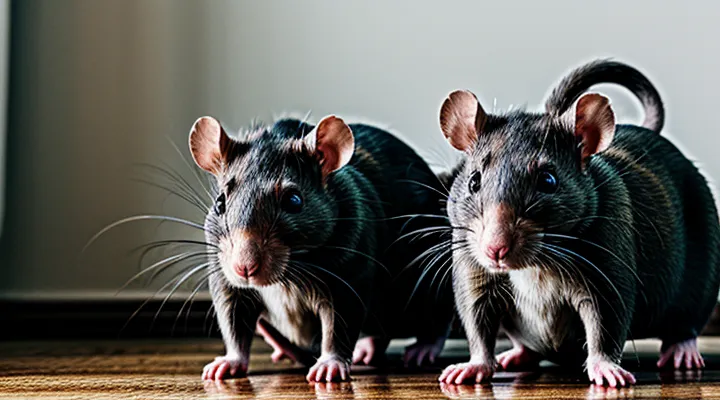
Understanding the Impact of Stress on Rats
Recognizing Signs of Stress and Fear in Rats
Behavioral Indicators
Rats that have been exposed to stress will display measurable changes in their everyday actions; observing these changes provides the most reliable gauge of recovered trust.
- Increased willingness to approach the handler’s hand or a familiar feeding station within a few seconds of presentation.
- Consistent consumption of food or treats offered by the same individual, without hesitation or avoidance.
- Prompt re‑engagement in exploratory behavior, such as climbing, nesting, or investigating novel objects, after brief periods of separation.
- Reduction in self‑directed grooming or excessive scratching, which often signals lingering anxiety.
- Maintenance of normal social interactions with cage mates, including mutual grooming and play, indicating comfort in the group environment.
- Stable patterns of locomotion, measured by distance traveled in an open field, returning to baseline levels recorded before the stress event.
When these patterns reappear and persist across several observation sessions, they confirm that the animal’s confidence in the caretaker has been restored. Continuous monitoring ensures that any regression is detected early, allowing prompt adjustment of handling techniques.
Physical Manifestations
Rats display clear physical cues when stress undermines their confidence. A flattened back, hunched shoulders, and a tucked tail indicate heightened anxiety. Reduced grooming, a dull coat, and loss of whisker tension signal disengagement from the environment. Pupils that remain dilated, ears pressed against the head, and decreased locomotion further reveal a lack of trust.
Observing these signs allows targeted intervention. The following actions produce measurable improvements in the rats’ physical condition and reinforce confidence:
- Consistent, gentle handling for several minutes each day reduces muscular tension and encourages a relaxed posture.
- Regular, high‑quality nutrition stabilizes body weight and restores a glossy coat within two weeks.
- Enrichment items such as tunnels and chew blocks stimulate natural grooming behavior, leading to a healthier fur appearance.
- Predictable feeding times align circadian rhythms, decreasing pupil dilation and normalizing ear positioning.
Successful application of these measures results in a straightened spine, a raised tail, and active exploration, confirming the restoration of trust after stress.
Creating a Safe and Calm Environment
Optimizing the Habitat
Cage Setup and Enrichment
A stable, well‑structured cage is the foundation for rebuilding confidence in a rat that has experienced stress. Choose a spacious enclosure—minimum 1 ft² per animal—to allow free movement and to reduce crowding. Install a solid floor with a thick layer of absorbent, dust‑free bedding such as paper pulp; replace it regularly to keep the environment dry and odorless. Secure the cage with a lockable latch to prevent accidental openings that could trigger fear responses.
Enrichment items should be introduced gradually, allowing the rat to explore each element at its own pace. Provide multiple hideouts—plastic tunnels, wooden houses, or overturned bowls—distributed throughout the cage so the animal can retreat when needed. Add chewable objects like untreated wood blocks or paper rolls to satisfy natural gnawing behavior and to promote dental health. Rotate toys weekly to maintain novelty without overwhelming the rat.
- Soft nesting material (e.g., shredded paper) placed in a corner for comfort.
- Elevated platforms or ramps to create vertical space and encourage climbing.
- Foraging opportunities: scatter small food pellets or hide treats inside puzzle tubes.
- Safe, non‑toxic scent objects (e.g., dried herbs) to stimulate olfactory exploration, introduced one at a time.
Consistent cleaning schedules, predictable feeding times, and minimal sudden changes reinforce a sense of security. Over weeks, the rat will associate the cage with safety, leading to restored trust and calmer behavior.
Noise and Lighting Considerations
Adjusting auditory and visual conditions is fundamental for restoring confidence in laboratory rats after a stressful episode. Excessive or unpredictable sounds trigger heightened cortisol levels, impairing the animal’s willingness to approach caregivers and explore new resources.
- Maintain background noise below 45 dB SPL; use white‑noise generators to mask sudden spikes.
- Eliminate intermittent alarms, door slams, and equipment vibrations.
- Schedule routine procedures during periods of minimal external activity.
- Conduct acoustic measurements weekly to verify compliance.
Lighting directly influences circadian rhythms and stress responses. Inconsistent illumination disrupts melatonin production, leading to agitation and reduced social interaction.
- Provide a stable photoperiod of 12 h light/12 h dark; keep light intensity between 150–300 lux during the light phase.
- Use full‑spectrum bulbs that mimic natural daylight; avoid flickering LED fixtures.
- Shield cages from direct glare and sudden changes in brightness.
- Install dimmable fixtures to allow gradual transitions at dawn and dusk.
Implementing these controls creates a predictable environment, encouraging rats to re‑engage with handlers and resume normal exploratory behavior. Consistent monitoring and prompt correction of deviations sustain the trust rebuilt through these measures.
Establishing a Predictable Routine
Feeding Schedules
Consistent feeding times signal predictability, a core factor in rebuilding confidence with rats that have experienced stress. A predictable schedule reduces anxiety, encourages approach behavior, and creates a clear association between the caretaker and a reliable resource.
- Offer food at the same clock time each day; typical intervals are 08:00, 14:00, and 20:00.
- Use the same type and amount of feed for each session; avoid sudden changes in diet composition.
- Present the food in the same location within the cage; keep the bowl or dispenser stationary.
- Record each feeding event; note any deviations and adjust only after a minimum of three days of stability.
- Pair feeding with a calm, gentle voice; repeat a brief cue phrase (e.g., “here’s your meal”) before placing the food.
Maintain the schedule for at least two weeks before introducing variations. Gradual, documented adjustments help the animal perceive the caretaker as reliable, thereby restoring trust after stressful episodes.
Interaction Times
Interaction times are the primary metric for assessing recovery of trust in rats following a stressful episode. Short, predictable contacts—lasting 30–60 seconds—signal safety without overwhelming the animal. Extending sessions beyond five minutes often re‑induces anxiety, as indicated by elevated corticosterone levels and reduced exploratory behavior. Consistency in timing, measured in minutes per day, directly correlates with the speed at which normal social engagement resumes.
Effective scheduling follows a graduated pattern:
- Day 1–2: three sessions of 30 seconds each, spaced 15 minutes apart.
- Day 3–5: two sessions of 45 seconds, spaced 30 minutes apart.
- Day 6 onward: one to two sessions of 60 seconds, with intervals of 45–60 minutes, adjusting based on observed stress markers.
Monitoring interaction duration alongside physiological indicators provides a quantifiable framework for rebuilding trust. Deviation from the recommended timing—either excessive length or irregular intervals—delays the return to baseline behavior and prolongs stress‑related responses.
Rebuilding Trust Through Gentle Interaction
Approaching Your Rats
Gradual and Non-Threatening Movements
Gradual and non‑threatening movements are essential for rebuilding confidence in rats that have experienced stress. Sudden gestures trigger defensive responses, while slow, predictable actions signal safety.
Begin each interaction with a stationary posture. Place your hands within the cage without reaching toward the animal. Allow the rat to observe the stillness for several seconds before any motion occurs.
Implement the following sequence:
- Maintain a low profile – crouch or sit near the cage to reduce perceived height.
- Introduce minimal hand motion – extend a finger or palm slowly, keeping the movement under 10 cm per second.
- Pause after each motion – wait at least five seconds before initiating another gesture.
- Reward calm behavior – offer a treat immediately after the rat remains still during the pause.
- Increase range gradually – after several successful cycles, extend the hand slightly farther, always preserving the slow pace.
Observe the rat’s body language closely. Signs of relaxation include relaxed whiskers, lowered ears, and exploratory sniffing. Any signs of tension—piloerection, rapid breathing, or retreat—indicate the need to revert to a slower, smaller motion.
Consistent application of these steps reconditions the animal’s perception of human presence, allowing trust to re‑emerge without additional stress.
Voice Tone and Soft Communication
Effective vocal delivery is essential when attempting to rebuild confidence in rats that have experienced stress. A calm, steady voice signals safety and reduces physiological arousal, encouraging the animals to approach and engage.
Key elements of a soothing vocal approach:
- Low volume: Speak softly enough to avoid startling the rat but loud enough to be audible over background noise.
- Even pitch: Maintain a consistent, moderate pitch; abrupt rises or falls can be perceived as threats.
- Slow cadence: Use deliberate pauses between words, allowing the rat to process auditory cues without pressure.
- Positive intonation: End statements with a gentle upward inflection to convey reassurance without excitement.
Combine vocal softness with non‑verbal signals. Maintain a relaxed posture, keep movements slow, and avoid sudden gestures. When speaking, position yourself at the rat’s level to minimize distance and reinforce the sense of proximity.
Consistent application of these practices, paired with gradual exposure to previously stressful stimuli, accelerates the recovery of trust. Monitoring the rat’s response—such as reduced startle reflexes and increased willingness to approach—provides feedback for adjusting tone and pacing as needed.
Positive Reinforcement Techniques
Offering High-Value Treats
Providing rats with high‑value treats is an effective method for repairing the bond after a stressful episode. Such rewards create a positive association that counteracts fear and hesitation, encouraging the animal to approach the caretaker again.
Select treats that meet these criteria:
- Nutrient‑dense, palatable foods (e.g., small pieces of fresh fruit, unsalted nuts, or commercially formulated rodent treats with high protein content).
- Low allergen potential; avoid ingredients that have previously caused adverse reactions.
- Small size; ensure the piece fits comfortably in the rat’s mouth to prevent choking.
Implement the offering protocol as follows:
- Prepare a quiet environment with minimal visual and auditory disturbances.
- Position the treat on a clean surface within the rat’s line of sight, but not directly in the hand, to reduce perceived threat.
- Remain stationary, maintaining a calm posture; allow the rat to approach at its own pace.
- Once the rat contacts the treat, pause briefly before gently retrieving any uneaten portion, reinforcing the notion that the caretaker does not pose immediate danger.
- Repeat the session two to three times daily for several days, gradually decreasing the distance between the treat and the caretaker’s hand.
Monitor the rat’s response throughout. Signs of acceptance include quick approach, steady chewing, and relaxed body posture. Reluctance, prolonged hesitation, or avoidance indicate the need to lower treat value or extend the acclimation period before proceeding. Consistent application of this strategy restores confidence and reestablishes a cooperative relationship.
Short, Frequent Interactions
Short, frequent interactions are essential for restoring confidence in rats that have experienced stress. Brief contact sessions reduce anxiety by providing predictable social cues without overwhelming the animal. Consistency in timing signals safety, allowing the rat to anticipate positive encounters and gradually lower its defensive posture.
Practical implementation:
- Limit each session to 1–2 minutes, focusing on gentle hand placement or soft vocalizations.
- Conduct interactions every 15–30 minutes during the active phase, maintaining a regular schedule.
- Observe the rat’s posture; pause or end the session if signs of tension appear, then resume later.
- Gradually increase the duration by 30 seconds each week, keeping the frequency unchanged.
By adhering to this pattern, the rat learns that the caretaker is a reliable source of calm, facilitating a steady recovery of trust after stressful events.
Handling and Physical Contact
Recognizing Readiness for Touch
After a stressful episode, evaluating a rat’s willingness to receive tactile contact is the first step in rebuilding confidence. Observable cues indicate readiness; the absence of these signals suggests the animal remains guarded.
Key indicators of readiness
- Body relaxed, spine straight, and limbs loosely positioned.
- Ears held forward or slightly sideways rather than flattened against the head.
- Whiskers extended outward, showing exploratory intent.
- Slow, steady breathing and occasional grooming of the fur.
- Voluntary movement toward the handler’s hand or cage opening.
Guidelines for initiating touch
- Approach the cage quietly, keeping the hand steady and low.
- Allow the rat to sniff the fingers before any contact.
- Begin with a light, brief stroke along the dorsal surface, avoiding the face and tail.
- Observe the animal for any abrupt flinches, freezing, or vocalizations; cease contact immediately if these appear.
- Gradually increase duration and pressure only if the rat remains calm and continues to approach.
Consistent use of these observations and steps enables the handler to provide touch only when the rat signals genuine acceptance, thereby accelerating the restoration of trust after stress.
Gentle Picking Up and Holding
Gentle handling is essential for rebuilding a rat’s confidence after a stressful episode. Approach the animal slowly, allowing it to see your hand before contact. Keep your fingers together and form a shallow cup that supports the torso without pressing on the spine. Lift the rat by sliding the cupped hand under the chest, avoiding any grip on the limbs. Hold the animal close to your body, using your forearm as a brace to reduce sway and convey stability.
Key practices for effective picking up and holding:
- Maintain eye contact at a low angle – the rat perceives the handler as non‑threatening when the gaze is level with its head.
- Use a calm, steady voice – audible reassurance supports the physical comfort.
- Limit the duration of the hold – start with a few seconds, gradually extending as the rat shows relaxed posture and lack of struggling.
- Observe body language – flattened ears, relaxed whiskers, and slow breathing indicate acceptance; frantic movements signal distress and require immediate release.
- Return the rat to a familiar surface – after the hold, place it gently on a known spot to reinforce safety.
Consistent application of these steps encourages the rat to associate handling with security, accelerating the recovery of trust after stress.
Addressing Underlying Causes of Stress
Identifying Stressors
Environmental Changes
Environmental adjustments are essential for reestablishing confidence in laboratory rats after exposure to stressors.
Consistent lighting eliminates surprise flashes that can trigger anxiety. Maintain a steady light‑dark cycle, preferably 12 hours of illumination followed by 12 hours of darkness, and avoid sudden changes in intensity.
Stable cage arrangement reduces disorientation. Keep the position of the cage within the room unchanged, and preserve the layout of bedding, shelter, and enrichment items.
Noise control curtails auditory disturbances. Install sound‑absorbing panels, limit equipment operation to scheduled periods, and use low‑decibel ventilation systems.
Predictable handling routines foster familiarity. Conduct interactions at the same time each day, using the same handler, and follow identical procedures for weighing, cleaning, and feeding.
Scent continuity supports olfactory reassurance. Retain familiar bedding material, avoid introducing new cleaning agents, and limit the use of strong odors near the housing area.
Temperature and humidity regulation prevent physiological stress. Keep ambient temperature within 20–24 °C and relative humidity between 40 % and 60 %, monitoring fluctuations with calibrated sensors.
Enrichment objects should remain constant. Provide the same types of tunnels, chew blocks, and nesting material throughout the recovery period, replacing only worn items with identical replacements.
Implementing these environmental controls creates a predictable, low‑threat setting that encourages rats to resume normal exploratory and social behaviors, thereby restoring their trust in the experimental environment.
Social Dynamics within the Colony
Stress disrupts the established hierarchy and communication patterns in a rat colony, leading to reduced cooperation and heightened aggression. Trust recovery hinges on understanding how individuals interact, share resources, and interpret social cues.
Dominance structures rely on consistent scent signals, grooming exchanges, and spatial positioning. When stress interferes with these mechanisms, subordinate rats may withdraw, while dominant individuals may increase territorial displays. Reestablishing equilibrium requires deliberate reinforcement of predictable social signals and opportunities for cooperative behavior.
Effective measures include:
- Reintroducing familiar scent markers to restore territorial boundaries.
- Scheduling brief, regular handling sessions that allow gentle tactile contact without triggering defensive responses.
- Providing enrichment objects that encourage shared exploration and reduce competition for limited resources.
- Facilitating group feeding sessions where food is dispersed evenly, promoting simultaneous consumption and minimizing dominance contests.
- Monitoring affiliative grooming rates; increased grooming correlates with restored confidence among colony members.
Researchers observe that consistent, low‑intensity interactions combined with environmental stability accelerate the reformation of trust networks. By aligning husbandry practices with the colony’s intrinsic social architecture, caretakers can guide rats back to cooperative, low‑stress dynamics.
Health Issues
Rats that have experienced stress often exhibit health problems that interfere with the process of rebuilding confidence in handlers. Common issues include weight loss, gastrointestinal disturbances, respiratory infections, and weakened immune response. Each condition can reduce the animal’s willingness to interact, making consistent positive contact more difficult.
- Weight loss: Monitor body condition daily; supplement with high‑calorie, palatable foods and ensure regular feeding schedules.
- Gastrointestinal upset: Provide easily digestible diets, limit sudden changes in food composition, and consider probiotic supplementation to restore gut flora.
- Respiratory infection: Keep housing well‑ventilated, maintain low humidity, and isolate symptomatic individuals for veterinary treatment.
- Immune suppression: Reduce handling frequency during acute illness, minimize exposure to pathogens, and ensure up‑to‑date vaccinations.
Addressing these health concerns promptly restores physiological stability, which in turn facilitates calmer behavior and more reliable responses during trust‑building sessions. Continuous health monitoring, combined with targeted interventions, creates the conditions necessary for rats to accept handling again.
Consulting a Veterinarian
When Professional Help is Needed
When a rat’s behavior remains withdrawn, aggressive, or erratic despite consistent low‑stress handling, the situation often exceeds the capacity of routine care. Persistent avoidance of the caregiver, refusal to eat, or sudden regression in learned tasks signals that simple environmental adjustments are insufficient.
Professional intervention becomes necessary under the following conditions:
- The animal shows signs of chronic anxiety or depression for more than two weeks.
- Standard enrichment and gradual desensitization fail to produce measurable improvement.
- Physical health issues coexist with behavioral symptoms, complicating assessment.
- The caretaker lacks experience with advanced behavior‑modification techniques.
A qualified veterinary behaviorist or an experienced rodent specialist can conduct a comprehensive evaluation, including medical screening, stress‑hormone analysis, and tailored behavior‑modification plans. These experts apply evidence‑based protocols such as controlled exposure therapy, targeted pharmacology, and systematic reinforcement schedules calibrated to the individual’s temperament.
Implementing professional guidance ensures that interventions address both physiological and psychological dimensions, thereby increasing the likelihood of restoring a stable, trusting relationship between the rat and its caretaker.
Medical Interventions
Medical interventions that support the recovery of a rat’s confidence after a stressful incident focus on pain control, anxiety reduction, and physiological stabilization. Effective analgesia prevents the association of handling with discomfort, while anxiolytic therapy lowers heightened fear responses that impede cooperative behavior.
Key pharmacological measures include:
- Non‑steroidal anti‑inflammatory drugs (NSAIDs) such as meloxicam, administered at 1–2 mg kg⁻¹ orally or subcutaneously every 24 hours for 3–5 days, to diminish inflammatory pain.
- Opioid analgesics (e.g., buprenorphine) at 0.05–0.1 mg kg⁻¹ subcutaneously, provided every 8–12 hours for acute surgical pain, with careful monitoring for respiratory depression.
- Benzodiazepine‑type anxiolytics (e.g., diazepam) at 0.5–2 mg kg⁻¹ intraperitoneally, employed short‑term to suppress acute stress‑induced hyperactivity; tapering is recommended to avoid dependence.
- Selective serotonin reuptake inhibitors (SSRIs) such as fluoxetine, 10 mg L⁻¹ in drinking water, for chronic anxiety states persisting beyond the acute phase, administered for a minimum of two weeks to achieve therapeutic levels.
Adjunctive treatments reinforce pharmacology. Intravenous or subcutaneous fluid therapy restores hydration and electrolyte balance, mitigating physiological stress. Vitamin B complex supplementation (e.g., thiamine 10 mg kg⁻¹) supports neural recovery. Regular health assessments—including weight tracking, fecal consistency, and respiratory rate—detect complications early, ensuring that medical support aligns with the animal’s improving trust.
Implementing these interventions in a structured protocol, combined with consistent gentle handling, accelerates the re‑establishment of a cooperative relationship between caretaker and rat.
Patience and Consistency Are Key
The Timeframe for Trust Rebuilding
Reestablishing a rat’s confidence after a stressful episode follows a predictable pattern, but the exact duration varies with several variables.
- Immediate phase (0‑48 hours): Rat shows heightened alertness, retreats, and may refuse food. No signs of trust are observable.
- Short‑term phase (3‑14 days): Gradual reduction in vigilance, occasional approaches to the caretaker’s hand, acceptance of treats placed nearby.
- Medium phase (15‑28 days): Regular voluntary contact, willingness to be gently handled, engagement in play or exploration with the caretaker present.
- Long‑term phase (6 weeks +): Consistent, relaxed interaction; rat seeks out the caretaker, shows grooming behavior toward humans, and displays no stress‑related avoidance.
Factors that accelerate or delay progress include:
- Severity of the initial stressor; milder events shorten the timeline.
- Individual temperament; bold rats recover faster than highly shy individuals.
- Consistency of caretaker actions; predictable handling reduces uncertainty.
- Environmental stability; minimal noise, stable lighting, and a clean cage support faster recovery.
- History of the human‑rat bond; strong pre‑stress relationships provide a foundation for quicker rebuilding.
Progress indicators are observable and quantifiable:
- Approach distance measured in centimeters during hand‑out sessions.
- Frequency of voluntary climbs onto hands or platforms.
- Latency to accept food from the caretaker’s fingers.
- Reduction in self‑grooming or stereotypic behaviors associated with anxiety.
To optimize the timeframe, implement the following practices:
- Schedule brief, daily handling sessions lasting no more than two minutes.
- Offer high‑value treats (e.g., small pieces of fruit or seed mix) only during these sessions.
- Maintain a quiet, low‑traffic environment during interaction periods.
- Avoid sudden movements; use slow, deliberate gestures.
- Record behavioral metrics each session to track improvement objectively.
Adhering to these guidelines yields a reliable estimate of trust restoration and provides a structured pathway for caretakers to rebuild a rat’s confidence efficiently.
Maintaining a Positive Outlook
Maintaining a positive outlook influences the pace at which rats recover confidence after a stressful incident. Rats are sensitive to the emotional tone of their caregivers; consistent optimism signals safety and encourages exploratory behavior, which is essential for trust reconstruction.
Practical steps to sustain optimism while working with stressed rats:
- Speak in a calm, steady voice; avoid abrupt changes in volume or pitch.
- Offer small, frequent rewards such as favorite treats to reinforce positive associations.
- Keep handling sessions brief and predictable, gradually extending duration as the rat shows comfort.
- Observe body language closely; adjust interactions immediately when signs of tension appear.
- Record progress daily, noting improvements in approach behavior and reduced avoidance.
By applying these measures, caretakers create an environment where positive expectations become observable cues for the rats, accelerating the restoration of mutual trust.
Avoiding Common Mistakes
Rushing the Process
When a rat has experienced stress, immediate attempts to repair the relationship often backfire. The animal’s heightened vigilance interprets rapid, intense interaction as a threat, reinforcing fear rather than alleviating it. Patience becomes the primary tool; each step must be measured against the rat’s observable comfort level.
- Begin with a neutral environment: remove loud noises, bright lights, and unfamiliar scents. Ensure the cage is clean and supplies (food, water, nesting material) are readily available.
- Limit direct contact to brief, low‑intensity sessions. Offer a hand for sniffing without grasping; retreat if the rat backs away or displays tension.
- Gradually increase exposure time only after the rat consistently approaches the hand without signs of stress (e.g., rapid breathing, freezing, or excessive grooming).
- Incorporate positive reinforcement: provide a small treat immediately after a calm interaction. Record the frequency of calm approaches to track progress objectively.
Rushing these phases creates a mismatch between the rat’s internal state and the handler’s expectations, leading to renewed anxiety. The animal’s stress hormones remain elevated, impairing learning and memory formation needed for trust. Therefore, each progression must be contingent on clear, repeatable indicators of reduced tension.
Consistent, slow-paced engagement restores the rat’s perception of safety. Over weeks, the animal learns that the handler’s presence predicts predictable, non‑threatening outcomes, culminating in restored trust and cooperative behavior.
Forcing Interaction
When a rat has experienced stress, any attempt to compel it into contact can deepen fear and damage the bond. Forced interaction sends a signal that the animal’s comfort is irrelevant, leading to heightened vigilance, avoidance, or aggression. The most reliable path to rebuilding confidence relies on voluntary engagement, predictable routines, and gradual exposure.
Effective steps for replacing coercion with cooperation:
- Establish a safe zone – provide a quiet enclosure with familiar bedding, food, and water; allow the rat to retreat at will.
- Offer choice – place a treat or favorite chew item at a distance, encouraging the rat to approach on its own terms.
- Use gentle cues – speak softly, move slowly, and keep hands low; avoid sudden gestures that could be perceived as threats.
- Limit session length – keep initial interactions brief (1–2 minutes) and increase duration only after the rat shows relaxed behavior.
- Reward calm behavior – deliver a small reward immediately after the rat displays signs of ease, such as grooming or quiet sitting.
Avoid any practice that restricts movement, such as holding the rat down or forcing it onto a hand. Instead, let the animal determine the pace of contact. Consistency, patience, and respect for the rat’s autonomy are the critical factors that restore trust after a stressful episode.
Enrichment and Continued Well-being
Providing Mental Stimulation
Puzzle Toys
Puzzle toys create controlled challenges that encourage rats to focus on problem‑solving rather than lingering anxiety. By offering a clear goal—access to a hidden treat—these devices reinforce the association between the owner’s presence and positive outcomes.
When introducing a puzzle toy, follow these steps:
- Present the toy while the rat is calm, allowing brief observation before interaction.
- Demonstrate the mechanism once, then withdraw, letting the rat explore independently.
- Reward successful attempts immediately with a small treat and gentle verbal affirmation.
- Gradually increase difficulty as the rat’s confidence grows, maintaining a consistent schedule of sessions.
Consistent use of puzzles reestablishes predictability in the environment, signaling that the caretaker provides rewarding experiences. The mental stimulation reduces stress hormones, while the reward loop strengthens the bond. Over several weeks, rats typically display reduced avoidance behavior and increased willingness to approach the owner for further enrichment activities.
Foraging Opportunities
Providing rats with structured foraging opportunities can rebuild confidence after a stressful episode. Controlled food‑search tasks shift attention from previous threats to a predictable, rewarding activity, reinforcing the perception that the environment is safe.
When designing foraging sessions, follow these guidelines:
- Place small food items in multiple locations within the cage, ensuring each spot is reachable without forcing the animal to navigate tight spaces.
- Use a consistent schedule, offering foraging sessions at the same time each day to create reliable temporal cues.
- Start with easily accessible treats; gradually increase the effort required (e.g., covering food with a thin layer of bedding) to encourage problem‑solving while maintaining success rates.
- Monitor behavior closely; signs of hesitation or avoidance indicate that the difficulty level is too high and should be reduced.
Gradual escalation of task complexity supports the development of coping skills. As rats repeatedly locate and retrieve food, they associate the surrounding area with positive outcomes, diminishing stress‑related avoidance. Over time, this pattern of successful foraging restores the animal’s willingness to explore and interact with caretakers, thereby reestablishing trust.
Ensuring Social Needs are Met
Group Dynamics
Group dynamics shape the process of rebuilding confidence in rats that have experienced stress. Social structures determine how quickly individuals accept renewed interaction with handlers and with cage mates.
Dominance hierarchies create predictable patterns of access to resources. When a dominant rat receives consistent, low‑intensity handling, subordinate members observe the interaction and adjust their expectations. Maintaining stable rank order reduces uncertainty, allowing the group to focus on the new pattern of human contact.
Affiliative behaviors, especially allogrooming, spread calm signals through the colony. A rat that initiates grooming after a brief handling session signals safety to peers. Observers mimic the behavior, extending the effect of a single positive encounter across the group.
Spatial organization influences stress recovery. Providing multiple nesting sites and feeding stations prevents competition and allows each rat to approach the handler from a preferred location. The ability to choose a familiar spot lowers anticipatory anxiety and encourages voluntary engagement.
Practical measures for practitioners:
- Conduct brief, daily handling sessions lasting no more than 30 seconds per rat.
- Rotate the order of handling to avoid favoring any single individual.
- Record each rat’s response; adjust duration for those showing prolonged avoidance.
- Supply at least two identical enrichment objects to distribute attention evenly.
- Maintain consistent lighting and temperature to reinforce environmental stability.
By managing hierarchy, encouraging social grooming, and structuring the environment, the colony as a whole regains confidence in human presence after stressful events.
Introducing New Companions (if applicable)
Introducing additional rats can accelerate recovery of a stressed individual’s confidence, provided the process respects the animal’s heightened sensitivity. A well‑chosen companion offers social stimulation, reinforces positive interactions, and demonstrates that the environment remains safe.
Select partners that match the resident’s size, age, and temperament. Prefer animals with a calm disposition and a history of successful cohabitation. Avoid newcomers that exhibit aggressive or overly dominant behavior, as they may exacerbate anxiety.
Implement a staged introduction:
- Place the new rat in a neutral cage separate from the resident for several days; exchange bedding to familiarize scents.
- Conduct short, supervised visual meetings through a secure barrier, observing body language for signs of curiosity or distress.
- Allow brief, supervised physical contact in a neutral arena, limiting sessions to five minutes and gradually extending duration as tolerance increases.
- Transition both rats to a shared enclosure only after consistent calm behavior is evident during previous steps.
Continuously record eating patterns, grooming, and vocalizations. Immediate signs of retreat, excessive grooming, or loss of appetite indicate the need to pause the process and reassess compatibility. Successful integration typically results in shared nesting, mutual grooming, and stable weight gain, confirming restored trust and reduced stress.