
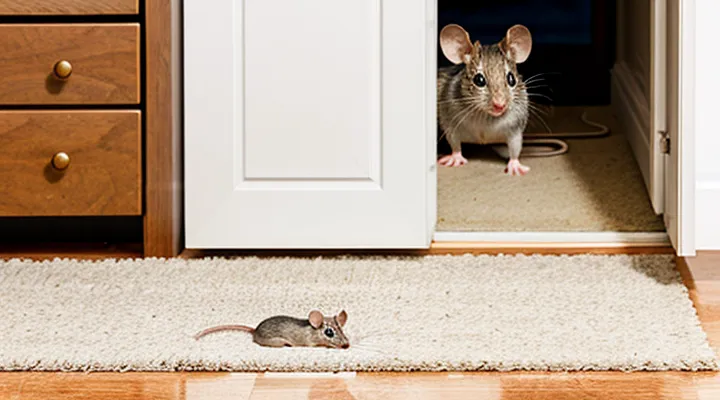
Understanding Mouse Behavior for Effective Eviction
Why Mice Enter Rooms
Attractants and Food Sources
Mice are drawn to specific scents and nutritional items; recognizing these preferences enables swift removal from a room.
- Peanut butter, high‑fat spreads, and soft cheese emit strong olfactory cues that attract rodents within minutes.
- Seeds, nuts, and dried fruit provide energy‑dense options that mice seek when food is scarce.
- Grain‑based products such as cereal or rolled oats release volatile compounds that stimulate foraging behavior.
Deploying attractants as bait concentrates mouse activity in a predictable location. Place a small amount of chosen food on a disposable platform, secure the platform to prevent spillage, and position it near suspected entry points. Replace the bait daily to maintain potency and prevent contamination.
After confirming mouse presence, remove the baited platform and seal the area with a trap or a humane catch‑and‑release device. Dispose of any residual food residues to eliminate lingering cues that could encourage re‑entry.
Eliminate alternative food sources by storing pantry items in airtight containers, cleaning crumbs from surfaces, and securing garbage bins. Removing competing attractants forces the mouse to rely on the presented bait, increasing the likelihood of capture and speeding the eviction process.
Shelter and Warmth
Mice enter rooms seeking insulated hiding places and sources of heat. Removing shelter and warmth eliminates the primary incentives for their presence.
- Seal cracks, gaps, and openings in walls, floors, and around windows with steel wool, caulk, or expanding foam. These barriers prevent entry and block existing nests.
- Clear clutter, including stacks of cardboard, paper, and fabric, which provide concealed spaces. Store items in sealed containers or on elevated shelves.
- Reduce indoor temperature differentials by closing doors to heated areas and using draft excluders on doors and vents. Consistent ambient temperature discourages mice from seeking a warm refuge.
- Relocate or discard food‑storage containers that retain heat, such as microwaves or toaster ovens left on standby. Turn off appliances when not in use.
- Remove bedding materials like old towels, pet blankets, and insulation scraps that can serve as makeshift nests. Wash or dispose of them promptly.
By eliminating the conditions that satisfy a mouse’s need for shelter and warmth, the rodent loses the incentive to stay, facilitating rapid removal from the room.
Immediate Steps to Evict a Mouse
Humane Methods for Live Capture
Setting Up Live Traps
Live traps provide a swift, humane solution for removing a mouse from a room. They capture the rodent without killing it, allowing immediate release far from the dwelling.
- Choose a trap made of sturdy wire mesh with a sensitive trigger mechanism.
- Bait the trap with high‑fat foods such as peanut butter, sunflower seeds, or small pieces of cheese.
- Position the trap along walls, behind furniture, or near visible droppings, where mice habitually travel.
- Set the trigger so that a slight touch releases the latch; ensure the door closes securely once the mouse enters.
- Inspect the trap every 15–30 minutes; a captured mouse should be removed promptly to prevent stress.
After capture, transport the mouse in a sealed container to a location at least two miles from the home, preferably in an area with natural shelter. Clean the trap with hot, soapy water or a mild disinfectant before reuse. Proper disposal of any spilled bait and thorough sanitation of the area reduce the likelihood of re‑infestation.
Baiting Strategies
Effective baiting is essential for swift mouse removal. Choose attractants that match the rodent’s diet and local preferences. Peanut butter, dried fruit, and small pieces of cheese provide strong olfactory cues; commercial rodent baits offer standardized potency and reduced mess. Ensure the bait’s size fits the mouse’s mouth—no larger than a pea—to prevent avoidance.
Placement determines success. Identify active pathways by observing droppings, gnaw marks, and nesting material. Position bait stations within 12‑18 inches of these signs, avoiding open spaces that allow the mouse to detect human scent. Secure bait on a flat surface or within a snap‑trap housing to maintain stability.
Timing influences capture rates. Deploy bait in the late evening when mice forage for food. Check stations after 12‑24 hours; replace stale bait promptly to preserve freshness. Rotate locations every 48 hours to prevent habituation.
Safety considerations protect occupants and pets. Use tamper‑resistant bait containers when children or animals are present. Wear gloves when handling baits, especially those containing toxins, and store unused portions out of reach. Dispose of captured rodents in sealed bags, following local regulations.
A concise baiting protocol:
- Select high‑odor, small‑size bait.
- Locate mouse activity zones.
- Place bait 12‑18 inches from evidence, on stable platforms.
- Deploy in evening, monitor after 12‑24 hours.
- Rotate placement, replace stale bait, maintain safety measures.
Safe Release Techniques
When a mouse must be removed, the method should protect both the animal and the occupants of the space. The objective is to capture the rodent without injury and relocate it to a suitable outdoor environment.
A humane trap—either a snap‑free live‑catch cage or a bucket‑type device—provides the most reliable means of capture. Position the trap along walls, near known activity, and bait with peanut butter, oats, or a small piece of fruit. Check the trap frequently; a mouse trapped for more than a few hours may experience stress or dehydration.
Once captured, follow these steps:
- Wear disposable gloves to avoid direct contact and potential disease transmission.
- Secure the trap lid or cover to prevent escape during transport.
- Carry the trap to a location at least 100 feet from the building, preferably near a field, woods, or a garden where natural predators exist.
- Open the trap gently, allowing the mouse to exit on its own.
- Release the animal away from structures, under cover such as shrubs or tall grass, to increase its chances of finding shelter.
After release, clean the trap with a disinfectant solution and wash hands thoroughly. Inspect the original room for entry points; seal gaps around pipes, vents, and baseboards to stop future intrusions. Regularly store food in sealed containers and keep surfaces free of crumbs to reduce attraction.
Encouraging Natural Departure
Creating an Unwelcoming Environment
Making a room hostile to mice forces them to leave. Mice prefer darkness, warmth, and easy access to food. Removing these attractions creates a barrier they cannot tolerate.
- Eliminate food sources: store perishables in sealed containers, clean crumbs immediately, and keep pet dishes covered.
- Reduce shelter: block gaps larger than ¼ inch with steel wool or caulk; seal cracks around pipes, vents, and baseboards.
- Lower humidity: use a dehumidifier or improve ventilation to make the environment dry, which mice avoid.
- Increase temperature variance: set the thermostat to a cooler setting at night; mice seek stable warmth and will retreat from fluctuating conditions.
- Install deterrent devices: ultrasonic emitters or motion-activated sprayers emit sounds or bursts that mice find uncomfortable.
By systematically stripping away resources and comfort, the room becomes inhospitable, prompting the mouse to exit quickly and discouraging future incursions.
Using Natural Repellents
Natural repellents offer a rapid, non‑chemical method to drive a mouse out of a confined space. Their effectiveness depends on strong odors that rodents find intolerable, applied correctly to create an unwelcoming environment.
- Peppermint oil: saturate cotton balls with 10–15 drops, place them behind furniture, near entry points, and on the floor where tracks appear. Replace every 48 hours to maintain potency.
- Cloves or clove oil: scatter whole cloves in corners or apply 5 drops of oil onto cotton swabs. The pungent scent disrupts the mouse’s scent‑tracking ability.
- Cayenne pepper or chili powder: dust a thin layer along baseboards, under appliances, and around holes. Reapply after cleaning or if moisture reduces the powder’s strength.
- Vinegar solution: mix equal parts white vinegar and water, spray along windowsills and doorframes. The sharp aroma deters rodents without leaving residue.
- Dryer sheets: position scented sheets (e.g., lavender or citrus) in hidden spots; the lingering fragrance adds another layer of repulsion.
Placement strategy: concentrate repellents at known pathways, near food sources, and at potential ingress points such as gaps around pipes or vents. Ensure that the substances do not contact pets or children; keep cotton balls out of reach and avoid direct application on surfaces that may be ingested.
Monitoring: observe mouse activity for 24 hours after deployment. If sightings persist, increase the number of repellent stations or combine two different scents to amplify the deterrent effect. Continuous refreshment of the odor sources guarantees sustained pressure on the intruder, prompting rapid departure from the room.
Preventing Future Infestations
Sealing Entry Points
Identifying Gaps and Cracks
Identifying gaps and cracks is the first step in preventing a mouse from re‑entering a room. Locate every opening larger than a quarter‑inch, because rodents can squeeze through spaces as small as 0.1 in. Check walls, baseboards, windows, doors, and utility penetrations. Use a flashlight and a thin mirror to see behind fixtures and under appliances.
- Inspect the perimeter at floor level; gaps often appear where flooring meets wall or carpet.
- Examine pipe sleeves, electrical conduit, and vent ducts; seal any voids around them.
- Look for damaged caulking around sinks, bathtubs, and countertops; replace missing sections.
- Test door sweeps; ensure they slide flush with the floor and are not warped.
- Verify that window frames are tight; apply weather‑stripping if gaps are visible.
After detection, seal openings with appropriate materials: steel wool combined with caulk for small holes, expanding foam for larger voids, and metal mesh or cement for structural gaps. Apply the sealant while the room is empty to allow full coverage and curing. Regularly re‑inspect after sealing, especially after seasonal temperature changes, to maintain a barrier that keeps mice out.
Repairing Damage
After a mouse leaves a space, the most common damage includes gnawed wiring, punctured insulation, and small entry holes. Ignoring these issues can lead to electrical faults, energy loss, and renewed infestation. Prompt repair restores safety, reduces utility costs, and eliminates pathways for future intruders.
Repair steps:
- Inspect all visible surfaces for chew marks; prioritize electrical cords and plastic pipe sleeves.
- Disconnect power to affected circuits before cutting or sealing damaged wires.
- Trim frayed sections, splice with appropriate connectors, and cover with heat‑shrink tubing or electrical tape.
- Fill holes in walls, floors, or baseboards using steel wool followed by caulk or expanding foam; steel wool deters rodents, while sealant prevents air leakage.
- Replace compromised insulation with matching material, securing it with staples or adhesive.
- Reconnect power only after confirming that all repairs meet local electrical codes; test the circuit for continuity.
Finalize by cleaning the area, disposing of debris in sealed bags, and monitoring for signs of new activity. These actions complete the restoration process and reinforce the room against future mouse incursions.
Maintaining a Clean Environment
Food Storage Best Practices
Proper food storage eliminates the primary attraction that draws rodents into a space. Secure containers prevent scent leakage, reducing the likelihood that a mouse will enter in search of nourishment.
- Use airtight, plastic or glass jars with sealed lids for grains, cereals, and snacks.
- Store pet food in sealed bins placed on a non‑absorbent surface.
- Keep dried fruit, nuts, and candy in resealable packages; discard any opened packaging after use.
- Position all food items on elevated shelves, away from floor level and walls.
- Clean spills immediately; wipe down countertops and floors with a disinfectant solution.
Maintain a routine of inspecting storage containers for cracks or damage. Replace compromised lids and repair torn packaging before they become a source of odor.
When a mouse is detected, remove all accessible food, lock it in a secondary container, and clean the area thoroughly. This deprives the animal of sustenance, forcing it to leave the room quickly.
Regular Cleaning Habits
Regular cleaning eliminates food residues and shelter that attract rodents, making eviction faster. Remove crumbs, spills, and pet food immediately; store dry goods in sealed containers. Vacuum floors and upholstery daily to capture hidden droppings and scent trails.
Effective cleaning routine:
- Sweep and mop hard surfaces after each meal.
- Empty trash bins nightly and use lids that close tightly.
- Wash dishes promptly; avoid leaving dishes in the sink.
- Wipe down countertops, cabinets, and appliance exteriors with a disinfectant.
- Declutter storage areas; keep boxes off the floor and away from walls.
Consistent application of these habits reduces mouse activity, shortens the time needed for removal, and prevents re‑infestation.
Outdoor Management
Trimming Vegetation
Trimming vegetation around a room reduces entry points and hiding spots for mice, making rapid removal more achievable. Overgrown plants can bridge gaps under doors, windows, and foundations, allowing rodents to slip inside unnoticed. Cutting back foliage eliminates these natural ramps and prevents mice from using branches as pathways to interior spaces.
Key actions for effective vegetation management:
- Cut back shrubs, vines, and tall grasses to at least two feet from the building’s exterior walls.
- Remove any plant material that contacts the roof, gutters, or eaves.
- Keep garden beds tidy; discard fallen leaves, fruit, and seed heads that attract rodents.
- Trim tree branches so they do not touch the structure, eliminating aerial routes.
- Dispose of trimmed waste in sealed containers away from the house to avoid providing shelter.
Regular maintenance of outdoor greenery creates a clear perimeter, limits mouse access, and supports other quick deterrence methods. Implementing these trimming practices ensures the indoor environment remains less inviting for unwanted guests.
Securing Trash Cans
Securing trash cans eliminates a primary food source that attracts mice, forcing them to leave the area in search of sustenance. When containers are airtight, rodents cannot access leftovers, crumbs, or odors that signal an easy meal.
Use the following measures to reinforce trash storage:
- Choose cans with screw‑top lids or lockable clasps; ensure the seal remains tight after each use.
- Place lids on a smooth surface to prevent mice from prying them open with their teeth.
- Install a rubber gasket or silicone seal around the lid perimeter for an extra barrier.
- Keep cans away from walls and furniture; maintain at least six inches of clearance to hinder climbing.
- Replace worn or cracked lids promptly; damaged components compromise the seal.
Regularly empty bins to avoid overflow, which can create gaps for entry. Clean the interior of cans with a mild disinfectant to remove residual scents that may lure rodents.
Combined with other exclusion tactics—such as sealing entry points and removing clutter—secured trash containers accelerate mouse eviction and sustain a rodent‑free environment.