
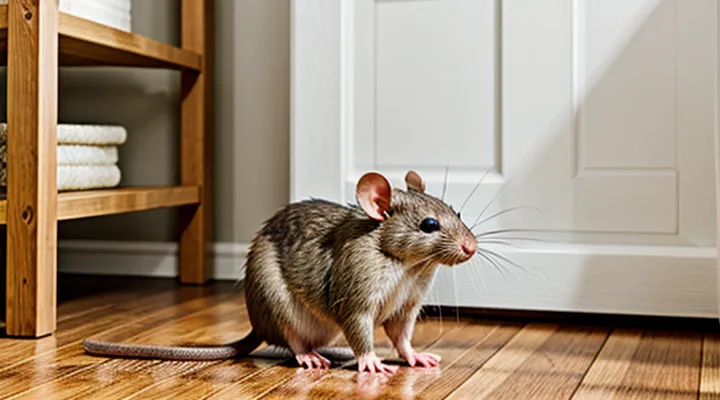
Understanding the Rat Problem
Identifying Rat Infestation Signs
Droppings and Urine Trails
Droppings and urine trails provide the most reliable indication of active rat pathways. Fresh feces are dark, pellet‑shaped, and measure about ¼ inch long; older droppings turn lighter and crumble easily. Urine leaves a faint, oily sheen on surfaces and can be detected by a slight metallic odor, especially in concealed areas such as behind appliances, under sinks, and within wall voids. Both signs concentrate along established runways, allowing you to pinpoint the sections of a home where rats travel most frequently.
Use the identified signs to place traps directly on the runways. Follow these steps:
- Locate fresh droppings or wet urine stains; prioritize areas with the highest concentration.
- Position snap or electronic traps perpendicular to the runway, with the trigger end facing the direction of travel.
- Secure traps at the same height as the droppings—typically 2–4 inches above the floor for floor‑running rats or 6–12 inches for ceiling‑traveling individuals.
- Replace or reposition traps daily, focusing on new droppings that appear after each removal.
By targeting the precise routes marked by feces and urine, you reduce the time required to capture rats and increase the likelihood of a successful, low‑effort elimination.
Gnaw Marks and Damage
Rats leave unmistakable evidence that can guide rapid control measures. Their incisors create clean, crescent‑shaped bite marks on wood, plastic, and insulation, typically 6–12 mm wide. Such marks appear on baseboards, furniture legs, and exposed wiring, indicating active chewing to enlarge pathways or access food.
Damage to stored food is another reliable indicator. Torn packaging, gnawed bag seams, and shredded paper around pantry shelves signal repeated intrusion. Rodent droppings, often found near gnaw sites, confirm occupancy and help locate high‑traffic routes.
Identifying these signs enables targeted trap placement. Position snap or live traps directly adjacent to fresh gnaw marks on structural elements, or behind damaged food containers where rats frequently travel. Secure all entry points identified by chew damage to prevent re‑entry after capture.
Key checkpoints for homeowners:
- Inspect baseboards, cabinets, and walls for 6–12 mm crescent cuts.
- Examine wiring insulation for exposed fibers and bite marks.
- Review pantry and storage areas for torn packaging and shredded material.
- Locate fresh droppings near identified chew sites.
By systematically documenting gnaw marks and associated damage, owners can prioritize trap locations, reduce the infestation window, and secure the residence against further rodent activity.
Unusual Noises and Odors
Rats reveal their presence through sounds and smells that differ from normal household activity. Scratching on walls, ceiling tiles, or stored boxes often indicates gnawing or movement within concealed spaces. These noises are typically sharp, repetitive, and louder at night when ambient sounds subside. Listening from a quiet room while the house is unoccupied helps isolate the source and pinpoint entry points.
Odors accompany rodent activity. A strong, musky scent arises from urine marks left along travel routes. This smell is distinct from typical household fragrances and intensifies near nesting sites. Additionally, a rancid, oily odor signals decomposing food or dead rodents, signaling a potential infestation hotspot.
Identifying these indicators enables swift action. Follow these steps:
- Silence all appliances and pause conversation for a minimum of five minutes.
- Move through each room, pausing near walls, cabinets, and appliances to detect scratching or squeaking.
- Sniff areas where food is stored, beneath sinks, and inside closets for ammonia‑like or oily odors.
- Mark locations where noises or smells are strongest with removable tape.
- Prioritize these marked spots when setting traps or applying sealants.
By concentrating on atypical sounds and distinctive smells, homeowners can locate rodent activity quickly and apply control measures efficiently.
Sightings
Recognizing rat activity is the first step toward rapid home removal. Visible evidence tells where to concentrate trapping efforts and prevents wasted time.
Typical indications of a rat presence include:
- Dark, pellet‑shaped droppings near food sources or along walls
- Gnawed wood, plastic, or wiring showing fresh bite marks
- Small, four‑toed footprints in dust, flour, or soft surfaces
- Scratching or scurrying sounds in ceilings, attic spaces, or behind appliances
- Streaks of yellowish urine on surfaces, especially near entry points
- Bundles of shredded material, shredded paper, or shredded insulation forming nests
Accurate documentation improves response. Record the exact location (room, wall, appliance), time of observation, and frequency of repeats. Use a flashlight to illuminate dark corners and a smartphone camera to capture images for later reference.
Once sightings are mapped, place traps or bait stations along the identified pathways, focusing on walls and corners where tracks converge. Seal gaps and holes near the documented sites to block re‑entry. Continuous monitoring of the same spots confirms whether the intervention is succeeding or if additional measures are required.
Why Rats Are a Problem
Health Risks
Rats in residential spaces carry pathogens that can infect humans through direct contact, bites, or contaminated surfaces. The presence of rodents raises the likelihood of disease transmission, food spoilage, and environmental contamination.
- Vector‑borne illnesses: Salmonella, Leptospira, Hantavirus, and Lymphocytic choriomeningitis virus are commonly associated with rodent droppings, urine, and saliva. Inhalation of aerosolized particles from dried droppings can cause respiratory infection.
- Allergic reactions: Proteins in rat fur, saliva, and dander trigger asthma attacks and hypersensitivity in susceptible individuals.
- Food contamination: Rats gnaw packaging, spread feces, and leave urine on stored provisions, creating conditions for bacterial growth and foodborne illness.
- Physical injury: Bites and scratches from defensive behavior may introduce secondary infections, especially if wounds are not promptly cleaned.
- Psychological impact: Persistent infestation can increase anxiety and stress, affecting overall well‑being.
Mitigation measures include wearing disposable gloves and masks when handling traps or cleaning affected areas, sealing entry points, using sealed containers for food, and disinfecting surfaces with a bleach solution (1 part bleach to 10 parts water) after any rodent sighting. Immediate medical evaluation is advised for bite wounds, respiratory symptoms, or signs of allergic reaction.
Property Damage
Rats create extensive property damage, making swift, uncomplicated control essential for homeowners.
- Structural damage: gnawed wood, compromised beams, weakened foundations.
- Electrical hazards: chewed wires, short circuits, increased fire risk.
- Insulation loss: torn insulation, reduced energy efficiency.
- Food contamination: spoiled pantry items, attraction of insects, health threats.
- Personal belongings: damaged clothing, documents, electronics.
Visible signs include fresh gnaw marks, shredded insulation, exposed wiring, droppings near walls, and unusual odors. Early detection prevents escalation and reduces repair costs.
When traps are deployed, seal entry points to limit further destruction. Repair visible gnawing promptly; replace damaged wires under professional supervision to avoid electrical danger. Dispose of contaminated food and sanitize affected areas to stop secondary infestations.
Maintain a rodent‑proof environment by storing food in sealed containers, trimming vegetation away from the building, and inspecting utilities regularly. Regular monitoring of trap activity confirms effectiveness and limits future property loss.
Preparing for Rat Eradication
Safety First: Protecting Your Household
Storing Food Securely
Secure food storage directly reduces the attraction of rodents to a residence, making rapid home rat control more effective. When food cannot be accessed, rats lose a primary motivation to linger, allowing traps and bait to work with minimal competition.
- Keep all dry goods in airtight containers made of metal or thick plastic; lids must seal completely.
- Store perishable items in the refrigerator or freezer; do not leave them on countertops for extended periods.
- Place containers on shelves, not on the floor, to prevent rats from reaching them from below.
- Seal gaps around cabinets, pantry doors, and utility lines with steel wool or caulk, eliminating entry points.
Regular maintenance reinforces these measures. Wipe up crumbs and spills immediately, discard expired products, and inspect storage containers weekly for damage. By eliminating food sources, the environment becomes hostile to rats, allowing simple trapping methods to succeed quickly and without unnecessary complexity.
Securing Pets and Children
When rodents invade a residence, the priority shifts to eliminating the pests while preserving a safe environment for pets and children.
All trapping devices must be positioned beyond the reach of curious hands and paws. Secure bait in containers that prevent accidental ingestion, and choose traps that activate only when sufficient pressure is applied.
- Place snap or electronic traps along walls, behind appliances, or inside concealed gaps; these locations limit visibility to non‑target occupants.
- Use bait stations with lockable lids; store them on high shelves or inside cabinets inaccessible to children.
- Inspect each trap before deployment; verify that safety mechanisms are engaged and that no loose parts could detach.
- Keep pets away from the area until traps are set, then monitor for any signs of interference.
Educate family members about the presence of traps and the hazards of handling them. Supervise children during any activity near trap zones, and reinforce the rule that only adults may touch or move trapping equipment.
If a trap is triggered, remove the captured rodent promptly, wearing disposable gloves and a mask. Dispose of the carcass in a sealed bag and wash hands thoroughly. Replace the trap with a fresh unit only after confirming that the area remains inaccessible to pets and children.
By adhering to these precautions, rat control can proceed efficiently without compromising the wellbeing of vulnerable household members.
Wearing Protective Gear
When attempting rapid, low‑effort rodent removal inside a residence, personal safety depends on proper protective equipment. Direct contact with rats can expose you to bites, scratches, and diseases such as leptospirosis or hantavirus; the barrier between skin and animal prevents injuries and limits contamination of surfaces.
Essential items include:
- Thick rubber or nitrile gloves that extend past the wrist, providing puncture resistance.
- Disposable coveralls or a sturdy work shirt and trousers made of tightly woven fabric.
- Protective eyewear or goggles, sealed to block saliva and droplet splatter.
- A face mask rated N95 or higher, filtering airborne particles and odors.
- Sturdy, non‑slip shoes with steel toe caps to guard against accidental stepping on trapped rodents.
Before beginning, inspect each piece for tears or compromised seals. Dress in the correct order: shoes, coveralls, gloves, then eyewear and mask. Secure gloves and sleeves with tape if gaps exist. After the capture, remove gear from inside out, place contaminated items in sealed bags, and wash hands thoroughly with soap. Proper disposal of the equipment eliminates residual pathogens and prepares the area for subsequent steps in the pest‑control process.
Sanitization and Exclusion
Eliminating Food Sources
Eliminate all accessible food to deprive rats of sustenance and force them into traps. Store pantry items in airtight containers made of metal or heavy‑wall plastic; verify seals before each use. Clean countertops, floors, and appliance exteriors daily, wiping away crumbs and spills immediately. Remove pet food after each feeding, placing it in sealed containers and discarding leftovers within two hours.
Secure garbage: use bins with tight‑fitting lids, line them with heavy‑duty bags, and empty them nightly. Compost bins should be kept outdoors, sealed, and positioned away from the house. Inspect cabinets, drawers, and under‑sink spaces for hidden food residues; wipe surfaces with a detergent solution and follow with a disinfectant spray.
Implement the following checklist:
- Transfer dry goods to sealed containers.
- Sweep and mop high‑traffic areas after meals.
- Wash dishes promptly; avoid leaving them in the sink.
- Store pet feed in locked containers; remove uneaten portions quickly.
- Use trash cans with snap‑tight lids; change bags daily.
- Inspect and clean hidden storage spots weekly.
By removing every viable food source, rats lose the incentive to remain, increasing the likelihood that they encounter and enter baited traps. The strategy accelerates capture while minimizing the need for repeated trapping efforts.
Sealing Entry Points
Sealing entry points stops rats from re‑entering the house and makes traps more effective. Begin by inspecting the exterior for gaps larger than a quarter‑inch. Common locations include:
- Gaps around utility pipes and cables
- Openings at the base of doors and windows
- Cracks in foundation walls, brickwork, and siding
- Holes under eaves, soffits, and roof vents
- Openings around vent fans and dryer exhausts
Use steel wool or copper mesh to fill small openings, then cover with caulk or expanding foam. For larger gaps, install metal flashing, hardware cloth, or cement patches. Ensure all doors and windows have tight-fitting sweeps or weatherstripping. Replace damaged screens and repair torn insulation that could expose voids.
After sealing, re‑check the perimeter weekly. Any new damage from weather or rodents requires immediate repair to maintain a barrier. Maintaining a sealed environment reduces the need for repeated trapping and limits the likelihood of future infestations.
Cleaning Up Messes
Cleaning eliminates food sources and nesting material that draw rats into a residence. When crumbs, spilled liquids, and clutter are removed, rats lose the incentive to explore and the likelihood of encountering traps increases dramatically.
- Sweep floors and vacuum carpets daily to capture stray particles.
- Wash dishes immediately; store utensils in sealed containers.
- Empty trash cans each night; use lids that close tightly.
- Wipe countertops, tables, and appliance exteriors after each use.
- Organize storage areas; keep boxes off the floor and seal openings.
A spotless environment forces rats to move toward baited devices, improving capture speed and reducing the number of traps required. Continuous maintenance sustains low attraction levels, preventing reinfestation.
Effective Rat Trapping Strategies
Choosing the Right Traps
Snap Traps
Snap traps provide an immediate, mechanical solution for indoor rodent control. The device consists of a spring‑loaded bar that snaps shut when a rat triggers a pressure plate, delivering a lethal blow without the need for chemicals. Because the action is instantaneous, the method minimizes suffering and prevents the spread of disease through prolonged injury.
When choosing a snap trap, consider the following criteria:
- Size: select a model large enough to accommodate a full‑grown rat (typically 10–12 cm body length).
- Spring tension: a strong spring ensures rapid closure and reliable kill.
- Safety shield: a protective barrier reduces accidental contact for humans and pets.
- Material: stainless steel or hardened plastic resists corrosion in damp areas such as basements or kitchens.
Effective placement follows a pattern of targeting rat pathways. Identify high‑traffic zones by observing droppings, gnaw marks, or grease trails. Position traps perpendicular to walls, with the trigger end facing the wall, because rats prefer to run along edges. Place a minimum of two traps per suspected route; increase density in heavily infested zones.
Bait selection influences capture speed. Use a small amount of protein‑rich food—peanut butter, dried fruit, or bits of cooked meat—applied directly to the trigger plate. Avoid excessive bait that can obscure the mechanism. Replace bait daily to maintain freshness and odor potency.
Safety precautions protect occupants while maintaining efficacy. Keep traps out of reach of children and non‑target animals by using enclosed bait stations or placing them behind furniture. Wear thick gloves when handling captured rodents to prevent disease transmission. After a kill, wear disposable gloves, seal the carcass in a plastic bag, and dispose of it according to local regulations.
Routine maintenance extends trap performance. Inspect the spring for fatigue after each use; replace the trap if the snap action weakens. Clean the trigger mechanism with alcohol to remove residue that could impede sensitivity. Store unused traps in a dry environment to prevent rust.
By adhering to these guidelines, snap traps become a rapid, straightforward tool for eliminating rats from residential spaces without reliance on poisons or professional services.
Live-Catch Traps
Live‑catch traps provide a humane method for removing rodents from residential spaces without resorting to poison. Choose models with sturdy wire mesh and a secure door that closes automatically when the animal enters. Common designs include:
- Box traps with a spring‑loaded latch.
- Multi‑catch cages that hold several rodents before requiring emptying.
- Portable snap‑free traps that fit under furniture or in tight corners.
Effective placement maximizes capture rates. Position traps along established runways, near walls, behind appliances, and close to food sources. Ensure the trap rests on a flat surface; avoid areas with heavy foot traffic that may disturb the mechanism.
Bait selection influences success. Peanut butter, dried fruit, or small pieces of meat create strong olfactory cues. Apply a pea‑sized amount to the trigger plate or inside the trap to lure the rat without allowing it to escape.
Check traps at least twice daily. Prompt removal prevents stress and potential injury to the animal. When a rat is captured, transport the trap to a suitable release site—preferably a wooded area at least one mile from the home—and open the door gently to allow the rodent to exit.
Maintain traps by cleaning them with mild detergent after each use. Inspect the latch and door hinges for wear; replace damaged components to preserve reliability. Regular maintenance ensures consistent performance for rapid, uncomplicated rodent control.
Electronic Traps
Electronic traps eliminate rodents with rapid, humane action. A high‑voltage shock kills the rat instantly, preventing escape and subsequent contamination. The device requires a power source—battery or mains—and a sensor that activates when the animal enters the chamber. Sensors typically use infrared beams or pressure plates; once triggered, the circuit delivers a lethal pulse within milliseconds.
Key considerations when selecting a unit include:
- Power supply: Battery‑operated models offer portability; plug‑in versions guarantee continuous operation.
- Sensor type: Infrared sensors detect movement without contact; pressure plates respond to weight, reducing false triggers.
- Safety features: Built‑in lockout switches prevent accidental discharge, and insulated housings protect children and pets.
- Capacity: Larger chambers accommodate bigger rats and reduce the need for frequent emptying.
Installation steps:
- Place the trap along known rat pathways—near walls, behind appliances, or close to food sources.
- Ensure the device sits on a stable, flat surface; avoid clutter that could obstruct the sensor.
- Connect power, activate the safety lock, and test the sensor using a small object to confirm proper function.
- Monitor the trap daily; dispose of dead rodents according to local regulations and clean the chamber with mild detergent.
Maintenance tasks are straightforward. Replace batteries when indicator lights dim, or inspect the power cord for damage in wired models. Periodically wipe the interior to remove residue that could impair sensor accuracy. Reset the safety lock after each removal to avoid accidental activation.
Electronic traps provide a fast, low‑maintenance solution for indoor rat control, combining immediate lethality with minimal human effort. Proper placement, regular inspection, and adherence to safety protocols maximize effectiveness while protecting occupants.
Strategic Trap Placement
Along Walls and In Corners
Rats move close to surfaces, preferring the perimeter of rooms and the junctions where walls meet floors or ceilings. This behavior reduces exposure to open space, provides easy access to food residues, and offers concealed routes for escape.
Effective trap placement exploits these habits. Position snap traps, electronic devices, or glue boards directly against walls, with the trigger side facing outward. Align traps within 1–2 inches of the wall surface to match the rat’s natural travel line. In corners, secure baited stations at the inner edge where two walls converge; the confined space guides the rodent into the trap’s reach. Ensure the bait—peanut butter, dried fruit, or small meat pieces—is affixed to the trigger mechanism, preventing removal without activation.
Key steps for optimal coverage:
- Identify high‑traffic routes by observing droppings or gnaw marks along baseboards and behind appliances.
- Install traps at each intersection of wall and floor, and at the inner angle of every corner.
- Space multiple traps 3–4 feet apart in long corridors; increase density in cluttered rooms.
- Check traps daily, replace emptied devices, and reposition any unused traps to maintain constant pressure on the rodent pathway.
Maintaining a clear perimeter—removing clutter, sealing cracks, and keeping surfaces clean—enhances trap efficacy and reduces the likelihood of rats establishing new hideouts.
Near Food Sources
Rats locate homes by following food odors; eliminating accessible nourishment removes the primary lure and forces rodents into traps.
- Store dry goods in sealed, airtight containers; plastic or glass jars with screw‑top lids prevent gnawing.
- Clean countertops, floors, and appliances after each meal; wipe crumbs and spills before they dry.
- Empty trash daily; use bins with tight‑closing lids and line them with thick plastic to stop rats from chewing through.
- Keep pet food in sealed containers; feed pets only at set times and remove leftovers immediately.
- Inspect pantry shelves for holes or gaps; fill openings with steel wool or copper mesh, then seal with caulk.
Place snap or electronic traps along walls adjacent to these feeding zones. Bait traps with a small amount of high‑fat food—peanut butter, cheese, or cooked meat—only when the area is free of other food sources. By restricting nourishment, rats will search for traps, increasing capture speed and simplicity.
In Dark and Secluded Areas
Targeting rodents that hide in shadowed, hard‑to‑reach spots requires focused preparation and precise tools. Begin by eliminating alternative pathways; seal cracks, close gaps under appliances, and install tight-fitting door sweeps. Deploy devices that operate without light, such as snap traps with high‑visibility bait (peanut butter, dried fruit) placed directly on the floor or against walls where rodents travel. Use flashlights with narrow beams to locate activity, then position traps a few inches from the observed routes.
Key actions for dark, secluded zones:
- Bait placement: concentrate attractant at the junction of walls and floor, where rats prefer concealed routes.
- Trap orientation: aim the trigger side toward the expected travel direction; rats approach head‑first.
- Secure positioning: affix traps with zip ties or adhesive pads to prevent displacement by debris or other pets.
- Monitoring: check traps twice daily; replace bait and reset traps immediately after a capture.
If traps are ineffective, introduce a single‑use glue board or a live‑capture cage, both of which function in low‑light conditions. Position these devices near known droppings, gnaw marks, or grease trails. After capture, dispose of rodents according to local regulations and re‑seal the entry points that led to the concealed area. Consistent application of these steps reduces rodent presence quickly and with minimal disturbance to the household.
Best Baits for Rats
Peanut Butter and Nutella
Peanut butter and Nutella serve as highly effective attractants when setting up a rapid, low‑effort rat control system inside a residence. Their strong aroma and sweet, fatty composition stimulate a rat’s sense of smell, prompting immediate investigation and entry into a trap.
The bait preparation is straightforward:
- Spread a thin layer of peanut butter on the trigger platform of a snap or live‑catch trap.
- Add a small dollop of Nutella on top of the peanut butter to increase scent intensity.
- Ensure the bait does not exceed the size of the trap’s trigger mechanism to avoid blockage.
Placement guidelines maximize capture speed:
- Position traps along walls, behind appliances, or near known gnawing sites where rats travel.
- Keep traps at a distance of 2‑3 feet from each other to cover multiple pathways.
- Replace bait daily to maintain freshness and scent potency.
Safety considerations:
- Wear disposable gloves while handling bait to prevent human scent transfer.
- Store unused peanut butter and Nutella in sealed containers to deter accidental exposure to children or pets.
- Dispose of captured rodents according to local health regulations.
By combining these two aromatic foods with proper trap positioning, homeowners achieve swift removal of rats without complex equipment or extensive preparation.
Meats and Cheeses
Using animal protein as bait accelerates rat capture in residential environments. Fresh meat emits strong odor cues that rats follow, while certain cheeses provide a persistent scent and texture that encourages investigation.
-
Ground beef, raw or lightly seared
-
Chicken thighs, skin-on, lightly cooked
-
Liver (beef, pork, or chicken), chilled but not frozen
-
Bacon strips, crisped to release fat
-
Cheddar, aged, cut into cubes
-
Blue cheese, crumbled
-
Gouda, softened slightly
-
Cream cheese, mixed with a small amount of meat broth
Prepare bait by cutting meat into 1‑2 cm pieces and securing it to a standard snap trap or a bucket trap with a wire mesh. For cheese, form a compact lump around a small piece of meat to increase attraction. Place traps along walls, behind appliances, and near known rodent pathways; rats habitually travel close to surfaces. Position bait with the scent facing outward, ensuring the trap trigger is accessible from the side the rat will approach.
Dispose of captured rodents promptly, wearing gloves and a mask. Clean traps with hot, soapy water and a disinfectant solution before reuse. Rotate bait types every few days to prevent habituation; rats quickly lose interest in a single scent source.
Sweets and Grains
Sweets and grains are among the most attractive food sources for rats that enter residential spaces. Their strong odor and high carbohydrate content stimulate the rodents’ foraging instinct, making these items reliable bait for traps placed in kitchens, pantries, or near suspected activity zones.
- Use small pieces of chocolate, candy, or dried fruit to lure rats into snap traps; the scent spreads quickly and draws attention from a distance.
- Offer cereal flakes, oatmeal, or cracked corn in live‑catch cages; these items can be placed on a shallow platform to prevent spillage and keep the bait accessible.
- Combine a sugary component with a grain base, such as peanut butter mixed with crushed crackers, to create a multi‑sensory lure that appeals to both taste and texture preferences.
- Refresh bait every 24 hours to maintain potency and prevent mold, which could deter rodents and create health hazards.
Deploy baited traps along walls, behind appliances, and in concealed corners where rats travel. Position the bait so that the rodent must engage the trigger mechanism to reach it, ensuring immediate capture. Regularly inspect and replace traps, discarding captured rodents according to local regulations. This approach maximizes the effectiveness of sweet and grain baits while minimizing the time required to reduce a rat infestation.
Post-Extermination Procedures
Safe Disposal of Rats
Double Bagging
Double bagging is a containment technique that places a live‑catch trap or a sealed kill bag inside a second, robust plastic bag before disposal. The outer layer acts as a barrier, ensuring that any escaped rodent or leakage cannot re‑enter the living space.
The method reduces secondary contamination, eliminates odor release, and complies with municipal waste regulations that often require sealed disposal of pest carcasses. By sealing the inner bag, the risk of disease transmission and accidental release during transport is minimized.
Procedure
- Select a heavy‑duty polyethylene bag (minimum 6 mil thickness) as the outer layer.
- Place the captured rat, already contained in a humane kill bag or snap trap, inside the outer bag.
- Expel as much air as possible, then twist the opening tightly.
- Secure the seal with a zip tie or strong tape.
- Label the package with “Rodent Disposal” and deposit it in a sealed trash container designated for hazardous waste.
Implementing double bagging in a home setting guarantees that captured rats remain isolated from the environment until final disposal, streamlining rapid and straightforward rodent control.
Using Gloves
Gloves protect hands from bites, scratches, and disease‑bearing saliva when handling rats. Disposable nitrile or latex gloves provide a barrier that can be discarded after each encounter, preventing cross‑contamination between trap sites. Reusable leather or thick cotton gloves offer durability for repeated use but require thorough washing and disinfecting after each session.
When setting traps, wear gloves to maintain a neutral scent that might otherwise alert rodents. Apply a thin layer of petroleum jelly to the fingertips of latex gloves to improve grip on snap traps, live‑catch cages, and baited stations. For glue boards, use nitrile gloves to avoid tearing the adhesive surface while positioning the board.
After a rat is captured, keep gloves on while transferring the animal to a sealed container. This reduces the risk of accidental release and limits exposure to urine or feces. Once the container is sealed, remove gloves carefully, turn them inside out, and place them in a sealed bag before disposal.
Cleaning reusable gloves involves washing with hot water, a bleach solution (1 % concentration), or an EPA‑approved disinfectant. Rinse thoroughly, air‑dry, and inspect for punctures before the next use. Regular inspection ensures the barrier remains intact and effective.
In summary, gloves serve as a critical protective layer, enhance trap effectiveness by masking human scent, and simplify safe removal and disposal of captured rats. Selecting the appropriate type, maintaining proper hygiene, and following a consistent protocol maximizes safety and efficiency in home rat control.
Preventing Future Infestations
Ongoing Sanitation
Maintaining continuous sanitation is essential for preventing rats from re‑entering a home after a capture. Clean surfaces, eliminate standing water, and store food in sealed containers to remove the attractants that sustain rodent activity. Regularly inspect hidden areas such as under appliances, behind cabinets, and in crawl spaces for crumbs, droppings, or gnawed materials, and clean them immediately.
Implement a routine sanitation schedule:
- Sweep and mop floors daily, focusing on kitchen and dining zones.
- Dispose of trash in tightly sealed bins; empty them at least once per day.
- Wash dishes promptly; avoid leaving food residues in sinks or on countertops.
- Vacuum storage areas and closets weekly to remove concealed debris.
- Inspect and repair any leaks; dry damp spots to deter nesting.
Consistent application of these practices reduces food availability and shelter, forcing rats to seek alternative habitats and increasing the effectiveness of any trapping method employed.
Regular Inspections
Regular inspections are the cornerstone of any swift and uncomplicated rodent control strategy inside a residence. By systematically examining potential entry points, nesting sites, and signs of activity, you identify problems before they expand into full‑scale infestations.
Begin each inspection with a visual sweep of the interior. Look for droppings, gnaw marks, shredded material, and urine stains along walls, behind appliances, and in storage areas. Record locations where evidence appears; this creates a map of the infestation’s scope.
Next, assess the exterior envelope. Check foundations, crawl spaces, and utility penetrations for gaps larger than ¼ inch. Seal openings with steel wool, caulk, or hardware cloth to prevent new intruders. Pay particular attention to vents, pipe sleeves, and door sweeps, as rodents exploit these routes frequently.
Maintain a schedule that matches the severity of the problem. In a newly detected situation, conduct inspections twice weekly for the first two weeks, then reduce to once weekly for a month, and finally settle on a monthly review. If activity persists, increase frequency accordingly.
Use simple tools to enhance accuracy:
- Flashlight with a focused beam for dark corners.
- Mirror on an extendable handle to view behind appliances.
- Disposable gloves for safe handling of droppings.
- Small notebook or digital app to log findings and actions.
Consistent inspections enable early detection, reduce the need for extensive trapping, and ensure that any measures taken remain effective over time. By integrating these routine checks into household maintenance, you sustain a low‑risk environment and keep the rodent problem under control.
Professional Pest Control Considerations
Professional pest‑control expertise influences every stage of a home rat‑removal effort. Certified technicians assess infestation severity, identify entry points, and recommend trap types that match the species’ behavior. Their guidance reduces trial‑and‑error, limits property damage, and prevents secondary health hazards.
Key considerations when consulting a pest‑control professional:
- Inspection depth: thorough examination of walls, ceilings, and utilities to locate hidden nests.
- Trap selection: choice between snap, electric, or live‑catch devices based on safety, speed, and local regulations.
- Bait formulation: use of rodent‑specific attractants that remain effective in varied temperature and humidity conditions.
- Placement strategy: spacing traps at 10‑foot intervals along walls, near known runways, and at potential entry points.
- Legal compliance: adherence to municipal wildlife statutes and disposal requirements for dead rodents.
Integrating professional advice with DIY actions ensures rapid capture while maintaining safety standards and legal conformity. Regular follow‑up inspections verify that prevention measures remain effective and that re‑infestation risks are minimized.