
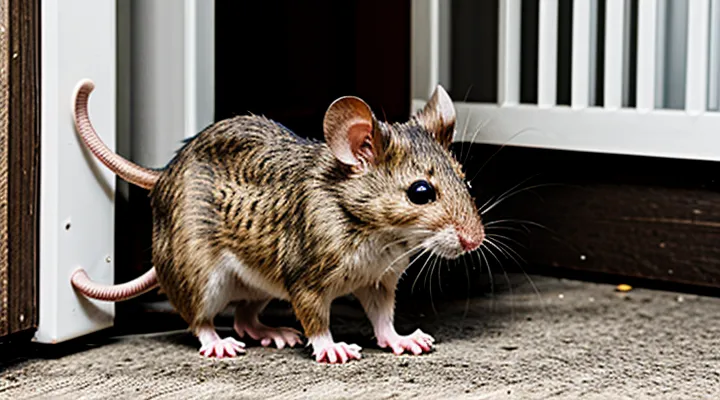
Understanding the Mouse Problem
Why Mice Are a Threat to Your Home
Health Risks Associated with Mice
Mice infestations create direct health threats that justify prompt eradication from a residence.
- Disease vectors – rodents carry bacteria (Salmonella, Leptospira), viruses (hantavirus, lymphocytic choriomeningitis) and parasites (fleas, ticks) that can infect humans through bites, contaminated food, or aerosolized droppings.
- Allergenic particles – urine, feces and dander contain proteins that trigger asthma attacks and allergic rhinitis, especially in children and the elderly.
- Food contamination – gnawed packaging releases toxins; droppings introduce pathogens that survive weeks on surfaces.
- Bite injuries – aggressive encounters may result in puncture wounds requiring medical attention and tetanus prophylaxis.
- Secondary hazards – nesting material fosters mold growth and attracts insects, compounding respiratory risks.
Exposure intensifies for immunocompromised individuals, pregnant women and young children, whose physiological defenses are less capable of counteracting infections and allergic reactions. Rapid removal of rodents shortens the period of contact with these hazards, reducing the probability of illness and the need for medical intervention.
Property Damage Caused by Mice
Mice infiltrate private residences and inflict damage that quickly escalates from minor nuisances to costly repairs. Their incisors continuously grow, prompting relentless gnawing on materials that cannot withstand repeated bites.
- Electrical wiring: chewed insulation creates exposed conductors, increasing fire hazard and necessitating rewiring.
- Insulation and drywall: soft fibers are stripped, leaving gaps that reduce thermal efficiency and demand replacement.
- Structural wood: beams and joists develop bite marks that compromise load‑bearing capacity, requiring reinforcement or replacement.
- Plumbing: plastic pipes and rubber seals are pierced, leading to leaks and water damage.
Urine and feces contaminate surfaces, food supplies, and stored goods. The biological waste introduces pathogens that degrade the quality of consumables and necessitate thorough sanitation. Persistent odors and staining further diminish the habitability of affected areas.
Health implications extend beyond direct contamination. Exposure to rodent‑borne bacteria and viruses raises the risk of respiratory and gastrointestinal illnesses, imposing medical expenses and potential loss of productivity.
Repair costs vary by region but commonly exceed several thousand dollars for comprehensive remediation. Insurance policies may cover a portion of the loss, yet deductibles and exclusions often leave homeowners responsible for a significant share of the expense. Prompt identification of damage and immediate corrective action reduce overall financial burden and prevent escalation.
Signs of a Mouse Infestation
Droppings and Urine Stains
Mice droppings and urine stains signal an active infestation and present immediate health concerns. Recognizing these signs allows swift intervention before damage escalates.
Droppings appear as small, dark, rice‑shaped pellets, often found along walls, behind appliances, or in stored food containers. Urine stains manifest as discolored patches with a strong, ammonia‑like odor, typically near nesting sites or along travel routes.
These waste products carry pathogens such as Hantavirus, Salmonella, and leptospirosis. Inhalation of dried droppings or contact with contaminated surfaces can trigger allergic reactions and respiratory issues.
Effective removal requires:
- Wearing disposable gloves and a mask rated N95 or higher.
- Ventilating the area for at least 30 minutes before disturbance.
- Wetting droppings with a solution of 1 part bleach to 10 parts water; allow 5 minutes to neutralize pathogens.
- Collecting the material with a disposable paper towel, placing it in a sealed plastic bag, and discarding it with regular trash.
- Scrubbing surfaces with the bleach solution, then rinsing with clean water.
- Applying an EPA‑registered disinfectant to high‑traffic zones and allowing the recommended dwell time.
- Laundering any contaminated fabrics at 60 °C (140 °F) or higher.
After cleanup, eliminate conditions that attract rodents: seal cracks, store food in airtight containers, and maintain dry, clutter‑free environments. Persistent sanitation reduces the likelihood of re‑infestation and supports the overall effort to remove mice from the residence.
Gnaw Marks and Noises
Gnaw marks and noises provide the earliest reliable evidence of a mouse presence, allowing immediate intervention before damage escalates.
Identifying gnaw marks requires systematic visual inspection. Look for shallow, crescent‑shaped bites on wood, plastic, or wiring, especially near baseboards, pantry shelves, and appliance cords. Fresh marks appear lighter and have smoother edges compared to older, weathered scratches. Presence of gnawing on electrical cables signals a heightened fire risk and demands urgent sealing.
- Examine all accessible surfaces weekly.
- Record locations of new bite marks.
- Apply steel‑wool or copper mesh to reinforce vulnerable edges.
- Replace compromised wiring with rodent‑resistant conduit.
- Use scent‑free deterrent sprays on exposed wood to discourage further chewing.
Audible activity complements visual cues. Mice generate scratching, scurrying, and squeaking sounds primarily during nocturnal hours. Persistent scratching in wall cavities indicates nesting or foraging. Sudden, intermittent squeaks often precede breeding cycles, signaling population growth.
- Install motion‑activated ultrasonic emitters near identified sound sources.
- Position snap or live traps along established runways, aligning with detected noise pathways.
- Seal entry points within 24 hours of detection; prioritize gaps under doors, utility conduits, and foundation cracks.
- Maintain a clean environment: store food in airtight containers, eliminate standing water, and remove clutter that offers concealment.
By correlating gnaw marks with specific noise patterns, homeowners can target interventions precisely, minimizing infestation duration and structural damage.
Immediate Action: Quick Mouse Removal Strategies
Trapping Methods
Snap Traps: Effective and Humane Options
Snap traps provide rapid control of house mice while meeting humane standards when used correctly. The mechanism delivers an instantaneous, lethal strike that prevents prolonged suffering. Proper selection of size and sensitivity ensures capture of adult mice without harming larger pets or children.
Effective use requires strategic placement and appropriate bait. Place traps along walls, behind appliances, and in concealed pathways where rodent activity is evident. Use a small amount of high‑fat food—peanut butter, cheese, or dried fruit—to attract mice without creating excess waste. Set traps with the trigger end facing the wall; this orientation aligns with the natural running direction of mice, increasing capture rates.
Key considerations for humane snap trapping:
- Choose traps with a spring‑loaded bar calibrated for mouse-sized targets.
- Position traps in low‑traffic areas to avoid accidental activation by humans or pets.
- Inspect traps daily; remove captured mice promptly to minimize stress.
- Dispose of carcasses in sealed bags and discard according to local regulations.
- Replace bait and reset traps after each capture to maintain effectiveness.
When integrated into a comprehensive rodent‑exclusion plan—sealing entry points, maintaining cleanliness, and limiting food sources—snap traps deliver swift, reliable results while adhering to humane principles.
Live Traps: Catch and Release
Live traps provide a humane solution for removing rodents from a residence while preventing population growth. The devices consist of a cage with a trigger mechanism that closes the door once an animal enters. Proper use maximizes efficiency and reduces the risk of repeated infestations.
Select traps made of durable metal or heavy‑gauge plastic, equipped with a sensitive trigger and a secure latch. Models with smooth interior surfaces prevent injuries and simplify cleaning. Ensure the trap size matches the target species; a 4‑inch by 4‑inch cage accommodates common house mice.
Effective placement follows these principles:
- Position traps along walls, behind appliances, and near known gnawing sites.
- Align the trigger end perpendicular to the wall, as mice travel close to edges.
- Avoid clutter that could obscure the entrance or allow escape.
Bait choice influences capture rates. Use high‑protein or high‑fat foods such as peanut butter, sunflower seeds, or small pieces of cooked meat. Apply a pea‑sized amount to the far side of the trigger platform to encourage full entry.
Check traps at least twice daily. Prompt removal of captured rodents reduces stress and prevents escape. When releasing, transport the animal in a secure container to a location at least one mile from the home, ideally a wooded area with natural cover and access to water. Open the cage gently, allowing the mouse to exit without handling.
After each capture, disinfect the trap with a mild bleach solution (1 part bleach to 9 parts water) and rinse thoroughly. Replace worn bait and inspect the trigger for any malfunction. Regular maintenance maintains reliability and minimizes false releases.
Integrating live traps into a broader exclusion strategy—sealing entry points, eliminating food sources, and maintaining cleanliness—creates a rapid and sustainable reduction of mouse activity within the household.
Glue Traps: Considerations and Ethics
Glue traps capture rodents by adhering them to a sticky surface. Their immediate advantage is rapid immobilization without the need for poison or complex equipment. Placement near known pathways—such as along walls, behind appliances, and near entry points—maximizes contact rates.
Key considerations include:
- Effectiveness: Success depends on accurate positioning and regular inspection. Traps left unattended for extended periods lose adhesive strength and become ineffective.
- Safety: Non‑target species, including pets and beneficial insects, may become victims. Protective barriers or baited traps reduce accidental captures.
- Sanitation: Captured mice decompose quickly, emitting odor and attracting pests. Prompt removal and disposal in sealed containers prevent health hazards.
- Legal compliance: Some jurisdictions restrict or ban glue traps for wildlife control. Verify local regulations before deployment.
Ethical concerns focus on the suffering inflicted once an animal is immobilized. Glue traps cause prolonged distress, dehydration, and potential injury as the rodent struggles. Many animal‑welfare organizations classify them as inhumane. Alternatives—such as snap traps, electronic devices, or exclusion methods that seal entry points—offer quicker, less painful outcomes.
When evaluating glue traps, balance immediate control needs against long‑term humane standards and regulatory requirements. Opt for methods that achieve rapid removal while minimizing animal suffering and collateral damage.
Baits and Lures for Traps
Attractants for Different Trap Types
Effective mouse removal relies on matching bait to trap design. Different trap mechanisms respond to specific attractants, allowing rapid and reliable capture.
Snap traps work best with strong, aromatic foods that stimulate a mouse’s sense of smell and taste. Recommended baits include:
- Peanut butter – high fat content, strong scent.
- Sunflower seeds – natural rodent favorite, easy to attach.
- Small pieces of cooked bacon – intense odor, quick uptake.
Live‑catch traps require bait that encourages entry without provoking immediate consumption. Ideal options are:
- Fresh fruit slices (apple or banana) – sweet aroma, minimal mess.
- Cheese cubes (soft varieties) – traditional appeal, easy to place inside the tunnel.
- Oats mixed with a few drops of vanilla extract – subtle lure, promotes prolonged investigation.
Electronic traps depend on palatable, non‑messy items that ensure contact with the detection sensor. Effective choices are:
- Small amounts of dried fruit (raisins, cranberries) – low residue, high draw.
- Tiny pellets of pet food – familiar flavor, maintains placement integrity.
- Minced meat fragments – potent scent, rapid acceptance.
Glue boards benefit from attractants that keep the mouse stationary long enough for adhesion. Suitable baits consist of:
- Thin layers of honey – sticky, sweet, retains position.
- Small drops of syrup – viscous, difficult to escape.
- Crushed nuts with a dab of butter – aromatic, encourages lingering.
When deploying any trap, secure bait firmly to prevent removal, position traps along walls and near known activity zones, and replace bait regularly to maintain potency. This targeted approach maximizes capture rates and accelerates the clearance of mice from a private residence.
Safe Placement of Baits
Place bait in tamper‑resistant stations that lock the poison inside while allowing rodents to enter. Stations should be mounted on walls or under cabinets at a height of 4–6 inches, where mice travel but children and pets cannot reach. Secure each unit with screws to prevent removal.
Locate bait along established rodent pathways. Typical routes include:
- Behind refrigerators, stoves, and dishwashers.
- Inside baseboard cracks and along the underside of counters.
- Near suspected entry points such as gaps around pipes, vents, and door frames.
Avoid placement in areas where food is prepared or stored. Do not position bait on countertops, pantry shelves, or near garbage containers. Keep stations at least 12 inches from any open food source to prevent accidental ingestion by non‑target species.
Use low‑odor, non‑volatile baits to reduce the risk of contaminating the household environment. Replace stations every 2–3 days, inspecting for signs of activity and discarding any unused bait after the recommended exposure period. Record locations and dates of replacement to track effectiveness and adjust placement as needed.
Long-Term Solutions: Preventing Future Infestations
Sealing Entry Points
Identifying Gaps and Cracks
Detecting entry points is the first decisive step in eliminating rodents from a dwelling. Focus on walls, floors, and ceilings where tiny openings may exist. Inspect the exterior foundation for gaps around utility lines, vents, and pipe penetrations. Examine interior spaces such as cabinets, baseboards, and behind appliances for hidden cracks.
Inspection checklist
- Run a flashlight along baseboards and trim; note any visible fissures.
- Use a thin piece of cardboard or a credit‑card to probe suspicious seams; a slight give indicates a passage.
- Look for signs of gnawing around door frames, window sills, and garage doors.
- Check the roof eaves and soffits for openings where wires or cables enter.
- Verify that vent covers, chimney flues, and dryer exhausts are fully sealed.
After locating potential routes, prioritize sealing based on size and accessibility. For gaps under ¼ inch, apply steel wool followed by expanding foam to prevent chewing. Larger cracks require metal mesh or copper flashing, then cover with caulk or concrete patch. Ensure that all sealing materials are durable and resistant to rodent gnawing.
Regularly repeat the survey after repairs, especially after seasonal changes that may shift building materials. Maintaining a tight envelope eliminates the need for repeated chemical or trap interventions, streamlining the process of keeping mice out of the home.
Materials for Sealing Openings
Sealing gaps eliminates entry points, which is the most reliable method for preventing mouse intrusion. Choose materials that match the size of the opening, resist chewing, and adhere securely to the surrounding surface.
- Steel wool (grade #4 or finer) – fits irregular cracks, resistant to gnawing, can be secured with caulk.
- Copper mesh – durable, flexible, suitable for larger gaps around pipes and vents.
- Expanding polyurethane foam – fills voids up to 2 in., creates airtight seal; select foam with rodent‑proof additives.
- Cement or mortar – ideal for foundation cracks and brickwork; hardens into a solid barrier.
- Silicone or acrylic caulk – for small seams around windows, doors, and trim; remains flexible, adheres to wood, glass, and metal.
- Sheet metal flashing – cuts to size, secures with screws or nails; effective for gaps under siding or around utility penetrations.
- Weather‑resistant sealant tape – self‑adhesive, quick application on flat surfaces, suitable for temporary fixes.
Application steps:
- Inspect exterior and interior walls, foundation, roof eaves, and utility penetrations to locate all openings larger than ¼ in.
- Clean each gap of debris, dust, and loose material to ensure adhesion.
- Insert steel wool or copper mesh into the cavity, then apply caulk or foam to lock the filler in place.
- For larger voids, press expanding foam into the space, allow it to cure, then trim excess and cover with metal flashing or cement.
- Seal seams around doors and windows with silicone caulk, smoothing the bead to prevent gaps.
- Verify that all seams are continuous; any remaining openings must be addressed before completing the project.
Regularly inspect sealed areas, especially after severe weather, and reapply materials as needed to maintain an impregnable barrier.
Eliminating Food and Water Sources
Proper Food Storage
Proper food storage eliminates a primary attractant for rodents, making it harder for mice to locate sustenance inside a residence. By sealing all edible items, the house becomes an inhospitable environment, reducing the likelihood of infestation and supporting rapid removal of existing pests.
- Keep dry goods in containers with lock‑tight lids made of glass, metal, or heavy‑wall plastic.
- Refrigerate or freeze perishables within two hours of purchase; discard leftovers after 24 hours.
- Store pet food in sealed bins; place bowls on a mat that can be emptied and cleaned daily.
- Clean countertops, floors, and cabinets after each meal; sweep crumbs and vacuum debris from hidden corners.
- Use pantry shelves that close completely; avoid open baskets or paper bags.
Avoid placing food near entry points such as doors, windows, or utility openings. Regularly inspect storage containers for cracks or compromised seals, and replace damaged items promptly. Maintaining these practices removes a critical food source, accelerates the expulsion of mice, and prevents re‑colonization.
Addressing Leaks and Moisture
Leaks and moisture create ideal conditions for mice to locate food, build nests, and travel between rooms. Damp insulation, dripping pipes, and condensation on walls provide a reliable water source, reducing the animals’ need to search outdoors. Eliminating these resources removes a primary incentive for infestation and forces rodents to seek more hostile environments.
Identify and repair all sources of water intrusion. Begin with a visual inspection of ceilings, roof edges, and exterior walls for signs of seepage. Test plumbing fixtures for drips, and seal any gaps around pipes that pass through floors or cabinets. Replace damaged or water‑logged insulation with dry, rodent‑resistant material. Apply a moisture‑resistant barrier to basement walls and crawl‑space floors to prevent capillary rise.
- Locate visible drips and stop them within 24 hours.
- Seal cracks larger than ¼ inch with steel wool and silicone caulk.
- Install a dehumidifier in high‑humidity areas and maintain relative humidity below 50 %.
- Inspect under sinks and behind appliances weekly for hidden moisture.
By systematically removing water sources, the habitat becomes unsuitable for mice, accelerating their departure from the residence.
Housekeeping and Sanitation
Regular Cleaning Practices
Consistent cleaning eliminates the food and shelter that attract rodents, making it a primary defense for any residence seeking rapid removal of mice.
Maintain airtight storage for all edible items. Transfer pantry goods to sealed containers, wipe down shelves after each use, and discard expired products. Keep countertops, tables, and floors free of crumbs by sweeping or vacuuming after meals and wiping surfaces with a disinfectant solution.
Manage waste rigorously. Empty trash cans daily, use bins with tight‑fitting lids, and place outdoor dumpsters away from building foundations. Clean pet feeding areas promptly and store animal feed in sealed containers.
Schedule deep‑cleaning cycles at least once a week. Scrub behind appliances, under sinks, and inside cabinets where droppings and food residues can accumulate unnoticed. Use a vacuum equipped with a HEPA filter to capture rodent particles and potential allergens.
Complement cleaning with structural upkeep. Seal gaps around pipes, vents, and door frames using steel wool or caulking. Remove clutter such as cardboard boxes, stacks of newspapers, and unused furniture that could serve as nesting material.
By adhering to these practices on a regular basis, the environment becomes inhospitable to mice, accelerating their departure from the house.
Decluttering and Organization
A tidy environment removes shelter and food that attract rodents. By eliminating unnecessary items and arranging remaining possessions systematically, you reduce hiding places and limit access to crumbs.
- Remove all items stored on the floor; place them on shelves or in closed containers.
- Store pantry goods in airtight jars; discard expired or open packages.
- Clear out clutter under appliances, behind furniture, and in basements; keep these areas visible and unobstructed.
- Consolidate paperwork and miscellaneous objects into labeled boxes; stack boxes away from walls to prevent mice from nesting between them.
- Inspect storage closets for gaps; seal openings with steel wool or caulking to block entry points.
Organized spaces simplify routine cleaning, making it easier to spot droppings or gnaw marks early. Regularly audit stored items, discard what is no longer needed, and maintain sealed containers. This systematic approach deprives rodents of the conditions they require, supporting rapid and lasting removal from the residence.
Natural and Non-Toxic Deterrents
Essential Oils and Scents
Peppermint Oil: Application Methods
Peppermint oil is a natural rodent deterrent that interferes with mice’s olfactory receptors, prompting avoidance of treated areas. Its strong, volatile scent persists without leaving residues that attract other pests.
Application methods include:
- Soak cotton balls in undiluted peppermint oil, place them in gaps, behind appliances, and along known runways. Replace every 3‑5 days to maintain potency.
- Mix 10‑15 ml of oil with 250 ml of water, add a few drops of mild dish soap, and spray the solution on baseboards, door frames, and pantry shelves. Reapply after cleaning or after a week of exposure.
- Use ultrasonic diffusers designed for essential oils; fill the reservoir with 5‑7 ml of peppermint oil and run the device continuously in rooms where activity is detected. Clean the unit monthly to prevent clogging.
- Dampen cloth strips with diluted oil (1 part oil to 4 parts water) and tuck them under cabinets, inside drawer fronts, and behind furniture. Rotate strips weekly.
- Combine peppermint oil with other repellents such as dried lavender or citrus peels in a single sachet to broaden the scent profile, increasing deterrence in heavily infested zones.
Handle oil with gloves, store in a dark, cool container, and keep out of reach of children and pets. Apply only to non‑porous surfaces where oil will not be absorbed, reducing waste and prolonging effectiveness. Regular inspection of placement points ensures that mice have not circumvented barriers; adjust locations as needed to sustain coverage.
Other Natural Repellents
Natural repellents provide a chemical or sensory barrier that discourages rodents without relying on synthetic poisons. Their effectiveness depends on concentration, placement, and regular renewal.
- Clove oil – strong scent interferes with mouse olfaction. Apply a few drops on cotton balls and position them near entry points, pantry shelves, and hidden corners. Replace every three days.
- Cayenne pepper – irritates nasal passages. Sprinkle a thin line along baseboards, behind appliances, and in cracks. Reapply after cleaning or when moisture dampens the powder.
- Citrus peels – lemon, orange, and grapefruit contain limonene, a natural deterrent. Distribute fresh peels in cabinets, drawers, and under sinks. Replace when the aroma fades, typically after 48 hours.
- Rosemary and eucalyptus – volatile oils repel rodents. Place dried sprigs or a few drops of essential oil on cloth strips in attics, basements, and crawl spaces. Refresh weekly.
- Coffee grounds – strong odor masks food scents. Spread a shallow layer in garbage bins, pantry corners, and near mouse pathways. Refresh every two days to maintain potency.
- Ground mint leaves – less potent than oil but useful in confined spaces. Fill small fabric sachets and tuck them into wall cavities and behind furniture. Replace weekly.
All listed agents require unobstructed air flow to disperse their aromas. Combine multiple repellents in a single area for synergistic effect, but avoid mixing oils directly, as chemical reactions may reduce efficacy. Monitor mouse activity; a decline in sightings indicates successful deterrence, while continued presence suggests the need for additional sealing of entry points and higher repellent density.
Ultrasonic Devices
How Ultrasonic Repellents Work
Ultrasonic repellents emit sound waves above the human hearing range, typically between 20 kHz and 65 kHz. Rodents possess auditory receptors tuned to these frequencies, allowing the device to generate a continuous or pulsed tone that creates a perceived threat. The signal triggers a startle response, prompting mice to vacate the area to avoid the uncomfortable acoustic environment.
The device’s operation relies on three core principles:
- Frequency selection: Adjustable tones target the specific hearing sensitivity of mice while remaining inaudible to occupants.
- Amplitude control: Sound pressure levels are set to a threshold that deters rodents without causing structural vibration.
- Coverage pattern: Multiple transducers are positioned to produce overlapping fields, eliminating blind spots and ensuring uniform exposure throughout rooms, walls, and ceilings.
Safety considerations include:
- No electromagnetic radiation; the system is purely acoustic.
- No chemical residues or allergens are released.
- Devices comply with regulatory limits for occupational noise exposure, protecting pets and humans.
Effectiveness depends on proper placement. Recommended practices:
- Install one unit per 500 ft², positioning each at least 12 inches from walls and 6 inches above the floor.
- Align units to face interior spaces, avoiding direct obstruction by furniture or appliances.
- Maintain continuous operation; intermittent use reduces the deterrent effect.
Limitations are notable. Ultrasonic waves attenuate rapidly in dense materials; thick insulation or solid concrete can block propagation. Additionally, rodents may habituate if exposure is inconsistent, underscoring the need for constant, uniform coverage.
When integrated with sealing entry points and eliminating food sources, ultrasonic repellents constitute a rapid, non‑chemical method for expelling mice from a private residence.
Limitations and Effectiveness
Effective mouse control requires realistic expectations about what each technique can achieve and the constraints that limit its performance. Rapid, efficient eviction of rodents from a private residence depends on the interaction between the method’s mode of action, the infestation level, and the building’s structural characteristics.
Limitations
- Traps demand regular inspection; missed catches allow continued activity.
- Snap devices pose safety hazards for children and pets and may miss hidden individuals.
- Glue boards generate humane concerns and can become ineffective when dust or debris interferes with adhesive.
- Ultrasonic emitters rely on uninterrupted power and open‑plan layouts; walls and furniture block sound waves, reducing reach.
- Chemical baits attract non‑target species, require precise placement, and lose potency after exposure to moisture.
- Exclusion sealing eliminates entry points but can be labor‑intensive and may miss concealed gaps in older construction.
Effectiveness
- Snap traps provide immediate mortality; success rates reach 70‑90 % when baited with high‑value food and positioned along rodent pathways.
- Multi‑catch live traps allow removal without killing; effectiveness hinges on frequent emptying and proper release distance.
- Integrated pest management, combining exclusion, sanitation, and targeted trapping, consistently reduces populations by over 80 % within two weeks.
- Professional fumigation delivers rapid knock‑down for severe infestations but requires evacuation and may leave residues if not followed by thorough ventilation.
- Repellents based on predator scent or taste aversion produce limited deterrence; measurable impact rarely exceeds a modest reduction in activity.
Understanding these constraints and performance metrics enables selection of a strategy that aligns with the homeowner’s timeline, safety priorities, and tolerance for ongoing maintenance. Combining exclusion with appropriately placed traps delivers the most reliable outcome while minimizing the drawbacks of any single method.
When to Call Professionals
Signs of a Severe Infestation
A severe mouse invasion reveals itself through unmistakable evidence that demands immediate action.
Frequent droppings appear in clusters near food sources, along baseboards, and behind appliances. The droppings are dark, pellet‑shaped, and often found in fresh piles, indicating an active population.
Gnaw marks on wood, plastic, wiring, or insulation signal structural damage. Fresh gnawing produces clean, shallow cuts, while older damage shows splintered edges and discoloration.
Nests constructed from shredded paper, fabric, insulation, or dried plant material are visible in hidden corners, attics, or wall cavities. The presence of multiple nests confirms a breeding colony.
Audible activity, such as scratching, scurrying, or squeaking, especially at night, reflects a high density of rodents moving through concealed spaces.
Unexplained food loss, contaminated pantry items, or chewed packaging point to foraging behavior that compromises hygiene and safety.
Visible live or dead mice, along with an increase in pest control sightings, indicate that the infestation has reached a critical level requiring comprehensive eradication measures.
Benefits of Professional Pest Control
Professional pest‑control services provide a direct, fast route to eliminate mouse activity in a private residence. Trained technicians conduct a systematic inspection, identifying entry points, nesting sites, and food sources that DIY methods often miss. Targeted treatment plans apply approved baits, traps, and sealing techniques, reducing the infestation within days rather than weeks.
- Comprehensive inspection discovers hidden access routes.
- Integrated solutions combine baiting, trapping, and structural sealing.
- Use of licensed products ensures compliance with health and safety regulations.
- Service contracts often include guarantees and follow‑up visits to confirm eradication.
- Professional execution minimizes exposure to rodents and their droppings, protecting occupants’ health.
- Proper sealing prevents future invasions, preserving the integrity of walls, insulation, and wiring.
Investing in expert intervention lowers long‑term costs. Early eradication prevents damage to insulation, wiring, and stored food, which can lead to costly repairs and medical expenses. Professional fees replace repeated purchases of over‑the‑counter traps, ineffective poisons, and the time homeowners spend monitoring and resetting devices.
Engaging a certified pest‑control provider delivers rapid, reliable results and reduces the risk of recurring mouse problems, making it the most efficient strategy for safeguarding a household.
What to Expect from a Pest Control Service
A reputable pest‑control provider begins with a thorough inspection of the property. Technicians locate entry points, nesting sites, and evidence of activity, then document findings in a report.
The service includes a targeted treatment plan. Options may involve bait stations, snap traps, or rodent‑proofing measures such as sealing gaps and installing door sweeps. All products used comply with safety standards for occupants and pets.
After implementation, the provider schedules follow‑up visits. These appointments verify that the rodent population has been eliminated and that preventive barriers remain intact. If activity persists, the plan is adjusted promptly.
Clients receive written guarantees outlining the duration of coverage and the conditions for free re‑treatment. Transparent pricing appears in the initial quote, covering inspection, materials, labor, and any required warranties.
Key expectations:
- Detailed inspection report with photographic evidence
- Customized treatment based on species and infestation level
- Use of EPA‑registered products and humane trapping methods
- Scheduled monitoring visits for at least 30 days post‑treatment
- Clear warranty terms and a no‑charge re‑service clause if mice reappear
- Written safety instructions for household members
Understanding these elements ensures that the chosen service efficiently removes rodents and reduces the risk of future incursions.