
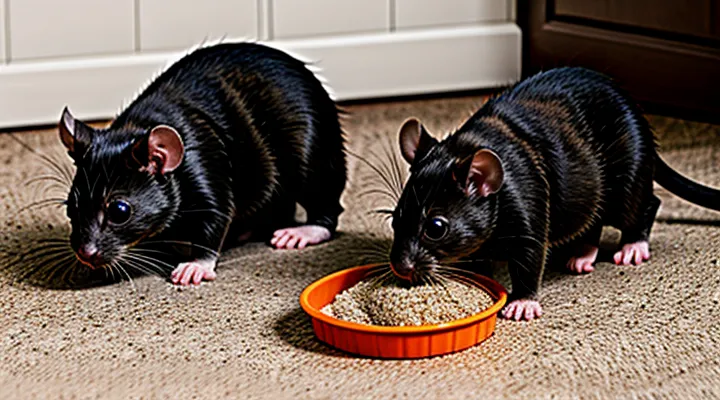
Understanding Rat Physiology and Habits
Rat Digestive System and Litter Consumption
Rats possess a short, highly acidic stomach that rapidly breaks down protein and carbohydrate matter. Food passes from the stomach into a relatively long small intestine where enzymes absorb nutrients, then into a large cecum that ferments fiber, and finally through the colon and rectum for water reabsorption and waste elimination.
The gastrointestinal tract is designed for organic material; it lacks mechanisms to extract energy or nutrients from inorganic substances. When rats ingest non‑nutritive particles—a behavior known as pica—those particles travel unchanged through the stomach and intestines and are expelled in the feces. However, sharp or bulky particles can cause mechanical irritation or blockage, especially in the narrow cecal and colon regions.
Cat litter typically consists of one or more of the following components:
- Bentonite or other clays (highly absorbent, fine particles)
- Silica gel crystals (hard, abrasive)
- Recycled paper or wood pellets (fibrous, low density)
If a rat consumes any of these materials, the following outcomes are common:
- Fine clay particles pass through the digestive tract without absorption, potentially forming a gritty stool.
- Silica crystals may abrade the mucosal lining, leading to inflammation or ulceration.
- Fibrous paper or wood can expand with moisture, increasing the risk of intestinal obstruction.
Observational data indicate that accidental ingestion of litter does not provide nutritional benefit and may precipitate gastrointestinal distress, reduced feed intake, and weight loss. Chronic exposure raises the probability of severe impaction, which often requires veterinary intervention.
To minimize risk, keep feline litter confined to sealed containers, provide rats with dedicated bedding such as aspen shavings or paper-based products, and monitor for signs of abnormal stool or reduced activity. Prompt removal of any litter fragments from the rat’s environment reduces the likelihood of ingestion and associated health complications.
Rat Respiratory System and Dust Sensitivity
Rats possess a highly efficient respiratory system designed for rapid gas exchange. Air enters through the nasal passages, passes the nasal turbinates, and reaches the lungs via a short trachea. The lungs contain numerous alveolar sacs surrounded by a delicate capillary network, allowing oxygen to diffuse quickly into the bloodstream. This anatomical arrangement renders the respiratory tract vulnerable to particulate matter that can obstruct airflow or irritate the mucosal lining.
Cat litter typically consists of fine granules formed from clay, silica, wood, or recycled paper. When disturbed, these materials generate airborne dust particles ranging from 1 µm to 10 µm in diameter. Such particles can:
- Penetrate the nasal turbinates and reach the lower respiratory tract.
- Trigger inflammation of the respiratory epithelium.
- Reduce mucociliary clearance, increasing the risk of secondary infections.
- Exacerbate pre‑existing conditions such as asthma or chronic bronchitis.
Experimental observations indicate that prolonged exposure to high‑dust litters correlates with increased incidence of respiratory distress, sneezing, and reduced activity levels in laboratory rats. Low‑dust alternatives—clumping silica‑free litter, paper‑based products, or wood pellets—produce substantially fewer airborne particles, thereby mitigating the described risks.
When evaluating the appropriateness of cat litter for rodent housing, the primary consideration should be the litter’s dust output relative to the rat’s respiratory sensitivity. Selecting a low‑dust substrate minimizes irritation, supports normal breathing function, and promotes overall health.
Natural Rat Urination and Defecation Habits
Rats habitually designate specific zones for elimination, often near the corners of burrows or concealed areas that provide privacy. They deposit urine in small, frequent droplets, typically every 30–60 minutes, while feces are produced in short, pellet‑shaped clusters. The pellets measure 5–10 mm in length, are dry, and contain minimal moisture, facilitating rapid dispersal and reduced odor.
Key characteristics of natural rat elimination:
- Preference for soft, absorbent substrates that retain moisture without becoming saturated.
- Aversion to strong scents; rats avoid materials with pronounced chemical odors.
- Tendency to cluster waste in confined, low‑traffic locations, minimizing exposure to predators.
- Use of urine as a territorial marker, often applied to vertical surfaces as well as horizontal bedding.
These behaviors indicate that a granular, low‑odor, clumping medium can accommodate rat waste effectively. The medium must allow rapid absorption of urine droplets while maintaining a dry surface for pellet formation. Materials that remain loose under moisture, do not emit strong fragrances, and provide a stable footing support the rats’ instinctive placement of waste. Consequently, an appropriate absorbent substrate can align with rats’ innate elimination patterns, enabling them to use it similarly to how they would natural bedding.
Cat Litter Composition and Its Impact on Rats
Types of Cat Litter Materials
Clay-Based Litters and Dust Particles
Clay‑based cat litters consist primarily of bentonite or other absorbent clays that form hard clumps when wet. The granules are fine enough to allow easy digging, which mimics a natural burrowing substrate for rodents. However, the same particle size that facilitates clumping also generates airborne dust during handling and when the litter dries. Studies on rodent respiratory health show that chronic exposure to fine particulate matter can irritate nasal passages and lower airways, potentially leading to inflammation or infection. Therefore, while the physical structure of clay litter supports digging behavior, the dust component poses a measurable health risk for rats.
Key considerations for using clay litter with rats:
- Dust emission: High dust levels during placement and after clumping increase inhalation exposure.
- Absorption capacity: Clumping action may retain urine, reducing odor but also creating moist zones that can harbor bacteria if not changed frequently.
- Material hardness: Excessively compacted clumps can impede natural paw movement and cause foot injuries.
- Cleaning frequency: To limit dust and moisture buildup, litter must be sifted or replaced daily, which adds labor compared to low‑maintenance alternatives.
When evaluating the practicality of cat litter for rodent habitats, balance the benefits of a diggable substrate against the documented respiratory hazards of dust. Selecting low‑dust formulations or switching to alternative bedding materials reduces health concerns while preserving the functional advantages of a granular medium.
Silica Gel Litters and Ingestion Risks
Silica gel cat litters consist of crystallized silica particles that absorb moisture by converting it into a gel. The granules are chemically inert, lightweight, and designed to clump minimally while retaining fluid.
Rats that explore a litter box may chew or swallow the granules while searching for nesting material or food residues. Their gnawing habit increases the likelihood of accidental ingestion.
Risks associated with consumption of silica gel litters include:
- Mechanical irritation of the gastrointestinal tract, leading to ulceration or blockage.
- Absorption of water from the intestines, causing dehydration and electrolyte imbalance.
- Potential for chronic inflammation due to abrasive particles.
- Limited nutritional value, resulting in malnutrition if the litter replaces normal food sources.
To mitigate these hazards, keep silica‑based litter out of reach of pet rodents, use sealed containers, and clean the area promptly. Replace silica gel with alternatives such as paper‑based or wood pellet litters that are non‑toxic and less likely to be ingested. Regular health checks can detect early signs of gastrointestinal distress, allowing prompt veterinary intervention.
Recycled Paper Litters and Potential Additives
Recycled paper litters consist of shredded, post‑consumer paper that has been processed into a low‑dust, highly absorbent medium. The material retains cellulose fibers, providing a soft texture that reduces the likelihood of paw irritation in small rodents. Absorbency rates typically exceed 80 % of the litter’s weight, allowing rapid containment of urine and feces without excessive clumping, which can impede a rat’s natural digging behavior.
Potential additives aim to enhance odor control, antimicrobial protection, or structural integrity. Commonly employed substances include:
- Sodium bicarbonate – neutralizes ammonia, limits odor buildup.
- Zeolite granules – adsorb moisture and ammonia, extend litter lifespan.
- Essential‑oil extracts (e.g., lavender, eucalyptus) – provide mild fragrance; concentrations must remain below 0.1 % to avoid respiratory irritation.
- Plant‑based binding agents – improve cohesion for clumping formulations; typically derived from corn or wheat starch.
Safety considerations focus on ingestion risk and respiratory exposure. Recycled paper itself is non‑toxic, but additives must be vetted for rodent compatibility. Sodium bicarbonate is generally safe at low levels, while essential‑oil compounds can provoke allergic reactions in susceptible individuals. Zeolite particles larger than 250 µm may cause inhalation hazards; manufacturers often grade the material to a finer mesh.
Empirical observations indicate that rats tolerate recycled paper litters with minimal adverse effects when additives remain within established safety thresholds. The low‑dust environment supports respiratory health, and the absorbent matrix maintains dry bedding conditions essential for preventing skin infections. Proper monitoring of litter condition and periodic replacement preserve these benefits over time.
Wood Pellet Litters and Phenolic Compounds
Wood pellet litter, derived from compressed sawdust, offers low dust, high absorbency, and a compact form that reduces bedding volume in rodent enclosures. Its composition lacks the clumping agents found in many clay litters, which minimizes the risk of ingestion of foreign particles by small mammals. The physical structure allows rats to dig and create nests without the litter disintegrating into fine particles that could be inhaled.
Phenolic compounds are present in some wood pellet formulations as a by‑product of the pulping process or as added preservatives. These chemicals exhibit antimicrobial activity, which can suppress bacterial growth in the bedding environment. However, phenols can be irritants to mucous membranes and may cause respiratory or dermal reactions if concentrations exceed safe thresholds. Laboratory assessments indicate that exposure to phenolic levels above 0.5 mg kg⁻¹ of body weight can produce measurable inflammatory responses in rodents.
Key factors for evaluating wood pellet litter for rat use include:
- Dust generation: Minimal dust reduces the likelihood of respiratory irritation.
- Phenolic content: Preference for low‑phenol or phenol‑free products limits toxic exposure.
- Absorbency: High moisture retention capacity maintains a dry substrate, decreasing pathogen proliferation.
- Palatability: Non‑edible, non‑attractive texture discourages gnawing and ingestion.
When selecting a wood pellet bedding, verify the manufacturer’s safety data sheet for phenolic concentrations and confirm that the product complies with animal‑research standards. Providing a dry, low‑dust environment without excessive phenolic exposure supports the health and welfare of rats housed with this type of cat litter alternative.
Absorbency and Odor Control in Cat Litters
Ammonia Buildup and Respiratory Irritation
Ammonia accumulates in clumping cat litter as urine breaks down, creating a volatile compound that irritates the respiratory tract of small mammals. Rats exposed to concentrations above 25 ppm experience nasal mucosa inflammation, coughing, and reduced oxygen exchange. Continuous exposure can lead to chronic bronchitis and decreased immune function.
Key factors influencing ammonia levels:
- Moisture content: higher humidity accelerates urea hydrolysis.
- Litter composition: clay‑based and silica gel varieties release less ammonia than plant‑based or scented products.
- Ventilation: airflow below 0.5 m³ min⁻¹ per cage permits rapid gas buildup.
- Cleaning frequency: removal of soiled litter at least every 48 hours prevents peak concentrations.
Mitigation strategies for rat habitats that incorporate feline bedding:
- Select low‑odor, unscented, silica‑gel litter designed for small‑animal use.
- Implement a schedule to replace or sift litter daily, especially in multi‑rat enclosures.
- Install a passive ventilation system or place cages near a fresh‑air source to maintain ammonia below 10 ppm.
- Monitor air quality with a handheld ammonia meter; adjust cleaning intervals when readings approach 15 ppm.
Proper management of ammonia eliminates respiratory irritation, ensuring that using cat litter does not compromise rat health.
Health Risks Associated with Rats Using Cat Litter
Respiratory Issues and Lung Damage
Dust Inhalation and Allergic Reactions
Dust generated by clumping cat litter can become airborne during handling, cleaning, or when rats move through the substrate. Inhaled particles irritate the respiratory tract, leading to sneezing, nasal discharge, and reduced airflow. Chronic exposure may cause bronchial inflammation and predispose rats to lower‑respiratory infections.
Allergic reactions arise when immune cells recognize litter components—such as silica, fragrance oils, or plant‑based fibers—as foreign. Sensitisation manifests as skin redness, itching, or swelling around the paws and tail base, as well as respiratory signs like wheezing and labored breathing. Human caretakers are also at risk for similar symptoms, especially if they have pre‑existing asthma or dust allergies.
Mitigation measures:
- Choose dust‑free, non‑clumping substrates formulated for small rodents.
- Replace litter daily; avoid bulk changes that stir settled particles.
- Perform cleaning in a well‑ventilated area or use a respiratory mask.
- Observe rats for signs of irritation; discontinue use of any litter that provokes symptoms.
Monitoring respiratory health through regular visual checks and, when necessary, veterinary examination helps detect early adverse effects. Selecting low‑dust, hypoallergenic litter reduces the likelihood of both inhalation injury and allergic response, supporting the welfare of rats and their handlers.
Gastrointestinal Problems from Ingestion
Blockages and Toxicity from Litter Components
Rats that encounter cat litter may ingest or inhale its particles while searching for nesting material or food. Certain litter components can obstruct the gastrointestinal tract, leading to severe health complications. Clumping clay, silica crystals, and biodegradable plant fibers are especially prone to forming solid masses in the stomach or intestines. Once lodged, these materials impede nutrient absorption and can cause perforation, requiring immediate veterinary intervention.
Inhalation of fine dust from silica‑based or clay litter can damage respiratory tissues. Chronic exposure results in inflammation, reduced lung capacity, and heightened susceptibility to infections. Toxicity arises when litter contains additives such as fragrance oils, antimicrobial agents, or chemical binders; these substances may be absorbed through the mucous membranes or digestive system, producing organ toxicity and behavioral changes.
Key litter components that present blockage or toxicity risks:
- Clumping bentonite clay – forms hard aggregates in the digestive tract.
- Silica gel crystals – produce fine airborne particles and may irritate lung tissue.
- Plant‑based biodegradable pellets – can swell when wet, increasing the likelihood of intestinal obstruction.
- Fragrance and antimicrobial chemicals – potentially hepatotoxic and nephrotoxic upon absorption.
Preventive measures include selecting non‑clumping, dust‑free litter made from untreated paper or wood, regularly inspecting cages for stray litter, and monitoring rats for signs of gastrointestinal distress or respiratory difficulty. Prompt veterinary assessment is essential if symptoms such as vomiting, lethargy, or labored breathing appear.
Skin and Paw Irritation
Abrasive Materials and Chemical Irritants
Cat litter can serve as a floor substrate for rats, but its composition determines whether it is safe and functional. Two critical categories—abrasive particles and chemical irritants—directly influence rats’ ability to use the material for waste elimination and nesting.
- Bentonite clay: fine granules that expand when wet, creating a low‑abrasion surface.
- Silica gel: hard, sharp crystals that can cause micro‑abrasions to paws and skin.
- Wood shavings: coarse fibers that may wear down pads with repeated contact.
- Paper pellets: soft, low‑abrasion particles suitable for delicate paws.
Chemical irritants commonly added to litter include:
- Sodium carbonate: raises pH, potentially causing skin dryness.
- Perfumed additives: contain volatile organic compounds that irritate nasal passages.
- Antibacterial agents (e.g., triclosan): may disrupt skin microbiota and provoke dermatitis.
Abrasive particles increase the risk of paw injuries, leading to limping or avoidance of the litter area. Chemical irritants can provoke sneezing, eye irritation, or respiratory inflammation, prompting rats to seek alternative sites for elimination. Both factors may reduce litter usage efficiency and elevate stress levels.
When selecting a substrate for rats, prioritize low‑abrasion, unscented, chemically inert materials such as paper‑based or fine‑clumping clay formulations. Verify the absence of sharp crystals and added fragrances. Regular monitoring of paw condition and respiratory health confirms suitability, ensuring that rats can comfortably and safely interact with the litter.
Safe and Effective Litter Box Solutions for Rats
Recommended Litter Types for Rats
Paper-Based Bedding
Paper‑based bedding consists of compressed cellulose fibers, often recycled newspaper or wood pulp, that expands when exposed to moisture. The material is soft, absorbent, and dust‑free, characteristics that make it attractive for small‑animal enclosures.
Rats placed in enclosures filled with paper bedding typically exhibit normal nesting behavior. The fibers allow easy manipulation for building nests, while the low dust level reduces respiratory irritation. When the same product is offered as a cat‑litter alternative, rats can dig, cover waste, and maintain hygiene without adverse health effects.
Key considerations for using paper‑based cat litter with rats:
- Absorbency: retains moisture, prevents urine pooling.
- Texture: fine enough for digging yet not abrasive.
- Dust production: minimal, protects respiratory tract.
- Chemical additives: avoid litters scented or treated with clumping agents, which can be toxic.
Overall, paper‑based litter provides a viable substrate for rats, supporting natural behaviors and maintaining a clean environment when free of harmful additives.
Hemp-Based Bedding
Rats can be housed with a variety of substrate options, and hemp‑based bedding presents a viable alternative to traditional cat litter. Hemp fibers consist of cellulose and lignin, giving the material high absorbency and rapid moisture wicking. The structure allows solid waste to be trapped while liquid waste spreads evenly, reducing the likelihood of soggy patches.
Health considerations focus on dust production and ingestion risk. Hemp bedding generates minimal airborne particles compared to wood shavings, lowering respiratory irritation. The fibers are non‑toxic; accidental chewing typically does not cause gastrointestinal blockage, though excessive consumption should be monitored.
Compared with standard cat litter, hemp bedding lacks clumping agents and strong chemical deodorizers. Odor control relies on natural absorbency and the plant’s inherent antimicrobial properties. The absence of scented additives eliminates potential chemical exposure for sensitive rodents.
Practical guidelines for implementation:
- Place a 2‑3 cm layer at the bottom of the cage; increase depth if the enclosure lacks a drainage tray.
- Remove soiled sections daily; replace with fresh material weekly to maintain dryness.
- Avoid mixing hemp with other substrates that produce high dust, such as pine pellets.
- Inspect for compacted areas after cleaning; lightly fluff the bedding to restore airflow.
Overall, hemp‑based bedding meets the moisture management, safety, and comfort criteria required for rat habitats, offering a natural, low‑dust solution that aligns with the functional demands of a substrate originally designed for feline waste control.
Aspen Shavings (Dust-Free)
Aspen shavings marketed as dust‑free provide a dry, absorbent substrate that can replace traditional cat litter for pet rats. The material’s low particulate content reduces respiratory irritation, a common concern with clumping or silica‑based litters. Its natural composition decomposes slowly, limiting the need for frequent complete changes and helping maintain stable humidity levels within a cage.
Key characteristics relevant to rat housing:
- Absorbency: retains urine and moisture without forming hard clumps, allowing rats to dig and nest freely.
- Dust level: minimal airborne particles, decreasing the risk of respiratory infections.
- Odor control: mild scent neutralizes waste odors, though supplemental deodorizing agents may be required for larger colonies.
- Safety: free of chemicals and sharp fragments, preventing ingestion or injury.
Potential drawbacks include higher cost compared to bulk cat litter and slower breakdown, which may demand periodic removal of soiled sections. When evaluating whether rats can be accommodated with cat litter alternatives, dust‑free Aspen shavings meet most health and behavioral criteria, making them a viable option for responsible rodent care.
Proper Litter Box Maintenance for Rats
Daily Spot Cleaning
Rats introduced to a substrate typically designed for felines require regular maintenance to remain viable. Daily spot cleaning directly influences odor levels, moisture accumulation, and the overall sanitary condition of the litter area, all of which affect a rat’s willingness to use the material.
Effective spot cleaning focuses on removing fresh waste before it contacts the surrounding granules. This prevents clumping, reduces bacterial growth, and limits the release of ammonia, which can deter rodents. Consistent removal of visible droppings also minimizes the visual cues that might prompt rats to avoid the litter.
- Inspect the litter box each morning; locate any newly deposited clumps.
- Use a small scoop or spoon to extract clumps, placing them in a sealed container.
- Wipe the immediate surface with a damp, unscented cloth to eliminate residue.
- Replace the removed volume with fresh litter to maintain depth.
- Record the time of cleaning to ensure a consistent daily interval.
When spot cleaning is performed at the same time each day, rats develop a predictable environment. The reduced scent and moisture encourage exploration and usage of the cat litter, reinforcing the substrate’s suitability for rodent habitation. Regular, targeted removal of waste therefore supports both hygiene and behavioral acceptance.
Regular Full Litter Changes
Using cat litter for pet rats raises hygiene concerns that can be mitigated only by frequent complete litter replacements. A full change eliminates accumulated urine, feces, and dust, which otherwise create a breeding ground for pathogens and respiratory irritants. Rats are highly sensitive to ammonia and fine particulate matter; allowing waste to linger increases the risk of respiratory infections and skin irritation.
Regular full litter changes also preserve the litter’s absorbent capacity. Once saturated, the material loses its ability to control moisture, leading to clumping, odor buildup, and a higher likelihood of rats digging through the substrate, potentially exposing them to contaminated surfaces. Consistent turnover maintains a dry, odor‑free environment that supports normal grooming and respiratory health.
Recommended practice for full litter replacement:
- Perform a complete change every 3–5 days for clumping or silica‑based cat litter; adjust to daily changes if a non‑clumping, low‑dust formula is used.
- Remove all waste, disinfect the cage with a rodent‑safe sanitizer, rinse thoroughly, and allow the surface to dry before adding fresh litter.
- Use a litter depth of 1–2 inches to provide adequate bedding while preventing excessive dust accumulation.
- Monitor the litter for discoloration or odor; replace sooner if either appears.
Adhering to these intervals ensures that cat litter remains a viable substrate for rats without compromising their health or comfort.
Training Rats to Use a Litter Box
Placement and Encouragement Techniques
Rats can be trained to use cat litter when the substrate is positioned correctly and reinforced with consistent cues.
Place the litter box in locations where rats naturally congregate, such as near food stations, nesting corners, or behind shelter structures. Ensure the box is low‑profile, allowing easy entry and exit without climbing. Use a shallow tray with a thin layer of non‑clumping, dust‑free litter to prevent spillage and maintain hygiene.
Encourage use through the following techniques:
- Introduce a small amount of familiar bedding material into the litter to create a recognizable scent.
- Offer a treat or a piece of fresh food immediately after the rat steps into the box, creating a positive association.
- Perform brief, gentle tapping on the litter surface to generate subtle vibrations that attract the rat’s attention.
- Maintain a consistent cleaning schedule, removing waste daily while leaving a few droppings to reinforce the box as a designated elimination area.
By combining strategic placement with reinforcement methods, owners can reliably guide rats to adopt cat litter as a sanitary and manageable solution.