
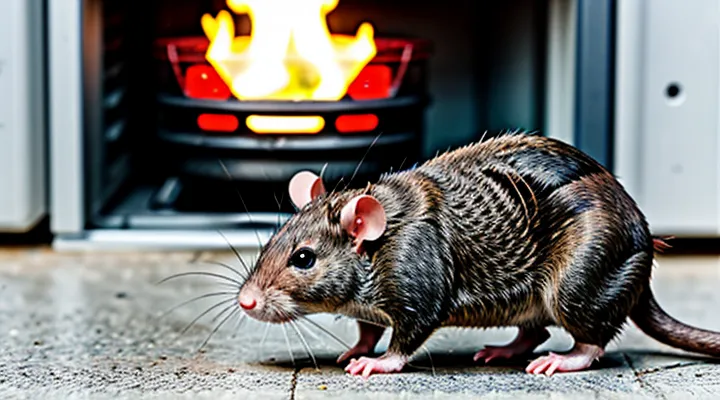
Understanding Rat Body Temperature
Normal Body Temperature Ranges
Core Body Temperature
Core body temperature in rats refers to the temperature of internal organs and blood, typically measured in the thoracic cavity or rectum. Under standard laboratory conditions, adult rats maintain a mean core temperature between 36.5 °C and 38.5 °C, with brief fluctuations of ±0.5 °C in response to environmental changes.
Measurement techniques include calibrated rectal probes, implanted telemetry devices, and infrared thermography focused on the abdominal region. Telemetry provides continuous data with minimal handling stress, preserving physiological integrity.
Thermoregulatory processes that stabilize core temperature comprise:
- Shivering thermogenesis through skeletal muscle activation.
- Non‑shivering thermogenesis driven by uncoupling protein‑1 in brown adipose tissue.
- Cutaneous vasoconstriction and vasodilation regulating heat loss.
- Behavioral adjustments such as nesting, huddling, and relocation to warmer or cooler zones.
External and internal factors modulating core temperature are:
- Ambient temperature: exposure below the thermoneutral zone (~28–30 °C) triggers heat‑production mechanisms; temperatures above this zone activate evaporative cooling and peripheral vasodilation.
- Circadian rhythm: peak values occur during the dark phase, troughs during the light phase.
- Stressors: handling, restraint, and pharmacological agents can cause transient hyperthermia or hypothermia.
- Age and body mass: younger or lighter animals exhibit greater temperature variability.
- Metabolic rate: fasting reduces heat production, whereas post‑prandial digestion elevates it.
Experimental protocols must maintain ambient conditions within the thermoneutral range, employ reliable temperature monitoring, and account for circadian timing to avoid confounding effects on physiological outcomes.
Variations in Temperature
Temperature regulation in rats exhibits measurable fluctuations that reflect physiological status, environmental conditions, and experimental variables. Core body temperature typically stabilizes between 37 °C and 38 °C under standard laboratory conditions, with peripheral temperatures lagging by 1–2 °C. Deviations outside this interval indicate either thermoregulatory stress or pathological processes.
Observed temperature variations can be grouped as follows:
- Circadian rhythm: temperature peaks during the early dark phase and reaches a trough in the late light phase.
- Seasonal shift: ambient cooling in winter lowers baseline core temperature by 0.3–0.5 °C; summer heat raises it correspondingly.
- Developmental stage: neonates maintain temperatures 1–2 °C below adult levels; aged rats display reduced thermogenic capacity, resulting in lower nocturnal peaks.
- Sex and hormonal status: estrous cycle phases produce transient increases of up to 0.2 °C in females; males show a modestly higher average temperature.
- Strain differences: laboratory strains such as Sprague‑Dawley and Wistar differ by 0.1–0.3 °C in baseline values.
- Acute stressors: handling, restraint, or exposure to novel environments generate short‑term hyperthermia of 0.5–1.0 °C.
Thermoregulatory mechanisms underlying these fluctuations include cutaneous vasoconstriction and vasodilation, activation of brown adipose tissue via sympathetic innervation, and behavioral responses such as nesting or seeking cooler surfaces. Heat dissipation relies on evaporative cooling through panting and licking, while heat production is modulated by shivering and non‑shivering thermogenesis.
For experimental precision, researchers must standardize ambient temperature, control lighting cycles, and record measurements at consistent circadian points. Reporting temperature ranges alongside methodological details ensures reproducibility and facilitates interpretation of physiological outcomes.
Circadian Rhythms
Circadian timing aligns body‑temperature fluctuations with the rat’s activity cycle. The internal clock generates a predictable rise in core temperature during the nocturnal phase, when locomotor and feeding behaviors intensify, and a decline during the light phase, when the animal rests.
Typical core‑temperature values range from approximately 36.5 °C in the resting period to 37.5 °C at the peak of activity. These figures represent the normal thermal profile for adult laboratory rats housed under standard lighting conditions.
The rhythm originates in the suprachiasmatic nucleus, which modulates autonomic pathways that affect:
- Brown‑adipose‑tissue thermogenesis
- Peripheral vasoconstriction and vasodilation
- Behavioral responses such as nest building and huddling
These mechanisms together maintain the daily temperature pattern while allowing rapid adjustments to external thermal challenges.
Ambient temperature shifts alter the amplitude of the cycle but preserve its phase. When the environment cools, the set point remains circadian; heat production increases, and vasoconstriction intensifies. Conversely, warming reduces heat‑generating activity and promotes vasodilation, yet the timing of the peak and trough persists.
Experimental protocols must account for circadian phase. Accurate temperature recording requires continuous telemetry or frequent sampling at defined Zeitgeber times, consistent light‑dark cycles, and control of housing temperature to avoid confounding the intrinsic rhythm.
Age-Related Differences
Age influences the set points and regulatory capacity of body temperature in laboratory rats. Neonatal rodents maintain a higher core temperature than adults, reflecting elevated metabolic heat production required for rapid growth. As rats mature, basal temperature declines to a stable range that aligns with the thermoneutral zone for adult physiology.
Thermoregulatory efficiency improves with development. Juvenile rats exhibit limited vasomotor responses, relying heavily on shivering thermogenesis. Adult rats display robust cutaneous vasodilation and vasoconstriction, allowing precise adjustments to ambient fluctuations. In aged individuals, peripheral vascular responsiveness diminishes, resulting in slower heat loss or gain and increased susceptibility to hypothermia and hyperthermia.
Key age‑related trends include:
- Core temperature baseline: neonatal > adult ≈ aged.
- Metabolic heat production: highest in early life, declines with age, modestly reduced in seniors.
- Shivering threshold: lower in juveniles, rises in adults, further elevated in the elderly.
- Cutaneous blood flow modulation: immature in young rats, optimal in adults, attenuated in aged rats.
- Behavioral thermoregulation: increased reliance on environmental selection in older animals due to reduced physiological compensation.
Understanding these developmental and senescent patterns is essential for interpreting experimental data, selecting appropriate ambient conditions, and ensuring animal welfare across the lifespan.
Factors Influencing Body Temperature
Environmental Temperature
Environmental temperature determines the thermal gradient between a rat’s body and its surroundings, directly influencing the animal’s ability to maintain a stable core temperature. When ambient conditions fall outside the thermoneutral zone, physiological mechanisms are activated to restore homeostasis.
Typical laboratory conditions keep ambient temperature within 20 °C–26 °C. Within this range, rats experience minimal metabolic strain. Temperatures below 20 °C trigger heat‑conserving responses; temperatures above 26 °C initiate heat‑dissipating mechanisms.
- Thermoneutral zone: 22 °C–26 °C – metabolic rate remains basal.
- Lower critical temperature (LCT): ≈ 20 °C – onset of shivering thermogenesis, peripheral vasoconstriction, increased brown adipose tissue activity.
- Upper critical temperature (UCT): ≈ 30 °C – activation of panting, evaporative cooling, peripheral vasodilation.
Physiological adjustments include altered heart rate, respiratory frequency, and behavioral changes such as nesting or seeking cooler surfaces. These responses are quantifiable through telemetry, rectal probes, or infrared thermography, providing objective data on thermoregulatory performance.
Experimental protocols must regulate ambient temperature precisely, monitor fluctuations, and report conditions alongside physiological measurements. Consistent environmental control ensures reproducibility and accurate interpretation of thermal physiology in rodent studies.
Humidity
Humidity constitutes a primary external variable that modifies heat exchange in rats. Moisture content of the air influences evaporative cooling, respiratory heat loss, and skin conductance, thereby altering the set point that the animal’s thermoregulatory system maintains.
Typical laboratory conditions maintain relative humidity between 40 % and 60 %. Values below 30 % increase evaporative water loss, raise metabolic heat production, and can provoke compensatory vasoconstriction. Values above 70 % diminish evaporative cooling efficiency, elevate skin temperature, and may trigger behavioral heat‑seeking actions.
The interaction between humidity and temperature regulation manifests in several physiological responses:
- Respiratory water vapor loss rises with low humidity, augmenting heat dissipation through the lungs.
- Skin surface temperature climbs when humidity is high, reducing the gradient for conductive heat loss.
- Metabolic rate adjusts upward in dry environments to offset increased heat loss, and downward in moist environments to prevent overheating.
- Behavioral thermoregulation (e.g., nesting, repositioning) intensifies under extreme humidity levels to maintain core temperature.
Maintaining humidity within the recommended range stabilizes core temperature, minimizes metabolic fluctuations, and improves reproducibility of experimental data. Deviations demand monitoring of body temperature, respiratory rate, and activity patterns to detect thermoregulatory stress.
Activity Levels
Rats maintain core temperature through a balance between metabolic heat production and heat loss, and spontaneous activity is a primary driver of this balance. During locomotion, grooming, or exploratory behavior, muscle contraction raises internal heat; the magnitude of the rise correlates with speed, duration, and intensity of the activity. Conversely, periods of rest or sleep reduce metabolic output, allowing passive cooling mechanisms to dominate. Ambient temperature modulates the effect: at lower environmental temperatures, increased activity compensates for heat loss, while at higher temperatures, excessive activity can precipitate hyperthermia unless behavioral thermoregulatory responses (e.g., seeking shade, reducing movement) intervene.
Key implications for experimental design and interpretation:
- Baseline activity levels must be recorded alongside temperature measurements to distinguish thermogenic from environmental effects.
- Acute stressors that elevate locomotor activity (e.g., handling, novel arena) can transiently shift core temperature by 0.3–0.7 °C within minutes.
- Chronobiological patterns (nocturnal peaks) produce predictable temperature fluctuations; aligning data collection with these cycles improves reproducibility.
- Pharmacological agents affecting locomotion (stimulants, sedatives) alter thermoregulatory set points indirectly through altered activity, requiring dose‑dependent correction factors.
Stress and Emotional State
Stress and emotional state exert immediate and measurable effects on the thermal physiology of laboratory rats. Acute psychological stress triggers sympathetic activation, leading to peripheral vasoconstriction and a rapid rise in core temperature, often termed stress-induced hyperthermia. Chronic stress produces adaptive changes in hypothalamic set‑points, resulting in altered basal temperatures and reduced capacity for heat dissipation.
Key mechanisms linking affective condition to thermoregulation include:
- Activation of the hypothalamic‑pituitary‑adrenal axis, elevating corticosterone and modulating heat‑production pathways.
- Sympathetic nervous system stimulation, increasing brown adipose tissue thermogenesis.
- Behavioral adjustments such as reduced grooming or altered nest‑building, influencing heat loss.
Experimental data show that exposure to predator odors or restraint elevates rectal temperature by 0.5–1.2 °C within minutes. Conversely, prolonged depressive‑like states, induced by chronic mild stress protocols, lower basal temperature by 0.3–0.6 °C and blunt the febrile response to lipopolysaccharide challenge.
Interpretation of temperature measurements in rats must therefore account for the animal’s current emotional condition. Baseline recordings should be obtained after a habituation period, and any deviation from established norm ranges should be cross‑checked with behavioral indicators of stress or anxiety. Integrating physiological and affective metrics enhances the reliability of thermoregulatory assessments and supports accurate extrapolation to broader biomedical contexts.
Thermoregulation Mechanisms in Rats
Heat Production Mechanisms
Metabolic Processes
Rats maintain a stable core temperature through tightly regulated metabolic activity. Basal metabolic rate (BMR) provides the heat necessary to offset passive heat loss at thermoneutral ambient conditions (approximately 28–30 °C for adult laboratory rats). When ambient temperature deviates from this range, metabolic adjustments occur rapidly.
Elevated ambient cold triggers increased heat production via several mechanisms:
- Enhanced glycolytic flux in skeletal muscle, raising ATP turnover and associated thermogenesis.
- Up‑regulation of mitochondrial uncoupling protein 1 (UCP1) in brown adipose tissue, dissipating proton gradients as heat rather than ATP.
- Stimulation of fatty acid oxidation in liver and muscle, supplying additional substrate for oxidative phosphorylation.
- Activation of the sympathetic nervous system, releasing norepinephrine that amplifies the above pathways.
Conversely, exposure to temperatures above thermoneutrality suppresses metabolic heat generation. Key responses include:
- Reduced sympathetic outflow, lowering norepinephrine‑driven thermogenic activity.
- Decreased expression of UCP1 and other uncoupling proteins, conserving energy.
- Shift toward carbohydrate sparing, with a greater proportion of energy allocated to evaporative cooling mechanisms such as panting and salivation.
Metabolic heat production integrates with behavioral strategies (e.g., nest building, huddling) to fine‑tune body temperature. Experimental measurements of oxygen consumption (VO₂) and carbon dioxide production (VCO₂) reliably quantify these metabolic shifts, establishing normative ranges for different age groups, sexes, and strain variations.
Understanding these metabolic processes is essential for interpreting physiological data, designing temperature‑controlled experiments, and assessing the impact of pharmacological agents that modify energy expenditure in rodent models.
Shivering Thermogenesis
Shivering thermogenesis is the rapid, synchronous contraction of skeletal muscle fibers that generates heat when ambient temperature falls below the lower critical limit for rats. Activation occurs at core temperatures around 35 °C, coinciding with the onset of autonomic responses that maintain normothermia.
The process relies on high‑energy ATP hydrolysis; each contraction converts chemical energy into thermal energy, raising core temperature by 1–2 °C within minutes. Muscle glycogen stores provide the substrate, and the metabolic rate can increase three‑fold compared with resting conditions.
Neural control originates in preoptic hypothalamic thermoreceptors that detect cooling. Signals descend through the dorsomedial hypothalamus to spinal interneurons, which recruit alpha‑motor neurons innervating fast‑twitch fibers. Reflex pathways ensure immediate response without cortical involvement.
Shivering operates alongside non‑shivering mechanisms, chiefly brown adipose tissue (BAT) oxidation. While BAT contributes sustained heat through uncoupled mitochondrial respiration, shivering supplies an acute burst of warmth, especially during abrupt temperature drops. The two systems are coordinated: BAT activity rises after shivering subsides, extending the thermogenic response.
Experimental observations in laboratory rats show:
- Oxygen consumption increases from ~150 ml kg⁻¹ h⁻¹ at thermoneutrality to >450 ml kg⁻¹ h⁻¹ during shivering.
- Core temperature rebounds to the normothermic range (≈37 °C) within 5–10 min of exposure to 5 °C.
- Pharmacological blockade of β‑adrenergic receptors diminishes BAT thermogenesis but leaves shivering intensity unchanged, confirming distinct pathways.
Acclimation to chronic cold reduces the shivering threshold by 0.5–1 °C and enhances BAT mass, indicating plasticity in the thermoregulatory network. Juvenile rats exhibit higher shivering frequencies than adults, reflecting developmental differences in muscle fiber composition.
Overall, shivering thermogenesis provides the immediate heat necessary to counteract rapid environmental cooling, integrates with central temperature control circuits, and interacts with sustained non‑shivering processes to preserve stable body temperature in rats.
Non-Shivering Thermogenesis
Non‑shivering thermogenesis (NST) constitutes the primary metabolic pathway by which rats generate heat without muscular activity. The process relies on brown adipose tissue (BAT), where mitochondrial uncoupling protein‑1 (UCP‑1) dissipates the proton gradient, releasing energy as heat. Activation of UCP‑1 is triggered by sympathetic nervous system outflow, chiefly via norepinephrine binding to β3‑adrenergic receptors on brown adipocytes.
In rats, NST becomes detectable when ambient temperature falls below the thermoneutral zone, approximately 28 °C. At temperatures between 20 °C and 10 °C, sympathetic stimulation intensifies, leading to:
- Elevated norepinephrine concentrations in BAT.
- Rapid transcription of the Ucp1 gene.
- Increased mitochondrial density and oxidative capacity.
- Augmented oxygen consumption independent of locomotor activity.
Thermoregulatory feedback involves hypothalamic temperature‑sensing neurons that modulate sympathetic tone. Cold exposure induces hypothalamic release of thyrotropin‑releasing hormone, which elevates circulating thyroid hormones; these hormones potentiate UCP‑1 expression and enhance substrate availability for oxidative phosphorylation.
Experimental measurements of NST in rats typically employ indirect calorimetry to assess resting metabolic rate (RMR) under controlled ambient temperatures. A rise in RMR of 30–50 % relative to thermoneutral conditions indicates active NST. Pharmacological blockade of β‑adrenergic receptors or genetic ablation of Ucp1 abolishes this increase, confirming the pathway’s dependence on sympathetic signaling and UCP‑1 function.
NST contributes to the maintenance of core body temperature during prolonged cold exposure, allowing rats to sustain normothermia without resorting to shivering thermogenesis, which would increase muscular workload. The capacity for NST varies with age, nutritional status, and acclimation history; neonatal rats display higher BAT mass and more robust NST, while adult rats exhibit a decline in brown adipocyte abundance.
Understanding NST in rats provides a model for investigating metabolic adaptations to cold and for exploring therapeutic targets related to energy expenditure and obesity in mammals.
Heat Dissipation Mechanisms
Vasodilation
Vasodilation is a primary mechanism by which rats adjust heat loss when ambient temperature exceeds their thermoneutral zone. The process involves relaxation of smooth muscle cells in cutaneous arterioles, increasing blood flow to the skin surface and enhancing convective and radiative heat dissipation.
During hyperthermic challenges, sympathetic cholinergic nerves release acetylcholine, which binds to endothelial muscarinic receptors and triggers nitric‑oxide (NO) synthesis. NO diffuses to adjacent vascular smooth muscle, activates guanylate cyclase, raises cyclic GMP levels, and induces vasorelaxation. The resultant rise in skin temperature can approach 38 °C, compared with core temperatures that remain within the normal rat range of 36.5–38 °C.
Key factors modulating vasodilatory capacity in rats:
- Environmental temperature: Progressive increases above 30 °C augment skin blood flow linearly until a plateau is reached near 35 °C.
- Hydration status: Dehydration reduces plasma volume, limiting the maximal cutaneous perfusion achievable through vasodilation.
- Age: Young adult rats display a 20‑30 % higher vasodilatory response than aged counterparts, reflecting age‑related endothelial dysfunction.
- Pharmacological agents: Administration of NO donors (e.g., sodium nitroprusside) amplifies skin blood flow, whereas β‑adrenergic antagonists have minimal impact on this specific pathway.
Experimental measurements commonly employ laser Doppler flowmetry or thermocouple probes placed on the dorsal skin. Data show that during a 5 °C rise in ambient temperature, cutaneous blood flow can double, while core temperature remains stable due to efficient heat exchange.
In summary, vasodilation provides rats with a rapid, reversible means to maintain thermal homeostasis when external heat load threatens core temperature stability. The interplay of neural, endothelial, and metabolic signals ensures precise regulation of skin perfusion, supporting the species’ ability to operate across a broad thermal spectrum.
Evaporative Cooling
Evaporative cooling constitutes a primary avenue for heat dissipation in rats when ambient temperatures exceed the thermoneutral zone. The process relies on the conversion of liquid water to vapor, extracting thermal energy from the body surface and reducing core temperature.
- Panting: rapid shallow breaths increase airflow over moist respiratory surfaces, promoting vapor loss.
- Saliva spreading: oral secretions are distributed across the tongue and oral mucosa, enhancing surface evaporation.
- Skin wetting: limited grooming behavior deposits saliva on fur, allowing localized evaporation from the coat.
Activation of evaporative mechanisms occurs at core temperatures above approximately 38 °C, corresponding to environmental temperatures near 30 °C with high humidity. Under these conditions, rats can lower core temperature by 1–2 °C within minutes, provided sufficient water availability.
Efficiency of evaporative cooling depends on:
- Ambient humidity: lower relative humidity increases vapor pressure gradient, enhancing heat loss.
- Water supply: unrestricted access to drinking water or moist bedding supports continuous saliva production.
- Fur density and length: dense, long fur impedes vapor diffusion, reducing cooling capacity.
- Physiological state: dehydration or metabolic stress diminishes respiratory and salivary output, limiting evaporative potential.
Understanding these parameters allows precise prediction of rat thermoregulatory responses during experimental heat challenges and informs the design of housing conditions that maintain physiological temperature stability.
Saliva Spreading
Saliva spreading in rats constitutes a behavioral response that directly influences heat loss. When a rat deposits saliva on its fur and subsequently grooms, the liquid evaporates, extracting thermal energy from the skin surface. This evaporative process reduces cutaneous temperature without invoking metabolic heat production.
The mechanism operates alongside autonomic thermoregulatory pathways. Peripheral vasodilation increases blood flow to the skin, while saliva provides an additional conductive and evaporative conduit. Experimental measurements show that rats maintained at ambient temperatures of 30 °C exhibit a 0.5–1.0 °C drop in skin temperature within five minutes of initiating grooming that includes saliva application.
Key observations:
- Saliva volume delivered during grooming averages 0.2 ml per session, sufficient to cover the dorsal coat.
- Evaporation rates rise with ambient humidity below 60 %, enhancing cooling efficiency.
- In heat‑challenged rats, saliva spreading lowers core temperature by up to 0.4 °C compared with animals prevented from grooming.
- The behavior is suppressed under hypothermic conditions, indicating a temperature‑dependent regulatory trigger.
Overall, saliva spreading functions as an auxiliary cooling strategy that complements vascular and metabolic adjustments, extending the thermal tolerance range of rats during periods of elevated environmental temperature.
Increased Respiration Rate
In rats, an elevated respiration rate serves as an immediate response to ambient temperature changes that exceed the species’ thermoneutral zone. Hyperventilation enhances heat loss through evaporative cooling of the respiratory tract and accelerates carbon dioxide elimination, which together lower core temperature.
Key characteristics of this response include:
- Onset typically occurs when ambient temperature rises above 30 °C, although individual thresholds vary with body condition and acclimation.
- Respiratory frequency can increase three‑ to five‑fold relative to basal rates, reaching 150–200 breaths per minute in adult laboratory strains.
- The magnitude of the increase correlates with the gradient between skin temperature and ambient temperature, reflecting the drive to dissipate excess heat.
- Sympathetic activation and peripheral chemoreceptor signaling mediate the rapid adjustment, while central thermoregulatory nuclei coordinate the response with vasodilation and behavioral changes.
Monitoring respiration rate provides a reliable, non‑invasive indicator of thermal stress in experimental protocols and aids in establishing appropriate environmental conditions for rat colonies.
Behavioral Adaptations
Rats maintain core temperature through a suite of predictable behaviors that complement physiological mechanisms. When ambient conditions deviate from the optimal range, individuals adjust activity patterns, posture, and habitat use to minimize heat loss or gain.
- Nest construction – Rats gather dry material and compact it into insulated chambers; the resulting microenvironment reduces conductive and convective heat exchange.
- Group huddling – In cold environments, individuals cluster, sharing body heat and decreasing the surface area exposed to the surrounding air.
- Burrow selection – Preference for deeper, earth‑covered tunnels provides thermal stability, shielding occupants from rapid temperature fluctuations.
- Activity timing – Reduced locomotion during the coldest hours and increased foraging during warmer periods limit exposure to extreme temperatures.
- Postural adjustments – Curling the body, tucking the tail, and covering extremities diminish surface area, while spreading limbs and flattening the torso enhance heat dissipation in hot conditions.
- Water intake regulation – Elevated consumption during heat stress facilitates evaporative cooling through respiration and saliva spreading.
- Microclimate seeking – Rats move toward sunlit surfaces or shaded niches, exploiting localized temperature gradients to achieve rapid thermal balance.
These behavioral strategies operate in concert with autonomic responses such as vasomotor control and non‑shivering thermogenesis, forming an integrated system that preserves homeostasis across a broad environmental spectrum.
Seeking Cooler Environments
Rats maintain a narrow core temperature range despite fluctuations in ambient conditions. When the surrounding temperature exceeds the thermoneutral zone, they actively relocate to cooler microhabitats. This behavior reduces metabolic heat production and limits evaporative water loss.
Typical responses include:
- Seeking shaded areas or the lower levels of a cage where air is cooler.
- Entering burrows, tunnels, or nest boxes lined with insulating but breathable material.
- Drinking water or immersing paws in moist substrates to enhance conductive heat loss.
- Reducing activity levels and adopting a crouched posture to minimize heat generation.
Thermoregulatory adjustments are rapid; within minutes of exposure to elevated temperatures, rats increase exploratory movements toward cooler zones. Sensory cues such as skin temperature receptors and airflow detection trigger these migrations. The effectiveness of cooler environments depends on the temperature gradient; a difference of 2–3 °C between the ambient air and the chosen microhabitat can lower core temperature by 0.5–1 °C.
Laboratory housing designs that incorporate gradient plates, ventilated bedding, and accessible water sources support natural cooling behavior and help maintain physiological stability.
Huddling Behavior
Huddling behavior in rodents consists of the spontaneous aggregation of individuals into a compact formation that reduces exposed surface area. In rats, the arrangement typically involves dorsal contact and mutual grooming, which creates a shared microenvironment with elevated temperature relative to the surrounding air.
When ambient temperature falls below the thermoneutral range, huddling decreases conductive heat loss and raises the core temperature of each participant by 1–3 °C. The effect scales with group size: clusters of three to five individuals achieve the greatest temperature increment, while larger groups add marginal benefit. The posture adopted during huddling—head-to-tail alignment and ventral contact—optimizes heat exchange among the body surfaces that generate the most metabolic heat.
Experimental recordings show that rats maintained in a huddle sustain stable core temperatures at ambient conditions as low as 10 °C, whereas isolated individuals experience rapid hypothermia below 15 °C. The thermoregulatory set point shifts upward during huddling, allowing the animals to conserve metabolic energy that would otherwise be expended on shivering thermogenesis.
Factors modulating huddling intensity include:
- Ambient temperature gradient
- Individual metabolic rate
- Social hierarchy and kinship
- Availability of insulating nesting material
- Time of day (circadian variation in body temperature)
Understanding these parameters clarifies how collective behavior contributes to the maintenance of normal temperature ranges and the overall efficiency of thermal regulation in rats.
Implications of Temperature Dysregulation
Hypothermia in Rats
Causes
Rats maintain a narrow core temperature range through precise physiological mechanisms. Various factors can disrupt this balance, leading to hypo‑ or hyperthermia.
- Ambient temperature extremes: exposure to cold below the thermoneutral zone triggers peripheral vasoconstriction and shivering; heat above the comfort threshold provokes panting and vasodilation.
- Metabolic rate fluctuations: rapid growth, pregnancy, or high‑intensity activity increase heat production; anorexia or severe illness reduce metabolic heat.
- Hormonal influences: thyroid hormone elevations raise basal temperature; adrenal corticosteroids can impair heat dissipation.
- Environmental stressors: humidity, wind chill, and radiant heat modify heat exchange efficiency.
- Pathological conditions: infections, inflammation, and sepsis generate fever; neurological lesions impair thermoregulatory centers.
- Pharmacological agents: stimulants (e.g., caffeine, amphetamines) elevate temperature; anesthetics and sedatives depress thermoregulatory responses.
Understanding these determinants clarifies why rats deviate from normal thermal set points and informs experimental design and animal care practices.
Symptoms
Abnormalities in rat body temperature manifest through distinct clinical signs. Recognizing these symptoms enables early intervention and accurate assessment of thermoregulatory dysfunction.
- Lethargy or reduced locomotor activity, especially when accompanied by prolonged periods of immobility.
- Shivering or tremors, indicating attempts to generate heat during hypothermic episodes.
- Panting, open‑mouth breathing, or increased respiratory rate, typical of hyperthermic stress.
- Excessive grooming or wet fur, often a response to elevated core temperature.
- Reduced food and water intake, reflecting metabolic imbalance.
- Diarrhea or loose stools, which may accompany severe hyperthermia.
- Unexplained weight loss, resulting from prolonged metabolic strain.
- Altered posture, such as hunching or stretching, correlated with attempts to conserve or dissipate heat.
Additional observations include changes in skin coloration (pallor or cyanosis) and irregular heart rate detectable via telemetry. Prompt documentation of these signs supports precise evaluation of temperature regulation in laboratory rats.
Physiological Effects
Rats maintain a narrow core temperature range through coordinated physiological mechanisms that directly influence metabolic processes, cardiovascular function, and neural activity.
- Basal metabolic rate increases proportionally with ambient temperature elevation, raising oxygen consumption and heat production to sustain thermal equilibrium.
- Enzyme kinetics accelerate as tissue temperature approaches the optimal set point, enhancing glycolysis, oxidative phosphorylation, and protein synthesis.
- Heart rate and stroke volume rise in response to heat stress, improving peripheral blood flow and facilitating convective heat loss.
- Vasodilation of cutaneous vessels expands skin surface area, promoting radiative and evaporative cooling; conversely, vasoconstriction limits heat loss during cold exposure.
- Brown adipose tissue activates uncoupling protein‑1, generating non‑shivering thermogenesis that supplements shivering in low‑temperature environments.
- Hormonal axes adjust rapidly: thyroid hormone secretion escalates to boost metabolic heat production, while cortisol levels modulate stress‑related thermoregulatory responses.
- Hypothalamic thermosensors detect deviations from the set point, triggering autonomic and behavioral adjustments such as altered nesting, grooming, and activity patterns.
These physiological responses collectively ensure that rats preserve optimal cellular function across fluctuating environmental temperatures, supporting survival and reproductive performance.
Hyperthermia in Rats
Causes
Rats maintain a narrow core temperature range through precise physiological mechanisms. Disruptions arise from distinct sources that alter heat production, loss, or sensor function.
- Ambient extremes: temperatures below 10 °C increase heat loss, while environments above 30 °C overwhelm evaporative cooling.
- Humidity shifts: high moisture reduces evaporative efficiency, leading to hyperthermia; low humidity accelerates conductive loss.
- Dietary factors: high‑fat or low‑carbohydrate diets modify metabolic heat generation; insufficient nutrition diminishes basal metabolic rate.
- Pathogenic conditions: infections trigger febrile responses; inflammation elevates cytokine‑mediated thermogenesis.
- Pharmacological agents: stimulants (e.g., amphetamines) raise metabolic output; anesthetics depress thermoregulatory set‑points.
- Genetic variations: mutations affecting uncoupling proteins, thyroid hormone pathways, or peripheral vasomotor control disrupt temperature homeostasis.
- Stressors: acute handling, crowding, or predator cues activate sympathetic pathways, increasing heat production.
Symptoms
Rats maintain a narrow core temperature range; deviations produce observable physiological and behavioral changes. Recognizing these manifestations enables early intervention and supports experimental consistency.
Common indicators of hypothermia include:
- Reduced locomotor activity and lethargy
- Shivering or tremor of the whiskers and limbs
- Peripheral vasoconstriction resulting in pale or bluish extremities
- Decreased respiratory rate and shallow breathing
- Lowered heart rate detectable by ECG or pulse monitoring
Signs of hyperthermia encompass:
- Elevated activity followed by agitation or frantic movements
- Excessive panting or rapid, shallow breaths
- Reddened skin, especially on the ears and tail
- Tachycardia observable through increased pulse amplitude
- Loss of coordination, stumbling, or collapse
Additional symptoms that may arise from impaired thermoregulation, regardless of direction, are:
- Altered feeding patterns, such as reduced intake or sudden overeating
- Changes in grooming behavior, ranging from neglect to compulsive cleaning
- Weight loss or rapid weight gain linked to metabolic stress
- Abnormal urine output, including polyuria or oliguria
- Elevated stress hormone levels measurable in plasma
Monitoring these parameters provides a reliable framework for assessing thermal homeostasis disruptions in laboratory rats.
Physiological Effects
Body temperature in rats influences fundamental physiological processes. Core temperature deviations alter metabolic demand; a 1 °C rise increases basal metabolic rate by approximately 10 %, raising oxygen consumption and heat production. Enzyme kinetics respond to temperature shifts, with optimal activity observed within the narrow thermoneutral range; temperatures outside this window decrease catalytic efficiency and impair glycolytic and oxidative pathways.
Cardiovascular function adapts rapidly. Elevated ambient temperatures cause peripheral vasodilation, decreasing systemic vascular resistance and lowering arterial pressure. Heart rate accelerates to sustain cardiac output, while cold exposure induces vasoconstriction, elevating blood pressure and increasing afterload. Respiratory rate follows the same pattern, accelerating in heat to facilitate evaporative cooling and slowing in cold to conserve heat.
Neuroendocrine responses accompany thermal stress. Heat stress triggers the release of corticotropin‑releasing hormone and cortisol, promoting gluconeogenesis and mobilizing energy reserves. Cold stress elevates norepinephrine and thyroid hormones, enhancing thermogenesis through brown adipose tissue activation.
Thermoregulatory adjustments affect behavior and locomotion. Rats increase exploratory activity and grooming when temperatures approach the upper limit of comfort, whereas they reduce movement and seek shelter in cooler environments. These behavioral changes modify energy expenditure and influence experimental outcomes.
Key physiological effects of temperature regulation in rats:
- Metabolic rate: proportional to temperature within the thermoneutral zone; deviations cause exponential changes.
- Enzyme activity: optimal at species‑specific core temperatures; reduced efficiency beyond limits.
- Cardiovascular dynamics: vasodilation and tachycardia in heat; vasoconstriction and bradycardia in cold.
- Respiratory pattern: increased ventilation for heat dissipation; decreased ventilation for heat retention.
- Neuroendocrine output: heat‑induced cortisol surge; cold‑induced catecholamine and thyroid hormone rise.
- Behavioral response: heightened activity and grooming in warmth; decreased locomotion and nesting in cold.
Monitoring and Maintaining Optimal Temperature
Methods for Temperature Measurement
Rectal Temperature
Rectal temperature is the most reliable core temperature indicator in laboratory rats because the measurement site lies close to the abdominal cavity and reflects internal heat without significant influence from ambient conditions. In practice, a lubricated thermistor probe is inserted 2–3 cm beyond the anal sphincter, held for 10–15 seconds, and the stable reading is recorded.
Normal rectal temperature values for adult rats maintained under standard housing conditions (20–22 °C, 12 h light/dark cycle) fall within a narrow band:
- 37.5 °C to 38.5 °C for Sprague‑Dawley and Wistar strains
- 38.0 °C to 39.0 °C for Long‑Evans and Fischer 344 strains
Deviations of ±0.5 °C typically indicate physiological stress, disease, or experimental manipulation.
Factors that modify rectal readings include anesthesia depth, recent feeding, and circadian phase; measurements taken during the active (dark) period are generally 0.2–0.3 °C higher than those recorded during the rest phase. Probe size must match animal weight to avoid tissue trauma and inaccurate values.
When comparing rectal data with peripheral sites (e.g., tail or footpad), rectal measurements consistently exceed surface temperatures by 2–4 °C, confirming the gradient used by rats to dissipate excess heat. Consequently, rectal temperature serves as the reference point for calibrating thermoregulatory models and assessing the efficacy of pharmacological agents that alter heat production or loss.
Accurate rectal thermometry requires consistent handling technique, calibrated equipment, and documentation of environmental parameters to ensure reproducibility across studies of rat thermal homeostasis.
Subcutaneous Sensors
Subcutaneous temperature sensors provide continuous, high‑resolution data on rodent core temperature, a critical parameter for assessing physiological and metabolic status. The devices are implanted beneath the skin, positioning the sensing element in close proximity to the vascular network, which ensures rapid equilibration with internal thermal conditions.
Key advantages of subcutaneous probes include:
- Minimal invasiveness compared with intraperitoneal or telemetry implants, reducing surgical trauma and recovery time.
- Stable signal output over weeks to months, permitting long‑term monitoring of thermoregulatory cycles.
- Compatibility with wireless data acquisition systems, allowing unrestricted animal movement and reducing stress‑induced artifacts.
Calibration against established thermal standards in rats yields accuracy within ±0.1 °C. Sensors typically operate within the physiological range of 35–40 °C, covering basal, febrile, and hypothermic states. Data trends reveal:
- Baseline temperatures clustering around 37 °C in normothermic adults.
- Rapid elevation to 39–40 °C during acute stress or pharmacologically induced fever.
- Decline below 35 °C under cold exposure or anesthetic depression, reflecting impaired heat production.
Integration of subcutaneous measurements with ambient temperature monitoring enables precise quantification of thermoregulatory efficiency. By correlating skin‑proximal readings with environmental variables, researchers can differentiate between behavioral thermoregulation (e.g., shelter seeking) and physiological adjustments (e.g., shivering thermogenesis).
Overall, subcutaneous sensor technology delivers reliable, real‑time insight into rodent thermal homeostasis, supporting experimental designs that require accurate temperature profiling without compromising animal welfare.
Non-Invasive Techniques
Non‑invasive assessment of rodent body temperature and thermoregulatory responses relies on optical and electromagnetic methods that eliminate skin contact and surgical implantation.
Infrared thermography captures surface temperature distribution across the animal’s body. High‑resolution thermal cameras record real‑time heat maps, allowing detection of regional variations associated with vasomotor adjustments or febrile episodes. Calibration against known blackbody references ensures quantitative accuracy within ±0.2 °C.
Laser‑based infrared thermometers provide spot measurements at a distance of 10–30 cm. Devices equipped with adjustable emissivity settings accommodate fur density differences, delivering rapid readings (≤1 s) suitable for repeated sampling without handling stress.
Thermal imaging combined with video tracking quantifies behavioral thermoregulation. Automated software extracts body surface temperature from each frame, correlating temperature trends with locomotor activity, nest‑building, or huddling behavior.
Thermochromic paint applied to the dorsal coat changes hue in response to temperature shifts. Colorimetric analysis using standard imaging equipment yields semi‑quantitative data across a 30–40 °C range, useful for longitudinal monitoring in group cages.
Radio‑frequency resonant circuits embedded in bedding emit temperature‑dependent signals detectable by external antennas. The system records ambient and microenvironmental temperature without direct animal contact, supporting studies of nest‑microclimate regulation.
These techniques share common advantages: minimal disturbance, repeatability, and compatibility with high‑throughput experimental designs. Selection depends on required spatial resolution, temporal sampling rate, and integration with behavioral monitoring platforms.
Environmental Control for Rats
Optimal Ambient Temperature
Rats maintain a core body temperature near 38 °C. Ambient conditions that deviate substantially from this set point impose metabolic stress and alter physiological processes such as heart rate, hormone secretion, and immune function. Experiments and husbandry guidelines converge on a narrow thermal window that supports stable thermoregulation without triggering active heat production or loss mechanisms.
Optimal room temperature for laboratory rats lies between 20 °C and 26 °C (68 °F–79 °F). Within this range:
- Metabolic rate remains close to basal levels, reducing caloric demand.
- Grooming and nesting behavior are minimal, indicating comfort.
- Reproductive performance and offspring survival are maximized.
- Stress markers (corticosterone, heart rate variability) stay at baseline concentrations.
Temperatures below 20 °C activate shivering thermogenesis and increase brown adipose tissue activity, raising energy expenditure and potentially confounding experimental outcomes. Temperatures above 26 °C promote vasodilation and evaporative cooling, which can lead to hyperthermia if humidity is high.
When designing housing or experimental chambers, maintain consistent ambient temperature, monitor fluctuations with calibrated sensors, and allow a gradual acclimation period after any adjustment. This practice ensures that observed physiological responses reflect experimental variables rather than thermal stress.
Ventilation
Ventilation determines the exchange of air between a rat’s environment and its respiratory system, directly influencing body‑temperature stability. Adequate airflow removes excess metabolic heat and supplies cooler ambient air, while insufficient ventilation permits heat accumulation and raises core temperature toward the upper physiological limit (approximately 38.5 °C for adult laboratory rats).
During thermoregulatory assessments, ventilation is quantified by:
- Fresh‑air flow rate (L min⁻¹ kg⁻¹ body mass) required to maintain a 0.5 °C deviation from set‑point temperature;
- Air‑exchange frequency (air changes per hour) that prevents humidity buildup above 60 % relative humidity;
- Temperature gradient between inlet and outlet air, typically maintained at ≤ 2 °C to avoid thermal shock.
Experimental protocols adjust these parameters according to ambient temperature zones:
Cold stress (≤ 10 °C) demands increased flow to offset conductive heat loss;
Thermoneutral (≈ 30 °C) requires moderate flow to dissipate metabolic heat without causing evaporative cooling;
Heat stress (≥ 35 °C) relies on maximal airflow and low inlet temperature to facilitate convective heat removal.
Ventilation system design incorporates recirculation filters, variable‑speed fans, and automated feedback from rectal or telemetry temperature probes. Real‑time modulation of airflow ensures that core temperature remains within established normative ranges, supporting reliable physiological measurements and animal welfare.
Bedding and Nesting Materials
Bedding and nesting substrates provide the primary thermal microenvironment for laboratory rats, directly influencing core temperature stability. Effective materials retain heat during cold phases and dissipate excess warmth when ambient temperature rises, allowing the animal’s physiological thermoregulatory mechanisms to operate within established limits.
- Paper‑based bedding (e.g., shredded paper, cellulose) offers moderate insulation, low moisture retention, and rapid heat loss, suitable for temperatures near the lower comfort range.
- Corncob or wood shavings provide higher thermal resistance, maintaining warmth in cooler settings but may impede heat release during elevated ambient conditions.
- Commercial nesting pads composed of compressed fibers combine insulation with breathability, supporting temperature regulation across a broader spectrum.
Selection should align with the target temperature band for the specific strain, ensuring that the substrate’s thermal conductivity does not exceed the rat’s capacity to generate or shed heat. Continuous monitoring of nest temperature alongside ambient measurements verifies that bedding choices sustain core temperature within normative limits.