
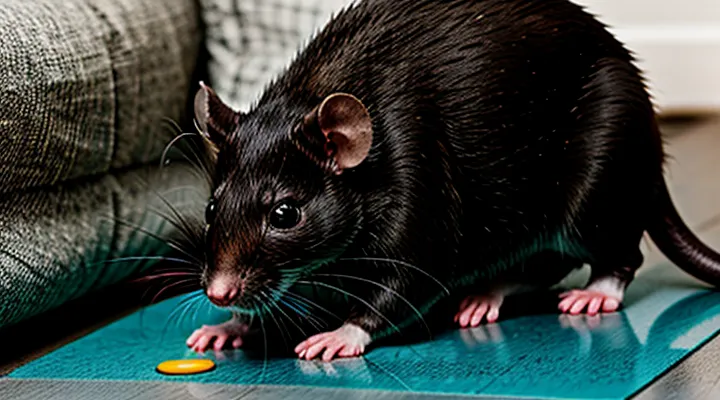
«Understanding Rat Play Behavior»
«Why Toys Are Essential for Rats»
«Mental Stimulation»
Providing rats with toys that engage their cognition reduces boredom and promotes healthy behavior. Cognitive enrichment should involve problem‑solving, exploration, and sensory challenges that mimic natural foraging and nesting activities.
Effective mental stimulation tools include:
- Puzzle feeders that require manipulation to release treats
- Maze modules with interchangeable pathways
- Tubes and tunnels featuring detachable sections for reconfiguration
- Chewable objects with hidden compartments for food or scent clues
- Interactive balls that roll unpredictably when nudged
When selecting items, verify that all components are made of non‑toxic, chew‑resistant materials such as untreated hardwood, solid plastic, or stainless steel. Avoid loose strings, small detachable parts, and painted surfaces that could flake or be ingested.
Rotate toys regularly, introducing new configurations every few days to maintain novelty. Monitor each rat’s interaction; adjust difficulty levels to match skill development, ensuring challenges remain achievable without causing frustration. This systematic approach sustains mental agility and supports overall well‑being.
«Physical Exercise»
Rats need regular physical activity to maintain cardiovascular health, muscle tone, and joint flexibility. Safe play items must encourage movement without presenting choking hazards, sharp edges, or toxic materials.
Effective exercise toys include:
- Solid plastic tunnels that allow crawling and turning without splintering.
- Weighted wheels designed for rodents, featuring a solid surface and a secure axle to prevent detachment.
- Climbing ladders made from stainless‑steel or coated wood, offering stable rungs spaced to match a rat’s stride.
- Rolling balls with a smooth interior, large enough to prevent the animal from slipping inside.
- Puzzle boxes containing removable compartments that require manipulation to reach a treat, stimulating both locomotion and problem‑solving.
When selecting items, verify that all components are non‑porous, free of loose parts, and sized appropriately for the rat’s body length. Regularly inspect toys for wear, replace cracked or broken pieces, and rotate objects to keep the environment stimulating. Consistent access to these exercise tools supports healthy weight management and reduces stress‑related behaviors.
«Preventing Boredom and Destructive Behavior»
Rats left without stimulation often develop repetitive gnawing, chewing, and escape attempts that damage cages and compromise health. Providing a diverse array of safe play items interrupts these patterns and promotes natural foraging and exploration behaviors.
Safe enrichment must meet three criteria: material must be non‑toxic and resistant to excessive chewing; dimensions should allow the animal to grasp, manipulate, and carry the item without risk of ingestion; construction must avoid detachable pieces that could become choking hazards. Materials such as untreated hardwood, solid mineral blocks, and food‑grade silicone satisfy these requirements.
Preventing monotony involves systematic variation. Rotate items every two to three days, introduce novel textures, and alternate between stationary structures and movable objects. Puzzle feeders that require the rat to manipulate levers or roll a ball to release food stimulate problem‑solving skills and reduce idle time. Suspended ropes or hammocks encourage climbing and balance practice, while tunnel networks create concealed routes that satisfy the instinct to hide and explore.
- Chew blocks (hardwood or mineral): satisfy dental wear needs, reduce cage gnawing.
- Puzzle tubes (clear acrylic with maze interior): demand dexterity to retrieve treats, divert attention from destructive chewing.
- Hanging hammocks (cotton or fleece): provide resting platforms, encourage vertical movement.
- Multi‑level platforms (stacked wooden pallets): create elevation changes, promote climbing and social interaction.
- Foraging balls (solid silicone with treat compartments): combine play with feeding, extend engagement periods.
Regular inspection identifies wear, splintering, or loss of structural integrity. Clean items with mild soap and warm water, rinse thoroughly, and sterilize mineral blocks by baking at 200 °F for 30 minutes. Replace any toy showing signs of damage promptly to maintain a hazard‑free environment.
Consistent enrichment, material safety, and routine maintenance together eliminate boredom‑driven destruction and foster a healthier, more active rat colony.
«Types of Safe Toys for Rats»
«Chew Toys»
Chew toys satisfy a rat’s natural gnawing instinct while protecting dental health and preventing destructive behavior. Safe selection hinges on material durability, chemical neutrality, and size appropriate to the animal’s mouth.
- Material safety – Choose untreated hardwood (e.g., apple, willow, maple), natural sisal rope, or food‑grade silicone. Avoid plastics containing BPA, PVC, or phthalates; reject painted or varnished surfaces that may release toxic fumes.
- Size and shape – Toys should be no larger than the rat’s head and free of small detachable parts that could be swallowed. Rounded edges reduce the risk of oral injury.
- Texture variety – Provide a mix of smooth and rough surfaces to encourage thorough chewing and stimulate tactile receptors.
- Cleaning protocol – Sanitize reusable toys weekly with hot water and a mild, non‑chlorine detergent; rinse thoroughly. Replace wooden items when they show splintering or excessive wear.
Introduce chew toys gradually, monitoring the rat for signs of stress or over‑chewing. Replace any item that becomes cracked, softened, or contaminated. Consistent provision of appropriate chew toys maintains oral integrity and supports overall well‑being.
«Foraging Toys»
Foraging toys stimulate natural searching behavior by hiding food within a manipulable structure. Rats interact with these devices using their paws and teeth, encouraging mental engagement while providing a source of nourishment.
Key safety criteria for foraging toys:
- Materials must be non‑toxic, such as untreated hardwood, solid plastic, or stainless steel.
- Surfaces should be smooth enough to prevent splinters or sharp edges.
- Dimensions must exceed the animal’s head size to avoid accidental ingestion of components.
- Construction should avoid detachable parts smaller than a quarter of the rat’s body length.
When building a toy, select sturdy wood like birch or beech, drill holes sized to accommodate a seed or pellet, and seal the exterior with a food‑grade wax or oil. Commercial options that meet the same specifications can be used when they list “rat‑safe” or “small‑animal” certification.
Introduce the toy gradually: place a familiar treat inside, allow the rat to explore under supervision, and observe for signs of stress or frustration. Rotate toys weekly to maintain interest and reduce habituation.
Regular maintenance extends lifespan and preserves hygiene. Disassemble the device, wash with warm water and mild soap, rinse thoroughly, and dry before reassembly. Inspect for cracks or wear before each use, discarding any compromised pieces immediately.
«Climbing and Exploring Toys»
Choosing climbing and exploring toys for pet rats supports their instinctive need to navigate three‑dimensional environments while reducing the risk of injury.
Safety begins with material selection. Toys must be constructed from untreated wood, solid acrylic, stainless steel, or natural fibers that lack chemicals, splinters, or loose components. Dimensions should accommodate the animal’s body length plus a margin of at least 2 cm to prevent entrapment. All joints and connections require reinforcement to withstand repeated climbing and chewing.
Effective options include:
- Vertical wooden or acrylic tubes with smooth interior walls and secure caps.
- Rope or sisal ladders anchored to a stable platform, featuring thick strands that resist fraying.
- Branch-like structures made from dense, non‑toxic wood, fitted with drilled holes for tunnel integration.
- Mesh cages that combine open climbing surfaces with a sturdy frame, eliminating small gaps.
Routine inspection is essential. Examine each toy daily for cracks, loose fasteners, or chew‑induced wear. Clean surfaces with mild, unscented soap and warm water; rinse thoroughly to remove residue. Replace any item showing signs of degradation before it compromises the rat’s health.
Implementing these guidelines ensures that climbing and exploring accessories enhance enrichment while maintaining the highest standards of safety for laboratory‑grade and companion rats alike.
«Comfort and Nesting Toys»
Comfort and nesting toys give rats material to build secure burrows, which reduces stress and encourages natural behaviors. Items should be soft, non‑toxic, and large enough to prevent ingestion of small fragments.
When choosing such toys, consider the following criteria:
- Material safety: untreated cotton, natural wood, and fleece without dyes or chemical treatments.
- Size and durability: pieces must be at least two inches in any dimension and resistant to shredding that could create choking hazards.
- Texture variety: combine plush pads, woven mats, and shredded paper to satisfy different tactile preferences.
Typical comfort and nesting products include:
- Untreated cotton hammocks suspended from the cage top.
- Fleece nest boxes with removable covers for easy cleaning.
- Natural wood tunnels and hideaways, free of sap or varnish.
- Soft shredded paper or tissue for bedding enrichment.
Maintenance procedures are essential to preserve safety. Inspect each item weekly for frayed edges, loose threads, or mold. Replace any component that shows wear. Wash fleece items in mild detergent, rinse thoroughly, and dry completely before returning them to the cage. Store unused toys in a clean, dry container to prevent contamination.
Providing rats with appropriate comfort and nesting accessories supports their well‑being while minimizing health risks. Selecting safe materials, monitoring condition, and performing regular cleaning create a secure environment for these small rodents.
«Safety Considerations for Rat Toys»
«Materials to Avoid»
«Toxic Plastics and Paints»
Rats exposed to toys made from certain plastics and paints can suffer organ damage, neurological impairment, and premature death. Polyvinyl chloride (PVC) releases phthalates and lead when heated or chewed; both substances accumulate in liver and kidney tissue. Polystyrene contains styrene monomers that irritate respiratory membranes and may act as carcinogens. Acrylic paints often include volatile organic compounds (VOCs) such as toluene and xylene, which evaporate quickly and are inhaled during grooming. Heavy‑metal pigments—especially cadmium, chromium, and cobalt—remain toxic even after the paint dries, posing ingestion risks when rats gnaw at surfaces.
To avoid these hazards, select toys that meet the following criteria:
- Constructed from untreated natural wood, solid hardwood, or food‑grade silicone.
- Finished with water‑based, non‑toxic paints certified free of lead, cadmium, and VOCs.
- Labeled as “BPA‑free” and “phthalate‑free” if plastic components are unavoidable.
- Free of glossy or glossy‑looking coatings that may conceal hidden chemicals.
When evaluating a potential toy, inspect the manufacturer’s safety data sheet for the presence of PVC, phthalates, BPA, heavy‑metal pigments, and solvent‑based finishes. Reject any product lacking clear certification or containing ambiguous ingredient lists. Regularly replace worn toys, as surface degradation can expose underlying toxic layers. By adhering to these standards, pet owners can provide rats with play objects that support health and longevity.
«Sharp Edges and Small Parts»
Rats readily chew and manipulate objects, making the presence of sharp edges or detachable fragments a direct threat to their health. A broken tooth, a puncture wound, or an ingested piece can lead to infection, internal injury, or fatal blockage.
When selecting or crafting toys, apply the following safety checks:
- Inspect every surface for points that could cut or scrape; sand or file rough edges until they are smooth.
- Verify that all components are larger than the animal’s head width; pieces smaller than this dimension can be swallowed.
- Test the durability of connections; glued joints, snapped clips, or loosely fitted screws must remain intact under vigorous gnawing.
- Choose materials that do not splinter, chip, or crumble; untreated wood, solid acrylic, and high‑density polymer are preferable to brittle plastics or soft foam.
Prefer toys manufactured from solid, non‑porous substances that can be sterilized without degrading. If custom‑making items, use thick, untreated hardwood or sturdy silicone, and round all corners with a coarse file. Regularly rotate toys and examine them for wear; replace any object that shows signs of cracking, peeling, or loosened parts.
By eliminating sharp surfaces and ensuring all elements exceed the rat’s safe size threshold, caregivers provide play items that stimulate natural behavior while protecting the animal from preventable injuries.
«Fabrics That Unravel»
When choosing materials for rodent play items, the tendency of a fabric to fray or separate into loose threads poses a direct hazard. Loose fibers can become ingested, cause mouth injuries, or create entanglement risks. Therefore, prioritize textiles that retain structural integrity under repeated handling.
- Natural fibers such as tightly woven cotton or linen, with a thread count of at least 200 ppi, resist unraveling during chewing. Verify that seams are reinforced with double stitching.
- Synthetic blends, including polyester‑cotton twill, maintain shape and do not shed when subjected to bite forces. Confirm that the fabric surface is smooth, without raised fuzz.
- Felt produced from compressed fibers remains solid, provided it is non‑adhesive and free of loose edges. Trim excess material with a hot blade to seal cut edges.
Testing methods:
- Grip a 2‑inch strip of the fabric between thumb and forefinger; apply steady pulling until the material yields. If the strip separates into individual threads, discard it.
- Simulate chewing by running a rubber dental chew toy over the fabric for 30 seconds. Observe any fraying or fiber loss; replace any material that shows wear.
Alternatives to traditional fabrics include:
- Untreated sisal rope, which offers a natural chewing surface without detachable strands.
- Rigid, non‑fabric toys made from safe, BPA‑free plastics, eliminating the risk of fiber ingestion entirely.
Maintenance guidelines:
- Wash washable fabrics in warm water (≥ 60 °C) with a mild detergent, then tumble dry on low heat to shrink any loosened fibers.
- Inspect all items weekly for emerging frays; repair with fabric glue or replace promptly.
By selecting tightly woven, low‑shed textiles and applying systematic durability checks, you ensure that rat play accessories remain both engaging and safe.
«Soft Woods That Splinter Easily»
Soft woods such as pine, fir, and cedar are prone to producing fine splinters when chewed. Rats’ incisors exert continuous pressure, causing the wood fibers to separate into sharp fragments. These fragments can embed in the oral cavity, damage the tongue, or puncture the gastrointestinal tract, leading to infection or obstruction.
When selecting materials for rat enrichment, avoid any timber that exhibits a porous grain or low density. Conduct a tactile inspection: if the wood yields easily to pressure and produces powdery dust, it is likely to splinter. Even treated softwood, which may contain chemicals, presents additional health hazards.
To reduce splinter risk, follow these practices:
- Choose hardwoods such as apple, maple, or beech; they are dense and break into larger, less harmful pieces.
- Offer natural branches that have been boiled for at least 10 minutes to eliminate insects and soften rough edges without compromising structural integrity.
- Replace wooden toys regularly; worn areas become more susceptible to splintering.
- Inspect toys daily for cracks, frayed edges, or loose fibers; discard any item showing signs of degradation.
By prioritizing dense, non‑splintering wood, owners can provide durable, safe enrichment that supports dental health and encourages natural foraging behavior.
«Appropriate Sizing and Durability»
Rats require toys that fit their bodies without causing strain or injury. A chewable object that exceeds a rat’s head circumference can become a choking hazard, while an item that is too small may be swallowed whole. Measure the toy’s length and width against the average adult rat size (approximately 8–10 cm body length, 2–3 cm head width). Choose items whose largest dimension does not surpass the animal’s head width by more than a few millimeters, ensuring the rat can grasp, manipulate, and release the toy safely.
Durability directly affects a toy’s safety. Materials must withstand constant gnawing without breaking into sharp fragments. Preferred substances include untreated hardwood, solid acrylic, and reinforced natural fibers. Avoid brittle plastics, thin wires, and low‑density foam, which can splinter or crumble under pressure. When evaluating a product, verify that:
- The material remains intact after repeated biting.
- No loose parts detach during normal play.
- The surface is smooth, free of splinters or sharp edges.
- The toy can endure cleaning with mild soap and water without degradation.
Selecting appropriately sized, robust toys minimizes health risks and promotes natural foraging and exploration behaviors in pet rats.
«Regular Inspection and Replacement»
«Signs of Wear and Tear»
Regular inspection of rat enrichment items prevents injuries and maintains a healthy environment. Damage that goes unnoticed can create sharp edges, loose parts, or hazardous chemicals that jeopardize the animal’s wellbeing.
Typical indicators of deterioration include:
- Frayed or shredded fabric that exposes underlying fibers.
- Cracked, splintered, or softened plastic components.
- Loose or missing pieces that can be swallowed.
- Rust, corrosion, or discoloration on metal parts.
- Persistent odors suggesting mold, mildew, or chemical breakdown.
When any of these signs appear, remove the item immediately, replace it with a new, vetted alternative, and clean the enclosure to eliminate residual debris. Establish a weekly review schedule to catch wear before it escalates.
«Hygiene and Cleaning Toys»
Keeping rat toys free from contaminants protects health and prolongs the lifespan of the items. Regular cleaning removes droppings, urine, and food residue that can harbor bacteria, fungi, and parasites.
Use the following protocol for each toy:
- Disassemble if possible. Separate removable parts to expose all surfaces.
- Rinse with warm water. Eliminate loose debris before applying any cleaning solution.
- Apply a safe disinfectant. Choose a product labeled non‑toxic for small animals, such as a dilute solution of unscented vinegar (1 part vinegar to 4 parts water) or a commercial rodent‑safe sanitizer. Avoid bleach, ammonia, and scented cleaners.
- Scrub gently. Use a soft brush or cloth to reach crevices without damaging the material.
- Rinse thoroughly. Remove all residual cleaning agent to prevent ingestion.
- Dry completely. Air‑dry on a clean surface or use a low‑heat setting in a dryer; moisture promotes microbial growth.
Materials influence cleaning frequency. Porous toys made of untreated wood, natural fiber, or cardboard should be inspected weekly and replaced if they show signs of wear or persistent odor. Non‑porous items such as hard plastic, stainless steel, or glass can be sanitized every two to three weeks, provided they are not heavily soiled.
After cleaning, store toys in a dry, ventilated container away from direct sunlight. This prevents recontamination and preserves structural integrity. Regular inspection for cracks, splinters, or loose components ensures that the play objects remain safe for the rodents.
Implementing this routine maintains a hygienic environment, reduces the risk of illness, and supports the overall well‑being of pet rats.
«DIY Safe Rat Toys»
«Using Household Items»
«Cardboard Tubes and Boxes»
Cardboard tubes and boxes are inexpensive, readily available, and easily customized for pet rat enrichment. Their lightweight construction prevents injury if a rat falls or rolls, and the soft interior avoids sharp edges that could damage delicate paws or teeth.
When selecting materials, choose corrugated cardboard without glossy coating, plastic laminate, or adhesives. These types contain fewer chemicals and are less likely to splinter. Verify that the tube diameter exceeds the rat’s shoulder width by at least one centimeter; this allows free movement while preventing the animal from becoming trapped.
Prepare the items before introduction:
- Remove any tape, staples, or labels that could be chewed into sharp fragments.
- Cut openings no larger than three centimeters to restrict escape routes while permitting exploration.
- Wash the cardboard with mild, unscented soap and rinse thoroughly; allow it to dry completely to eliminate moisture that can foster mold.
To maximize durability, reinforce high‑traffic sections with an additional layer of plain cardboard. Avoid using heat‑sealed or wax‑coated surfaces, as these can become brittle and break under repeated chewing.
Integrate the tubes and boxes into the cage by arranging them in a maze‑like configuration. Alternate vertical and horizontal placements to encourage climbing, tunneling, and nesting behaviors. Rotate the layout weekly to sustain novelty and reduce habituation.
Regular maintenance is essential. Inspect each piece daily for tears, frayed edges, or signs of mold. Replace any compromised item promptly to maintain a safe environment.
«Paper and Shredded Materials»
Paper and shredded materials offer inexpensive, versatile enrichment for pet rats when selected and prepared correctly. Use only non‑glossy, uncolored printer or copier paper; avoid glossy magazine pages, colored inks, and glossy stickers, as these may contain toxic chemicals or heavy metals. Shredded tissue, plain toilet paper, and unbleached paper towels provide texture for nesting and foraging without posing a choking risk when torn into appropriate sizes.
Key safety guidelines:
- Cut or tear paper into strips no longer than 2 cm; this limits the chance of rats swallowing large pieces.
- Inspect each batch for staples, staples, tape, or glue residues; remove any contaminants before offering the material.
- Replace paper items every 24–48 hours to prevent bacterial growth and odor accumulation.
- Store unused paper in a sealed, dry container to keep it free from moisture and mold.
When introducing shredded material, distribute it across the cage floor and hide small food treats within the fibers. This encourages natural foraging behavior and promotes dental wear without the need for hard chew toys. Monitor the rats during the first interaction; if they attempt to ingest whole sheets, remove the item immediately and provide smaller pieces.
Cleaning protocol:
- Collect used paper daily; discard in a sealed waste bag.
- Wipe the cage floor with a mild, unscented disinfectant after removal.
- Allow the cage to dry completely before adding fresh paper and shredded material.
By adhering to these specifications, paper and shredded products become reliable, low‑cost enrichment that supports the physical and mental health of domesticated rats while minimizing health hazards.
«Unscented Toilet Paper Rolls»
Unscented toilet‑paper rolls make effective enrichment for pet rats because they are lightweight, chew‑friendly, and free of harmful chemicals. The cardboard’s texture encourages gnawing, which helps maintain dental health, while the hollow core provides a tunnel for exploration and nesting behavior.
When preparing the rolls, remove any attached plastic rings and trim excess cardboard to prevent sharp edges. Cut the roll lengthwise into two halves if a smaller size is needed for a cage with limited space. Rinse the cardboard briefly with warm water, allow it to dry completely, and inspect for loose fragments before placing it in the enclosure.
Key advantages include:
- Non‑toxic material – no fragrance or dyes that could irritate a rat’s respiratory system.
- Durable yet consumable – rats can gnaw without the toy disintegrating instantly, extending its useful life.
- Versatile use – can serve as a chew toy, nesting material, or obstacle for climbing.
Safety considerations:
- Replace the roll after noticeable wear or when small splinters appear.
- Store unused rolls in a clean, dry area to avoid mold growth.
- Supervise new introductions to ensure the rat does not ingest large pieces of cardboard.
Integrating unscented toilet‑paper rolls into a rat’s environment supports natural foraging instincts while minimizing health risks associated with scented or plastic toys. Regular rotation of enrichment items, including these rolls, sustains interest and promotes overall well‑being.
«Simple Construction Ideas»
«Hanging Chews»
Hanging chews are suspended objects designed for rodents to gnaw, climb, and explore. They satisfy the natural instinct to chew while encouraging vertical movement, which promotes muscular development and mental stimulation.
Select materials that are non‑toxic, odorless, and free of chemical treatments. Safe options include untreated hardwood blocks, natural sisal rope, and compressed wheat straw. Avoid plastics, painted surfaces, and metal components that can rust or splinter.
Secure attachment is critical. Use stainless‑steel cable or nylon cord rated for the animal’s weight, and fasten the end to a sturdy cage bar or a dedicated overhead support. The suspension point must be high enough to prevent the rat from reaching the floor while chewing, yet low enough to allow easy access.
Regular inspection prevents hazards. Follow this routine:
- Check the chew for cracks, splinters, or mold weekly.
- Replace any damaged piece immediately.
- Clean the suspension cord with mild soap and water monthly.
- Verify that the attachment remains tight and does not loosen under activity.
Introduce the hanging chew gradually. Place it near the rat’s preferred route, observe interaction, and adjust height or position based on engagement. Consistent use of these guidelines ensures that hanging chews remain a safe, enriching element of a rodent’s environment.
«Puzzle Feeders»
Puzzle feeders are compact devices that combine food dispensing with problem‑solving challenges, encouraging rats to work for their meals. By requiring manipulation of levers, slides, or rotating chambers, these toys engage the animal’s innate foraging instincts while limiting the risk of injury.
Key safety considerations for selecting an appropriate puzzle feeder include:
- Construction from non‑toxic, chew‑resistant materials such as food‑grade polycarbonate or stainless steel.
- Absence of small detachable parts that could be swallowed or lodged in the respiratory tract.
- Rounded edges and smooth surfaces to prevent cuts or abrasions during vigorous handling.
- Secure locking mechanisms that prevent accidental opening under the weight of a rat.
Proper placement of a puzzle feeder enhances its effectiveness. Secure the device to the cage’s side wall or a sturdy chew bar using metal brackets or reinforced clips. Ensure the feeder is positioned away from water dishes and bedding to avoid contamination and maintain hygiene.
When introducing a new puzzle feeder, follow a gradual habituation protocol:
- Fill the feeder with a familiar, highly palatable treat (e.g., small pieces of millet).
- Demonstrate the required action by gently moving the lever or rotating the compartment, allowing the rat to observe the cause‑effect relationship.
- Offer a brief period of unrestricted access, monitoring for signs of frustration or excessive chewing on the device.
- Adjust the difficulty by altering the size of openings or the number of steps needed to release the food.
Regular inspection is essential. Disassemble the feeder weekly, clean all components with warm, mild soap, and examine for cracks, loose screws, or worn surfaces. Replace any damaged unit immediately to maintain a safe environment.
Integrating puzzle feeders into a rat’s daily routine provides mental stimulation, promotes natural foraging behavior, and reduces the likelihood of destructive chewing on cage fixtures. When chosen and maintained correctly, these devices represent a reliable method for delivering safe, enriching play items.
«Mazes and Tunnels»
Mazes and tunnels serve as essential enrichment devices for pet rats, providing opportunities for exploration, exercise, and problem‑solving while maintaining safety standards.
Choosing appropriate materials prevents injuries and health risks. Opt for food‑grade plastics, untreated hardwood, or solid acrylic; avoid porous woods, soft foams, and any components that can splinter, crack, or release toxic chemicals. Ensure all joints are smooth, edges are rounded, and openings are sized to prevent accidental entrapment.
Key design criteria:
- Interior diameter of 2–3 inches, allowing free movement without restriction.
- Section lengths between 6 and 12 inches, limiting prolonged confinement in a single passage.
- Modular connections that lock securely yet release without excessive force.
- Transparent or semi‑transparent sections for visual monitoring.
- Surface finishes free of sharp corners, splinters, or loose fibers.
Regular inspection and cleaning maintain hygiene and functionality. Disassemble components weekly, wash with mild detergent, rinse thoroughly, and dry before reassembly. Replace any worn or damaged parts immediately to preserve structural integrity.
Integrating mazes and tunnels into a rat’s environment enhances mental stimulation and physical health while adhering to strict safety protocols.
«Introducing New Toys»
«Gradual Introduction»
When introducing new play objects to pet rats, a step‑by‑step approach minimizes stress and prevents injury. Begin with a single, uncomplicated item made from non‑toxic, chew‑resistant material. Observe the animal for a brief period; signs of curiosity without aggression indicate acceptance. Replace the initial toy with a slightly larger or more textured version only after the rat consistently interacts with the first. Continue this pattern, gradually increasing complexity while monitoring behavior and health.
- Offer one safe toy at a time; remove it if the rat shows fear or attempts to gnaw excessively.
- Extend exposure by a few minutes each day, allowing the rat to explore the object’s edges and moving parts.
- Introduce varied shapes (cubes, tunnels, wheels) only after the animal demonstrates comfort with previous items.
- Rotate toys regularly to sustain interest, ensuring each new item follows the same incremental protocol.
«Observing Your Rat’s Reaction»
When introducing a new toy, watch the rat’s initial approach. A quick, confident sniff followed by gentle pawing indicates curiosity and acceptance. Hesitation, rapid retreat, or repeated attempts to escape the area suggest fear or discomfort; replace the item promptly.
Observe interaction patterns for at least ten minutes. Continuous chewing, rolling, or nesting behavior demonstrates that the material is suitable. Excessive gnawing that produces sharp fragments points to unsafe construction; discontinue use and select a toy made from solid, non‑splintering material.
Monitor physiological cues. A relaxed posture, normal breathing rate, and steady whisker movement reflect a positive experience. Elevated vocalizations, frantic grooming, or abnormal drooling signal stress; remove the toy and reassess its shape, texture, or scent.
Record observations to refine selection. A simple log may include:
- Date and time of introduction
- Toy type and material
- Rat’s immediate reaction (approach, avoidance)
- Duration of sustained play
- Any signs of distress or injury
Regular review of these entries helps identify which designs consistently elicit safe, engaging play and which require modification or elimination.
«Rotating Toys for Continued Interest»
Rotating toys keep rats mentally stimulated by introducing motion that mimics natural foraging and exploration. A motor‑driven wheel, a slow‑spinning carousel, or a gear‑based puzzle can encourage curiosity while preventing boredom.
When selecting a rotating device, prioritize the following criteria:
- Material safety: Use food‑grade plastic, stainless steel, or untreated wood; avoid painted surfaces and toxic adhesives.
- Speed control: Ensure the rotation is gentle, ideally under 2 rpm, to prevent loss of balance or injury.
- Secure mounting: Attach the toy to a sturdy cage bar or a dedicated stand; loose fittings must be eliminated.
- Size appropriateness: The toy’s diameter should allow the rat to reach the interior without squeezing; a minimum of 5 cm clearance is recommended.
Maintenance includes weekly inspection for wear, cleaning with mild soap and water, and lubrication of moving parts with a non‑oil, rodent‑safe silicone. Replace any cracked or splintered components immediately.
Integrating rotating toys with other enrichment items, such as tunnels and chew blocks, creates a varied environment that supports natural behaviors and reduces stress. Consistent observation will reveal each rat’s preference, allowing adjustments to speed or complexity to sustain engagement over time.