
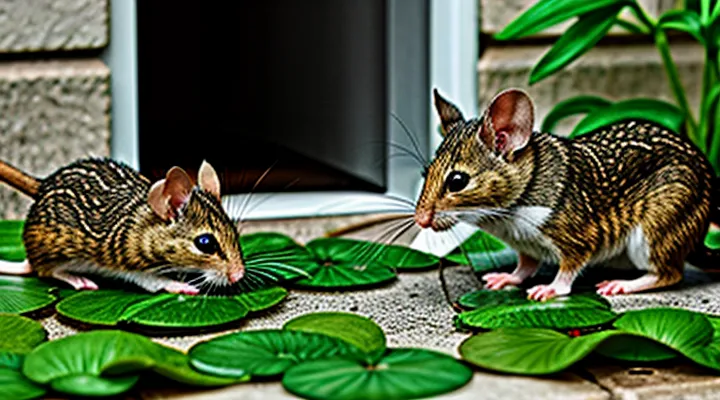
Understanding the Threat: Why Mice Target Lilies
Identifying Mouse Damage on Lilies
Signs of Gnawing and Burrowing
Mice attack lilies by gnawing plant tissue and creating tunnels in the soil; recognizing these activities prevents severe loss.
Typical gnawing evidence includes:
- Clean, crescent‑shaped cuts on leaf margins or stem edges.
- Exposed or chewed bulb scales, often with fresh bite marks.
- Shredded flower petals and wilted buds that show irregular, jagged edges.
Burrowing signs appear as:
- Loose, mounded soil around the base of the plant.
- Visible tunnels or shallow channels radiating from the root zone.
- Small, dark droppings scattered near the affected lily, sometimes accompanied by a faint musky odor.
Prompt inspection for these indicators enables immediate intervention, protecting lilies from further mouse damage.
Distinguishing Mouse Damage from Other Pests
Mice create distinct evidence on lily beds that separates their activity from that of insects, slugs, or larger herbivores. The most reliable indicator is the presence of small, gnaw‑shaped holes in stems and leaf bases, typically 2‑5 mm in diameter. These openings often reveal smooth, clean edges, unlike the ragged bites left by beetles or caterpillars. Additionally, mice leave behind tiny droppings—dark, cylindrical pellets about 2 mm long—often found near the soil surface or beneath foliage.
Another key difference is the pattern of damage. Mice tend to gnaw at tender growth points, such as newly emerging shoots and flower buds, causing wilting or stunted development. In contrast, slugs and snails produce irregular, ragged holes surrounded by a slime trail, while aphids cause clustered honeydew deposits and sooty mold. Deer or rabbit browsing results in larger, missing sections of foliage with clean cuts at the leaf margin.
To confirm rodent involvement, inspect for gnaw marks on the planting container or surrounding mulch. Mice frequently chew through plastic pots or wooden stakes, leaving sharp, beveled edges. Presence of shredded plant material—soft, chewed fibers—also points to mouse activity, as insects rarely produce such material.
Practical steps for accurate diagnosis:
- Examine stems for uniform, round holes near ground level.
- Look for pellet clusters in the immediate vicinity of the plant.
- Search for fresh gnaw marks on containers, supports, or mulch.
- Compare damage shape and texture with known patterns of insects, slugs, and larger herbivores.
Factors Attracting Mice to Lilies
Food Sources and Shelter
Mice are drawn to lilies primarily for two reasons: the plant’s edible parts and the surrounding environment that offers protection. Understanding these attractions enables effective prevention.
Edible attractants include:
- Bulbs that contain starches and sugars.
- Flowers that release nectar or pollen.
- Insect larvae that feed on the plant.
Eliminating or masking these food sources reduces the incentive for rodents to forage near lilies. Strategies involve:
- Harvesting fallen petals and seed pods promptly.
- Applying a thin layer of mulch infused with natural deterrents (e.g., powdered cayenne) to obscure bulb scent.
- Installing physical barriers such as fine‑mesh cages around each bulb.
Shelter factors contribute to mouse presence:
- Dense ground cover, leaf litter, and compost piles create hiding spots.
- Low‑lying weeds and debris provide easy access to the soil where bulbs reside.
Mitigating shelter opportunities requires:
- Keeping the planting area free of excess organic debris.
- Trimming surrounding vegetation to maintain an open, dry surface.
- Using raised beds or well‑drained soil to discourage burrowing.
By systematically removing nutritional draws and limiting protective habitats, gardeners can significantly lower the risk of mouse damage to lilies.
Proximity to Habitats
Lilies planted near natural mouse habitats face a higher likelihood of rodent intrusion because the animals travel short distances from their burrows to reach easily accessible food sources. The proximity factor reduces the effort required for mice to locate and consume tender lily shoots, making distance a critical variable in protection planning.
To mitigate risk, consider the following actions:
- Install physical barriers such as metal or plastic mesh around the planting area; a minimum of 4 inches of buried edging prevents burrowing access.
- Elevate containers or raised beds at least 12 inches above ground level; mice are reluctant to climb smooth surfaces.
- Apply deterrent substances (e.g., peppermint oil, predator urine) directly to the soil perimeter; strong scents disrupt foraging trails.
- Maintain a clear zone of at least 6 feet between lilies and known mouse activity zones (e.g., dense brush, compost piles, stone walls).
- Use trap stations positioned strategically along the habitat edge to reduce local mouse populations without harming non‑target wildlife.
When selecting a planting site, prioritize locations that are naturally distant from established rodent refuges. Soil that is well‑drained and free of dense vegetation limits shelter opportunities, further decreasing mouse presence. Combining site selection with barrier and deterrent measures provides a comprehensive approach to safeguarding lilies in areas where mouse habitats are nearby.
Proactive Protection Strategies
Physical Barriers
Wire Mesh and Cages
Wire mesh and cages provide a physical barrier that stops mice from reaching lily bulbs, stems, and foliage. Choose a material that resists chewing, such as galvanized steel or heavy‑duty plastic mesh with a ½‑inch or smaller opening. The mesh should encircle the planting area completely, extending at least 12 inches below ground level to block burrowing.
Installation steps:
- Lay a foundation of coarse gravel or sand to improve drainage and discourage nesting.
- Position the mesh around the perimeter, overlapping seams by 2–3 inches and securing them with stainless‑steel staples or wire ties.
- Anchor the bottom edge with landscape staples driven 6–8 inches into the soil.
- For raised beds, construct a cage using vertical mesh panels and a top rail, fastening corners with corner brackets.
Maintenance guidelines:
- Inspect the barrier weekly for gnaw marks or gaps; repair immediately with mesh patches.
- Remove debris that could provide shelter for rodents.
- Replace corroded staples or ties at the start of each growing season.
When cages are used for individual lily pots, select a cage height of at least 18 inches to accommodate growth. Ensure the cage’s base rests on a solid surface; a shallow tray of sand beneath the pot adds an extra layer of protection against tunneling.
Combining a sealed mesh perimeter with individual cages creates a redundant defense, reducing the likelihood of mouse damage while allowing easy access for watering and fertilizing.
Underground Fencing
Mice regularly gnaw at lily bulbs, causing plant loss and reduced bloom quality. Installing an underground barrier creates a physical obstacle that prevents rodents from reaching the root zone.
The barrier should consist of durable, corrosion‑resistant material such as galvanized steel or high‑density polyethylene. Mesh openings must not exceed ¼ inch to block even juvenile mice. Position the fence at a minimum depth of 12 inches, extending at least 6 inches beyond the planting radius to accommodate burrowing behavior.
Installation steps
- Mark a perimeter around each lily group, adding a 6‑inch buffer.
- Excavate a trench following the marked line, maintaining a uniform depth of 12 inches.
- Lay the fence panel flat, ensuring seams overlap by at least 2 inches.
- Backfill with soil, tamping firmly to eliminate voids.
- Cover the surface with mulch or decorative stone to preserve garden appearance.
Regular inspection after heavy rain or soil movement reveals any gaps or displaced sections. Promptly repair breaches with replacement panels or sealants to maintain continuous protection.
Underground fencing delivers long‑term defense without recurring chemical treatments, integrates seamlessly with mulched beds, and minimizes visual impact. Initial installation cost and labor intensity are higher than surface deterrents, but the durability and effectiveness justify the investment for sustained lily health.
Mulching with Deterrents
Mulching creates a physical barrier that discourages mice from reaching lily bulbs. Choose a coarse, dry mulch such as shredded bark, pine needles, or straw. Spread a layer 3–4 inches thick around the base of each plant, extending at least 12 inches beyond the foliage edge. The loose texture makes it difficult for mice to burrow, while the depth prevents them from digging directly to the bulbs.
Incorporate deterrent substances into the mulch to increase effectiveness:
- Sprinkle powdered cayenne pepper or crushed red pepper flakes evenly over the mulch surface.
- Mix a small amount of dried mint leaves or lavender buds into the mulch; both emit scents that rodents avoid.
- Lay strips of steel wool or copper mesh beneath the mulch layer; the sharp edges damage small rodent teeth and paws.
- Apply commercial rodent-repellent granules that contain natural essential oils; follow label instructions for dosage.
Apply mulch after planting lilies, when soil is moist but not waterlogged. Replenish the mulch annually or after heavy rain, ensuring the deterrent ingredients remain evenly distributed. Avoid using fresh, aromatic herbs that decompose quickly, as they can attract insects that in turn draw mice.
Monitor the area weekly for signs of gnawing or tunnel activity. If damage appears, increase the mulch thickness by 1–2 inches and add an extra layer of deterrent material. This systematic approach maintains a hostile environment for mice while preserving soil moisture and temperature favorable to lily growth.
Repellent Techniques
Natural Repellents: Plants and Scents
Mice are attracted to the moisture and shelter that lily beds often provide. Deploying aromatic plants and volatile scents creates an environment that rodents find hostile, reducing the risk of damage to the flowers.
Plant-based deterrents work by emitting strong odors that interfere with a mouse’s sensory receptors. Effective species include:
- Peppermint (Mentha × piperita): Plant around the perimeter of the lily patch or crush leaves and scatter the material among the soil.
- Lavender (Lavandula angustifolia): Establish low‑lying rows bordering the bed; the floral scent repels rodents while attracting beneficial insects.
- Rosemary (Rosmarinus officinalis): Plant upright stems at the corners of the planting area; the resinous aroma deters chewing.
- Marigold (Tagetes spp.): Interplant with lilies; the pungent scent of thiophenes discourages foraging.
- Catnip (Nepeta cataria): Place clumps near lily crowns; the nepetalactone compound repels mice but does not attract felines.
Scent applications complement living plants and can be refreshed as needed:
- Peppermint essential oil: Dilute 10 ml in 1 L water, soak cotton balls, and position them beneath the soil surface.
- Clove oil: Mix 5 ml with 500 ml water, spray on the ground around the lilies; the eugenol content is a proven rodent repellent.
- Garlic infusion: Soak crushed garlic cloves in warm water for 24 hours, strain, and apply the liquid to the soil perimeter.
- Cayenne pepper powder: Sprinkle a thin layer around the base of each lily; the capsaicin irritates rodent nasal passages.
For maximum effectiveness, rotate plant species annually to prevent mice from habituating to a single odor. Combine at least two botanical deterrents with a complementary scent spray, monitoring mouse activity weekly and reapplying treatments after heavy rainfall or irrigation. This integrated natural strategy safeguards lilies without resorting to chemical poisons.
Commercial Repellents: Granules and Sprays
Commercial repellents are a practical option for deterring mice that gnaw at lily bulbs and foliage. Granular formulations release active ingredients into the soil, creating a barrier that mice avoid when searching for food or nesting sites. Sprays coat stems, leaves, and the surrounding ground, delivering a volatile deterrent that discourages rodents from approaching.
Granules should be applied at a rate specified by the manufacturer, typically around 1‑2 lb per 100 sq ft. Even distribution along planting rows ensures continuous protection. After placement, water the area lightly to activate the granules and promote soil penetration. Sprays are most effective when applied in a fine mist to all exposed plant parts and a 12‑inch perimeter around each lily bed. Reapplication every 2‑4 weeks maintains potency, especially after rain or irrigation.
Key factors when selecting a commercial product include:
- Active ingredient (e.g., peppermint oil, capsaicin, or synthetic rodent repellents) and its documented efficacy against mice.
- Formulation stability under local climate conditions; granules resist leaching, while sprays may degrade faster in high humidity.
- Compatibility with lily health; choose non‑phytotoxic options to avoid leaf scorch or root damage.
- Regulatory compliance; verify that the product is approved for ornamental use and does not pose risks to pollinators.
Safety precautions are essential. Wear gloves and eye protection during handling, keep repellents out of reach of children and pets, and follow label instructions for disposal. Monitoring mouse activity after treatment helps assess effectiveness and determine whether additional applications are necessary.
Electronic Repellents
Electronic repellents offer a practical option for safeguarding lily beds against rodent intrusion. These devices emit ultrasonic or electromagnetic signals that disrupt the sensory systems of mice, prompting avoidance of the treated area. Because the emissions are inaudible to humans and most pets, the method integrates seamlessly into garden environments without introducing chemical residues.
Key considerations when selecting an electronic repellent include:
- Frequency range: models covering 20–65 kHz target the hearing spectrum of common house mice.
- Coverage radius: ensure the device’s advertised effective zone exceeds the dimensions of the lily planting area.
- Power source: battery‑operated units provide mobility, while plug‑in models guarantee continuous operation.
- Weather resistance: choose units rated for outdoor exposure to prevent malfunction from moisture or temperature fluctuations.
Installation follows a straightforward sequence. Position the unit at a central point within the lily plot, elevated to avoid direct contact with soil or mulch. Orient the device according to the manufacturer’s guidelines, typically with the speaker surface facing upward. Activate the unit and verify operation through the indicator light or sound cue supplied by the product.
Performance data indicate that electronic repellents reduce mouse activity by 40–70 % when deployed correctly. Effectiveness diminishes if obstacles such as dense foliage or garden structures block signal propagation. Regular maintenance—cleaning the speaker surface and replacing depleted batteries—preserves output strength. For optimal protection, combine electronic repellents with physical barriers, such as mesh fencing, to create a multi‑layered defense against rodents.
Cultural Practices
Proper Garden Sanitation
Maintaining a clean garden reduces the likelihood that mice will discover and gnaw on lily bulbs. Remove all fallen leaves, plant debris, and rotting organic matter weekly; these materials provide shelter and food sources for rodents. Store harvested bulbs in sealed containers away from the garden to prevent accidental re‑introduction.
Control weed growth promptly, as dense vegetation creates pathways and hiding spots. Trim back grass and prune surrounding plants to increase visibility and limit access points. Dispose of garden waste in a compost bin with a secure lid, and avoid using open piles that attract foraging mice.
Implement physical barriers around lily beds. Lay a layer of coarse mulch or shredded bark at least two inches thick; this deters burrowing and makes it harder for mice to reach the soil surface. Install low, rigid fencing or hardware cloth (½‑inch mesh) buried 4–6 inches deep around the perimeter of the planting area.
Regularly inspect the soil for fresh burrows or chew marks. When signs appear, fill openings with soil or sand and apply a thin coat of deterrent material, such as powdered cayenne pepper or commercial rodent repellent. Rotate planting locations annually to disrupt established mouse routes.
By adhering to these sanitation practices, the garden environment becomes inhospitable to rodents, thereby protecting lily bulbs from damage.
Regular Garden Maintenance
Regular garden maintenance directly reduces the likelihood of mice damaging lily plants. Consistent upkeep eliminates shelter, food sources, and pathways that attract rodents, creating an environment where lilies can thrive without interference.
- Remove fallen leaves, debris, and spent flowers weekly; these materials provide nesting material for mice.
- Keep grass trimmed to a height of 4–6 inches, preventing dense cover that conceals rodent activity.
- Inspect and clean irrigation lines regularly to avoid water pooling, which attracts insects and, consequently, mice.
- Apply a thin layer of mulch around lily crowns, spacing it at least 2 inches from the stems to discourage burrowing while maintaining soil moisture.
- Prune surrounding vegetation to maintain open sightlines, allowing early detection of rodent presence.
- Store garden tools and compost in sealed containers; open compost bins become a food source for mice.
- Conduct a monthly perimeter check for holes or burrows, filling any openings with soil or sand to block entry.
By integrating these maintenance routines into the garden schedule, the habitat becomes unfavorable for mice, reducing the risk of nibbling, uprooting, or trampling lily foliage. Consistency in these practices ensures long‑term protection without reliance on chemical deterrents.
Strategic Planting Locations
Planting lilies in locations that reduce mouse access is essential for successful cultivation. Choose sites where natural barriers limit rodent movement and where soil conditions support healthy growth.
- Elevate beds on raised platforms or mounds at least 12 inches above ground level; mice find it difficult to climb smooth, steep sides.
- Surround planting areas with dense, low‑growing groundcovers such as thyme or sedum; these create a tangled obstacle that deters foraging.
- Locate lilies away from structures that provide shelter, including woodpiles, stone walls, or dense shrubbery, which serve as mouse hideouts.
- Position beds on well‑drained, sandy soils; dry conditions discourage nesting and reduce the likelihood of underground tunnels.
- Install physical barriers, such as hardware cloth (¼‑inch mesh), around the perimeter of the lily bed, extending 6 inches below the surface to block burrowing.
Selecting sites that combine elevation, physical obstruction, and unfavorable habitat conditions minimizes mouse intrusion and promotes vigorous lily development.
Integrated Pest Management for Mice
Trapping Methods
Live Traps
Live traps provide a humane method for removing rodents that threaten lily beds. The device consists of a cage or box with a one‑way entry door; once a mouse steps inside, the door closes and the animal remains alive until release.
Effective deployment requires strategic placement. Position traps along established mouse pathways, near the base of lily plants, and close to any shelter such as compost piles or garden sheds. Ensure the trap rests on a stable surface to prevent tipping when the mouse enters.
Bait selection influences capture rates. Use high‑protein foods—peanut butter, sunflower seeds, or bits of cooked egg—applied to the trigger plate. Refresh bait daily to maintain scent strength and avoid spoilage.
Maintain traps with the following routine:
- Check each trap at dawn and dusk; remove captured mice promptly.
- Release animals at least 200 meters from the garden, preferably in a wooded area.
- Clean the interior with mild soap and water after each release to eliminate scent trails.
- Inspect door mechanisms for wear; replace springs or hinges as needed.
Live traps outperform glue boards and snap traps by eliminating secondary injury and reducing the risk of accidental human contact. When integrated into a broader rodent‑management plan, they protect lilies while adhering to humane pest‑control standards.
Snap Traps
Snap traps offer a direct method for deterring rodents that damage lily beds. They kill mice instantly, reducing the risk of repeated feeding on plant stems and bulbs.
- Choose a wooden or plastic snap trap with a spring‑loaded bar; models with a clear plastic window allow visual confirmation of capture.
- Bait the trap with high‑protein attractants such as peanut butter, sunflower seeds, or small pieces of cheese. Apply a pea‑sized amount to the trigger plate to encourage quick engagement.
- Position traps along mouse pathways: near the base of lily stems, under garden edging, or beside mulch piles where rodents travel.
- Place traps perpendicular to the ground, with the trigger end facing the expected direction of approach. This orientation maximizes the likelihood of contact.
- Set traps at a height of 1–2 inches above the soil surface, aligning the bar with the level of lily foliage. This placement prevents accidental activation by larger wildlife while remaining accessible to mice.
- Check traps daily. Remove captured rodents promptly, wearing gloves to avoid disease transmission. Reset the trap with fresh bait after each capture.
- Dispose of dead mice in sealed bags and discard in a landfill or incinerate according to local regulations. Clean the trap with mild detergent and a disinfectant solution to maintain efficacy.
Snap traps are reusable, cost‑effective, and require no electricity or chemicals. Proper placement and regular monitoring ensure consistent protection of lily plants from rodent damage.
Bait Stations
Bait stations provide a controlled method for reducing mouse activity around lily beds. The devices contain sealed compartments that release poisoned bait only when a rodent triggers the entry mechanism, preventing access by non‑target wildlife and children.
- Choose stations with weather‑resistant construction and a lockable lid.
- Place each unit 12–18 inches from the base of lily plants, along established mouse pathways such as garden edges or near compost piles.
- Use a rodent‑specific anticoagulant or neurotoxic bait formulated for indoor use; follow the manufacturer’s dosage recommendations precisely.
- Install a minimum of three stations per 10‑square‑foot lily patch; increase density in heavily infested areas.
- Inspect stations weekly, replacing depleted bait and checking for damage.
Safety considerations include wearing gloves when handling bait, keeping stations out of direct sunlight to preserve bait potency, and recording placement maps for future reference. Bait stations work most effectively when combined with sanitation measures—removing fallen foliage, sealing soil edges, and limiting food sources that attract mice. Regular monitoring and prompt replenishment maintain pressure on the rodent population, safeguarding lily growth throughout the season.
Habitat Modification
Removing Potential Hiding Spots
Mice locate shelter among garden debris, mulch, and dense plantings, creating pathways to lily crowns. Eliminating these refuges reduces the likelihood of rodents reaching the bulbs.
- Remove all fallen leaves, spent flowers, and plant litter around lily beds.
- Trim back grass and weeds to a height of no more than two inches.
- Replace thick wood chips with a shallow layer of coarse sand or gravel, which discourages nesting.
- Store garden tools, pots, and compost bins away from the lily area; keep lids tightly sealed.
- Install a perimeter of smooth, hard‑sculpted edging to prevent mice from slipping under the soil surface.
Regular inspection of the planting zone, followed by prompt clearing of any new debris, maintains an environment hostile to rodent habitation. This systematic removal of potential hiding spots forms a core component of effective lily protection strategies.
Securing Food Sources
Mice are attracted to lilies primarily because the plants provide a convenient food source. Removing or protecting that source reduces the likelihood of infestation.
First, eliminate any edible material near the planting area. Clean fallen petals, seed pods, and leaf litter each week. Store compost in sealed containers; avoid open piles within a three‑meter radius of the lilies. Discard fruit, nuts, and garden waste in bins with tight‑fitting lids.
Second, manage surrounding vegetation that can serve as supplemental food. Trim low‑lying shrubs, keep grass short, and remove weeds that produce seeds or insects appealing to rodents. Install a barrier of coarse mulch or gravel around the lily beds; the texture discourages mice from burrowing and foraging.
Third, employ biological controls. Encourage predators such as hedgehogs, barn owls, and domestic cats by providing shelters or nesting boxes. Install bird feeders away from the lilies; the presence of birds can deter mice while also consuming insects that might otherwise attract rodents.
Fourth, use physical deterrents directly on the lilies. Wrap stems with fine wire mesh or place individual cages made of hardware cloth around each plant. Ensure openings are no larger than ¼ inch to prevent entry.
Fifth, monitor and act promptly. Set snap traps or humane live traps in a perimeter line, checking them daily. Replace bait with non‑food attractants—such as cotton balls soaked in peppermint oil—once the primary food sources have been removed.
By systematically removing edible material, controlling neighboring vegetation, encouraging natural predators, and applying physical barriers, the food incentive for mice disappears, making lilies less vulnerable to damage.
Reducing Water Availability
Reducing water availability diminishes the moisture that attracts mice to lily beds. Drier soil and leaf litter lower the scent of fresh roots, making the area less appealing for foraging rodents. Consequently, lilies experience fewer burrowing incidents and less damage to bulbs.
Practical measures to limit water around lilies:
- Apply mulch only after the soil has dried to a depth of at least two inches; avoid thick layers that retain excess humidity.
- Schedule irrigation early in the day, allowing foliage to dry before nightfall when mice are most active.
- Install drip emitters that deliver water directly to the root zone, preventing runoff onto surrounding ground cover.
- Remove standing water from saucers, trays, and nearby containers daily.
By controlling moisture levels, gardeners create an environment that discourages mice while maintaining sufficient hydration for healthy lily growth.
Monitoring and Prevention
Regular Inspection of Lilies
Regular inspection of lily beds is a primary defense against rodent damage. Early detection of gnaw marks, burrows, or droppings allows swift intervention before mice can reach the bulbs or foliage.
- Walk the perimeter of each planting area at least once a week. Look for fresh soil disturbances and small holes near the base of plants.
- Examine leaves and stems for bite marks or chewed edges. Damage often appears as clean cuts near the tip or along the leaf margin.
- Check the ground surface for fresh droppings, which are dark, pellet‑shaped, and typically found in clusters.
- Inspect mulch layers for displaced or compacted sections, indicating tunneling activity.
- Use a flashlight to scan under dense foliage and around support structures where mice may hide.
If any signs are found, remove the offending rodents immediately, repair damaged soil, and reinforce vulnerable spots with metal mesh or hardware cloth. Consistent monitoring reduces the likelihood of severe infestation and preserves the health of the lilies.
Early Detection of Mouse Activity
Detecting mouse presence before damage occurs is essential for safeguarding lily beds. Look for fresh droppings near planting rows, gnaw marks on bulb sleeves, and faint scent trails of urine. Soil disturbances—such as shallow tunnels or displaced mulch—signal activity beneath the surface. Install motion‑activated cameras at ground level to capture nocturnal movement; review footage weekly to confirm patterns.
Key tools for early identification:
- Sticky traps placed around the perimeter; check daily for captures.
- Cheese‑scented bait stations positioned 12–18 inches from stems; monitor for chew marks.
- Infrared beam sensors aligned with irrigation lines; an interruption triggers an alert.
- Dust‑sensitive powder spread lightly on mulch; footprints become visible under a flashlight.
Regular inspection schedule improves response time. Walk the garden at dawn and dusk, noting any new signs. Record findings in a log to track hotspots and adjust preventative measures accordingly. Prompt action—removing nests, sealing entry points, and applying targeted deterrents—prevents mice from reaching the lily roots and flowers.
Long-Term Prevention Plan
A durable strategy to keep mice from damaging lily beds relies on habitat modification, physical barriers, and ongoing monitoring.
- Remove all potential food sources near the planting area: fallen fruit, compost, and birdseed. Store these items in sealed containers.
- Install a perimeter of hardware cloth (¼‑inch mesh) around each lily bed, burying the bottom 6 inches to block burrowing. Secure the fence with sturdy stakes and ensure no gaps at the soil line.
- Apply a layer of coarse mulch or gravel over the soil surface. The texture discourages rodents from nesting and makes it difficult for them to reach the stems.
- Deploy natural repellents such as crushed peppermint leaves or commercially available rodent deterrent granules, reapplying every 4–6 weeks during the growing season.
Maintain the physical defenses by inspecting the hardware cloth quarterly for rust, tears, or displacement. Replace compromised sections promptly. Keep the mulch depth consistent, replenishing as it settles or decomposes.
Implement a regular scouting routine: walk the garden weekly, looking for fresh gnaw marks, droppings, or burrow entrances. Record findings in a simple log to identify patterns and adjust barrier placement or repellant frequency as needed. Consistent vigilance combined with reinforced barriers sustains lily health and minimizes mouse interference over the long term.