
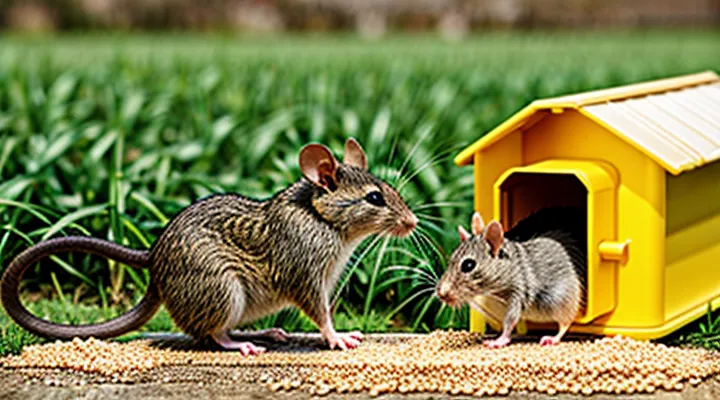
Understanding the Threat: Rodents and Grain
Why Rodents are a Problem for Grain Storage
Health Risks Posed by Rodents
Rodents contaminating stored grain transmit a range of pathogens that threaten human health. Their saliva, urine, and feces introduce bacteria such as Salmonella, Escherichia coli, and Campylobacter, which can cause severe gastrointestinal illness. Direct contact with contaminated grain also spreads hantavirus, a respiratory disease with a mortality rate up to 35 % in some regions.
Infestation increases the likelihood of mycotoxin production. Rodent‑induced damage creates entry points for mold spores; Aspergillus flavus, for example, produces aflatoxin, a potent carcinogen linked to liver cancer and immune suppression. Consumption of grain tainted with aflatoxin can result in acute poisoning or chronic health effects.
Allergic reactions arise from rodent allergens carried on dust and grain particles. Inhalation of these proteins triggers asthma attacks and rhinitis, especially in occupational settings such as grain elevators and processing facilities.
Key health hazards include:
- Bacterial infections (Salmonella, E. coli, Campylobacter)
- Viral diseases (hantavirus)
- Mycotoxin exposure (aflatoxin)
- Allergic respiratory conditions
Mitigating these risks requires stringent rodent exclusion, regular sanitation, and thorough grain testing for microbial and toxin contamination. Prompt detection and removal of infested batches prevent the spread of disease throughout the supply chain.
Economic Losses Due to Rodent Infestations
Rodent infestations in grain storage facilities generate direct financial damage through consumption, contamination, and spoilage. Each kilogram of grain lost translates into immediate revenue reduction, while compromised product quality often forces disposal or costly reprocessing.
Additional expenses arise from secondary effects. These include increased labor for inspection and cleaning, heightened pesticide and trap costs, and the need for enhanced structural repairs to seal entry points. The cumulative impact can reach up to 15 % of a farm’s annual gross margin in heavily affected regions.
Typical loss categories are:
- Consumption: rodents eat stored grain, decreasing sellable volume.
- Contamination: urine, feces, and hair introduce pathogens, rendering grain unsuitable for human or animal consumption.
- Physical damage: gnawing on bags, silos, and equipment leads to structural failures and additional replacement costs.
- Market penalties: buyers may reject shipments that fail quality standards, resulting in lost contracts and reputational harm.
Mitigating these losses requires integrated management strategies that combine rigorous sanitation, physical barriers, and targeted rodent control measures. Effective implementation reduces both immediate losses and the long‑term financial burden on grain producers.
Prevention: The First Line of Defense
Site Selection and Preparation
Clearing Vegetation Around Storage Areas
Clearing vegetation around grain storage is a fundamental step in preventing rodent intrusion. Dense plant growth provides cover, nesting material, and a travel corridor for rats and mice, increasing the likelihood of infestation. Removing this habitat reduces the attractiveness of the site and forces pests to seek shelter elsewhere.
Key actions include:
- Trim all grass, weeds, and low‑lying shrubs within a 10‑meter radius of the building. Use a mower or brush cutter to achieve a uniform, low‑height surface.
- Eliminate tall weeds and brush directly adjacent to walls, foundations, and ventilation openings. Cut back foliage to ground level to deny rodents climbing routes.
- Remove debris piles, compost heaps, and discarded pallets that can serve as shelter. Dispose of organic waste in sealed containers or transport it off‑site.
- Maintain a clear perimeter by regularly inspecting for regrowth. Schedule mowing or manual removal at least once every two weeks during the growing season.
- Ensure drainage is adequate to prevent water‑logged soil, which encourages dense vegetation and creates favorable conditions for burrowing.
Implementing these measures creates an open environment that limits hiding places and makes it easier to monitor for signs of activity. Consistent vegetation management, combined with other rodent‑exclusion practices, significantly lowers the risk of grain loss.
Ensuring Proper Drainage
Proper drainage reduces moisture accumulation in grain storage areas, eliminating the damp environments that attract rats and mice. Dry conditions deter rodents from nesting, limit fungal growth that can weaken grain structure, and prevent water‑borne odors that signal food sources.
Implement effective drainage by:
- Grading floors to a minimum slope of 1‑2 % toward designated collection points.
- Installing perforated pipe systems beneath storage platforms, connected to a sump or external discharge line.
- Using concrete or sealed metal flooring that resists water penetration and facilitates cleaning.
- Maintaining clear and unobstructed gutters, downspouts, and external runoff channels.
- Conducting regular inspections for standing water, leaks, or clogged drains, and addressing issues promptly.
These measures create a dry, inhospitable environment for rodents, directly supporting grain preservation efforts.
Storage Facility Design and Maintenance
Sealing Entry Points and Gaps
Sealing entry points and gaps is the most reliable method for preventing rats and mice from accessing stored grain. Identify every potential opening in the storage area, including walls, doors, windows, vents, utility penetrations, and floor joints. Use a systematic inspection: start at the exterior, walk around the building, and examine the interior for hidden cracks.
- Apply steel wool or copper mesh to small holes before covering with caulk or expanding foam; rodents cannot chew through metal fibers.
- Install hardware cloth with a mesh size of no larger than ¼ inch over larger openings; secure it with screws and washers to prevent displacement.
- Use silicone-based sealant on gaps around door frames and window sills; ensure the sealant remains flexible to accommodate building movement.
- Fill floor and foundation cracks with epoxy or concrete patching compound; smooth the surface to eliminate crevices.
- For ventilation ducts, attach a metal screen on both sides of the duct and seal the edges with duct tape reinforced with foil-backed tape.
After sealing, conduct a follow‑up inspection within 48 hours to verify that all materials have adhered properly and that no new gaps have formed. Schedule quarterly checks, especially after extreme temperature changes, to maintain the integrity of the barriers. Prompt repair of any breach is essential to sustain the protection of grain stores from rodent intrusion.
Using Rodent-Proof Materials
Using rodent‑proof materials is a fundamental component of safeguarding stored grain against rats and mice. Materials that resist gnawing, chewing, and entry provide a physical barrier that eliminates the need for chemical deterrents.
Metal and steel mesh, such as 1/4‑inch hardware cloth, withstand repeated gnawing and can be welded or sealed around doors, vents, and cracks. Concrete slabs and poured foundations create solid, non‑penetrable floors and walls; they should be cured fully before installing grain bins. Rigid plastic sheeting, when reinforced with UV‑stabilizers, offers a lightweight alternative for covering temporary storage areas, but must be overlapped and sealed with heat‑welded seams. Heavy‑gauge steel doors equipped with latch bolts prevent forced entry, while magnetic gaskets on seams ensure airtight closure.
Key considerations for installation:
- Inspect all seams, joints, and penetrations; seal gaps smaller than ¼ inch.
- Use stainless‑steel fasteners to avoid corrosion that could weaken barriers.
- Apply continuous sheathing on exterior walls; avoid using wood or cardboard as they are readily chewed.
- Verify that all access points (loading hatches, ventilation ducts) incorporate metal screens with no larger openings than ¼ inch.
- Conduct periodic visual inspections to confirm that seals remain intact and that no new entry points have formed.
Choosing durable, non‑degradable materials and maintaining a tight seal around every potential opening dramatically reduces the risk of rodent infestation, preserving grain quality and preventing loss.
Regular Inspections and Repairs
Regular inspections provide early detection of conditions that attract rodents and allow timely corrective measures. Inspectors should examine storage structures at least once a week during peak activity periods and monthly when temperatures are stable. Focus areas include entry points, ventilation openings, floor seams, and interior walls.
During each visit, verify that all doors, windows, and hatches close securely, and that weather‑stripping or metal flashing remains intact. Check for signs of gnawing, droppings, or nesting material. Identify cracks, gaps, or deteriorated panels that could serve as access routes.
When deficiencies are found, immediate repairs prevent rodents from exploiting them. Common corrective actions are:
- Seal gaps with steel wool followed by cement or metal mesh.
- Replace broken hinges, latches, or locks.
- Reinforce damaged screens with fine‑mesh wire.
- Apply rodent‑resistant coatings to exposed wood or concrete.
- Repair or tighten roof and wall flashing to eliminate entry points.
Document each inspection, noting the location of issues and the date of repair. Maintaining a log creates a record of trends, supports accountability, and guides future preventive planning. Consistent monitoring combined with prompt repairs forms a reliable barrier that safeguards grain stores from rat and mouse intrusion.
Grain Handling Practices
Maintaining Cleanliness and Hygiene
Cleanliness and hygiene form the first line of defense against rodents in grain storage facilities. Removing spilled grain, dust, and debris eliminates the food sources that attract rats and mice, while a tidy environment leaves no shelter for nesting.
- Sweep and vacuum storage floors daily to collect residual grain.
- Dispose of waste in sealed containers and remove it from the premises regularly.
- Seal cracks, gaps, and ventilation openings with metal mesh or cement to block entry.
- Store grain in rodent‑proof bins equipped with tight‑fitting lids.
- Conduct visual inspections of bins, ducts, and surrounding areas at least once a week.
- Maintain a documented cleaning schedule that assigns specific tasks and responsible personnel.
Consistent implementation of these practices reduces attractants, limits potential burrows, and enhances the effectiveness of any additional control measures.
Proper Stacking and Storage Techniques
Proper stacking and storage are fundamental for preventing rodent intrusion in grain facilities. Secure pallets on a level surface, keeping the load at least six inches above the floor to eliminate direct contact with potential burrows. Use sturdy, non‑porous pallets that can support the weight without splintering, reducing gaps where rodents could hide.
Maintain a uniform stack height that does not exceed the design limit of the shelving system. Over‑stacking creates instability, encouraging rodents to climb and gain access to the grain. Align pallets tightly, leaving no open spaces between rows; fill any voids with metal or plastic spacers that rodents cannot gnaw through.
Implement the following storage practices:
- Seal all entry points with metal flashing or hardened concrete; replace damaged sections promptly.
- Install metal mesh (minimum ¼‑inch gauge) on ventilation openings to block entry while allowing airflow.
- Apply a continuous, approved rodent‑proof barrier around the perimeter of the storage area, extending at least 12 inches below ground level.
- Conduct weekly inspections for signs of gnawing, droppings, or nesting material; document findings and address issues immediately.
Rotate inventory using a first‑in, first‑out system. Move older grain to the front of the stack and replenish from the back, ensuring that no grain remains stagnant for extended periods, which can attract pests. Keep the storage environment dry, maintaining moisture levels below 14 % to discourage rodent activity and preserve grain quality.
Monitoring Grain Moisture Levels
Monitoring grain moisture levels is a critical component of any rodent‑prevention program. Moisture above safe limits creates a hospitable environment for rats and mice, encouraging nesting and increasing food availability. Maintaining moisture within optimal ranges reduces the attractiveness of stored grain and limits the risk of infestation.
Accurate moisture assessment requires reliable tools and consistent procedures. Recommended practices include:
- Use calibrated grain moisture meters that provide rapid, non‑destructive readings.
- Conduct measurements at multiple points within each storage unit to capture variability.
- Record data in a central log, noting temperature, batch identification, and sampling depth.
- Compare readings against established thresholds (typically 13‑14 % for most cereals); values above this range trigger immediate corrective action.
Corrective actions should be implemented promptly when moisture exceeds limits. Effective measures comprise:
- Aeration: circulate dry air to lower moisture uniformly.
- Dehumidification: install desiccant systems or low‑temperature drying units.
- Inspection: remove damp spots, discard compromised grain, and repair leaks.
Integrating moisture monitoring with regular rodent inspections enhances overall protection. Moisture data can inform the timing of bait placement, trap deployment, and sanitation cycles, ensuring that control efforts target the most vulnerable periods. Consistent documentation also supports compliance with storage regulations and facilitates audit trails.
Control Measures: When Prevention Isn't Enough
Trapping Strategies
Types of Traps: Snap, Live, and Glue
Effective rodent control in grain storage relies on selecting the proper trapping device. Three primary categories dominate the market: snap traps, live traps, and glue boards. Each offers distinct mechanisms and operational considerations.
-
Snap traps – Steel or plastic frames equipped with a spring‑loaded bar that delivers an instantaneous kill. Ideal for rapid population reduction; require precise placement to ensure a lethal strike. Minimal maintenance, but repeated baiting is necessary to sustain activity.
-
Live traps – Enclosed cages that capture rodents unharmed. Allow relocation or humane euthanasia. Useful when regulatory or ethical constraints prohibit killing. Capture rates depend on bait attractiveness and trap size; frequent checking prevents stress‑induced mortality.
-
Glue boards – Adhesive sheets that immobilize rodents upon contact. Provide a passive, low‑cost solution for monitoring low‑level infestations. Effectiveness diminishes in dusty environments; captured animals may suffer prolonged distress, requiring prompt disposal.
Choosing a trap type involves assessing infestation severity, labor availability, and compliance requirements. Snap traps excel in acute outbreaks, live traps suit controlled removal programs, and glue boards function as supplementary monitoring tools. Regular inspection, bait refreshment, and proper disposal of captured rodents are essential to maintain efficacy and prevent secondary contamination of the grain.
Strategic Trap Placement
Effective control of rodent damage in grain stores depends on precise trap positioning. A well‑planned layout isolates the pest, reduces grain loss, and limits the need for chemical interventions.
Identify high‑traffic zones by observing droppings, gnaw marks, and runways. Place traps directly on these pathways, near entry points, and at the junction of shelving rows. Prioritize corners, wall‑to‑wall gaps, and the underside of pallets, where rodents frequently travel.
- Use one trap per 5‑10 m² in low‑activity areas; increase to one per 2‑3 m² where signs of activity concentrate.
- Space snap traps 30–45 cm apart along a wall; cluster live‑capture devices 60 cm apart in clusters of three to cover broader zones.
- Align traps perpendicular to the wall to match the natural “wall‑run” behavior of rats and mice.
Select devices suited to the target species. Snap traps provide rapid kill for larger rats; multi‑capture cages are preferable for mice and for preserving live specimens. Position bait—grain fragments, peanut butter, or dried fruit—on the trigger mechanism, ensuring the lure is fully concealed to prevent premature removal.
Inspect traps daily. Remove captured rodents, reset triggers, and replenish bait. Record capture locations to refine future placements. Replace malfunctioning devices promptly to maintain uninterrupted coverage.
A disciplined approach to trap distribution, combined with regular monitoring, creates a hostile environment for rodents while safeguarding stored grain.
Regular Trap Monitoring and Maintenance
Consistent oversight of trapping devices prevents rodents from establishing a foothold in grain storage areas. Unchecked traps quickly become ineffective, allowing populations to rebound and damage supplies.
Inspection should occur at least once daily during peak activity periods and no less than twice weekly when ambient temperatures are low. Adjust the frequency based on observed rodent activity, seasonal variations, and the density of traps deployed.
- Remove each trap from its location.
- Examine the capture chamber for fresh evidence of catches.
- Dispose of captured rodents according to local health regulations.
- Clean the chamber and surrounding surfaces to eliminate scent trails.
- Replace or reset the trigger mechanism to ensure proper sensitivity.
- Re‑bait with fresh, attractive material; discard any stale or contaminated bait.
- Return the trap to its original position, confirming alignment with entry pathways.
Maintenance includes routine checks for mechanical wear, rust, or damage to components. Replace broken springs, corroded wires, or cracked housings promptly. Store spare parts in a dry, sealed container to avoid degradation.
Document each inspection: date, trap identifier, capture count, bait condition, and any corrective actions taken. Analyze the data weekly to identify trends, relocate underperforming traps, and adjust bait types. Continuous data‑driven refinement sustains trap efficacy and safeguards grain inventories from rodent intrusion.
Baits and Rodenticides
Choosing the Right Rodenticide
Choosing an effective rodenticide is a critical step in safeguarding stored grain against rats and mice. The decision should be based on a clear assessment of product characteristics, safety requirements, and regulatory constraints.
Key factors to evaluate:
- Active ingredient – anticoagulants (e.g., bromadiolone, difenacoum) provide long‑term control; acute toxins (e.g., zinc phosphide) act quickly but may require more frequent re‑application.
- Mode of action – anticoagulants disrupt blood clotting, while acute agents cause rapid metabolic failure. Select the mode that matches the infestation severity and desired speed of result.
- Resistance profile – consult local pest‑management reports to avoid compounds with documented resistance in the target population.
- Toxicity to non‑target species – choose formulations with low secondary‑poisoning risk for wildlife, pets, and farm workers; bait stations with tamper‑proof designs can reduce accidental exposure.
- Regulatory status – verify that the product is approved for use on grain storage facilities in the relevant jurisdiction and that label instructions comply with local legislation.
- Application method – granular baits, blocks, or liquid concentrates each have specific placement requirements; ensure the chosen format fits the storage layout and handling capabilities.
- Environmental persistence – prefer products with limited residual activity when grain turnover is rapid, reducing the chance of contaminating future harvests.
After selecting a suitable rodenticide, follow label directions precisely: calibrate bait density, monitor consumption, and rotate active ingredients periodically to prevent resistance buildup. Maintain records of application dates, quantities, and observed efficacy to support ongoing pest‑management decisions.
Safe Application and Placement of Baits
Effective bait usage requires strict adherence to safety protocols and strategic placement. Select rodent baits that comply with local regulations and contain minimal non‑target toxicity. Store products in sealed containers, away from heat sources and moisture, to preserve potency and prevent accidental exposure.
Before deployment, conduct a site assessment to identify rodent pathways, feeding stations, and nesting areas. Position baits at least 12 inches off the ground on platforms or within tamper‑resistant stations. Ensure stations are located:
- Along walls where rodents travel
- Near grain storage openings, but not directly on the grain surface
- In concealed corners, out of reach of children and domestic animals
Secure each bait station with locking mechanisms that meet safety standards. Label stations clearly with hazard warnings and date of placement. Replace or reposition baits every 30 days, or sooner if consumption is evident, to maintain effectiveness.
When handling baits, wear disposable gloves and wash hands thoroughly after contact. Avoid direct skin contact and never mix different bait types, as this can compromise efficacy and increase risk to non‑target species. Dispose of unused bait and empty containers according to hazardous waste guidelines, never in regular trash or near feed areas.
Understanding Rodenticide Resistance
Rodenticide resistance develops when populations of rats and mice are repeatedly exposed to the same chemical agents, allowing individuals with genetic traits that reduce susceptibility to survive and reproduce. Over time, these traits become dominant, rendering standard bait formulations ineffective and increasing the risk of grain loss.
Key factors that accelerate resistance:
- Continuous use of a single active ingredient without rotation.
- Sub‑lethal dosing caused by improper bait placement or degradation.
- High reproductive rates that generate large numbers of offspring each generation.
- Lack of integrated pest management practices that combine sanitation, exclusion, and biological control.
Effective management requires alternating compounds with different modes of action, monitoring bait consumption to ensure lethal doses, and incorporating non‑chemical strategies such as sealing storage structures and reducing food spillage. These steps slow the selection pressure that drives resistance, preserving the efficacy of rodenticides and protecting stored grain.
Biological Control Methods
Utilizing Natural Predators
Natural predators provide an effective biological barrier against rodents that target stored grain. Introducing or encouraging species such as barn owls, hawks, feral cats, snakes, and ferrets reduces rodent populations without chemical intervention.
Barn owls thrive in agricultural settings when nesting boxes are installed at heights of 10–15 feet, facing away from prevailing winds. Boxes should be constructed from untreated wood, include a 6‑inch entrance hole, and be cleaned annually. Regular monitoring confirms occupancy and helps adjust placement for optimal hunting coverage.
Hawks and other raptors respond to perching sites and open fields. Installing sturdy poles with platforms at intervals of 150 feet creates launch points for aerial predation. Maintaining unobstructed sightlines between perches enhances hunting efficiency.
Feral cats contribute ground‑level control. Providing shelter, water, and a steady diet of rodent carcasses encourages residency. Regular health checks prevent disease transmission to livestock.
Snakes, particularly non‑venomous rat snakes, locate prey in grain storage areas. Maintaining stone piles, log stacks, or brush heaps near storage facilities offers suitable refuges. Avoiding pesticide use preserves their hunting ability.
Ferrets, used in controlled environments, can be released into grain bins for short periods. Their agility allows entry into tight spaces where rodents hide. Training sessions ensure safe handling and minimize stress to the animals.
Key implementation steps:
- Install nesting boxes for barn owls; inspect quarterly.
- Set up perching platforms for raptors; space uniformly.
- Provide secure shelters for feral cats; supply fresh water.
- Preserve natural cover for snakes; refrain from broad‑spectrum insecticides.
- Schedule brief ferret deployments; follow humane handling protocols.
Integrating these predators with sanitation measures—such as sealing entry points, removing spillage, and rotating stock—creates a comprehensive rodent‑management system. Continuous observation of predator activity and rodent activity reports guides adjustments, ensuring sustained protection of grain reserves.
Introducing Sterile Rodents (if applicable)
Sterile rodent releases constitute a biological control technique aimed at reducing populations of grain‑damaging rats and mice without introducing additional breeding individuals. The method relies on mass‑producing males that are rendered infertile through radiation or genetic manipulation, then dispersing them into infested storage facilities or surrounding fields. These sterile males compete with fertile counterparts for mates, resulting in a decline in reproductive output and a gradual reduction in infestation levels.
Key considerations for implementing this approach include:
- Verification that the sterile strain matches the target species to ensure effective competition.
- Monitoring of release ratios; typical programs recommend releasing 5–10 sterile males for each wild male to achieve measurable impact.
- Coordination with integrated pest management (IPM) practices such as sanitation, exclusion, and baiting to accelerate population suppression.
- Assessment of regulatory compliance, as some jurisdictions require permits for the use of genetically altered organisms.
When applied correctly, sterile rodent programs can lower the need for chemical rodenticides, diminish grain loss, and limit the development of resistance in pest populations. Continuous evaluation of capture data and population trends is essential to adjust release frequencies and maintain progress toward long‑term grain protection.
Integrated Pest Management (IPM) for Rodents
Combining Prevention and Control Tactics
Effective grain protection requires a coordinated blend of preventive barriers and active control measures. Prevention reduces the likelihood of rodent entry, while control eliminates populations that have already breached defenses. The synergy of both approaches sustains low infestation levels and minimizes grain loss.
Preventive tactics focus on habitat modification and physical exclusion:
- Seal cracks, gaps, and utility penetrations with steel wool, cement, or metal flashing.
- Install metal or concrete flooring, avoiding wood or plastic that rodents can gnaw.
- Elevate storage platforms to keep grain off the ground and away from burrowing sites.
- Maintain a clear perimeter by removing vegetation, debris, and compost piles that provide shelter.
- Use airtight, rodent‑proof containers for bulk grain and enforce strict sanitation protocols.
Control tactics address rodents already present:
- Deploy snap traps or electronic kill traps along established runways, placing bait stations at least 2 feet apart.
- Apply rodenticides in tamper‑resistant bait stations, rotating active ingredients to prevent resistance.
- Conduct regular inspections to identify droppings, gnaw marks, and burrow entrances; document findings for trend analysis.
- Implement a timed removal schedule, intensifying efforts during peak breeding seasons.
Integration of prevention and control hinges on continuous monitoring and adaptive management. Establish a baseline infestation index, record trap catches weekly, and adjust barrier maintenance based on observed breaches. Combine physical exclusion with targeted killing devices in high‑risk zones to prevent reinfestation. Documentation of all actions supports compliance with safety regulations and facilitates data‑driven decision‑making, ensuring grain stores remain safeguarded over the long term.
Developing a Comprehensive Rodent Management Plan
A comprehensive rodent management plan is essential for safeguarding stored grain against damage caused by rats and mice. The plan must integrate preventive measures, active control tactics, and continuous monitoring to maintain low rodent activity throughout storage periods.
Begin with a thorough site assessment. Identify entry points, structural weaknesses, and existing infestations. Record grain volume, storage duration, and environmental conditions such as temperature and humidity. Use the data to prioritize high‑risk areas and allocate resources efficiently.
Implement preventive actions:
- Seal all gaps larger than ¼ inch with steel wool, cement, or metal flashing.
- Install rodent‑proof doors and self‑closing shutters on all access points.
- Elevate grain containers off the floor and maintain a minimum clearance of 12 inches from walls.
- Keep the surrounding area free of debris, vegetation, and food residues that attract rodents.
- Store feed in airtight, metal‑lined bins equipped with locking lids.
Deploy active control measures:
- Place snap traps or electronic kill devices along identified runways, spacing them 6–8 feet apart.
- Use bait stations containing anticoagulant or non‑anticoagulant rodenticides, positioned in tamper‑resistant boxes away from non‑target species.
- Conduct regular inspections of traps and bait stations, disposing of captured rodents according to safety regulations.
- Rotate trap locations weekly to prevent habituation.
Establish a monitoring protocol. Record trap catches, bait consumption, and signs of activity (droppings, gnaw marks) on a standardized log sheet. Analyze trends weekly; increase control intensity when capture rates exceed predetermined thresholds. Conduct quarterly reviews of the entire program, adjusting structural repairs, bait formulations, or trap densities based on performance data.
Document all actions, observations, and corrective steps in a centralized management file. Ensure personnel receive training on safe handling of devices and chemicals, as well as on proper storage hygiene. Consistent execution of this plan reduces rodent populations, protects grain quality, and minimizes economic loss.
Continuous Monitoring and Evaluation
Effective grain protection against rodents demands ongoing observation and systematic assessment. Continuous monitoring supplies real‑time data on pest activity, storage conditions, and control measures, while regular evaluation confirms that interventions remain effective and cost‑efficient.
Monitoring should incorporate multiple data sources:
- Traps and bait stations equipped with electronic counters to record capture rates hourly.
- Temperature and humidity sensors to detect environmental changes that favor rodent breeding.
- Motion‑activated cameras positioned at entry points for visual verification of intrusion attempts.
- Periodic visual inspections of structural integrity, sealing gaps, and storage bag condition.
Evaluation procedures must follow a defined schedule:
- Compile weekly summaries of capture counts, sensor alerts, and inspection findings.
- Compare metrics against predetermined thresholds (e.g., maximum allowable captures per 100 traps, humidity limits below 70 %).
- Conduct monthly performance reviews to assess the efficacy of bait types, trap placement, and sanitation practices.
- Adjust control strategies based on trend analysis, replacing ineffective devices or reinforcing vulnerable areas.
Documentation is essential. Record each observation, date, and corrective action in a centralized log accessible to all personnel. Use the compiled data to generate quarterly reports that highlight trends, identify recurring problem zones, and justify resource allocation.
By maintaining a disciplined loop of observation, analysis, and adjustment, grain storage facilities can rapidly detect breaches, verify the success of mitigation tactics, and sustain long‑term protection against rats and mice.
Best Practices and Long-Term Solutions
Employee Training and Awareness
Effective grain protection against rodents begins with a workforce that understands the risks and knows how to act. Training programs must teach employees to identify signs of infestation, maintain sanitation standards, and follow preventive procedures consistently.
Key elements of a training curriculum include:
- Recognition of droppings, gnaw marks, and nesting material.
- Proper storage practices: sealed containers, elevated pallets, and regular rotation.
- Immediate reporting protocol for any evidence of rodent activity.
- Routine inspection schedules and documentation requirements.
- Correct use of traps, bait stations, and exclusion devices.
Implementation requires scheduled sessions, hands‑on demonstrations, and periodic refresher courses. Supervisors should verify compliance through spot checks and review of inspection logs. Performance metrics, such as reduced infestation reports and lower loss percentages, provide measurable feedback on program effectiveness. Continuous awareness campaigns reinforce the message and sustain vigilance across all shifts.
Record Keeping and Documentation
Accurate records enable early detection of rodent activity and support timely interventions. Each entry should include date, location within the storage facility, type of monitoring device (trap, bait station, sensor), and result (capture count, bait consumption, sensor reading). Consistent documentation creates a baseline for trend analysis and helps identify hotspots before infestations spread.
Inventory logs must detail grain quantity, moisture content, and storage conditions at the time of receipt and during each handling operation. Linking these data points to pest monitoring records reveals correlations between environmental factors and rodent presence, allowing adjustments to ventilation, temperature, or humidity that reduce attraction.
Compliance documentation requires records of pesticide applications, including product name, concentration, application method, personnel responsible, and post‑application observations. Maintaining a signed chain of custody for each chemical batch ensures traceability and meets regulatory standards.
A simple checklist can streamline the process:
- Date and time of entry
- Storage area identifier
- Monitoring device type and placement
- Observation results (captures, bait usage, sensor data)
- Grain condition metrics (weight, moisture)
- Chemical treatment details (product, dosage, applicator)
- Signature of responsible staff
Regular review of these records by management confirms that control measures remain effective and provides evidence for audits or insurance claims.
Adapting to Changing Conditions
Effective grain protection requires continuous adjustment to environmental shifts, pest population dynamics, and storage infrastructure changes. Monitoring temperature and humidity levels enables early detection of conditions that favor rodent activity; maintaining a stable, dry environment reduces food availability and nesting sites. Regular inspection of structural integrity—such as sealing cracks, reinforcing doors, and installing metal barriers—prevents new entry points that may develop as buildings settle or expand.
Key adaptive measures include:
- Rotating storage locations seasonally to avoid prolonged exposure in high‑risk zones.
- Updating bait placement patterns in response to observed rodent movement trends.
- Integrating electronic detection systems that trigger alerts when activity spikes, allowing rapid response.
- Adjusting sanitation protocols after weather events that increase debris or moisture near storage areas.
When climate variations alter ambient conditions, revise ventilation strategies to sustain optimal airflow without creating drafts that encourage rodents to seek shelter. Implementing flexible pest‑management plans—combining mechanical, biological, and chemical controls—ensures resilience against fluctuations in rodent behavior and resistance development. Continuous data collection and analysis support informed decision‑making, allowing storage operators to refine protective actions as circumstances evolve.