
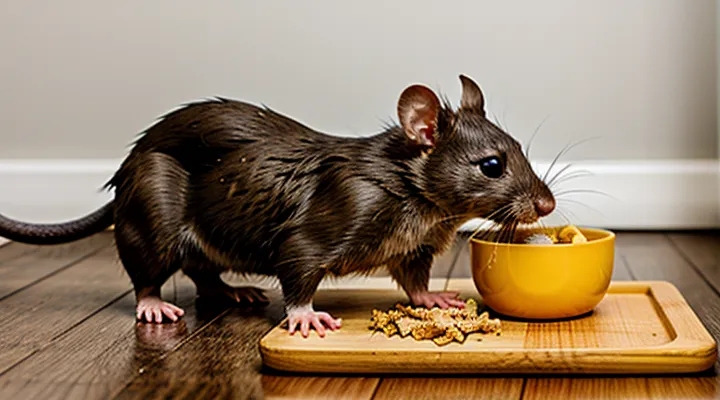
The Foundation of a Healthy Rat Diet
Staple Foods: The Core of Nutrition
Commercial Rat Blocks/Pellets: What to Look For
Commercial rat blocks and pellets provide a convenient source of balanced nutrition for pet rats. Selecting a high‑quality product requires attention to several objective criteria.
Key factors to evaluate:
- Ingredient composition – prioritize formulas that list whole grains, legumes, and vegetables before fillers such as soy or corn. Avoid products with artificial colors, flavors, or preservatives.
- Protein level – aim for 15‑20 % protein derived from animal or plant sources; lower percentages may lead to muscle loss, while excess protein can stress kidneys.
- Fiber content – 4‑6 % crude fiber supports digestive health and prevents gastrointestinal blockage.
- Calcium‑phosphorus ratio – maintain a ratio near 1:1 to promote bone development and prevent metabolic bone disease.
- Fat percentage – keep total fat below 6 % to avoid obesity while still providing essential fatty acids.
- Particle size and hardness – choose blocks that are firm enough to resist rapid disintegration but not so hard that rats cannot chew them comfortably.
- Shelf stability – verify expiration dates and packaging that protects against moisture, which can cause mold growth.
- Manufacturer reputation – prefer brands with documented testing, transparent labeling, and compliance with pet food regulations.
A well‑formulated block or pellet should meet these specifications without compromising palatability. Regularly rotate the product with fresh vegetables and occasional treats to ensure dietary variety and prevent nutritional deficiencies.
Fresh Vegetables and Fruits: A Rainbow of Goodness
Fresh vegetables and fruits supply essential vitamins, minerals, and dietary fiber that support a rat’s immune system, vision, and digestive health. A varied color palette indicates a range of phytonutrients; orange carrots provide beta‑carotene, red bell peppers supply vitamin C, and dark leafy greens deliver calcium and folate.
Safe options include:
- Carrots, sliced thinly
- Bell peppers (all colors)
- Broccoli florets, lightly steamed
- Spinach, chopped
- Apple (core removed, no seeds)
- Blueberries, a few at a time
- Pear, skin removed
Toxic items to exclude:
- Citrus peels, grapefruit
- Avocado, especially skin and pit
- Raw potato, green parts of any tuber
- Rhubarb leaves
- Chocolate, caffeine
Introduce new produce gradually, monitoring for changes in stool or appetite. Offer 1–2 teaspoons of chopped vegetables or fruit per day, adjusting to the individual’s weight and activity level. Remove uneaten pieces after two hours to prevent spoilage. Regular rotation of colors ensures balanced nutrient intake without reliance on a single food source.
Protein Sources: Building Blocks for Growth
Lean Meats and Eggs: Moderation is Key
Lean meats and eggs can enrich a rat’s diet with high‑quality protein, essential amino acids, and vital nutrients such as iron, B‑vitamins, and choline. These foods should complement a balanced staple base of grains, vegetables, and formulated pellets, not replace them.
Excessive protein overloads the liver and kidneys, accelerates fat accumulation, and may cause digestive upset. Rats that consume large quantities of lean meat or egg regularly show reduced appetite for fibrous foods, leading to imbalanced gut flora.
Practical guidelines for inclusion:
- Offer cooked, unseasoned lean meat (chicken breast, turkey, lean beef) in ½‑to‑1‑gram portions, no more than twice weekly.
- Provide hard‑boiled or scrambled egg, ¼‑to‑½ of a small egg, also limited to two servings per week.
- Ensure each serving is fully cooled before presentation to prevent burns.
- Observe the animal for signs of excess weight, altered stool consistency, or reduced water intake; adjust portions accordingly.
- Rotate protein sources to maintain variety and prevent overreliance on a single food type.
When administered within these limits, lean meats and eggs contribute to muscle maintenance, coat health, and overall vigor without compromising metabolic stability.
Legumes and Grains: Plant-Based Power
Legumes and grains supply essential protein, fiber, and carbohydrates for pet rodents. They complement animal‑based foods by delivering amino acids such as lysine and methionine, while supporting digestive health through soluble and insoluble fiber.
Suitable options include:
- Lentils (cooked, no seasoning)
- Chickpeas (cooked, rinsed)
- Green peas (fresh or frozen, thawed)
- Split peas (cooked)
- Oats (rolled, plain)
- Quinoa (cooked, cooled)
- Brown rice (cooked, unsalted)
- Barley (cooked, hulled)
Preparation guidelines: rinse raw beans, soak overnight, and cook until soft; discard skins that may contain tannins; avoid canned varieties with added salts or sugars. Serve in moderation—approximately 10 % of total daily intake by weight, adjusted for the animal’s size and activity level.
Potential concerns: raw legumes contain lectins and trypsin inhibitors that impair nutrient absorption; excessive grain consumption can lead to weight gain and gastrointestinal upset. Rotate varieties to prevent nutrient imbalances and monitor for signs of intolerance, such as loose stools or reduced appetite.
Integrating these plant‑based components into a balanced diet enhances overall nutrient diversity and promotes stable energy release throughout the day. Regular evaluation of portion sizes and preparation methods ensures safe, effective feeding for rats.
Dietary Considerations and Special Needs
Foods to Avoid: The Dangerous and the Detrimental
Toxic Foods: A Strict No-Go List
Rats cannot tolerate certain foods; ingestion leads to immediate or delayed health crises. Avoid these items completely to prevent liver failure, neurological damage, or death.
- Chocolate, cocoa, and products containing theobromine
- Caffeine‑containing beverages, energy drinks, and coffee grounds
- Alcohol and any fermented liquids
- Citrus fruits, especially oranges, lemons, and limes, due to high acidity
- Onion, garlic, leeks, and chives, which cause hemolytic anemia
- Avocado flesh and pits, which contain persin toxic to rodents
- Nuts high in aflatoxins, such as moldy peanuts or almonds
- Processed meats with high salt, nitrates, or preservatives
- Raw or undercooked beans, especially kidney beans, for lectin toxicity
- Artificial sweeteners, particularly xylitol, which can cause rapid hypoglycemia
Any accidental exposure requires immediate veterinary assessment. Continuous monitoring of diet eliminates the risk of these toxic substances.
High-Fat and Sugary Treats: Occasional Indulgence, Not a Staple
High‑fat and sugary items can be appealing to rodents, but they should remain rare additions rather than regular components of a diet. Excess calories from fats and simple sugars increase the risk of obesity, hepatic lipidosis, and dental disease, conditions that shorten lifespan and reduce quality of life.
When offering such treats, follow these guidelines:
- Limit frequency to no more than two sessions per week.
- Keep each portion to 1–2 grams, roughly the size of a pea.
- Choose treats with known nutritional content, such as a small piece of unsweetened dried fruit or a thin slice of low‑fat cheese.
- Observe the animal for changes in weight, coat condition, or activity level after each indulgence.
If a rat shows signs of weight gain or altered behavior, remove the treat entirely until a stable weight is restored. Replace high‑fat or sugary snacks with fresh vegetables, whole grains, or protein sources to meet nutritional requirements without unnecessary caloric load.
Hydration: Water is Essential
Water Bottles vs. Bowls: Pros and Cons
Providing clean water is as critical as food for the health of pet rats. Two common delivery methods—suspended water bottles and open bowls—each have distinct advantages and drawbacks.
Water bottles keep the liquid sealed from bedding, droppings, and chewing damage. They reduce spill risk, maintain temperature stability, and limit bacterial growth by limiting exposure to air. The typical design allows easy monitoring of consumption through the clear reservoir.
However, bottles require regular inspection of the sipper tube for blockage, and rats may develop difficulty accessing water if the bottle hangs too low or if the tube becomes clogged. Some individuals prefer to attach the bottle to the cage wall, which can limit placement flexibility.
Open bowls offer unrestricted access; rats can drink from any angle, which benefits older or injured animals. Bowls simplify cleaning—removing the bowl and rinsing with hot water eliminates buildup. They also enable observation of water levels without detaching equipment.
Conversely, bowls expose water to contamination from bedding, food, and urine. Spills increase humidity, encouraging mold and respiratory issues. Rats may overturn the bowl, creating waste and increasing cleaning frequency. Plastic or metal bowls can develop scratches that harbor bacteria if not replaced regularly.
Choosing between the two depends on cage design, the rat’s health status, and owner maintenance habits. For most setups, a bottle provides a hygienic, low‑spill solution; supplementing with a shallow bowl for occasional use can accommodate special needs without compromising overall sanitation.
Ensuring Constant Fresh Water Access
Fresh water must be available at all times for healthy rats. Stagnant or contaminated water leads to dehydration, kidney strain, and increased susceptibility to disease. Provide a water bottle with a stainless‑steel or plastic sipper that seals tightly to prevent spills and bacterial growth. Replace the bottle whenever cracks appear or the seal degrades.
Maintain water quality through a regular schedule:
- Clean bottle and sipper tip with mild detergent and rinse thoroughly at least twice weekly.
- Disinfect with a diluted white‑vinegar solution (1:10) once a month, then rinse completely.
- Refill with fresh, filtered water daily; avoid leaving water exposed to direct sunlight or heat sources.
Monitor consumption by observing the bottle’s water level each day. A sudden drop or lack of use signals potential health issues or equipment failure. Ensure the bottle is positioned lower than the cage’s food dish to prevent accidental contamination of food with water droplets.
Age and Health-Specific Diets
Young Rats: Growth and Development
Young rats experience rapid physiological changes from birth to adulthood. During the first three weeks, they rely exclusively on maternal milk, which supplies essential proteins, fats, and antibodies. By day 14, solid food introduction is critical; a gradual transition prevents digestive upset and supports tooth eruption.
Key nutritional targets for weanlings include:
- Protein content of 20‑25 % of total diet, sourced from soy, casein, or animal meal.
- Fat level of 8‑12 % to meet high energy demands.
- Calcium‑phosphorus ratio of approximately 1.2:1 to ensure skeletal development.
- Fiber at 5‑7 % to promote gut motility and prevent cecal dysbiosis.
- Vitamin D and vitamin E supplements to facilitate bone mineralization and antioxidant protection.
Feeding schedule should consist of multiple small meals throughout the day. Offering fresh food every 4‑6 hours maintains stable blood glucose and reduces competition among littermates. Water must be available at all times, with bottles cleaned daily to avoid contamination.
Monitoring growth involves measuring body weight twice weekly. Expected weight gain ranges from 2‑3 g per day in the first two weeks, slowing to 1‑2 g per day after weaning. Deviations from these patterns signal potential nutritional deficiencies or health issues and require prompt dietary adjustment.
Transition to adult formulation occurs around eight weeks of age. At this point, protein can be reduced to 18‑20 % and fat to 6‑8 % while maintaining mineral balance. Consistent provision of a balanced diet, regular weight checks, and clean water together support optimal development and prepare young rats for a healthy adult life.
Senior Rats: Maintaining Vitality
Senior rats require dietary adjustments to sustain energy, muscle tone, and organ function as metabolism slows. Provide a balanced mix of high‑quality protein, easily digestible carbohydrates, and reduced fat. Aim for 15‑20 % protein from sources such as cooked egg, low‑fat cottage cheese, or commercial rodent feed formulated for adults. Include complex carbs like cooked oatmeal or barley, and limit sugary treats that can stress glucose regulation.
Maintain adequate hydration by offering fresh water daily and supplementing with electrolyte‑balanced fluids during illness or heat stress. Add moisture‑rich foods—steamed vegetables, pumpkin puree, or unsalted broth—to increase fluid intake and support kidney health. Monitor daily water consumption; a noticeable decline may signal dehydration or underlying disease.
Supplementation supports aging systems:
- Vitamin E (50 IU/kg diet) for cellular protection.
- Omega‑3 fatty acids (fish oil, 1 % of diet) to reduce inflammation.
- Calcium + phosphorus ratio of 1:1 to preserve bone density.
- Probiotic blends to maintain gut flora balance.
Regular health checks are essential. Record body weight weekly; a loss exceeding 5 % signals inadequate nutrition or disease. Inspect teeth for overgrowth, which impedes chewing and can cause weight loss. Adjust portion size and texture if dental wear limits intake, offering soft, nutrient‑dense foods.
Environmental enrichment encourages activity, preserving muscle mass. Provide climbing structures, tunnels, and foraging opportunities that stimulate movement and mental engagement. Consistent exercise complements dietary measures, promoting overall vitality in senior rats.
Pregnant and Lactating Does: Increased Nutritional Demands
Pregnant and lactating female rats experience marked metabolic shifts that demand higher caloric, protein, and micronutrient intake. Failure to meet these needs compromises fetal development, milk production, and the health of the mother.
Energy consumption must rise substantially during gestation and peak during lactation. Typical maintenance calories for an adult rat are 15 kcal · day⁻¹; pregnant individuals require approximately 20–22 kcal · day⁻¹, while lactating rats need 25–30 kcal · day⁻¹, depending on litter size. Adjust feed volume accordingly and monitor body condition to prevent under‑ or over‑nutrition.
Protein requirements increase from 14 % of the diet for non‑reproductive rats to 18–20 % for pregnant and lactating does. High‑quality sources such as soy isolate, whey, or egg protein provide the essential amino acids needed for tissue growth and milk synthesis. Ensure that protein is evenly distributed across daily meals to support steady amino acid availability.
Micronutrients critical for reproductive performance include:
- Calcium: 0.8–1.0 % of diet; supports skeletal development and milk calcium content.
- Phosphorus: 0.6–0.8 % of diet; balances calcium for bone mineralization.
- Vitamin D₃: 1,000–2,000 IU · kg⁻¹; facilitates calcium absorption.
- Vitamin E: 100–150 IU · kg⁻¹; protects cellular membranes during rapid growth.
- B‑complex vitamins (especially B12 and folic acid): prevent developmental defects and sustain metabolic pathways.
- Iron and zinc: 80–120 ppm and 30–50 ppm respectively; support hemoglobin synthesis and immune function.
Feeding schedule should provide multiple small meals throughout the day to maintain stable nutrient levels. Offer fresh, palatable food at least three times daily; supplement with a high‑calorie gel or soft mash during late gestation and early lactation to encourage intake when appetite may fluctuate. Provide unlimited access to clean water, as hydration directly influences milk volume.
Regularly assess weight gain, coat condition, and litter growth. Adjust dietary composition promptly if signs of deficiency or excess appear. Maintaining precise nutrient ratios during pregnancy and nursing ensures optimal reproductive outcomes and long‑term colony health.
Rats with Health Issues: Consulting Your Vet
Rats showing signs of illness need professional veterinary assessment before any dietary adjustments are made. A veterinarian can identify underlying conditions that affect nutrient absorption, metabolism, or appetite, ensuring that feeding strategies support recovery rather than exacerbate problems.
Typical indicators that prompt a veterinary visit include:
- Sudden weight loss or gain
- Decreased or excessive food intake
- Diarrhea, constipation, or abnormal stool
- Lethargy, trembling, or difficulty moving
- Respiratory distress, nasal discharge, or other systemic symptoms
During the consultation the clinician will perform a physical examination, review the animal’s current diet, and may order blood work, fecal analysis, or imaging studies. These diagnostics reveal metabolic imbalances, parasites, or organ dysfunction that influence nutritional requirements.
Prepare for the appointment by documenting the rat’s daily food portions, treat frequency, and any recent dietary changes. Bring samples of the feed, treats, and water source, as well as a log of observed symptoms and behavioral shifts.
After the evaluation, follow the veterinarian’s instructions precisely. Recommendations may involve:
- Switching to a high‑protein, low‑fat formulation
- Adding specific vitamins or minerals
- Implementing scheduled feeding times to regulate intake
- Monitoring weight and stool consistency daily
- Scheduling follow‑up visits to reassess health status
Adhering to professional guidance eliminates guesswork, reduces the risk of nutrient deficiencies, and promotes a swift return to normal growth and activity levels.
Feeding Practices and Environment
Feeding Schedule and Portions
Regularity and Consistency
Establish a fixed feeding timetable and stick to it. Rats thrive when meals occur at the same times each day, typically morning and evening. Consistency prevents stress, supports metabolic stability, and simplifies health monitoring.
- Choose two specific times (e.g., 0800 h and 1800 h) and feed the same amount at each session.
- Use a calibrated scoop or digital scale to deliver identical portions.
- Record daily intake in a log to detect deviations promptly.
Provide fresh water continuously; replace it at least once daily to avoid contamination. When introducing new foods, add them gradually and maintain the established schedule to allow the animal’s digestive system to adapt without disruption. Regularity and consistency in feeding routines therefore form the foundation of effective rodent nutrition management.
Preventing Overfeeding and Underfeeding
Proper feeding of pet rats requires balanced portions to avoid the health risks of excess or deficiency. Overfeeding leads to obesity, fatty liver disease, and reduced lifespan; underfeeding causes weight loss, weakened immune response, and reproductive problems.
Maintain a consistent schedule, offering fresh food twice daily. Measure each serving with a kitchen scale—approximately 10 g of commercial pellet mix per 100 g of body weight, supplemented with a small amount of fresh vegetables (no more than 5 % of total intake).
Monitor body condition weekly: a healthy rat should have a smooth, slightly rounded silhouette without visible ribs or bulging abdomen. Record weight; a change of more than 5 % within two weeks signals a need to adjust portions.
Identify feeding errors:
- Spillage: leftover food on cage floors adds hidden calories. Clean daily and remove uneaten portions after two hours.
- Selective eating: rats may favor treats over staples. Limit high‑calorie treats to 1–2 % of daily calories.
- Insufficient fiber: low fiber increases stomach fill, prompting overconsumption. Include a fiber source such as hay or a small amount of bran.
Adjust feeding based on activity level. Active rats, especially those with breeding colonies, require 10–15 % more calories. Sedentary individuals need the baseline amount or slightly less.
Regular veterinary checks provide objective health assessments and allow early correction of feeding imbalances.
Enriching Mealtime
Foraging Opportunities: Mental Stimulation
Providing rats with foraging opportunities enhances dietary variety and engages natural exploratory behavior, which reduces boredom and promotes healthy brain function. Structured foraging mimics the search for food in the wild, encouraging problem‑solving and fine‑motor skills.
To integrate foraging into a balanced feeding plan, follow these steps:
- Choose safe, nutritionally appropriate items such as small pieces of fresh vegetables, unsalted nuts, or dried legumes. Verify each ingredient is non‑toxic and offered in moderation.
- Hide portions of the daily ration in chew‑safe containers, paper tubes, or woven fabric pouches. Rotate locations to maintain novelty.
- Introduce puzzle devices—e.g., treat‑dispensing balls or wooden blocks drilled with cavities—so rats must manipulate objects to access food.
- Limit foraging sessions to 10‑15 minutes, preventing overconsumption while preserving the challenge.
Monitor each rat’s weight and overall health weekly. Adjust portion sizes if foraging leads to excess caloric intake. Observe behavior; increased activity and reduced stereotypic gnawing indicate successful mental stimulation.
Incorporating foraging consistently supports a comprehensive nutrition strategy, reinforcing both physical well‑being and cognitive health for pet rats.
Chew Toys and Dental Health
Chew toys are essential for maintaining rat incisor length and preventing malocclusion. Continuous grinding of hard surfaces wears teeth evenly, reducing the risk of overgrowth that can obstruct eating and lead to infection.
- Wooden blocks, untreated pine or applewood, provide natural abrasion.
- Mineral chews, such as calcium-rich bone-like sticks, supply nutrients while shaping teeth.
- Sisal ropes and woven paper products create varied textures for comprehensive wear.
Select toys that are free of chemicals, dyes, or glue. Replace items regularly; worn pieces become smooth and lose effectiveness. Monitor each rat’s chewing behavior to ensure the toy meets individual preferences and dental needs.
Adequate dental health supports overall nutrition. Overgrown incisors impair the ability to gnaw food, leading to reduced intake of essential proteins, fats, and vitamins. Regular inspection of teeth, combined with appropriate chew items, promotes efficient feeding and long‑term wellbeing.
Storage of Food
Keeping Food Fresh and Safe
Providing rats with fresh, uncontaminated food is essential for health and longevity. Food that spoils or becomes contaminated can cause digestive upset, nutrient deficiencies, and infections. Maintaining quality requires careful storage, handling, and regular inspection.
Store dry pellets, seeds, and grains in airtight containers made of glass or heavy‑wall plastic. Keep containers in a cool, dry area away from direct sunlight. Use containers with built‑in moisture absorbers or place a small desiccant packet inside. Label each container with the purchase date and rotate stock so older supplies are used first.
- Transfer food to the storage container immediately after opening the original package.
- Seal the container each time it is accessed.
- Clean the container with mild soap and rinse thoroughly before refilling.
- Avoid storing food near strong odors (e.g., cleaning chemicals, spices) that rats might absorb.
When offering food, handle it with clean hands or sanitized utensils. Serve only the amount rats can consume within a few hours; discard leftovers promptly. Remove any wet or moldy pieces before placing fresh food in the cage. Use separate bowls for dry and fresh items to prevent cross‑contamination.
- Wash feeding bowls daily with hot water and a non‑abrasive detergent.
- Rinse bowls thoroughly to eliminate soap residue.
- Dry bowls completely before refilling.
- Keep the cage environment at a stable temperature (18‑24 °C) and humidity (45‑55 %) to slow spoilage.
Regularly inspect food for signs of spoilage: discoloration, foul odor, slime, or insect activity. Replace any compromised batch immediately. Maintain a log of feed dates and observations to track patterns and adjust storage conditions as needed. Consistent application of these practices preserves nutritional value and protects rat health.
Preventing Pests
Feeding rats safely requires controlling pests that can contaminate food and spread disease. Proper storage, sanitation, and habitat management eliminate insects, rodents, and other vectors, ensuring the diet remains nutritionally reliable.
Key actions to prevent pests while providing rat nutrition:
- Store dry feed in sealed, airtight containers; metal or heavy‑duty plastic bins with lockable lids are preferred.
- Keep feeding areas free of spilled crumbs; clean surfaces after each meal with a mild, non‑toxic disinfectant.
- Place feed away from walls, vents, and cracks where insects or wild rodents might access it.
- Use low‑profile, chew‑resistant feeders that limit exposure to external pests.
- Rotate stock regularly; discard any feed that shows signs of moisture, mold, or infestation.
Routine inspection supports long‑term pest control. Check containers for damage, monitor for droppings or insect activity, and replace compromised equipment promptly. Maintaining these practices preserves the quality of rat food and protects overall colony health.